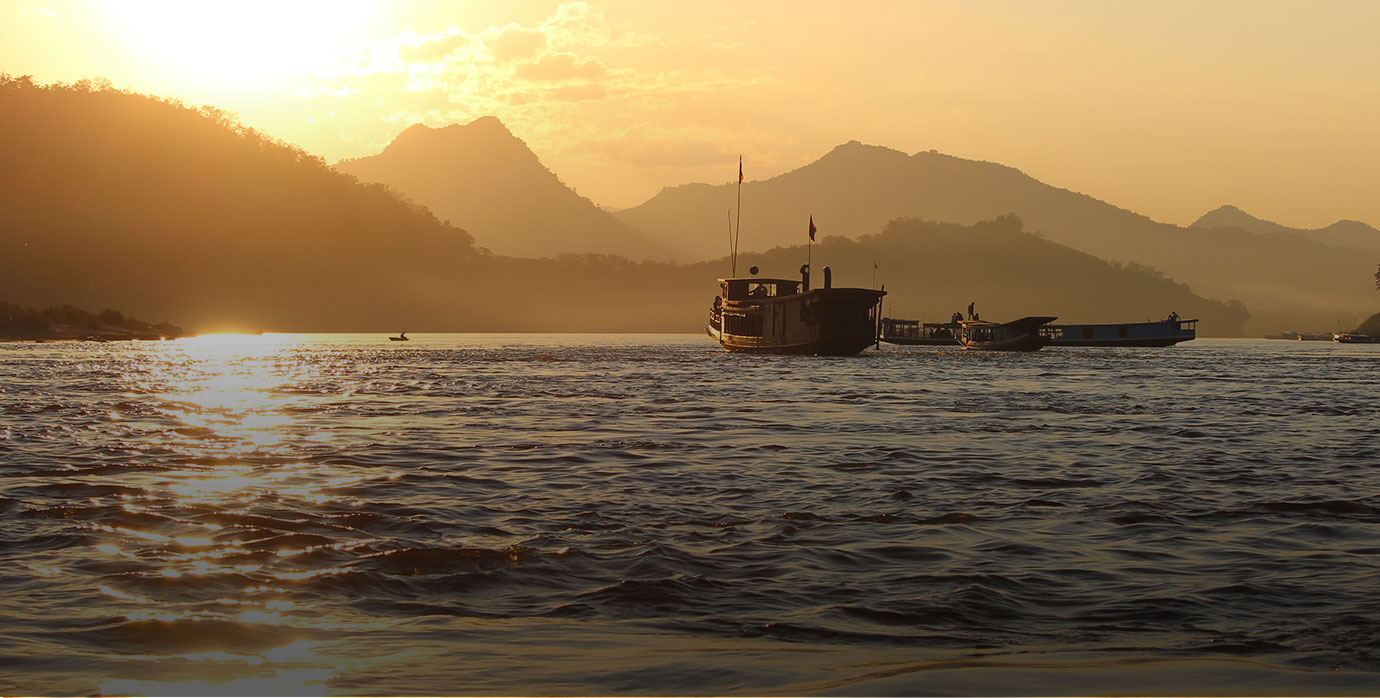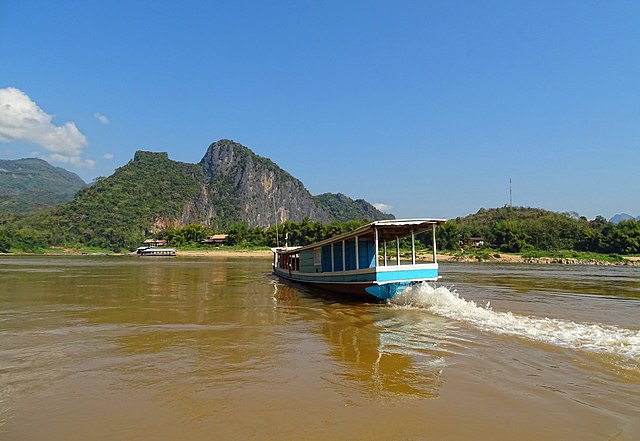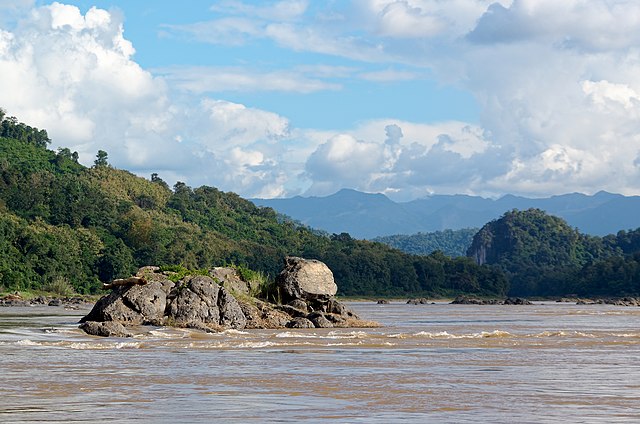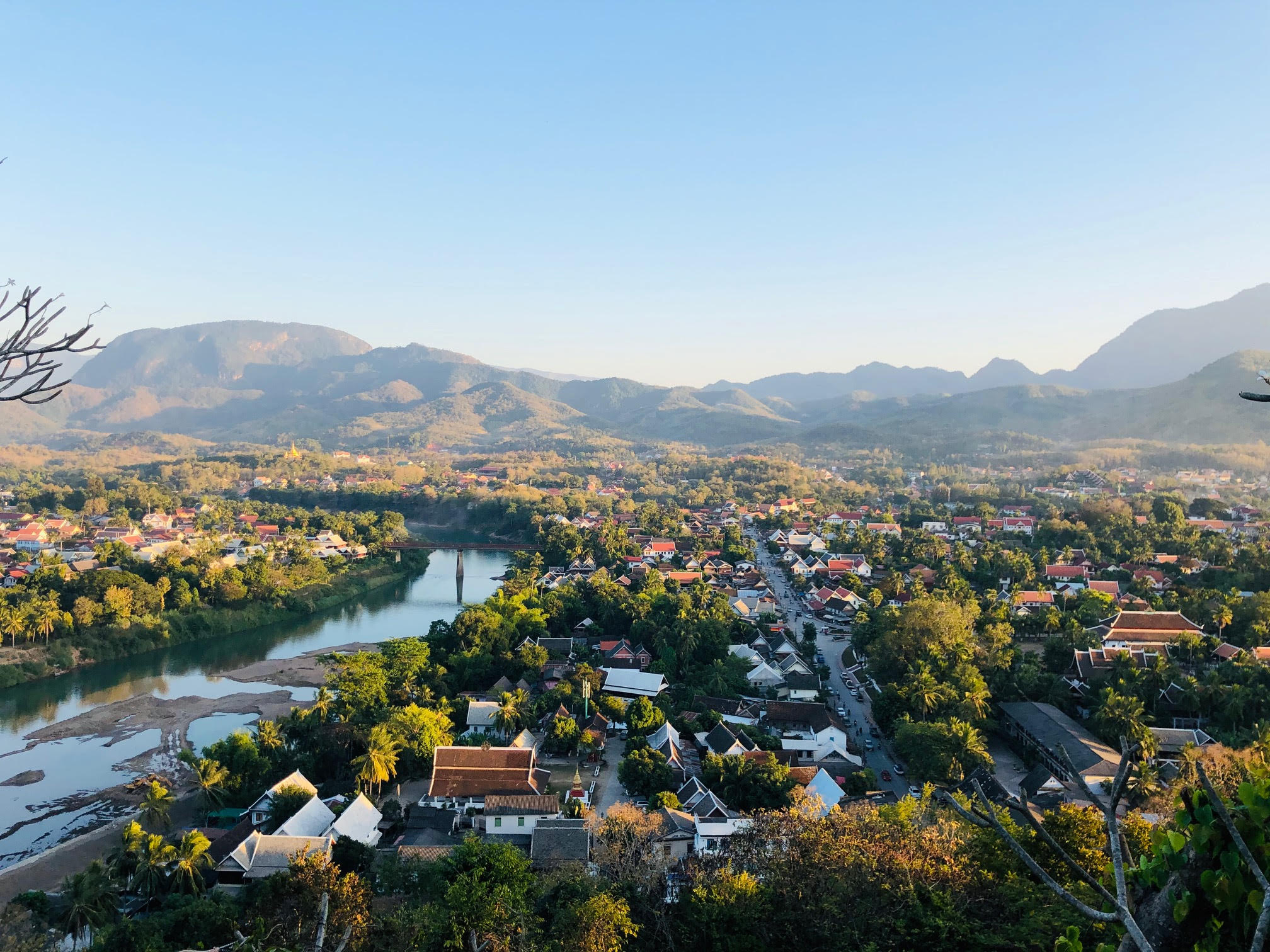
The Mekong River serves as the lifeblood of Southeast Asia, a complex hydrological artery sustaining millions through agriculture, spirituality, and trade. To move beyond superficial tourism, travellers must adopt an ethnographic perspective, seeking the nuanced rhythms of the river’s riparian communities.
Navigating the Tributary Networks
Authentic immersion begins where the main shipping lanes end. While large-scale vessels offer convenience, a Mekong private tour provides the agility required to penetrate the delta’s intricate “arroyos”. These smaller craft allow for spontaneous stops at stilt-house villages, where the economy remains tied to seasonal flooding and artisanal fishing rather than souvenir sales.
Curated Cultural Architecture
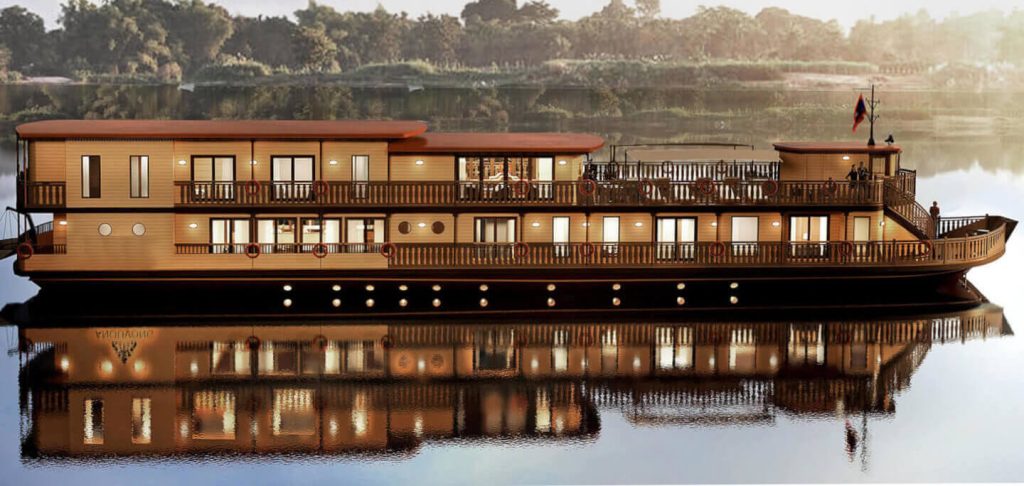
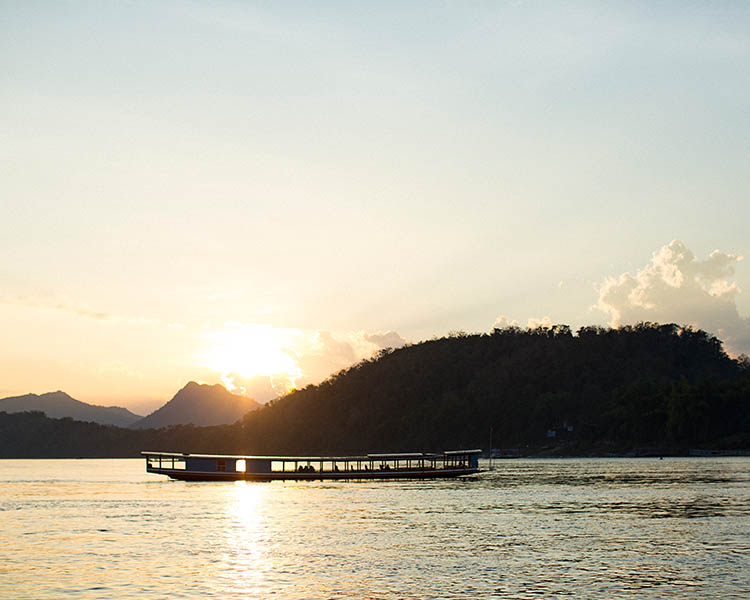
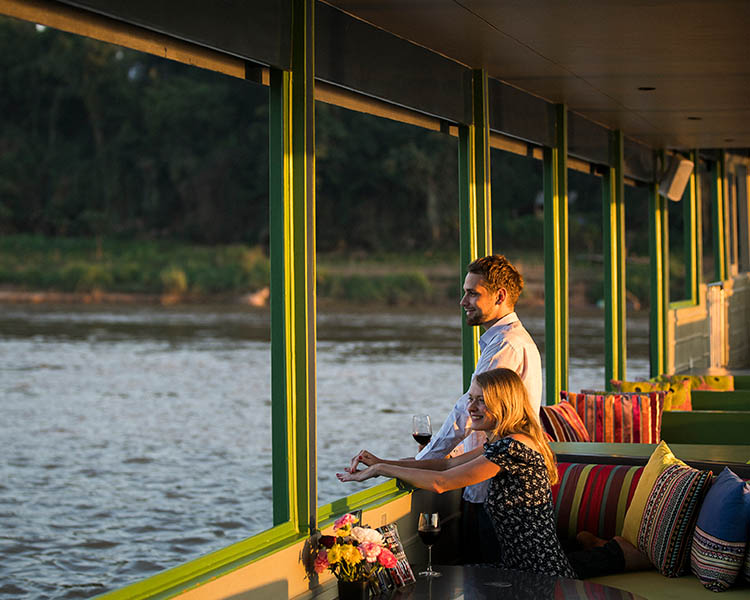
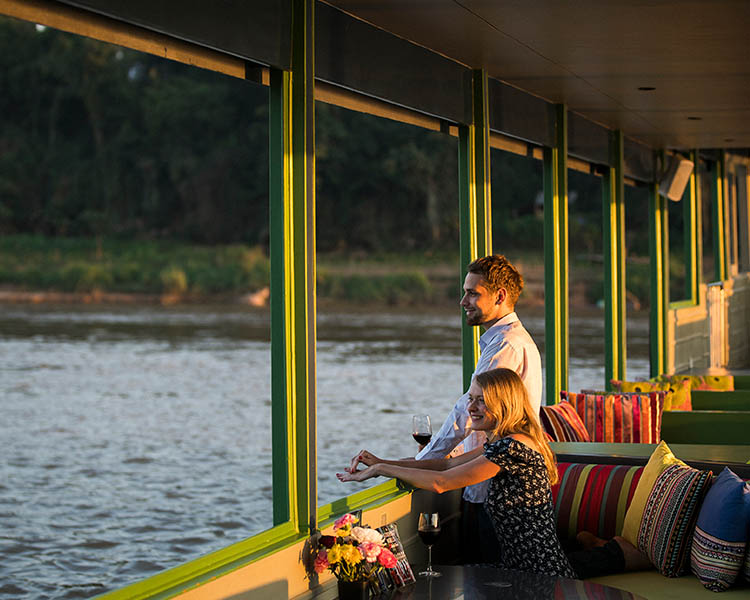
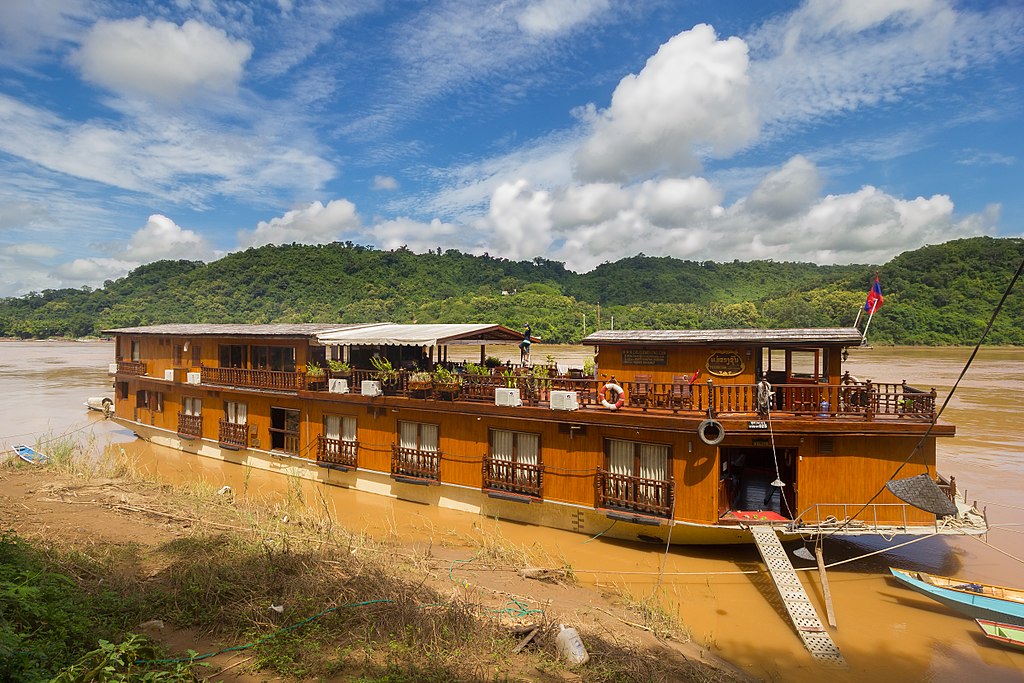
Selecting a vessel that prioritises heritage over high-volume transit is essential for a sophisticated journey. For instance, operators like Mekong Kingdoms design their vessels to mirror local aesthetics, providing a floating platform for high-level cultural exchange. This approach ensures that your presence supports the preservation of regional art and architecture rather than its dilution.
The Ephemeral Floating Markets
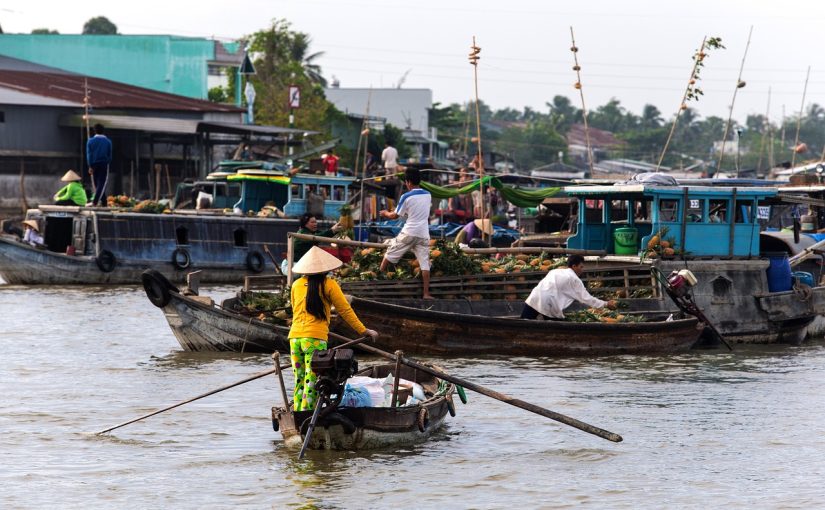
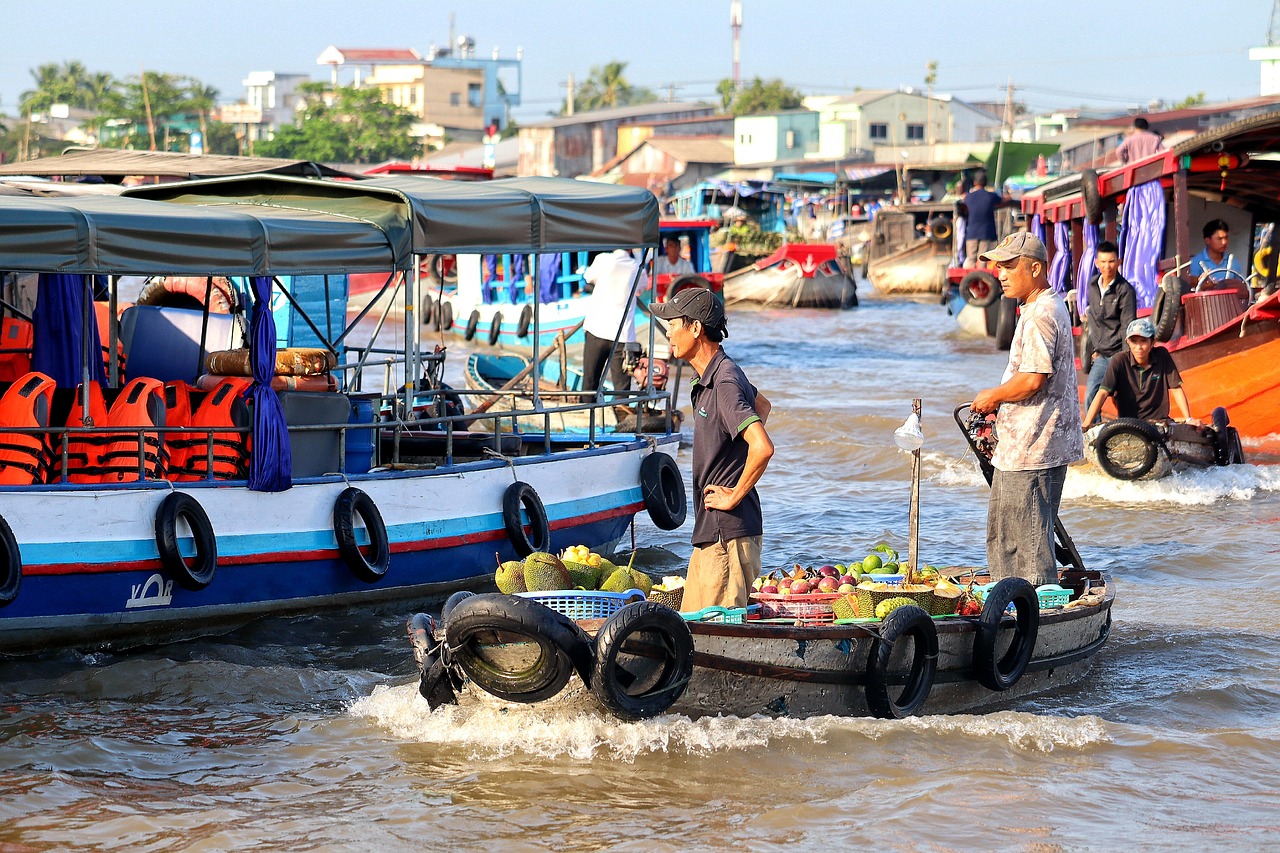
The floating markets of the Mekong are not merely spectacles but vital commercial hubs. Observing the “cay beo”, bamboo poles displaying the day’s produce, reveals a sophisticated system of non-verbal trade. Engaging with these markets at dawn offers a raw look at the region’s agricultural wealth and the resilience of its water-borne merchants.
Rituals of the Riparian Landscape
Deep connection is often found in the silence of the river’s spiritual geography. Whether observing the meditative “Tak Bat” (alms-giving) in Luang Prabang or visiting centuries-old brick kilns in Vinh Long, these encounters demand a slow pace. By honouring the river’s natural tempo, the traveller shifts from a passive observer to a witness of a living history.