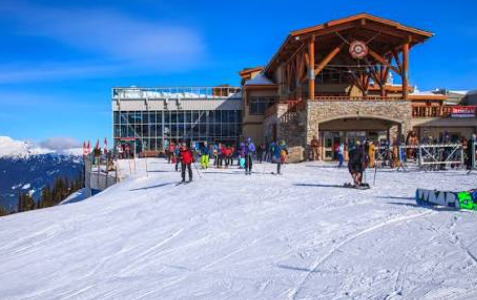
High-Alpine & Lakeside: The Ultimate Whistler Summer Adventure Guide

When winter’s heavy snowfall finally melts, Whistler transforms into a sun-drenched haven for outdoor enthusiasts. Lush pine forests replace icy slopes, revealing technical alpine trails, crystal-clear lakes, and a bustling pedestrian village packed with patio life.
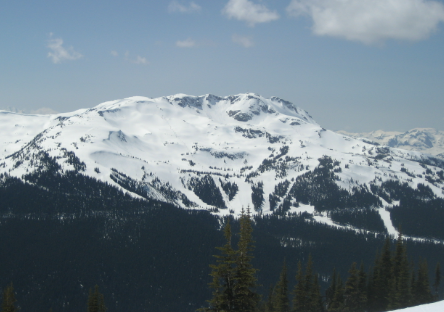
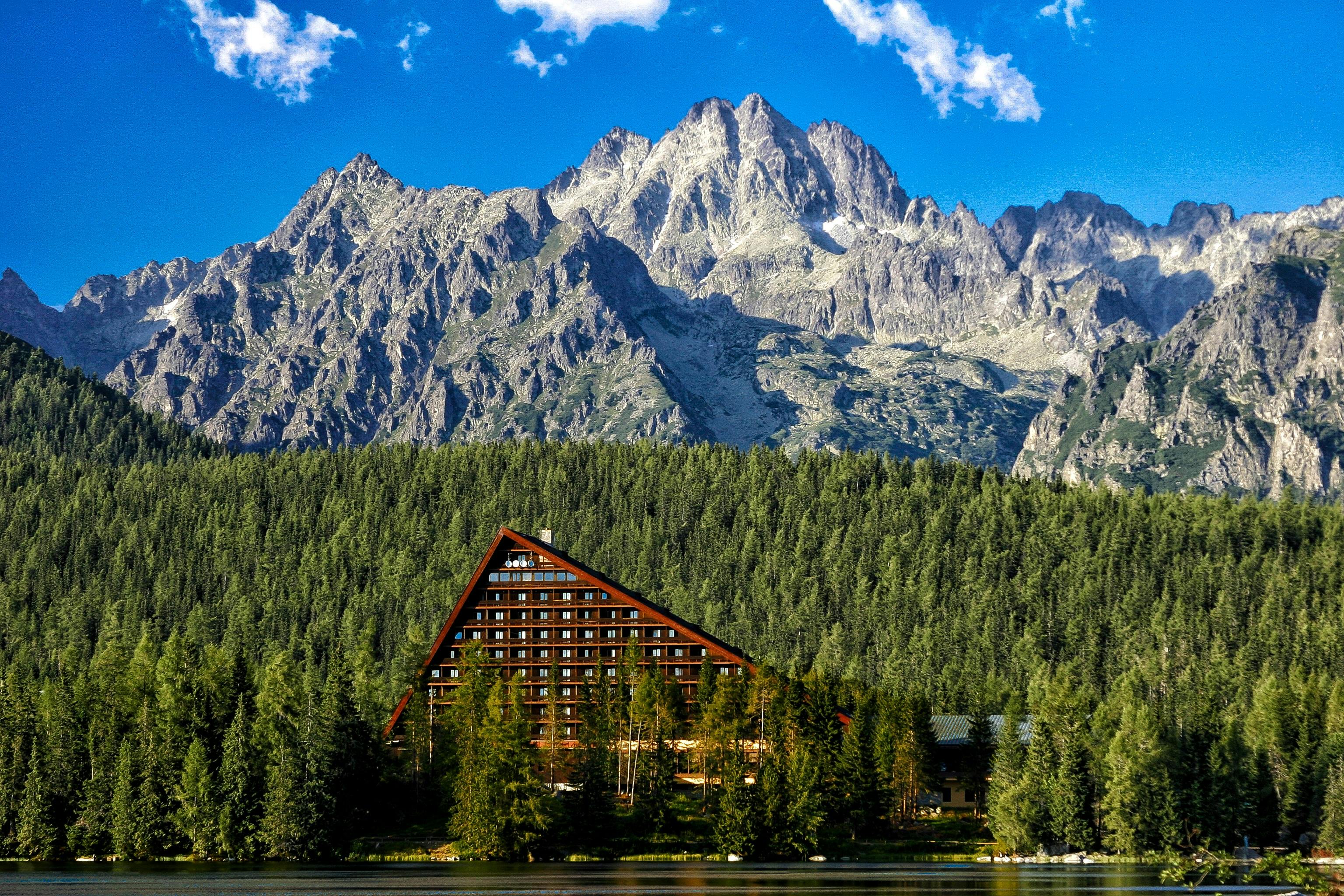
Whistler Mountain | Wikimedia Commons

High-Alpine Trail Hiking

Riding the PEAK 2 PEAK gondola high above the tree line opens up miles of pristine ridge trails. Hikers can traverse high-altitude paths blooming with seasonal wildflowers, with dramatic glacier peaks creating sharp, dramatic views in every direction.

World-Class Downhill Biking

For adrenaline junkies, Whistler Mountain Bike Park stands as the ultimate playground. Renting a full-suspension gravity bike allows riders to charge down 4,900 vertical feet, navigating tight forest switchbacks, wooden feature bridges, and fast-flowing dirt jumps tailored for every skill level.

Vibrant Village Basecamps

After a day spent exploring the wilderness, relaxing in the pedestrian-only village is essential. Prime properties like Pan Pacific Whistler Mountainside demonstrate why top hotels in Whistler, BC, draw summer travellers, offering heated outdoor pools nestled right at the base of the gondolas for immediate post-ride recovery.

Glacier-Fed Lake Chilling

When warm afternoon temperatures peak, heading down to Alta Lake or Lost Lake provides the ideal wind-down. Travellers can launch stand-up paddleboards, kayak along timbered shorelines, or simply lounge on sandy docks while soaking up the mountain sun.
Eating Well in Hatta – A Simple Guide to Dining in the Mountains

Hatta’s reputation rests largely on its outdoor activities and mountain scenery, but the dining experience here deserves its own attention. Eating in Hatta tends to take advantage of the cooler climate and quieter surroundings, with options that range from simple local fare to more considered resort dining.

The Setting Shapes the Experience

One of the defining features of dining in Hatta is the environment itself. Outdoor seating areas that make use of the cooler mountain air, views across the surrounding peaks, and the general absence of city noise all add a quality to meals here that is different from Dubai proper.

Local and Regional Flavours

A Hatta restaurant in Dubai will typically draw on regional Emirati and broader Middle Eastern influences, often incorporating fresh produce sourced from the area. Grilled meats, fresh salads, and traditional mezze-style dishes are common, offering a more grounded and less elaborate dining style than the high-end restaurant scene found in central Dubai.

Hatta | Flickr

Resort Dining Done Thoughtfully

The best dining experiences in Hatta tend to come from properties that understand the setting they are working with. Outdoor terraces, views across the surrounding peaks, and menus that lean into regional flavours all contribute to meals that feel appropriate to the mountain environment. JA Hatta Fort Hotel handles this well, with dining options that make the most of the outdoor setting without overcomplicating what is, at its best, a straightforward and satisfying experience.

Pairing Food With the Day’s Activities

Hatta’s day has a rhythm that makes for great eating. You can start your day with a hearty breakfast before hitting the water for kayaking or biking, enjoy a light lunch when it’s warm, and then have a longer, more chilled-out dinner in the evening. All of this fits nicely with what people usually do around here. This natural connection between food and activity is what makes dining in Hatta feel so perfect for the place.

Explore and Experience Hatta – Dubai’s Favourite Mountain Escape

A decade ago, Hatta was little more than a quiet stopover on the road to Oman. Today, this mountain enclave has become one of the most sought-after weekend destinations in the UAE, drawing residents and visitors alike with its scenery, outdoor activities, and cooler climate than the city below.

Hatta-UAE | Wikimedia Commons

The Landscape Does the Heavy Lifting

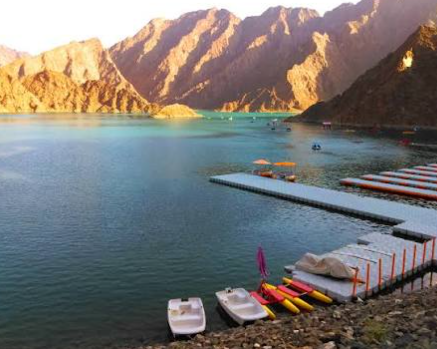
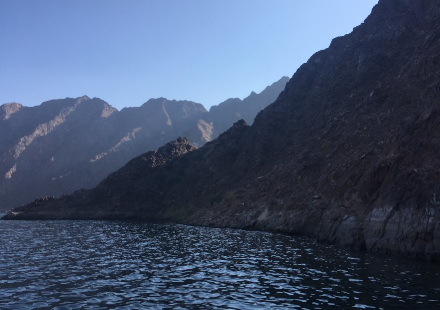
Hatta’s appeal starts with its setting. The Hajar Mountains rise around the town, creating a landscape of rugged peaks, deep wadis, and the turquoise waters of Hatta Dam, all of which feel a world away from Dubai’s skyscrapers despite being just over an hour’s drive from the city centre. The contrast is part of what makes the destination so effective as a quick escape.

A Base in the Mountains

Among the best hotels in Hatta Dubai, having a base that reflects the mountain setting adds a lot to the experience. JA Hatta Fort Hotel has long been the area’s most established property, set in the landscape itself. Accommodation options in the mountains take full advantage of the cooler air and sweeping mountain views. It is easily a once-in-a-lifetime experience.

Activities for Every Pace

Hatta has developed a strong outdoor activity scene over the past several years. The Hatta Mountain Bike Trail Centre provides routes for riders of every level, kayaking on the dam has become one of the area’s signature experiences, and hiking trails through the surrounding wadis appeal to those looking for a slower, more contemplative way to take in the scenery. There is enough variety here to suit almost any kind of traveller.

More Than a Sense of Heritage

Hatta Heritage Village adds a cultural aspect to the destination, with restored traditional buildings, a watchtower, and exhibits exploring the area’s history as a mountain trading community. It is a compact but worthwhile stop that gives context to the region beyond its more recent reputation as an adventure destination.

Sun, Shade, and a Cold Drink – The Art of the Dubai Pool Day

Dubai knows how to make pool days special. The reliable sunshine, well-designed resort facilities, and a hospitality industry that understands the art of doing nothing in comfort make spending a day by the water here one of the most enjoyable things the city offers. A well-planned pool day in Dubai delivers a kind of satisfaction that is very hard to beat.

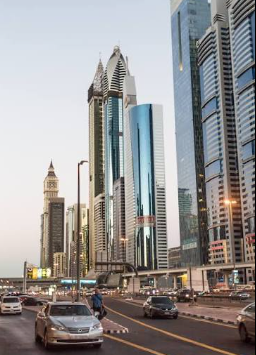
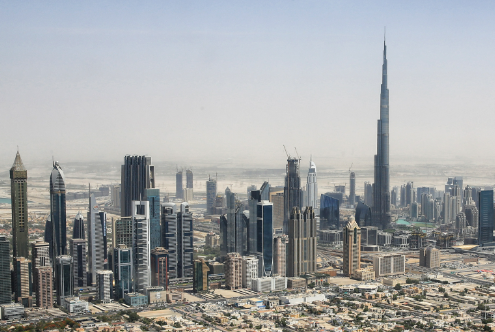
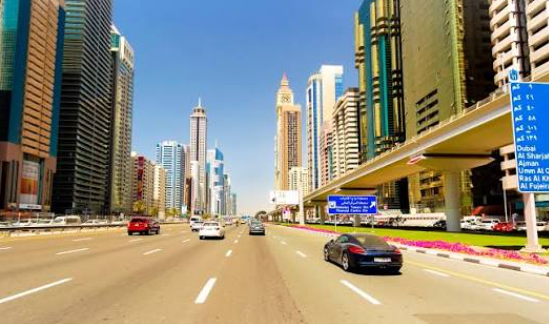
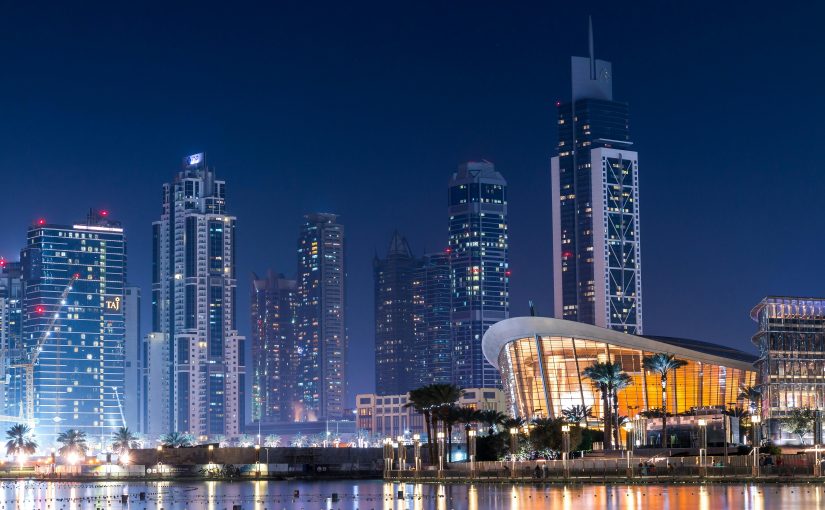
Dubai | Wikimedia Commons

Choosing the Right Pool Setup

Not all pools in Dubai are created equal, and bigger isn’t always better. The difference between a well-designed pool area with good shade, comfortable loungers, attentive service, and a view worth looking at, and a basic hotel pool tucked between two buildings, is significant. A way to up the ante on a pool day is to find a place that combines pool and beach access, giving you the flexibility to move between the two whenever you want.

The Pool Lounge Experience

A pool lounge in Dubai adds a social aspect to the day that a standard pool setup cannot quite replicate. Great music, a good drinks menu, and delectable bar fare without having to leave your lounger all add up to an insanely fun experience. JA Palm Tree Court is a great place to consider if this sounds up your alley.

Eating and Drinking

When you’re planning a great pool day in Dubai, it’s all about the food and drinks, just as much as the sun and water. A nice, light breakfast to kick things off, a refreshing and easy lunch, and a cold drink that comes just when you need it, these are the key ingredients for a truly indulgent day. The best pool venues know that the food and drink are just as important as the actual pool area, so they make sure their menus are top-notch.

Making the Most of the Light

Dubai’s lighting shifts quite a bit with the time of day, and the best pool days make the most of it. In the morning, the temperatures are cooler and the light is softer, perfect for swimming. Midday is when you need shade and something cold to drink. Late afternoon, when the heat starts to ease and the light turns golden, is often the most beautiful time to be by the water, and the hour before sunset is definitely worth staying for, no matter how long the day has been.

Stay, Play, Repeat – How to Plan the Perfect Dubai Staycation

There is a particular kind of satisfaction that comes from checking into a hotel in your own city. The familiar streets look different from a hotel room, the weekend feels longer, and the everyday routines that normally fill your hours simply disappear. A Dubai staycation, done well, delivers all of this and a great deal more.

Choosing the Right Property

The success of a staycation in Dubai starts with the choice of hotel. A property with strong beach access, multiple dining options, and enough on-site facilities to fill a weekend without ever needing to leave is the ideal starting point. The best staycation deals in Dubai bundle room rates with breakfast, dining credits, and resort access so that the total cost feels like good value against what you would spend travelling elsewhere for the same level of experience.

Dubai | PxHere

Making the Most of the Beach and Pool

A Dubai staycation should include at least one long day built around the pool or the beach. No particular schedule, no places to be, and no reason to move fast. JA Palm Tree Court on the Palm Jumeirah is perfect for this kind of setup, with a stretch of private beach and resort facilities that make a full day of doing very little feel like a very good use of time.

Eating Your Way Through the Weekend

One of the pleasures of a staycation is the freedom to eat well without the usual constraints of a working week. Breakfast at the hotel, a long lunch by the pool, and a fancy dinner at one of the resort’s restaurants all make a weekend that feels indulgent in the best possible way. Trying different dining options within the same property is part of what makes a staycation feel like more than just a hotel stay.

Adding a Little Structure

The most successful Dubai staycations combine rest with a small amount of activity. A morning spent exploring a nearby neighbourhood, an afternoon at a spa, or an evening at one of the city’s better restaurants outside the hotel all give the weekend a shape without compromising the sense of escape that a staycation is supposed to provide.

 Nature-Immersive Architecture – the Most Sought-After Luxury Trend of 2026 

Luxury travel in 2026 is being redefined by a powerful trend: nature-immersive architecture. This design philosophy seamlessly blends built environments with the natural world, creating spaces that feel both indulgent and restorative. For corporate leaders, families, and wellness seekers alike, it’s the ultimate way to experience luxury while staying connected to nature.

Holiday Resort on Lakeshore | Pexels

Harmony Between Design and Landscape

Nature-immersive architecture prioritises harmony with the environment. Structures are designed to complement landscapes rather than dominate them, using organic materials and open layouts that invite natural light and fresh air. Resorts like Lacol Khaoyai exemplify this approach, offering guests a chance to live within nature without sacrificing comfort.

Sustainability Meets Luxury

Eco-consciousness is no longer optional—it’s essential. These architectural designs incorporate renewable energy, water conservation, and sustainable building practices. Guests enjoy luxury while knowing their stay supports environmental stewardship, making it a guilt-free indulgence.

Elevated Guest Experiences

From infinity pools overlooking forests to villas surrounded by tropical gardens, nature-immersive architecture enhances every moment of a stay. Travellers seeking exclusivity often choose a luxury resort in Khaoyai, where immersive design transforms ordinary vacations into extraordinary experiences.

Wellness Through Connection

The calming effect of nature is amplified when architecture dissolves boundaries between indoors and outdoors. Spaces designed for meditation, yoga, or quiet reflection allow guests to recharge mentally and physically, making these resorts ideal for wellness-focused retreats.

A Curated Guide to the Best Adventure Experiences in Hatta – Mountain escapes and outdoor thrills

Just a short drive from Dubai, Hatta offers a refreshing escape filled with outdoor adventure and dramatic mountain scenery. From calm waters to rugged trails, this guide highlights experiences that bring out the adventurous side of the region.

Kayaking Across the Calm Waters of Hatta Dam

One of the most recognisable adventure activities in the region is kayaking on Hatta Dam. Surrounded by the Hajar Mountains, the turquoise water creates a striking contrast against the rocky landscape. Visitors can rent kayaks and paddle slowly through narrow channels while enjoying quiet views of the mountains. The activity suits both beginners and experienced paddlers, making it an easy way to explore the natural side of Hatta. Many travellers also combine this experience with a stay at a Hatta resort in Dubai, which places them close to several outdoor activities in the area.

Mountain Biking Trails for Every Skill Level

Hatta has become one of the UAE’s most popular destinations for mountain biking. The Hatta Mountain Bike Trail Centre offers more than 50 kilometres of marked trails that range from beginner-friendly routes to technical downhill paths. Riders move through desert terrain, rocky slopes, and open valleys while taking in wide mountain views. Bikes can be rented on site, which makes the activity accessible even for first-time visitors. Many travellers base themselves at JA Hatta Fort Hotel Dubai, as the property sits near the mountains and provides convenient access to the cycling routes.

Hiking Routes Through the Hajar Mountains

For travellers who prefer exploring on foot, Hatta offers several hiking routes that reveal a quieter side of the mountains. Trails wind through dry riverbeds, rocky ridges, and natural viewpoints overlooking the valley. Early morning walks are especially popular because the weather is cooler and the lighting across the mountains is softer. Hikers often encounter small desert plants and occasional wildlife along the paths. The variety of routes means both casual walkers and experienced hikers can find a trail that suits their pace.

Off-Road Adventures Across Desert Landscapes

image by Pexels

Beyond the mountains, Hatta also offers exciting off-road experiences. Guided 4×4 drives take visitors across rugged desert terrain and through traditional villages that highlight the region’s heritage. Some tours include stops at historic watchtowers and scenic viewpoints overlooking the surrounding valleys. The journey itself is part of the experience, with winding mountain roads and open desert landscapes creating a sense of adventure. For travellers looking to see more of Hatta beyond the main attractions, these drives provide a memorable way to explore the wider region.

Kbal Spean in Cambodia – A Captivating Journey to a Hidden Gem

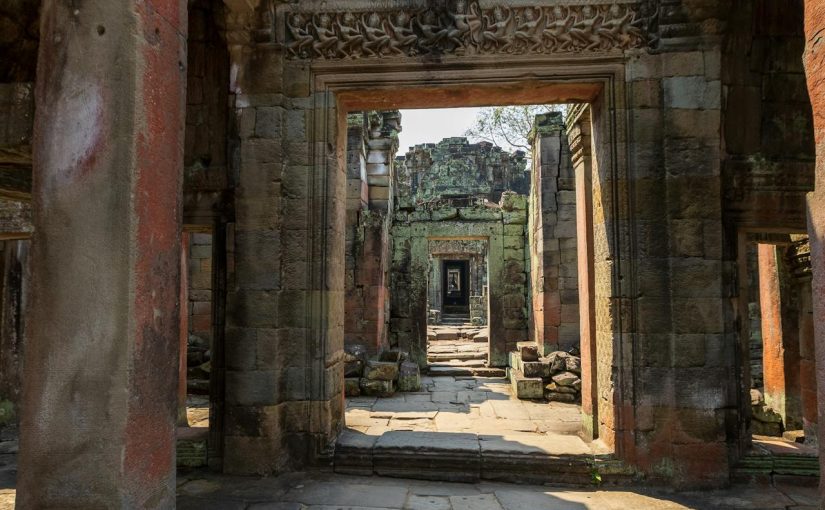
Hidden within the jungle-covered Kulen Hills, around 50 kilometres northeast of Siem Reap, Kbal Spean is one of Cambodia’s most remarkable archaeological treasures. Also known as the ‘River of a Thousand Lingas’, this sacred Angkorian-era site perfectly combines natural beauty with ancient spirituality. Kbal Spean, with its flowing water, lush jungle, and centuries-old carvings, is a captivating destination for travellers seeking a deeper understanding of Cambodia’s spiritual heritage.

The Sacred River of a Thousand Lingas

As one of the most fascinating Siem Reap attractions, the most distinctive feature of Kbal Spean is the hundreds of lingas carved directly into the riverbed. These sacred symbols represent the creative power of Shiva in Hindu faith. Arranged in precise grid patterns across the sandstone floor, the carvings stretch for nearly 200 metres along the stream. As water flows over the lingas, it is believed to be blessed, carrying sacred energy downstream to the temples and rice fields of Angkor.

Mythological Stories Carved in Stone

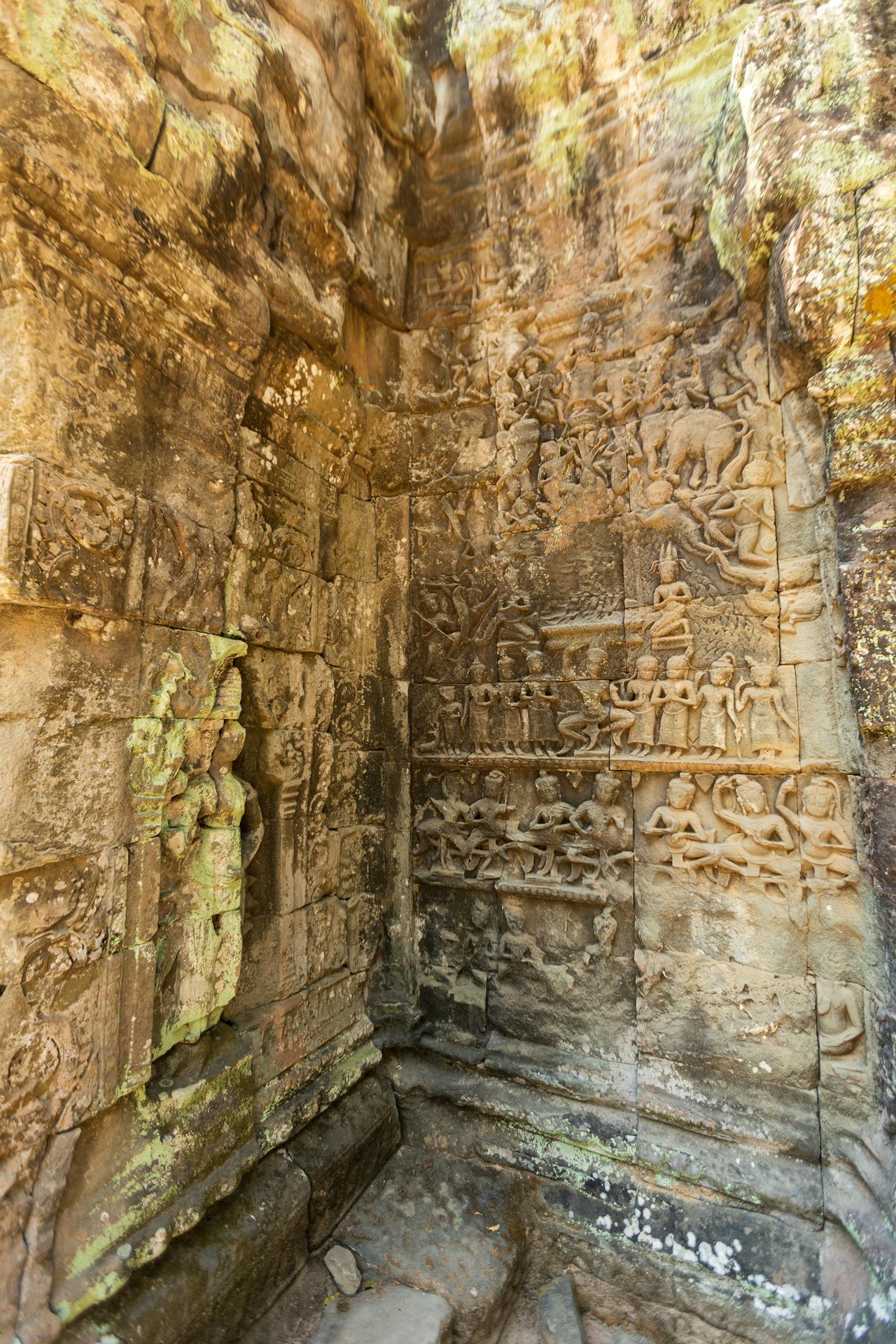
Beyond the lingas, Kbal Spean features detailed carvings of Hindu deities and mythological scenes. Visitors can find depictions of Vishnu reclining on the serpent Ananta as well as ones where he is accompanied by his consort Lakshmi. These artistic representations reflect the deep influence of Hinduism during the Angkorian period. Travellers exploring nearby heritage sites or planning their stay at hotels such as FCC Angkor by Avani will often discover that Kbal Spean offers a unique blend of history, spirituality, and natural beauty.

Image by pexels

A Sanctuary Rooted in Angkorian History

The carvings at Kbal Spean date back to the 11th and 12th centuries during the height of the Khmer Empire. The project began under King Suryavarman I and flourished during the reign of King Udayadityavarman II. In 1059, the king consecrated a golden linga at the site, further highlighting its spiritual significance.

A Scenic Jungle Journey

Reaching Kbal Spean requires a scenic 1.5-kilometre hike through lush forest trails in Phnom Kulen National Park. The walk itself adds to the experience, as visitors pass through dense vegetation before reaching the sacred river. The best time to visit is between November and April, when water levels are lower, making the carvings beneath the flowing stream more visible.

The UAE’s Adventure Capital: Exploring the Mountains, Deserts, and Shores of Ras Al Khaimah

Ras Al Khaimah (RAK) is an extraordinary escape that perfectly blends majestic mountains, golden deserts, and pristine coastlines. This UAE gem promises an unforgettable journey for every visitor seeking both thrilling escapades and serene beauty. Prepare to discover a destination where adventure knows no bounds.

The best Hiking path in UAE
The best Hiking path in UAE | Image via Wikimedia Commons

Thrills on Jebel Jais: Zip-lines, Sky-high Views, and Mountain Adventures

The Hajar Mountains and Jebel Jais, the UAE’s highest peak, are RAK’s adventure playground. Experience the world’s longest zip line, Jais Flight, or challenge yourself on the Jais Ropes Course. Hiking and biking trails offer breathtaking views, making mountain exploration a must-do among the great things to do in Ras Al Khaimah.

Coastal Escapes: Watersports, Resorts, and Tranquil Beach Life

RAK boasts stunning coastlines ideal for relaxation and aquatic fun. Visitors can enjoy kayaking through mangroves or paddleboarding. Luxurious seaside resorts like Anantara Mina Al Ras Al Khaimah provide direct beach access for an idyllic stay.

Desert & History: Exploring Bedouin Culture and the Ancient Dhayah Fort

The expansive desert invites exploration through safaris, dune bashing, or camel treks, showcasing timeless Bedouin culture. The emirate’s history comes alive at Dhayah Fort, a 16th-century stronghold offering views of the surrounding palm groves and a glimpse into the past.

Culinary Journeys: From Fine Dining to Local Emirati Flavours

Indulge in the diverse culinary scene, from international fine dining to authentic Emirati restaurants. Explore souks for local delicacies or enjoy a sophisticated meal with a view, perfectly culminating a day filled with exploration and excitement.

Scuba Diving in the Maldives –  A Simple Primer

Scuba diving in the Maldives is like stepping into an underwater wonderland. Imagine swimming through crystal-clear waters, checking out colourful coral reefs, and hanging out with turtles, manta rays, and even whale sharks. Whether you’re a newbie or a seasoned diver, the Maldives has dive spots for everyone.

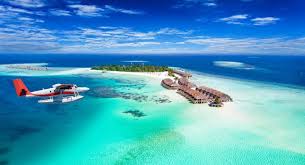
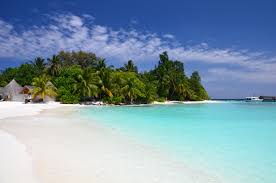
Bathala (Maldives)
Bathala (Maldives) | Images via Wikimedia Commons

A Short Overview of the Maldives

The Maldives, a stunning archipelago in the southern Indian Ocean, is made up of 1,192 coral islands grouped into 26 natural atolls, stretching roughly 900 kilometres from north to south. The equator passes near the Addu Atoll, dividing the country. While Dhivehi is the official language, English is widely spoken, especially in the tourism sector and places like the Anantara Kihavah Maldives Villas.

The Ideal Time to Visit

From December to April, during the northeast monsoon or dry season, trade winds from India bring mostly sunny, calm weather to the Maldives with very little wind. Ocean visibility can be excellent, reaching up to 50 meters in the eastern atolls and around 25 meters in the western ones. However, water clarity also depends on factors like weather, tides, location, and the season. So, before embarking on some of the most interesting things to do in Maldives, make sure the conditions are right.

Diving Formations

In the Maldives, divers often encounter two unique underwater formations: giris and thilas. A giri, sometimes called a reef tombolo or atoll lagoon, is a mostly submerged coastal landform separate from the island reef, with its top visible from the surface and accessible to divers of all levels. Thilas, on the other hand, are larger coral formations typically found deeper, between 20 to 40 metres below the surface.

Marine Life

The Maldives is world-renowned for its incredible marine life, particularly manta rays and whale sharks. Home to the largest population of reef manta rays (Manta alfredi), estimated between 5,000 and 7,000, the islands also host the occasional giant manta. Alongside them, the Maldives also offers encounters with the gentle giant of the ocean—the whale shark (Rhincodon typus), the largest fish in the world.