One Destination, Endless Experiences – Why Sir Bani Yas Island Appeals to Every Type of Traveller
Some places really grab the attention of certain travellers, while others might not quite hit the mark. But some places are true gems that are sure to resonate with anybody. Sir Bani Yas Island is a protected island near Abu Dhabi, offering something truly special. This is a place bound to resonate with anyone, whether you’re a wildlife buff, a history buff, a family, a couple, or someone who loves to be active. It all comes together in a small, beautifully preserved area that’s easy to explore.
For the Wildlife Enthusiast
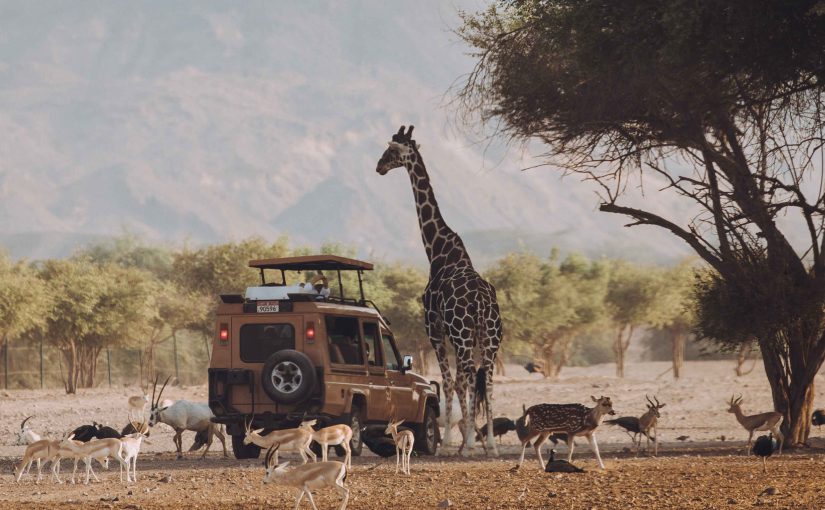
The island’s wildlife reserve is a haven for over ten thousand animals that roam freely, all set against a backdrop of grasslands, forests, and coastal areas. Game drives at dawn and dusk are a great way to spot Arabian oryx, giraffes, and cheetahs. The island is also a key stop on important migration paths, so there are many species of birds to spot.
For Families and Active Travellers
Sir Bani Yas is a fantastic place for family visits and active holidays. There is a wide range of outdoor and water activities on offer here. You can enjoy kayaking, mountain biking, archery, and snorkelling on the island. The calm waters along the coastline are also perfect for water sports for younger guests. Sir Bani Yas Island also houses some of the best Abu Dhabi luxury resorts. Consider a stay at Desert Islands Resort & Spa by Anantara.
For Couples and Romantic Escapes
Sir Bani Yas’s natural surroundings are perfect for a romantic getaway. The island also has a peaceful and romantic atmosphere that couples find irresistible. And with the excellent accommodation and dining options, comfort and romance are always in harmony here.
For the Culturally Curious
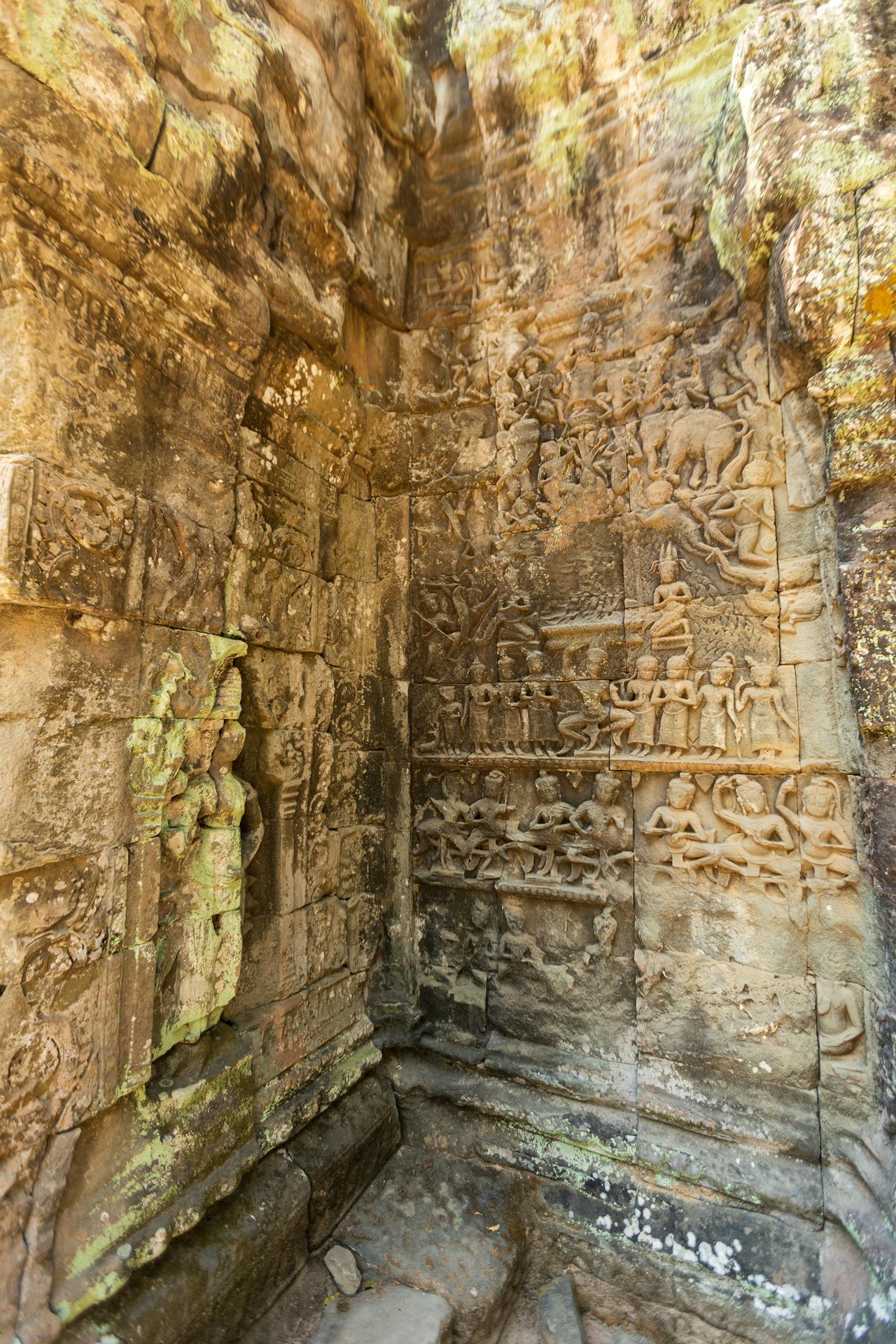
The island's archaeological heritage is one of its most distinctive features. You can find a seventh-century Christian monastery, which is one of the oldest in the Arabian Peninsula, located on the island. It’s surrounded by pre-Islamic burial sites and traces of human life that go back thousands of years. You can take guided tours of these sites.