A Handy Travel Guide to Thailand – An Unforgettable Nation with Plenty to Enjoy

Thailand happens to be a captivating and multi-faceted nation that presents an array of absorbing experiences for the discerning traveller, irrespective of your individual tastes and preferences.

Best time to visit 

It is possible to tour Thailand at any time of your choosing. For the very best weather, the relatively cool season runs from November through February, offering clear skies and agreeable conditions. However, you can also opt for the hot season stretching from March through May or the rainy season extending from June through October and take advantage of the lower prices.

Accommodation

An outstanding accommodation choice in Thailand for the discerning traveller is a quality resort set amidst rainforest in an appealing cliffside setting in a destination like Krabi. A stay will be pleasant in breezy, spacious rooms, suites and villas with features like a balcony and free Wi-Fi. Excellent dining options, a spa and leisure activities will be ideal. When seeking the best resorts in Krabi, an accommodation choice to consider with the abovementioned features is Avani Ao Nang Cliff Krabi Resort

Things to do

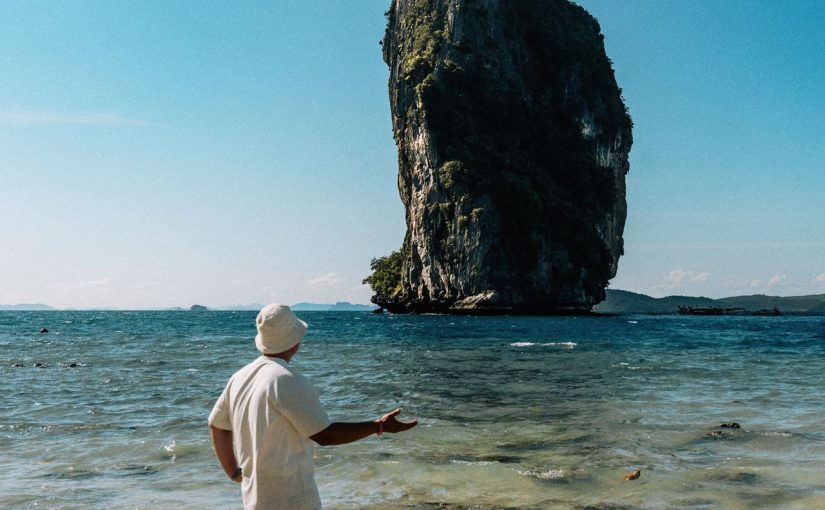
There are many interesting and enjoyable things to do in Thailand; in places like Krabi, you can enjoy island hopping, visiting natural features like hot springs and a forest pool, and engaging in rock climbing. You may also take the opportunity to take a cooking class and learn the art of preparing Thai dishes, or even enjoy lessons in the local martial art form of Muay Thai.

Image by pexels

Dining

Dining will be a delight in attractive restaurants and bars offering international and Thai favourites and refreshing drinks. You may take the chance to sample authentic Thai dishes such as tom yum goong (hot and sour shrimp soup) and the delicious moo hong (braised pork belly stew). Don’t miss visiting local markets for trying street food as well.

A Guide to Experiencing the Underwater Wonders of the Maldives

The Maldives happens to be renowned for its entrancing underwater environment, which contains a myriad of sea creatures, and you will have the opportunity to experience these aquatic wonders for yourself.

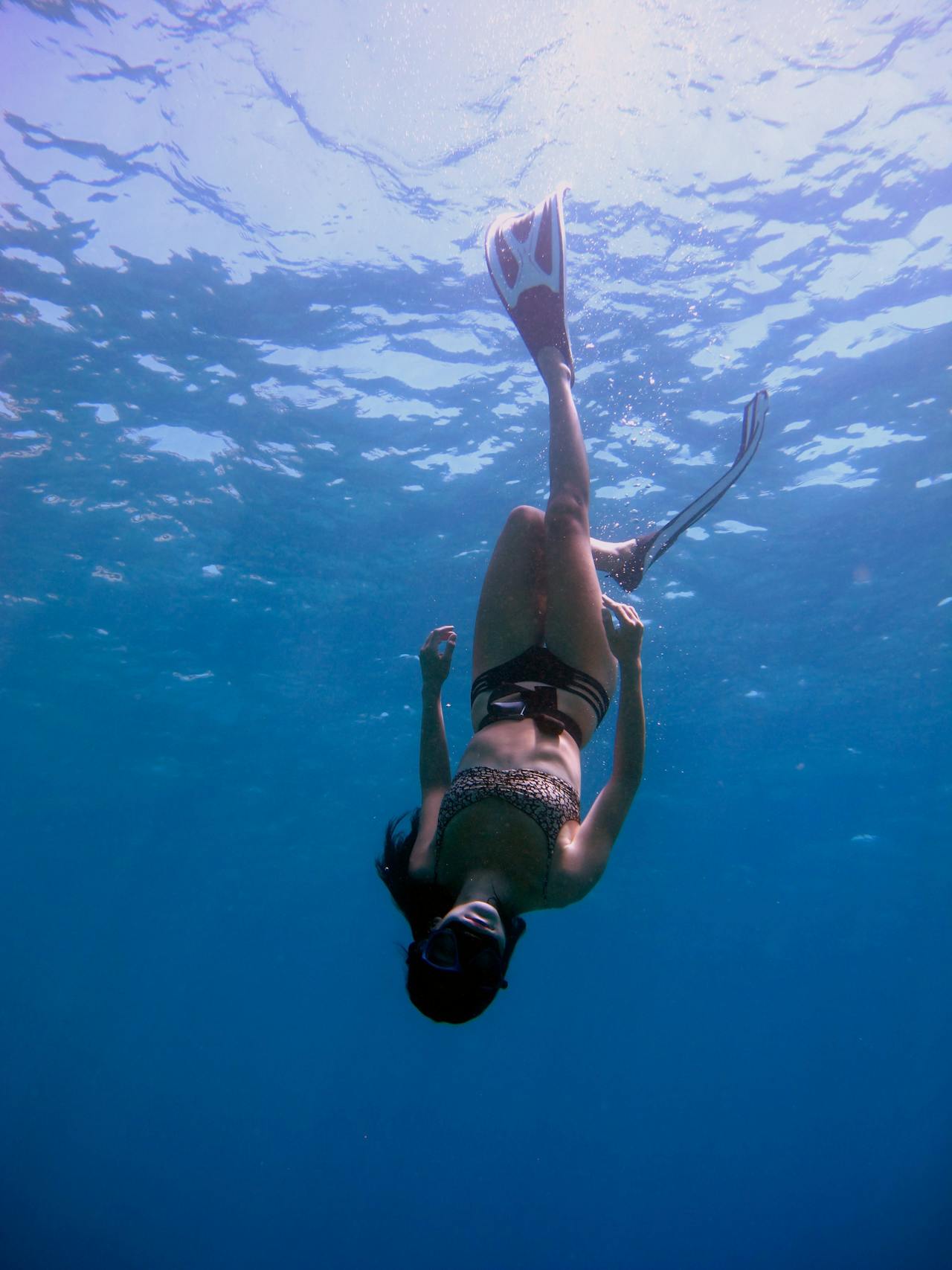
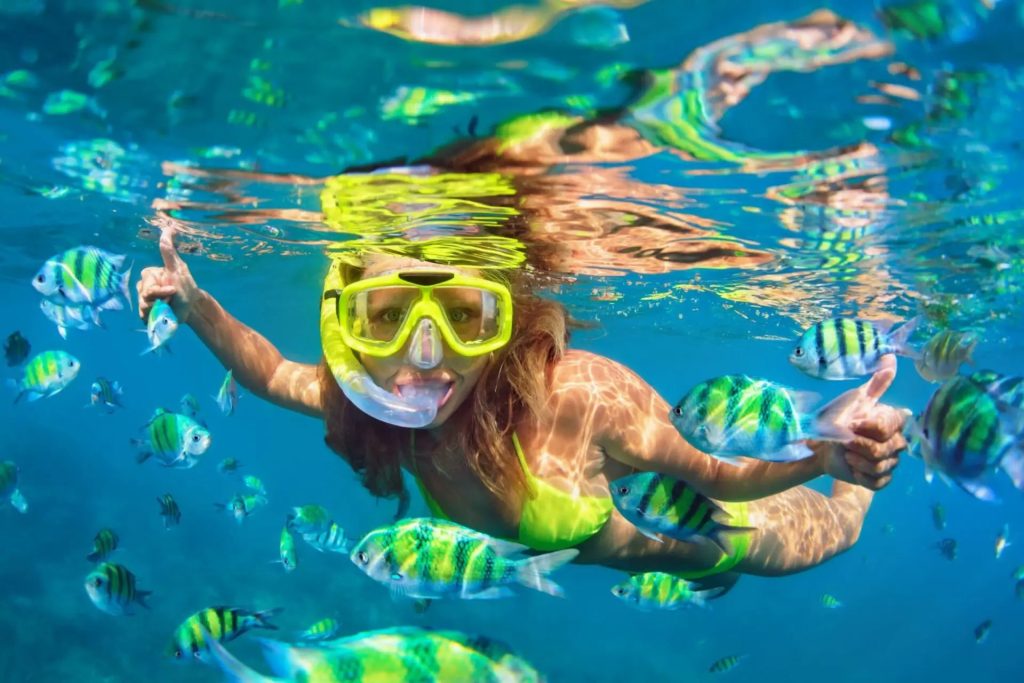
Snorkelling 

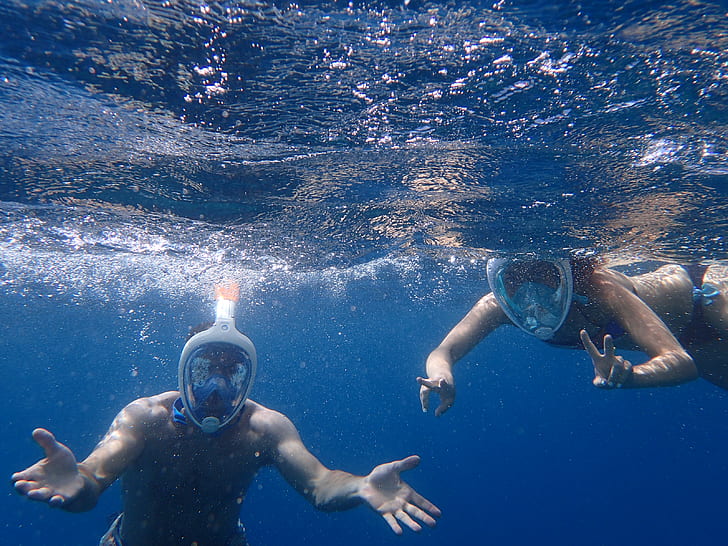
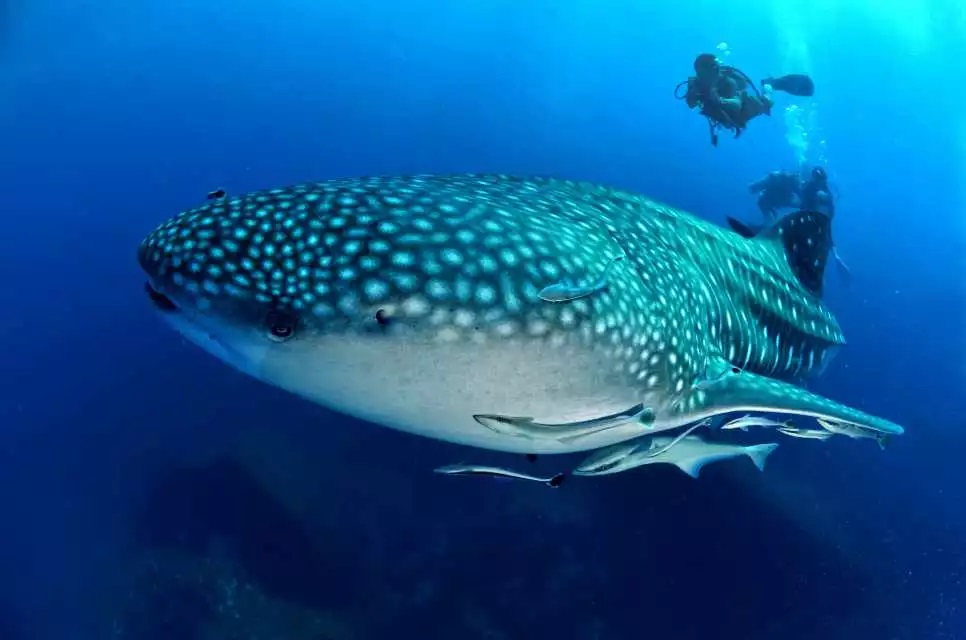
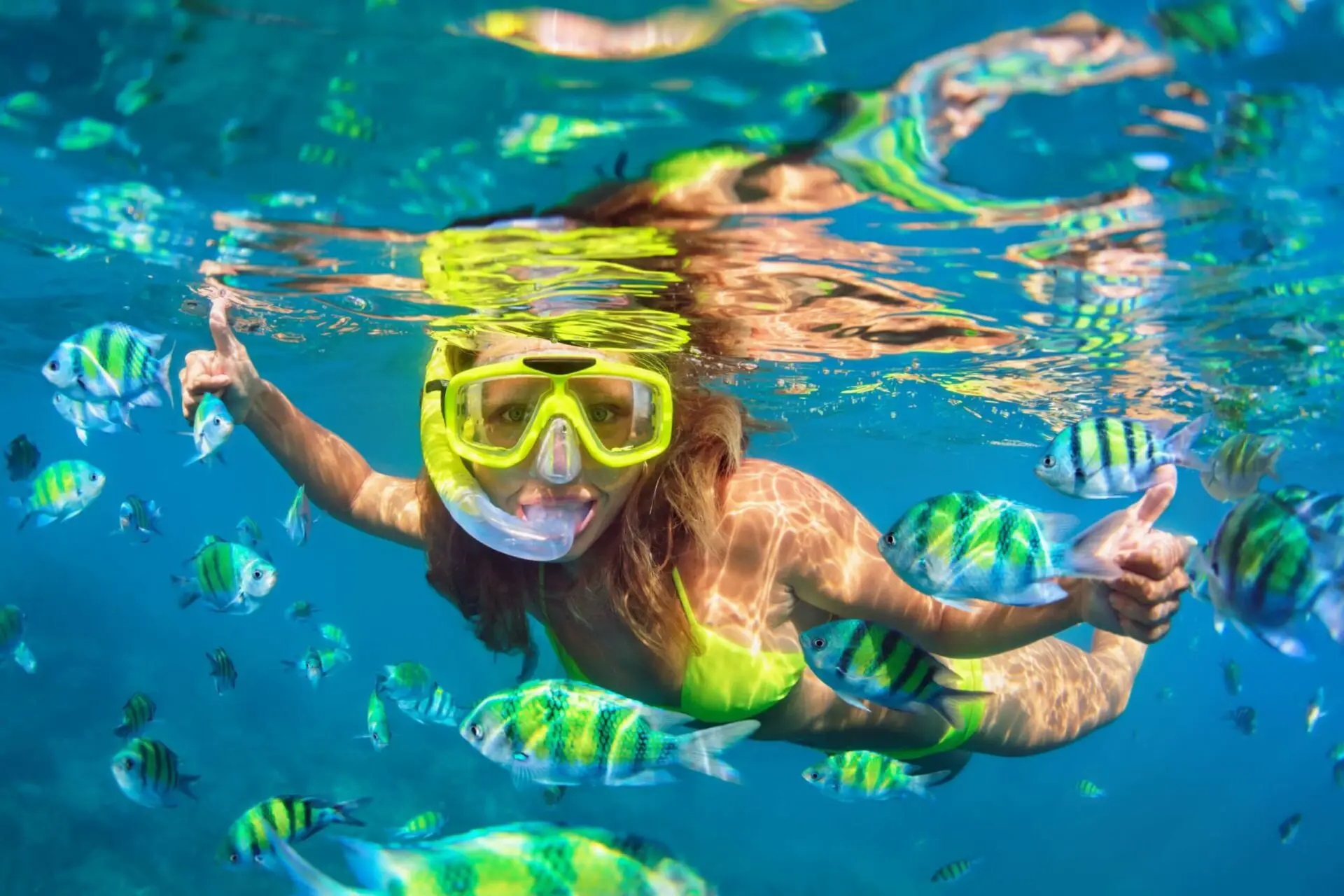
In the Maldives, you will have the chance to snorkel at appealing house reefs where beautiful corals, reef sharks, clownfish and eagle rays can be seen. A unique experience is snorkelling at Hanifaru Bay, in the Baa Atoll, a UNESCO Biosphere Reserve; in the peak season, amazing gatherings of graceful manta rays may be spotted here, while you might also encounter huge whale sharks. If you seek the best Maldives offers at a property in this atoll, consider NH Collection Maldives Reethi Resort, which is just 20 minutes from Hanifaru Bay.

Image via pickpik

Scuba diving 

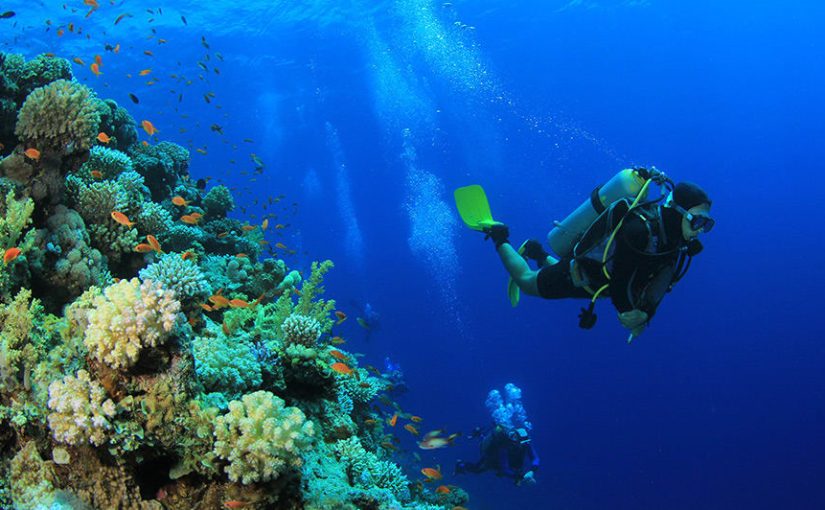
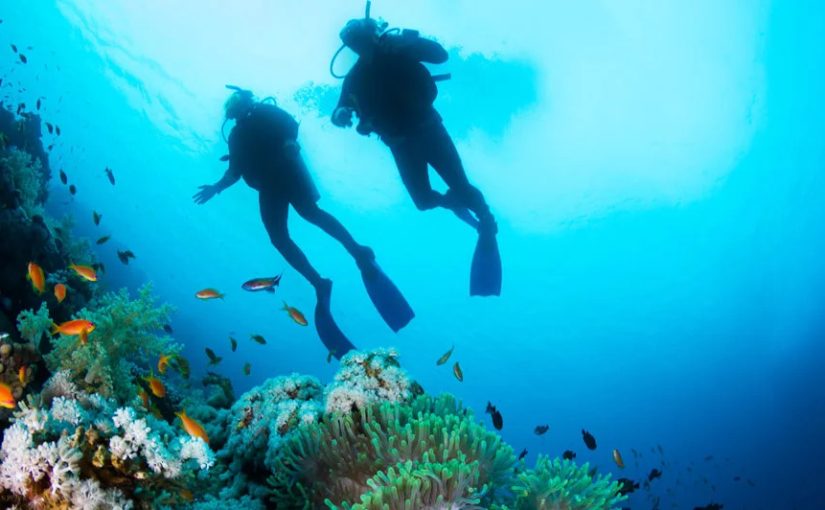
By scuba diving, you can truly experience the undersea marvels of the Maldives to the fullest. As you dive in the local waters, you will encounter striking underwater scenery, exotic fish, different kinds of sharks and many other marine creatures. You could also avail yourself of expert instruction at a PADI centre in certain resorts. Pro tip: staying in the Baa Atoll is ideal for this activity as well.

Submarine rides 

Depending on where you stay, you will also have the chance to undertake a submarine ride that will take you into the depths of the ocean so that you can observe mesmerising underwater treasures in comfort. Often, the submarine would be rotated in the course of the dive in order to provide all the passengers with a good view of the picturesque reefs.

Underwater walking 

If you do not possess swimming skills, you may still engage in underwater walking, offered at some properties. In the course of this activity, you can walk on the surface of the seabed with a special helmet providing a steady air supply. Additionally, an expert can guide you while experiencing the captivating undersea environment.

Koh Lanta Diving Guide: Top Dive Sites, Marine Life and Best Seasons

Koh Lanta is a prime diving location in Thailand. This idyllic island boasts crystal-clear water settings, vibrant coral reefs, and diverse marine species. Novices can embark on their first diving experience here, while adventurers can explore the depths of the ocean. From scuba excursions to clear season, here’s everything you need to know about diving in Koh Lanta.

Explore Famous Dive Sites Around Koh Lanta

Some of Thailand’s finest dive spots are just around Koh Lanta. Divers have the opportunity to discover many marine environments, like vibrant coral gardens and spectacular rock structures. Every dive site presents a different kind of aquatic adventure, regardless of visitors’ diving skills.

Enjoy Diving for All Skill Levels

Koh Lanta offers diving opportunities suitable for beginners, certified divers, and advanced explorers. Many dive schools provide training courses, guided dives, and equipment rentals. Some Krabi resorts even offer excursions to dive sites and provide gear, including properties like Avani+ Koh Lanta Krabi Resort.

Discover Incredible Marine Life

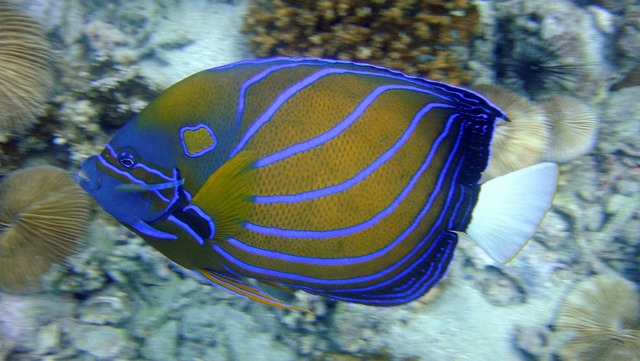
Surf and water surrounding Koh Lanta will be enough to get you excited because that is where tropical fish, turtles, sharks, colourful coral gardens, etc., are found. If you are a lucky diver, you may even have the chance to see mantas and whale sharks at certain times of the year.

Image via picryl

Visit During the Best Diving Season

The best time for diving in Koh Lanta would be from November to April. At this time, the sea is relatively calm, and the visibility underwater is very good. These factors combine to make an excellent situation for scuba and snorkelling activities.

How to Experience the Best Snorkelling, Island Hopping, and Scuba Diving Around Phi Phi Islands


Whether you’re a first-time visitor or a seasoned traveller returning for more, snorkeling, island hopping, and scuba diving around Phi Phi offer some of the most thrilling marine experiences in Southeast Asia. The waters here are warm, crystal clear, and teeming with life — from vibrant coral gardens to reef sharks gliding silently beneath long-tail boats. Here’s how to make the most of every moment on and under the water.

Choose the Right Base for Your Adventures

Where you stay makes a significant difference in how easily you can access the best water activities. Staying directly on the islands — rather than day-tripping from Phuket or Krabi — gives you first access to sites before the crowds arrive.

SAii Phi Phi Island Village is one of the most well-positioned properties for this. Set along a quiet stretch of Loh Dalum Bay, the resort offers direct beach access and can connect guests with reputable local operators for guided snorkelling tours, island-hopping excursions, and dive trips. Starting your morning from the resort means you’re already at the water’s edge — no ferry transfers needed.

Snorkelling: Know Where to Go

The waters around Phi Phi are dotted with excellent snorkelling spots, but not all are created equal. The most rewarding sites include:

    • Hin Klang a submerged pinnacle between Phi Phi Don and Phi Phi Leh, ideal for intermediate snorkellers looking for an immersive experience among schooling fish and soft corals.
    • Maya Bay Reef — the lagoon itself may be famous, but the reef just outside is where the real colour lives. Arrive early or late in the day to avoid boat traffic.
  • Ao Nui — a sheltered cove on Phi Phi Leh with calm, shallow water perfect for beginners and families.

Bring reef-safe sunscreen, a quality mask and snorkel (or rent from a trusted operator), and always snorkel with a buddy.

Island Hopping: Build the Right Itinerary

A classic island-hopping day around Phi Phi typically takes in three to five stops and can be done by chartered longtail boat or joined tour. The key is balancing the iconic landmarks with the quieter, lesser-visited spots.

A well-rounded route might include:

  • Viking Cave on Phi Phi Leh, where swiftlets build nests high on the cliff walls
  • Monkey Beach for a brief stop to observe (but not feed) the local macaques
  • Bamboo Island (Koh Mai Phai) for some of the whitest sand and clearest water in the area
  • Pileh Lagoon, a stunning emerald-green lagoon enclosed by towering limestone

Book your boat early in the day. Afternoons can get choppy, and popular spots like Pileh fill up quickly with tour groups from the mainland.

Scuba Diving: From Beginner Dives to Advanced Sites

Phi Phi’s diving ranges from gentle introductory dives to exhilarating drift dives and shark-spotting sites. The visibility here regularly reaches 20–30 metres in the dry season (November to April), making it one of Thailand’s best diving destinations.

Key dive sites to know:

Hin Daeng and Hin Muang (accessible as a day trip) — for advanced divers, these twin seamounts are considered among the best dives in all of Thailand, with manta rays and whale sharks occasionally spotted.

  • King Cruiser Wreck — a sunken ferry that now teems with marine life, suitable for divers with Open Water certification.
  • Anemone Reef — a soft coral-draped pinnacle bursting with clownfish, moray eels, and lionfish.

If you’re a beginner, many local dive shops offer PADI Discover Scuba Diving experiences that require no prior certification. A single day is enough to complete a confined water session and do two open-water dives.

Practical Tips

  • Best season: November to April offers calmer seas and better visibility. May to October is monsoon season — diving is still possible but conditions vary.
  • Book ahead: During peak season (December–February), reputable dive operators and island-hopping boats fill up fast. Reserve at least a day in advance.
  • Respect marine life: Do not touch coral, chase marine animals, or collect shells. Phi Phi’s reefs have recovered significantly in recent years and responsible tourism keeps it that way.
  • Sun protection: The tropical sun is intense on the water. Wear a rash guard, apply reef-safe sunscreen, and stay hydrated throughout the day.

  • Cash on hand: Many longtail boat operators and smaller dive shops on the islands are cash-only. ATMs are available on Phi Phi Don but can run out during busy periods.
  • Start early: The best light for underwater photography, the calmest seas, and the thinnest crowds all happen before 9 a.m.  Make sure to set your alarm.


Thrilling Water Sports in Sri Lanka: Your Ultimate Adventure Guide — Every Activity Worth Exploring While on Holiday 

Sri Lanka, an island wrapped in turquoise waters, offers an irresistible atmosphere for those seeking adrenaline-packed activities. From crashing waves to serene lagoons, its coastline and rivers promise unforgettable aquatic adventures for every kind of explorer. Keep reading to discover more.

Jet Skiing 

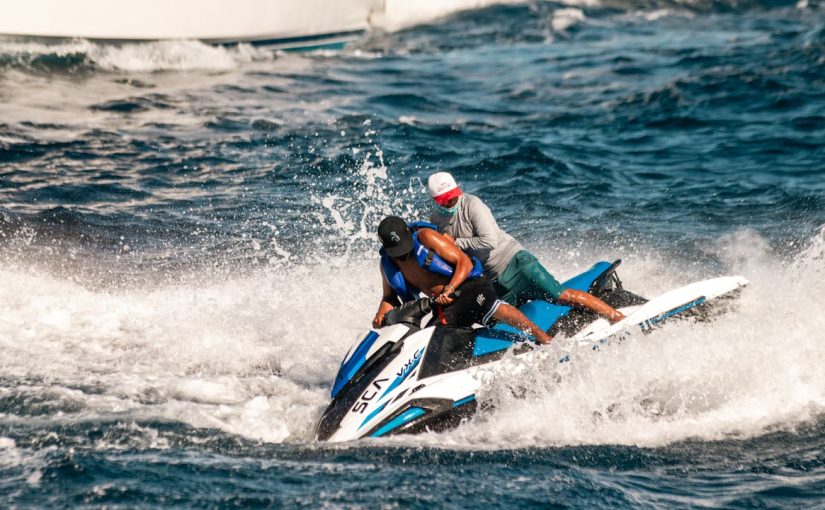
For those craving speed and excitement, jet skiing delivers an adrenaline rush like no other. Popular beach towns such as Bentota and Negombo offer thrilling rides across sparkling waters. With professional operators ensuring safety, visitors can enjoy high-speed adventures while soaking in panoramic coastal views.

Surfing 

Sri Lanka’s southern coast is a surfer’s paradise, drawing enthusiasts from across the globe. When it comes to water sports in Mirissa, tourists will enjoy the warm Indian Ocean and consistent swells, which make it ideal year-round, ensuring both novices and seasoned surfers find their perfect surfing experience, especially at nearby accommodation options such as Sri Sharavi Beach Villas & Spa

Scuba Diving 

Beneath Sri Lanka’s surface lies a vibrant underwater world waiting to be explored. Scuba diving hotspots like Hikkaduwa and Trincomalee reveal colourful coral reefs, shipwrecks, and diverse marine life. Whether one is a certified diver or a curious beginner, guided dives provide a safe and mesmerising experience.

White Water Rafting 

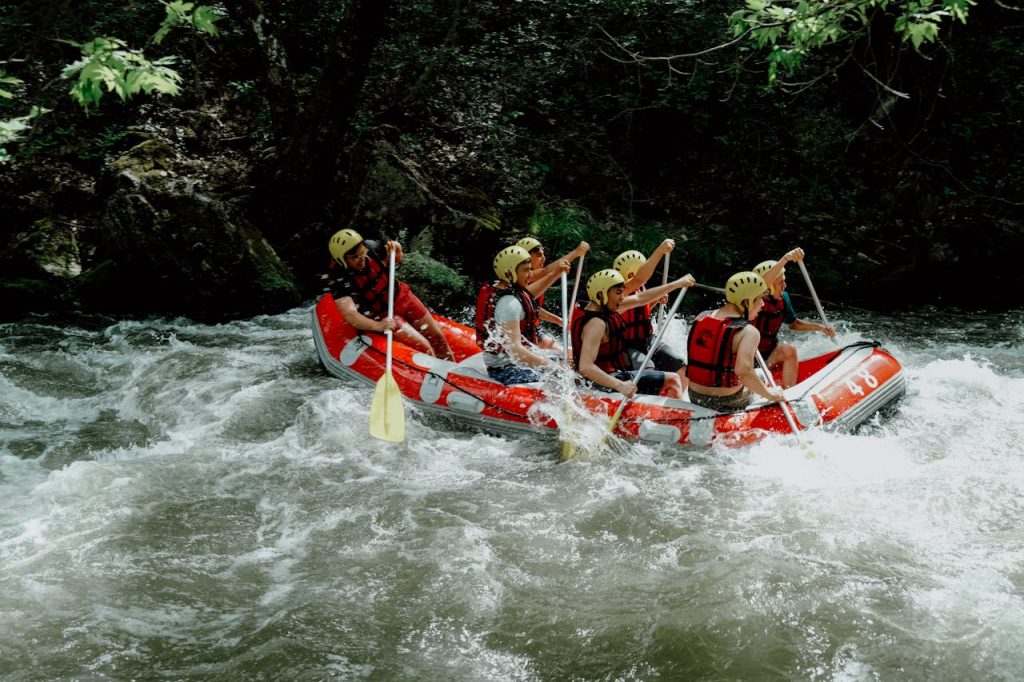
Away from the coast, Kitulgala offers an exhilarating white water rafting experience. Surrounded by lush rainforest, this adventure combines scenic beauty with thrilling rapids.

Image by pexels

Kayaking 

For a more serene yet equally engaging activity, kayaking through Sri Lanka’s lagoons provides a unique perspective of its natural beauty. Areas like Kalpitiya ensure that tourists experience peaceful waters, mangrove forests, and opportunities to spot exotic birdlife.

Why Phi Phi Islands Are One of the Best Destinations for Snorkelling, Island Hopping and Scuba Diving?

snorkelling

The Phi Phi Islands may be known for their vibrant nightlife and parties, but they’re also one of those rare destinations that offer the island-adventure trifecta – snorkelling, scuba diving and island hopping. Yes, the archipelago offers all three adventures because it’s got the perfect combination of stunning marine ecosystems, ideal year-round conditions, and unique geographical traits. 

These natural attributes, combined with widespread accessibility and convenient facilities, make the Phi Phi Islands a top choice among snorkellers, scuba divers and island adventurers. Here’s more on this stunning group of islands and what makes them a top choice for this trio of adventures. 

An Overview of the Islands

The Phi Phi Islands, or Koh Phi Phi, are 6 islands that make up an archipelago and are found in the Andaman Sea, to the south of Thailand. Koh Phi Phi Don and Koh Phi Phi Le are its two largest islands, with the former being the only inhabited island. The archipelago is abundant in natural beauty – picture-perfect beaches and rock formations, diverse wildlife, and a vibrant culture – and it’s also home to top resorts like SAii Phi Phi Island Village, a winning combination that makes it a popular paradise for tropical getaways. 

Why It’s Great for Snorkelling, Island Hopping & Scuba Diving

So what exactly makes Koh Phi Phi one of the best destinations for snorkelling, island hopping and scuba diving? The following factors line up perfectly to make it a top choice for all three adventures. 

Exceptional Marine Ecosystems

Koh Phi Phi is part of the Hat Noppharat Thara – Mu Koh Phi Phi National Park, which is a protected area that has allowed marine life and ecosystems to flourish in the region. This means that the waters surrounding the islands are teeming with soft, vibrant corals and all kinds of marine species – black-tip reef sharks, sea turtles, clown fish and schools of tropical fish. 

A Unique Geographical Location

There’s never a shortage of places to visit on Koh Phi Phi, whether you opt for snorkelling, diving or island-hopping. The archipelago itself is home to several beaches, bays and dive sites that are teeming with marine life, and island-hoppers can visit each of the islands that make up the archipelago, as each offers a slightly different experience and landscape. Koh Phi Phi is also located halfway between Phuket and Krabi, which makes a perfect mid-point from which to access some of the other famous islands and dive spots, which are a shorter distance away. 

The Visibility is Great

The waters of the Andaman Sea around Koh Phi Phi are known for their excellent horizontal visibility, which reaches 20 to 30 metres during the peak season, and 10 to 20 metres during the low season. So no matter which time of year you decide to visit for snorkelling and diving, you won’t have to venture too far below to catch the details of vibrant fish species and corals. 

It’s a Year-Round Destination

Koh Phi Phi has two distinct seasons: the high season from November to April, when the seas are calmer, and the low season from May to October, when there’s occasional rain and surface conditions. But despite these minor differences, the overall conditions on Koh Phi Phi remain great for underwater adventures throughout the year. The water temperatures consistently stay between 27°C and 30°C, and having just a rash guard is often enough for protection from the sun.

Accessible for Everyone

One of the other great things about the archipelago is that it welcomes both seasoned explorers and beginners. The islands are naturally sheltered by giant limestone cliffs that act as a natural windbreak, which in turn keeps the currents gentle and the water surface flat – ideal ‘classroom’ conditions for beginners to learn the basics. The islands also feature plenty of dive schools that offer guided lessons and PADI certifications, ensuring that first-timers can learn safely and from experienced professionals. 

Best Spots for Adventure

Whichever adventure you opt for, there are plenty of iconic spots for snorkelling, island-hopping and scuba diving around Phi Phi Islands. Here are some of the best spots to visit for each activity.

  • Maya Bay: Recently reopened with strict conservation; famous for its rebounding shark population and coral recovery.
  • Bamboo Island: Offers a flat, shallow reef perfect for beginners and families; the water is strikingly turquoise.
  • Mosquito Island (Koh Yung): Located north of Bamboo Island, this spot is great for snorkelling, though it is best visited during the day to avoid mosquitoes.
  • Monkey Beach: The shallow reefs right next to the beach allow you to walk into the water and start snorkelling immediately.
  • Koh Bida Nok & Koh Bida Nai: these limestone pinnacles feature dramatic underwater landscapes, swim-throughs, blacktip reef sharks, turtles, and large schools of yellow snapper.
  • Kled Gaeow Wreck: This 48-meter naval patrol ship sits around 16–26 meters, covered in soft corals and frequented by large schools of barracuda and lionfish.
  • Phi Phi Shark Point (Hin Bida): A pinnacle situated southeast of Phi Phi Leh known for its leopard sharks, soft corals, and occasional green rays.


References:

https://www.tourismthailand.org/Destinations/Provinces/Ko-Phi-Phi/359

https://www.pocketwanderings.com/phi-phi-island-travel-guide/#:~:text=The%20islands%20offer%20a%20tropical,t%20for%20all%20the%20tourists.

https://traveltheworldpages.com/koh-phi-phi-diving/#What_Makes_Diving_in_Koh_Phi_Phi_So_Special

https://www.blueviewdivers.com/best-time-to-dive-phi-phi/

https://www.phiphi-islands-tours.com/snorkeling/
 

Beneath The Great Blue: The Best Places In The Maldives To Discover

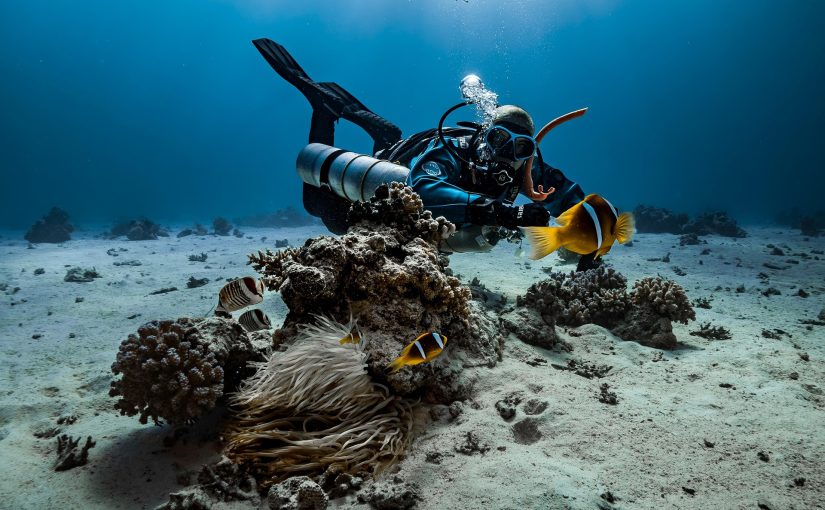
Beneath the Maldives’ sparkling turquoise waters is an underwater playground that’s impossible to resist. Snorkelers and divers alike can explore colourful coral gardens, swim alongside playful reef fish, and even spot majestic manta rays or gentle whale sharks.

Vaavu Atoll

Vaavu Atoll is a quieter corner of the Maldives that’s home to some of the country’s most spectacular dive sites, celebrated for its dramatic underwater landscapes and vibrant marine life. Highlights include Fotteyo Kandu, famous for its underwater canyons, overhangs, and sightings of sharks and large pelagic fish, and Rakeedhoo Corner, a top spot for drift diving where you can encounter rays, sharks, and massive schools of fish.

The North Male Atoll

North Male Atoll is one of the Maldives’ most popular diving destinations, celebrated for its rich marine life and breathtaking underwater scenery. Top sites include Shark Reef, where divers can come face-to-face with gray reef sharks, whitetip reef sharks, and other species, and Fish Head, famous for its huge schools of fish and occasional sightings of pelagic species like tuna and barracuda.

Image by pexels

Baa Atoll

Baa Atoll, a UNESCO Biosphere Reserve, is a top spot in the Maldives for snorkelling and diving, celebrated for its vibrant marine life and pristine coral reefs. Highlights include Hanifaru Bay, famous for its seasonal gatherings of manta rays, as well as sightings of whale sharks and colourful reef fish, and Dharavandhoo, known for its lively coral gardens and encounters with sea turtles and tropical fish. This atoll is also the Maldives’ most famous – many Maldives all-inclusive resorts, including the likes of Nova Maldives, offer packages and deals relating to dives here.


South Ari Atoll

South Ari Atoll is famous for its exceptional diving, especially for those hoping to encounter whale sharks. Maamigili Reef is a standout, offering year-round opportunities to swim alongside these gentle giants, while Kudarah Thila impresses with its vibrant coral-covered pinnacle and diverse marine life.

How to Spend 48 Hours in Sur, Oman – Experiencing Culture, Nature, and Adventure

Sur, a coastal gem on Oman’s eastern shore, blends maritime heritage, natural beauty, and desert-sea adventure in a compact, welcoming setting. In just 48 hours, you can explore age-old shipyards, watch sea creatures hatch, and hike rugged wadis. Planning ahead helps you make the most of every moment in this scenic city.

Explore Al Ayjah Lighthouse & Shipyards
Start your cultural journey at Al Ayjah Lighthouse, which overlooks traditional dhow shipyards where craftsmen still build wooden boats by hand. These towering vessels reflect centuries-old maritime traditions that connected Oman to East Africa and India. Walk the shoreline and watch artisans shape planks in the same way their ancestors did, gaining insight into Sur’s seafaring soul. For easy access to this attraction consider staying at hotels like Sur Plaza during your visit.

Discover Turtle Watching at Ras Al Jinz
A short drive from Sur lies Ras Al Jinz, one of the Arabian Peninsula’s most important nesting sites for green sea turtles. Head out at dusk or before dawn with a guide to watch adult turtles come ashore, or hatchlings make their instinctive dash to the sea—a life-affirming spectacle of nature.

Hike Wadi Tiwi or Wadi Shab
For a dose of adventure, explore nearby wadis like Tiwi or Shab. These rugged canyon trails weave past turquoise pools and date plantations, offering both moderate hikes and refreshing dips. Wadi Shab’s hidden waterfall pool is a particular highlight that rewards early risers and outdoor lovers alike.

Stroll Sur’s Corniche at Sunset

Image by Sandro Porto from Pixabay

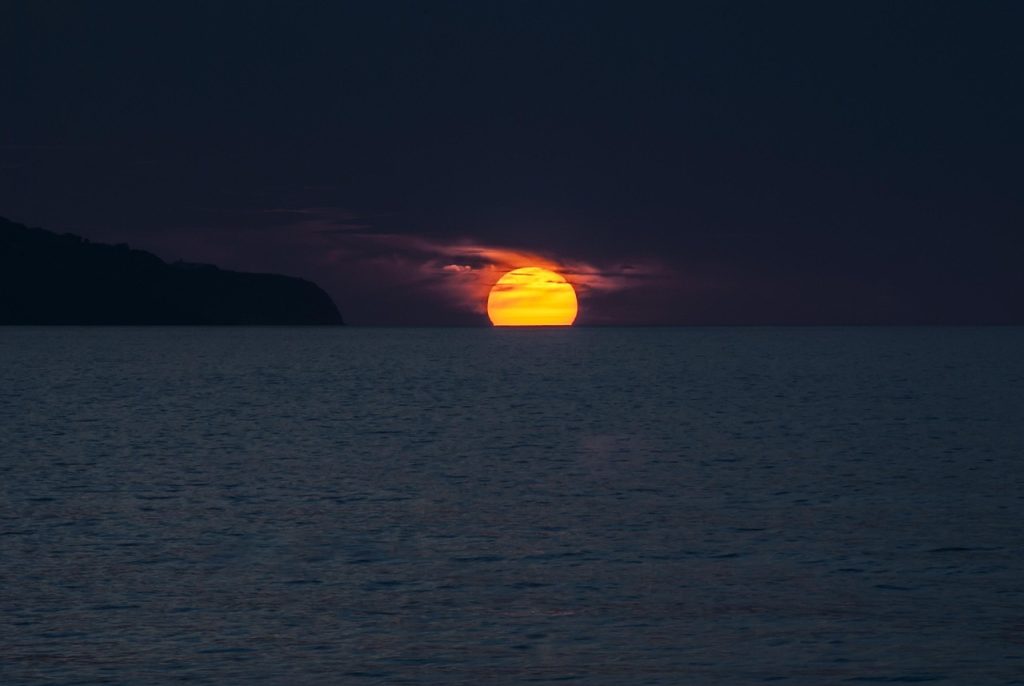
Wrap up your day with a leisurely walk along Sur’s waterfront corniche, where sea breezes and pastel skies set the tone for dinner. Local cafés and fish grills line the promenade, inviting you to sample fresh seafood while watching boats bob in the harbour. This relaxed setting encapsulates Sur’s blend of tradition and seaside charm. If you’re browsing hotels in Sur Oman, look for ones near the corniche to maximise convenience and views.

A Thrilling Drive Through the Devil’s Staircase: A Journey Along the Kalupahana-Ohiya Road

Hidden deep within Sri Lanka’s central highlands, the Kalupahana–Ohiya road is one of the country’s most dramatic and challenging routes.

An Introduction to the Route

The Kalupahana–Ohiya road connects the lowland village of Kalupahana with the cooler hill country near Ohiya. Historically used by villagers and estate workers, the route has gained popularity for its extreme terrain and isolation. With steep gradients, rocky paths, and river crossings, the road demands careful planning and the right vehicle. What it offers in return is an immersive experience through untouched landscapes and a true escape from modern infrastructure.

Why It’s Called the Devil’s Staircase

The nickname Devil’s Staircase Sri Lanka comes from the road’s relentless series of steep climbs and sharp drops that resemble a giant stairway carved into the hills. During rainy seasons, sections become slippery and unpredictable, adding to its fearsome reputation. Despite the challenge, the route rewards travellers with sweeping views, mist-covered slopes, and a deep sense of accomplishment once the toughest sections are conquered.

Resting Points and Nearby Highland Stays

After navigating such an intense route, many travellers choose to unwind in the surrounding hill country. Nearby towns like Haputale offer cooler climates and panoramic viewpoints. Properties such as Mandara Ridge Haputale are often used as a comfortable base to relax, reflect, and recover, providing a calm contrast to the rugged adventure of the Devil’s Staircase.

Nature, Wildlife, and Changing Landscapes

Image by Wikimedia Commons

One of the most captivating aspects of the journey is the constantly changing scenery. Dense forests gradually open into grasslands and tea estates as elevation increases. The area is rich in biodiversity, with chances to spot endemic birds, butterflies, and occasional wildlife along quieter stretches. The lack of commercial development makes this route especially appealing to those who value raw, unfiltered nature.

Experiencing the Southern Coastline of Sri Lanka – Ceylon Awaits

Sri Lanka’s southern coastline is pure magic, with golden beaches, turquoise waters, and laid-back vibes around every corner. From the historic charm of Galle to the chilled-out bays of Mirissa and Unawatuna, there’s a bit of everything—perfect spots to soak up the sun, try your hand at surfing, or catch a glimpse of whales and dolphins.

See the Iconic Beaches

Kick off your shoes and sink your toes into the sun-soaked sands of Sri Lanka’s southern coast, where the Indian Ocean seems to whisper adventures at every wave. Beaches like Mirissa and Tangalle aren’t just spots to lounge—they’re little escapes full of local colour, good vibes, and a rhythm set by the tides and the friendly communities around them. The best places to stay in Mirissa can boast of the connection to community!

Feel the history of the fort

Step through the old stone gates of Galle Fort and you’re instantly stepping back in time, surrounded by history and a mix of cultures that’s impossible not to notice. Built by the Portuguese and later expanded by the Dutch, the fort is full of stories about bustling trade, maritime adventures, and the blending of worlds from far and wide.

The Wildlands of the South

Southern Sri Lanka is a playground for anyone who loves wildlife, with national parks bursting with life. Yala National Park is a real highlight, packed with leopards, elephants, crocodiles, and all kinds of rare birds—a living mosaic of nature at its best. Picture sharing a quiet morning with a herd of elephants, or catching a glimpse of a Sri Lankan leopard soaking up the sun—these are the moments that stick with you long after you leave. Some accommodations, such as Muthu Nila Villas, even blend their premises into the farmlands and greeneries of the area.

Image by Katherine Slade from Pixabay

Observe the Stilt Fishermen

Few things capture the vibe of southern Sri Lanka quite like the stilt fishermen. Balanced above the water with quiet skill, their silhouettes against soft, pastel sunrises are a snapshot of a tradition that’s been handed down for generations—all patience, creativity, and a deep connection to the sea.