Discover the Amazing Temples of Angkor – Ancient Structures That Still Inspire Awe

The mystical temples of Angkor are sure to capture the imagination of the culture lover; there are many enthralling attractions in this renowned and entrancing complex in Cambodia, including those mentioned below.

Angkor Wat 

As you might expect, Angkor Wat happens to be the highlight and principal attraction of the Angkor Archaeological Park. This magnificent structure is huge and includes five towers reaching up to the sky. Innumerable tourists make their way to this entrancing religious attraction, which is dedicated to Vishnu, the Hindu deity. An accommodation choice to consider from which you can easily visit this site is Anantara Angkor Resort, where you may also dine at an appealing restaurant in Siem Reap after your adventures.

Ta Prohm 

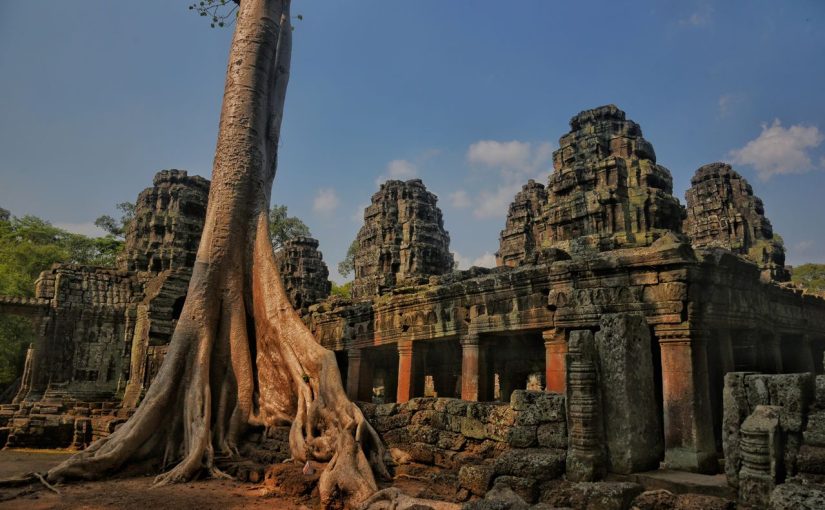
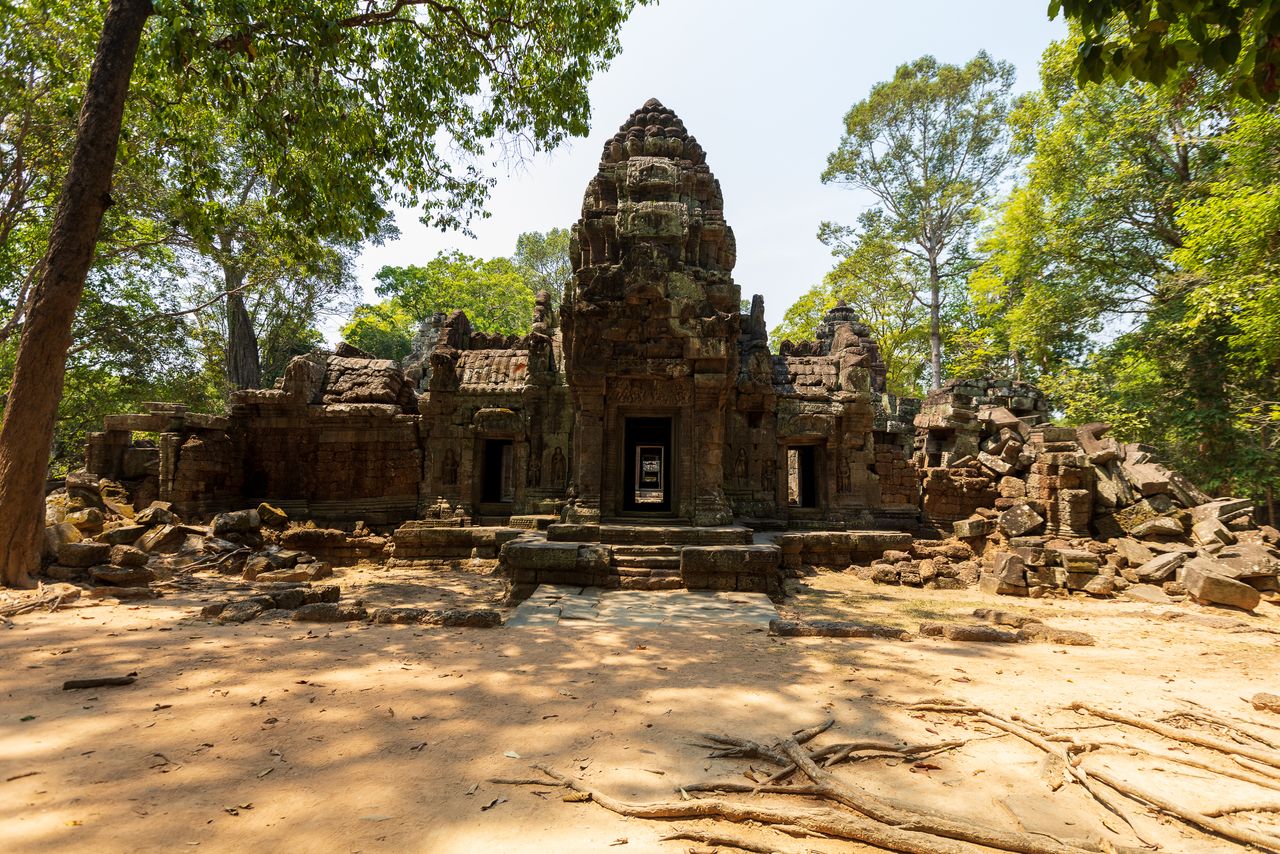
Another much-visited temple in the complex is the intriguing Ta Prohm, which will undoubtedly appeal to the discerning traveller. This site boasts a number of eye-catching structures that hint at its former splendour. Additionally, there are numerous huge roots of trees, which have become tangled and twisted amongst the buildings, adding to the temple’s ancient allure.

Bayon Temple 

Bayon Temple is another outstanding attraction in this part of Cambodia. This temple features no less than 54 towers, with each displaying mammoth carved faces on all sides. There are, in fact, as many as 216 faces at this site; interestingly, there were many more in the temple’s heyday when it contained as many as 200 towers.

Image by pexels

Pre Rup

Your tour of Angkor’s highlights wouldn’t be complete without experiencing the absorbing Pre Rup; this happens to be rather different from the majority of the other temples, having an orange tinge as well as a distinctive design and shape. The various towers and interesting tiers to be found here also offer great photo opportunities.

A Guide to Experiencing the Underwater Wonders of the Maldives

The Maldives happens to be renowned for its entrancing underwater environment, which contains a myriad of sea creatures, and you will have the opportunity to experience these aquatic wonders for yourself.

Snorkelling 

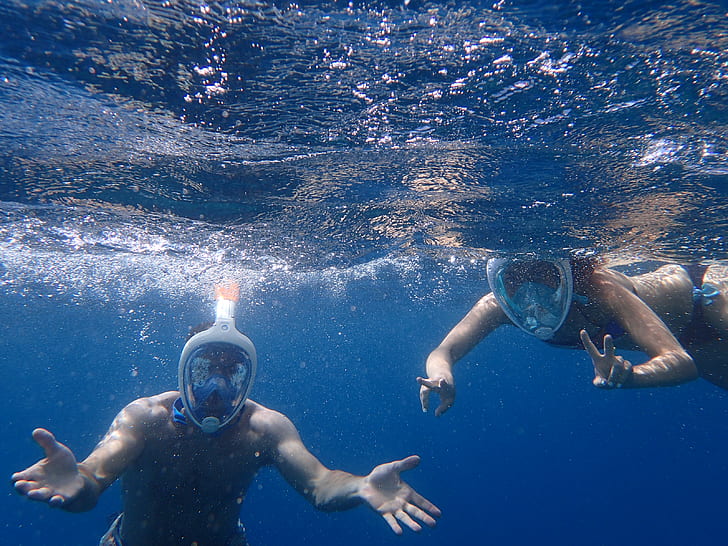
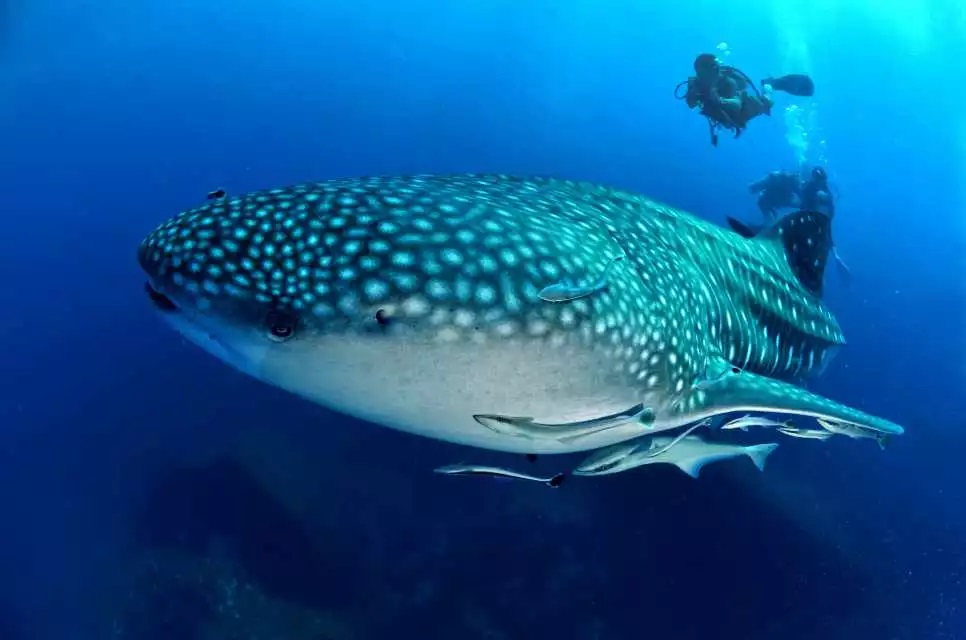
In the Maldives, you will have the chance to snorkel at appealing house reefs where beautiful corals, reef sharks, clownfish and eagle rays can be seen. A unique experience is snorkelling at Hanifaru Bay, in the Baa Atoll, a UNESCO Biosphere Reserve; in the peak season, amazing gatherings of graceful manta rays may be spotted here, while you might also encounter huge whale sharks. If you seek the best Maldives offers at a property in this atoll, consider NH Collection Maldives Reethi Resort, which is just 20 minutes from Hanifaru Bay.

Image via pickpik

Scuba diving 

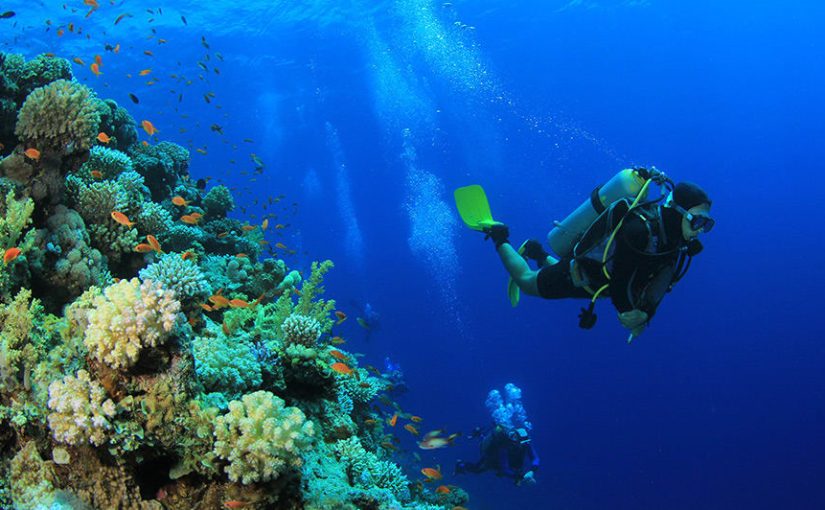
By scuba diving, you can truly experience the undersea marvels of the Maldives to the fullest. As you dive in the local waters, you will encounter striking underwater scenery, exotic fish, different kinds of sharks and many other marine creatures. You could also avail yourself of expert instruction at a PADI centre in certain resorts. Pro tip: staying in the Baa Atoll is ideal for this activity as well.

Submarine rides 

Depending on where you stay, you will also have the chance to undertake a submarine ride that will take you into the depths of the ocean so that you can observe mesmerising underwater treasures in comfort. Often, the submarine would be rotated in the course of the dive in order to provide all the passengers with a good view of the picturesque reefs.

Underwater walking 

If you do not possess swimming skills, you may still engage in underwater walking, offered at some properties. In the course of this activity, you can walk on the surface of the seabed with a special helmet providing a steady air supply. Additionally, an expert can guide you while experiencing the captivating undersea environment.

More for Your Money – How to Get the Most Out of a Mauritius Hotel Package

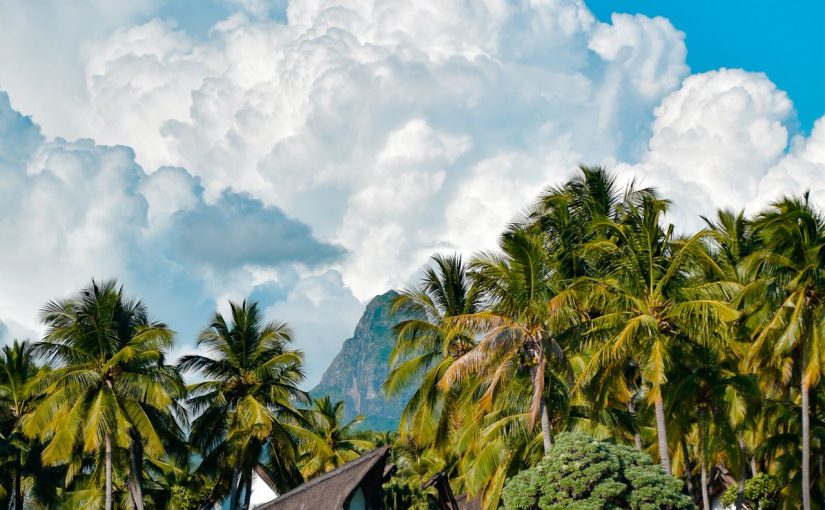
Mauritius is not the cheapest destination in the Indian Ocean, but it is one of the most rewarding. The key to making a trip here work financially without compromising on experience is choosing the right hotel package from the outset.

What Packages Usually Include

Hotel packages in Mauritius vary considerably in what they cover. A bed and breakfast rate leaves you paying separately for lunch, dinner, drinks, and activities, which can add up quickly on an island where imported goods carry a premium. A half-board or full board package locks in your main meal costs and removes a significant source of daily spending. All-inclusive packages go further, covering drinks and in some cases water sports, making the total cost easier to predict and manage from the start.

When to Go and Off-Season Value

The timing of your trip has a direct impact on the value a package represents. Mauritius has a peak season centred around the European winter months, when demand from French and British travellers pushes rates up across the board. Travelling in the shoulder months of April, May, or October gives you good weather alongside noticeably lower rates. Hotel package deals in Mauritius during these periods give outstanding value, particularly at properties like The Residence Mauritius.

Activities and Excursions

Image by pexels

Packages that include excursion credits or complimentary water sports add value that is easy to perceive. Dolphin watching, catamaran trips, deep-sea fishing, and snorkelling excursions are all popular in Mauritius and carry costs that accumulate quickly when booked individually. Packages that bundle these in, even partially, deliver a more complete experience at a more manageable overall price.

How to Experience the Best Snorkelling, Island Hopping, and Scuba Diving Around Phi Phi Islands


Whether you’re a first-time visitor or a seasoned traveller returning for more, snorkeling, island hopping, and scuba diving around Phi Phi offer some of the most thrilling marine experiences in Southeast Asia. The waters here are warm, crystal clear, and teeming with life — from vibrant coral gardens to reef sharks gliding silently beneath long-tail boats. Here’s how to make the most of every moment on and under the water.

Choose the Right Base for Your Adventures

Where you stay makes a significant difference in how easily you can access the best water activities. Staying directly on the islands — rather than day-tripping from Phuket or Krabi — gives you first access to sites before the crowds arrive.

SAii Phi Phi Island Village is one of the most well-positioned properties for this. Set along a quiet stretch of Loh Dalum Bay, the resort offers direct beach access and can connect guests with reputable local operators for guided snorkelling tours, island-hopping excursions, and dive trips. Starting your morning from the resort means you’re already at the water’s edge — no ferry transfers needed.

Snorkelling: Know Where to Go

The waters around Phi Phi are dotted with excellent snorkelling spots, but not all are created equal. The most rewarding sites include:

    • Hin Klang a submerged pinnacle between Phi Phi Don and Phi Phi Leh, ideal for intermediate snorkellers looking for an immersive experience among schooling fish and soft corals.
    • Maya Bay Reef — the lagoon itself may be famous, but the reef just outside is where the real colour lives. Arrive early or late in the day to avoid boat traffic.
  • Ao Nui — a sheltered cove on Phi Phi Leh with calm, shallow water perfect for beginners and families.

Bring reef-safe sunscreen, a quality mask and snorkel (or rent from a trusted operator), and always snorkel with a buddy.

Island Hopping: Build the Right Itinerary

A classic island-hopping day around Phi Phi typically takes in three to five stops and can be done by chartered longtail boat or joined tour. The key is balancing the iconic landmarks with the quieter, lesser-visited spots.

A well-rounded route might include:

  • Viking Cave on Phi Phi Leh, where swiftlets build nests high on the cliff walls
  • Monkey Beach for a brief stop to observe (but not feed) the local macaques
  • Bamboo Island (Koh Mai Phai) for some of the whitest sand and clearest water in the area
  • Pileh Lagoon, a stunning emerald-green lagoon enclosed by towering limestone

Book your boat early in the day. Afternoons can get choppy, and popular spots like Pileh fill up quickly with tour groups from the mainland.

Scuba Diving: From Beginner Dives to Advanced Sites

Phi Phi’s diving ranges from gentle introductory dives to exhilarating drift dives and shark-spotting sites. The visibility here regularly reaches 20–30 metres in the dry season (November to April), making it one of Thailand’s best diving destinations.

Key dive sites to know:

Hin Daeng and Hin Muang (accessible as a day trip) — for advanced divers, these twin seamounts are considered among the best dives in all of Thailand, with manta rays and whale sharks occasionally spotted.

  • King Cruiser Wreck — a sunken ferry that now teems with marine life, suitable for divers with Open Water certification.
  • Anemone Reef — a soft coral-draped pinnacle bursting with clownfish, moray eels, and lionfish.

If you’re a beginner, many local dive shops offer PADI Discover Scuba Diving experiences that require no prior certification. A single day is enough to complete a confined water session and do two open-water dives.

Practical Tips

  • Best season: November to April offers calmer seas and better visibility. May to October is monsoon season — diving is still possible but conditions vary.
  • Book ahead: During peak season (December–February), reputable dive operators and island-hopping boats fill up fast. Reserve at least a day in advance.
  • Respect marine life: Do not touch coral, chase marine animals, or collect shells. Phi Phi’s reefs have recovered significantly in recent years and responsible tourism keeps it that way.
  • Sun protection: The tropical sun is intense on the water. Wear a rash guard, apply reef-safe sunscreen, and stay hydrated throughout the day.

  • Cash on hand: Many longtail boat operators and smaller dive shops on the islands are cash-only. ATMs are available on Phi Phi Don but can run out during busy periods.
  • Start early: The best light for underwater photography, the calmest seas, and the thinnest crowds all happen before 9 a.m.  Make sure to set your alarm.
 

Nurse Shark Snorkelling in the Maldives

Underwater excursions in the Maldives often focus on encounters with whale sharks, manta rays and sea turtles. But snorkelling with nurse sharks is one experience that rarely makes it to travellers’ bucket lists. If it does, however, the experience is truly captivating. Here’s all you need to know about this lesser-known adventure.

What to Expect

Contrary to popular belief, nurse sharks aren’t aggressive creatures. In fact, they’re slow-moving, ‘gentle giants’ that spend most of the day resting, and rarely show interest when humans approach. This makes for a rather tranquil encounter, and you’ll even come across other marine animals like sting rays, reef fish and trevallies.

Eltonatlarge, Nurse Shark, Davis Reef, Florida Keys, CC BY-SA 4.0

Best Spots for Encounters

Nurse sharks usually prefer the house reefs that are near deeper channels between atolls. So staying at resorts such as Furaveri Maldives means that you’ll have a better chance of spotting them. In general, the Vaavu Atoll and South Male Atoll are top spots for nurse shark sightings.

Seasonal Patterns & Conditions

There’s no drastic difference in nurse shark activity between seasons in the Maldives, but there is a change in how you can see them. Visibility is better in the dry season (November to March), when you can spot nurse sharks from above the surface. However, the encounters are more intimate in the wet season (May – September), since you need to dive deeper and get much closer to spot them.

Safety Tips

Most nurse shark-related excursions in Maldives are conducted in the presence of a guide, who will give you a briefing on safety and equipment. It is important to note that while nurse sharks are harmless, they can get aggressive if they feel threatened. So, it’s best to avoid physically touching them and keep a safe distance, even if your guide insists otherwise.

Why Phi Phi Islands Are One of the Best Destinations for Snorkelling, Island Hopping and Scuba Diving?

snorkelling

The Phi Phi Islands may be known for their vibrant nightlife and parties, but they’re also one of those rare destinations that offer the island-adventure trifecta – snorkelling, scuba diving and island hopping. Yes, the archipelago offers all three adventures because it’s got the perfect combination of stunning marine ecosystems, ideal year-round conditions, and unique geographical traits. 

These natural attributes, combined with widespread accessibility and convenient facilities, make the Phi Phi Islands a top choice among snorkellers, scuba divers and island adventurers. Here’s more on this stunning group of islands and what makes them a top choice for this trio of adventures. 

An Overview of the Islands

The Phi Phi Islands, or Koh Phi Phi, are 6 islands that make up an archipelago and are found in the Andaman Sea, to the south of Thailand. Koh Phi Phi Don and Koh Phi Phi Le are its two largest islands, with the former being the only inhabited island. The archipelago is abundant in natural beauty – picture-perfect beaches and rock formations, diverse wildlife, and a vibrant culture – and it’s also home to top resorts like SAii Phi Phi Island Village, a winning combination that makes it a popular paradise for tropical getaways. 

Why It’s Great for Snorkelling, Island Hopping & Scuba Diving

So what exactly makes Koh Phi Phi one of the best destinations for snorkelling, island hopping and scuba diving? The following factors line up perfectly to make it a top choice for all three adventures. 

Exceptional Marine Ecosystems

Koh Phi Phi is part of the Hat Noppharat Thara – Mu Koh Phi Phi National Park, which is a protected area that has allowed marine life and ecosystems to flourish in the region. This means that the waters surrounding the islands are teeming with soft, vibrant corals and all kinds of marine species – black-tip reef sharks, sea turtles, clown fish and schools of tropical fish. 

A Unique Geographical Location

There’s never a shortage of places to visit on Koh Phi Phi, whether you opt for snorkelling, diving or island-hopping. The archipelago itself is home to several beaches, bays and dive sites that are teeming with marine life, and island-hoppers can visit each of the islands that make up the archipelago, as each offers a slightly different experience and landscape. Koh Phi Phi is also located halfway between Phuket and Krabi, which makes a perfect mid-point from which to access some of the other famous islands and dive spots, which are a shorter distance away. 

The Visibility is Great

The waters of the Andaman Sea around Koh Phi Phi are known for their excellent horizontal visibility, which reaches 20 to 30 metres during the peak season, and 10 to 20 metres during the low season. So no matter which time of year you decide to visit for snorkelling and diving, you won’t have to venture too far below to catch the details of vibrant fish species and corals. 

It’s a Year-Round Destination

Koh Phi Phi has two distinct seasons: the high season from November to April, when the seas are calmer, and the low season from May to October, when there’s occasional rain and surface conditions. But despite these minor differences, the overall conditions on Koh Phi Phi remain great for underwater adventures throughout the year. The water temperatures consistently stay between 27°C and 30°C, and having just a rash guard is often enough for protection from the sun.

Accessible for Everyone

One of the other great things about the archipelago is that it welcomes both seasoned explorers and beginners. The islands are naturally sheltered by giant limestone cliffs that act as a natural windbreak, which in turn keeps the currents gentle and the water surface flat – ideal ‘classroom’ conditions for beginners to learn the basics. The islands also feature plenty of dive schools that offer guided lessons and PADI certifications, ensuring that first-timers can learn safely and from experienced professionals. 

Best Spots for Adventure

Whichever adventure you opt for, there are plenty of iconic spots for snorkelling, island-hopping and scuba diving around Phi Phi Islands. Here are some of the best spots to visit for each activity.

  • Maya Bay: Recently reopened with strict conservation; famous for its rebounding shark population and coral recovery.
  • Bamboo Island: Offers a flat, shallow reef perfect for beginners and families; the water is strikingly turquoise.
  • Mosquito Island (Koh Yung): Located north of Bamboo Island, this spot is great for snorkelling, though it is best visited during the day to avoid mosquitoes.
  • Monkey Beach: The shallow reefs right next to the beach allow you to walk into the water and start snorkelling immediately.
  • Koh Bida Nok & Koh Bida Nai: these limestone pinnacles feature dramatic underwater landscapes, swim-throughs, blacktip reef sharks, turtles, and large schools of yellow snapper.
  • Kled Gaeow Wreck: This 48-meter naval patrol ship sits around 16–26 meters, covered in soft corals and frequented by large schools of barracuda and lionfish.
  • Phi Phi Shark Point (Hin Bida): A pinnacle situated southeast of Phi Phi Leh known for its leopard sharks, soft corals, and occasional green rays.


References:

https://www.tourismthailand.org/Destinations/Provinces/Ko-Phi-Phi/359

https://www.pocketwanderings.com/phi-phi-island-travel-guide/#:~:text=The%20islands%20offer%20a%20tropical,t%20for%20all%20the%20tourists.

https://traveltheworldpages.com/koh-phi-phi-diving/#What_Makes_Diving_in_Koh_Phi_Phi_So_Special

https://www.blueviewdivers.com/best-time-to-dive-phi-phi/

https://www.phiphi-islands-tours.com/snorkeling/


 Nature-Immersive Architecture – the Most Sought-After Luxury Trend of 2026 

Luxury travel in 2026 is being redefined by a powerful trend: nature-immersive architecture. This design philosophy seamlessly blends built environments with the natural world, creating spaces that feel both indulgent and restorative. For corporate leaders, families, and wellness seekers alike, it’s the ultimate way to experience luxury while staying connected to nature.

Holiday Resort on Lakeshore | Pexels

Harmony Between Design and Landscape

Nature-immersive architecture prioritises harmony with the environment. Structures are designed to complement landscapes rather than dominate them, using organic materials and open layouts that invite natural light and fresh air. Resorts like Lacol Khaoyai exemplify this approach, offering guests a chance to live within nature without sacrificing comfort.

Sustainability Meets Luxury

Eco-consciousness is no longer optional—it’s essential. These architectural designs incorporate renewable energy, water conservation, and sustainable building practices. Guests enjoy luxury while knowing their stay supports environmental stewardship, making it a guilt-free indulgence.

Elevated Guest Experiences

From infinity pools overlooking forests to villas surrounded by tropical gardens, nature-immersive architecture enhances every moment of a stay. Travellers seeking exclusivity often choose a luxury resort in Khaoyai, where immersive design transforms ordinary vacations into extraordinary experiences.

Wellness Through Connection

The calming effect of nature is amplified when architecture dissolves boundaries between indoors and outdoors. Spaces designed for meditation, yoga, or quiet reflection allow guests to recharge mentally and physically, making these resorts ideal for wellness-focused retreats.

How Long You Should Stay in Tangalle: Timing That Suits You Best

Tangalle offers the perfect escape for those looking for a quiet seaside vacation along Sri Lanka’s southern coast, away from nearby bustling hubs like Unawatuna and Mirissa. But for how long should you stay to enjoy this idyllic paradise? That depends on what kind of experience you’re after.

2 to 3 Days for a Short Stay

If you’re on a tight itinerary, 2-3 days is enough time to see the essentials. You can lounge on Goyambokka Beach and witness turtle nesting at Rekawa. You can also visit to the Mulkirigala Rock Temple or the Hummanaya Blowhole, courtesy of hotels like Anantara Peace Haven Tangalle Resort

4 to 5 Days for Slow Exploration

If you’re looking to capture the town’s true spirit, you’ll need 4-5 days. This gives you enough time to explore hidden gems like Silent Beach, enjoy kayaking at Kalametiya Bird Sanctuary, and embark on a safari to Udawalawe National Park, one of the best Tangalle experiences.

7+ Days for Wellness & Seclusion

Staying for a week or more is perfect if your goal is to leave Tangalle fully rejuvenated. The town is famous for its Ayurvedic retreats and yoga programmes, and you’ll be able to slow down, disconnect and truly rediscover your inner balance.

The Best Time to Visit

Image by Pexels from Pixabay

However long you decide to stay, aim for the dry season between December and April to get the most out of your visit. This is when the turquoise waters are calmest, and the weather is perfect for exploration and wellness.

Why Ella’s Hills Are a Dream Setting for Nature Photography – Where mist, light, and landscapes meet

Ella offers layered views, gentle light, and calm moments that suit photographers of every level. Its hills reward patience, timing, and a simple approach to composition.

Soft light and shifting mist at sunrise

Early mornings in Ella bring low clouds that drift through valleys and soften sharp lines. This light works well for wide shots and details alike. Many photographers choose stays close to viewpoints, and a luxury resort in Sri Lanka set in the hills allows quick access before the sun climbs too high.

Iconic viewpoints within easy reach

Little Adam’s Peak and Ella Rock offer clear paths and varied angles. You can frame sweeping valleys or focus on patterns in tea fields. Choosing a hotel nearby helps manage timing, gear, and rest, especially when planning dawn or late afternoon shoots.

Man-made moments that blend with nature

The Nine Arch Bridge demonstrates how a structure can blend seamlessly into a natural setting. Trains pass only a few times a day, so patience matters. When the moment arrives, the scene feels balanced rather than staged.

Image by rgration0 from Pixabay

Calm bases that suit creative routines

A peaceful base supports better work. Properties such as 98 Acres Resort And Spa sit among tea fields and open views, making it easy to step out with a camera when the light changes. Quiet evenings also help photographers review shots and plan the next day.

Experiencing the Southern Coastline of Sri Lanka – Ceylon Awaits

Sri Lanka’s southern coastline is pure magic, with golden beaches, turquoise waters, and laid-back vibes around every corner. From the historic charm of Galle to the chilled-out bays of Mirissa and Unawatuna, there’s a bit of everything—perfect spots to soak up the sun, try your hand at surfing, or catch a glimpse of whales and dolphins.

See the Iconic Beaches

Kick off your shoes and sink your toes into the sun-soaked sands of Sri Lanka’s southern coast, where the Indian Ocean seems to whisper adventures at every wave. Beaches like Mirissa and Tangalle aren’t just spots to lounge—they’re little escapes full of local colour, good vibes, and a rhythm set by the tides and the friendly communities around them. The best places to stay in Mirissa can boast of the connection to community!

Feel the history of the fort

Step through the old stone gates of Galle Fort and you’re instantly stepping back in time, surrounded by history and a mix of cultures that’s impossible not to notice. Built by the Portuguese and later expanded by the Dutch, the fort is full of stories about bustling trade, maritime adventures, and the blending of worlds from far and wide.

The Wildlands of the South

Southern Sri Lanka is a playground for anyone who loves wildlife, with national parks bursting with life. Yala National Park is a real highlight, packed with leopards, elephants, crocodiles, and all kinds of rare birds—a living mosaic of nature at its best. Picture sharing a quiet morning with a herd of elephants, or catching a glimpse of a Sri Lankan leopard soaking up the sun—these are the moments that stick with you long after you leave. Some accommodations, such as Muthu Nila Villas, even blend their premises into the farmlands and greeneries of the area.

Image by Katherine Slade from Pixabay

Observe the Stilt Fishermen

Few things capture the vibe of southern Sri Lanka quite like the stilt fishermen. Balanced above the water with quiet skill, their silhouettes against soft, pastel sunrises are a snapshot of a tradition that’s been handed down for generations—all patience, creativity, and a deep connection to the sea.