Fall in Love with the Maldives: Must-Visit Attractions and Experiences

Maldives always attracts tourists with its crystal clear water, white sandy beaches and luxurious island living features. From lively coral reefs to serene water villas and unforgettable sunsets, the islands offer a perfect combination of rest and nature with spectacular beauty and tropical excitement.

Relax on the Maldives’ Famous White Sand Beaches

The Maldives is famous for its stunning beaches with powdery white sand encircled by crystal-clear turquoise water. Tourists get a chance to rest beneath the palm trees that are gently swaying in the breeze, savour tranquil scenes of the ocean, and soak up the soothing vibes of the tropical island life.

Experience Luxury Overwater Villas

Overwater villas have become one of the most iconic symbols of the Maldives travel experience. These luxurious accommodations offer direct access to the ocean, private pools, and breathtaking sunset views across the Indian Ocean. Staying in an overwater villa provides travellers with privacy, comfort, and unforgettable tropical scenery. Travellers searching for exceptional Maldives villas often look for resorts that combine luxury with stunning island surroundings. Resorts such as Anantara Dhigu Maldives Resort offer elegant villa experiences designed for relaxation and unforgettable tropical escapes.

Discover Vibrant Coral Reefs and Marine Life

The Maldives hosts some of the planet’s most stunning coral reefs and marine ecosystems. Through snorkelling or diving, tourists can spot many brightly-coloured fish, sea turtles, manta rays and, on rare occasions, even whale sharks. For those who are passionate about ocean life and thrill seekers, the diverse marine wildlife is simply reason enough to fall in love with these islands.

Enjoy Romantic Sunsets and Island Experiences

Image by pexels

Renowned for its breathtaking sunsets, one can see a sky illuminated by colours of orange, pink, and gold. The Maldives draws in visitors in various ways. To see the sun go down over the ocean, tourists may go for a cruise, have dinner on the beach under the stars with the light of candles, or simply unwind while taking in the serene ocean scenery.

The Legend of Sigiriya: Exploring Sri Lanka’s Majestic Rock Fortress

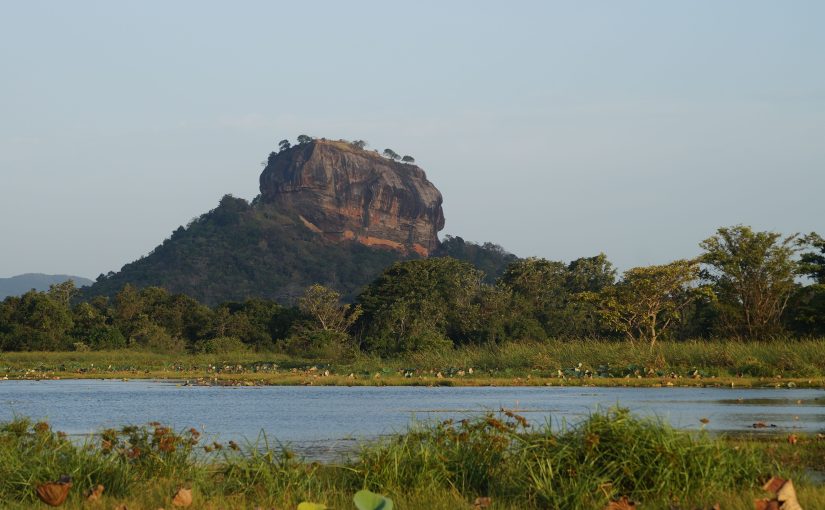
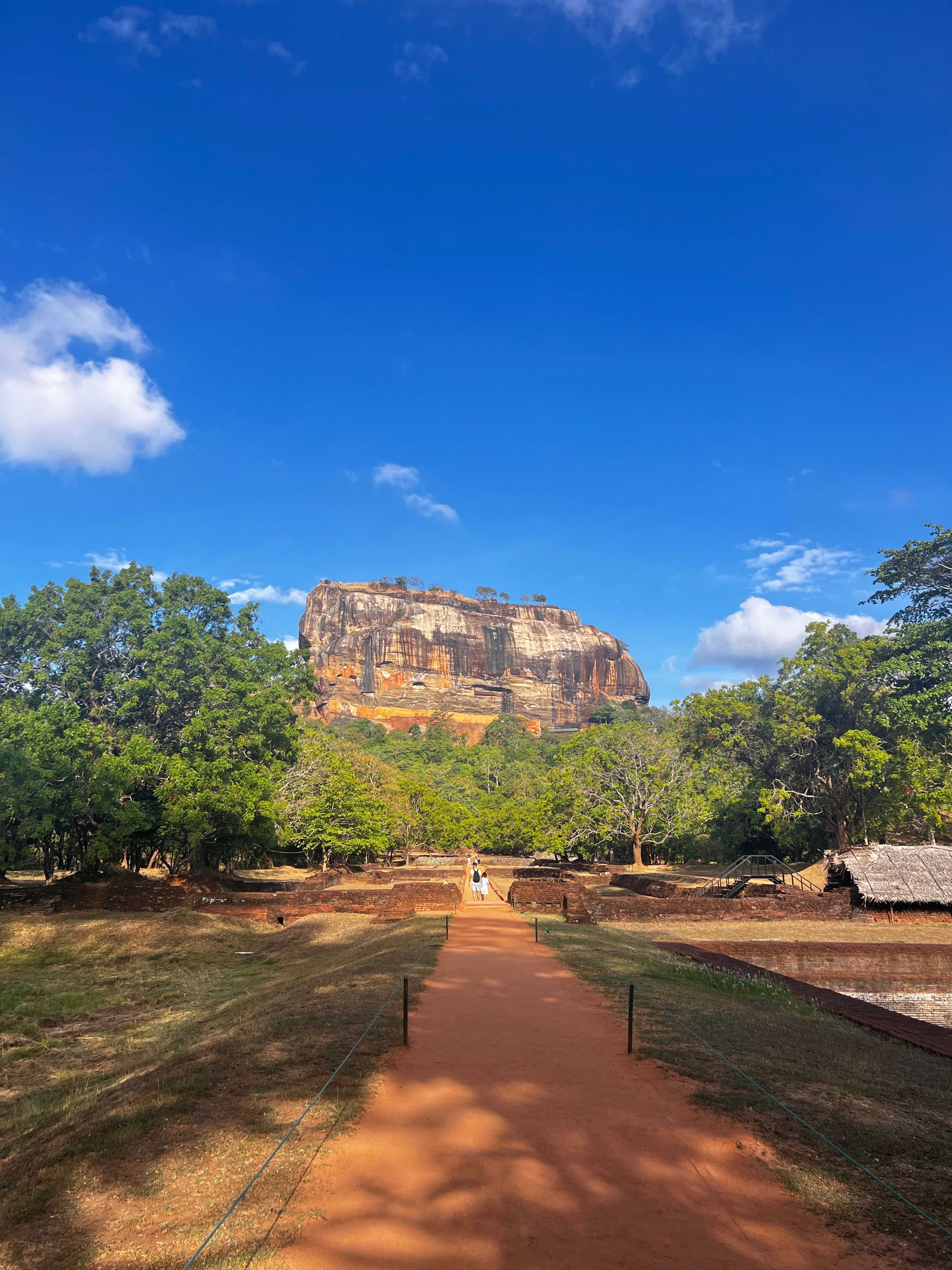
Sigiriya is a masterwork of ancient engineering, history, and art that rises sharply above the central plains of Sri Lanka. One of the most beloved attractions in the nation, this amazing rock stronghold never fails to enthral tourists with its rich history, magnificent frescoes, and gorgeous views.

Explore the Fascinating History of Sigiriya

King Kashyapa constructed Sigiriya as a fortified stronghold and royal residence in the fifth century. The site’s sophisticated design and advantageous position demonstrate the inventiveness and aspirations of ancient Sri Lankan civilisation. Travellers, historians, and archaeologists from all over the world are still drawn to it today because of its rich past.

Enjoy Panoramic Views from the Summit

Climbing to the top of Sigiriya rewards visitors with breathtaking views of the surrounding forests, villages, and countryside. The summit contains the remains of the ancient palace complex, offering a glimpse into royal life centuries ago. The combination of history, nature, and spectacular scenery makes the climb one of Sri Lanka’s most memorable travel experiences. Travellers searching for hotels near Sigiriya Rock often choose accommodation that offers easy access to this iconic landmark and the surrounding cultural attractions. Properties such as Water Garden Sigiriya provide luxurious stays with stunning views and convenient access to the region’s most famous sites.

Admire the Famous Sigiriya Frescoes

Sigiriya’s collection of historic paintings painted on the rock face is one of its most well-known features. These colourful pieces highlight the exceptional artistic abilities of the time and feature women dressed attractively. The frescoes are still a significant cultural and artistic asset of Sri Lanka even though they are centuries old.

Image by pexels

Discover the Ingenious Water Gardens and Architecture

A complex system of pools, water gardens, and landscaped areas may be found at the foot of the rock stronghold. These characteristics show how sophisticated Sri Lankan engineering and architecture were. Visitors are still impressed by the thoughtfully planned layout, which blends elegance, practicality, and inventiveness.

Hidden Gems in Siem Reap You Must Explore — Brimming with untamed nature, intricate artistry, and serene waters

Cambodia is one of Asia’s best-kept secrets. Siem Reap offers plenty of unexplored sides waiting to be explored.

Image by pexels

Banteay Srei

Widely known as the jewel of Khmer art, Banteay Srei is a 10th-century Cambodian temple dedicated to the Hindu god Shiva. You can still see the faded, rare, rose-pink sandstone used to build this temple. The best time to visit this temple is in the late afternoon, just as the sun retires, casting its glow on the intricate three-dimensional carvings across the walls.

Phnom Kulen National Park

To discover where the empire began, make the one-hour journey from FCC Angkor Siem Reap to Phnom Kulen National Park. Featuring a stunning, three-tiered jungle waterfall, this sacred mountain landscape is perfect for a day out. Nearby, you can walk along the River of a Thousand Lingas.

Sra Sang

Sra Sang is a massive 10th-century royal reservoir – a perfect addition to your unique itinerary. Sra Sang is often overlooked but offers a peaceful setting to those looking for exactly that. Make use of the many FCC Angkor offers to witness the perfect, uncrowded alternative for watching the sky change colours over still waters.

Kompong Khleang

Kompong Khleang offers an authentic glimpse into rural lakeside life. One of its many wonders is the towering stilt houses that soar up to ten metres high to withstand seasonal flooding. Because it is untouched by mass tourism, making this journey is wholly worth it.

Experiencing Climbing Sigiriya Rock Fortress – Conquer the awe-inspiring Sigiriya Rock Fortress!

Sigiriya was an ancient capital of Sri Lanka and is acclaimed for its Lion Rock, or Sigiriya Rock Fortress. Built by King Kashyapa (473-495 CE), the impressive rock fortress is part of the “Ancient City of Sigiriya”, a UNESCO World Heritage site. For most visitors to the island, climbing this rock is one of the bucket list items.

History and Preparation to Climb

Climbing Sigiriya is much more than standard Sigiriya sightseeing. This rock fortress was designed by King Kashyapa to make access difficult and to take refuge after overthrowing his father. Hence, be aware and prepared to climb it. Because the ascent requires an early start, staying nearby is ideal; to that end, excellent accommodation is available at Sigiriya Jungles, Sri Lanka.

Things to know

Set out early at sunrise, when there are fewer crowds, and secure your tickets promptly. This also enables climbing most of the way before the heat of the sun is intense. Carry your water to stay hydrated, sun protection, and comfortable shoes. The views as you ascend are incredibly rewarding. Take your time to soak in that beauty and move steadily as the steps, over 1000 of them, need more effort.

Enjoy the hidden treasures

As you ascend, find the Frescoes Room, secluded in the rock with the paintings of graceful maidens in vibrant hues. As you continue to climb, witness the mirror wall carrying a series of graffiti inscriptions about frescoes.

Image by pexels

Conquer Sigiriya

As you come to the large plateau, find the magnificent Lion’s Paws, the only remaining part of the massive lion gateway carved on the mountain. These paws originally marked the entrance to the last bit of the ascent leading to the summit. Take in the panoramic views from this vantage point, conquering Sigiriya.

 Nature-Immersive Architecture – the Most Sought-After Luxury Trend of 2026 

Luxury travel in 2026 is being redefined by a powerful trend: nature-immersive architecture. This design philosophy seamlessly blends built environments with the natural world, creating spaces that feel both indulgent and restorative. For corporate leaders, families, and wellness seekers alike, it’s the ultimate way to experience luxury while staying connected to nature.

Holiday Resort on Lakeshore | Pexels

Harmony Between Design and Landscape

Nature-immersive architecture prioritises harmony with the environment. Structures are designed to complement landscapes rather than dominate them, using organic materials and open layouts that invite natural light and fresh air. Resorts like Lacol Khaoyai exemplify this approach, offering guests a chance to live within nature without sacrificing comfort.

Sustainability Meets Luxury

Eco-consciousness is no longer optional—it’s essential. These architectural designs incorporate renewable energy, water conservation, and sustainable building practices. Guests enjoy luxury while knowing their stay supports environmental stewardship, making it a guilt-free indulgence.

Elevated Guest Experiences

From infinity pools overlooking forests to villas surrounded by tropical gardens, nature-immersive architecture enhances every moment of a stay. Travellers seeking exclusivity often choose a luxury resort in Khaoyai, where immersive design transforms ordinary vacations into extraordinary experiences.

Wellness Through Connection

The calming effect of nature is amplified when architecture dissolves boundaries between indoors and outdoors. Spaces designed for meditation, yoga, or quiet reflection allow guests to recharge mentally and physically, making these resorts ideal for wellness-focused retreats.

Kbal Spean in Cambodia – A Captivating Journey to a Hidden Gem

Hidden within the jungle-covered Kulen Hills, around 50 kilometres northeast of Siem Reap, Kbal Spean is one of Cambodia’s most remarkable archaeological treasures. Also known as the ‘River of a Thousand Lingas’, this sacred Angkorian-era site perfectly combines natural beauty with ancient spirituality. Kbal Spean, with its flowing water, lush jungle, and centuries-old carvings, is a captivating destination for travellers seeking a deeper understanding of Cambodia’s spiritual heritage.

The Sacred River of a Thousand Lingas

As one of the most fascinating Siem Reap attractions, the most distinctive feature of Kbal Spean is the hundreds of lingas carved directly into the riverbed. These sacred symbols represent the creative power of Shiva in Hindu faith. Arranged in precise grid patterns across the sandstone floor, the carvings stretch for nearly 200 metres along the stream. As water flows over the lingas, it is believed to be blessed, carrying sacred energy downstream to the temples and rice fields of Angkor.

Mythological Stories Carved in Stone

Beyond the lingas, Kbal Spean features detailed carvings of Hindu deities and mythological scenes. Visitors can find depictions of Vishnu reclining on the serpent Ananta as well as ones where he is accompanied by his consort Lakshmi. These artistic representations reflect the deep influence of Hinduism during the Angkorian period. Travellers exploring nearby heritage sites or planning their stay at hotels such as FCC Angkor by Avani will often discover that Kbal Spean offers a unique blend of history, spirituality, and natural beauty.

Image by pexels

A Sanctuary Rooted in Angkorian History

The carvings at Kbal Spean date back to the 11th and 12th centuries during the height of the Khmer Empire. The project began under King Suryavarman I and flourished during the reign of King Udayadityavarman II. In 1059, the king consecrated a golden linga at the site, further highlighting its spiritual significance.

A Scenic Jungle Journey

Reaching Kbal Spean requires a scenic 1.5-kilometre hike through lush forest trails in Phnom Kulen National Park. The walk itself adds to the experience, as visitors pass through dense vegetation before reaching the sacred river. The best time to visit is between November and April, when water levels are lower, making the carvings beneath the flowing stream more visible.

Angkor Highlights Made Easy: The Value of a Guide

Angkor’s temple complex is huge, and trying to see it all in a single day can feel daunting. With temples scattered across a wide area, a bit of planning goes a long way. A guided tour helps you make the most of your limited time while also giving you the background that brings the ruins to life. Here’s how a guide can turn a quick visit into a memorable cultural experience.

Smart Routing and Better Time Use

A good guide knows how to move through Angkor efficiently. Rather than spending time debating where to go next, you’ll follow a route that hits the big highlights and some lesser-known spots. Guides also know when to visit popular temples to avoid the worst of the crowds, so you can see more without feeling like you’re racing against the clock.

Comfortable Logistics From Start to Finish

Pairing a guided tour with nearby accommodation makes the day much easier. Staying at a hotel close to the complex — for example, places like FCC Angkor can mean shorter transfers and less time wasted getting back and forth. After a long day in the heat, it’s nice to return somewhere comfortable to rest and recharge. Good planning on both the tour and the lodging side makes one day go a long way.

Access to Special Moments and Hidden Spots

Guides may also be aware of areas of the park that independent travellers do not know about, such as quiet jungle trails, sunrise spots, and hidden ruins. With reputable tour operators or hotels, you can also expect organised options to be made in advance, such as what FCC Angkor offers. These organised elements take away the hassle so you can enjoy the experience.

Richer Historical and Cultural Context

Image by Simon from Pixabay

Visually, Angkor is breathtakingly beautiful, but a guide can give you insight into what you’re seeing. A guide can tell you about the scenes depicted in the bas-reliefs, point out Hindu and Buddhist imagery, and even explain how the temples were constructed. It makes the sightseeing experience more interesting.

Experiencing the Southern Coastline of Sri Lanka – Ceylon Awaits

Sri Lanka’s southern coastline is pure magic, with golden beaches, turquoise waters, and laid-back vibes around every corner. From the historic charm of Galle to the chilled-out bays of Mirissa and Unawatuna, there’s a bit of everything—perfect spots to soak up the sun, try your hand at surfing, or catch a glimpse of whales and dolphins.

See the Iconic Beaches

Kick off your shoes and sink your toes into the sun-soaked sands of Sri Lanka’s southern coast, where the Indian Ocean seems to whisper adventures at every wave. Beaches like Mirissa and Tangalle aren’t just spots to lounge—they’re little escapes full of local colour, good vibes, and a rhythm set by the tides and the friendly communities around them. The best places to stay in Mirissa can boast of the connection to community!

Feel the history of the fort

Step through the old stone gates of Galle Fort and you’re instantly stepping back in time, surrounded by history and a mix of cultures that’s impossible not to notice. Built by the Portuguese and later expanded by the Dutch, the fort is full of stories about bustling trade, maritime adventures, and the blending of worlds from far and wide.

The Wildlands of the South

Southern Sri Lanka is a playground for anyone who loves wildlife, with national parks bursting with life. Yala National Park is a real highlight, packed with leopards, elephants, crocodiles, and all kinds of rare birds—a living mosaic of nature at its best. Picture sharing a quiet morning with a herd of elephants, or catching a glimpse of a Sri Lankan leopard soaking up the sun—these are the moments that stick with you long after you leave. Some accommodations, such as Muthu Nila Villas, even blend their premises into the farmlands and greeneries of the area.

Image by Katherine Slade from Pixabay

Observe the Stilt Fishermen

Few things capture the vibe of southern Sri Lanka quite like the stilt fishermen. Balanced above the water with quiet skill, their silhouettes against soft, pastel sunrises are a snapshot of a tradition that’s been handed down for generations—all patience, creativity, and a deep connection to the sea.

Safari Adventures in Yala: Top Tips for Enjoying an Unforgettable Wildlife Tour during a Trip to Kataragama

Home to some of the island’s most majestic wild creatures, Yala National Park is a must-experience highlight for holidaymakers exploring the iconic Hindu temples and heritage sites in nearby Kataragama.

Timing the Safari

Although Yala is a captivating wildlife sanctuary for most months of the year, the dry season is often considered the best time to tour Sri Lanka’s second-largest national park. While safari excursions are accessible during the early morning hours and the late afternoons, travellers will find that game drives during the first half of the day provide better opportunities for sighting animals.

Reaching the Reserve

Travellers based at Mandara Rosen Kataragama or other resorts and hotels near Yala, Sri Lanka, can hop on a tuk-tuk or taxi and reach their desired destination in less than 15 minutes. Those who have booked safari tour packages online, however, can expect operators to pick them up from their hotel in Kataragama.

What to Expect

With one of the highest leopard densities in the world, Yala National Park is not only home to big cats and gentle giants. Providing a leafy refuge to more than 44 mammal varieties, the park consists of lush forests, wetlands, golden beaches and dry scrublands.

Image by Penny from Pixabay

Don’t Miss the Winged Beauties

As one of the island’s Important Bird Areas, Yala National Park is also a birder’s paradise. Occupied by more than 215 species, Yala is also home to six bird varieties endemic to Sri Lanka.