Wild Adventures in Dambulla: Top Wildlife Experiences to Enjoy near Heritage City Dambulla

Although most travellers head to Dambulla to admire its landmark UNESCO World Heritage Site, the Dambulla Cave Temple, there’s more to this historic city than meets the eye. Located within easy driving distance of some of Sri Lanka’s top national parks, the area is also a popular stopover for wildlife enthusiasts. Here’s a rundown of exciting wildlife encounters visitors can enjoy during a trip to the heritage hotspot.

Bird Watching in Kaudulla National Park

With more than 160 bird species occupying its verdant confines, the Kaudulla National Park is a must-visit hotspot for avid birders holidaying in Dambulla. Although the national park is also a prime safari hub near Dambulla, birders will find that a guided walk will increase their chances of spotting the sanctuary’s winged beauties.

Elephant Safari in Minneriya National Park

Vacationers based at Amaya Lake Dambulla and other strategically situated hotels in Dambulla can also sign up for an elephant safari at nearby Minneriya National Park. Home to hundreds of gentle giants, the national park is also teeming with deer, buffaloes, leopards and sloth bears.

Trek Across Namal Uyana

As the most expansive ironwood forest in all of Asia, the Jathika Namal Uyana also holds the distinct honour of being the largest pink quartz mountain in the continent. Spread out across 260 acres, this lush forest lined with ironwood trees is a different kind of wilderness than what travellers are likely to come across in other corners of the paradise isle.

Tour Hurulu Eco Park

As one of the newer additions to the wildlife hubs near Dambulla, Hurulu Eco Park is also a prime location for jeep safaris and wildlife excursions. Inhabited by elephants, spotted deer, golden jackals and spotted cats, the park is also known to be occupied by its fair share of peacocks, hawks, parrots and star tortoises.

Bintan Travel Guide – Discover Beaches, Activities & Island Adventures

Panorama Sunset at batam bintan island wonderful Indonesia

Bintan Island, nestled within Indonesia’s Riau Archipelago, is a destination that attracts every type of traveller, from those seeking a quick weekend escape to visitors planning an extended tropical retreat. With a stunning coastline, rich cultural heritage, and vibrant food scene, Bintan has established itself as one of Southeast Asia’s most rewarding island getaways.

When to Go and How to Get There

Choosing the right time to visit Bintan can significantly enhance the travel experience. The dry season, from March to October, brings clear skies and calm seas, offering perfect conditions for enjoying beachfront stays such as The Residence Bintan. For travellers arriving from Singapore, the journey will be remarkably convenient, as a ferry from Tanah Merah Ferry Terminal can reach Bintan’s shores in just about an hour.

Beaches and Activities Worth Exploring

Bintan is renowned for its beautiful coastline. Trikora Beach stands out for its crystal-clear, calm waters, perfect for snorkelling or a relaxing swim. In contrast, Lagoi Beach offers a livelier setting, with a variety of water sports and spectacular sunsets that attract crowds in the evening. Beyond the beaches, the list of things to do in Bintan extends into the island’s lush interior and rich ecosystems, where guided mangrove tours provide a closer look at local wildlife, including monkeys and native bird species.

Culture and Heritage

Bintan and its surrounding islands offer a rich cultural landscape for those interested in history. Penyengat Island serves as a living testament to Malay heritage, where landmarks such as the Sultan of Riau Mosque, ancient royal tombs, and the Bukit Kursi Fort reflect the island’s storied past. In Tanjung Pinang, the Avalokitesvara Graha Vihara, home to a towering 16.8-metre Guan Yin statue, stands among the largest Buddhist monasteries in Southeast Asia.

Food and Local Flavours

The island’s culinary scene is as remarkable as its natural beauty. Fresh seafood plays a central role, with local restaurants offering a wide variety of dishes featuring crab, prawns, and reef fish. Beyond the resort areas, visitors can experience a vibrant street food culture, particularly at the Tanjung Pinang night market, where local delicacies such as otak-otak and gong gong are sold at reasonable prices.

How to Experience the Best Snorkelling, Island Hopping, and Scuba Diving Around Phi Phi Islands


Whether you’re a first-time visitor or a seasoned traveller returning for more, snorkeling, island hopping, and scuba diving around Phi Phi offer some of the most thrilling marine experiences in Southeast Asia. The waters here are warm, crystal clear, and teeming with life — from vibrant coral gardens to reef sharks gliding silently beneath long-tail boats. Here’s how to make the most of every moment on and under the water.

Choose the Right Base for Your Adventures

Where you stay makes a significant difference in how easily you can access the best water activities. Staying directly on the islands — rather than day-tripping from Phuket or Krabi — gives you first access to sites before the crowds arrive.

SAii Phi Phi Island Village is one of the most well-positioned properties for this. Set along a quiet stretch of Loh Dalum Bay, the resort offers direct beach access and can connect guests with reputable local operators for guided snorkelling tours, island-hopping excursions, and dive trips. Starting your morning from the resort means you’re already at the water’s edge — no ferry transfers needed.

Snorkelling: Know Where to Go

The waters around Phi Phi are dotted with excellent snorkelling spots, but not all are created equal. The most rewarding sites include:

    • Hin Klang a submerged pinnacle between Phi Phi Don and Phi Phi Leh, ideal for intermediate snorkellers looking for an immersive experience among schooling fish and soft corals.
    • Maya Bay Reef — the lagoon itself may be famous, but the reef just outside is where the real colour lives. Arrive early or late in the day to avoid boat traffic.
  • Ao Nui — a sheltered cove on Phi Phi Leh with calm, shallow water perfect for beginners and families.

Bring reef-safe sunscreen, a quality mask and snorkel (or rent from a trusted operator), and always snorkel with a buddy.

Island Hopping: Build the Right Itinerary

A classic island-hopping day around Phi Phi typically takes in three to five stops and can be done by chartered longtail boat or joined tour. The key is balancing the iconic landmarks with the quieter, lesser-visited spots.

A well-rounded route might include:

  • Viking Cave on Phi Phi Leh, where swiftlets build nests high on the cliff walls
  • Monkey Beach for a brief stop to observe (but not feed) the local macaques
  • Bamboo Island (Koh Mai Phai) for some of the whitest sand and clearest water in the area
  • Pileh Lagoon, a stunning emerald-green lagoon enclosed by towering limestone

Book your boat early in the day. Afternoons can get choppy, and popular spots like Pileh fill up quickly with tour groups from the mainland.

Scuba Diving: From Beginner Dives to Advanced Sites

Phi Phi’s diving ranges from gentle introductory dives to exhilarating drift dives and shark-spotting sites. The visibility here regularly reaches 20–30 metres in the dry season (November to April), making it one of Thailand’s best diving destinations.

Key dive sites to know:

Hin Daeng and Hin Muang (accessible as a day trip) — for advanced divers, these twin seamounts are considered among the best dives in all of Thailand, with manta rays and whale sharks occasionally spotted.

  • King Cruiser Wreck — a sunken ferry that now teems with marine life, suitable for divers with Open Water certification.
  • Anemone Reef — a soft coral-draped pinnacle bursting with clownfish, moray eels, and lionfish.

If you’re a beginner, many local dive shops offer PADI Discover Scuba Diving experiences that require no prior certification. A single day is enough to complete a confined water session and do two open-water dives.

Practical Tips

  • Best season: November to April offers calmer seas and better visibility. May to October is monsoon season — diving is still possible but conditions vary.
  • Book ahead: During peak season (December–February), reputable dive operators and island-hopping boats fill up fast. Reserve at least a day in advance.
  • Respect marine life: Do not touch coral, chase marine animals, or collect shells. Phi Phi’s reefs have recovered significantly in recent years and responsible tourism keeps it that way.
  • Sun protection: The tropical sun is intense on the water. Wear a rash guard, apply reef-safe sunscreen, and stay hydrated throughout the day.

  • Cash on hand: Many longtail boat operators and smaller dive shops on the islands are cash-only. ATMs are available on Phi Phi Don but can run out during busy periods.
  • Start early: The best light for underwater photography, the calmest seas, and the thinnest crowds all happen before 9 a.m.  Make sure to set your alarm.


How Trekking in Kandy Connects You to Sri Lanka’s Purest Landscapes

Appealing Hiking Trails in Kandy, Sri Lanka – Experience the Beauty and Serenity of Nature

The environs of Kandy, in Sri Lanka, offer an enchanting setting for hiking and trekking enthusiasts, as there is a host of appealing trails to be experienced in this locality. Here’s more on what you need to know,

Hunnasgiriya Mountain

The captivating Hunnasgiriya Mountain happens to be famed for its thick forests, rough terrain and picturesque landscapes, making it an ideal choice for hiking in Kandy. This area is also noted for its outstanding biodiversity; here, hikers will have the chance to encounter interesting flora as well as fauna, including monkeys, birds and deer. Consider staying at hotels like Hunas Fallsfrom which you can easily enjoy hiking in this mountain.

Knuckles Mountain Range 

Undoubtedly, the Knuckles Mountain Range is an outstanding locality for hiking as well. In this area, you will find a network of trails that will appeal to hikers with varying levels of skill and preferences. There are many options here, stretching from relaxed walks to challenging hikes (some may require the help of a local guide) that include demanding descents and ascents.

Hanthana Mountain Range 

You will see that the trails at the Hanthana Mountain Range wind across lush forests, scenic waterfalls and tea estates, offering a distinctive experience for hiking enthusiasts; there are trails here that are suitable for hikers with differing levels of ability, too. You will also find that this area boasts appealing flora and fauna, including rare orchids, unusual butterflies and vibrantly coloured birds.

Bible Rock 

The eye-catching Bible Rock, sometimes also referred to as Bible Rock Mountain and ‘Bathalegala’, happens to be a noteworthy landmark as well as an enthralling destination for hiking. You will see that this formation of rock features a flat summit, making it a great place to take in the views of the encircling hills, flourishing greenery and tea plantations.

Beyond the Falls: Unmissable Experiences Around Victoria Falls


a couple enjoying wildlife scenary

Victoria Falls is often seen as a single spectacle, but the region around it offers far more than a dramatic curtain of water. For travellers choosing a hotel in Victoria Falls, the surrounding area opens up days of varied experiences that blend nature, culture, and adventure.

River Adventures on the Zambezi

The Zambezi River sets the pace for many memorable outings. Visitors can take a sunset cruise that glides past hippos and crocodiles, or opt for a calmer canoe trip along quieter channels. Those staying near the river, including guests at Avani Victoria Falls Resort, often find these excursions easy to fit into a relaxed afternoon without rushing.

Wildlife Encounters Beyond the Spray

Just a short drive from the falls, national parks and private reserves offer close encounters with elephants, buffalo, and antelope. Early morning game drives are especially popular, as the light is softer and animals are more active. These trips give context to the region, showing how the falls sit within a much larger ecosystem.

Cultural Insights and Local Life

Victoria Falls town has a strong sense of place. Craft markets, small museums, and village visits allow travellers to learn about local traditions and daily life. It is an easy way to add depth to a trip that might otherwise focus only on scenery.

Aerial Views and Scenic Walks

For a different perspective, helicopter flights reveal the full scale of the falls and the winding gorge below. Back on the ground, riverside paths and rainforest trails provide quieter moments, perfect for those who prefer to explore at their own pace.

What to do in Maldives for 4 days?

What To See and Experience in the Maldives Over Four Days


The Maldives is a wonderful country, and four days are more than enough to explore it. Each day is easy to get into because of the clear ocean, gentle beaches, and well-designed resorts. You may spend time in the water, do light activities, and have nice evenings without feeling pressured if you have a simple plan.

Getting Used to Life on The Island.

The first day is all about getting used to things. Once you get to Malé, you’ll take a speedboat or seaplane to your island. The trip itself sets the mood, with views of islands and tiny lagoons. When you go to a place like Kuda Villingili Resort Maldives, spend some time looking around and get used to it. Take a walk on the beach, get your bearings, and let things settle down. On the first day, you don’t need to plan much. A swim, a leisurely meal, and an early evening by the sea can help you ease into things. This approach of starting makes the rest of the trip feel easier.

Have Fun at The Resort

A big aspect of the Maldives is spending time at your resort. A luxury resort in Maldives is set up so that you don’t have to go far to enjoy your stay. Take your time eating breakfast and enjoy the gorgeous views. You can spend the whole day going back and forth between the beach, the pool, and your villa. A trip to the spa can be a nice break in the afternoon. Dinner is part of the experience in the evening, and the resort has a lot of options. This day is about making the most of what you already have.

Discover the Underwater World

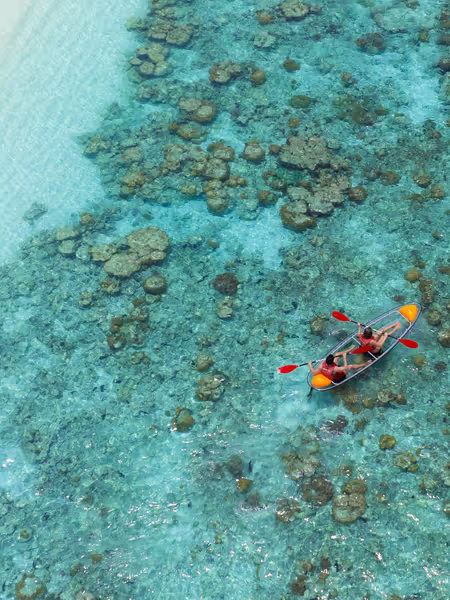
The Maldives are quite popular for their aquatic life, and the best time to see it would be on your trip. Even if you’ve never done it before, snorkelling is easy to do, and many resorts will provide you with the gear and help you get started. You can often spot reef fish and coral in clear water near where you are staying. If you want to go on a deeper dive, you can take guided sessions with professional instructors. Kayaking or paddleboarding is a more laid-back way to go around on the water if you want something easier. These activities provide interest while keeping the focus on the outdoors.

Go To Malé or An Island Nearby.

Visiting a locally inhabited island offers something new to your journey. You can see everything in Malé in just a few hours. Everyday life in the Maldives can be appreciated in the various markets, mosques, and on the streets. One of the more interesting places worth visiting is the fish market. If you want something quieter, an island nearby can give you the same feeling with fewer crowds. This helps you learn more about the country outside of the resort.

Fun Activities to Try

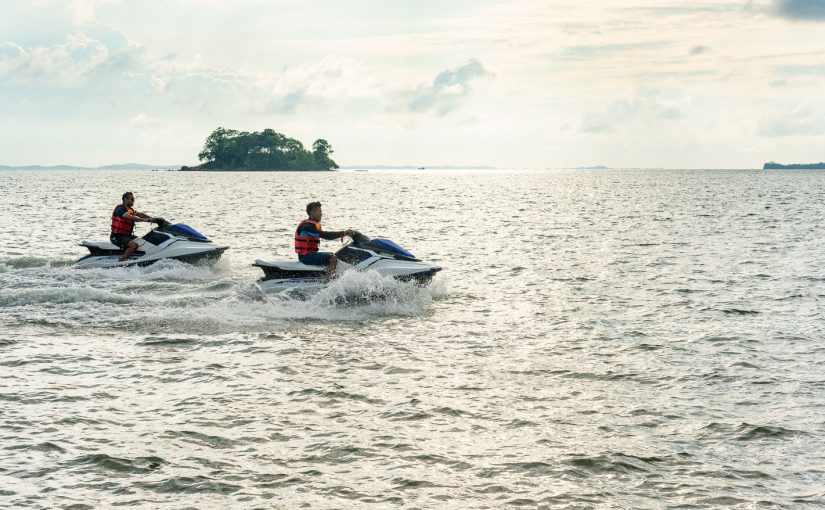
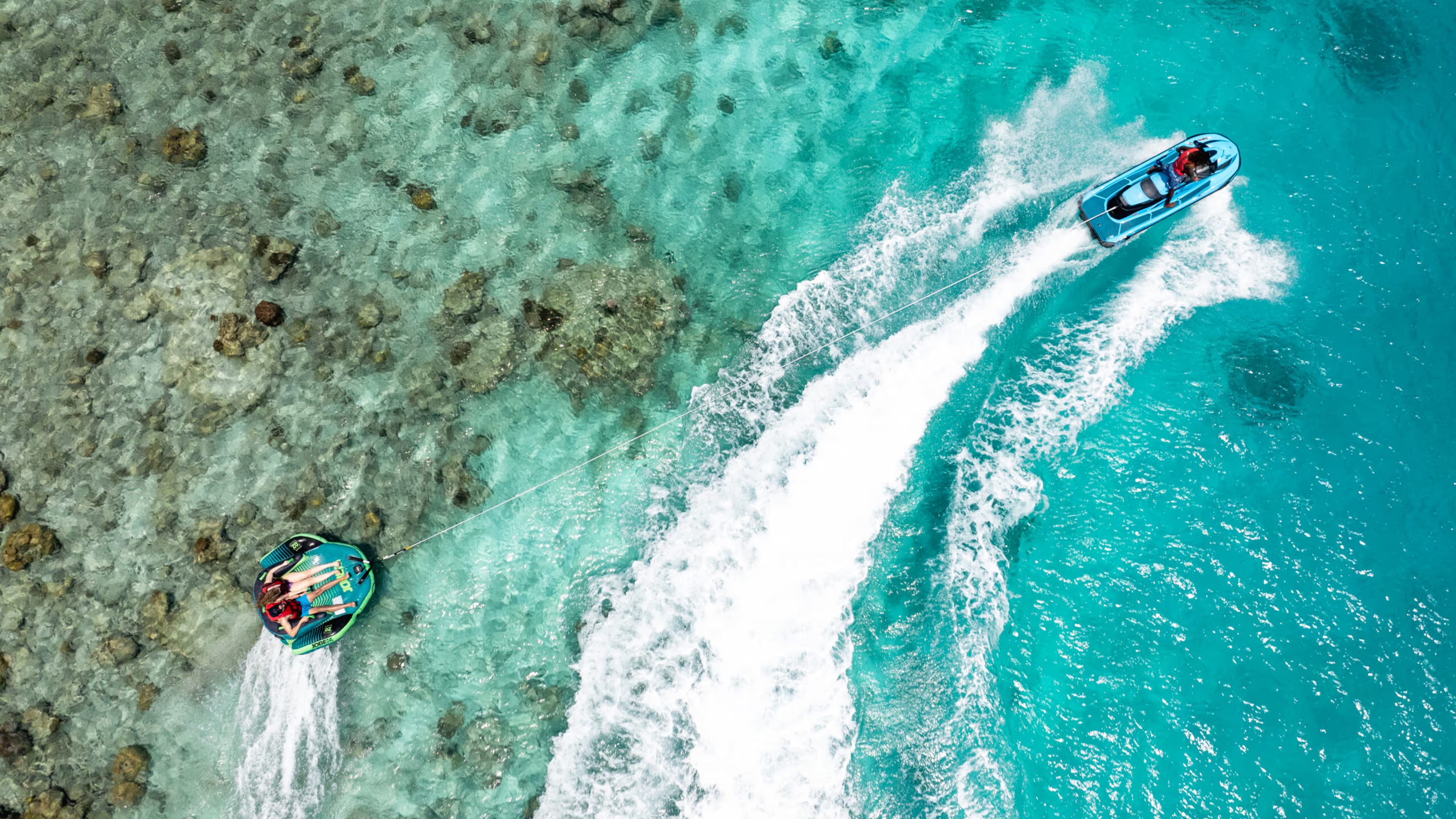
There are choices if you wish to move around a little more. Many destinations provide water sports like jet skiing and windsurfing. You may also plan snorkelling expeditions, fishing outings, and island hopping adventures if you are interested. It’s easy to integrate these into your stay without feeling stressed. Choosing a handful of things to do, rather than trying every possible activity, is a good way to have both fun and ample rest.

Make Plans for Your Departure

Usually, the last day is for one last lap around the region and then heading back. You will be able to set up transfers based on when your plane leaves. Take a chance to enjoy a quiet morning before you leave. A leisurely breakfast or a brief walk along the beach is a good way to end the trip. You often get one last glance at the islands on the way back.

Exploring Waterfalls Hidden in Sri Lanka’s Mountain Region

Beyond the Tea Trails: Exploring Waterfalls Hidden in Sri Lanka’s Mountain Region

The misty highlands of Sri Lanka are a playground for those who love the sound of crashing water and the scent of damp earth. While the tea estates get most of the attention, the real magic lies in the vertical drops carved into the emerald cliffs. If you are building a list of things to do in Ella, these four cascades offer the perfect mix of local legend and raw natural beauty.

The Legend of Ravana Falls

Standing at roughly 25 metres high, this waterfall is tied to the ancient Indian epic, the Ramayana. Legend says King Ravana hid Princess Sita in the caves hidden behind the curtain of water. It is one of the widest falls in the country and provides a refreshing misty spray for anyone passing by.

The Secret Waterfall

Hidden away from the main tourist trails, this quiet spot offers a slice of untouched paradise. For travellers staying nearby at 98 Acres Resort & Spa, a short trek through the tea bushes reveals a secluded pool where the water is crystal clear. It is the perfect place to sit on a sun-warmed rock and listen to the jungle birds.

The Serene Kital Ella

Often overlooked by crowds heading to the Nine Arches Bridge, Kital Ella is a peaceful retreat. It is located along the railway tracks, offering a quintessential Sri Lankan hiking experience. The sound of the water hitting the rocks provides a rhythmic soundtrack to the surrounding forest.

The Jungle Oasis: Ellawala Falls

Tucked away in a leafy clearing, Ellawala Falls feels like a private sanctuary. Unlike the towering giants, this fall drops into a calm, turquoise pool that is ideal for a quiet swim. It remains a best-kept secret for those who prefer nature without the crowds.

Thailand in 2026: Why the Land of Smiles Should Be Your Next Adventure

kayaking adventure in Thailand

Thailand is an exciting destination with everything from temples and beaches to family-friendly resorts. Whether you are travelling alone or with family, here is why you should visit Thailand in 2026.

Stunning Beaches

Thousands of tourists come to Thailand just to experience areas like Phuket, Krabi and Khao Lak. From island hopping and snorkelling to diving, the stunning beaches are another reason why you should visit Thailand in 2026.

Family-friendly Resorts

Peaceful coastal areas like Khao Lak are also becoming very popular with families. With many Khao Lak family resorts, this is an ideal place for families to unwind and relax. If you are travelling with a pet, you can choose to stay in properties like Avani+ Khao Lak Resort, which are also pet-friendly.

Renowned Temples

There are many temples all across Thailand that you can explore, like the cave-based Dragon Cave Temple located near Khao Lak and the Temple of the Emerald Buddha in Bangkok. While visiting temples is a great way to learn about Thai culture, religion and history, it is important to be respectful and follow the rules when visiting religious sites.

Affordable Luxury

Thailand continues to offer value for money, especially compared to other tropical destinations. You can enjoy staying at luxury resorts, eat delicious food, and embark on unique adventures all at reasonable prices.

Why Phi Phi Islands Are One of the Best Destinations for Snorkelling, Island Hopping and Scuba Diving?

snorkelling

The Phi Phi Islands may be known for their vibrant nightlife and parties, but they’re also one of those rare destinations that offer the island-adventure trifecta – snorkelling, scuba diving and island hopping. Yes, the archipelago offers all three adventures because it’s got the perfect combination of stunning marine ecosystems, ideal year-round conditions, and unique geographical traits. 

These natural attributes, combined with widespread accessibility and convenient facilities, make the Phi Phi Islands a top choice among snorkellers, scuba divers and island adventurers. Here’s more on this stunning group of islands and what makes them a top choice for this trio of adventures. 

An Overview of the Islands

The Phi Phi Islands, or Koh Phi Phi, are 6 islands that make up an archipelago and are found in the Andaman Sea, to the south of Thailand. Koh Phi Phi Don and Koh Phi Phi Le are its two largest islands, with the former being the only inhabited island. The archipelago is abundant in natural beauty – picture-perfect beaches and rock formations, diverse wildlife, and a vibrant culture – and it’s also home to top resorts like SAii Phi Phi Island Village, a winning combination that makes it a popular paradise for tropical getaways. 

Why It’s Great for Snorkelling, Island Hopping & Scuba Diving

So what exactly makes Koh Phi Phi one of the best destinations for snorkelling, island hopping and scuba diving? The following factors line up perfectly to make it a top choice for all three adventures. 

Exceptional Marine Ecosystems

Koh Phi Phi is part of the Hat Noppharat Thara – Mu Koh Phi Phi National Park, which is a protected area that has allowed marine life and ecosystems to flourish in the region. This means that the waters surrounding the islands are teeming with soft, vibrant corals and all kinds of marine species – black-tip reef sharks, sea turtles, clown fish and schools of tropical fish. 

A Unique Geographical Location

There’s never a shortage of places to visit on Koh Phi Phi, whether you opt for snorkelling, diving or island-hopping. The archipelago itself is home to several beaches, bays and dive sites that are teeming with marine life, and island-hoppers can visit each of the islands that make up the archipelago, as each offers a slightly different experience and landscape. Koh Phi Phi is also located halfway between Phuket and Krabi, which makes a perfect mid-point from which to access some of the other famous islands and dive spots, which are a shorter distance away. 

The Visibility is Great

The waters of the Andaman Sea around Koh Phi Phi are known for their excellent horizontal visibility, which reaches 20 to 30 metres during the peak season, and 10 to 20 metres during the low season. So no matter which time of year you decide to visit for snorkelling and diving, you won’t have to venture too far below to catch the details of vibrant fish species and corals. 

It’s a Year-Round Destination

Koh Phi Phi has two distinct seasons: the high season from November to April, when the seas are calmer, and the low season from May to October, when there’s occasional rain and surface conditions. But despite these minor differences, the overall conditions on Koh Phi Phi remain great for underwater adventures throughout the year. The water temperatures consistently stay between 27°C and 30°C, and having just a rash guard is often enough for protection from the sun.

Accessible for Everyone

One of the other great things about the archipelago is that it welcomes both seasoned explorers and beginners. The islands are naturally sheltered by giant limestone cliffs that act as a natural windbreak, which in turn keeps the currents gentle and the water surface flat – ideal ‘classroom’ conditions for beginners to learn the basics. The islands also feature plenty of dive schools that offer guided lessons and PADI certifications, ensuring that first-timers can learn safely and from experienced professionals. 

Best Spots for Adventure

Whichever adventure you opt for, there are plenty of iconic spots for snorkelling, island-hopping and scuba diving around Phi Phi Islands. Here are some of the best spots to visit for each activity.

  • Maya Bay: Recently reopened with strict conservation; famous for its rebounding shark population and coral recovery.
  • Bamboo Island: Offers a flat, shallow reef perfect for beginners and families; the water is strikingly turquoise.
  • Mosquito Island (Koh Yung): Located north of Bamboo Island, this spot is great for snorkelling, though it is best visited during the day to avoid mosquitoes.
  • Monkey Beach: The shallow reefs right next to the beach allow you to walk into the water and start snorkelling immediately.
  • Koh Bida Nok & Koh Bida Nai: these limestone pinnacles feature dramatic underwater landscapes, swim-throughs, blacktip reef sharks, turtles, and large schools of yellow snapper.
  • Kled Gaeow Wreck: This 48-meter naval patrol ship sits around 16–26 meters, covered in soft corals and frequented by large schools of barracuda and lionfish.
  • Phi Phi Shark Point (Hin Bida): A pinnacle situated southeast of Phi Phi Leh known for its leopard sharks, soft corals, and occasional green rays.


References:

https://www.tourismthailand.org/Destinations/Provinces/Ko-Phi-Phi/359

https://www.pocketwanderings.com/phi-phi-island-travel-guide/#:~:text=The%20islands%20offer%20a%20tropical,t%20for%20all%20the%20tourists.

https://traveltheworldpages.com/koh-phi-phi-diving/#What_Makes_Diving_in_Koh_Phi_Phi_So_Special

https://www.blueviewdivers.com/best-time-to-dive-phi-phi/

https://www.phiphi-islands-tours.com/snorkeling/


Thailand’s Lesser-Known Islands: Serenity Away from the Crowds

scenic Thailand features superb islands beyond major tourist centres. These quieter spots offer pristine nature and a truly restful environment. Bypass the crowds by visiting these serene tropical locations.

Koh Yao Noi: Phang Nga Bay’s Peaceful Secret

This island, a short ride from Phuket or Krabi, retains an authentic, undeveloped feel. The pace of life is slow, characterised by rice fields, rubber trees, and fishing communities, not busy bars. It is excellent for cycling and viewing the dramatic limestone formations rising from the bay.

Koh Lanta: Laid-back Beauty & Welcoming Comfort

Koh Lanta, in Krabi Province, provides extensive beaches and a very relaxed setting. Finding a quiet location is simple, making it perfect for an undisturbed break. The west coast features great resorts, including some exceptional luxury hotels in Thailand. The island’s tranquillity offers a comfortable, accessible base for exploring the region, including the nearby SAii Hotels property on Ko Phi Phi.

Koh Kood (Koh Kut): East Coast’s Untamed Beauty

Near the Cambodian border, Koh Kood is known for its dense, undeveloped coasts, clear water, and minimal tourist presence. It feels genuinely remote. Activities include exploring jungle waterfalls or relaxing on nearly empty white-sand beaches, highlighting the quiet side of Thai island life.

Koh Jum (Koh Pu): Rustic Charm of the Andaman

Located between Krabi and Koh Lanta, this small island has a distinct local character. Tourism is very limited, offering a tranquil experience with uncrowded shores and friendly Muslim villages. It is a prime spot to rent a scooter to find small coves or observe the sunset over the Andaman Sea.