Unique Angkor Temples to Visit in Cambodia – Explore the charm and divinity of these ancient religious sanctums!

Situated in Siem Reap, Cambodia, Angkor served as the political, cultural, and religious capital of the Khmer Empire for almost seven centuries, until the 15th century. The world-renowned Angkor Wat temple complex was completed by King Suryavarman II in the 12th century. Enjoy exploring these unique gems in Angkor.

Angkor Wat

This is undoubtedly the most outstanding of the Angkor temples, with the main sanctum rising to 65 m, making it one of the most sought-after Siem Reap attractions and often a bucket-list item for discerning visitors. To optimise your experience in Angkor, consider staying close by at FCC Angkor by Avani, which allows you to seamlessly enjoy both the timeless beauty of Angkor and the excellent hospitality of the resort.

Baphuon Temple

Known as the Pyramid Temple in Angkor, Baphuon is a palatial temple representing mythical Hindu Mount Meru and sits on large open grounds with a tranquil aura around it. At 120 m long, 100 m wide, and 34 m in height, this was a truly majestic temple of ancient times.

Bayon Temple

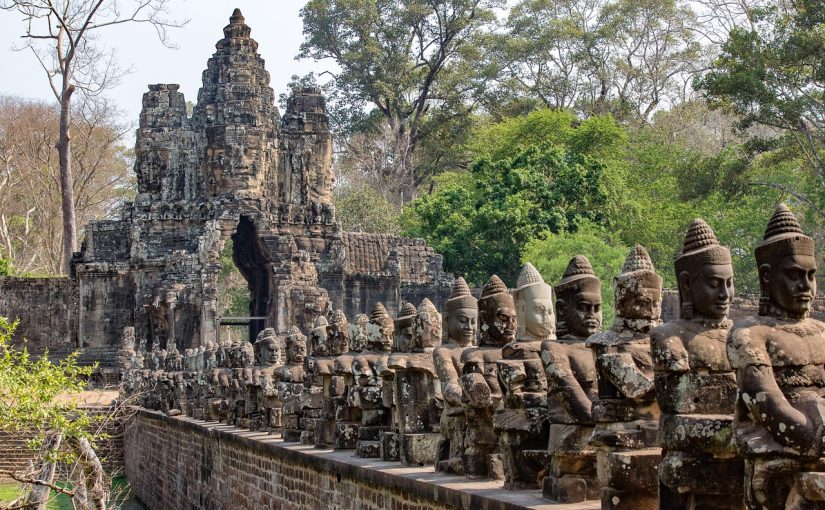
Situated in proximity to Baphuon Temple, Bayon is at the centre of this large site. Initiated by King Jayavarman VII, it is also called Jayavarman Temple and includes many special features such as numerous steps, corridors, and a series of towers with serenely smiling faces.
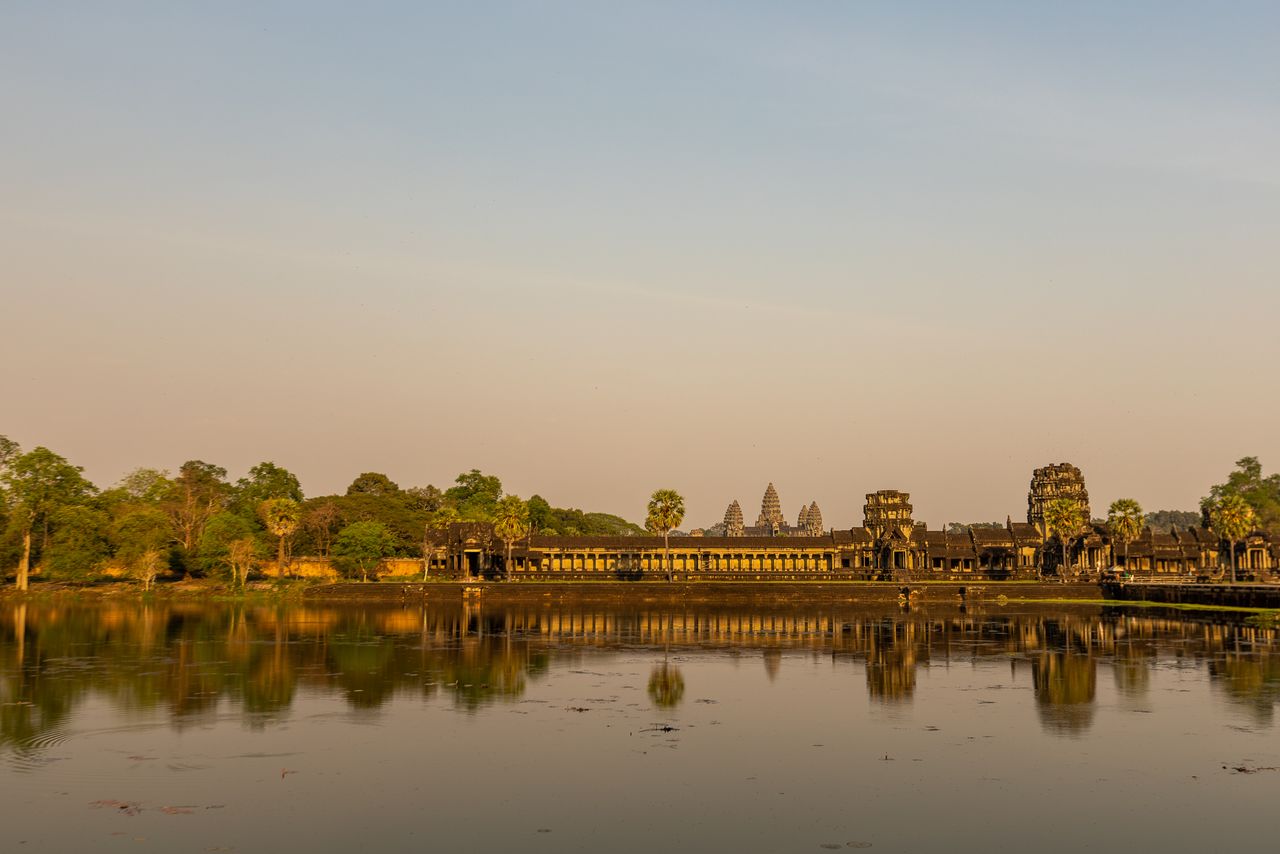
Image by pexels

Preah Khan

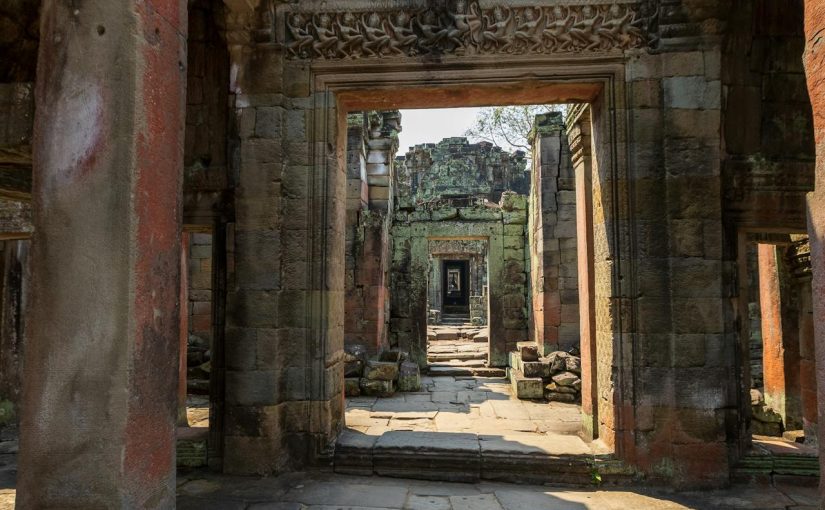
A large and well-preserved temple, Preah Khan was created for both Hindu and Buddhist worship. Whilst one gallery encloses a Buddhist sanctum, various other smaller temples are created for Hindu devotion, with the temple surrounded by a moat. Floral stonework and fine carvings add charm to this temple.
Kbal Spean in Cambodia – A Captivating Journey to a Hidden Gem

Hidden within the jungle-covered Kulen Hills, around 50 kilometres northeast of Siem Reap, Kbal Spean is one of Cambodia’s most remarkable archaeological treasures. Also known as the ‘River of a Thousand Lingas’, this sacred Angkorian-era site perfectly combines natural beauty with ancient spirituality. Kbal Spean, with its flowing water, lush jungle, and centuries-old carvings, is a captivating destination for travellers seeking a deeper understanding of Cambodia’s spiritual heritage.

The Sacred River of a Thousand Lingas

As one of the most fascinating Siem Reap attractions, the most distinctive feature of Kbal Spean is the hundreds of lingas carved directly into the riverbed. These sacred symbols represent the creative power of Shiva in Hindu faith. Arranged in precise grid patterns across the sandstone floor, the carvings stretch for nearly 200 metres along the stream. As water flows over the lingas, it is believed to be blessed, carrying sacred energy downstream to the temples and rice fields of Angkor.

Mythological Stories Carved in Stone

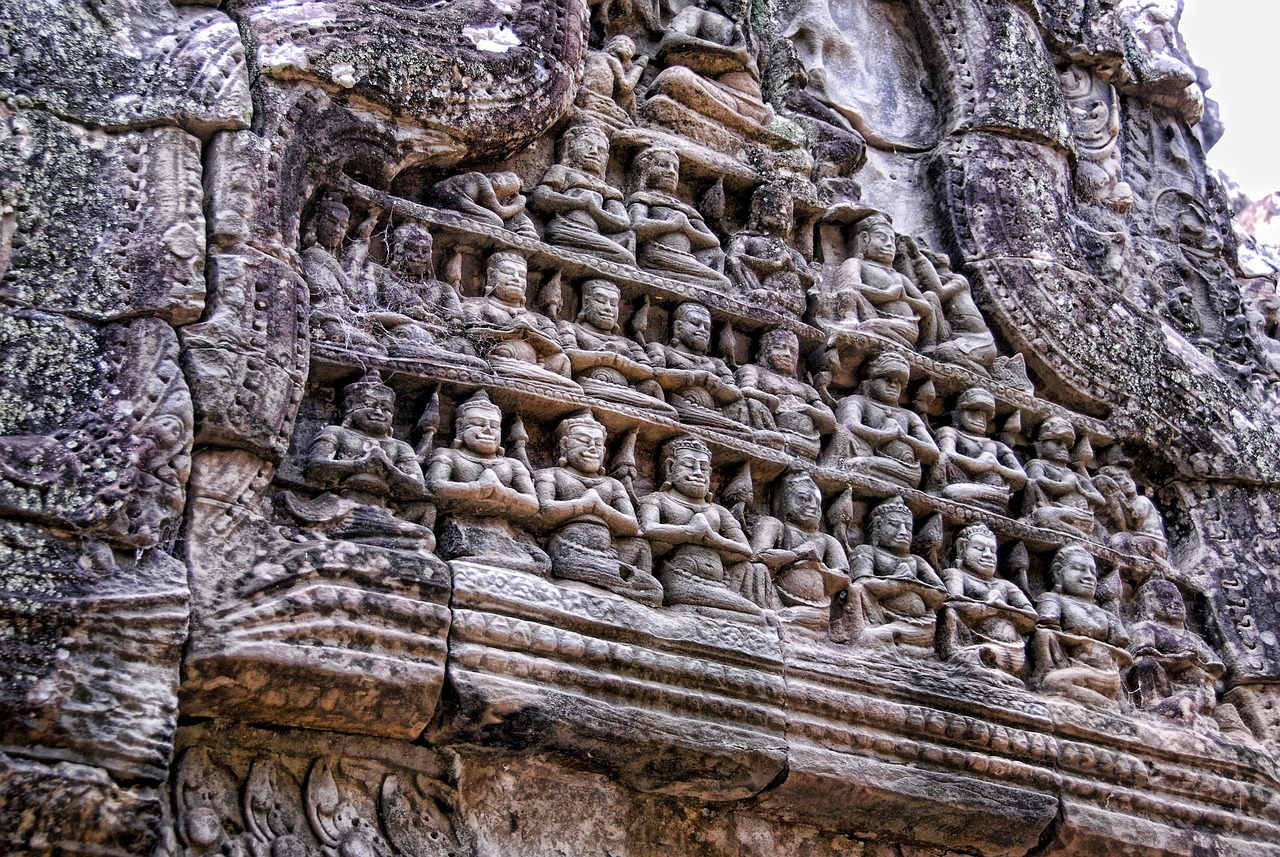
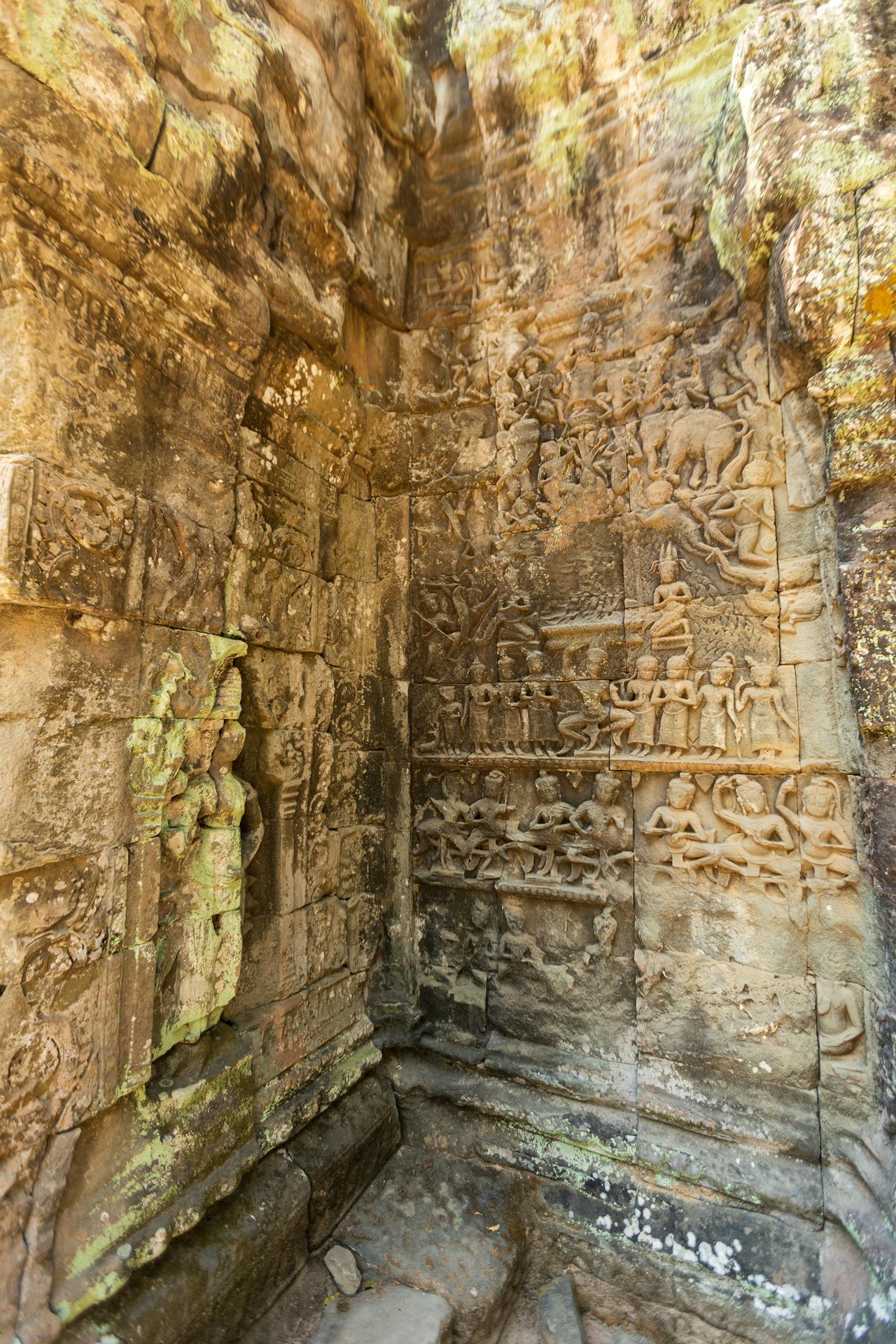
Beyond the lingas, Kbal Spean features detailed carvings of Hindu deities and mythological scenes. Visitors can find depictions of Vishnu reclining on the serpent Ananta as well as ones where he is accompanied by his consort Lakshmi. These artistic representations reflect the deep influence of Hinduism during the Angkorian period. Travellers exploring nearby heritage sites or planning their stay at hotels such as FCC Angkor by Avani will often discover that Kbal Spean offers a unique blend of history, spirituality, and natural beauty.

Image by pexels

A Sanctuary Rooted in Angkorian History

The carvings at Kbal Spean date back to the 11th and 12th centuries during the height of the Khmer Empire. The project began under King Suryavarman I and flourished during the reign of King Udayadityavarman II. In 1059, the king consecrated a golden linga at the site, further highlighting its spiritual significance.

A Scenic Jungle Journey

Reaching Kbal Spean requires a scenic 1.5-kilometre hike through lush forest trails in Phnom Kulen National Park. The walk itself adds to the experience, as visitors pass through dense vegetation before reaching the sacred river. The best time to visit is between November and April, when water levels are lower, making the carvings beneath the flowing stream more visible.

Two Wheels, Ancient Wonders: Angkor’s Hidden Side

Angkor Wat pulls the crowds, but the surrounding jungle hides quieter corners best reached on two wheels. Riding a Vespa down narrow dirt tracks and shaded forest paths lets you slip off the usual tourist routes and see a different side of the park. Here are four memorable spots to seek out by Vespa.

Prasat Kraing’s quiet ruins
Set well away from the main circuits, Prasat Kraing is a low-key cluster of brick towers tucked into the trees. You’ll usually find it peaceful, with few other visitors, so it’s easy to take your time and study the carvings. Getting there by Vespa adds to the sense of discovery—winding, little-used paths are part of the charm.

The hidden trails of Banteay Thom
Banteay Thom rewards riders who leave the paved roads behind. The approach takes you through rural countryside, past rice paddies and small villages, then into forested tracks that open onto the temple. The mix of local life and off-road riding makes the visit feel more intimate and adventurous than the main Siem Reap attractions.

Stay close to the action
After a day of exploring, a comfortable base makes all the difference. Hotels like FCC Angkor by Avani offer a convenient, restful stop with colonial-style touches and a pool where you can relax after a long ride. Staying centrally keeps both the famous temples and hidden jungle paths within easy reach.

Jungle paths near Ta Nei

Image by Graham Hobster from Pixabay

Ta Nei feels like a temple reclaimed by the forest. Red-earth trails lead you through dense greenery and then onto ancient stonework threaded with roots—perfect for quiet reflection or photography. With far fewer visitors here, you can soak up the site’s atmospheric blend of nature and architecture.