Beyond the Tourist Trail: How to Find a Deeper Cultural Connection on the Mekong River

The Mekong River serves as the lifeblood of Southeast Asia, a complex hydrological artery sustaining millions through agriculture, spirituality, and trade. To move beyond superficial tourism, travellers must adopt an ethnographic perspective, seeking the nuanced rhythms of the river’s riparian communities.

Navigating the Tributary Networks

Authentic immersion begins where the main shipping lanes end. While large-scale vessels offer convenience, a Mekong private tour provides the agility required to penetrate the delta’s intricate “arroyos”. These smaller craft allow for spontaneous stops at stilt-house villages, where the economy remains tied to seasonal flooding and artisanal fishing rather than souvenir sales.

Curated Cultural Architecture

Selecting a vessel that prioritises heritage over high-volume transit is essential for a sophisticated journey. For instance, operators like Mekong Kingdoms design their vessels to mirror local aesthetics, providing a floating platform for high-level cultural exchange. This approach ensures that your presence supports the preservation of regional art and architecture rather than its dilution.

The Ephemeral Floating Markets

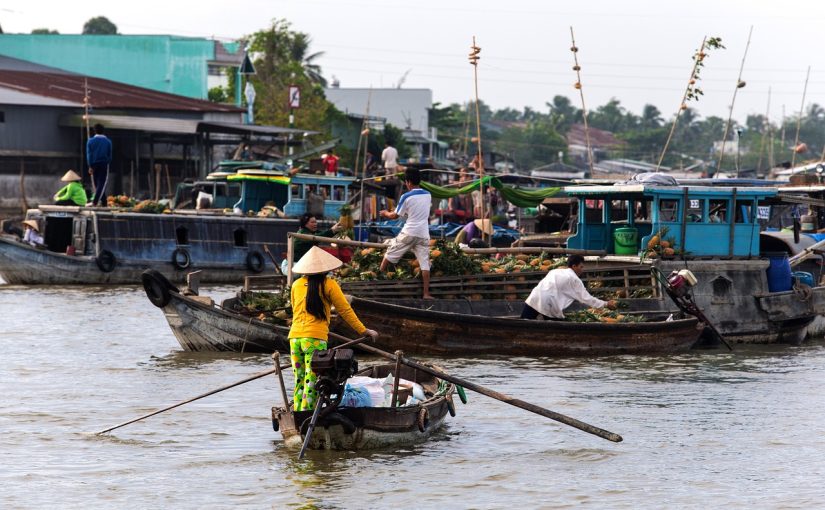
The floating markets of the Mekong are not merely spectacles but vital commercial hubs. Observing the “cay beo”, bamboo poles displaying the day’s produce, reveals a sophisticated system of non-verbal trade. Engaging with these markets at dawn offers a raw look at the region’s agricultural wealth and the resilience of its water-borne merchants.
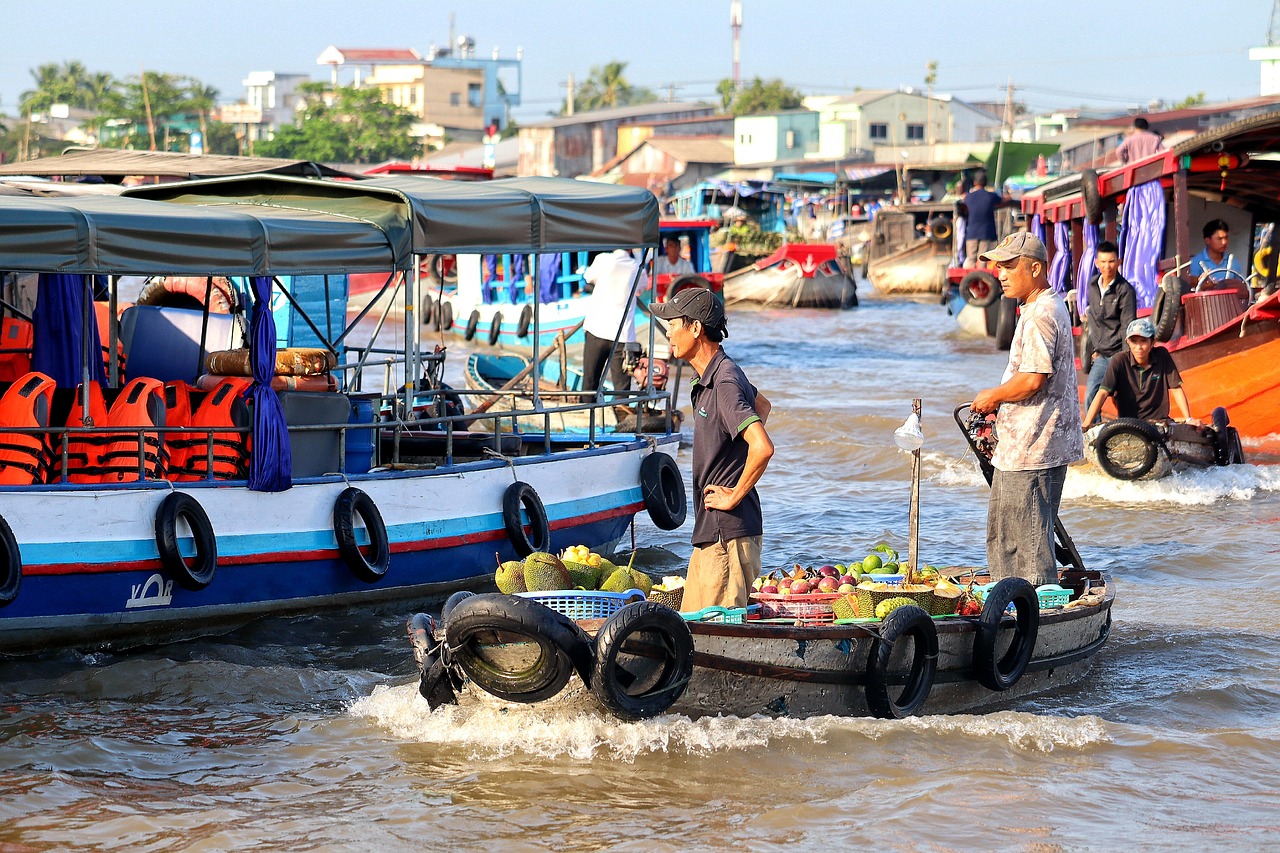
Image by Thomas G. from Pixabay

Rituals of the Riparian Landscape

Deep connection is often found in the silence of the river’s spiritual geography. Whether observing the meditative “Tak Bat” (alms-giving) in Luang Prabang or visiting centuries-old brick kilns in Vinh Long, these encounters demand a slow pace. By honouring the river’s natural tempo, the traveller shifts from a passive observer to a witness of a living history.
How Long You Should Stay in Tangalle: Timing That Suits You Best

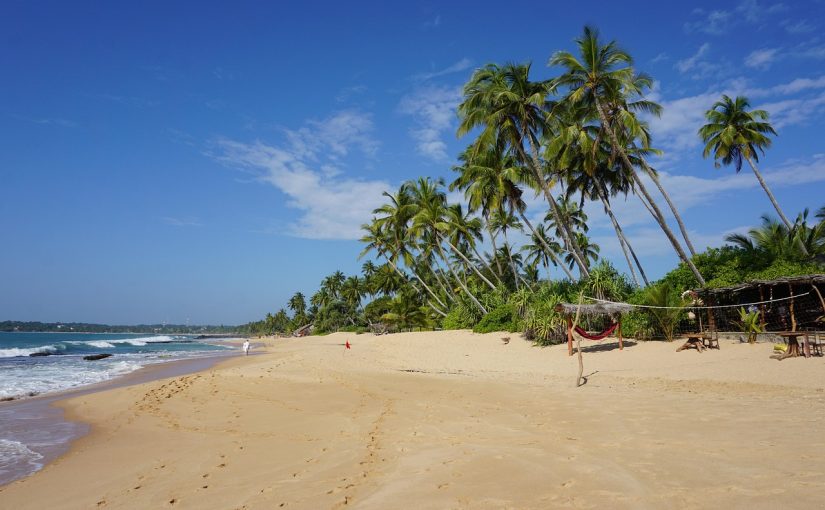
Tangalle offers the perfect escape for those looking for a quiet seaside vacation along Sri Lanka’s southern coast, away from nearby bustling hubs like Unawatuna and Mirissa. But for how long should you stay to enjoy this idyllic paradise? That depends on what kind of experience you’re after.

2 to 3 Days for a Short Stay

If you’re on a tight itinerary, 2-3 days is enough time to see the essentials. You can lounge on Goyambokka Beach and witness turtle nesting at Rekawa. You can also visit to the Mulkirigala Rock Temple or the Hummanaya Blowhole, courtesy of hotels like Anantara Peace Haven Tangalle Resort

4 to 5 Days for Slow Exploration

If you’re looking to capture the town’s true spirit, you’ll need 4-5 days. This gives you enough time to explore hidden gems like Silent Beach, enjoy kayaking at Kalametiya Bird Sanctuary, and embark on a safari to Udawalawe National Park, one of the best Tangalle experiences.

7+ Days for Wellness & Seclusion

Staying for a week or more is perfect if your goal is to leave Tangalle fully rejuvenated. The town is famous for its Ayurvedic retreats and yoga programmes, and you’ll be able to slow down, disconnect and truly rediscover your inner balance.

The Best Time to Visit

Image by Pexels from Pixabay

However long you decide to stay, aim for the dry season between December and April to get the most out of your visit. This is when the turquoise waters are calmest, and the weather is perfect for exploration and wellness.

Beneath The Great Blue: The Best Places In The Maldives To Discover

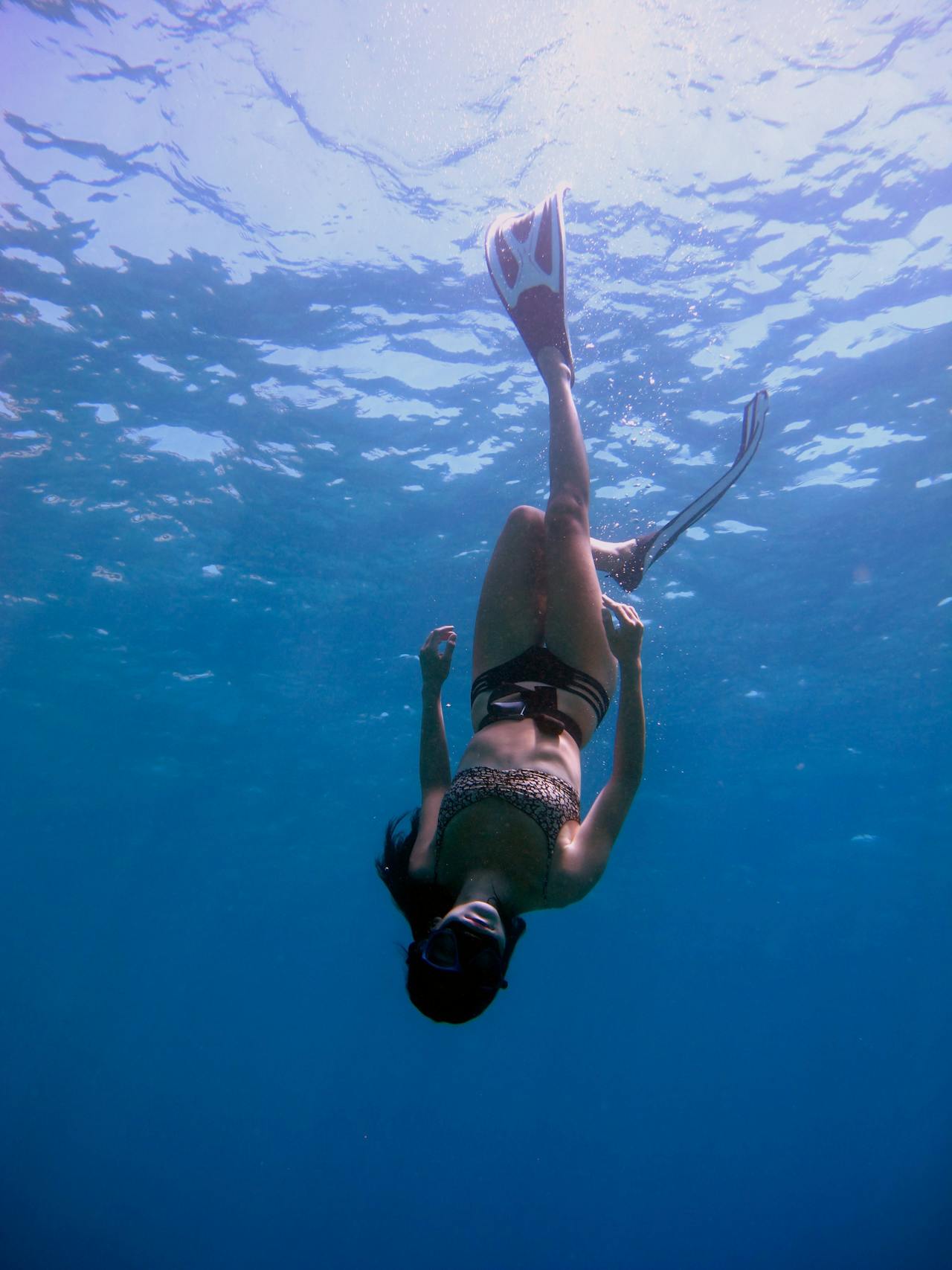
Beneath the Maldives’ sparkling turquoise waters is an underwater playground that’s impossible to resist. Snorkelers and divers alike can explore colourful coral gardens, swim alongside playful reef fish, and even spot majestic manta rays or gentle whale sharks.

Vaavu Atoll

Vaavu Atoll is a quieter corner of the Maldives that’s home to some of the country’s most spectacular dive sites, celebrated for its dramatic underwater landscapes and vibrant marine life. Highlights include Fotteyo Kandu, famous for its underwater canyons, overhangs, and sightings of sharks and large pelagic fish, and Rakeedhoo Corner, a top spot for drift diving where you can encounter rays, sharks, and massive schools of fish.

The North Male Atoll

North Male Atoll is one of the Maldives’ most popular diving destinations, celebrated for its rich marine life and breathtaking underwater scenery. Top sites include Shark Reef, where divers can come face-to-face with gray reef sharks, whitetip reef sharks, and other species, and Fish Head, famous for its huge schools of fish and occasional sightings of pelagic species like tuna and barracuda.

Image by pexels

Baa Atoll

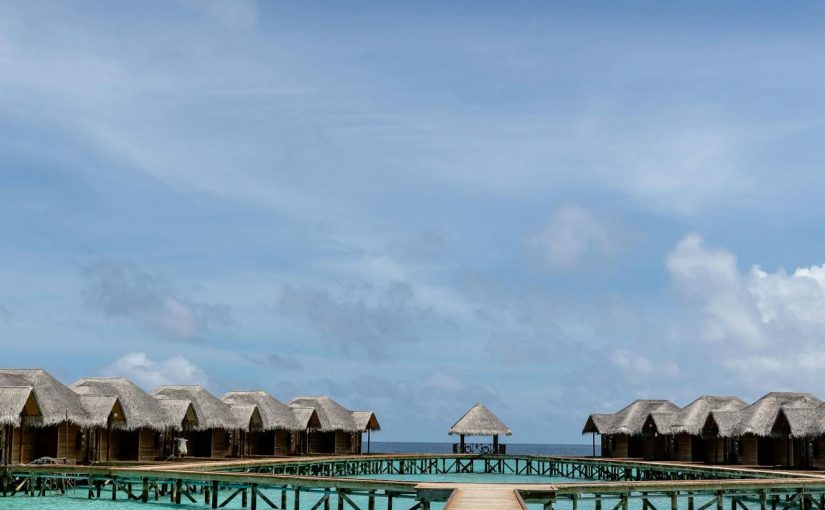
Baa Atoll, a UNESCO Biosphere Reserve, is a top spot in the Maldives for snorkelling and diving, celebrated for its vibrant marine life and pristine coral reefs. Highlights include Hanifaru Bay, famous for its seasonal gatherings of manta rays, as well as sightings of whale sharks and colourful reef fish, and Dharavandhoo, known for its lively coral gardens and encounters with sea turtles and tropical fish. This atoll is also the Maldives’ most famous – many Maldives all-inclusive resorts, including the likes of Nova Maldives, offer packages and deals relating to dives here.


South Ari Atoll

South Ari Atoll is famous for its exceptional diving, especially for those hoping to encounter whale sharks. Maamigili Reef is a standout, offering year-round opportunities to swim alongside these gentle giants, while Kudarah Thila impresses with its vibrant coral-covered pinnacle and diverse marine life.

Mirissa Magic: Why This Sri Lankan Paradise Is a Global Whale Watching Hotspot

Amazing encounters with majestic blue whales and playful dolphins in their natural habitat can be experienced at one of the world’s top whale-watching destinations, Mirissa, Sri Lanka. With warm seas and local expertise, it guarantees you a marine adventure of a lifetime.

Blue Whales: The Giants of the Deep

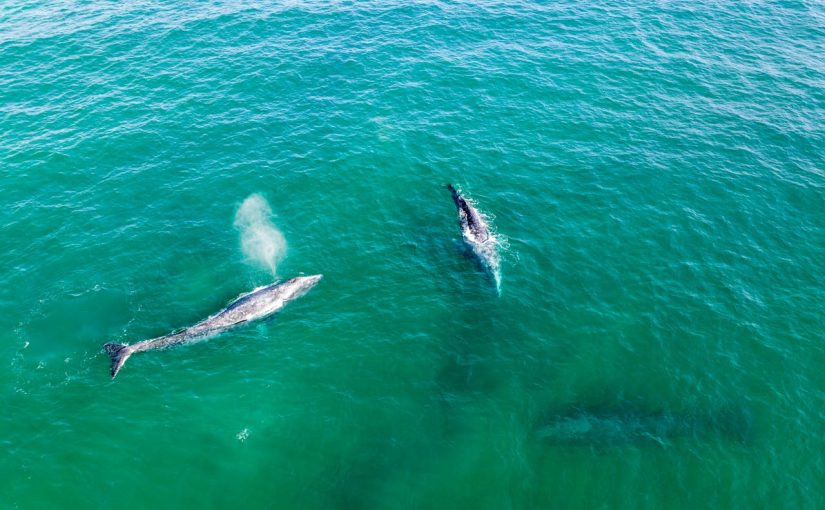
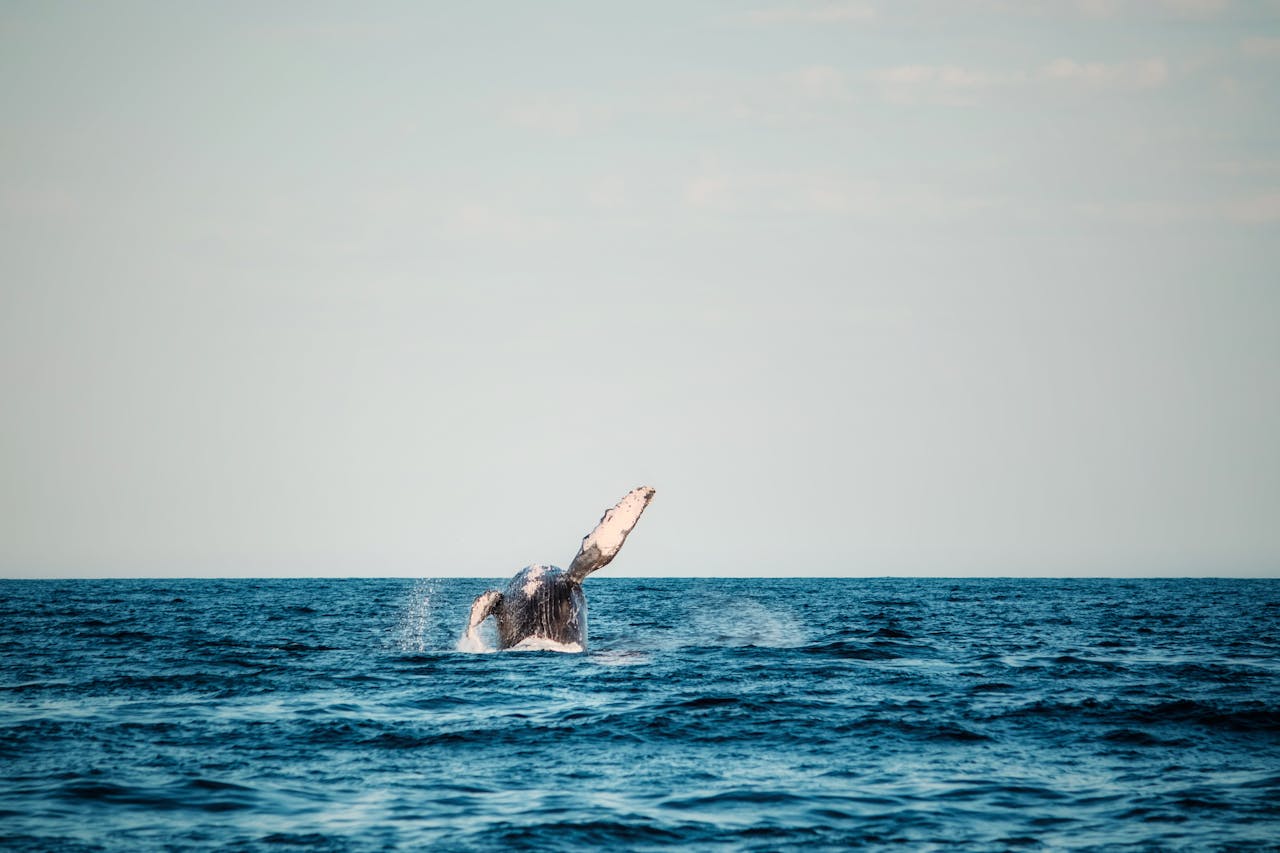
Among the places to visit in Mirissa, a spot to whale watch should be on top of anyone’s itinerary. Mirissa ranks among the top locations globally for witnessing the spectacular blue whale in the wild. The blue whale, the largest animal on the planet, migrates through Sri Lankan waters all year round. It’s really an amazing experience to see a blue whale come up for air just a few metres away.

High Chances of Sightings

The continental shelf breaking off from Mirissa is a steep one, and deep water can be found very close to the shore. The area is particularly attractive to whales and dolphins due to this unique geography, and hence, there is a higher chance of spotting them. Numerous tourists are fortunate enough to see more than one species on their outing. To make things easier, consider an accommodation in Mirissa, such as Muthu Nila Villas, for shorter trips to the shoreline.

Ideal Climate and Expert Tours

Due to its warm tropical climate, Mirissa whale watching is a lovely experience filled with comfort. Usually, the best time or season for whale watching is from November to April when the sea is calm, and the sky is clear. Professional tour operators provide visitors with safe, ethical and educational experiences.

More Than Just Whales

Image of pexels

But that’s not all! Mirissa’s marine environment is teeming with life. Besides blue whales, whale watchers often come across other species like sperm whales, fin whales, and even large pods of the very playful dolphins. What makes each trip truly thrilling is the fact that the Indian Ocean is so huge, and there is so much that is yet to be discovered.

Kbal Spean in Cambodia – A Captivating Journey to a Hidden Gem

Hidden within the jungle-covered Kulen Hills, around 50 kilometres northeast of Siem Reap, Kbal Spean is one of Cambodia’s most remarkable archaeological treasures. Also known as the ‘River of a Thousand Lingas’, this sacred Angkorian-era site perfectly combines natural beauty with ancient spirituality. Kbal Spean, with its flowing water, lush jungle, and centuries-old carvings, is a captivating destination for travellers seeking a deeper understanding of Cambodia’s spiritual heritage.

The Sacred River of a Thousand Lingas

As one of the most fascinating Siem Reap attractions, the most distinctive feature of Kbal Spean is the hundreds of lingas carved directly into the riverbed. These sacred symbols represent the creative power of Shiva in Hindu faith. Arranged in precise grid patterns across the sandstone floor, the carvings stretch for nearly 200 metres along the stream. As water flows over the lingas, it is believed to be blessed, carrying sacred energy downstream to the temples and rice fields of Angkor.

Mythological Stories Carved in Stone

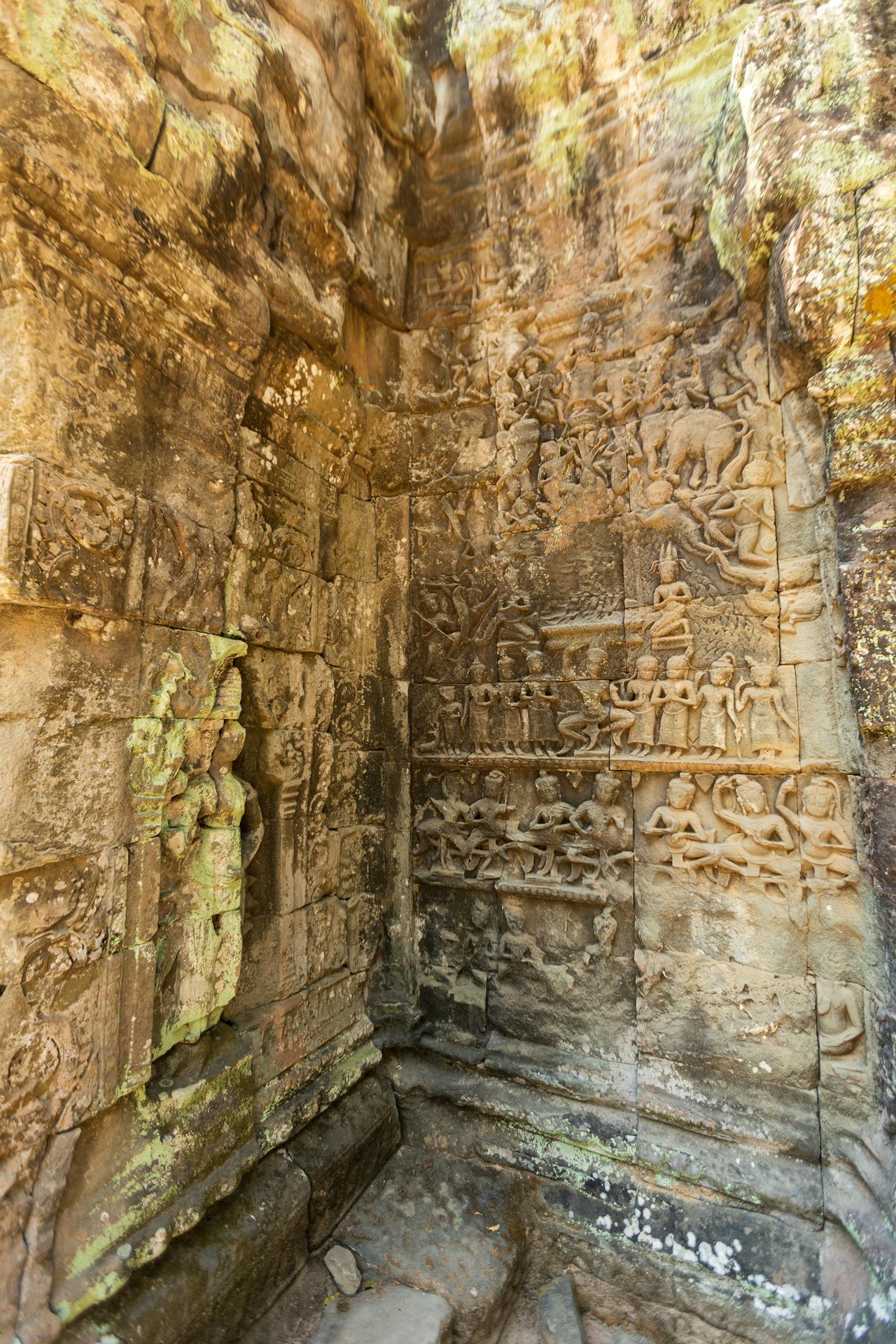
Beyond the lingas, Kbal Spean features detailed carvings of Hindu deities and mythological scenes. Visitors can find depictions of Vishnu reclining on the serpent Ananta as well as ones where he is accompanied by his consort Lakshmi. These artistic representations reflect the deep influence of Hinduism during the Angkorian period. Travellers exploring nearby heritage sites or planning their stay at hotels such as FCC Angkor by Avani will often discover that Kbal Spean offers a unique blend of history, spirituality, and natural beauty.

Image by pexels

A Sanctuary Rooted in Angkorian History

The carvings at Kbal Spean date back to the 11th and 12th centuries during the height of the Khmer Empire. The project began under King Suryavarman I and flourished during the reign of King Udayadityavarman II. In 1059, the king consecrated a golden linga at the site, further highlighting its spiritual significance.

A Scenic Jungle Journey

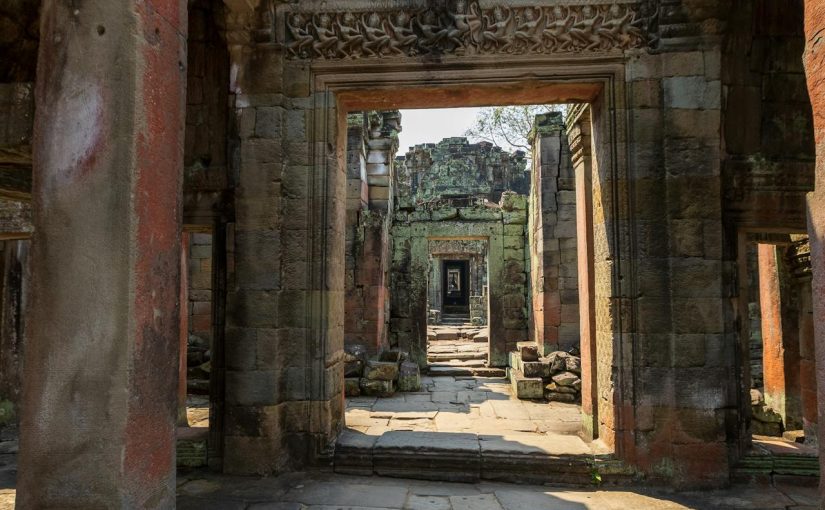
Reaching Kbal Spean requires a scenic 1.5-kilometre hike through lush forest trails in Phnom Kulen National Park. The walk itself adds to the experience, as visitors pass through dense vegetation before reaching the sacred river. The best time to visit is between November and April, when water levels are lower, making the carvings beneath the flowing stream more visible.

Top Outdoor Activities to Enjoy Around Central Dubai: Enjoying Fun Under the Sun

For all its opulent hotels and majestic buildings, Dubai is very much an outdoor lover’s playground, where thrilling adventures and new experiences await at every turn. Here are some of the best outdoor activities to enjoy in and around Central Dubai.

Walk Along the Palm Jumeirah Boardwalk

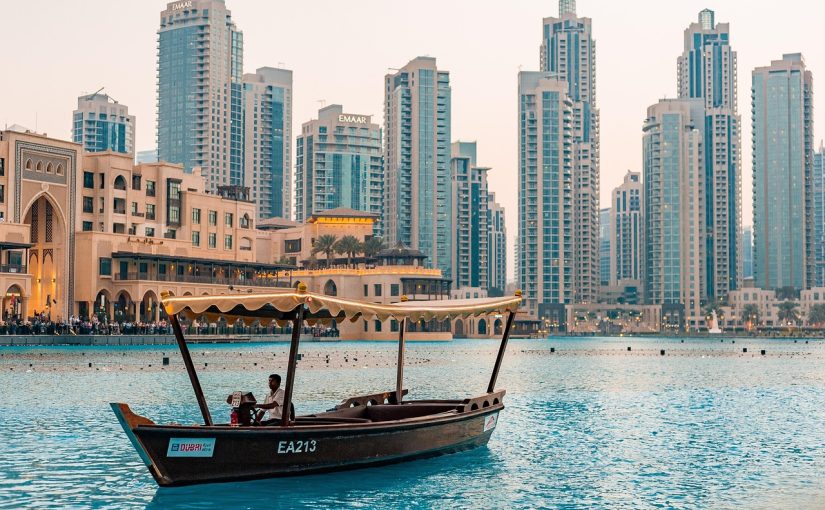
This seaside path stretches for 11 kilometres and is 6 metres wide, making it a spacious promenade from which to enjoy the cooling sea breeze, not far from the likes of Damac Maison Aykon City. An evening stroll is the perfect way to unwind while taking in the city’s grand sights and skyline.

Have an Adventure at Aventura Parks

Featuring over 80 obstacles, Aventura Parks will have you testing your physical strength and agility while still having plenty of fun. Making your way around the course will have you swinging from ropes, racing down ziplines and crossing shaky bridges, making it the perfect activity for an adrenaline-fuelled morning.

Enjoy Thrilling Watersports

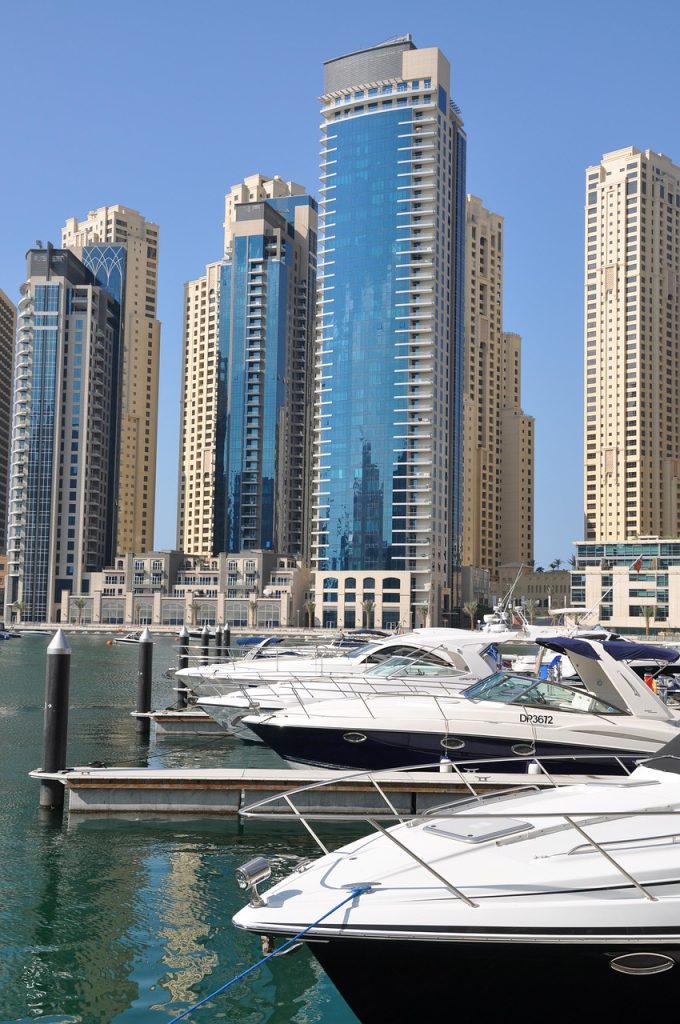
The pristine coastline not far from Central Dubai is perfect for a host of watersports, including jet skiing, wakeboarding and parasailing. It’s a nice change of pace after a few hours relaxing at your hotel apartment in Dubai.

Image by Angus Fraser from Pixabay

Skydiving Over the City

Another great way to take in the city’s splendour is from high up in the sky while you’re skydiving amidst the clouds. If you’ve never done it before, there’ll be a team of experienced instructors to guide you, making sure you’re safe while floating through the air taking in the city’s iconic skyscrapers.

At First Light: The Enchanting Dawn Chorus of Sinharaja

As night fades, the rainforest stirs with sound and movement. Dawn in Sinharaja feels intimate, as if the forest is speaking softly before the day begins.

A Morning That Wakes the Forest

Staying close to nature at a Sinharaja forest hotel means hearing the day arrive rather than seeing it first. Before sunrise, cicadas ease their rhythm, birds begin calling from different layers of the canopy, and distant streams add a steady hush. The air is cool and damp, carrying the scent of wet leaves and earth. It is a peaceful moment when the forest feels alive but unhurried, inviting quiet observation rather than distraction.

Where Nature Sets the Pace

At The Rainforest Ecolodge, dawn is not announced by alarms or schedules, but by sound. Guests often wake to the calls of endemic birds such as the Sri Lankan blue magpie or the gentle movement of monkeys overhead. Open spaces and natural surroundings allow the forest’s morning chorus to flow freely, creating a sense of being part of the landscape rather than a visitor passing through it.

Sounds That Shift with the Light

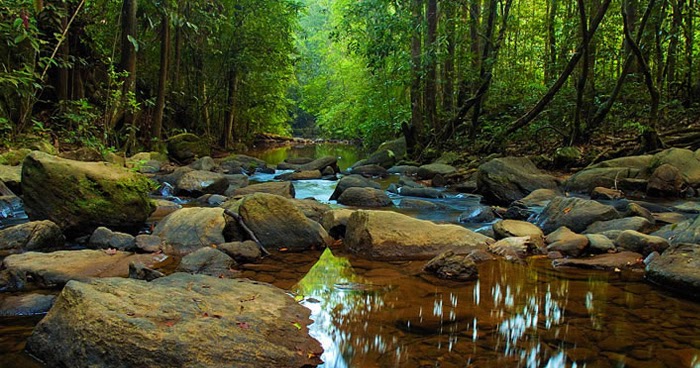
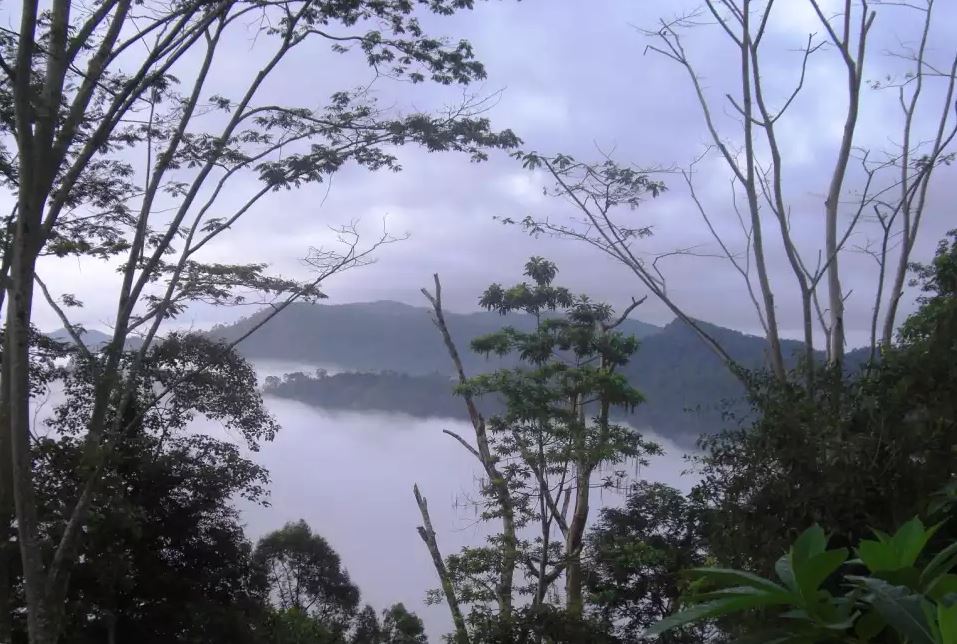
As the sky lightens, the soundscape changes. Bird calls grow clearer, insects retreat, and the forest settles into a softer balance. Mist drifts between tall trees, and leaves glisten with moisture. This brief window between night and day feels rare, a reminder of how carefully timed and connected life in the rainforest truly is.

Image by Wikimedia Commons

A Quiet Memory That Lingers

The magic of Sinharaja at dawn lies in its simplicity. There is no need for activity or effort, only stillness and listening. Long after leaving, many find that these early-morning sounds remain vivid, recalling a moment of calm that feels increasingly hard to find elsewhere.

Beyond the Main Islands: Discovering the Lesser Antilles One Hop at a Time

Scattered across the eastern Caribbean, the Lesser Antilles reward travellers who enjoy moving slowly and looking beyond the obvious. From calm ferry rides to short regional flights, each hop brings a change in mood, scenery and pace.

Quiet Cays and Short Hops by Sea

Some of the most memorable journeys in the Lesser Antilles happen on the water. Regular ferries connect Guadeloupe to Les Saintes, Antigua to Montserrat, and St Vincent to the Grenadines, where islands like Bequia and Canouan feel refreshingly unspoilt. These routes are practical, affordable, and scenic, often taking less than two hours. Combined with short Caribbean flights between larger hubs, they allow travellers to mix sea and air travel with ease while enjoying ever-changing views of volcanic peaks and clear coastal waters.

Flying Between Islands with Ease

While ferries suit close neighbours, air travel becomes essential for wider hops. InterCaribbean Airways operates regional routes linking islands such as Barbados, St Lucia, Dominica and Grenada, making multi-island itineraries realistic even within a short holiday. Flights are typically brief, offering aerial views of coral reefs and forested interiors, and help reduce long backtracking through major airports.

The Charm of Lesser-Known Stops

Beyond well-known names lie smaller islands that feel deeply personal. Carriacou offers quiet beaches and a strong sailing culture, while Saba’s dramatic cliffs appeal to hikers and divers alike. These places may have limited nightlife, but they reward visitors with friendly communities, fresh local food and a sense of everyday island life that larger destinations sometimes lose.

Planning a Smooth Island-Hopping Route

Image by InterCaribbean Airways

A successful journey balances ambition with realism. Travelling in one direction, checking ferry days in advance, and allowing buffer days for weather changes all make a difference. The reward is a trip that feels varied yet unhurried, where each island adds a new chapter rather than a rushed stop.334

A Quick Look at Sigiriya: Best Places to Eat, Stay, and Explore

Sigiriya is one of Sri Lanka’s most famous cultural sites, known for its ancient rock fortress and the countryside around it. If you’re travelling through the Cultural Triangle, you’ll find heritage sites, local food spots, and nature experiences that are easy to enjoy in a short visit.

Sigiriya’s Historical Importance

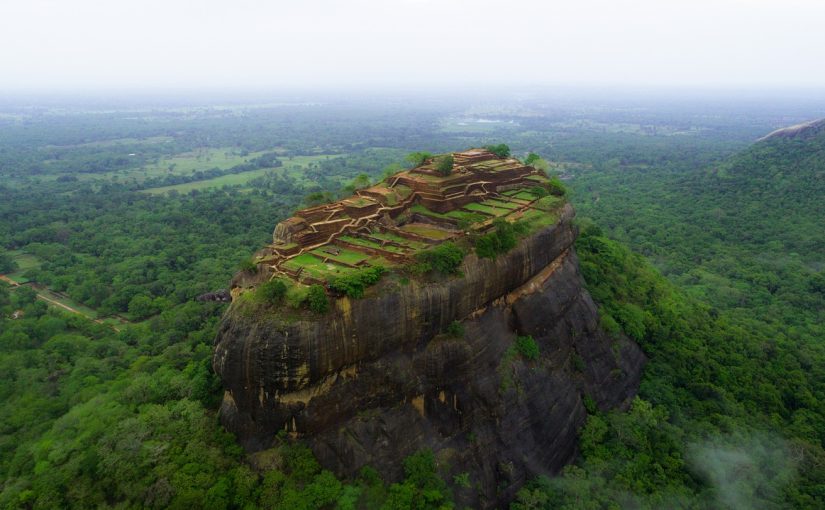
The main attraction in Sigiriya is the Rock Fortress, a UNESCO World Heritage Site. As you climb to the top, you’ll see ancient frescoes, gardens, and mirror walls that show the site’s history. Many people visit early in the morning for cooler weather and better views.

Sigiriya and the Rest of Dambulla

Outside the fortress, Sigiriya is surrounded by forests, lakes, and farmland. You can take short bike rides or village walks to see rural life up close. Nearby places like Pidurangala Rock give you great views and are usually less crowded. These outdoor activities are a nice break from sightseeing.

Places to Eat Around Sigiriya

You’ll find places to eat in Sigiriya ranging from small local cafes to hotel restaurants. Restaurants near Sigiriya typically specialise in Sri Lankan rice and curry, made with fresh, seasonal vegetables. These casual places are busiest at lunchtime and are a good way to try local food.

Choosing Where to Stay

You can choose from guesthouses or hotels when staying in Sigiriya. Staying near the main sites saves you travel time and makes sightseeing easier. Places like Water Garden Sigiriya are popular because they’re close to attractions and offer a quiet place to rest, making them a good base for your trip.

Other Places to See Nearby

Image by Thanuja Sandaruwan from Pixabay

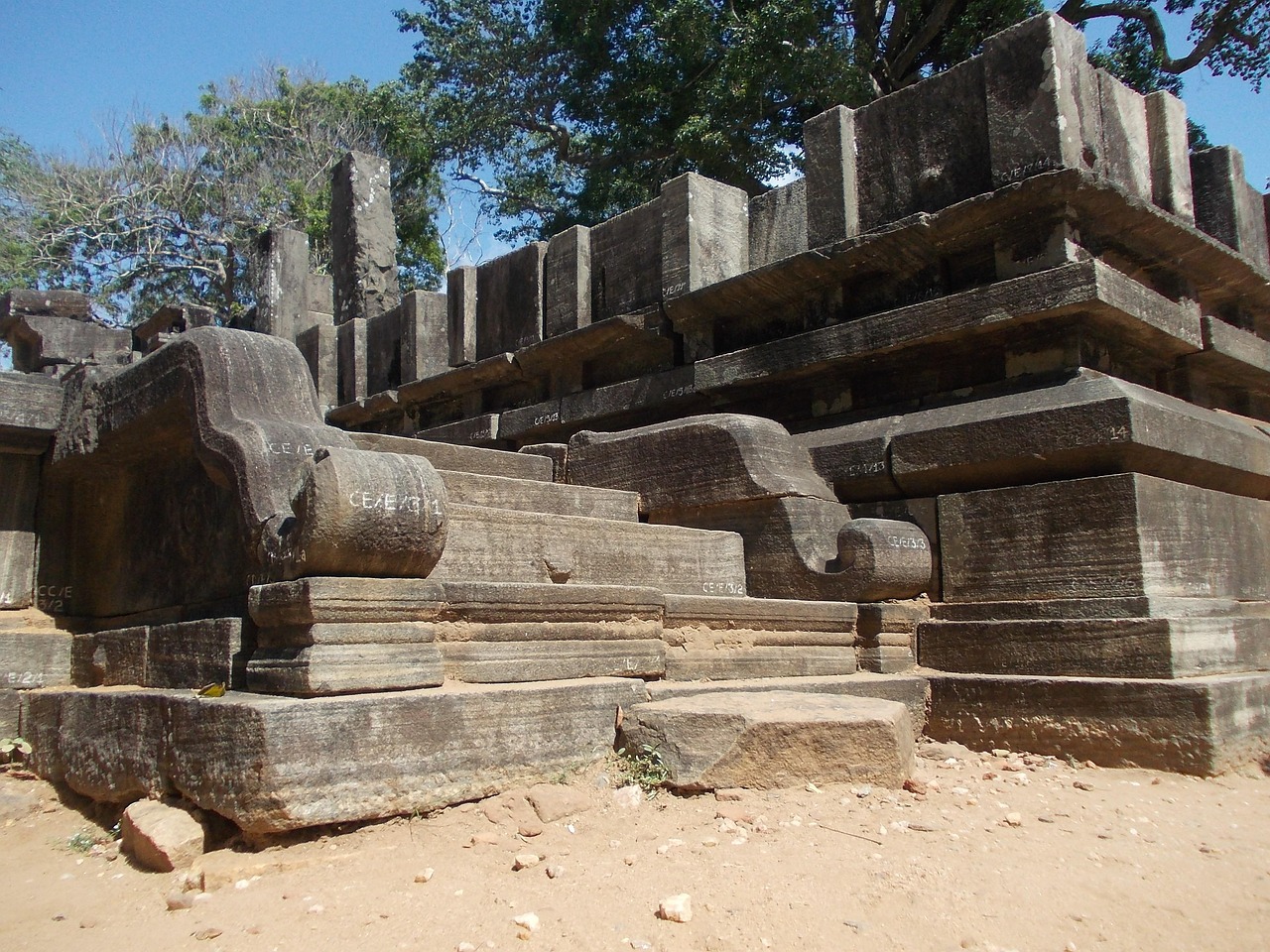
Sigiriya fits well into a Cultural Triangle trip, with easy connections to Dambulla, Polonnaruwa, and Minneriya. Because everything is close together, you can see the sights, eat, and explore without feeling rushed. It’s a good choice for a quick visit or a longer stay.

Secret Melbourne: Unusual Experiences Beyond the Guidebooks

Melbourne is a city that goes beyond its iconic sights to really satisfy a curious mind. Melbourne reveals its creative spirit and vibrant local life by uncovering the lesser-known gems of the city, which include hidden laneways, underground art, local markets, and immersive cultural experiences.

Holey Moley Golf Club

Start with something fun. The putting options are bizarre and amazing altogether! The best part of all of this is that the putts are pop-culture themed, so it’s a wonderful way to awaken anyone’s celebrity crazes while having a spot of fun and definitely some drinks. It’s perfect for groups of friends who want to have a good time because this spot is definitely entertainment central.

Hard Trash Street Art (King Street Laneways)

Hidden behind the main streets, this ever-evolving laneway art gallery reveals the most raw and underground creative works. It’s not as noisy or as crowded as Hosier Lane, and thus, it feels more real; just right for unearthing the genuine street art culture of Melbourne.

If anyone is looking for an apartment hotel in Melbourne close to this gallery and similar locations, travellers can consider options such as Avani Melbourne Jazz Corner Residences as well.

The Block Arcade’s Lesser-Known Boutiques

Behind the iconic tiled pathway, while enjoying the splendid architecture of The Block Arcade, visitors can discover a few secret side stores. Artisan chocolatiers, bespoke jewellers, and independent designers have set up in these quaint little shops. These businesses provide unique pieces that are not visible in large shopping centres. There is no better place for taking home meaningful souvenirs that have a story.

Tattersalls Lane Hidden Kitchens

Image by Penny from Pixabay

Tattersalls Lane, located just off Little Bourke Street, has become the go-to for Melbourne’s most intimate eateries and underground bars that are unnoticed by the majority of visitors. You can enjoy anything from late-night Asian fusion or a cosy wine bar, to the lane, which has a strong local vibe. If you prefer to dine without the hustle and bustle of the tourist crowds, then this is your ideal spot.