Beyond the Tourist Trail: How to Find a Deeper Cultural Connection on the Mekong River

The Mekong River serves as the lifeblood of Southeast Asia, a complex hydrological artery sustaining millions through agriculture, spirituality, and trade. To move beyond superficial tourism, travellers must adopt an ethnographic perspective, seeking the nuanced rhythms of the river’s riparian communities.

Navigating the Tributary Networks

Authentic immersion begins where the main shipping lanes end. While large-scale vessels offer convenience, a Mekong private tour provides the agility required to penetrate the delta’s intricate “arroyos”. These smaller craft allow for spontaneous stops at stilt-house villages, where the economy remains tied to seasonal flooding and artisanal fishing rather than souvenir sales.

Curated Cultural Architecture

Selecting a vessel that prioritises heritage over high-volume transit is essential for a sophisticated journey. For instance, operators like Mekong Kingdoms design their vessels to mirror local aesthetics, providing a floating platform for high-level cultural exchange. This approach ensures that your presence supports the preservation of regional art and architecture rather than its dilution.

The Ephemeral Floating Markets

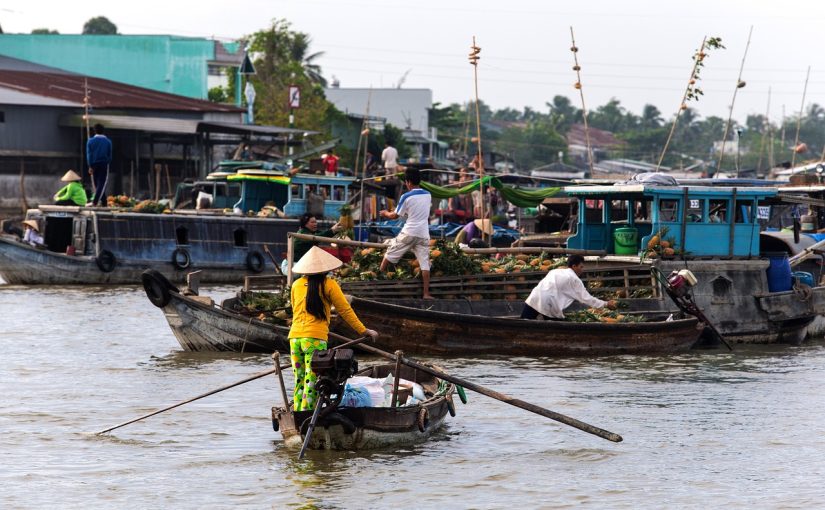
The floating markets of the Mekong are not merely spectacles but vital commercial hubs. Observing the “cay beo”, bamboo poles displaying the day’s produce, reveals a sophisticated system of non-verbal trade. Engaging with these markets at dawn offers a raw look at the region’s agricultural wealth and the resilience of its water-borne merchants.
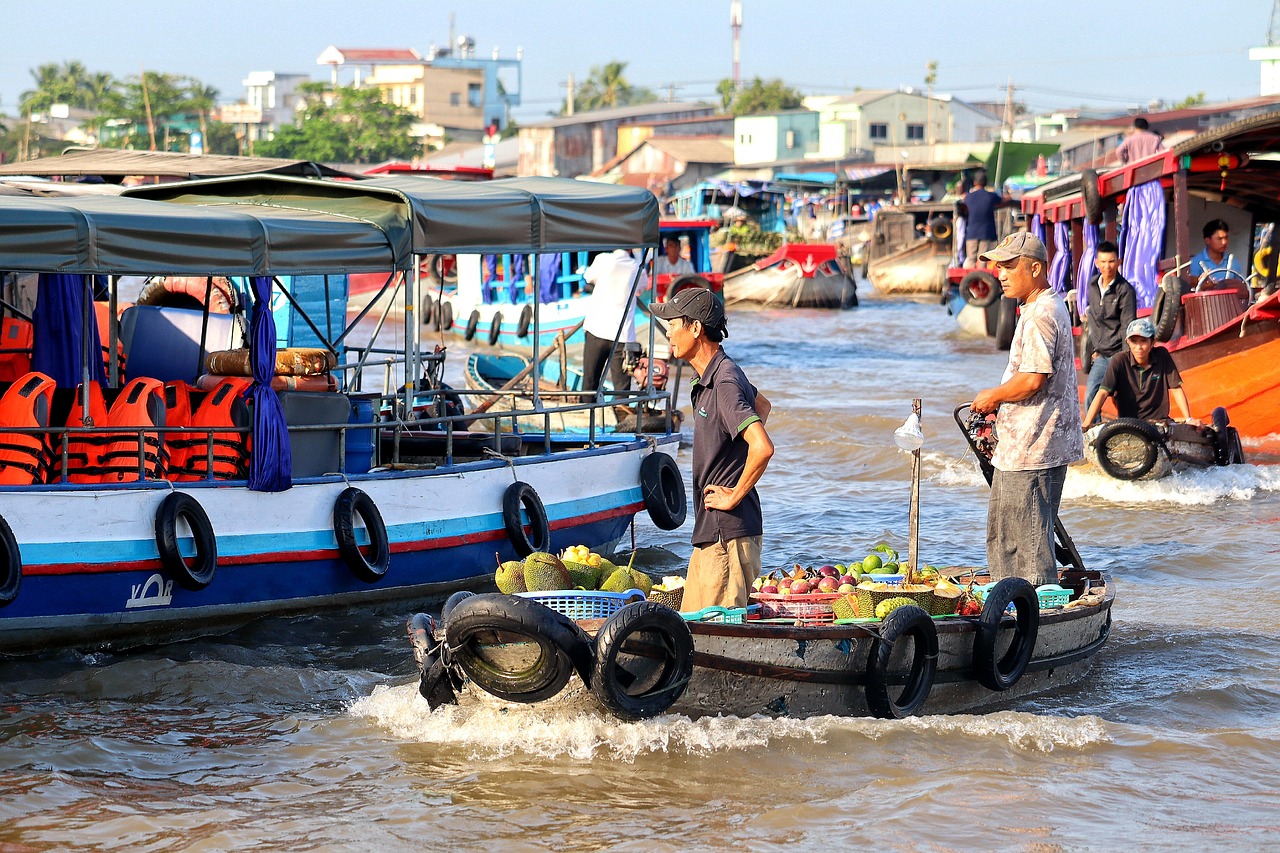
Image by Thomas G. from Pixabay

Rituals of the Riparian Landscape

Deep connection is often found in the silence of the river’s spiritual geography. Whether observing the meditative “Tak Bat” (alms-giving) in Luang Prabang or visiting centuries-old brick kilns in Vinh Long, these encounters demand a slow pace. By honouring the river’s natural tempo, the traveller shifts from a passive observer to a witness of a living history.
A Magical Journey Along the Mekong River – Experience Exotic and Fascinating Localities 

A Mekong River cruise is sure to be a captivating experience, as there are many magnificent destinations and striking scenery to be enjoyed as you make your way along this waterway.

Luang Prabang 

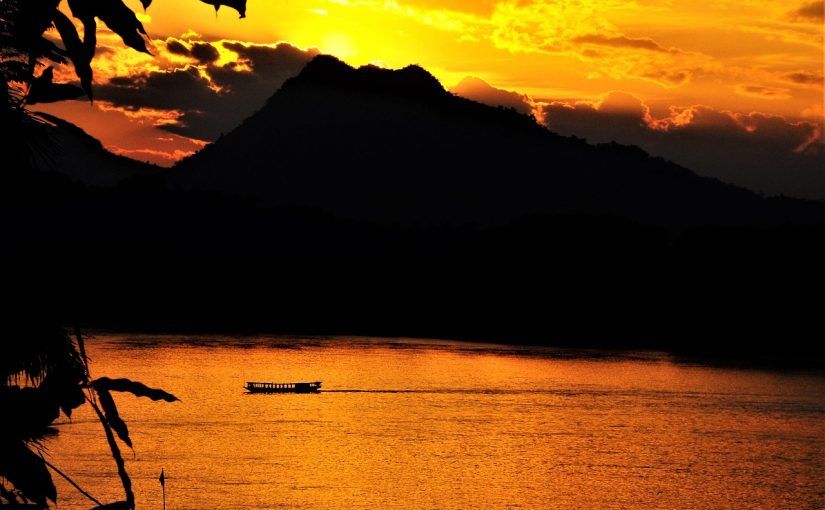
Luang Prabang, sometimes called the “jewel of the Mekong”, is undoubtedly an entrancing place to commence or conclude a cruise. In fact, on your visit, you will feel like you are stepping into an exotic photo gallery! As you explore this UNESCO World Heritage Site, you can experience its mystical temples, historic attractions and romantic colonial-era ambience. A cruise operator to consider that offers rewarding river adventures from and to Luang Prabang is Mekong Kingdoms

Vientiane 

Vientiane, an exotic place sometimes referred to as the “city of sandalwood”, is also an engrossing locality to experience on a Mekong cruise in Laos. Vientiane, the nation’s capital, is sure to capture the imagination of the culture lover with its colonial period architecture, ancient temples and lively markets. During your visit to this city, you may take the opportunity to savour typical Lao dishes as well as a refreshing cocktail.

Chiang Khong

Another marvellous destination is Chiang Khong, which happens to be a charming, serene town with an appealing, laidback pace of life. In the environs of this town, you may explore the mountains and rolling hills of northern Thailand, where you will encounter flourishing greenery and engrossing hill tribes. The stunning scenery to be found here is sure to enthral the discerning traveller.

The Golden Triangle 

Image by 明 孟 from Pixabay

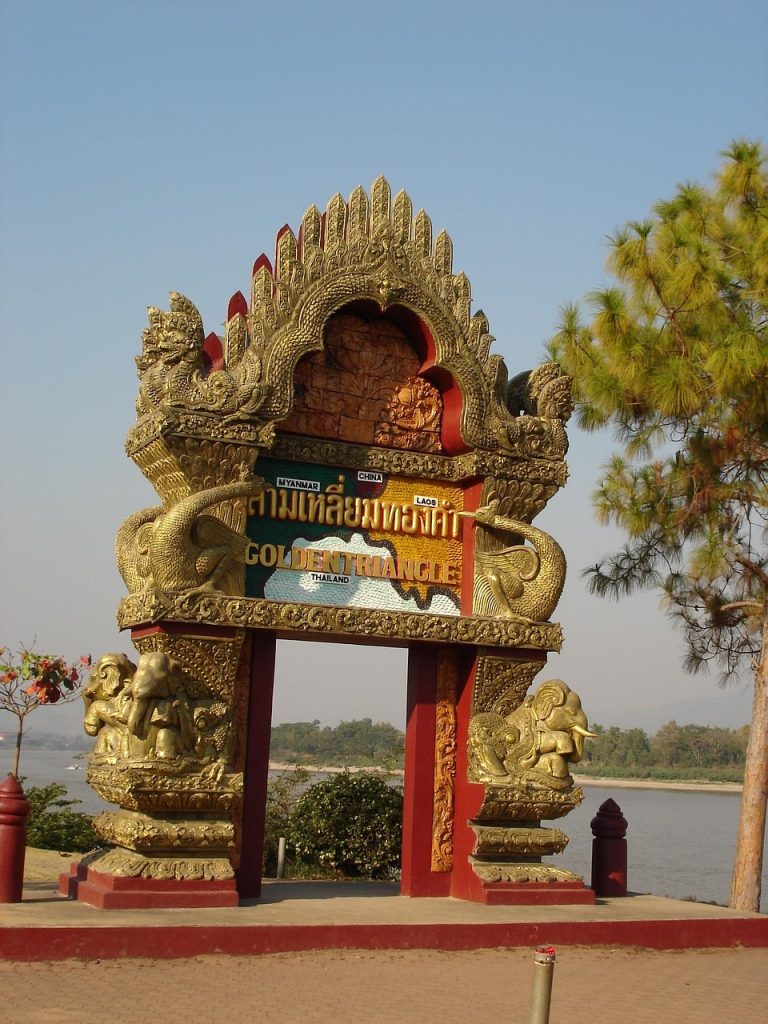
A rather different kind of destination is the enchanting Golden Triangle, where you will encounter dense jungles, mist-clad mountains, picturesque rice paddies and quaint villages inhabited by hill tribes. The Golden Triangle happens to be the location where the northern part of Thailand is adjacent to the nations of Myanmar and Laos, providing much to discover.