At First Light: The Enchanting Dawn Chorus of Sinharaja

As night fades, the rainforest stirs with sound and movement. Dawn in Sinharaja feels intimate, as if the forest is speaking softly before the day begins.

A Morning That Wakes the Forest

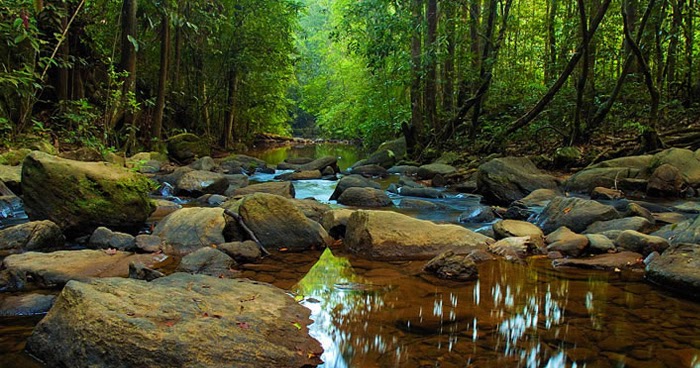
Staying close to nature at a Sinharaja forest hotel means hearing the day arrive rather than seeing it first. Before sunrise, cicadas ease their rhythm, birds begin calling from different layers of the canopy, and distant streams add a steady hush. The air is cool and damp, carrying the scent of wet leaves and earth. It is a peaceful moment when the forest feels alive but unhurried, inviting quiet observation rather than distraction.

Where Nature Sets the Pace

At The Rainforest Ecolodge, dawn is not announced by alarms or schedules, but by sound. Guests often wake to the calls of endemic birds such as the Sri Lankan blue magpie or the gentle movement of monkeys overhead. Open spaces and natural surroundings allow the forest’s morning chorus to flow freely, creating a sense of being part of the landscape rather than a visitor passing through it.

Sounds That Shift with the Light

As the sky lightens, the soundscape changes. Bird calls grow clearer, insects retreat, and the forest settles into a softer balance. Mist drifts between tall trees, and leaves glisten with moisture. This brief window between night and day feels rare, a reminder of how carefully timed and connected life in the rainforest truly is.
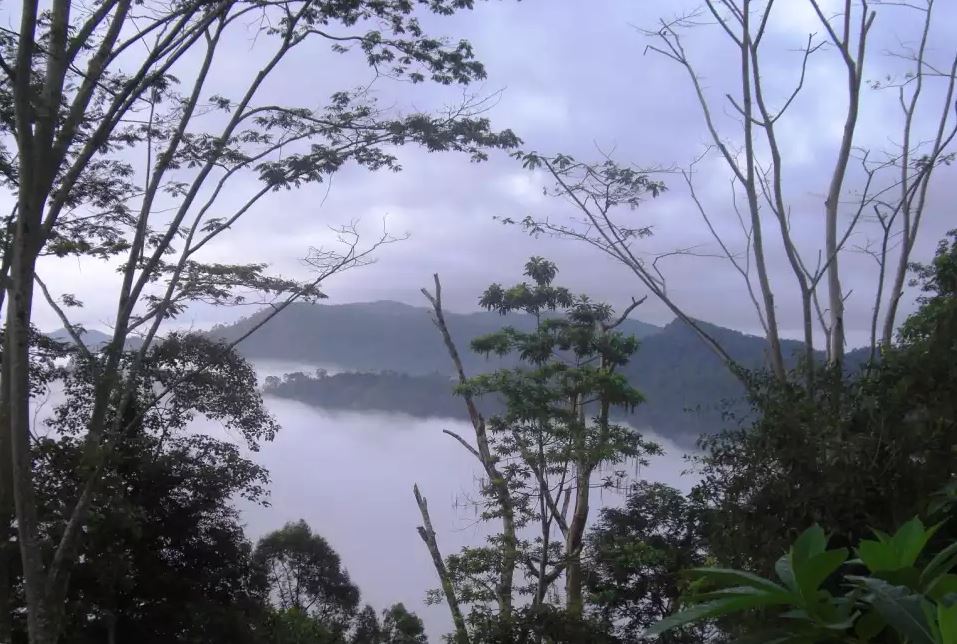
Image by Wikimedia Commons

A Quiet Memory That Lingers

The magic of Sinharaja at dawn lies in its simplicity. There is no need for activity or effort, only stillness and listening. Long after leaving, many find that these early-morning sounds remain vivid, recalling a moment of calm that feels increasingly hard to find elsewhere.


Beyond the Main Islands: Discovering the Lesser Antilles One Hop at a Time

Scattered across the eastern Caribbean, the Lesser Antilles reward travellers who enjoy moving slowly and looking beyond the obvious. From calm ferry rides to short regional flights, each hop brings a change in mood, scenery and pace.

Quiet Cays and Short Hops by Sea

Some of the most memorable journeys in the Lesser Antilles happen on the water. Regular ferries connect Guadeloupe to Les Saintes, Antigua to Montserrat, and St Vincent to the Grenadines, where islands like Bequia and Canouan feel refreshingly unspoilt. These routes are practical, affordable, and scenic, often taking less than two hours. Combined with short Caribbean flights between larger hubs, they allow travellers to mix sea and air travel with ease while enjoying ever-changing views of volcanic peaks and clear coastal waters.

Flying Between Islands with Ease

While ferries suit close neighbours, air travel becomes essential for wider hops. InterCaribbean Airways operates regional routes linking islands such as Barbados, St Lucia, Dominica and Grenada, making multi-island itineraries realistic even within a short holiday. Flights are typically brief, offering aerial views of coral reefs and forested interiors, and help reduce long backtracking through major airports.

The Charm of Lesser-Known Stops

Beyond well-known names lie smaller islands that feel deeply personal. Carriacou offers quiet beaches and a strong sailing culture, while Saba’s dramatic cliffs appeal to hikers and divers alike. These places may have limited nightlife, but they reward visitors with friendly communities, fresh local food and a sense of everyday island life that larger destinations sometimes lose.

Planning a Smooth Island-Hopping Route

Image by InterCaribbean Airways

A successful journey balances ambition with realism. Travelling in one direction, checking ferry days in advance, and allowing buffer days for weather changes all make a difference. The reward is a trip that feels varied yet unhurried, where each island adds a new chapter rather than a rushed stop.334

A Quick Look at Sigiriya: Best Places to Eat, Stay, and Explore

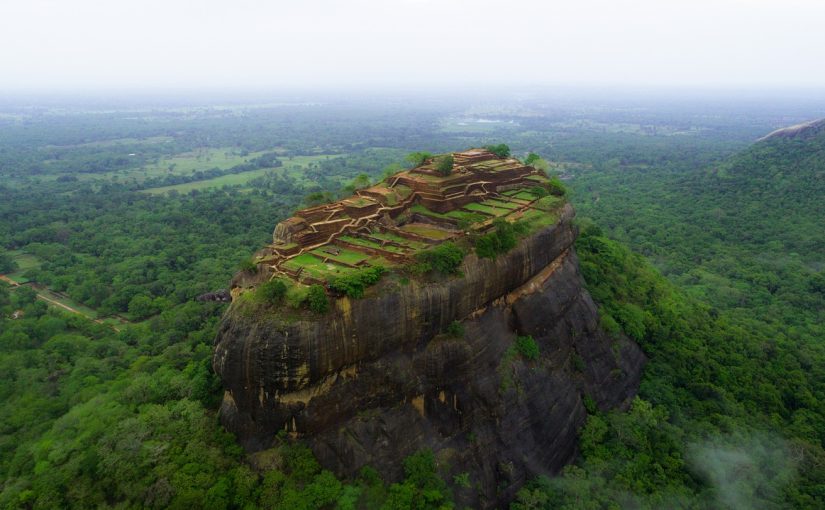
Sigiriya is one of Sri Lanka’s most famous cultural sites, known for its ancient rock fortress and the countryside around it. If you’re travelling through the Cultural Triangle, you’ll find heritage sites, local food spots, and nature experiences that are easy to enjoy in a short visit.

Sigiriya’s Historical Importance

The main attraction in Sigiriya is the Rock Fortress, a UNESCO World Heritage Site. As you climb to the top, you’ll see ancient frescoes, gardens, and mirror walls that show the site’s history. Many people visit early in the morning for cooler weather and better views.

Sigiriya and the Rest of Dambulla

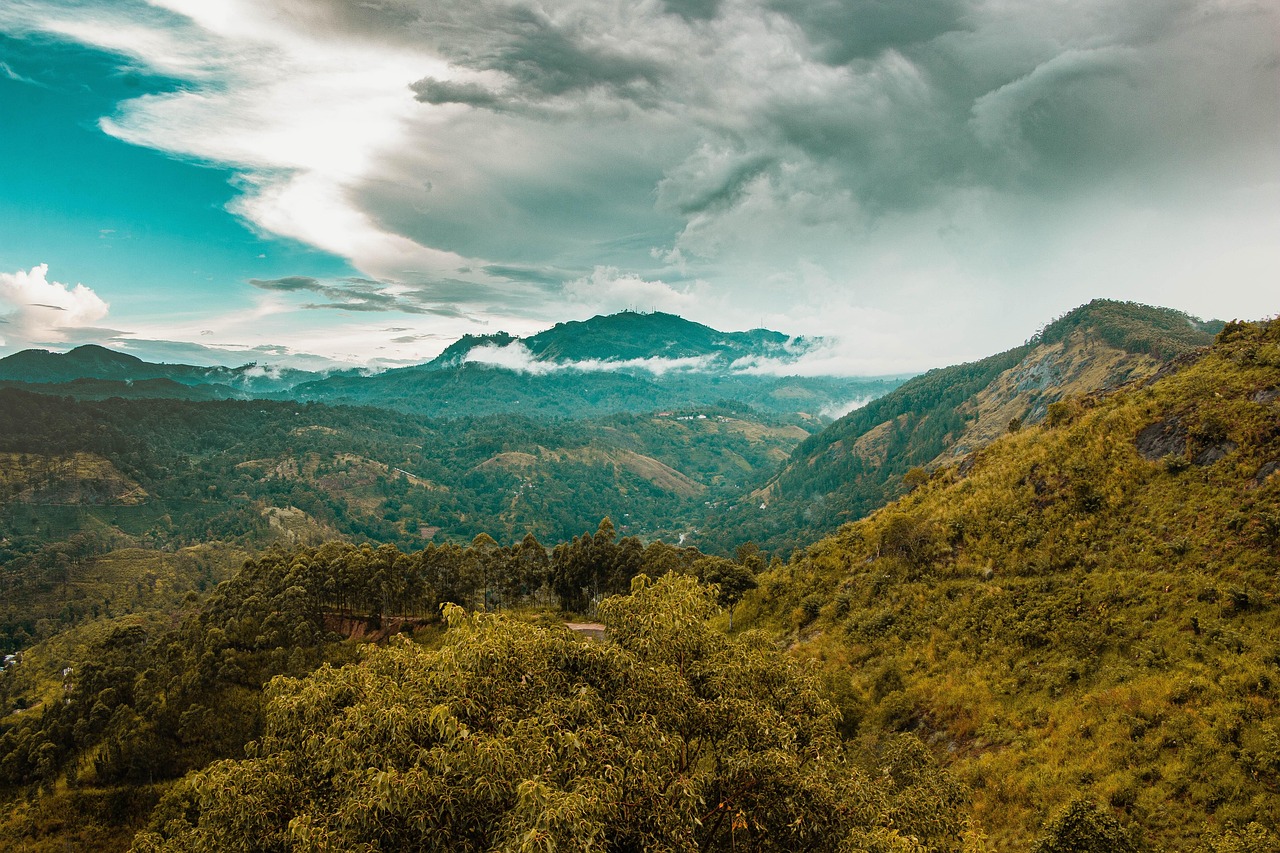
Outside the fortress, Sigiriya is surrounded by forests, lakes, and farmland. You can take short bike rides or village walks to see rural life up close. Nearby places like Pidurangala Rock give you great views and are usually less crowded. These outdoor activities are a nice break from sightseeing.

Places to Eat Around Sigiriya

You’ll find places to eat in Sigiriya ranging from small local cafes to hotel restaurants. Restaurants near Sigiriya typically specialise in Sri Lankan rice and curry, made with fresh, seasonal vegetables. These casual places are busiest at lunchtime and are a good way to try local food.

Choosing Where to Stay

You can choose from guesthouses or hotels when staying in Sigiriya. Staying near the main sites saves you travel time and makes sightseeing easier. Places like Water Garden Sigiriya are popular because they’re close to attractions and offer a quiet place to rest, making them a good base for your trip.

Other Places to See Nearby

Image by Thanuja Sandaruwan from Pixabay

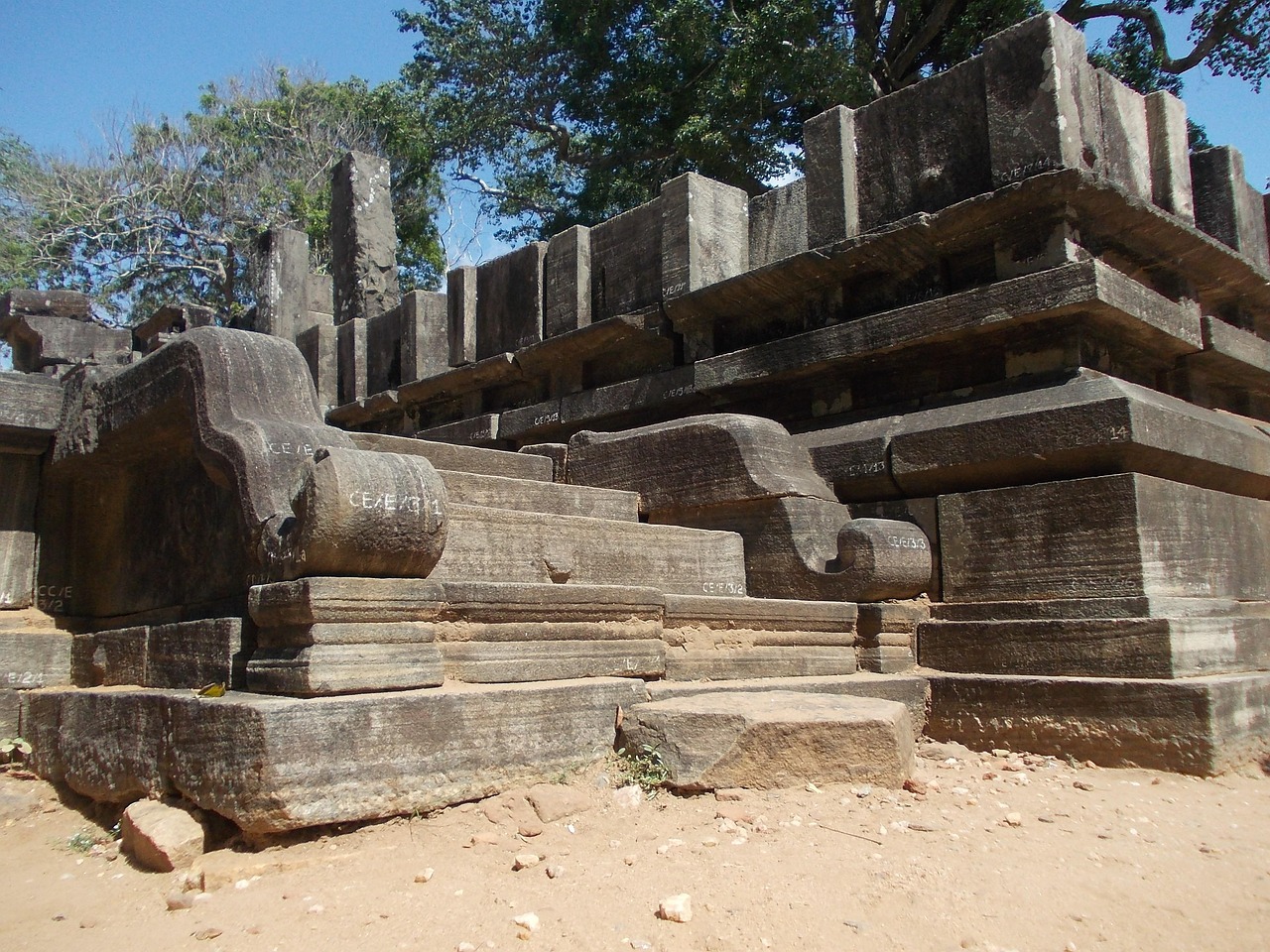
Sigiriya fits well into a Cultural Triangle trip, with easy connections to Dambulla, Polonnaruwa, and Minneriya. Because everything is close together, you can see the sights, eat, and explore without feeling rushed. It’s a good choice for a quick visit or a longer stay.

Maldives Fishing Adventures: A Quick Look

Going on a fishing adventure in the Maldives promises a wide range of experiences catering to all skill levels. Different locations, techniques, and times of day shape each outing, making fishing adaptable rather than one-size-fits-all.

Reef Fishing Close to Shore

Reef fishing is easy to try and takes place in shallow waters near islands or reefs. Most people use hand lines to catch fish like snapper, grouper, and trevally. These trips usually happen in the late afternoon, when the water is calm and fish are active, making them great for beginners.

Big Game Fishing Offshore

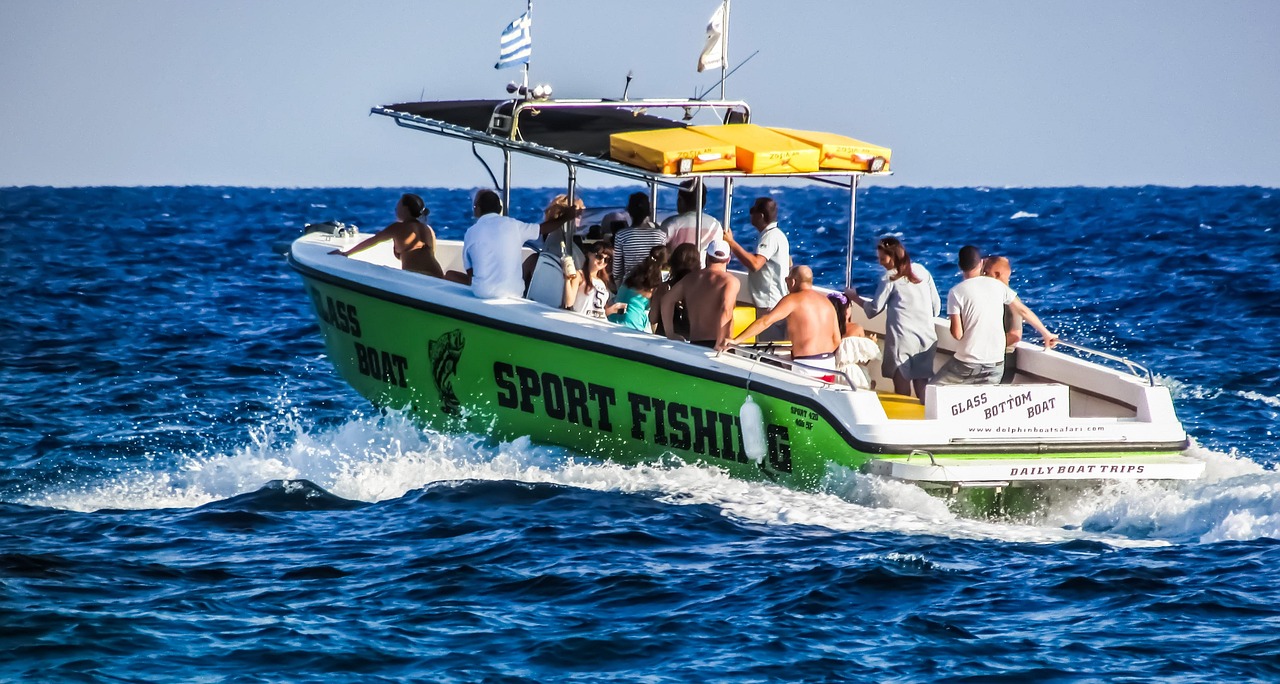
Going farther from shore offers a different fishing experience. Sport fishing in Maldives focuses on bigger fish like tuna, sailfish, wahoo, and mahi-mahi. These trips happen in deeper water, use trolling, and depend more on the weather and sea conditions.

Night Fishing

Night fishing is a long-standing tradition in the Maldives and is now offered as a guided trip. With basic gear and quiet spots, these outings target reef fish that come out after dark. The relaxed pace and cooler weather make night fishing a good choice for people who prefer a calm experience.

Catch and Cook Experiences

On some trips, guests can have their catch cooked the same day, often grilled or made into a simple curry. Resorts like Holiday Inn Resort Kandooma Maldives usually arrange these meals through their own excursion teams, making the process easy.

Seasonal Considerations and Regulations

Image by Dimitris Vetsikas from Pixabay

Fishing conditions change with the seasons, and different fish show up at different times of year. There are also rules to protect certain species and fishing methods, so most trips are guided to make sure everyone follows the rules and fishes responsibly.

Secret Melbourne: Unusual Experiences Beyond the Guidebooks

Melbourne is a city that goes beyond its iconic sights to really satisfy a curious mind. Melbourne reveals its creative spirit and vibrant local life by uncovering the lesser-known gems of the city, which include hidden laneways, underground art, local markets, and immersive cultural experiences.

Holey Moley Golf Club

Start with something fun. The putting options are bizarre and amazing altogether! The best part of all of this is that the putts are pop-culture themed, so it’s a wonderful way to awaken anyone’s celebrity crazes while having a spot of fun and definitely some drinks. It’s perfect for groups of friends who want to have a good time because this spot is definitely entertainment central.

Hard Trash Street Art (King Street Laneways)

Hidden behind the main streets, this ever-evolving laneway art gallery reveals the most raw and underground creative works. It’s not as noisy or as crowded as Hosier Lane, and thus, it feels more real; just right for unearthing the genuine street art culture of Melbourne.

If anyone is looking for an apartment hotel in Melbourne close to this gallery and similar locations, travellers can consider options such as Avani Melbourne Jazz Corner Residences as well.

The Block Arcade’s Lesser-Known Boutiques

Behind the iconic tiled pathway, while enjoying the splendid architecture of The Block Arcade, visitors can discover a few secret side stores. Artisan chocolatiers, bespoke jewellers, and independent designers have set up in these quaint little shops. These businesses provide unique pieces that are not visible in large shopping centres. There is no better place for taking home meaningful souvenirs that have a story.

Tattersalls Lane Hidden Kitchens

Image by Penny from Pixabay

Tattersalls Lane, located just off Little Bourke Street, has become the go-to for Melbourne’s most intimate eateries and underground bars that are unnoticed by the majority of visitors. You can enjoy anything from late-night Asian fusion or a cosy wine bar, to the lane, which has a strong local vibe. If you prefer to dine without the hustle and bustle of the tourist crowds, then this is your ideal spot.

Sri Lanka’s Ultimate “Hike & Unwind” Itinerary for Adventure Seekers

Sri Lanka provides the ideal blend of action and relaxation for travellers looking for more than a standard vacation. A “hike and relax” schedule offers stunning hikes, breathtaking scenery, and tranquil spots to unwind, allowing adventure crews to experience nature while getting well-deserved relaxation and rejuvenation.

Iconic Hiking Trails and Scenic Viewpoints

Sri Lanka has a number of classic hiking trails with spectacular views. From mountain peaks to forest trails, every route highlights the island’s natural splendour. These hikes offer both a physical challenge and breathtaking sights. Not to forget the opportunity of a lifetime, which is to be one with nature, because the luscious greenery is something extremely stunning that needs to be experienced at least once in anyone’s life.

Unwinding in Nature-Rich Retreats

A luxury resort in Sri Lanka is perfect to wind down in while being surrounded by nature after all that adrenaline build-up from the exciting hikes. This is why relaxing in nature-rich resorts is vital after a day of physical activity. Scenic lodges and eco-resorts provide peaceful environments surrounded by greenery. These areas allow travellers to rest and reflect on their journeys. It helps that accommodation options such as the 98-acre resort and spa also offer just this!

Adventure Activities Beyond the Hike

Along with hiking, there are many other activities to adventure on as well that include zip-lining, cycling, and river rafting. These experiences can add a bit of variety to the itinerary, as they’re different and exciting. Days that are filled with adventure add a sense of teamwork and exploration among teammates as well.

Image by vined mind from Pixabay

Food, Culture, and Recovery Time

Local cuisine is vital for both recuperation and enjoyment. Sharing traditional meals allows crew members to reconnect and unwind. Cultural experiences provide richness and balance to the whole trip, creating an opportunity to connect with locals as well.

Angkor Highlights Made Easy: The Value of a Guide

Angkor’s temple complex is huge, and trying to see it all in a single day can feel daunting. With temples scattered across a wide area, a bit of planning goes a long way. A guided tour helps you make the most of your limited time while also giving you the background that brings the ruins to life. Here’s how a guide can turn a quick visit into a memorable cultural experience.

Smart Routing and Better Time Use

A good guide knows how to move through Angkor efficiently. Rather than spending time debating where to go next, you’ll follow a route that hits the big highlights and some lesser-known spots. Guides also know when to visit popular temples to avoid the worst of the crowds, so you can see more without feeling like you’re racing against the clock.

Comfortable Logistics From Start to Finish

Pairing a guided tour with nearby accommodation makes the day much easier. Staying at a hotel close to the complex — for example, places like FCC Angkor can mean shorter transfers and less time wasted getting back and forth. After a long day in the heat, it’s nice to return somewhere comfortable to rest and recharge. Good planning on both the tour and the lodging side makes one day go a long way.

Access to Special Moments and Hidden Spots

Guides may also be aware of areas of the park that independent travellers do not know about, such as quiet jungle trails, sunrise spots, and hidden ruins. With reputable tour operators or hotels, you can also expect organised options to be made in advance, such as what FCC Angkor offers. These organised elements take away the hassle so you can enjoy the experience.

Richer Historical and Cultural Context

Image by Simon from Pixabay

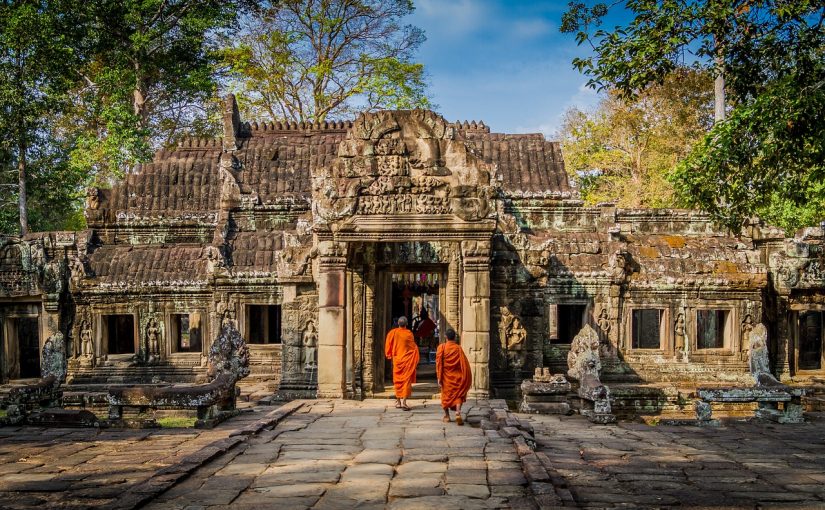
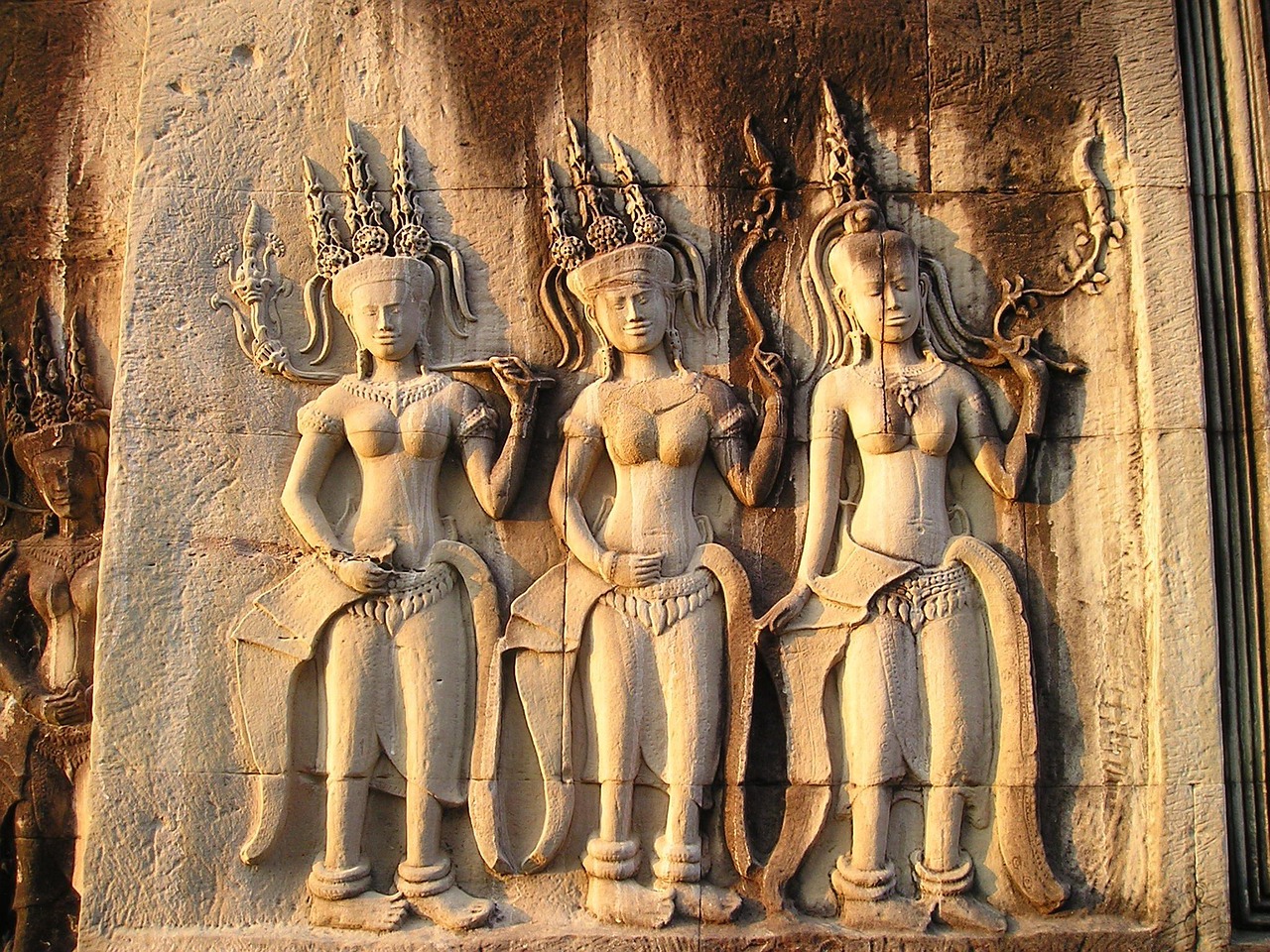
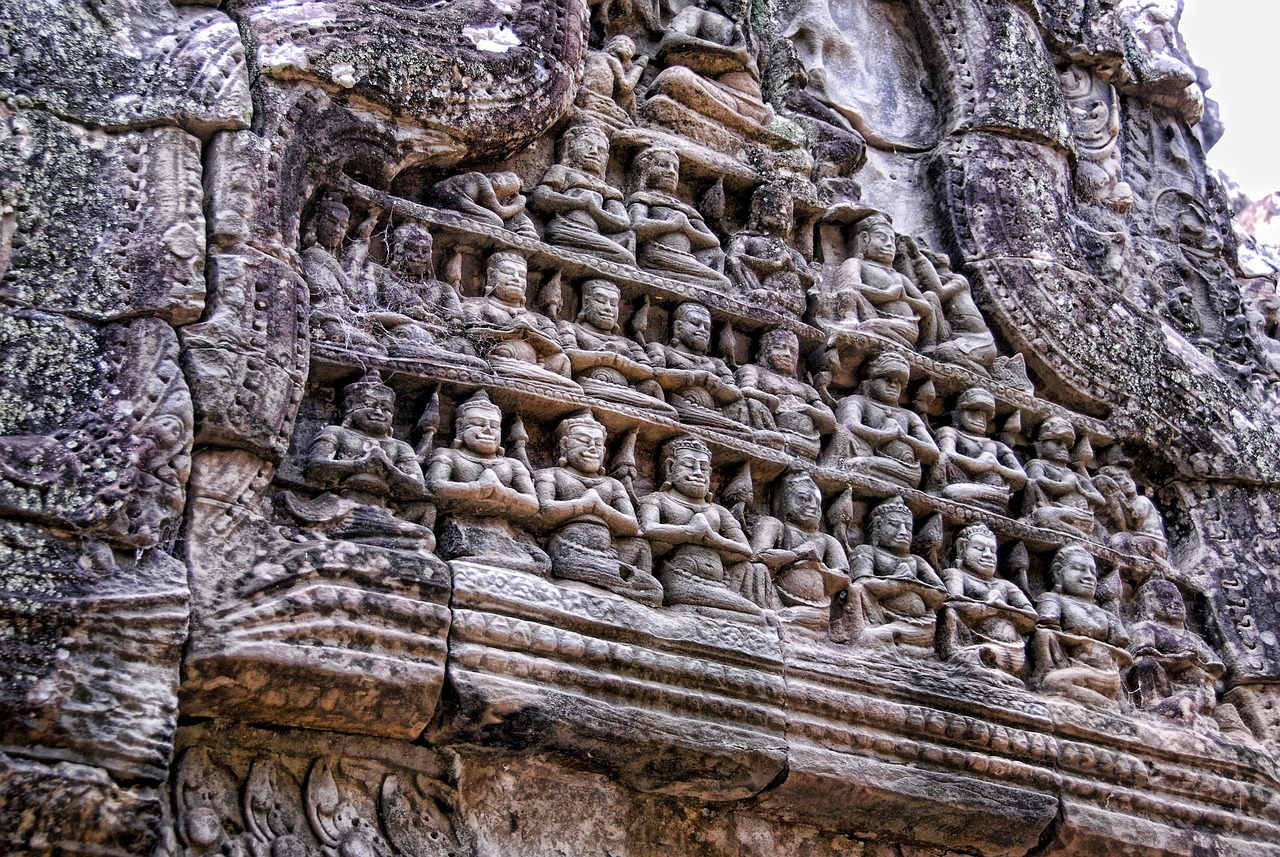
Visually, Angkor is breathtakingly beautiful, but a guide can give you insight into what you’re seeing. A guide can tell you about the scenes depicted in the bas-reliefs, point out Hindu and Buddhist imagery, and even explain how the temples were constructed. It makes the sightseeing experience more interesting.

Must-Visit Places in Siem Reap for Culture, History, and Local Life: Adventures Around Angkor

Siem Reap isn’t just a jumping-off point for temples — it’s a lively city where history, culture, and everyday life come together. From world-famous monuments to buzzing markets and performances, each spot reveals a different side of Cambodia. Here are four places that capture the spirit of Siem Reap.

Angkor Wat
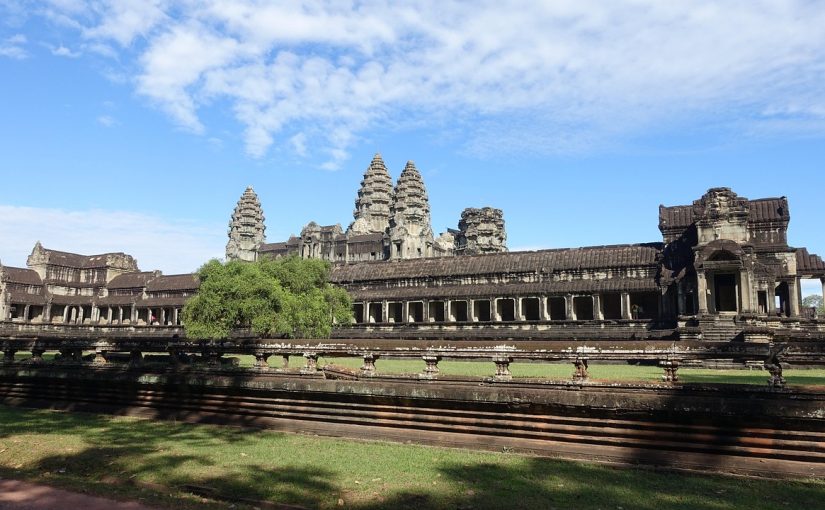
No trip to Siem Reap is complete without visiting Angkor Wat. This UNESCO World Heritage site is an architectural masterpiece, and watching the sunrise over its towers—when warm light washes across the carvings — is unforgettable. Beyond the scenery, the complex offers a window into the Khmer Empire and its spiritual traditions.

Apsara Shows and Cultural Venues

To dive deeper into local culture, see an Apsara dance performance, where graceful movement and traditional music tell age-old stories. Many hotels, such as Anantara Angkor Resort, and cultural centres host evening shows, often paired with dinner, that highlight Cambodia’s artistic heritage and royal myths. It’s a refined, memorable way to connect with the country’s traditions.

Angkor Thom and Bayon Temple

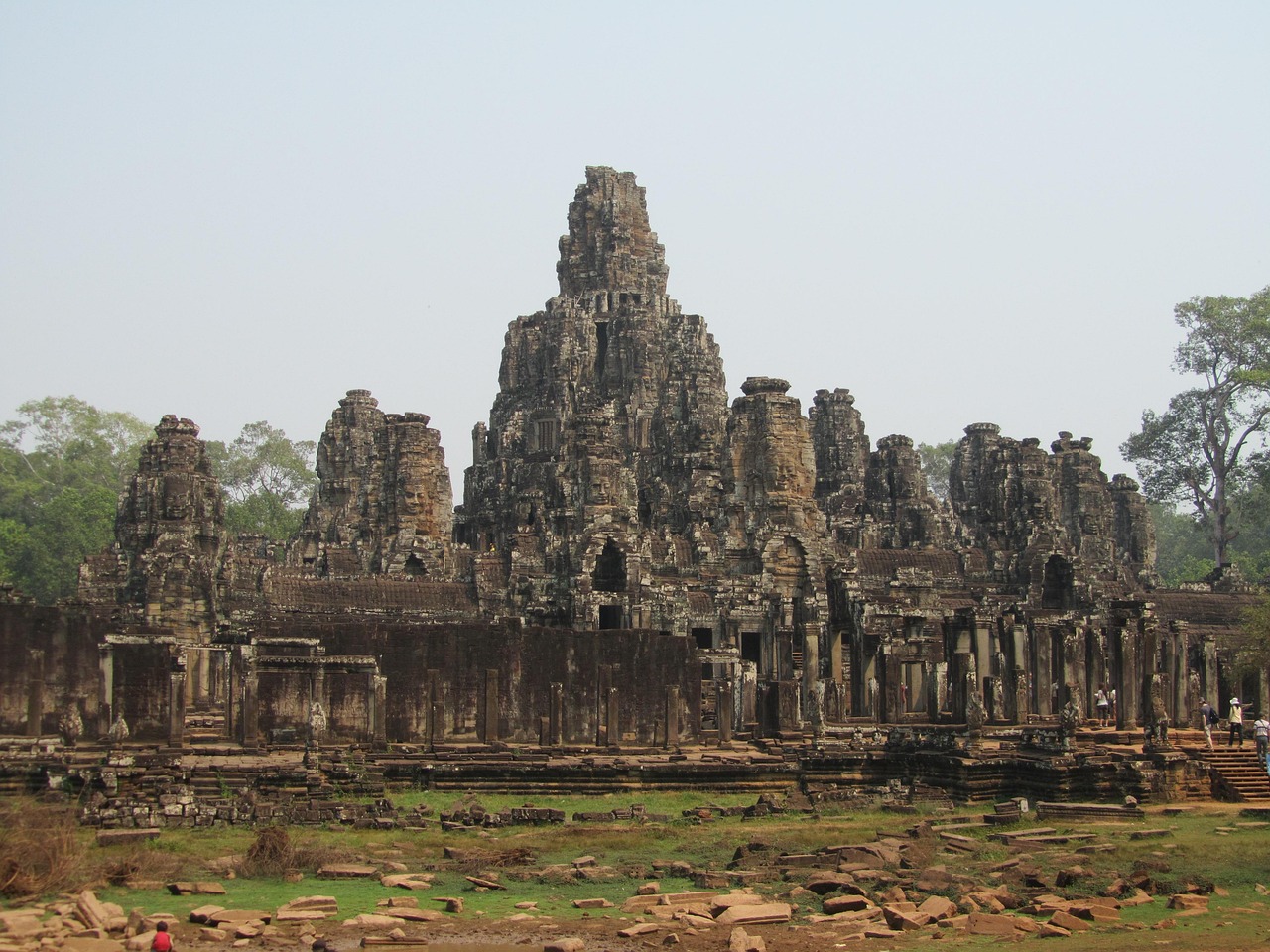
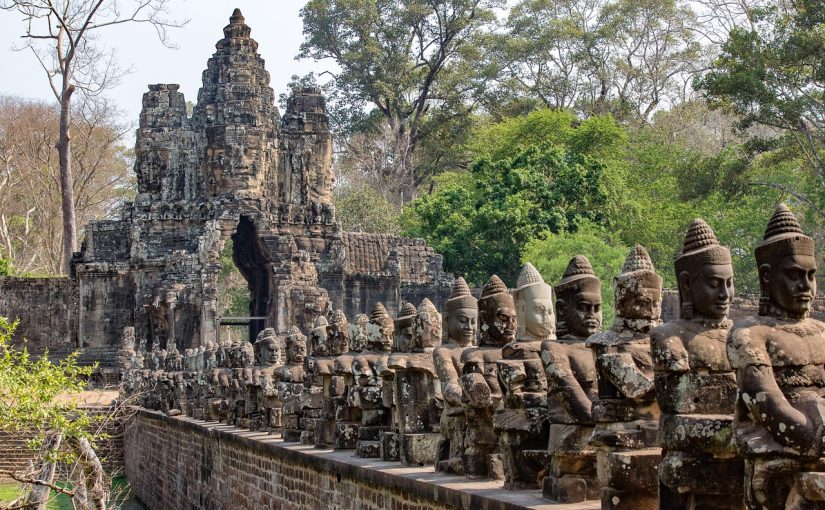
Angkor Thom, the ancient walled city, is home to the Bayon Temple and its famous stone faces. The serene, smiling faces and the quiet courtyards create a mysterious, almost spiritual feeling. Wander the terraces and narrow paths to find detailed bas-reliefs that depict both everyday life and epic battles. Staying at a nearby boutique hotel in Siem Reap makes it easy to return after a long day of exploring.

Image by Simon Goede from Pixabay

Old Market (Psar Chas)

For a taste of local life, head to the Old Market. Stalls overflow with fresh produce, spices, handicrafts, and street food—perfect for sampling Cambodian snacks and chatting with vendors. As evening falls, the surrounding streets fill with cafés and small bars, offering a relaxed, lively nightlife scene.

Together, these sites give a rounded view of Siem Reap — its past, its culture, and its everyday energy.

Two Wheels, Ancient Wonders: Angkor’s Hidden Side

Angkor Wat pulls the crowds, but the surrounding jungle hides quieter corners best reached on two wheels. Riding a Vespa down narrow dirt tracks and shaded forest paths lets you slip off the usual tourist routes and see a different side of the park. Here are four memorable spots to seek out by Vespa.

Prasat Kraing’s quiet ruins
Set well away from the main circuits, Prasat Kraing is a low-key cluster of brick towers tucked into the trees. You’ll usually find it peaceful, with few other visitors, so it’s easy to take your time and study the carvings. Getting there by Vespa adds to the sense of discovery—winding, little-used paths are part of the charm.

The hidden trails of Banteay Thom
Banteay Thom rewards riders who leave the paved roads behind. The approach takes you through rural countryside, past rice paddies and small villages, then into forested tracks that open onto the temple. The mix of local life and off-road riding makes the visit feel more intimate and adventurous than the main Siem Reap attractions.

Stay close to the action
After a day of exploring, a comfortable base makes all the difference. Hotels like FCC Angkor by Avani offer a convenient, restful stop with colonial-style touches and a pool where you can relax after a long ride. Staying centrally keeps both the famous temples and hidden jungle paths within easy reach.

Jungle paths near Ta Nei

Image by Graham Hobster from Pixabay

Ta Nei feels like a temple reclaimed by the forest. Red-earth trails lead you through dense greenery and then onto ancient stonework threaded with roots—perfect for quiet reflection or photography. With far fewer visitors here, you can soak up the site’s atmospheric blend of nature and architecture.

How to Spend 48 Hours in Sur, Oman – Experiencing Culture, Nature, and Adventure

Sur, a coastal gem on Oman’s eastern shore, blends maritime heritage, natural beauty, and desert-sea adventure in a compact, welcoming setting. In just 48 hours, you can explore age-old shipyards, watch sea creatures hatch, and hike rugged wadis. Planning ahead helps you make the most of every moment in this scenic city.

Explore Al Ayjah Lighthouse & Shipyards
Start your cultural journey at Al Ayjah Lighthouse, which overlooks traditional dhow shipyards where craftsmen still build wooden boats by hand. These towering vessels reflect centuries-old maritime traditions that connected Oman to East Africa and India. Walk the shoreline and watch artisans shape planks in the same way their ancestors did, gaining insight into Sur’s seafaring soul. For easy access to this attraction consider staying at hotels like Sur Plaza during your visit.

Discover Turtle Watching at Ras Al Jinz
A short drive from Sur lies Ras Al Jinz, one of the Arabian Peninsula’s most important nesting sites for green sea turtles. Head out at dusk or before dawn with a guide to watch adult turtles come ashore, or hatchlings make their instinctive dash to the sea—a life-affirming spectacle of nature.

Hike Wadi Tiwi or Wadi Shab
For a dose of adventure, explore nearby wadis like Tiwi or Shab. These rugged canyon trails weave past turquoise pools and date plantations, offering both moderate hikes and refreshing dips. Wadi Shab’s hidden waterfall pool is a particular highlight that rewards early risers and outdoor lovers alike.

Stroll Sur’s Corniche at Sunset

Image by Sandro Porto from Pixabay

Wrap up your day with a leisurely walk along Sur’s waterfront corniche, where sea breezes and pastel skies set the tone for dinner. Local cafés and fish grills line the promenade, inviting you to sample fresh seafood while watching boats bob in the harbour. This relaxed setting encapsulates Sur’s blend of tradition and seaside charm. If you’re browsing hotels in Sur Oman, look for ones near the corniche to maximise convenience and views.