Outbound Excursions in Paradise: Top 4  Adventures to Enjoy during a Getaway in Sri Lanka

As a small island nation that contains an array of diverse landscapes, Sri Lanka is an adventurer’s dream destination. Whether it’s whale watching in Mirissa or embarking on a wildlife safari in Yala, there’s no shortage of adrenaline-pumping activities for visitors of all ages.

Safari Tour of Yala National Park

Laying claim to the world’s highest leopard density, Yala National Park is a safari hotspot teeming with majestic beasts. Home to over 33 mammals, including more than 350 elephants, the protected sanctuary is the perfect location to enjoy a wildlife safari in some of the island’s most breathtaking terrains.

Image by pexels

Surfing in Unawatuna

Although Sri Lanka is famed for its snorkelling and diving potential, wave riders will find the island’s surfing spots provide some of the best thrills and spills accessible along its coastlines. Travellers based at Araliya Beach Resort & Spa, for instance, will find that some of the region’s best surf spots and Unawatuna water sports facilities are located within close range of their base.

Trekking Across the Knuckles Mountain Range

Resembling a clenched fist from afar, the Knuckles Mountains are also where Sri Lanka’s most daring hiking trails happen to be located. Spread out across verdant forests, tea plantations and frothy waterfalls, the hiking paths that crisscross this rich landscape in the central hills are strictly reserved for seasoned trekkers.

Hot Air Ballooning in Dambulla

Couples and honeymooners on the lookout for an exciting yet romantic tour among the clouds must sign up for this exhilarating experience in the Cultural Triangle. Bird’s eye views of Sigiriya Rock and other iconic landmarks are not all there is to admire from the skies, however, as the region’s lush wildernesses also come into focus during this once-in-a-lifetime sky-bound expedition.


Fun in the Maldives – Turn Your Maldives Trip Into an Adventure

The Maldives is famous for its luxury resorts and brilliant beaches. That reputation is well earned, but it only tells part of the story. For travellers who want more from their time in the archipelago, there is a whole side of the Maldives that is active, exploratory, and truly exciting.

Diving and Snorkelling the House Reef

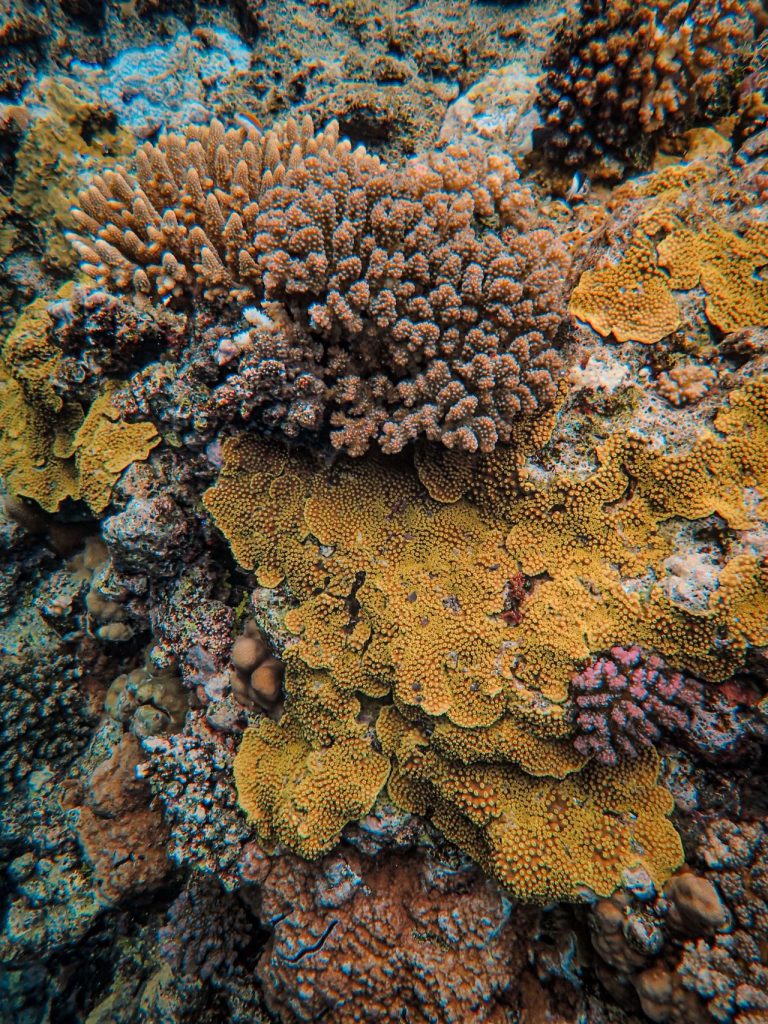
Every good resort in the Maldives sits above a reef, and exploring it is one of the easiest and most rewarding things you can do. The house reef at most resorts drops steeply into deeper water, where the marine life is very different from the shallow lagoon. Reef sharks, eagle rays, turtles, and schools of colourful fish are common things to see. For certified divers, the outer atolls open up world-class wall dives and channel dives that are among the best in the Indian Ocean.

Water Sports and Other Adventures

Luxury villas in Maldives come with access to a range of water sports that go well beyond swimming. Kitesurfing, windsurfing, jet skiing, and stand-up paddleboarding are available at most well-equipped resorts. There are also resorts like OBLU Xperience Ailafushi that take this further with a strong focus on active experiences. Such places offer guests an extensive range of water sports and above-water activities that keep energy levels high even on the most relaxed of holidays.

Island Hopping and Local Culture

Image by pexels

Visiting a local inhabited island gives your trip a different vibe that a resort stay alone cannot provide. Local markets, small cafes, and the daily workings of life in the Maldives are a rare experience for many visitors. Many resorts arrange guided excursions to nearby islands.

Summer in Maldives – Is it the Right Time for a Holiday?

Planning a Maldives holiday and wondering whether summer is a wise choice? It is a fair question. The wet season puts some travellers off, but the reality is more approachable than that label suggests. Whether summer is the right time depends on what kind of experience you are looking for.

The Wet Season in the Maldives

The Maldives wet season typically runs from May through October, influenced by the southwest monsoon. Even though it’s called the wet season, it doesn’t mean consistent rain. It’s more like occasional heavy showers, usually brief, interspersed with long stretches of warm, calm weather. Wind conditions can be slightly stronger, and some days will be overcast, but a washout holiday is far less common than the term “wet season” suggests.

The Case for Going in Summer

The advantages are real and worth weighing carefully. A Maldives luxury resort is at its most affordable during this period. Flights tend to be cheaper and easier to book. The islands are quieter, and the experience of having a stretch of beach or a house reef largely to yourself is something peak season travellers rarely get. If you are interested in a resort in the Maldives in the wet season, consider a stay at Niyama Private Islands Maldives.

Image by pexels

What to Watch Out For

Some liveaboard diving routes are less accessible during the southwest monsoon because of sea conditions. A handful of smaller transfers between islands can be affected by wind. It is worth checking specific conditions for the atoll you are visiting and being flexible with your itinerary if possible. With a little planning, these are manageable considerations.

From Sun-Kissed Shores to Crystal Waters: Why the Maldives Tops Your Bucket List

The Maldives’ reputation as a top holiday destination isn’t surprising. From crystal-clear lagoons teeming with marine life, to white coralline shores encircling luxury resorts, every island is unforgettable. While it would be impossible to capture the magic of the Maldives in one article, here are just a few reasons why the Maldives should be your top holiday priority.

Gorgeous Overwater Villas

Water villas in Maldives are a signature experience in the region. These chalets are the epitome of island romance, far from the shores of busy resorts and crowds. Here, guests are treated to a private sanctuary floating above a lagoon, waking up to the ocean, and its enchanting secrets, at your feet.

World-Class Wellness

There’s no better place to unwind than in the Maldives. Open-air salas, spa suites perched over lagoons – wellness experiences offered by Maldivian resorts are unmatched. Indulge in 5-star treatments curated by experts, combining indigenous ingredients with therapies from around the world.

Unique Dining Experiences 

The islands’ natural landscapes have given way to unique dining experiences. Almost every resort offers overwater restaurants, private beach dining, and picnics on isolated sandbanks, such as those around Anantara Dhigu Maldives Resort. There are even underwater restaurants in some locations!

UNESCO-Recognised Biosphere Reserves

The Maldives is home to numerous protected marine ecosystems that are brimming with life, colour, and biodiversity. The Baa Atoll sees some of the most important manta ray congregations in the world, gathering in groups of 200 around feeding stations. Meanwhile, the Addu Atoll is home to historic sites alongside the largest shipwreck in the Maldives, which has transformed into a rich reef ecosystem inhabited by eagle rays, sea turtles, and colourful coral.

Swimming With Sharks and Dolphins 

Image by pexels

In addition to friendly sea turtles, graceful manta rays, and exotic reef fish, visitors to the Maldives have the chance to swim alongside various sharks and dolphin species. From gentle nurse sharks to playful spinner dolphins, live out your very own mermaid fantasies below the waves of the Maldives.

Top Cultural Experiences in Habarana – Discover Sri Lanka’s Heritage, Traditions & Village Life

Tucked away in Sri Lanka’s North Central Province, Habarana serves as a gateway to some of the island’s most treasured historical and natural landmarks. Even during rainy weather, the region continues to reward visitors with enriching cultural encounters that extend far beyond conventional sightseeing.

Sigiriya Rock Fortress

Among the most iconic Habarana attractions, the ancient rock fortress of Sigiriya stands out as a remarkable symbol of early architectural brilliance and royal ambition. Visitors can climb the towering rock to explore the ruins of King Kasyapa’s palace complex, while the renowned frescoes and mirror wall provide fascinating insight into Sri Lanka’s ancient past. The beautifully landscaped water gardens further enhance the experience, showcasing sophisticated irrigation techniques that were far ahead of their time.

Dambulla Cave Temple

Travellers staying at Habarana Village by Cinnamon are conveniently located near the Dambulla Cave Temple, a UNESCO World Heritage Site revered for its spiritual significance and artistic splendour. The temple complex features intricately painted cave interiors, centuries-old Buddha statues, and detailed murals that depict the evolution of Buddhist traditions across the island. Exploring the site with a knowledgeable guide allows visitors to gain a deeper appreciation of its rich historical and religious heritage.

Safari at Minneriya National Park

Only a short drive from Habarana, Minneriya National Park is renowned for its spectacular elephant gatherings, particularly between June and September when herds come together around the ancient Minneriya Tank. Dating back to the 3rd century, the reservoir remains one of the region’s most significant irrigation landmarks. In addition to elephants, the park is home to an abundance of wildlife, including sambar deer, leopards, and diverse bird species, creating an unforgettable safari experience for nature enthusiasts.

Habarana Village Tour

Image by pexels

For those seeking a closer connection to everyday Sri Lankan life, a village tour offers an authentic glimpse into the region’s traditional way of living. Visitors can travel through the countryside by ox-cart, enjoy a peaceful boat ride across nearby lakes, and observe local customs and daily activities firsthand. The experience is often complemented by a traditional home-cooked Sri Lankan meal prepared by local families using fresh ingredients.

Unique Angkor Temples to Visit in Cambodia – Explore the charm and divinity of these ancient religious sanctums!

Situated in Siem Reap, Cambodia, Angkor served as the political, cultural, and religious capital of the Khmer Empire for almost seven centuries, until the 15th century. The world-renowned Angkor Wat temple complex was completed by King Suryavarman II in the 12th century. Enjoy exploring these unique gems in Angkor.

Angkor Wat

This is undoubtedly the most outstanding of the Angkor temples, with the main sanctum rising to 65 m, making it one of the most sought-after Siem Reap attractions and often a bucket-list item for discerning visitors. To optimise your experience in Angkor, consider staying close by at FCC Angkor by Avani, which allows you to seamlessly enjoy both the timeless beauty of Angkor and the excellent hospitality of the resort.

Baphuon Temple

Known as the Pyramid Temple in Angkor, Baphuon is a palatial temple representing mythical Hindu Mount Meru and sits on large open grounds with a tranquil aura around it. At 120 m long, 100 m wide, and 34 m in height, this was a truly majestic temple of ancient times.

Bayon Temple

Situated in proximity to Baphuon Temple, Bayon is at the centre of this large site. Initiated by King Jayavarman VII, it is also called Jayavarman Temple and includes many special features such as numerous steps, corridors, and a series of towers with serenely smiling faces.

Image by pexels

Preah Khan

A large and well-preserved temple, Preah Khan was created for both Hindu and Buddhist worship. Whilst one gallery encloses a Buddhist sanctum, various other smaller temples are created for Hindu devotion, with the temple surrounded by a moat. Floral stonework and fine carvings add charm to this temple.

Experiencing Climbing Sigiriya Rock Fortress – Conquer the awe-inspiring Sigiriya Rock Fortress!

Sigiriya was an ancient capital of Sri Lanka and is acclaimed for its Lion Rock, or Sigiriya Rock Fortress. Built by King Kashyapa (473-495 CE), the impressive rock fortress is part of the “Ancient City of Sigiriya”, a UNESCO World Heritage site. For most visitors to the island, climbing this rock is one of the bucket list items.

History and Preparation to Climb

Climbing Sigiriya is much more than standard Sigiriya sightseeing. This rock fortress was designed by King Kashyapa to make access difficult and to take refuge after overthrowing his father. Hence, be aware and prepared to climb it. Because the ascent requires an early start, staying nearby is ideal; to that end, excellent accommodation is available at Sigiriya Jungles, Sri Lanka.

Things to know

Set out early at sunrise, when there are fewer crowds, and secure your tickets promptly. This also enables climbing most of the way before the heat of the sun is intense. Carry your water to stay hydrated, sun protection, and comfortable shoes. The views as you ascend are incredibly rewarding. Take your time to soak in that beauty and move steadily as the steps, over 1000 of them, need more effort.

Enjoy the hidden treasures

As you ascend, find the Frescoes Room, secluded in the rock with the paintings of graceful maidens in vibrant hues. As you continue to climb, witness the mirror wall carrying a series of graffiti inscriptions about frescoes.

Image by pexels

Conquer Sigiriya

As you come to the large plateau, find the magnificent Lion’s Paws, the only remaining part of the massive lion gateway carved on the mountain. These paws originally marked the entrance to the last bit of the ascent leading to the summit. Take in the panoramic views from this vantage point, conquering Sigiriya.

Complete Travel Guide to Tanzania for First-Time Visitors – Enjoy a delightful rendezvous in Tanzania! 

Situated in Eastern Africa, Tanzania is an exciting destination offering diverse experiences for first-time visitors. Whether it’s the beaches, mountains, wildlife safaris, or a glimpse into the culture, the possibilities are endless.

Arriving in Tanzania

Plan your travel considering the seasons. The dry season, ideal for beaches and safaris, is from June to October, while the wet season, from November to May, is great for enjoying the beautiful greenery and birdwatching, with fewer crowds. Obtaining an e-visa is the best option, as most visitors require a visa to Tanzania. A yellow fever vaccination certificate is needed if coming from an infected area. With many accommodation options available, visitors opt for luxury resorts like The Residence Zanzibar due to its private pool villas and proximity to the beach.

Stone town, Zanzibar

Stonetown Zanzibar, the charming historical area of Zanzibar, is a must-see site on your trip. Exploring the Old Fort with barracks and a prison dating to the 18th century is an intriguing adventure and can be coupled with a waterfront stroll. The coastal promenade takes on a vibrant aura when the nightly Forodhani Food Market comes alive.

National Parks

Several national parks, like Serengeti National Park, Ngorongoro Crater, and Tarangire National Park, offer enriching wildlife experiences, such as wildebeest, elephants, leopards, cheetahs, lions, rhinos, and zebras, including the famous “Great Migration” that leaves an unforgettable memory for visitors.

Image by pexels

Local Culture

A fine way to witness local culture is at lively markets such as in Zanzibar, where vibrant stalls filled with aromatic spices, handicrafts, souvenirs, and artwork can be browsed. Taste local delicacies like ugali with nyama choma (maize porridge with grilled meat) and other staples. Attending cultural ceremonies is another interesting facet.

More for Your Money – How to Get the Most Out of a Mauritius Hotel Package

Mauritius is not the cheapest destination in the Indian Ocean, but it is one of the most rewarding. The key to making a trip here work financially without compromising on experience is choosing the right hotel package from the outset.

What Packages Usually Include

Hotel packages in Mauritius vary considerably in what they cover. A bed and breakfast rate leaves you paying separately for lunch, dinner, drinks, and activities, which can add up quickly on an island where imported goods carry a premium. A half-board or full board package locks in your main meal costs and removes a significant source of daily spending. All-inclusive packages go further, covering drinks and in some cases water sports, making the total cost easier to predict and manage from the start.

When to Go and Off-Season Value

The timing of your trip has a direct impact on the value a package represents. Mauritius has a peak season centred around the European winter months, when demand from French and British travellers pushes rates up across the board. Travelling in the shoulder months of April, May, or October gives you good weather alongside noticeably lower rates. Hotel package deals in Mauritius during these periods give outstanding value, particularly at properties like The Residence Mauritius.

Activities and Excursions

Image by pexels

Packages that include excursion credits or complimentary water sports add value that is easy to perceive. Dolphin watching, catamaran trips, deep-sea fishing, and snorkelling excursions are all popular in Mauritius and carry costs that accumulate quickly when booked individually. Packages that bundle these in, even partially, deliver a more complete experience at a more manageable overall price.

Discover Bintan – Why This Indonesian Island Escape Belongs on Your Travel List

Bintan does not get the attention it deserves. This large Indonesian island in the Riau Archipelago sits just an hour by ferry from Singapore, yet it feels truly removed from the pace and density of city life. Beaches, tropical forest, warm hospitality, and resort facilities that punch well above the island’s profile make it one of the most rewarding short escapes in Southeast Asia.

Getting There is Straightforward

The ferry crossing from Singapore to Bintan takes around an hour, making it one of the most accessible international island destinations in the region. You arrive on Indonesian soil, with all the change in atmosphere and pace that implies, without the logistics of a long-haul journey. The ease of getting here is one of Bintan’s most practical and underrated advantages.

An Indonesian Island Worth Exploring

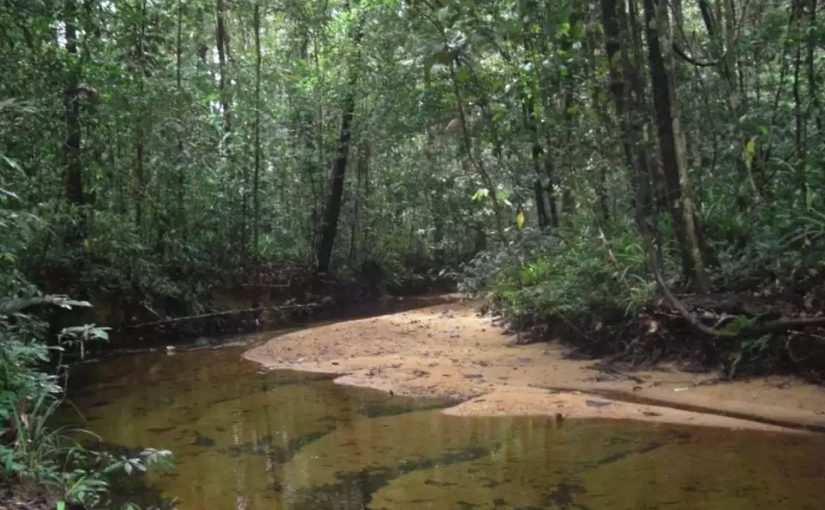
Bintan is firmly Indonesian, and that comes through in its culture, its food, its villages, and the warmth of the people who live here. The coastline is extensive and largely undeveloped, with stretches of white sand that feel remote. The interior is covered in tropical forest and mangroves, and boat tours through the mangrove channels show a unique side of the island. If you are looking for a Bintan resort hotel to stay at, there are some good options that balance comfort with immersion in the surrounding landscape. A great option to consider is The Residence Bintan.

What to Do in Bintan

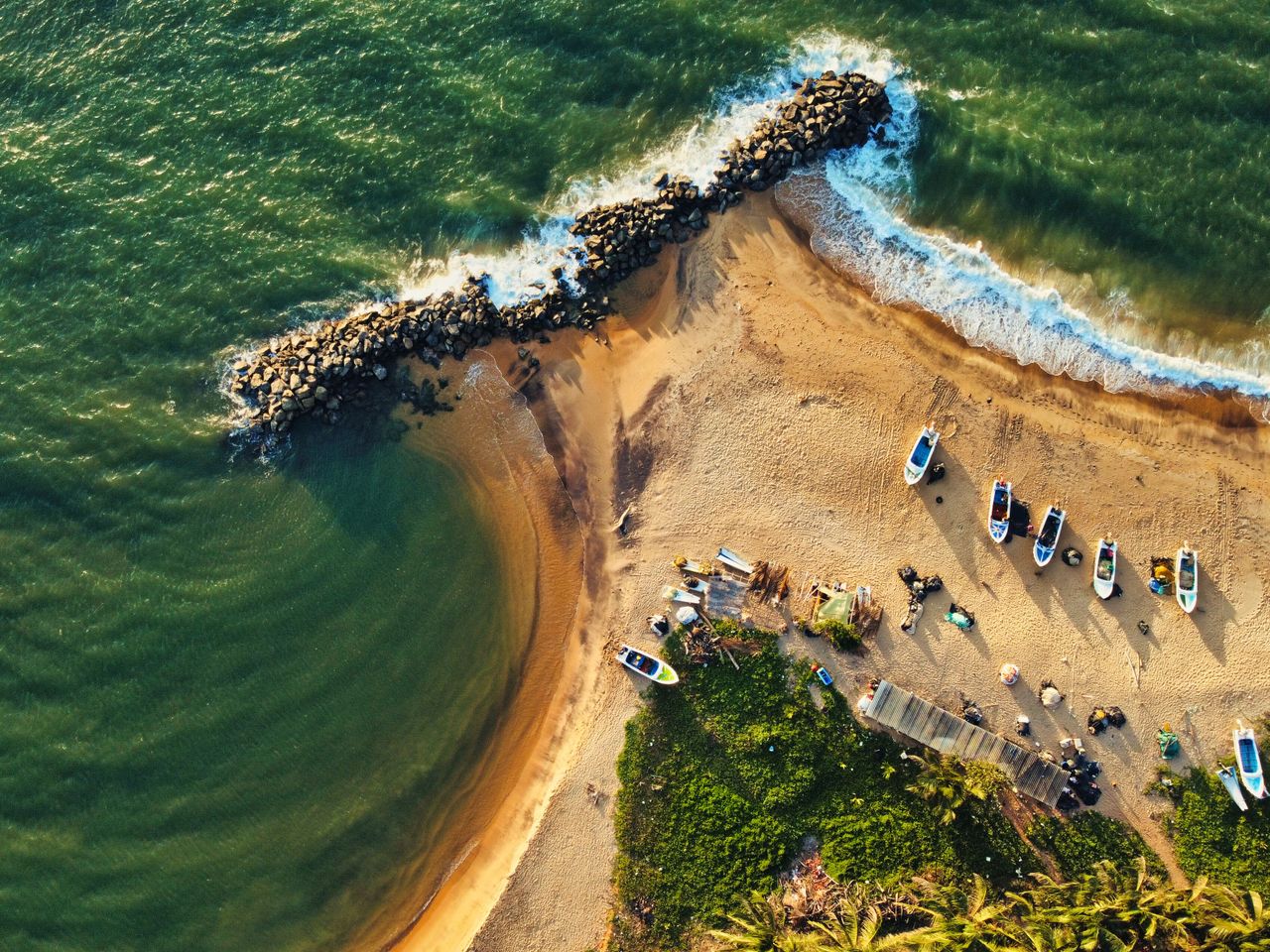
Beyond swimming and sunbathing, Bintan supports a solid range of activities, including water sports, cycling, horse riding, and golf courses with sea views. The local fishing village of Trikora on the east coast is worth a visit for a glimpse of everyday Indonesian island life away from the resort areas.

Food and Local Culture

Image by pexels

Eating in Bintan is one of the quieter pleasures of visiting the island. You can find local warungs serving up Indonesian favourites like nasi goreng, grilled seafood, and fresh coconut dishes at affordable prices. The fishing communities along the coast, especially around Trikora on the island’s east side, give you a real taste of Bintan life that’s completely different from what you’d find in the resorts.