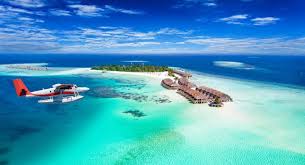
Scuba Diving in the Maldives –  A Simple Primer

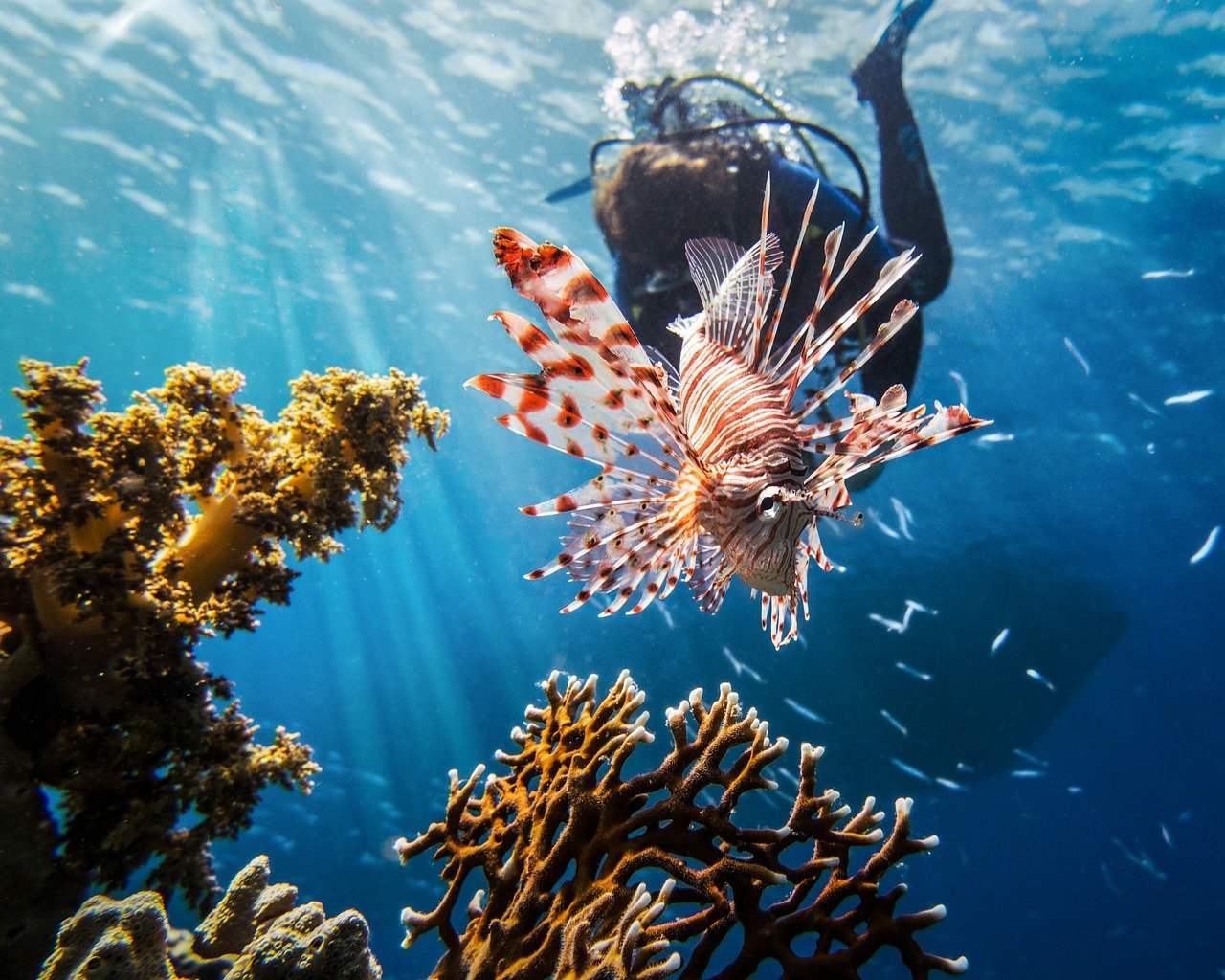
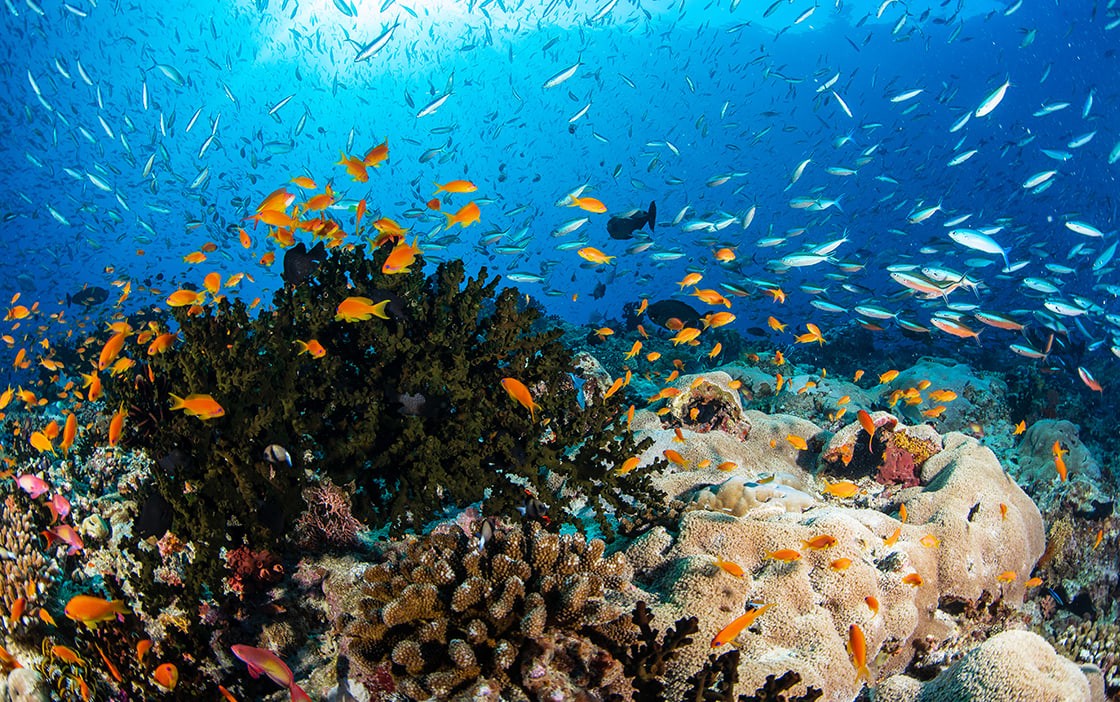
Scuba diving in the Maldives is like stepping into an underwater wonderland. Imagine swimming through crystal-clear waters, checking out colourful coral reefs, and hanging out with turtles, manta rays, and even whale sharks. Whether you’re a newbie or a seasoned diver, the Maldives has dive spots for everyone.
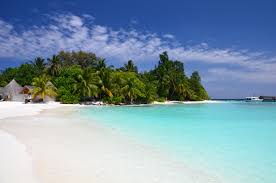
Bathala (Maldives)
Bathala (Maldives) | Images via Wikimedia Commons

A Short Overview of the Maldives

The Maldives, a stunning archipelago in the southern Indian Ocean, is made up of 1,192 coral islands grouped into 26 natural atolls, stretching roughly 900 kilometres from north to south. The equator passes near the Addu Atoll, dividing the country. While Dhivehi is the official language, English is widely spoken, especially in the tourism sector and places like the Anantara Kihavah Maldives Villas.

The Ideal Time to Visit

From December to April, during the northeast monsoon or dry season, trade winds from India bring mostly sunny, calm weather to the Maldives with very little wind. Ocean visibility can be excellent, reaching up to 50 meters in the eastern atolls and around 25 meters in the western ones. However, water clarity also depends on factors like weather, tides, location, and the season. So, before embarking on some of the most interesting things to do in Maldives, make sure the conditions are right.

Diving Formations

In the Maldives, divers often encounter two unique underwater formations: giris and thilas. A giri, sometimes called a reef tombolo or atoll lagoon, is a mostly submerged coastal landform separate from the island reef, with its top visible from the surface and accessible to divers of all levels. Thilas, on the other hand, are larger coral formations typically found deeper, between 20 to 40 metres below the surface.

Marine Life

The Maldives is world-renowned for its incredible marine life, particularly manta rays and whale sharks. Home to the largest population of reef manta rays (Manta alfredi), estimated between 5,000 and 7,000, the islands also host the occasional giant manta. Alongside them, the Maldives also offers encounters with the gentle giant of the ocean—the whale shark (Rhincodon typus), the largest fish in the world.
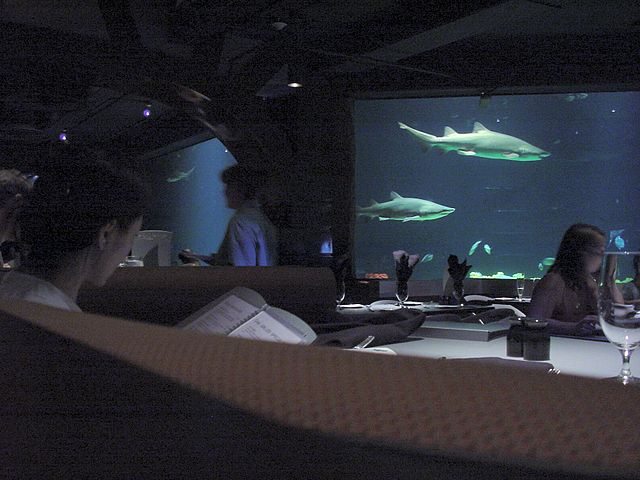
Discovering the World of Underwater Restaurants: Submerged Sensations You Won’t Forget

Underwater restaurants are more than just dining spots; they are an extraordinary combination of modern innovation, gastronomic excellence and breathtaking marine encounters that create a dynamic sensory experience. Here’s what makes these unique establishments so special.

Modern Engineering at Its Finest

An underwater restaurant’s most impressive feature is its architecture. Most feature fully transparent acrylic walls and ceilings that can safely withstand underwater pressure while treating guests to stunning panoramic views of the marine world.

Curated Marine Life Encounters

The constant spectacle of marine life is what makes these establishments truly unique. Most underwater restaurants are strategically located near coral reefs or are built within large aquariums, allowing guests to observe colourful marine life up close.

Exquisite and Exclusive Cuisine

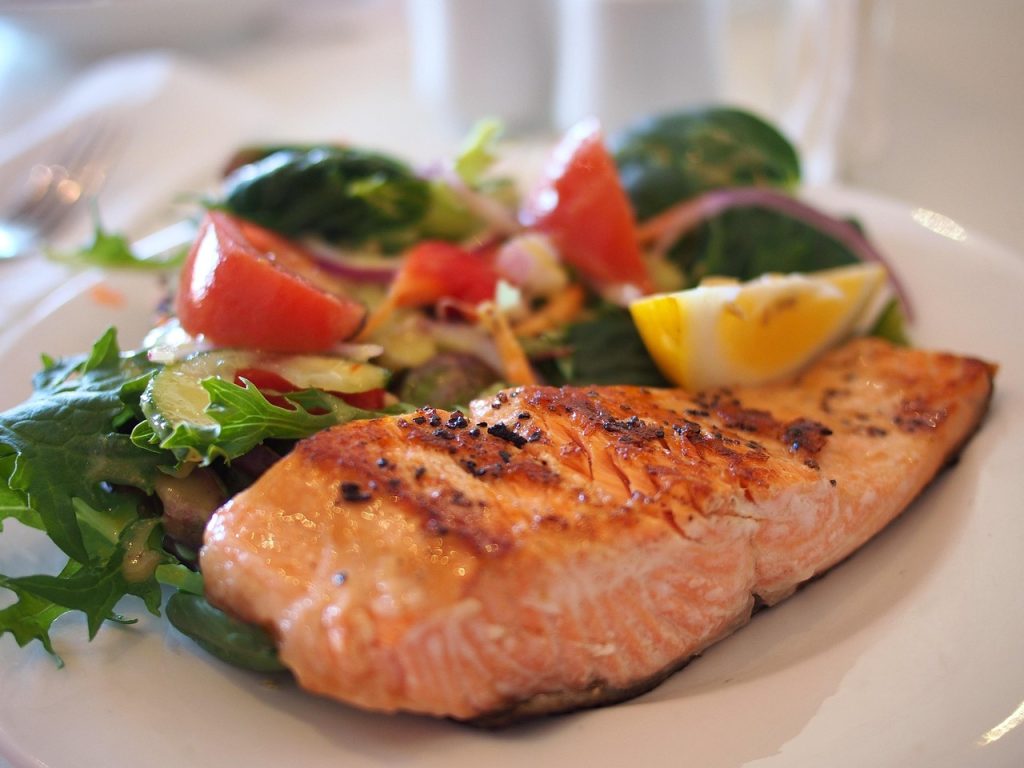
Image by cattalin from Pixabay

Of course, the cuisine at these restaurants is well above average, in keeping with the exquisite nature of the experience. Almost every underwater restaurant in Maldives, including those at hotels like Anantara Kihavah Maldives Villas, offers the delights of fine dining where gourmet seafood and international cuisine are presented amidst an intimate, yet classy setting.

A Commitment to Sustainability

Many underwater restaurants incorporate sustainability into their operations to ensure a positive impact on marine environments. Some double as marine research centres, while others feature exteriors designed to function as artificial reefs, thereby preserving the very ecosystems that they aim to showcase.

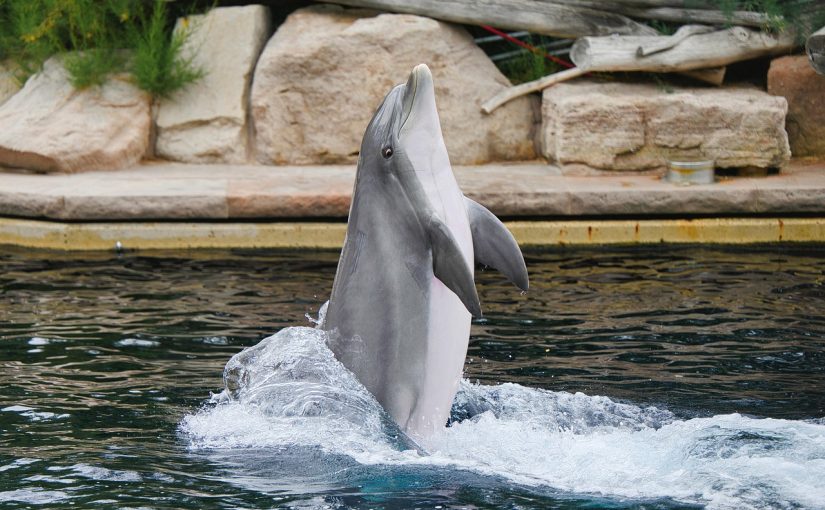
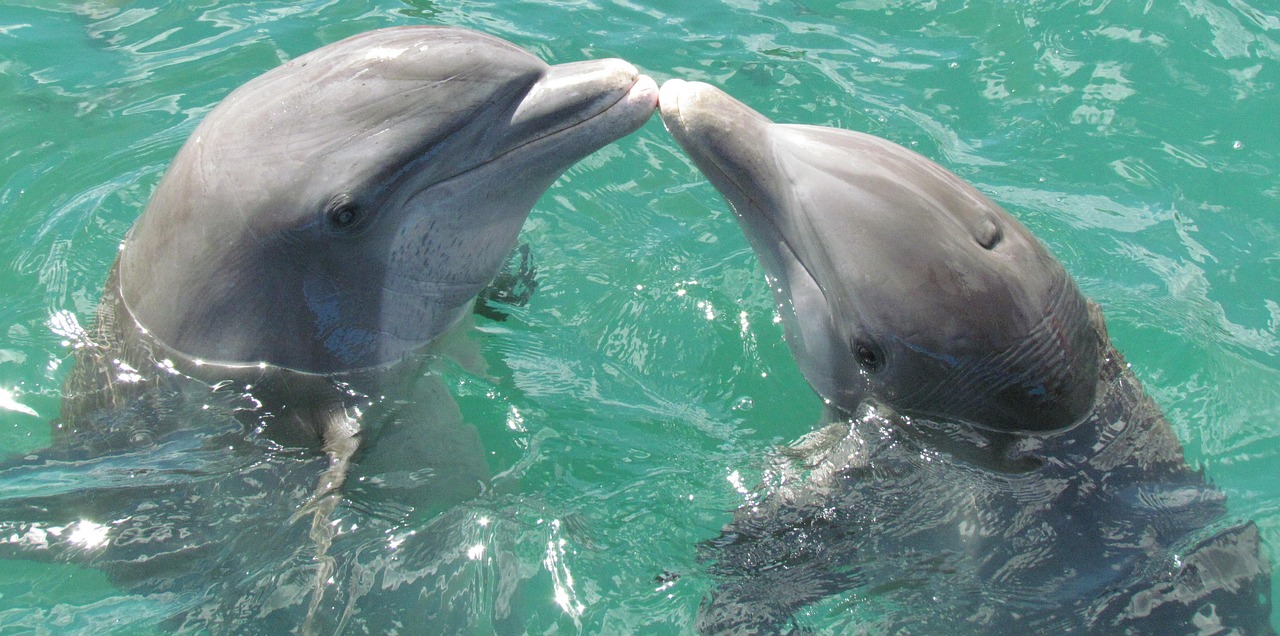
Tips for Dolphin Watching in Maldives – Admire These Playful Creatures in a Natural Setting

Undoubtedly, observing dolphins in their natural habitat in the course of your Maldives holiday will be a magical experience. While you will have the opportunity to see these marine mammals cavorting freely in the Indian Ocean, you should keep the following insights in mind.

Obtain local expertise

For your dolphin watching excursion, you should take the opportunity to avail yourself of the services of an experienced boat captain or guide. Skilled individuals will have the expertise to take you to the places where these marine mammals are to be found, interpret their behaviour and even share interesting insights and stories.

Depart at dawn or late afternoon

The optimal time at which to embark on your dolphin watching expedition is dawn, when the rising sun begins its ascent over the horizon. This is due to the fact that dolphins are liveliest at this time of day, frolicking and leaping as they cavort in their carefree manner. On the other hand, you also get excursions that take place in the late afternoon, which gives you a chance to see these adorable creatures as well. One of the Baa atoll resorts to consider from which you could undertake a dolphin watching trip is Anantara Kihavah Maldives Villas

Maintain a safe distance

When you see dolphins frolicking in their carefree way, you may be tempted to approach them closely and perhaps even swim with them. However, this is likely to cause distress and anxiety to these endearing marine mammals, and therefore, you must always take care to maintain a respectful distance without disturbing them.

Image by Romuald Bézard from Pixabay

Remain quiet 

When you encounter a pod of dolphins during your excursion in Maldives, it is important to stay as quiet as possible. Accordingly, you should only use hushed voices and whispers when conversing at a time like this. In this way, you will have the opportunity to avoid alarming the dolphins and observe their natural, spontaneous behaviour.

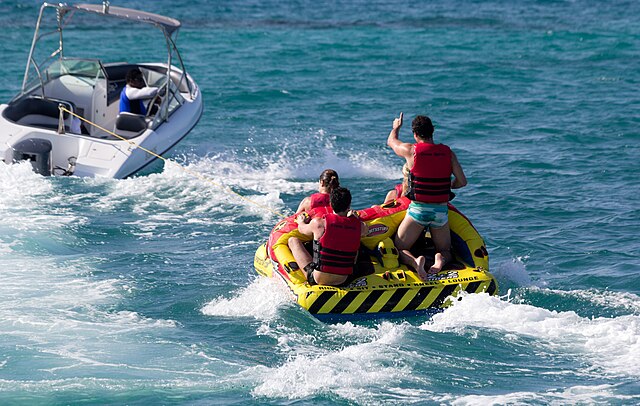
Truly Extraordinary Water Sports in Maldives – Exhilarating Adventures Like No Other

Sure, you may have heard or read about all the different water sports that you can enjoy in the Maldives, but keep in mind that some experiences go beyond the ordinary. Suffice it to say, you are in for plenty of thrills both below and above the waves!

Snorkelling with Manta Rays

Image by Mark Salmon from Pixabay

Head to Hanifaru Bay in the Baa Atoll, a UNESCO Biosphere Reserve, and get ready for one of the most awe-inspiring things to do in Maldives, snorkelling with manta rays. Between May and November, hundreds of graceful manta rays gather here, feeding on plankton in a mesmerising underwater ballet. It’s surreal, spellbinding and just plain magical.

Diving at the ‘Yellow Wall’
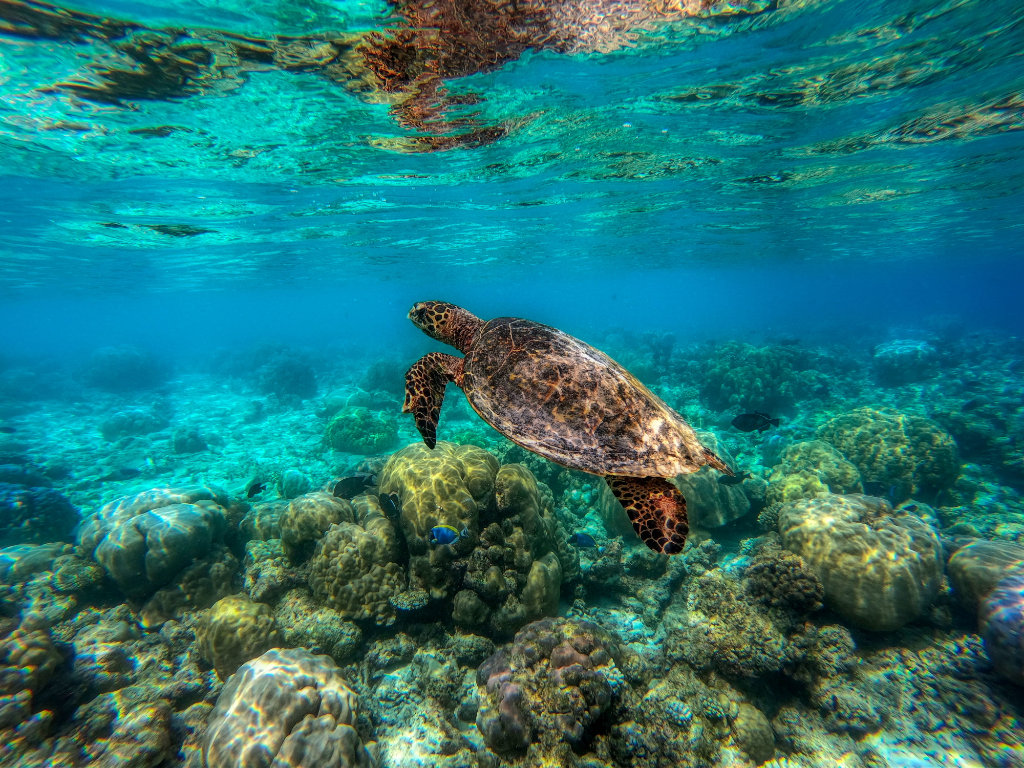
This isn’t your typical reef dive. Part of the house reef of Anantara Kihavah Maldives Villas, the Yellow Wall is a vertical reef section at depths of more than 30 metres, which glows in golden-yellow hues thanks to its soft corals. Apart from taking in this enthralling sight, keep your eyes peeled to spot fascinating aquatic life from colourful fish to hawksbill turtles and more.

Going on Seadart Adventures

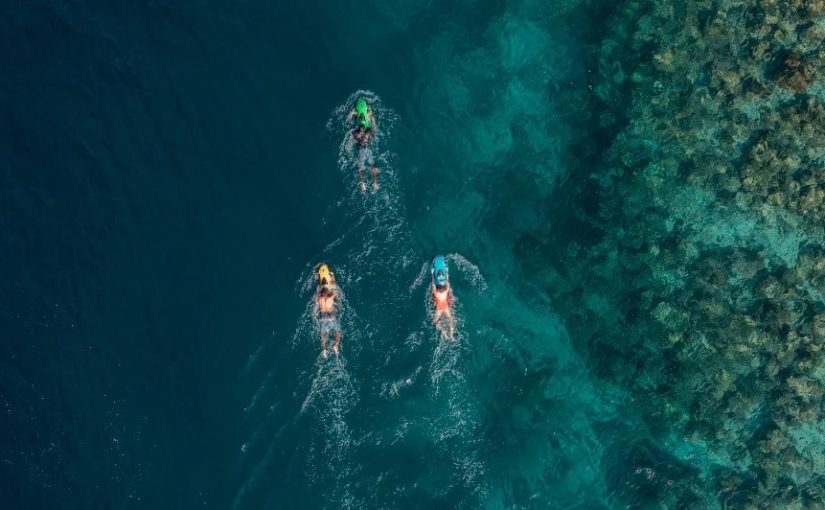
Ever wanted to swim like a dolphin but without the cardio? Enter the Seadart, an eco-friendly underwater scooter that lets you glide or dive with ease. You can dip below the surface to witness a magical underwater world or skim along the surface, all while looking cooler than you did in your last profile picture. Plus, it makes you feel like James Bond on holiday… minus the tux!

Flyboarding
It’s a bird! It’s a plane! Nope, it’s you, on a flyboard! Once you find your balance (cue dramatic wobbles) on this water-powered thrill ride, you can start soaring and even swooping down below before heading back up again. With the new Superman movie just around the corner (don’t let us down, James Gunn!), it’s the perfect time to channel your inner superhero. Up, up and away!

Exploring Water Sports in the Maldives – Hearts pounding, pulses racing

From the adrenaline rush of jet skiing and wakeboarding to the serene experience of snorkelling and diving among colourful coral reefs, the Maldives provides a diverse range of aquatic activities that cater to all levels of adventure. Whether you’re exploring the depths of the ocean or skimming the surface on a paddleboard, the Maldives’ stunning seascapes and warm, inviting waters create the perfect backdrop for an unforgettable water sports experience.

Image via Anantara Kihavah Maldives Villas

Underwater Walks

The world of water sports in the Maldives is vast, offering an array of unique experiences that are sure to captivate you. One such exhilarating adventure is walking on the ocean floor, allowing you to observe incredible marine life up close. This thrilling activity stands out as one of the best water sports in the Maldives, providing an unforgettable, ecstatic experience.

Big Game Fishing

Fishing may sound ordinary, but in the Maldives, it’s an extraordinary experience. Imagine challenging yourself against rare species like Tuna and Sailfish in the vibrant waters of this water sports hub. This exhilarating activity is a must-try among the best water sports in the Maldives!

Jet Skiing​​​​​​​

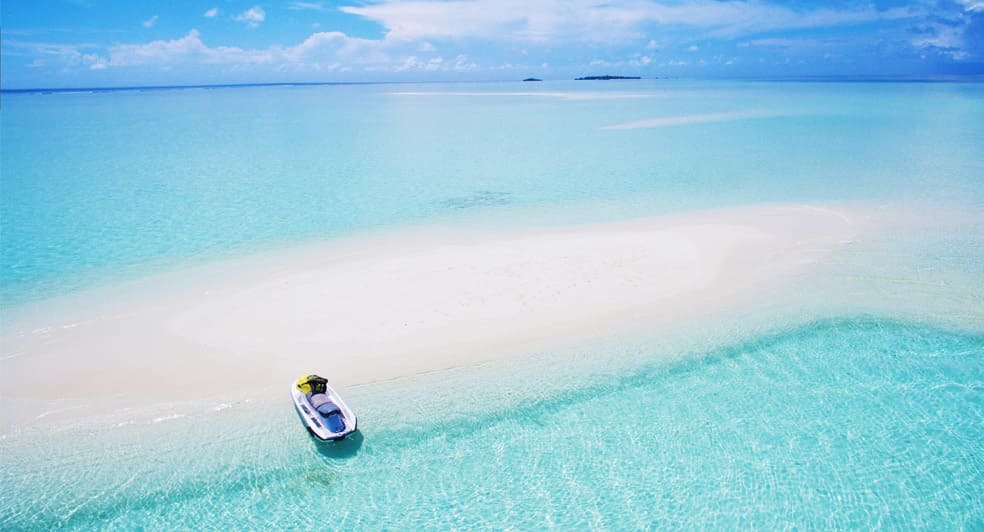
This activity is highly favoured in the Maldives due to its thrilling nature and the exhilarating speed it offers as you glide over the ocean waters. It promises an adrenaline rush and a mesmerizing experience that will leave you feeling like you’re conversing with the air. Don’t miss out on this exhilarating adventure!

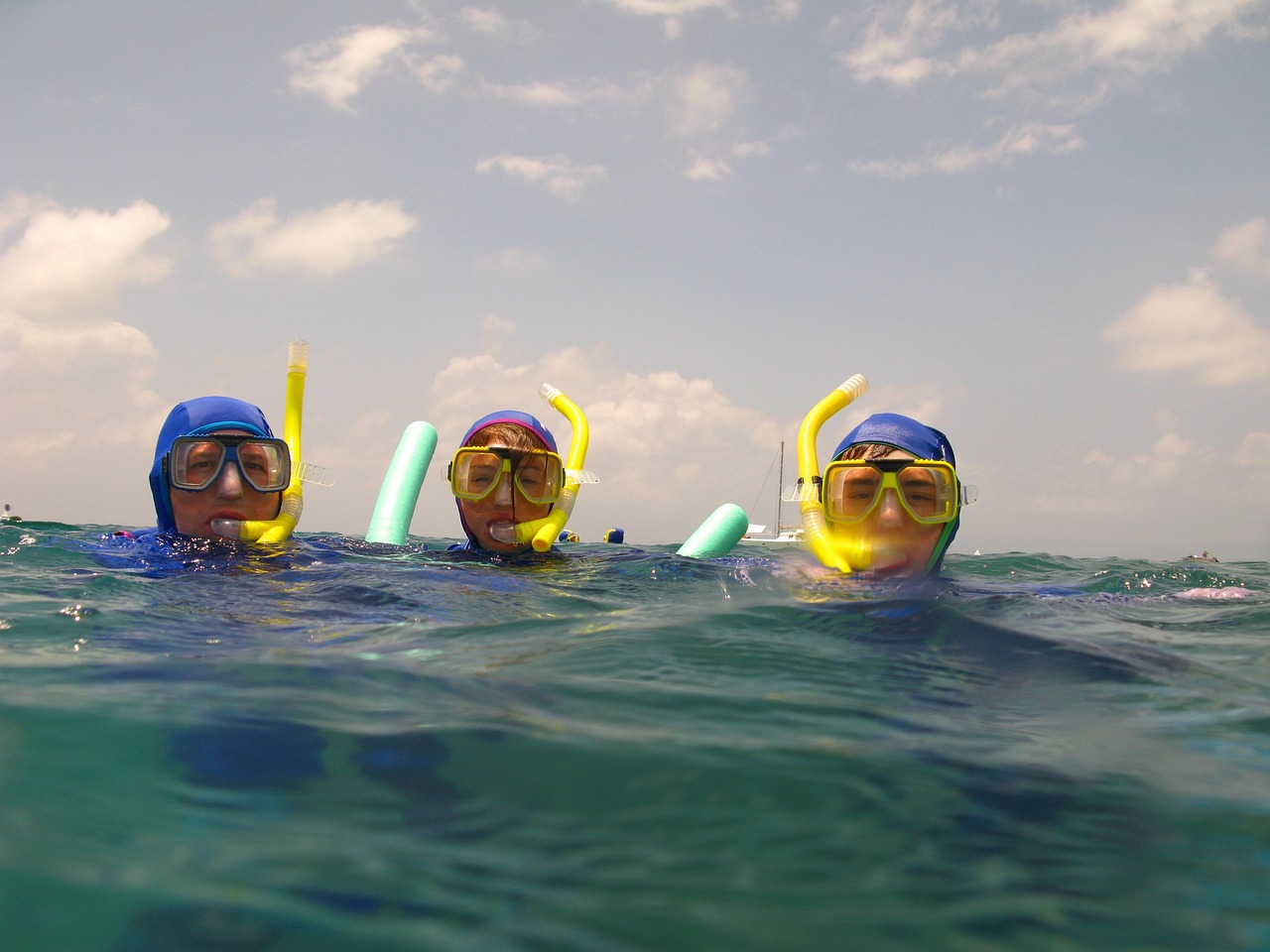
Snorkelling​​​​​​​

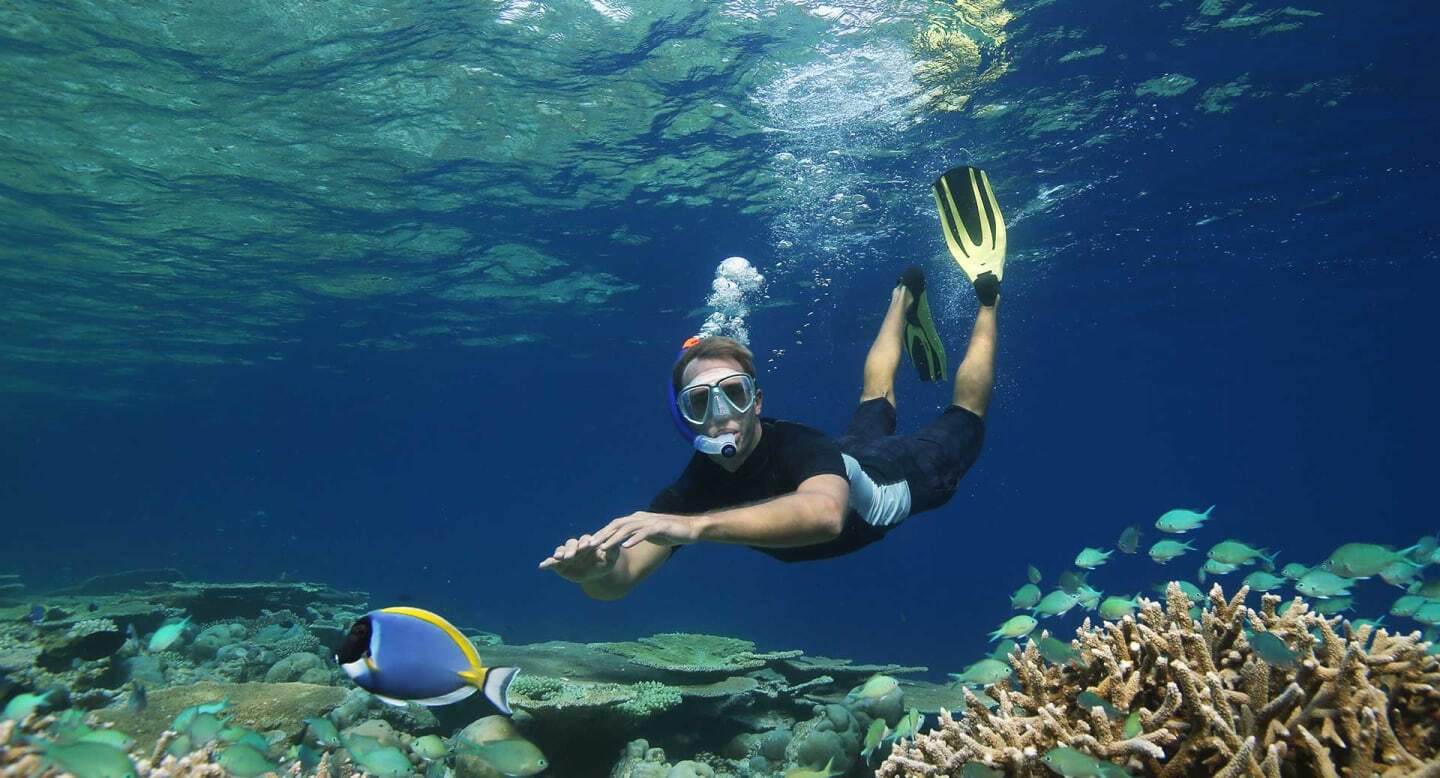
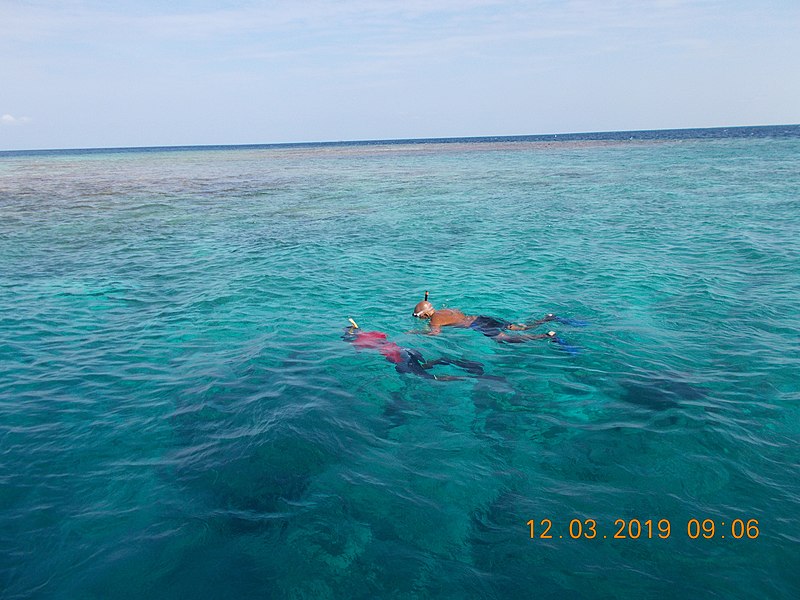
Snorkeling in the Maldives is an activity that allows even non-swimmers to discover the secrets of the underwater world. With just a mask and fins, you can explore the ocean’s depths and cover vast distances, making it one of the top water activities in the Maldives. If you’re staying in a Maldives water villa, such as those found at the Anantara Kihavah Maldives Villas, make sure to make some time for this activity.

Experiencing Maldivian Culture & Life – Captivating Island Insights

For a truly enriching holiday in the Maldives, you should look to experience local culture and life and here are some ways you can do just that.

Image via Anantara Kihavah Maldives Villas

Local Island Visits

While you will no doubt love relaxing at your Maldives pool villa, also make time to visit a local island (if pandemic-related guidelines allow for such excursions). This is an ideal way to soak up the local culture and witness traditional livelihoods; some islands also have museums where you can learn more about the days of old.

Sail the Seas

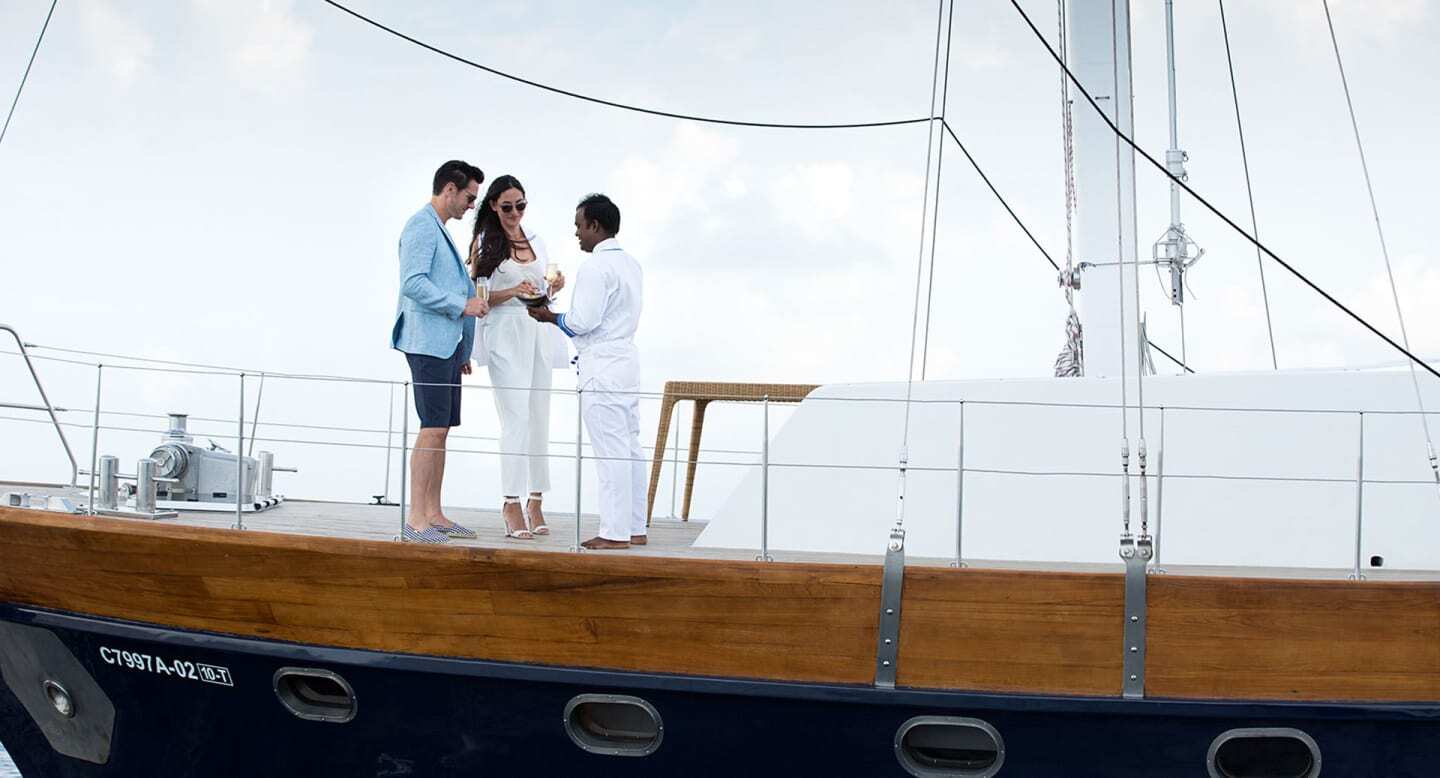
Local life is linked to the sea and fishing and this can be experienced on excursions on a traditional or luxury dhoni, a local boat. Such journeys are offered at resorts like Anantara Kihavah Maldives Villas where one can try traditional Maldivian fishing at sunset; dhonis are ideal to enjoy some dolphin watching too!

Maldivian Cuisine

The cuisine is part of the culture and dishes in Maldives offer flavour-filled culinary discoveries. To help visitors truly gain an appreciation for local food, some resorts have immersive cooking classes worth joining; you will get hands-on guidance on making key main dishes utilising local ingredients or even a traditional dessert.

Below the Waves

The rich marine biodiversity in the Indian Ocean waters that surround the islands here is a part of the country’s natural heritage. Some resorts have a bio centre with a resident marine biologist so that guests can learn about this precious ecosystem, while guided snorkelling and diving are also on offer for marine life encounters.

The best seasons for diving in the Maldives – Know your way around

Diving in the Maldives is a popular pastime and one that calls for careful planning. Provided below are the best times to pay a visit to these awe-inspiring isles for a riveting dive.

Image via pxfuel

Northeast monsoon period

Conducive weather conditions are the need of the hour ahead of any water sporting activity in this part of the world and in the case of scheduling diving expeditions, take note of the northeast monsoon season which descends from December to May. During this time, the winds are calmer which in turn contributes towards sunny skies and pleasing oceans; the perfect combination to delight in some diving. Further, the currents that flow through the atolls from December to March make for excellent visibility, especially if you’ve chosen the eastern atolls as your springboard. The eastern portion of the channels witness sharks congregates whilst western sections can be looked at for manta ray viewing.

Southwest monsoon period

With the advent of the southwest monsoons come June through November, the currents are known to move east within the channels. Importantly, visibility is at its best if one opts to dive in the western parts of the channels. However, you will have to deal with rough seas and stronger winds. In terms of the species that can be spotted, whale sharks, mantas, and turtles are one’s, constant companions.

Where can you stay?

Should you be seeking assistance in planning out a holiday where you can experience such excursions to the deep blue, then it is advisable to check in with properties such as Anantara Kihavah Maldives Villas who will also offer you convenient Maldives pool villa accommodation to come home to.

All You Need to Know About Turtles in Maldives – Conservation Efforts Vital

Amongst the fascinating marine life to encounter in the Maldives are sea turtles and here are some insights into this majestic creature that requires our protection too.

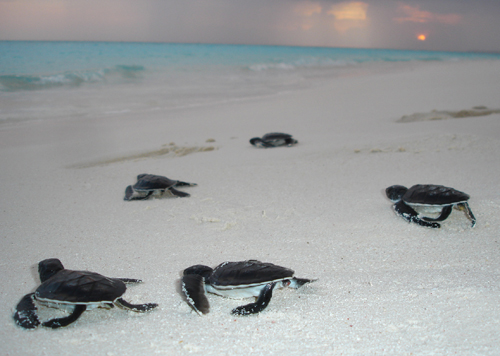
A robustus at en.wikipediaTurtle hatchlings noonu atoll maldivesCC BY-SA 3.0

Overview

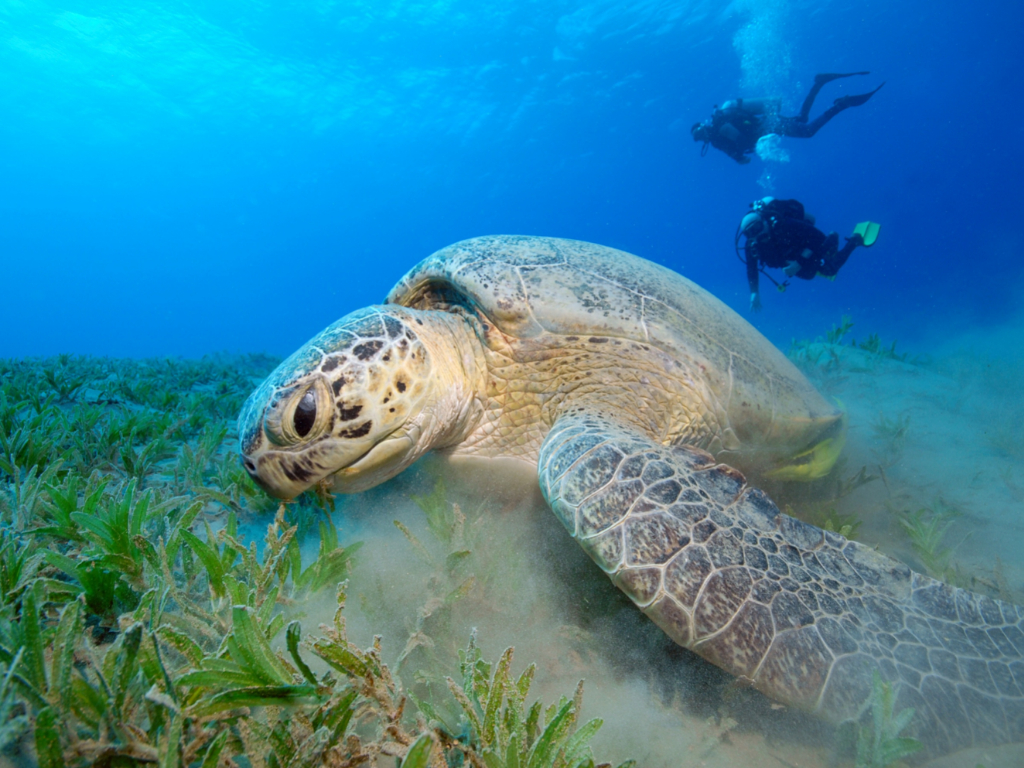
Of the seven sea turtle species in the world’s oceans, five can be spotted in the Maldives. Apart from swimming and feeding in these Indian Ocean waters, they also come ashore to the islands to nest. While they are a vital part of the marine ecosystem, the fact remains that globally, sea turtles are under threat and their numbers dwindling.

Five Species

Hawksbill and green turtles are the most commonly seen in the Maldives. Pool villa accommodation aside, resorts like Anantara Kihavah Maldives Villas even offer special snorkelling excursions to encounter turtles. Leatherback and loggerhead turtles are sometimes spotted in the country as are olive ridley turtles that sadly tend to get caught in ghost fishing nets.

Threats

The export of turtle shells and the production of shell-based items are amongst the major threats to this species along with plastic and fishing nets left in the ocean. While the Maldivian government’s ban on selling turtle products and killing or catching sea turtles has helped, the poaching of turtle eggs still takes place.

Conservation

The good news is organisations such as Marine Savers in the Maldives are actively involved in turtle conservation and help to protect these species; initiatives include rehabilitating turtles that have been injured, protecting nesting sites, releasing baby turtles to the ocean and conducting photo identification and satellite tracking.

Insights into the Shark Season in Maldives – Unforgettable Encounters Await

Amongst the most memorable experiences when snorkelling or diving in Maldives, is the chance to swim with sharks; here’s more on what you need to know.

December to April

The dry season from December to April is the best time to see sharks in general and coincides with the peak tourist season, ideal for snorkelling and diving too. Usually, this period is optimal for shark spotting due to clear weather, calm seas and excellent visibility which combine to offer the perfect setting for encounters.

May to November

While the rainy season from May to November affects some parts, in others, it’s the best for sighting certain shark species. A great example is the Baa Atoll, a UNESCO Biosphere Reserve; from properties here like Anantara Kihavah Maldives Villas, you can go snorkelling at Hanifaru Bay home to whale sharks and manta rays during this time.

Shark Species

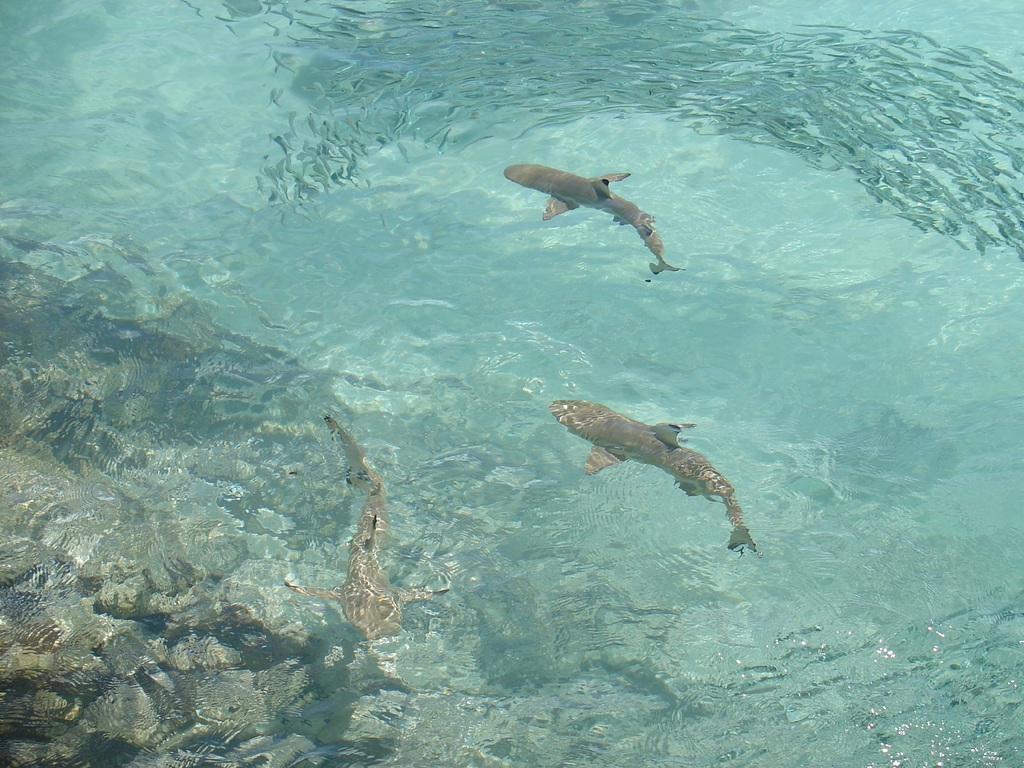
Be it on diving excursions or snorkelling from your over water villas, Maldives shark encounters will be truly enthralling. This Indian Ocean nation has over 20 species of sharks including huge whale sharks; amongst the other popular species to spot are hammerhead, tiger, blacktip, whitetip, nurse and lemon sharks to name a few!

Rudolph.A.furtadoSnorkeling in the Indian Ocean in the Maldives.CC0 1.0

Keep in Mind

Most of the sharks in Maldives are harmless and you do not have to worry about encounters. That said, there are some things you should keep in mind; maintain a sufficient and respectful distance from them, avoid crossing their path, don’t touch them or make sudden movements and avoid using the flash for underwater photography.

Conserving the Marine Treasures of the Maldives – Preserving an Underwater Paradise

While travellers enjoy seeing the array of coral and fish species in Maldives, many are unaware that this marine ecosystem faces threats too. Here’s what you should know.

Climate Change

While the Maldives has strict laws to protect coral and fish species, one thing it has no control over is climate change, especially rises in water temperature which harm reefs the world over; this has a direct impact on marine life that depends on the reefs and in turn, the survival of larger creatures up the food chain.

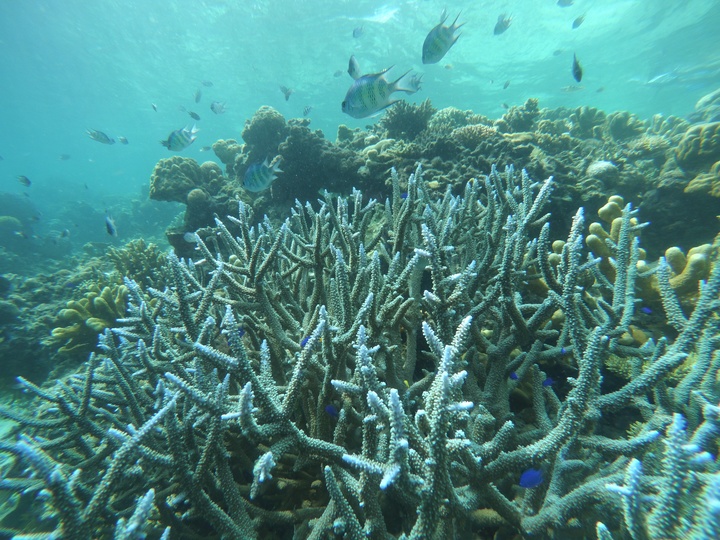
Photo by form PxHere

Coral Conservation

Coral conservation is vital and resorts such as Anantara Kihavah Maldives Villas have initiated coral adoption programmes that travellers can get involved in; apart from enjoying a stay at a Maldives pool villa, guests can help the resort team to transplant broken coral in a reef nursery and get updates on its progress.

Responsible Tourism

Travellers should choose resorts that are vested in conservation including responsible snorkelling and diving in Maldives. Such properties will have a resident marine biologist who will help you get a greater understanding of marine life too; be it swimming with manta rays in Hanifaru Bay or spotting turtles and dolphins, there’s much to enjoy.

Shaping Young Minds

The next generation will also play an important role in marine conservation in Maldives; to this end, some resorts have marine biology courses for kids with a resident marine biologist. It can include fun Indian Ocean adventures where they can see dolphins, swim with turtles, learn about conservation efforts and even get training on diving.