Best Things to Do in the Maldives for an Unforgettable Island Escape: From the Sands to the Sea

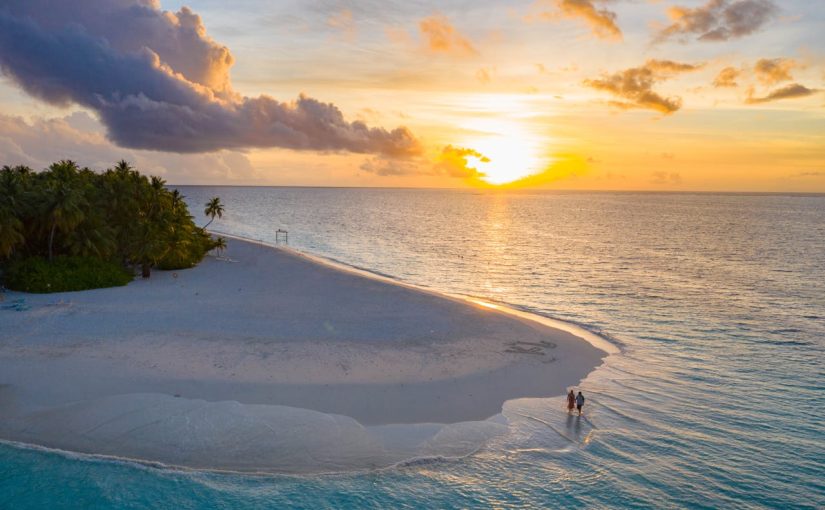
The Maldives is a dream destination filled with unforgettable experiences, from crystal-clear lagoons and white-sand beaches to exciting water adventures and luxurious island relaxation. Whether visitors want to unwind in paradise or explore the ocean, this tropical escape offers something truly special for every traveller.

Discover the Local Side of Malé

Most travellers rush to the resorts. But staying in Malé changes everything. The markets hum with life – vendors shout, colours splash, and prayers echo from mosques. You feel the pulse of real people, not just white sand and turquoise water. You’re not just sightseeing; you’re walking through days that shape the islands’ rhythm.

Enjoy a Luxury Playground

For a more high-end adventure, a Maldives beach club is worth experiencing as well. It can be wonderful to explore the tender luxury these clubs have to offer while indulging in delicious food, music, and a beachfront vibe. It helps that locations such as SO Maldives offer this and so much more.

Explore the Maldives Beneath the Surface

Undoubtedly, the underwater world of the Maldives is one of the most memorable things to see there. Diving and snorkelling let you discover an incredible marine world of vibrant coral reefs, tropical fish, sea turtles and sometimes even large marine animals. The Maldives, with its beginner-friendly lagoons as well as world-famous dive sites, is perfect for anyone wishing to explore the sea.

Try Fresh Seafood and Ocean Adventures

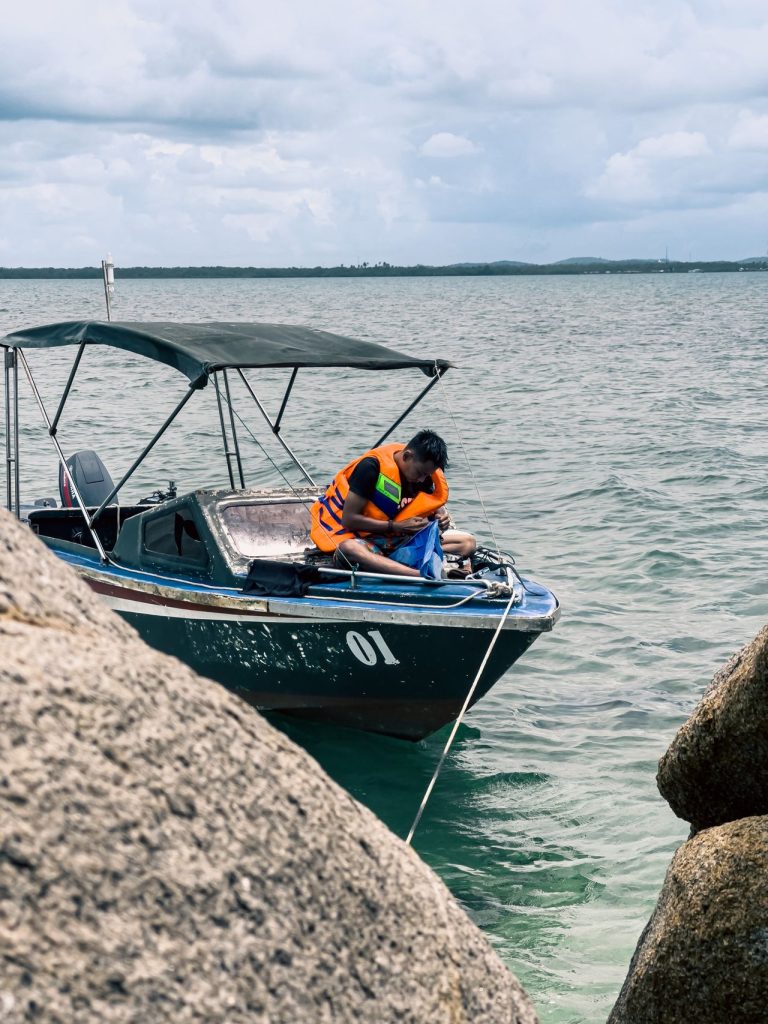
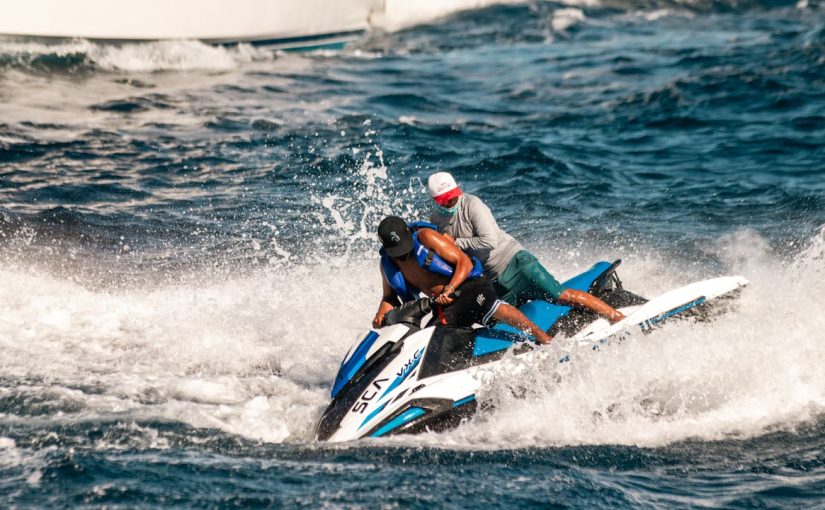
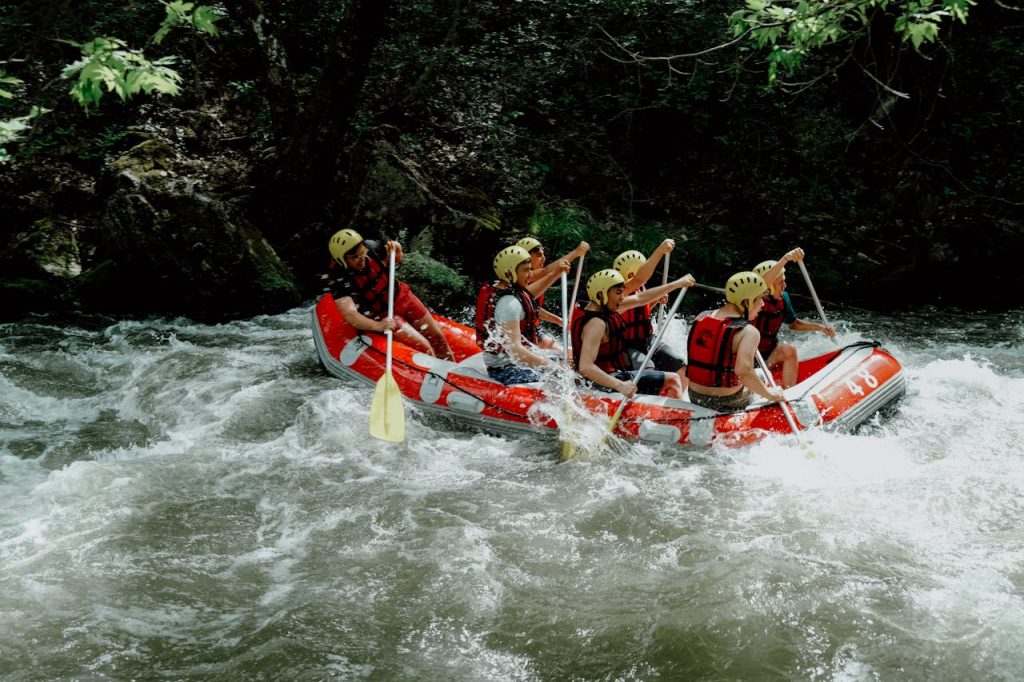
The Maldives offer a wonderful experience of consuming freshly caught seafood and indulging in diverse types of water sports. Visitors may have the pleasure of tasting local recipes using tuna, coconut, and spices, as well as be able to do paddleboarding, kayaking, or jet skiing. This mix of taste and thrill is the secret behind the islands being so alluring and calming simultaneously.

Sunset Cruises and Scenic Ocean Views

Image by pexels

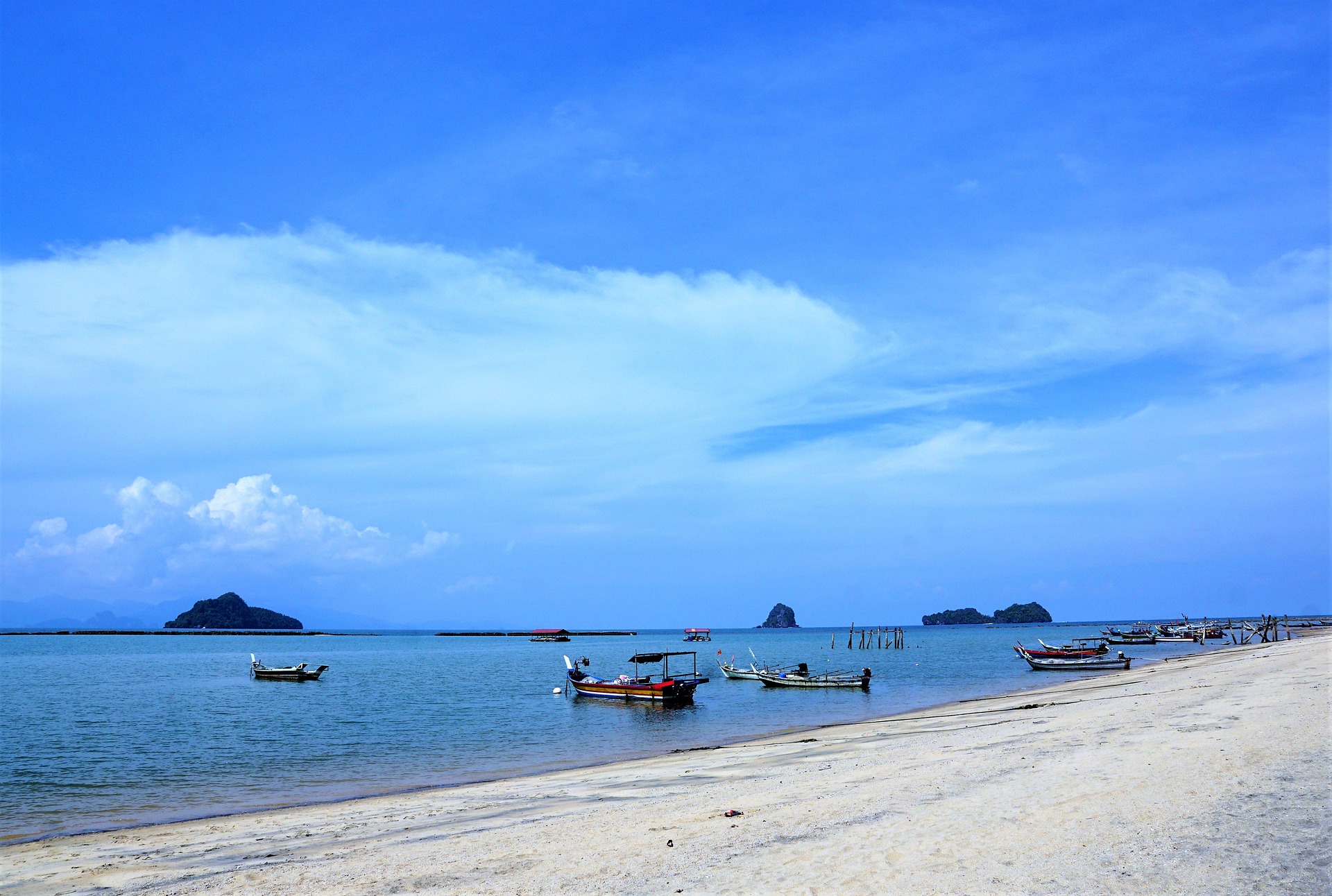
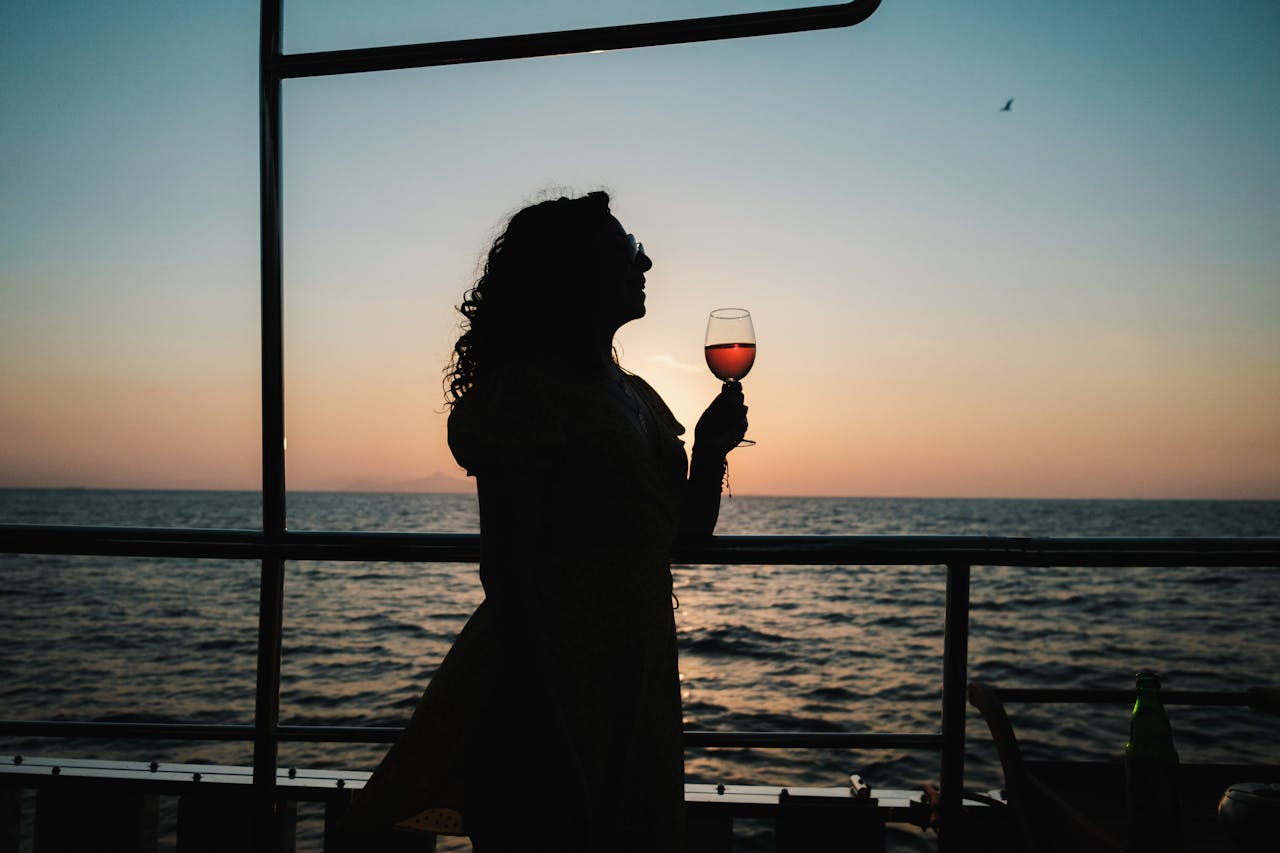
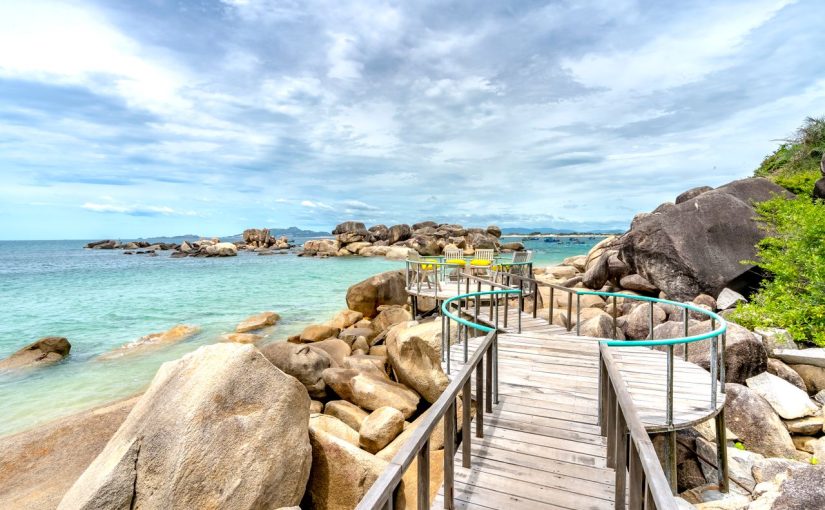
A sunset cruise offers one of the most peaceful, picture-perfect moments in the Maldives. The sky shifts colours as you glide over calm waters, which is a quiet, soothing escape from the beach.

A Day in Vancouver: Exploring the Downtown Area Before Your Cruise

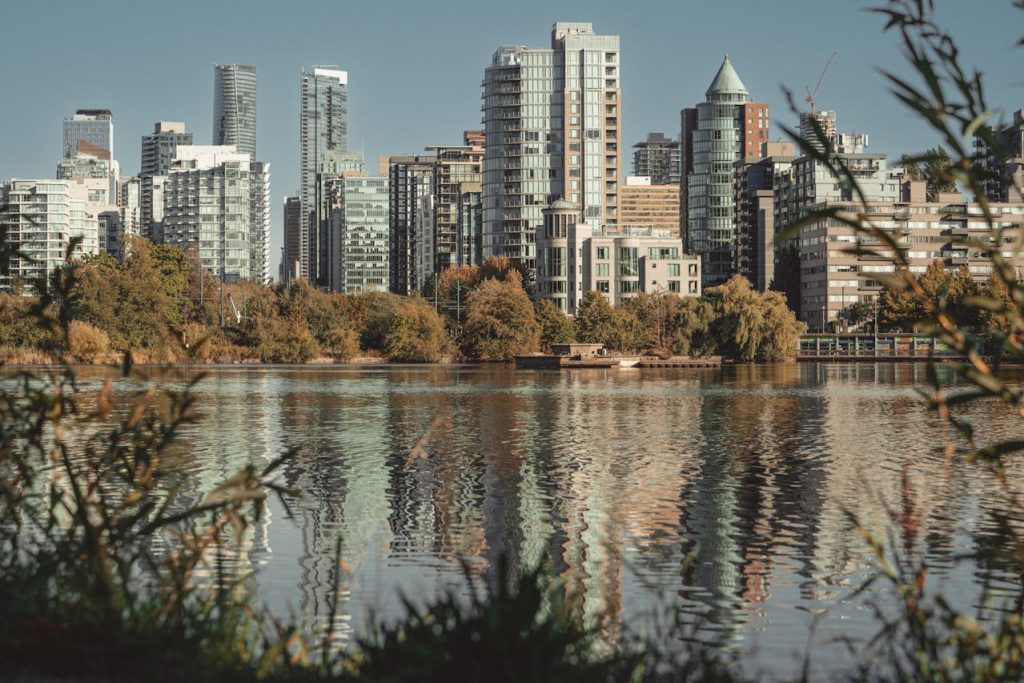
While off-shore destinations in British Columbia are what most travellers look forward to, Vancouver is just as exciting. As the ultimate pre-cruise destination, the city offers a seamless blend of culture, history, and modern flair. If you’re staying at hotels in Downtown Vancouver, BC, before setting sail, here is how to make the most of a day around town.

Visit the Vancouver Art Gallery

Start your morning at the Vancouver Art Gallery, housed in a magnificent neoclassical building. As the largest art museum in Western Canada, it features a rotating selection of world-class exhibitions and a permanent collection highlighting the works of iconic Canadian artist Emily Carr.

Go Sightseeing at the Vancouver Lookout

For the best orientation of the city, head to the Vancouver Lookout, located a short walk from Pan Pacific Vancouver. A glass elevator whisks you 553 feet above the streets to an observation deck offering a 360-degree view. You’ll see the bustling harbour where your cruise ship likely awaits, the sprawling Stanley Park, and the majestic North Shore Mountains.

Explore the Historic Gastown

Just a short walk away is Gastown, Vancouver’s oldest neighbourhood. Walk the cobblestone streets, admire the Victorian architecture, and wait for the famous Steam Clock to whistle. This area is packed with independent boutiques and souvenir shops, which are also perfect for last-minute travel essentials.

Image by pexels

Dine at Yaletown

End your day in Yaletown, a chic district of converted brick warehouses. Its trendy patios and high-end eateries offer everything from fresh Pacific seafood to innovative fusion cuisine. It’s a spot to toast to your upcoming voyage before heading to the terminal.

Hidden Adventures in the UAE for Explorers and Travellers – Exotic Trails Worth Taking

Most journeys through the UAE follow the same familiar routes, from city landmarks to well-known attractions. For travellers willing to wander a little further, the country begins to feel far more surprising.

Wandering Through the Abandoned Village of Al Madam
Al Madam, a village on the outskirts of Sharjah, is gradually disappearing beneath the desert’s embrace. Walking through the empty houses and narrow streets, visitors can see dunes creeping through doorways and across abandoned courtyards.

Climbing the Dunes Around Fossil Rock
Near the Mleiha desert area, Fossil Rock rises from the surrounding sand. Adventurers often climb the nearby dunes for wide desert views and sometimes spot ancient marine fossils embedded in the rock.

Walking the Palm Paths of Al Ain Oasis
In Al Ain, narrow paths wind through thousands of date palms in one of the UAE’s oldest cultivated landscapes. Irrigation channels still carry water through the oasis using traditional farming methods.

Exploring Deira’s Old Trading Streets
Travellers searching for things to do in Ibn Battuta sometimes explore the older district of Deira. Spice sellers, textile traders, and the well-known gold market continue to fill its busy souks.

Discovering the Ibn Battuta District
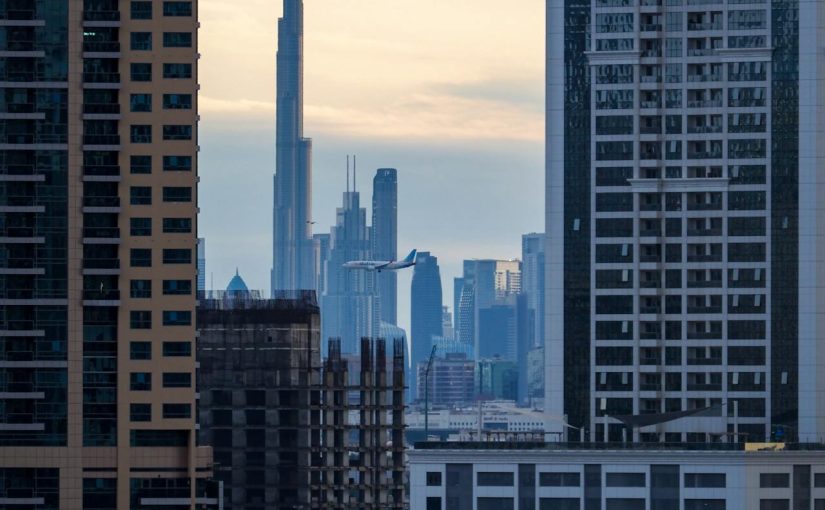
In Dubai’s western districts, areas around Avani Ibn Battuta Hotel sit near transport routes that connect several parts of the city. Exploring this area often leads travellers toward coastal walks, historic neighbourhoods, and desert routes outside Dubai.

Stargazing in the Open Desert

Image by pexels

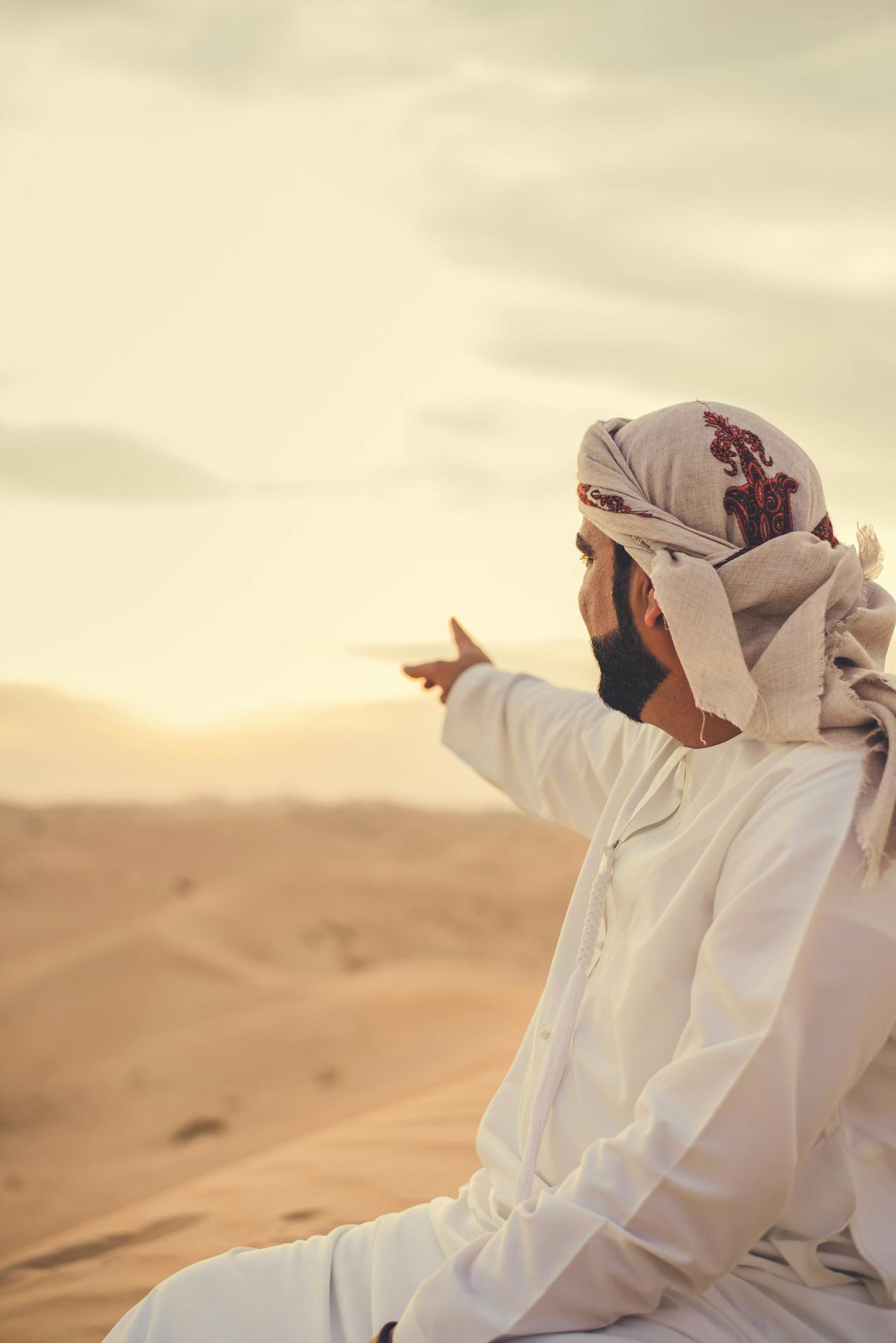
The desert, miles away from the city’s light pollution, becomes a perfect spot for stargazing in the UAE. When the sun sets, the vast dunes offer a clear view of the night sky.

Angkor Thom for Families — Making Temple Visits Easy and Enjoyable

You might think that visiting Angkor Thom with kids is a bit too ambitious, but this ancient walled city is actually one of the most family-friendly archaeological sites you’ll find in Southeast Asia. With its narrow paths to explore and centuries of fascinating stories hidden in every carved wall, it truly captures the imagination of children far more than most people expect.

Start with a Pool and a Plan

It’s really hot in Siem Reap, especially at Angkor, so being able to return to a pool is such a relief. Opting for a hotel in Siem Reap City with a pool means the kids have something to look forward to after a busy morning of sightseeing, which definitely helps keep the whole family in a good mood throughout the day.

Go Early, Go Calm

Get to the temples early, and you’ll find yourself enjoying mostly empty sites before the midday sun starts blazing. Places like FCC Angkor Siem Reap are ideally situated for early risers, so you can easily make your way to the temple complex without any hassle.

Let the Story Lead

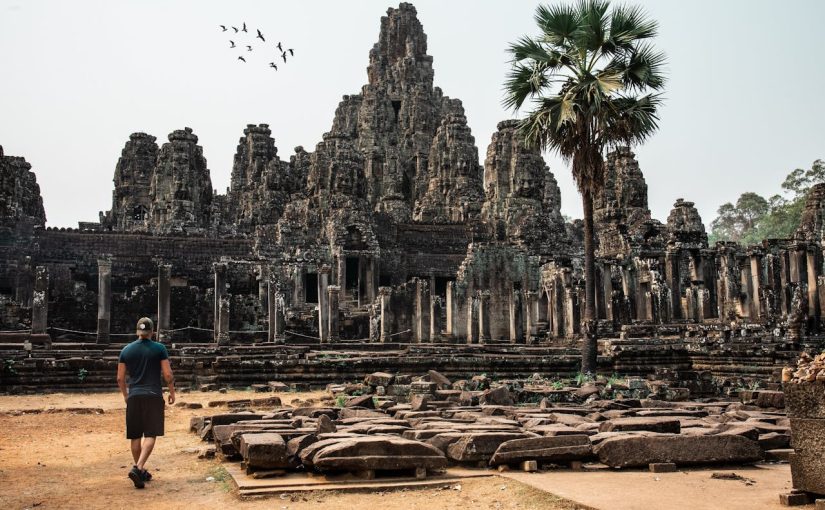
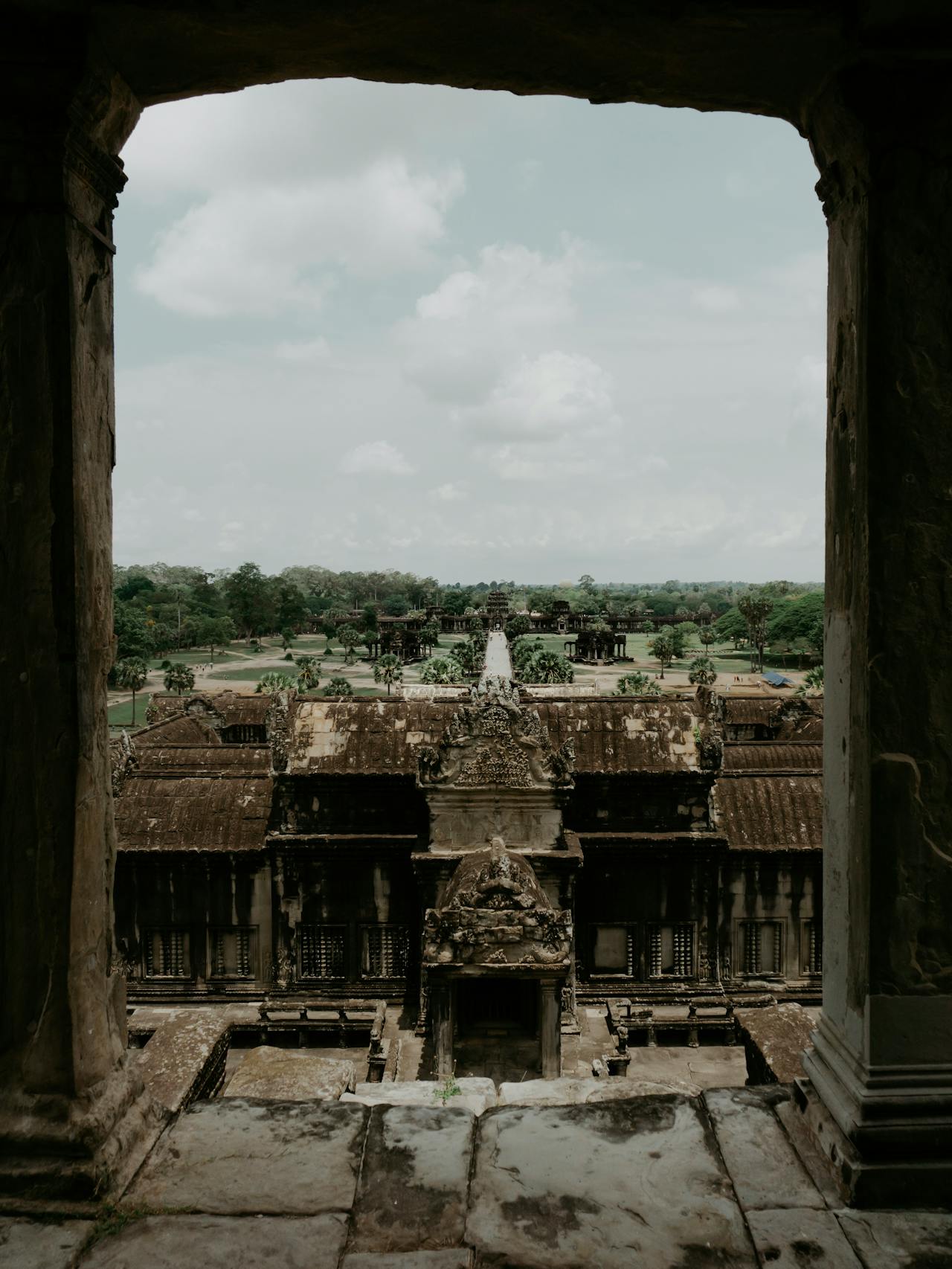
Imagine the ancient trees at Ta Prohm, their roots wrapping around the stones, secret rooms just waiting to be found, and beautiful carvings with stories to uncover. If you dive into the history of the Khmer Kingdom together before you go, it turns your visit into a thrilling treasure hunt rather than a boring history lesson, making sure the kids stay genuinely interested.

Break It Up with Adventure

Image by Pexels

Just a short drive from the temples, Angkor Zipline lets families experience the thrill of soaring over the jungle canopy. It’s the perfect midday break that not only excites the kids but also gives parents a chance to unwind for the rest of the day. With a three-day pass, you can take your time and explore at a leisurely pace without feeling rushed.

Life on Water — Exploring Mechrey Floating Village in Cambodia

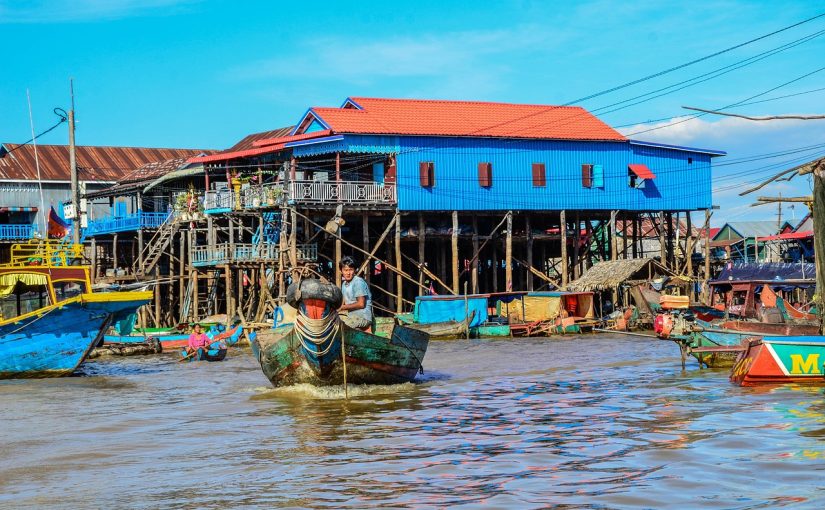
Cambodia is a country full of surprises, and you can really feel that magic on the sparkling waters of the Tonlé Sap. A brief drive from Siem Reap brings you to Mechrey Floating Village, where the residents have crafted a life on the lake, turning it into their home, their work, and a piece of their history.

A Village That Thrives

Mechrey isn’t merely a tourist destination trying to catch your eye; it’s a thriving community that pulses with life. The Khmer people here have embraced an aquatic way of life, and the clever designs of their floating homes tell a powerful story of resilience that has been passed down through generations.

Farms, Fish, and Fascinating Wildlife

Among the many things to do in Siem Reap, a boat tour through Mechrey stands out as one of the most fulfilling experiences. You can meander through colourful lotus farms, bustling duck farms, and intriguing crocodile enclosures, each offering a unique insight into the local farming practices.

Culture Served on a Platter

If you find yourself at a hotel in Siem Reap, like the Anantara Angkor Resort, you can easily set up a half-day trip to Mechrey and still make it back in time to catch a beautiful sunset. While you’re out on the water, adventurous souls can try deep-fried crickets, all while discovering how Khmer culinary traditions have made the most of the land’s plentiful resources.

Birdwatchers’ Paradise

Image by Jill Wellington from Pixabay

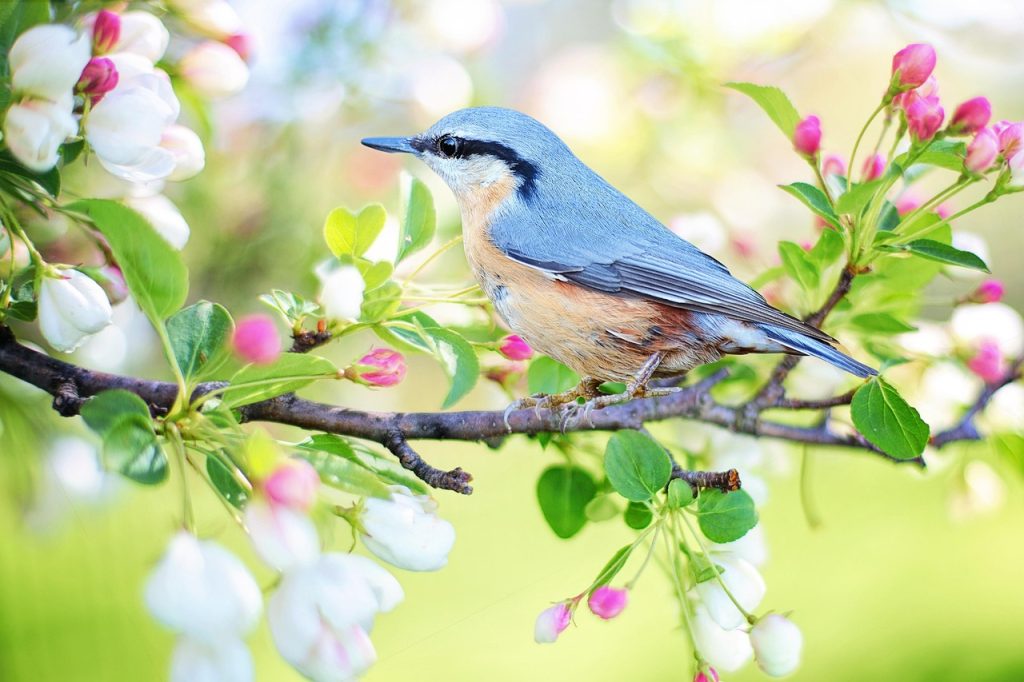
As boats glide through the village, the lake turns into a birdwatcher’s dream. Herons, kingfishers, and some rare migratory species can be seen along the waterways, making Mechrey a tranquil spot for those who cherish the easygoing rhythms of nature.

Beyond the Tourist Trail: How to Find a Deeper Cultural Connection on the Mekong River

The Mekong River serves as the lifeblood of Southeast Asia, a complex hydrological artery sustaining millions through agriculture, spirituality, and trade. To move beyond superficial tourism, travellers must adopt an ethnographic perspective, seeking the nuanced rhythms of the river’s riparian communities.

Navigating the Tributary Networks

Authentic immersion begins where the main shipping lanes end. While large-scale vessels offer convenience, a Mekong private tour provides the agility required to penetrate the delta’s intricate “arroyos”. These smaller craft allow for spontaneous stops at stilt-house villages, where the economy remains tied to seasonal flooding and artisanal fishing rather than souvenir sales.

Curated Cultural Architecture

Selecting a vessel that prioritises heritage over high-volume transit is essential for a sophisticated journey. For instance, operators like Mekong Kingdoms design their vessels to mirror local aesthetics, providing a floating platform for high-level cultural exchange. This approach ensures that your presence supports the preservation of regional art and architecture rather than its dilution.

The Ephemeral Floating Markets

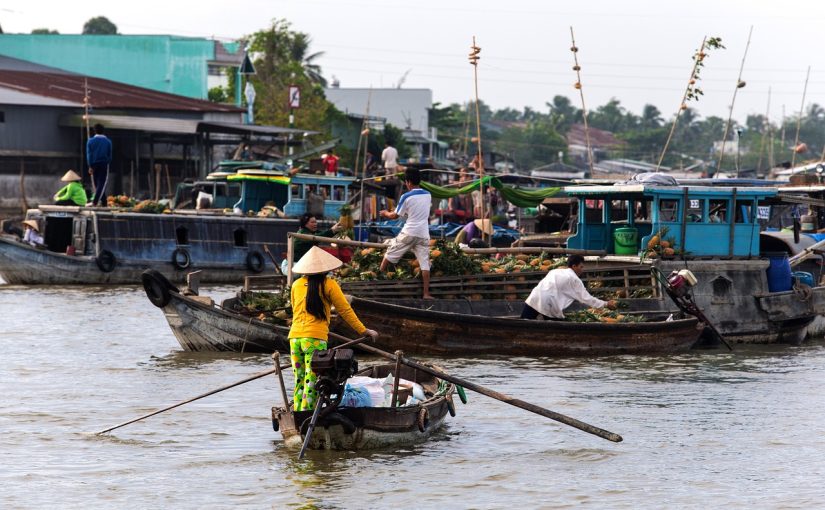
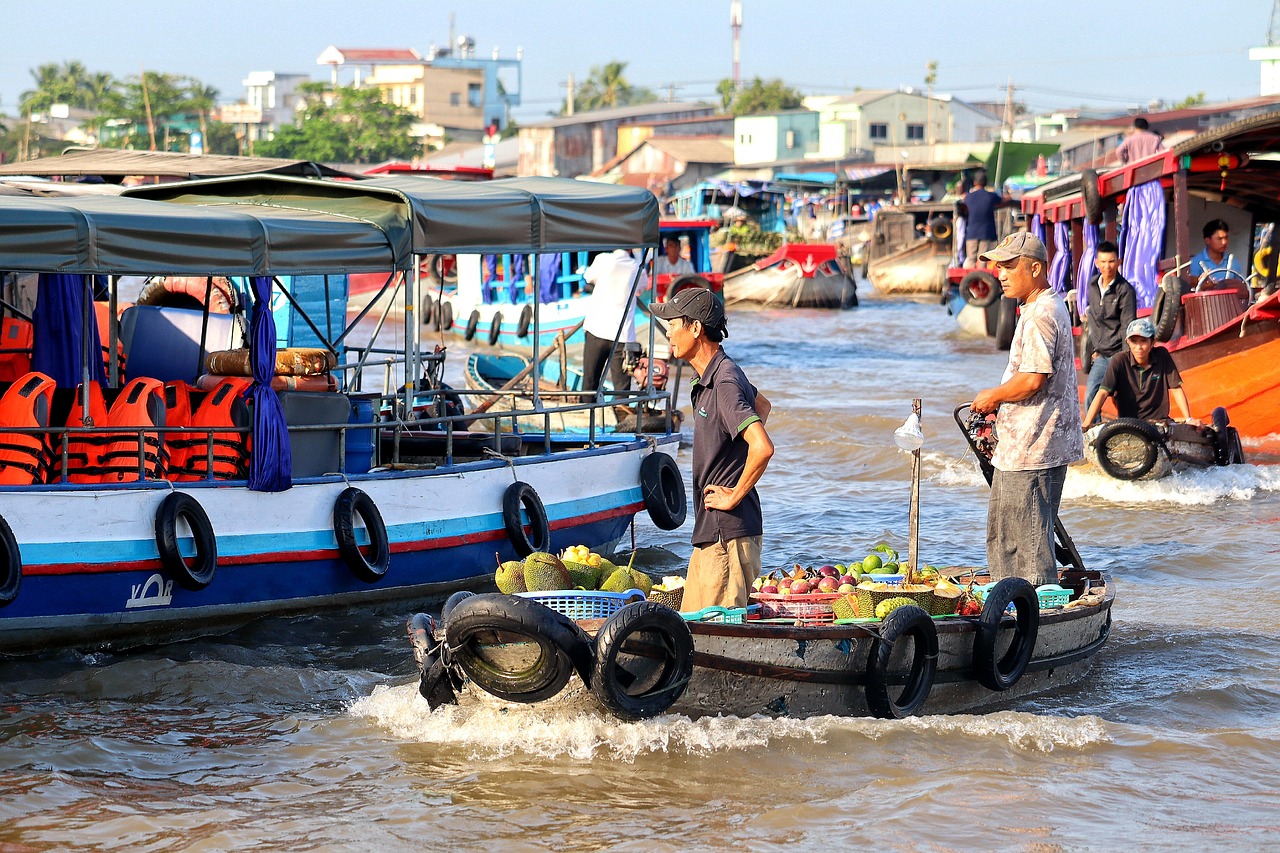
The floating markets of the Mekong are not merely spectacles but vital commercial hubs. Observing the “cay beo”, bamboo poles displaying the day’s produce, reveals a sophisticated system of non-verbal trade. Engaging with these markets at dawn offers a raw look at the region’s agricultural wealth and the resilience of its water-borne merchants.

Image by Thomas G. from Pixabay

Rituals of the Riparian Landscape

Deep connection is often found in the silence of the river’s spiritual geography. Whether observing the meditative “Tak Bat” (alms-giving) in Luang Prabang or visiting centuries-old brick kilns in Vinh Long, these encounters demand a slow pace. By honouring the river’s natural tempo, the traveller shifts from a passive observer to a witness of a living history.

Palm Jumeirah Bucket List: Experiences You Can’t Miss

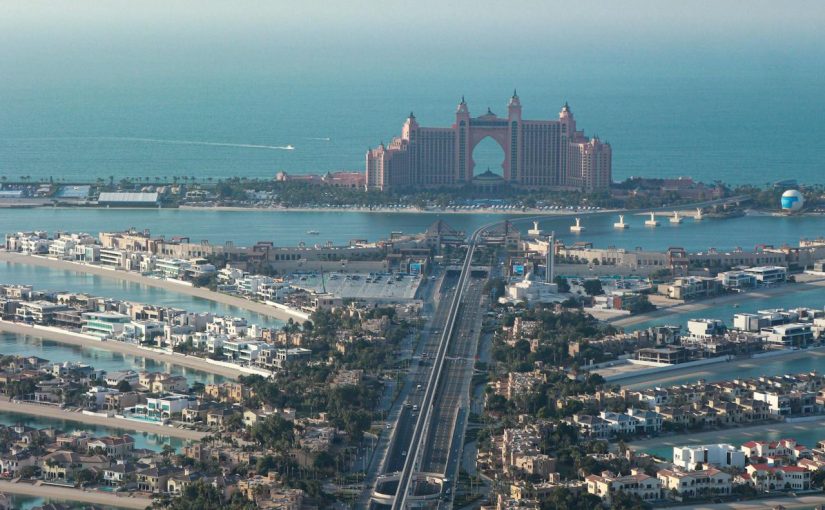
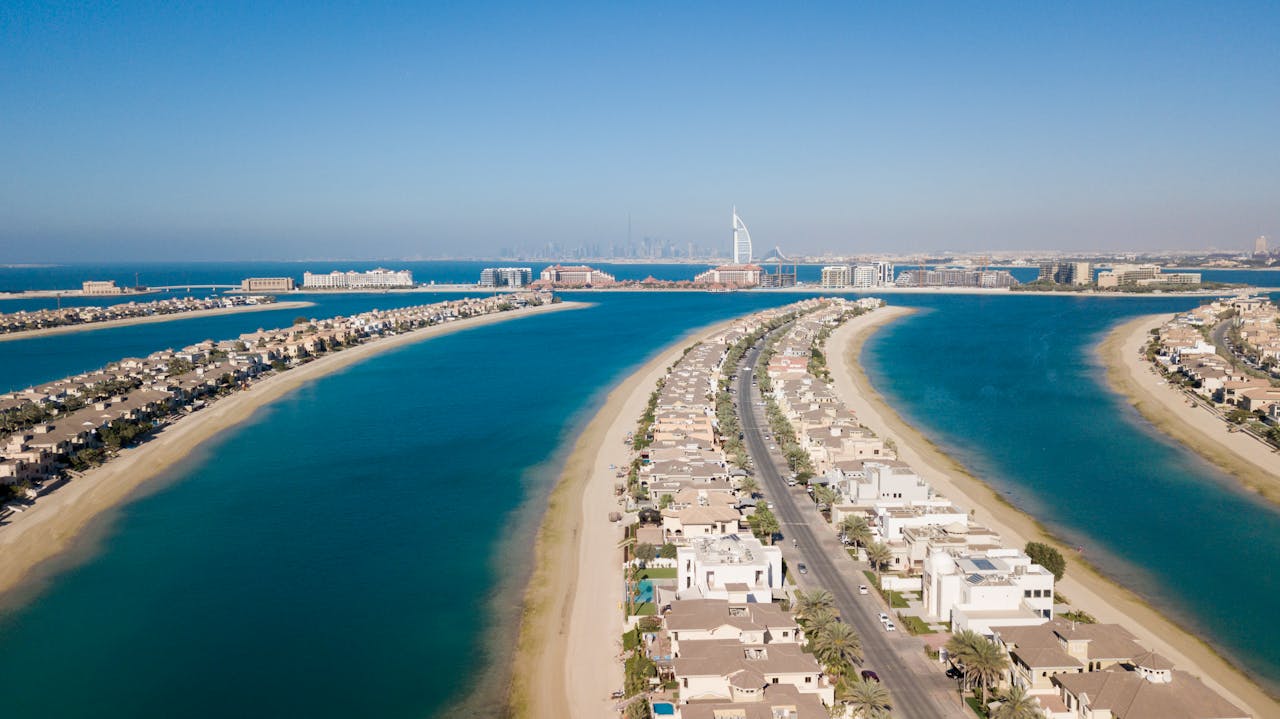
Palm Jumeirah is one of Dubai’s best-known landmarks — a man-made island shaped like a palm tree that’s become synonymous with luxury and waterfront living. It mixes relaxed beach time with high-end entertainment and fantastic views of the Arabian Gulf, so whether you’re after downtime or excitement, you’ll find something to suit your mood. Here are some highlights to put on your itinerary.

See the island from The View at The Palm

To really grasp the scale and shape of Palm Jumeirah, head up to The View at The Palm on the 52nd floor of The Palm Tower. The observation deck gives sweeping panoramas of the island, the Dubai skyline and the sea beyond. It is one of the best things to see and do in Dubai.

Enjoy private beaches

Many of these luxury hotels have their own private beaches where you can relax in peace and tranquillity, away from the crowds. The sand is soft, and the sea is crystal clear, making it perfect for some sunbathing, swimming, and even trying your hand at paddleboarding. There are also beach clubs and cafes in the area where you can spend a leisurely day by the sea.

Stay at a luxury island resort

For a full-on indulgent experience, book a stay at one of Palm Jumeirah’s beachfront resorts. Properties like Anantara The Palm Dubai Resort offer overwater villas, spa treatments and private lagoons — a tropical-feel escape without leaving the city. Staying on the island also puts you minutes from Dubai’s main sights while giving you a peaceful base to return to.

Image by Pexels

Dine and unwind at world-class restaurants and beach clubs

Palm Jumeirah is home to a wide range of dining options, from casual seaside cafés to upscale restaurants led by internationally known chefs. Beach clubs add lively daytime and evening scenes with music, pools and ocean views, so meals and nights out here often feel a bit more special thanks to the setting.

Mirissa Magic: Why This Sri Lankan Paradise Is a Global Whale Watching Hotspot

Amazing encounters with majestic blue whales and playful dolphins in their natural habitat can be experienced at one of the world’s top whale-watching destinations, Mirissa, Sri Lanka. With warm seas and local expertise, it guarantees you a marine adventure of a lifetime.

Blue Whales: The Giants of the Deep

Among the places to visit in Mirissa, a spot to whale watch should be on top of anyone’s itinerary. Mirissa ranks among the top locations globally for witnessing the spectacular blue whale in the wild. The blue whale, the largest animal on the planet, migrates through Sri Lankan waters all year round. It’s really an amazing experience to see a blue whale come up for air just a few metres away.

High Chances of Sightings

The continental shelf breaking off from Mirissa is a steep one, and deep water can be found very close to the shore. The area is particularly attractive to whales and dolphins due to this unique geography, and hence, there is a higher chance of spotting them. Numerous tourists are fortunate enough to see more than one species on their outing. To make things easier, consider an accommodation in Mirissa, such as Muthu Nila Villas, for shorter trips to the shoreline.

Ideal Climate and Expert Tours

Due to its warm tropical climate, Mirissa whale watching is a lovely experience filled with comfort. Usually, the best time or season for whale watching is from November to April when the sea is calm, and the sky is clear. Professional tour operators provide visitors with safe, ethical and educational experiences.

More Than Just Whales

Image of pexels

But that’s not all! Mirissa’s marine environment is teeming with life. Besides blue whales, whale watchers often come across other species like sperm whales, fin whales, and even large pods of the very playful dolphins. What makes each trip truly thrilling is the fact that the Indian Ocean is so huge, and there is so much that is yet to be discovered.

Kbal Spean in Cambodia – A Captivating Journey to a Hidden Gem

Hidden within the jungle-covered Kulen Hills, around 50 kilometres northeast of Siem Reap, Kbal Spean is one of Cambodia’s most remarkable archaeological treasures. Also known as the ‘River of a Thousand Lingas’, this sacred Angkorian-era site perfectly combines natural beauty with ancient spirituality. Kbal Spean, with its flowing water, lush jungle, and centuries-old carvings, is a captivating destination for travellers seeking a deeper understanding of Cambodia’s spiritual heritage.

The Sacred River of a Thousand Lingas

As one of the most fascinating Siem Reap attractions, the most distinctive feature of Kbal Spean is the hundreds of lingas carved directly into the riverbed. These sacred symbols represent the creative power of Shiva in Hindu faith. Arranged in precise grid patterns across the sandstone floor, the carvings stretch for nearly 200 metres along the stream. As water flows over the lingas, it is believed to be blessed, carrying sacred energy downstream to the temples and rice fields of Angkor.

Mythological Stories Carved in Stone

Beyond the lingas, Kbal Spean features detailed carvings of Hindu deities and mythological scenes. Visitors can find depictions of Vishnu reclining on the serpent Ananta as well as ones where he is accompanied by his consort Lakshmi. These artistic representations reflect the deep influence of Hinduism during the Angkorian period. Travellers exploring nearby heritage sites or planning their stay at hotels such as FCC Angkor by Avani will often discover that Kbal Spean offers a unique blend of history, spirituality, and natural beauty.

Image by pexels

A Sanctuary Rooted in Angkorian History

The carvings at Kbal Spean date back to the 11th and 12th centuries during the height of the Khmer Empire. The project began under King Suryavarman I and flourished during the reign of King Udayadityavarman II. In 1059, the king consecrated a golden linga at the site, further highlighting its spiritual significance.

A Scenic Jungle Journey

Reaching Kbal Spean requires a scenic 1.5-kilometre hike through lush forest trails in Phnom Kulen National Park. The walk itself adds to the experience, as visitors pass through dense vegetation before reaching the sacred river. The best time to visit is between November and April, when water levels are lower, making the carvings beneath the flowing stream more visible.