Mirissa Magic: Why This Sri Lankan Paradise Is a Global Whale Watching Hotspot

Amazing encounters with majestic blue whales and playful dolphins in their natural habitat can be experienced at one of the world’s top whale-watching destinations, Mirissa, Sri Lanka. With warm seas and local expertise, it guarantees you a marine adventure of a lifetime.

Blue Whales: The Giants of the Deep

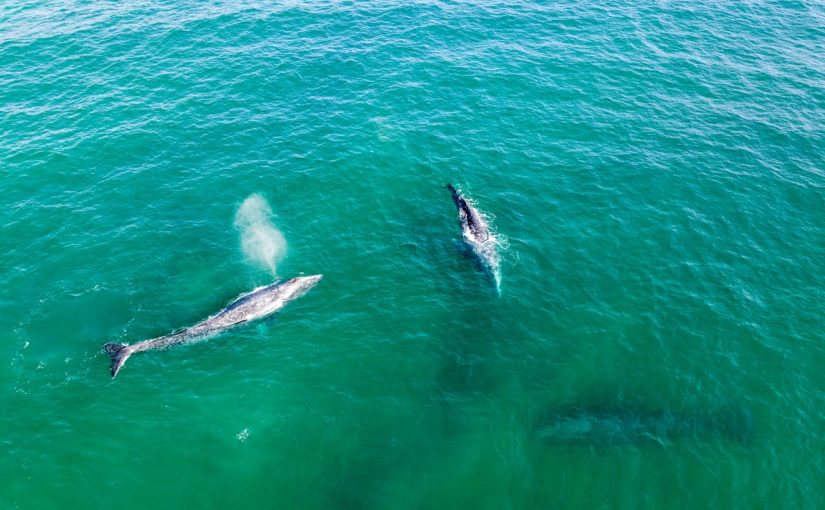
Among the places to visit in Mirissa, a spot to whale watch should be on top of anyone’s itinerary. Mirissa ranks among the top locations globally for witnessing the spectacular blue whale in the wild. The blue whale, the largest animal on the planet, migrates through Sri Lankan waters all year round. It’s really an amazing experience to see a blue whale come up for air just a few metres away.

High Chances of Sightings

The continental shelf breaking off from Mirissa is a steep one, and deep water can be found very close to the shore. The area is particularly attractive to whales and dolphins due to this unique geography, and hence, there is a higher chance of spotting them. Numerous tourists are fortunate enough to see more than one species on their outing. To make things easier, consider an accommodation in Mirissa, such as Muthu Nila Villas, for shorter trips to the shoreline.

Ideal Climate and Expert Tours

Due to its warm tropical climate, Mirissa whale watching is a lovely experience filled with comfort. Usually, the best time or season for whale watching is from November to April when the sea is calm, and the sky is clear. Professional tour operators provide visitors with safe, ethical and educational experiences.

More Than Just Whales
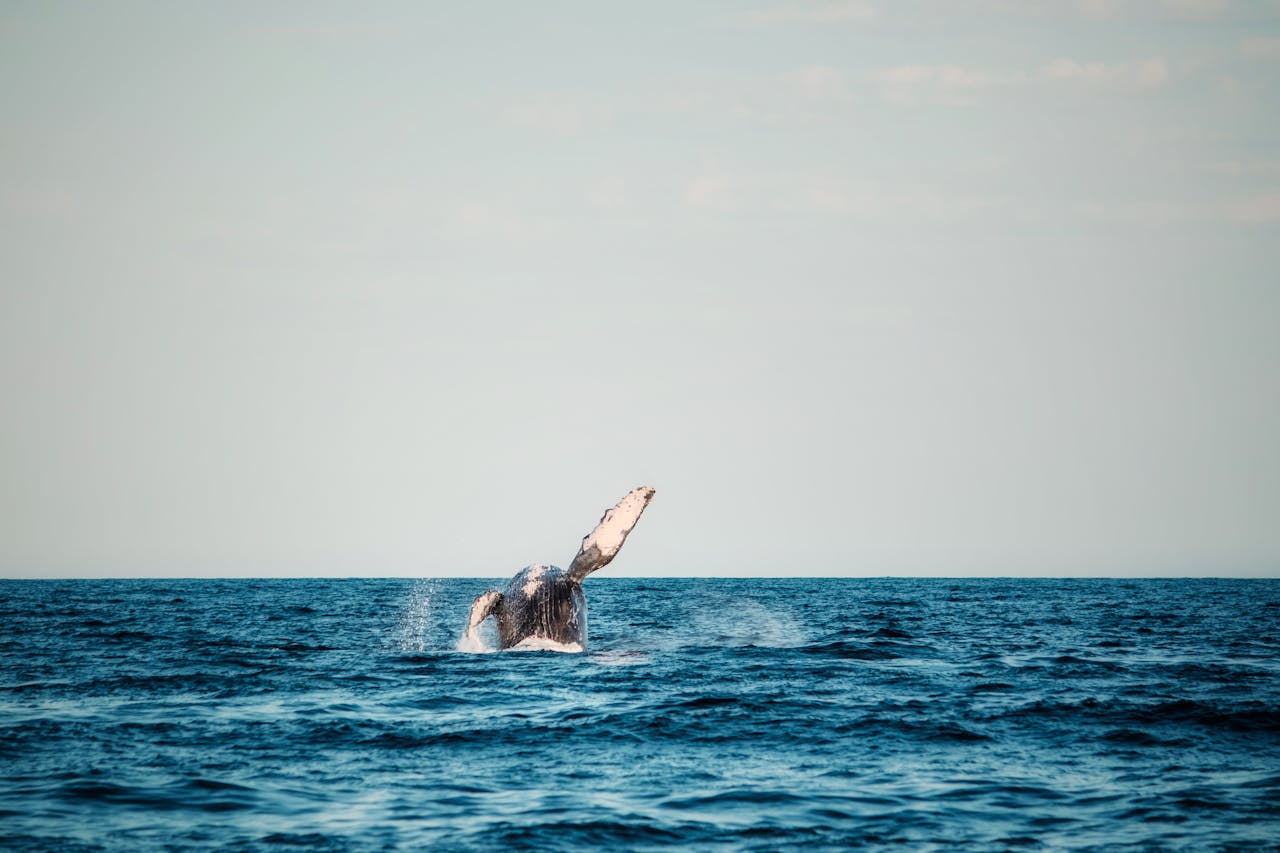
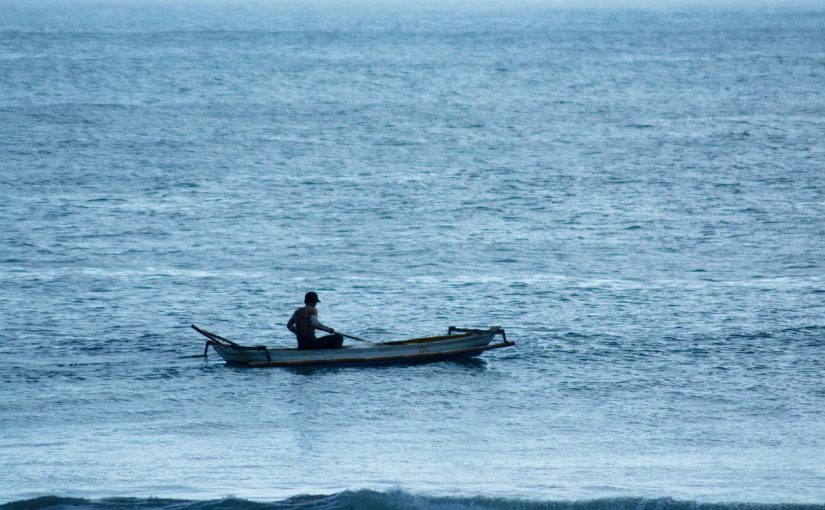
Image of pexels

But that’s not all! Mirissa’s marine environment is teeming with life. Besides blue whales, whale watchers often come across other species like sperm whales, fin whales, and even large pods of the very playful dolphins. What makes each trip truly thrilling is the fact that the Indian Ocean is so huge, and there is so much that is yet to be discovered.
Kbal Spean in Cambodia – A Captivating Journey to a Hidden Gem

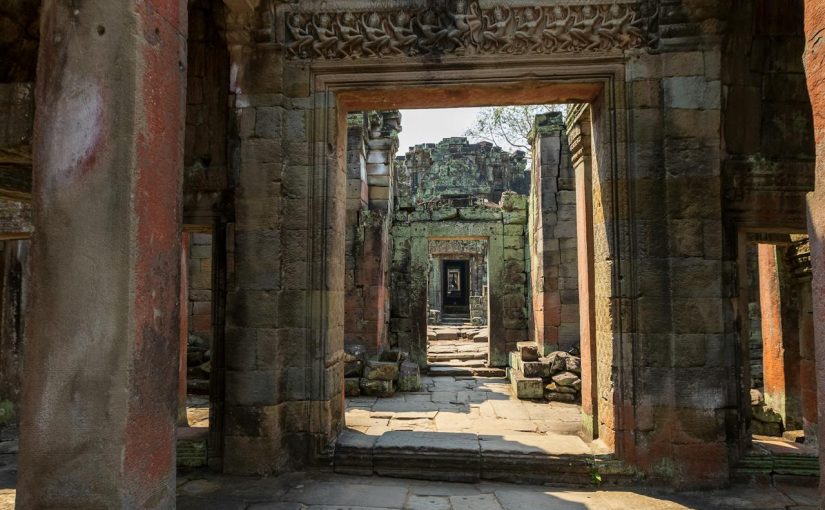
Hidden within the jungle-covered Kulen Hills, around 50 kilometres northeast of Siem Reap, Kbal Spean is one of Cambodia’s most remarkable archaeological treasures. Also known as the ‘River of a Thousand Lingas’, this sacred Angkorian-era site perfectly combines natural beauty with ancient spirituality. Kbal Spean, with its flowing water, lush jungle, and centuries-old carvings, is a captivating destination for travellers seeking a deeper understanding of Cambodia’s spiritual heritage.

The Sacred River of a Thousand Lingas

As one of the most fascinating Siem Reap attractions, the most distinctive feature of Kbal Spean is the hundreds of lingas carved directly into the riverbed. These sacred symbols represent the creative power of Shiva in Hindu faith. Arranged in precise grid patterns across the sandstone floor, the carvings stretch for nearly 200 metres along the stream. As water flows over the lingas, it is believed to be blessed, carrying sacred energy downstream to the temples and rice fields of Angkor.

Mythological Stories Carved in Stone

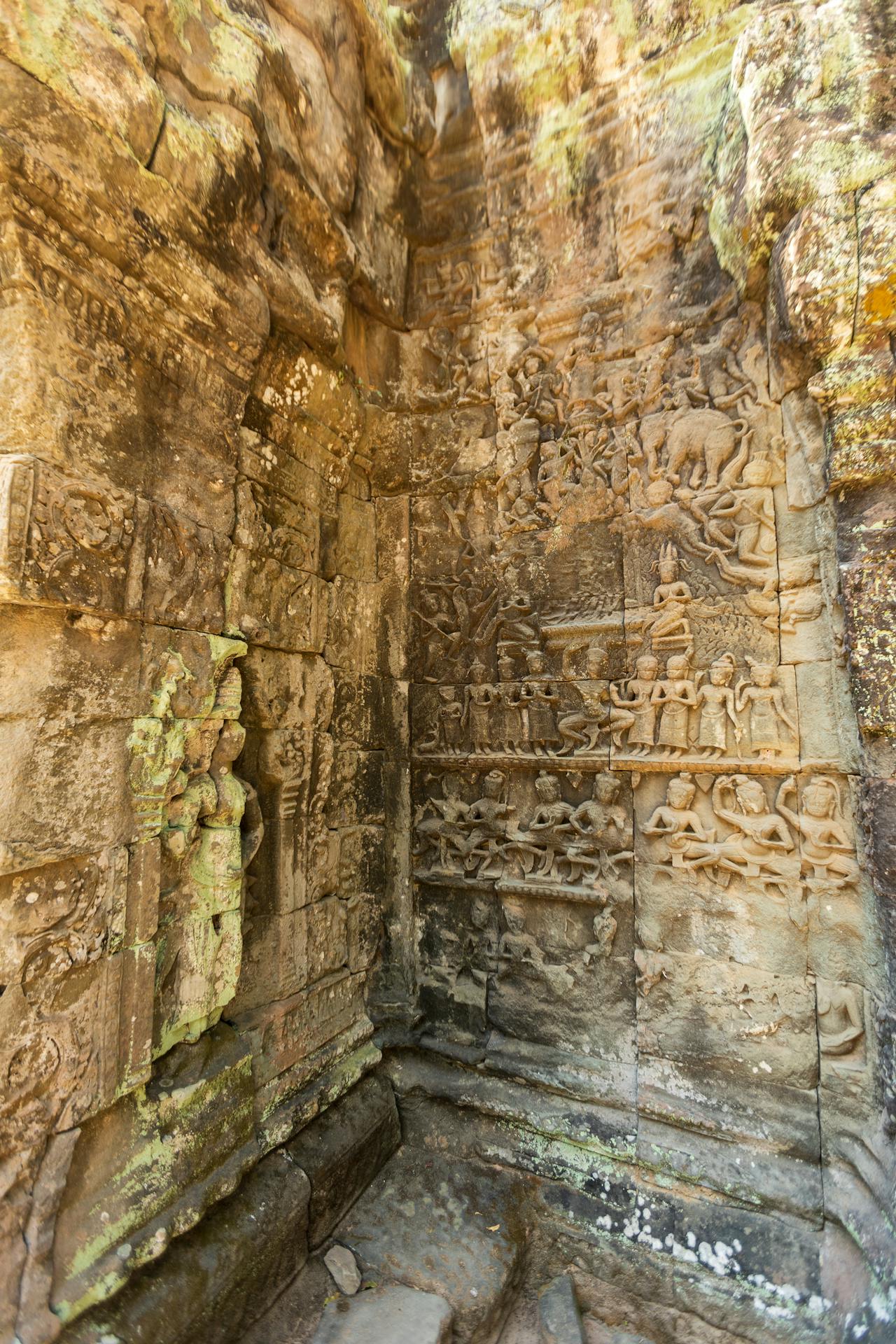
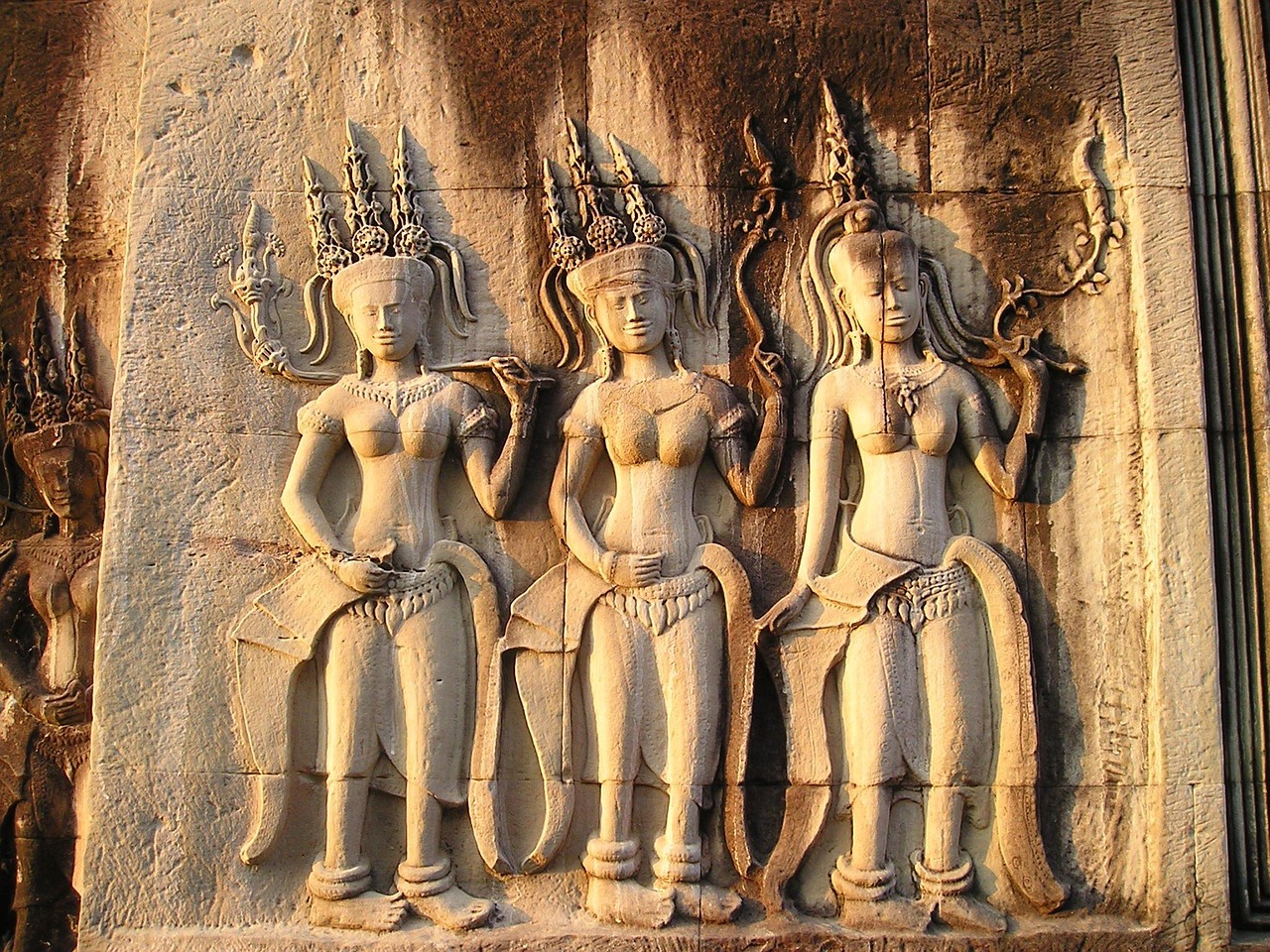
Beyond the lingas, Kbal Spean features detailed carvings of Hindu deities and mythological scenes. Visitors can find depictions of Vishnu reclining on the serpent Ananta as well as ones where he is accompanied by his consort Lakshmi. These artistic representations reflect the deep influence of Hinduism during the Angkorian period. Travellers exploring nearby heritage sites or planning their stay at hotels such as FCC Angkor by Avani will often discover that Kbal Spean offers a unique blend of history, spirituality, and natural beauty.

Image by pexels

A Sanctuary Rooted in Angkorian History

The carvings at Kbal Spean date back to the 11th and 12th centuries during the height of the Khmer Empire. The project began under King Suryavarman I and flourished during the reign of King Udayadityavarman II. In 1059, the king consecrated a golden linga at the site, further highlighting its spiritual significance.

A Scenic Jungle Journey

Reaching Kbal Spean requires a scenic 1.5-kilometre hike through lush forest trails in Phnom Kulen National Park. The walk itself adds to the experience, as visitors pass through dense vegetation before reaching the sacred river. The best time to visit is between November and April, when water levels are lower, making the carvings beneath the flowing stream more visible.

Enjoying Island Hopping in Thailand – Indulge in an Absorbing Tropical Adventure

During your visit to Thailand, you may go island hopping and experience a number of alluring islands; you may also engage in activities like diving, hiking, fishing and kayaking at them.

Phi Phi Islands 

On your island-hopping excursion, you can visit the Phi Phi Islands, which present an alluring sight for the traveller. You may explore Koh Phi Phi Don, where you can look forward to sublime shorelines, along with beach parties, restaurants and bars. Meanwhile, Koh Phi Phi Ley is known for its lofty limestone cliffs, lush greenery, shimmering blue waters and marine life.

Four Islands 

When you are in Ao Nang, things to do like visiting the captivating Four Islands are outstanding experiences for island hoppers. These islands present enticing attractions like distinctive rock formations, sandy white beaches and clear waters. You may engage in activities such as sunbathing, swimming, snorkelling and exploration here.  An accommodation choice to consider from which you can set off on such escapades is Avani Ao Nang Cliff Krabi Resort.  

Hong Islands

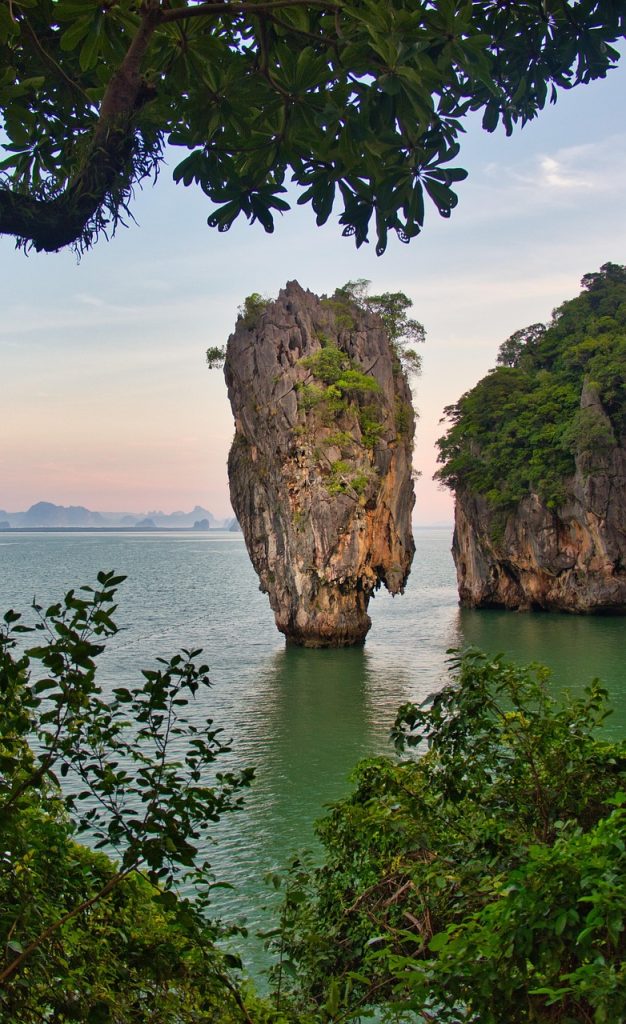
Another outstanding island-hopping destination in the area of the Andaman Sea is the striking Hong Islands. The largest islet in this group is Hong Island, which happens to be known for its pleasant sandy beaches, emerald waters and enthralling lagoon, which is surrounded by limestone cliffs. Meanwhile, Lading Island and Pakbia Island are also tranquil and charming places to visit.

Phuket 

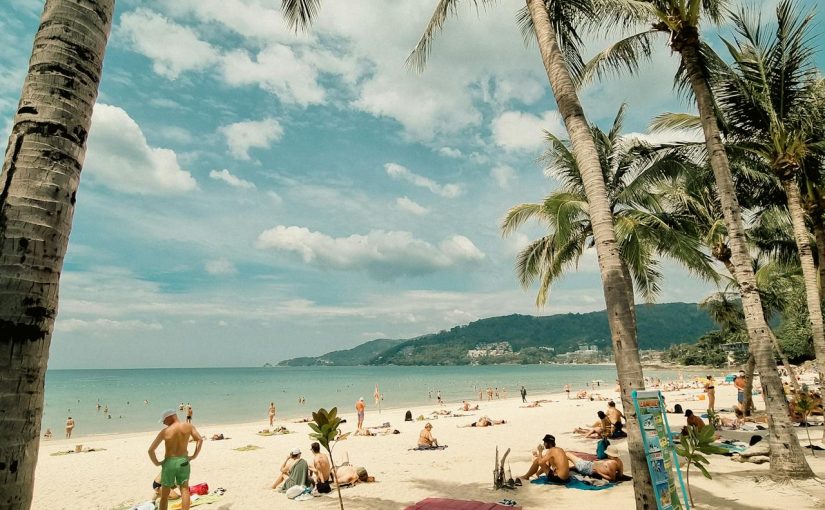
Image by PublicDomainPictures from Pixabay

A very different destination is Phuket, the biggest island in Thailand. Phuket is renowned for its golden beaches, gleaming waters, striking limestone cliffs, vibrant temples and tourist attractions. Many leisure seekers also take the opportunity to start their captivating island-hopping excursions here; there are many more interesting things to do on this island, not forgetting fun nightlife.

Top Outdoor Activities to Enjoy Around Central Dubai: Enjoying Fun Under the Sun

For all its opulent hotels and majestic buildings, Dubai is very much an outdoor lover’s playground, where thrilling adventures and new experiences await at every turn. Here are some of the best outdoor activities to enjoy in and around Central Dubai.

Walk Along the Palm Jumeirah Boardwalk

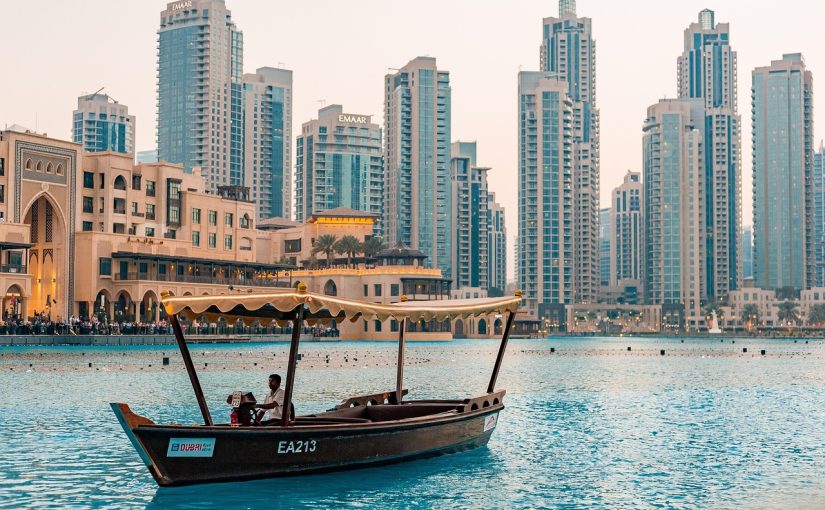
This seaside path stretches for 11 kilometres and is 6 metres wide, making it a spacious promenade from which to enjoy the cooling sea breeze, not far from the likes of Damac Maison Aykon City. An evening stroll is the perfect way to unwind while taking in the city’s grand sights and skyline.

Have an Adventure at Aventura Parks

Featuring over 80 obstacles, Aventura Parks will have you testing your physical strength and agility while still having plenty of fun. Making your way around the course will have you swinging from ropes, racing down ziplines and crossing shaky bridges, making it the perfect activity for an adrenaline-fuelled morning.

Enjoy Thrilling Watersports

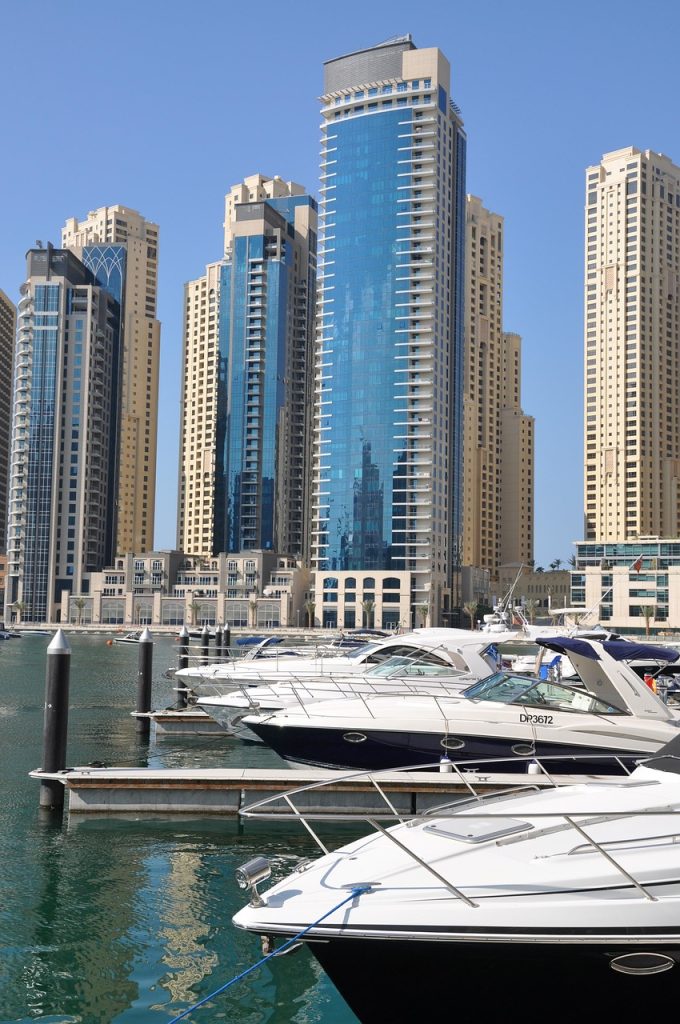
The pristine coastline not far from Central Dubai is perfect for a host of watersports, including jet skiing, wakeboarding and parasailing. It’s a nice change of pace after a few hours relaxing at your hotel apartment in Dubai.

Image by Angus Fraser from Pixabay

Skydiving Over the City

Another great way to take in the city’s splendour is from high up in the sky while you’re skydiving amidst the clouds. If you’ve never done it before, there’ll be a team of experienced instructors to guide you, making sure you’re safe while floating through the air taking in the city’s iconic skyscrapers.

Beyond the Main Islands: Discovering the Lesser Antilles One Hop at a Time

Scattered across the eastern Caribbean, the Lesser Antilles reward travellers who enjoy moving slowly and looking beyond the obvious. From calm ferry rides to short regional flights, each hop brings a change in mood, scenery and pace.

Quiet Cays and Short Hops by Sea

Some of the most memorable journeys in the Lesser Antilles happen on the water. Regular ferries connect Guadeloupe to Les Saintes, Antigua to Montserrat, and St Vincent to the Grenadines, where islands like Bequia and Canouan feel refreshingly unspoilt. These routes are practical, affordable, and scenic, often taking less than two hours. Combined with short Caribbean flights between larger hubs, they allow travellers to mix sea and air travel with ease while enjoying ever-changing views of volcanic peaks and clear coastal waters.

Flying Between Islands with Ease

While ferries suit close neighbours, air travel becomes essential for wider hops. InterCaribbean Airways operates regional routes linking islands such as Barbados, St Lucia, Dominica and Grenada, making multi-island itineraries realistic even within a short holiday. Flights are typically brief, offering aerial views of coral reefs and forested interiors, and help reduce long backtracking through major airports.

The Charm of Lesser-Known Stops

Beyond well-known names lie smaller islands that feel deeply personal. Carriacou offers quiet beaches and a strong sailing culture, while Saba’s dramatic cliffs appeal to hikers and divers alike. These places may have limited nightlife, but they reward visitors with friendly communities, fresh local food and a sense of everyday island life that larger destinations sometimes lose.

Planning a Smooth Island-Hopping Route

Image by InterCaribbean Airways

A successful journey balances ambition with realism. Travelling in one direction, checking ferry days in advance, and allowing buffer days for weather changes all make a difference. The reward is a trip that feels varied yet unhurried, where each island adds a new chapter rather than a rushed stop.334

A Quick Look at Sigiriya: Best Places to Eat, Stay, and Explore

Sigiriya is one of Sri Lanka’s most famous cultural sites, known for its ancient rock fortress and the countryside around it. If you’re travelling through the Cultural Triangle, you’ll find heritage sites, local food spots, and nature experiences that are easy to enjoy in a short visit.

Sigiriya’s Historical Importance

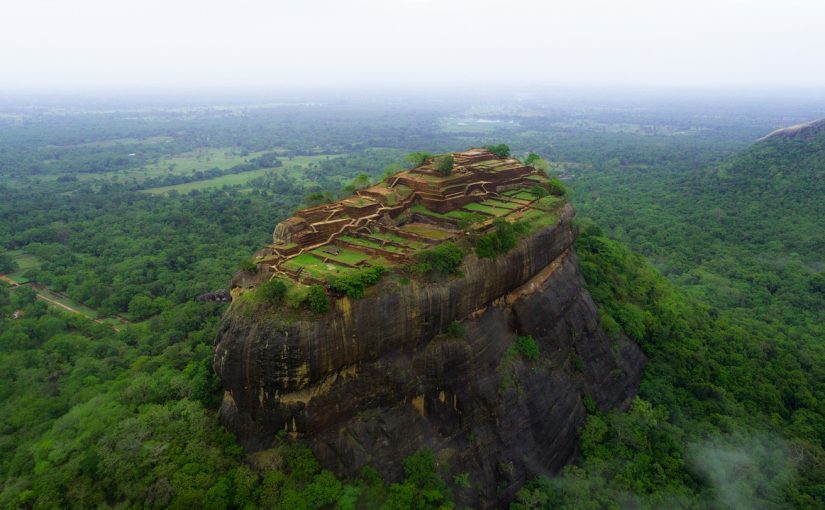
The main attraction in Sigiriya is the Rock Fortress, a UNESCO World Heritage Site. As you climb to the top, you’ll see ancient frescoes, gardens, and mirror walls that show the site’s history. Many people visit early in the morning for cooler weather and better views.

Sigiriya and the Rest of Dambulla

Outside the fortress, Sigiriya is surrounded by forests, lakes, and farmland. You can take short bike rides or village walks to see rural life up close. Nearby places like Pidurangala Rock give you great views and are usually less crowded. These outdoor activities are a nice break from sightseeing.

Places to Eat Around Sigiriya

You’ll find places to eat in Sigiriya ranging from small local cafes to hotel restaurants. Restaurants near Sigiriya typically specialise in Sri Lankan rice and curry, made with fresh, seasonal vegetables. These casual places are busiest at lunchtime and are a good way to try local food.

Choosing Where to Stay

You can choose from guesthouses or hotels when staying in Sigiriya. Staying near the main sites saves you travel time and makes sightseeing easier. Places like Water Garden Sigiriya are popular because they’re close to attractions and offer a quiet place to rest, making them a good base for your trip.

Other Places to See Nearby

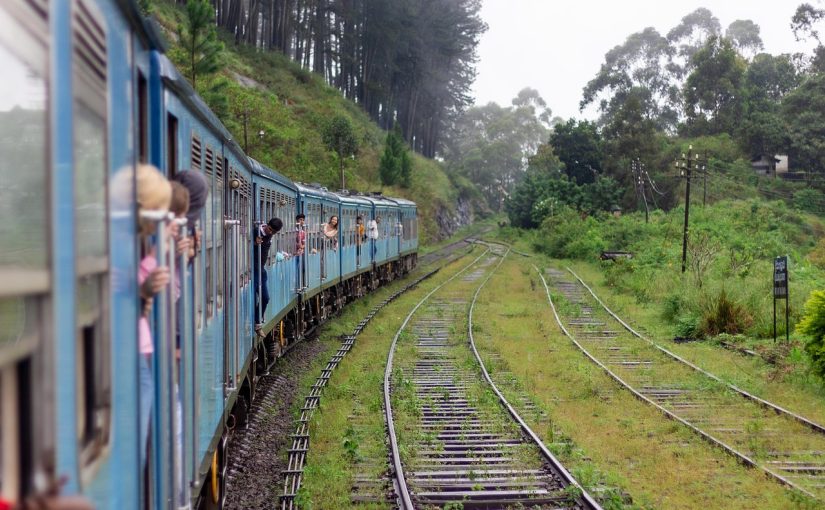
Image by Thanuja Sandaruwan from Pixabay

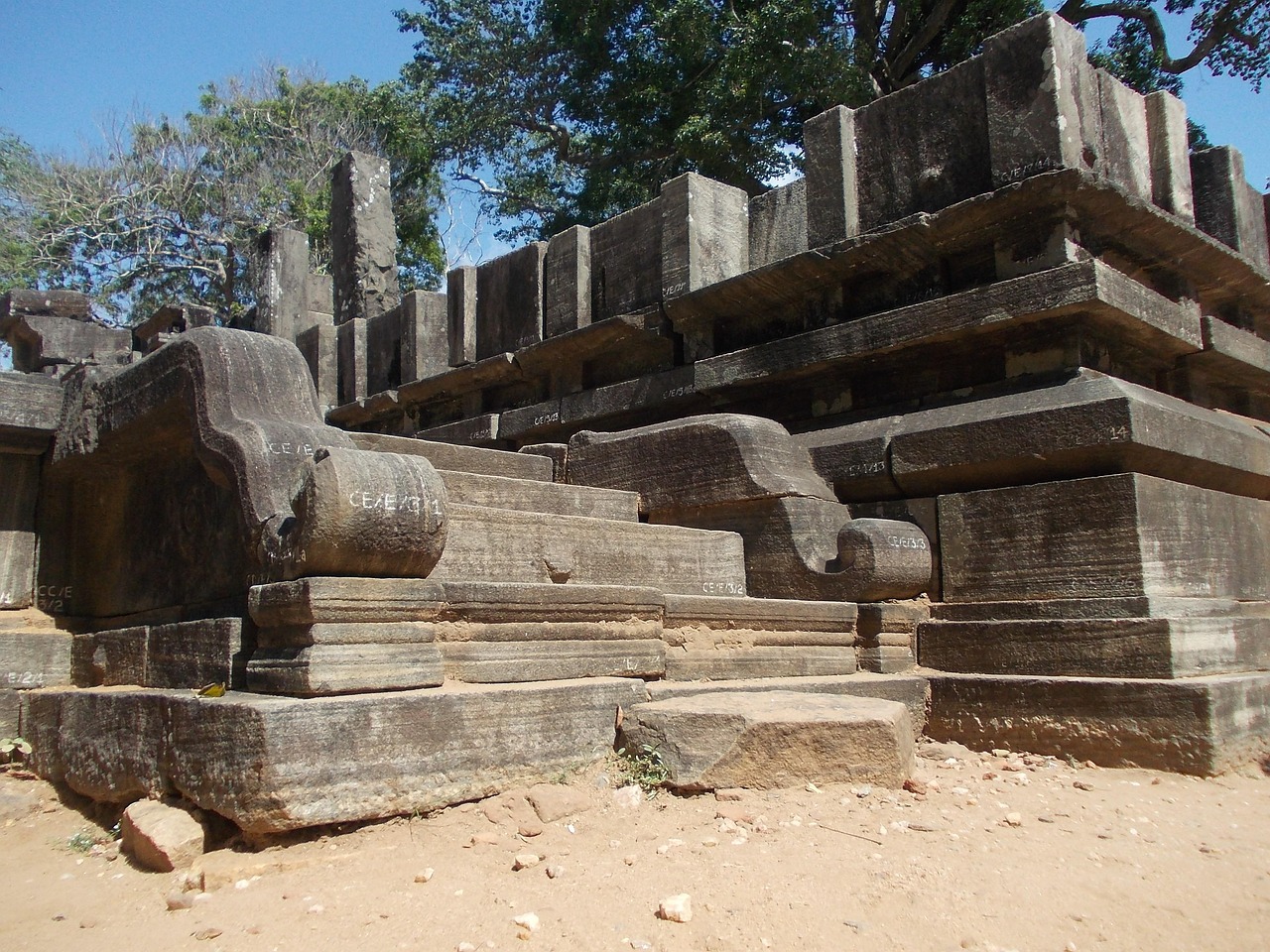
Sigiriya fits well into a Cultural Triangle trip, with easy connections to Dambulla, Polonnaruwa, and Minneriya. Because everything is close together, you can see the sights, eat, and explore without feeling rushed. It’s a good choice for a quick visit or a longer stay.

Maldives Fishing Adventures: A Quick Look

Going on a fishing adventure in the Maldives promises a wide range of experiences catering to all skill levels. Different locations, techniques, and times of day shape each outing, making fishing adaptable rather than one-size-fits-all.

Reef Fishing Close to Shore

Reef fishing is easy to try and takes place in shallow waters near islands or reefs. Most people use hand lines to catch fish like snapper, grouper, and trevally. These trips usually happen in the late afternoon, when the water is calm and fish are active, making them great for beginners.

Big Game Fishing Offshore

Going farther from shore offers a different fishing experience. Sport fishing in Maldives focuses on bigger fish like tuna, sailfish, wahoo, and mahi-mahi. These trips happen in deeper water, use trolling, and depend more on the weather and sea conditions.

Night Fishing

Night fishing is a long-standing tradition in the Maldives and is now offered as a guided trip. With basic gear and quiet spots, these outings target reef fish that come out after dark. The relaxed pace and cooler weather make night fishing a good choice for people who prefer a calm experience.

Catch and Cook Experiences

On some trips, guests can have their catch cooked the same day, often grilled or made into a simple curry. Resorts like Holiday Inn Resort Kandooma Maldives usually arrange these meals through their own excursion teams, making the process easy.

Seasonal Considerations and Regulations

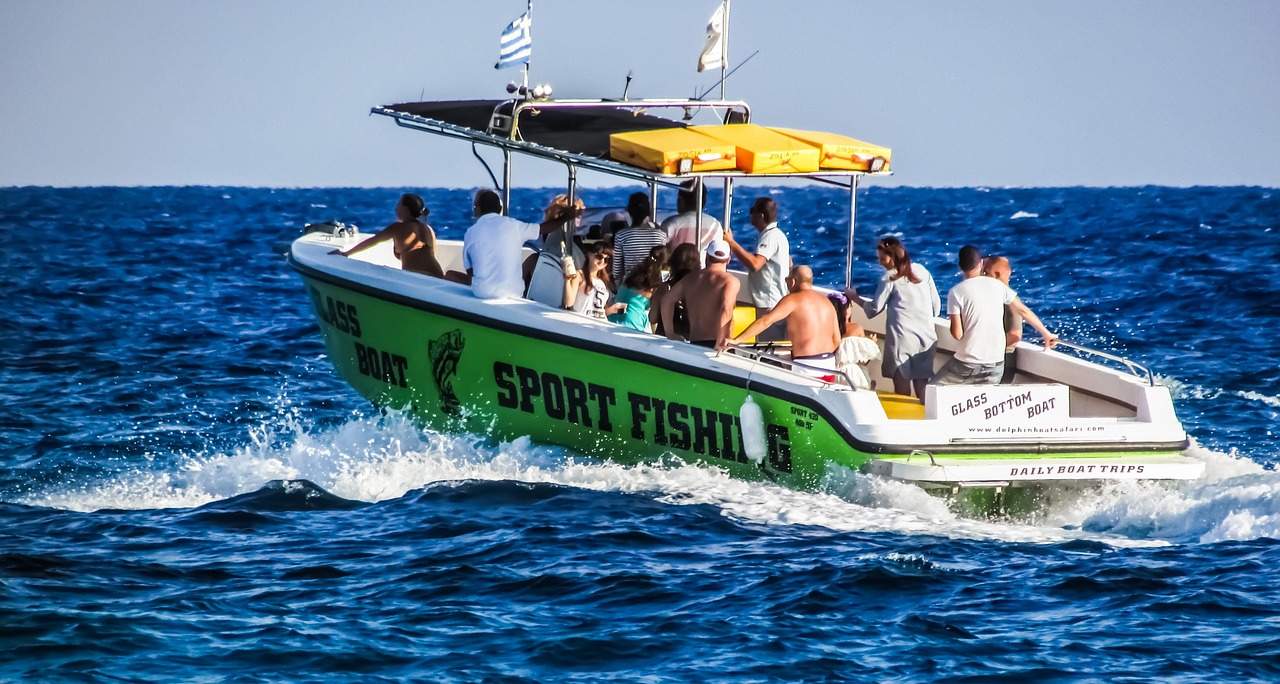
Image by Dimitris Vetsikas from Pixabay

Fishing conditions change with the seasons, and different fish show up at different times of year. There are also rules to protect certain species and fishing methods, so most trips are guided to make sure everyone follows the rules and fishes responsibly.

Sri Lanka’s Ultimate “Hike & Unwind” Itinerary for Adventure Seekers

Sri Lanka provides the ideal blend of action and relaxation for travellers looking for more than a standard vacation. A “hike and relax” schedule offers stunning hikes, breathtaking scenery, and tranquil spots to unwind, allowing adventure crews to experience nature while getting well-deserved relaxation and rejuvenation.

Iconic Hiking Trails and Scenic Viewpoints

Sri Lanka has a number of classic hiking trails with spectacular views. From mountain peaks to forest trails, every route highlights the island’s natural splendour. These hikes offer both a physical challenge and breathtaking sights. Not to forget the opportunity of a lifetime, which is to be one with nature, because the luscious greenery is something extremely stunning that needs to be experienced at least once in anyone’s life.

Unwinding in Nature-Rich Retreats

A luxury resort in Sri Lanka is perfect to wind down in while being surrounded by nature after all that adrenaline build-up from the exciting hikes. This is why relaxing in nature-rich resorts is vital after a day of physical activity. Scenic lodges and eco-resorts provide peaceful environments surrounded by greenery. These areas allow travellers to rest and reflect on their journeys. It helps that accommodation options such as the 98-acre resort and spa also offer just this!

Adventure Activities Beyond the Hike

Along with hiking, there are many other activities to adventure on as well that include zip-lining, cycling, and river rafting. These experiences can add a bit of variety to the itinerary, as they’re different and exciting. Days that are filled with adventure add a sense of teamwork and exploration among teammates as well.

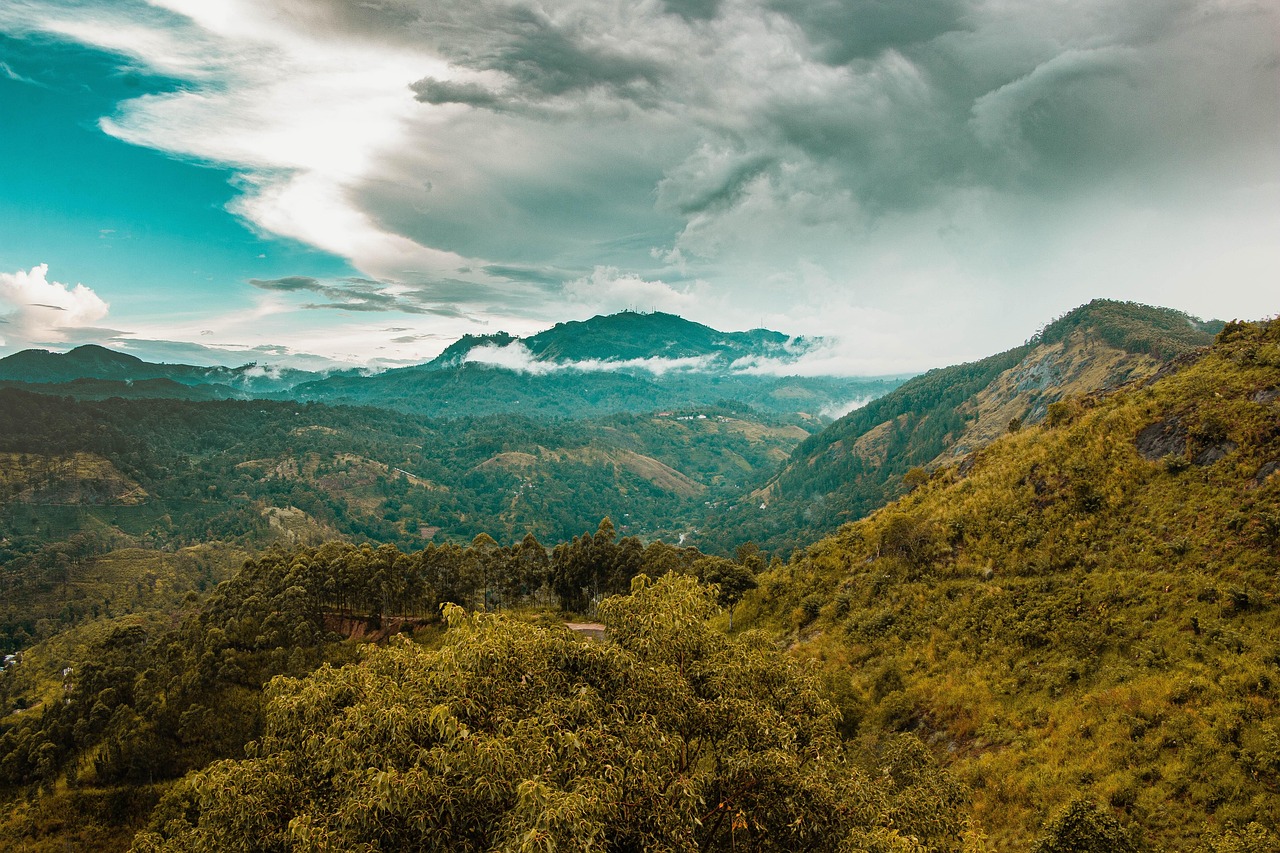
Image by vined mind from Pixabay

Food, Culture, and Recovery Time

Local cuisine is vital for both recuperation and enjoyment. Sharing traditional meals allows crew members to reconnect and unwind. Cultural experiences provide richness and balance to the whole trip, creating an opportunity to connect with locals as well.

Angkor Highlights Made Easy: The Value of a Guide

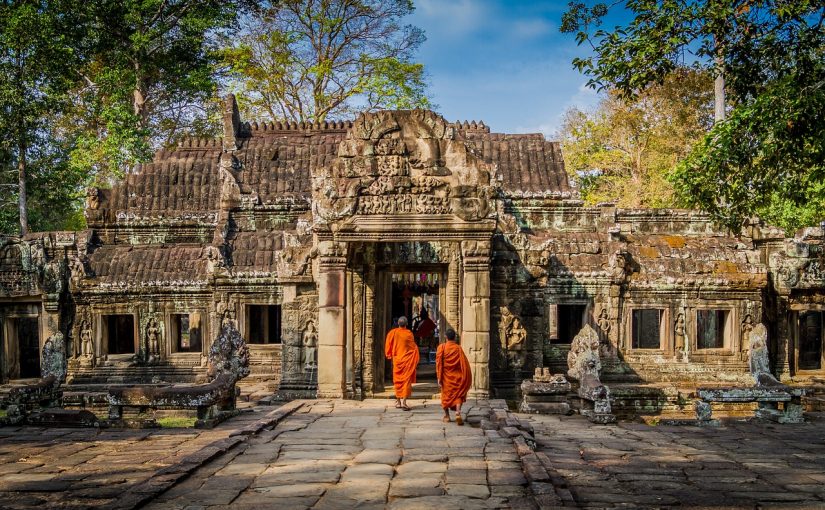
Angkor’s temple complex is huge, and trying to see it all in a single day can feel daunting. With temples scattered across a wide area, a bit of planning goes a long way. A guided tour helps you make the most of your limited time while also giving you the background that brings the ruins to life. Here’s how a guide can turn a quick visit into a memorable cultural experience.

Smart Routing and Better Time Use

A good guide knows how to move through Angkor efficiently. Rather than spending time debating where to go next, you’ll follow a route that hits the big highlights and some lesser-known spots. Guides also know when to visit popular temples to avoid the worst of the crowds, so you can see more without feeling like you’re racing against the clock.

Comfortable Logistics From Start to Finish

Pairing a guided tour with nearby accommodation makes the day much easier. Staying at a hotel close to the complex — for example, places like FCC Angkor — can mean shorter transfers and less time wasted getting back and forth. After a long day in the heat, it’s nice to return somewhere comfortable to rest and recharge. Good planning on both the tour and the lodging side makes one day go a long way.

Access to Special Moments and Hidden Spots

Guides may also be aware of areas of the park that independent travellers do not know about, such as quiet jungle trails, sunrise spots, and hidden ruins. With reputable tour operators or hotels, you can also expect organised options to be made in advance, such as what FCC Angkor offers. These organised elements take away the hassle so you can enjoy the experience.

Richer Historical and Cultural Context

Image by Simon from Pixabay

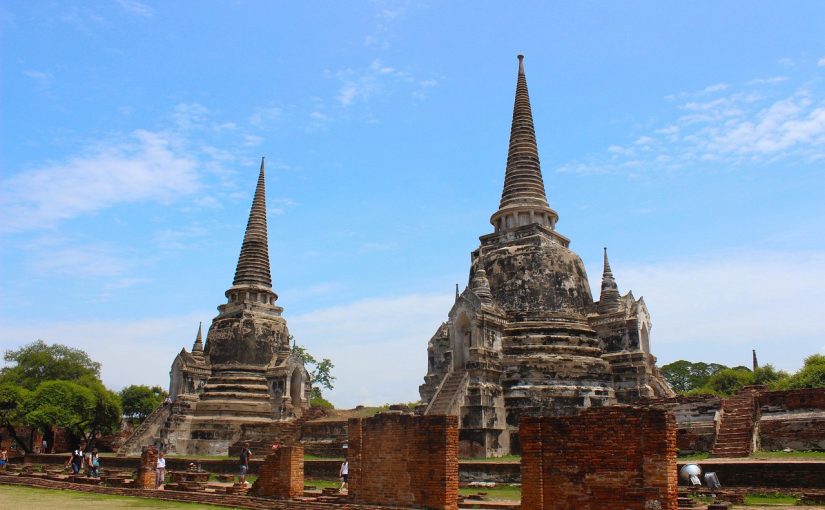
Visually, Angkor is breathtakingly beautiful, but a guide can give you insight into what you’re seeing. A guide can tell you about the scenes depicted in the bas-reliefs, point out Hindu and Buddhist imagery, and even explain how the temples were constructed. It makes the sightseeing experience more interesting.