How Long You Should Stay in Tangalle: Timing That Suits You Best

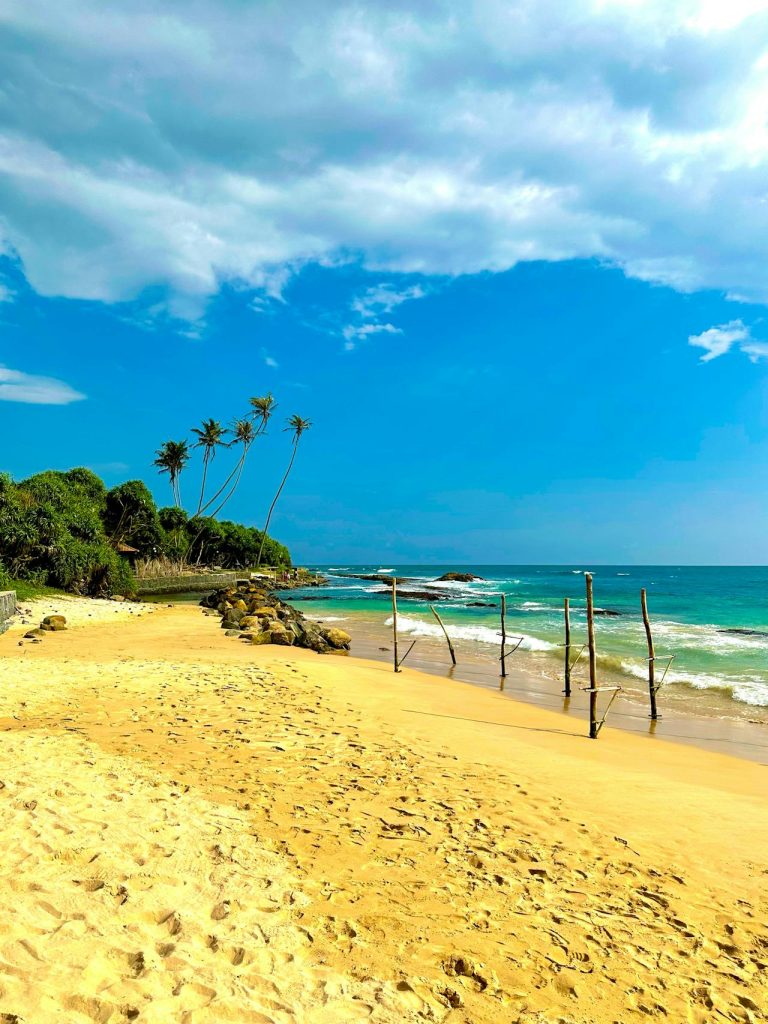
Tangalle offers the perfect escape for those looking for a quiet seaside vacation along Sri Lanka’s southern coast, away from nearby bustling hubs like Unawatuna and Mirissa. But for how long should you stay to enjoy this idyllic paradise? That depends on what kind of experience you’re after.

2 to 3 Days for a Short Stay

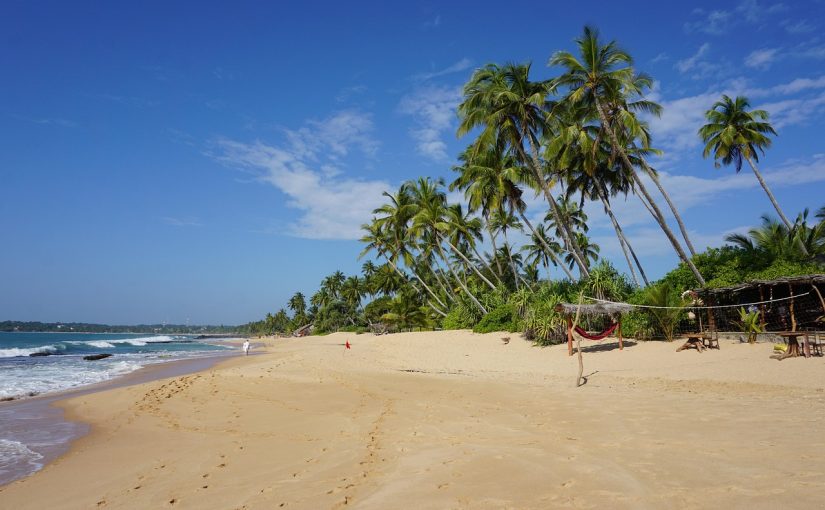
If you’re on a tight itinerary, 2-3 days is enough time to see the essentials. You can lounge on Goyambokka Beach and witness turtle nesting at Rekawa. You can also visit to the Mulkirigala Rock Temple or the Hummanaya Blowhole, courtesy of hotels like Anantara Peace Haven Tangalle Resort

4 to 5 Days for Slow Exploration

If you’re looking to capture the town’s true spirit, you’ll need 4-5 days. This gives you enough time to explore hidden gems like Silent Beach, enjoy kayaking at Kalametiya Bird Sanctuary, and embark on a safari to Udawalawe National Park, one of the best Tangalle experiences.

7+ Days for Wellness & Seclusion

Staying for a week or more is perfect if your goal is to leave Tangalle fully rejuvenated. The town is famous for its Ayurvedic retreats and yoga programmes, and you’ll be able to slow down, disconnect and truly rediscover your inner balance.

The Best Time to Visit

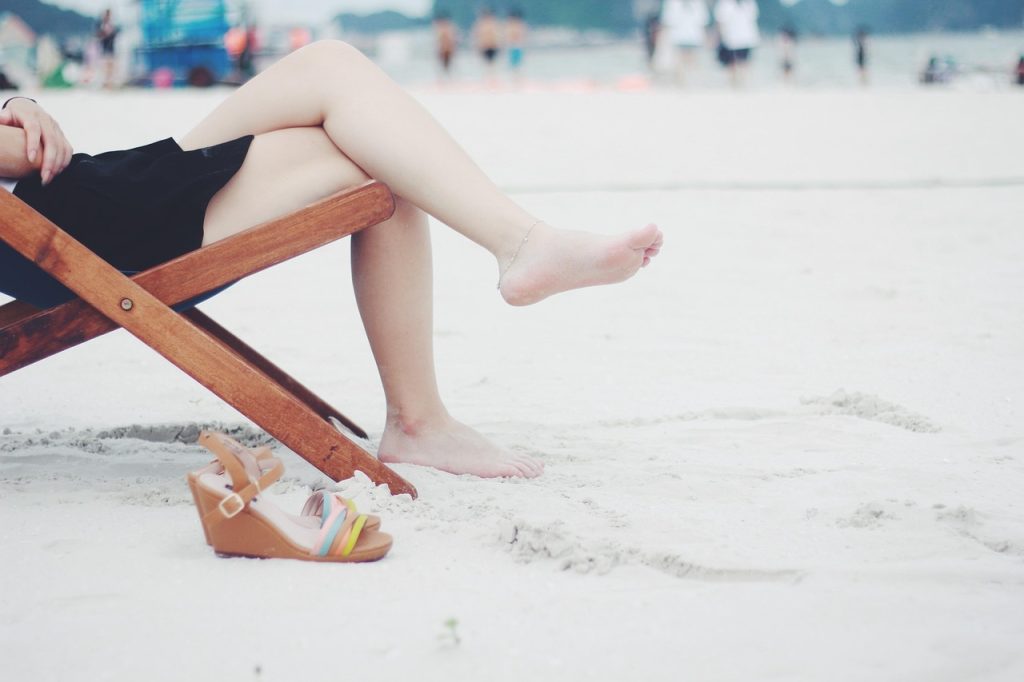
Image by Pexels from Pixabay

However long you decide to stay, aim for the dry season between December and April to get the most out of your visit. This is when the turquoise waters are calmest, and the weather is perfect for exploration and wellness.

Mirissa Magic: Why This Sri Lankan Paradise Is a Global Whale Watching Hotspot

Amazing encounters with majestic blue whales and playful dolphins in their natural habitat can be experienced at one of the world’s top whale-watching destinations, Mirissa, Sri Lanka. With warm seas and local expertise, it guarantees you a marine adventure of a lifetime.

Blue Whales: The Giants of the Deep

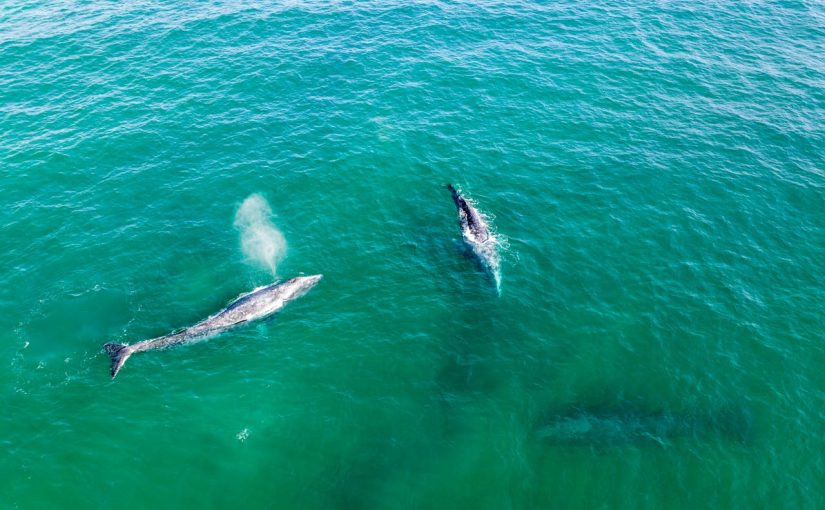
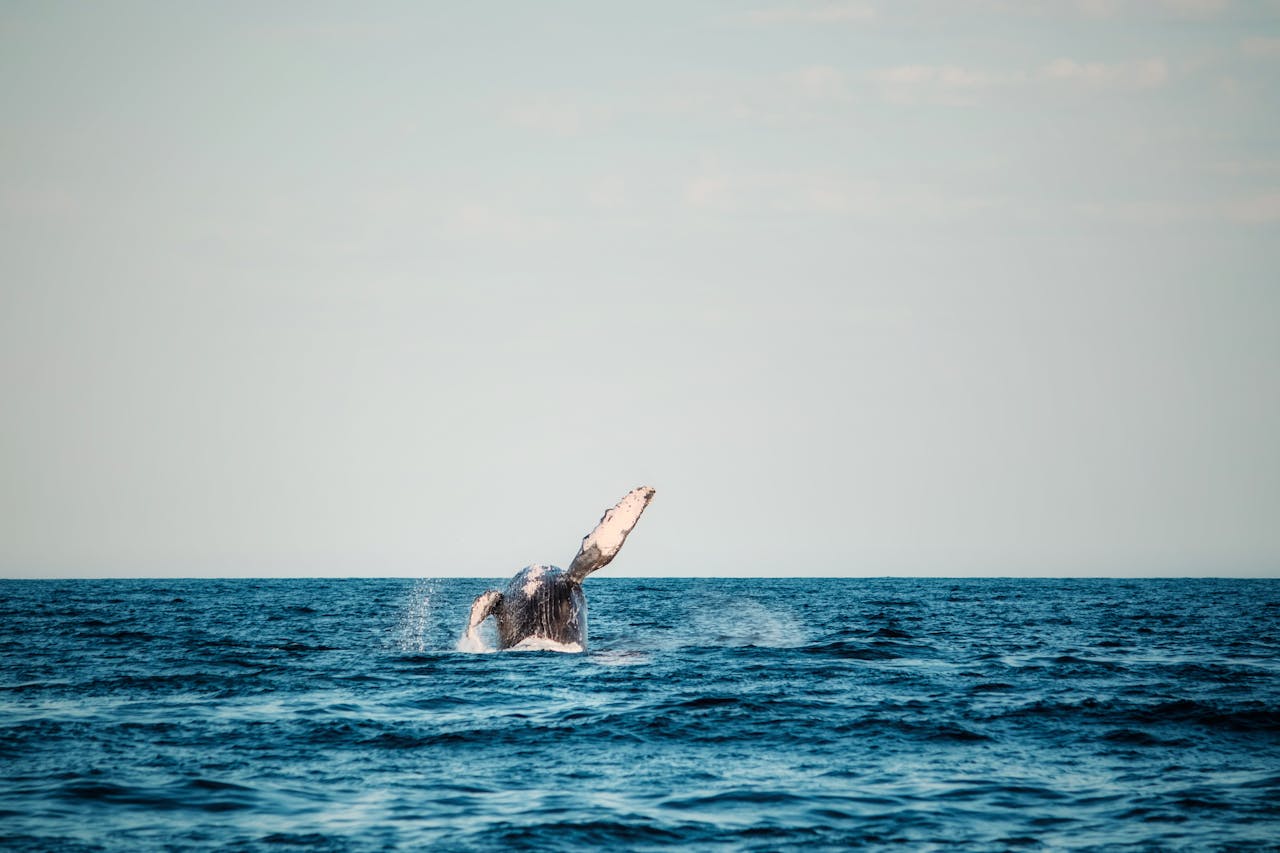
Among the places to visit in Mirissa, a spot to whale watch should be on top of anyone’s itinerary. Mirissa ranks among the top locations globally for witnessing the spectacular blue whale in the wild. The blue whale, the largest animal on the planet, migrates through Sri Lankan waters all year round. It’s really an amazing experience to see a blue whale come up for air just a few metres away.

High Chances of Sightings

The continental shelf breaking off from Mirissa is a steep one, and deep water can be found very close to the shore. The area is particularly attractive to whales and dolphins due to this unique geography, and hence, there is a higher chance of spotting them. Numerous tourists are fortunate enough to see more than one species on their outing. To make things easier, consider an accommodation in Mirissa, such as Muthu Nila Villas, for shorter trips to the shoreline.

Ideal Climate and Expert Tours

Due to its warm tropical climate, Mirissa whale watching is a lovely experience filled with comfort. Usually, the best time or season for whale watching is from November to April when the sea is calm, and the sky is clear. Professional tour operators provide visitors with safe, ethical and educational experiences.

More Than Just Whales

Image of pexels

But that’s not all! Mirissa’s marine environment is teeming with life. Besides blue whales, whale watchers often come across other species like sperm whales, fin whales, and even large pods of the very playful dolphins. What makes each trip truly thrilling is the fact that the Indian Ocean is so huge, and there is so much that is yet to be discovered.

Your Ultimate Sri Lanka Travel Guide – Explore one island with endless stories

Sri Lanka offers a rare mix of beaches, mountains, wildlife, and history within a compact island. Every region feels different, making it easy to plan a varied and rewarding journey.

Cultural landmarks that define the island

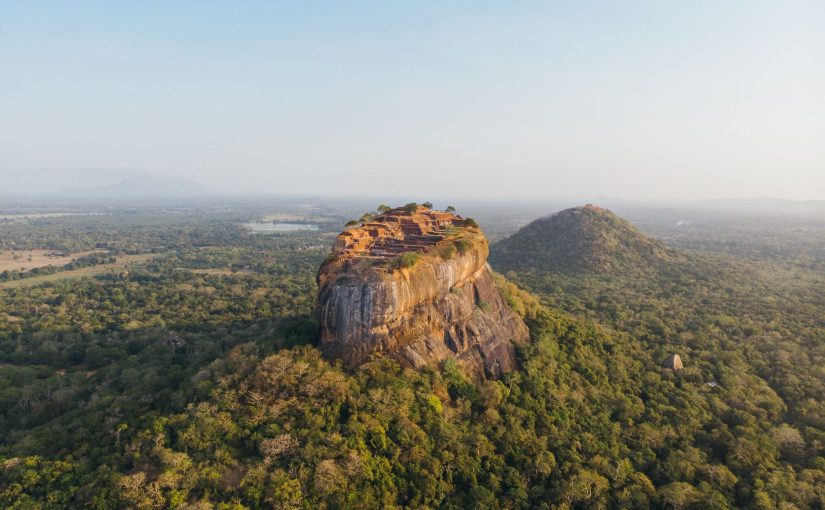
Sri Lanka’s cultural landmarks offer a clear window into the island’s ancient civilisations and living traditions. Sigiriya Rock Fortress rises above the plains with sweeping views, while Anuradhapura and Polonnaruwa reveal centuries of history through ruins and monasteries. In Kandy, the Temple of the Sacred Tooth Relic remains one of the country’s most important cultural sites. These locations are well connected and easy to include in a short itinerary.

Nature, wildlife, and outdoor experiences

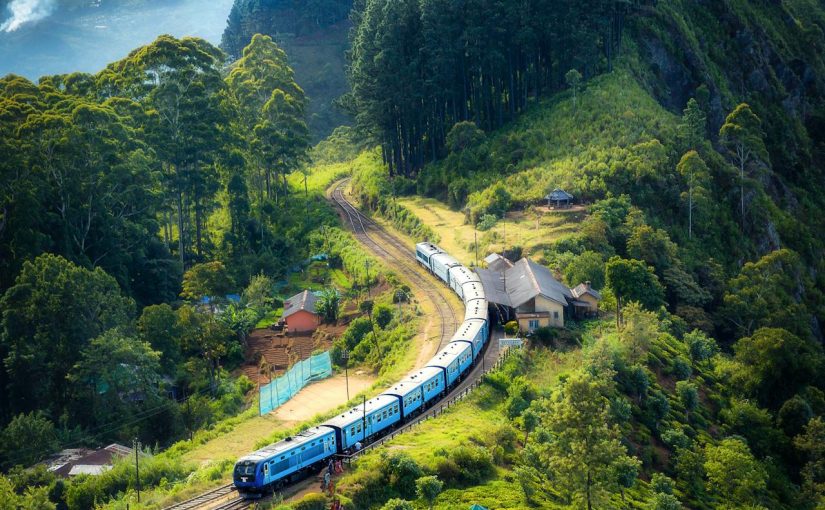
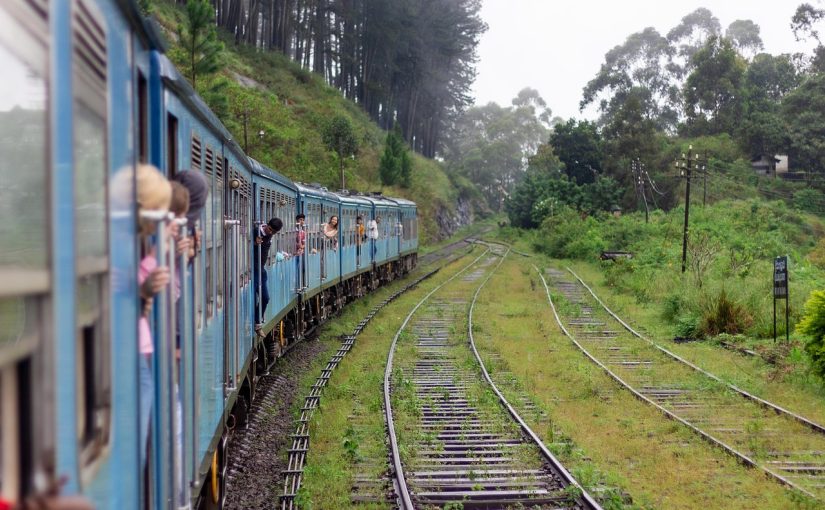
Exploring national parks is another highlight and firmly among the best things to do in Sri Lanka. Yala and Udawalawe are known for elephants, leopards, and birdlife. The hill country around Ella and Nuwara Eliya offers cooler weather, hiking trails, waterfalls, and scenic train rides through tea estates. These areas provide a calm contrast to the busier coastal regions.

Beaches for every travel style

Sri Lanka’s coastline changes character as you move around the island. The south coast features popular beaches like Unawatuna and Mirissa, ideal for swimming and cafés. The east coast, including Pasikuda and Nilaveli, is quieter and perfect during the dry season. Surfers often head to Arugam Bay, while Bentota suits families and water sports fans.

Image by Pexels

Food, stays, and local experiences

Sri Lankan cuisine is rich in flavour, with rice and curry, hoppers, and fresh seafood forming daily staples. Staying at properties linked to local heritage, such as those offered by Heritance Hotels, allows travellers to experience regional architecture and cuisine alongside modern comfort. Markets, village visits, and train journeys help travellers connect with everyday life on the island.

At First Light: The Enchanting Dawn Chorus of Sinharaja

As night fades, the rainforest stirs with sound and movement. Dawn in Sinharaja feels intimate, as if the forest is speaking softly before the day begins.

A Morning That Wakes the Forest

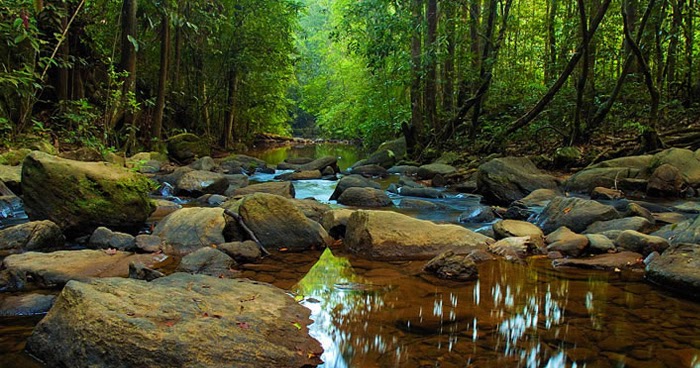
Staying close to nature at a Sinharaja forest hotel means hearing the day arrive rather than seeing it first. Before sunrise, cicadas ease their rhythm, birds begin calling from different layers of the canopy, and distant streams add a steady hush. The air is cool and damp, carrying the scent of wet leaves and earth. It is a peaceful moment when the forest feels alive but unhurried, inviting quiet observation rather than distraction.

Where Nature Sets the Pace

At The Rainforest Ecolodge, dawn is not announced by alarms or schedules, but by sound. Guests often wake to the calls of endemic birds such as the Sri Lankan blue magpie or the gentle movement of monkeys overhead. Open spaces and natural surroundings allow the forest’s morning chorus to flow freely, creating a sense of being part of the landscape rather than a visitor passing through it.

Sounds That Shift with the Light

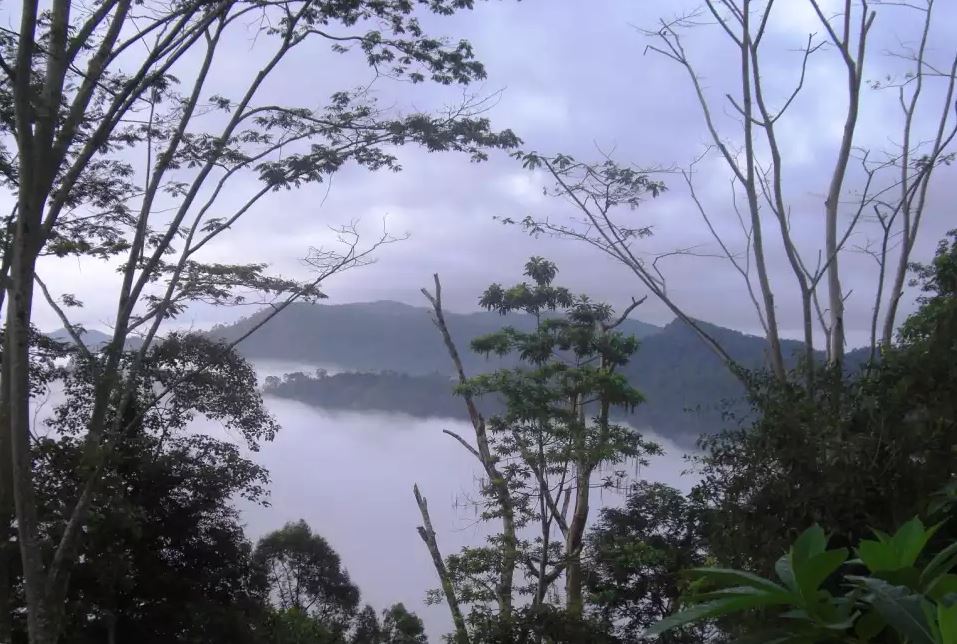
As the sky lightens, the soundscape changes. Bird calls grow clearer, insects retreat, and the forest settles into a softer balance. Mist drifts between tall trees, and leaves glisten with moisture. This brief window between night and day feels rare, a reminder of how carefully timed and connected life in the rainforest truly is.

Image by Wikimedia Commons

A Quiet Memory That Lingers

The magic of Sinharaja at dawn lies in its simplicity. There is no need for activity or effort, only stillness and listening. Long after leaving, many find that these early-morning sounds remain vivid, recalling a moment of calm that feels increasingly hard to find elsewhere.

A Quick Look at Sigiriya: Best Places to Eat, Stay, and Explore

Sigiriya is one of Sri Lanka’s most famous cultural sites, known for its ancient rock fortress and the countryside around it. If you’re travelling through the Cultural Triangle, you’ll find heritage sites, local food spots, and nature experiences that are easy to enjoy in a short visit.

Sigiriya’s Historical Importance

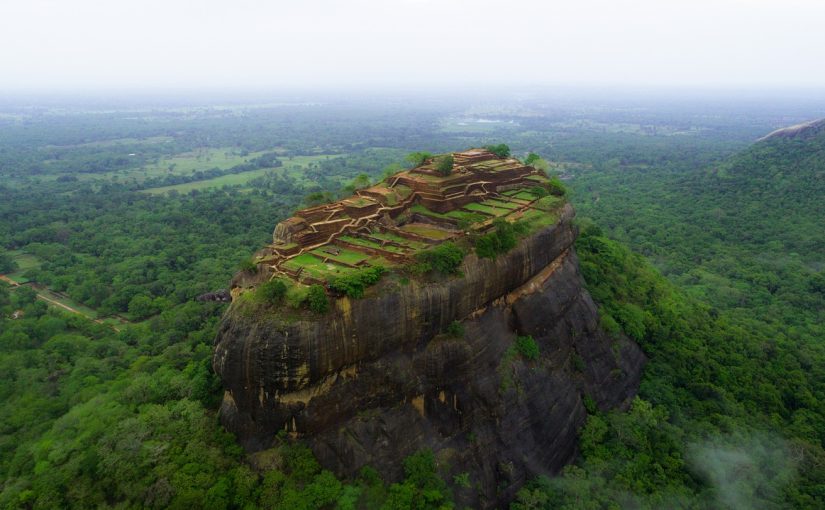
The main attraction in Sigiriya is the Rock Fortress, a UNESCO World Heritage Site. As you climb to the top, you’ll see ancient frescoes, gardens, and mirror walls that show the site’s history. Many people visit early in the morning for cooler weather and better views.

Sigiriya and the Rest of Dambulla

Outside the fortress, Sigiriya is surrounded by forests, lakes, and farmland. You can take short bike rides or village walks to see rural life up close. Nearby places like Pidurangala Rock give you great views and are usually less crowded. These outdoor activities are a nice break from sightseeing.

Places to Eat Around Sigiriya

You’ll find places to eat in Sigiriya ranging from small local cafes to hotel restaurants. Restaurants near Sigiriya typically specialise in Sri Lankan rice and curry, made with fresh, seasonal vegetables. These casual places are busiest at lunchtime and are a good way to try local food.

Choosing Where to Stay

You can choose from guesthouses or hotels when staying in Sigiriya. Staying near the main sites saves you travel time and makes sightseeing easier. Places like Water Garden Sigiriya are popular because they’re close to attractions and offer a quiet place to rest, making them a good base for your trip.

Other Places to See Nearby

Image by Thanuja Sandaruwan from Pixabay

Sigiriya fits well into a Cultural Triangle trip, with easy connections to Dambulla, Polonnaruwa, and Minneriya. Because everything is close together, you can see the sights, eat, and explore without feeling rushed. It’s a good choice for a quick visit or a longer stay.

Sri Lanka’s Ultimate “Hike & Unwind” Itinerary for Adventure Seekers

Sri Lanka provides the ideal blend of action and relaxation for travellers looking for more than a standard vacation. A “hike and relax” schedule offers stunning hikes, breathtaking scenery, and tranquil spots to unwind, allowing adventure crews to experience nature while getting well-deserved relaxation and rejuvenation.

Iconic Hiking Trails and Scenic Viewpoints

Sri Lanka has a number of classic hiking trails with spectacular views. From mountain peaks to forest trails, every route highlights the island’s natural splendour. These hikes offer both a physical challenge and breathtaking sights. Not to forget the opportunity of a lifetime, which is to be one with nature, because the luscious greenery is something extremely stunning that needs to be experienced at least once in anyone’s life.

Unwinding in Nature-Rich Retreats

A luxury resort in Sri Lanka is perfect to wind down in while being surrounded by nature after all that adrenaline build-up from the exciting hikes. This is why relaxing in nature-rich resorts is vital after a day of physical activity. Scenic lodges and eco-resorts provide peaceful environments surrounded by greenery. These areas allow travellers to rest and reflect on their journeys. It helps that accommodation options such as the 98-acre resort and spa also offer just this!

Adventure Activities Beyond the Hike

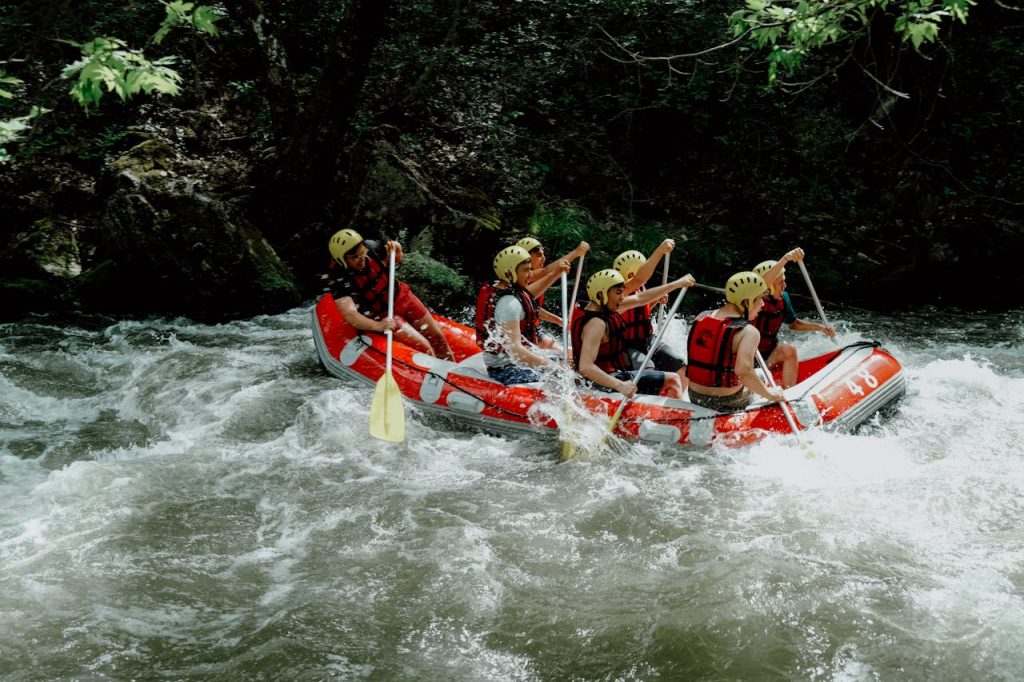
Along with hiking, there are many other activities to adventure on as well that include zip-lining, cycling, and river rafting. These experiences can add a bit of variety to the itinerary, as they’re different and exciting. Days that are filled with adventure add a sense of teamwork and exploration among teammates as well.

Image by vined mind from Pixabay

Food, Culture, and Recovery Time

Local cuisine is vital for both recuperation and enjoyment. Sharing traditional meals allows crew members to reconnect and unwind. Cultural experiences provide richness and balance to the whole trip, creating an opportunity to connect with locals as well.

Why Ella’s Hills Are a Dream Setting for Nature Photography – Where mist, light, and landscapes meet

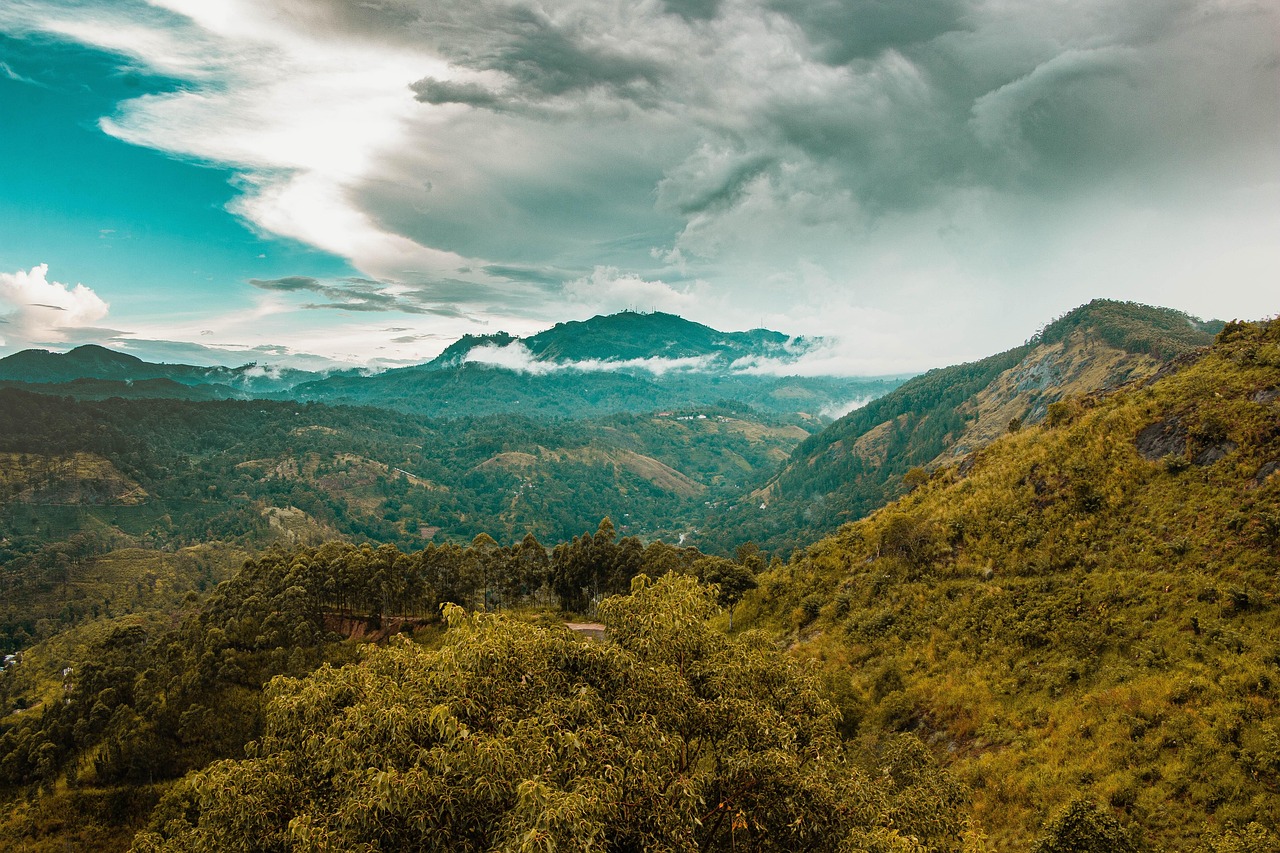
Ella offers layered views, gentle light, and calm moments that suit photographers of every level. Its hills reward patience, timing, and a simple approach to composition.

Soft light and shifting mist at sunrise

Early mornings in Ella bring low clouds that drift through valleys and soften sharp lines. This light works well for wide shots and details alike. Many photographers choose stays close to viewpoints, and a luxury resort in Sri Lanka set in the hills allows quick access before the sun climbs too high.

Iconic viewpoints within easy reach

Little Adam’s Peak and Ella Rock offer clear paths and varied angles. You can frame sweeping valleys or focus on patterns in tea fields. Choosing a hotel nearby helps manage timing, gear, and rest, especially when planning dawn or late afternoon shoots.

Man-made moments that blend with nature

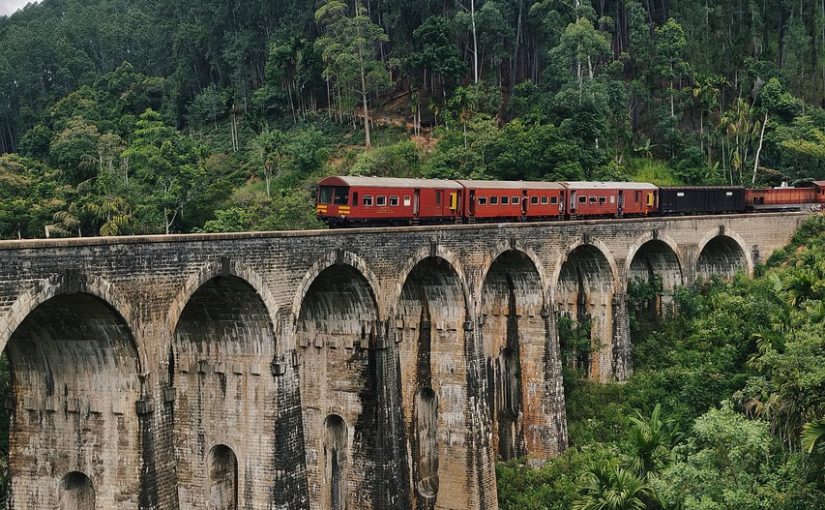
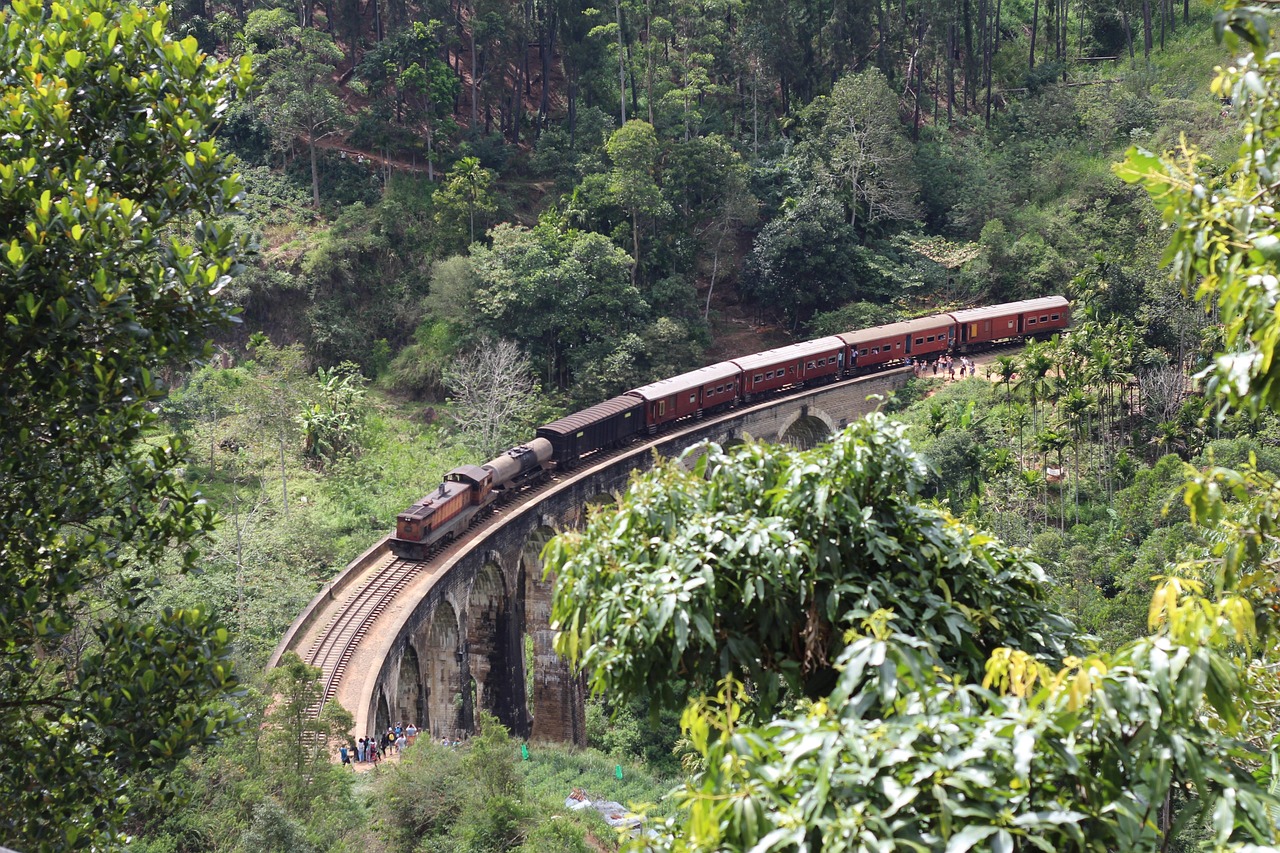
The Nine Arch Bridge demonstrates how a structure can blend seamlessly into a natural setting. Trains pass only a few times a day, so patience matters. When the moment arrives, the scene feels balanced rather than staged.

Image by rgration0 from Pixabay

Calm bases that suit creative routines

A peaceful base supports better work. Properties such as 98 Acres Resort And Spa sit among tea fields and open views, making it easy to step out with a camera when the light changes. Quiet evenings also help photographers review shots and plan the next day.

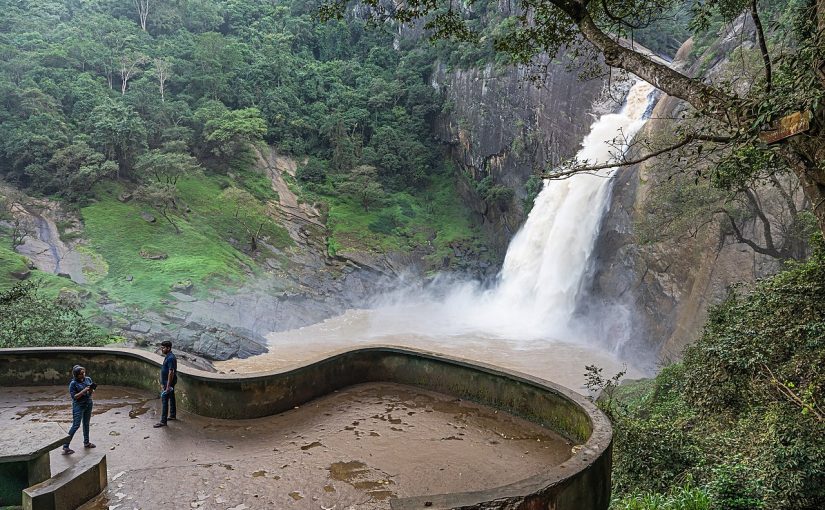
Discover Dunhinda Falls: A Must-See in Sri Lanka’s Hill Country

Nestled just outside Badulla, Dunhinda Falls is one of Sri Lanka’s most impressive waterfalls, famous for its misty spray and lush surroundings. A little planning goes a long way toward enjoying it comfortably and safely.

Getting There

Dunhinda is about 5 km from Badulla and easy to reach by tuk‑tuk or car. From the drop‑off point, there’s a roughly 1.5 km walk along a scenic forest trail. The path has steps and some uneven sections, so wear comfortable, sturdy shoes. If you can, go in the morning — the air is cooler, the light is nicer for photos, and the trail is usually quieter.

Best Time to Visit and Nearby Highlights

The best time is from February to September, when the rainfall is moderate, and the path is safer. It’s easy to combine a visit to Dunhinda with other Haputale attractions — tea estates, scenic lookouts and cool‑climate hikes make for a rewarding day trip.

Where to Stay

Pick a base in the hill country for easy access to Dunhinda and other sights. Haputale, in particular, offers cooler temperatures and wide views after a day of exploring. Places like Mandara Ridge Haputale provide a peaceful place to relax while keeping you well-positioned for nature excursions across the region.

What to Expect on the Trail

Image by Wikimedia Commons

The walk is part of the experience: you’ll likely hear the falls before you see them. The trail runs through a protected forest area with thick greenery, plenty of birds and the occasional monkey. Swimming is not allowed because of strong currents, but there are several safe viewpoints where you can rest, take photos and enjoy the view.

Experiencing the Southern Coastline of Sri Lanka – Ceylon Awaits

Sri Lanka’s southern coastline is pure magic, with golden beaches, turquoise waters, and laid-back vibes around every corner. From the historic charm of Galle to the chilled-out bays of Mirissa and Unawatuna, there’s a bit of everything—perfect spots to soak up the sun, try your hand at surfing, or catch a glimpse of whales and dolphins.

See the Iconic Beaches

Kick off your shoes and sink your toes into the sun-soaked sands of Sri Lanka’s southern coast, where the Indian Ocean seems to whisper adventures at every wave. Beaches like Mirissa and Tangalle aren’t just spots to lounge—they’re little escapes full of local colour, good vibes, and a rhythm set by the tides and the friendly communities around them. The best places to stay in Mirissa can boast of the connection to community!

Feel the history of the fort

Step through the old stone gates of Galle Fort and you’re instantly stepping back in time, surrounded by history and a mix of cultures that’s impossible not to notice. Built by the Portuguese and later expanded by the Dutch, the fort is full of stories about bustling trade, maritime adventures, and the blending of worlds from far and wide.

The Wildlands of the South

Southern Sri Lanka is a playground for anyone who loves wildlife, with national parks bursting with life. Yala National Park is a real highlight, packed with leopards, elephants, crocodiles, and all kinds of rare birds—a living mosaic of nature at its best. Picture sharing a quiet morning with a herd of elephants, or catching a glimpse of a Sri Lankan leopard soaking up the sun—these are the moments that stick with you long after you leave. Some accommodations, such as Muthu Nila Villas, even blend their premises into the farmlands and greeneries of the area.

Image by Katherine Slade from Pixabay

Observe the Stilt Fishermen

Few things capture the vibe of southern Sri Lanka quite like the stilt fishermen. Balanced above the water with quiet skill, their silhouettes against soft, pastel sunrises are a snapshot of a tradition that’s been handed down for generations—all patience, creativity, and a deep connection to the sea.

Safari Adventures in Yala: Top Tips for Enjoying an Unforgettable Wildlife Tour during a Trip to Kataragama

Home to some of the island’s most majestic wild creatures, Yala National Park is a must-experience highlight for holidaymakers exploring the iconic Hindu temples and heritage sites in nearby Kataragama.

Timing the Safari

Although Yala is a captivating wildlife sanctuary for most months of the year, the dry season is often considered the best time to tour Sri Lanka’s second-largest national park. While safari excursions are accessible during the early morning hours and the late afternoons, travellers will find that game drives during the first half of the day provide better opportunities for sighting animals.

Reaching the Reserve

Travellers based at Mandara Rosen Kataragama or other resorts and hotels near Yala, Sri Lanka, can hop on a tuk-tuk or taxi and reach their desired destination in less than 15 minutes. Those who have booked safari tour packages online, however, can expect operators to pick them up from their hotel in Kataragama.

What to Expect

With one of the highest leopard densities in the world, Yala National Park is not only home to big cats and gentle giants. Providing a leafy refuge to more than 44 mammal varieties, the park consists of lush forests, wetlands, golden beaches and dry scrublands.

Image by Penny from Pixabay

Don’t Miss the Winged Beauties

As one of the island’s Important Bird Areas, Yala National Park is also a birder’s paradise. Occupied by more than 215 species, Yala is also home to six bird varieties endemic to Sri Lanka.