Shirokane, Tokyo’s verdant retreat, offers a breath of fresh air and a taste of tranquillity amid the city’s hustle and bustle. Here’s your guide to uncovering the district’s green gems for much-needed relaxation:
Experience the essence of traditional Japanese horticulture at Happo-en Garden, located just a 5-minute drive from executive apartments in Tokyo, such as the modern Oakwood Apartments Shirokane Tokyo. This exquisite space features serene koi ponds, a classic tea house, and a vibrant array of seasonal flora including cherry blossoms, bonsai, and maple trees. It’s a harmonious escape into nature’s beauty.
Explore the Institute for Nature Study
Located in Shirokanedai, this historical site reveals the area’s ancient past. Created by marine erosion up to 500,000 years ago, it houses artefacts from the mid-Jomon period, offering a glimpse into early human settlement and a deep connection to the region’s geological history.
Wander Down Platinum Street
True to its name, Shirokane’s Platinum Street dazzles with its majestic ginkgo trees, which are especially stunning in the fall. Start your journey at Shirokanedai Station and enjoy a peaceful walk along this tree-lined avenue, savouring the seasonal colours and serene atmosphere.
Cool Off at Shirokanedai Donguri Children’s Playground
This family-friendly park is a summer oasis with its refreshing rock pool and gentle water stream. Ideal for children to splash around and stay cool, the shaded areas ensure a pleasant playtime experience. It’s a short drive from Shirokane-Takanawa Station.
Relax in Arisugawa-no-miya Memorial Park
A cherished green space for both locals and expatriates, Arisugawa Park offers a peaceful escape from Tokyo’s bustling life. Once part of a samurai residence during the Edo era, it provides a historical touch and a serene environment close to Hiroo Station.
Ipoh, the capital city of Perak in Malaysia, is a hidden gem filled with history, culture, and architectural wonders. The Ipoh Heritage Trail offers a unique opportunity to explore the city’s colonial past, its charming streets, and its eclectic blend of cultures. This self-guided walking tour through old Ipoh allows visitors to experience the city’s rich heritage up close. Let’s delve into the best way to explore Ipoh’s historic heart on foot.
Start at Ipoh Railway Station
Begin your trail at the iconic Ipoh Railway Station, often dubbed the “Taj Mahal of Ipoh” for its grand, Moorish-style architecture. Built in 1917, this building is a stunning example of British colonial architecture with its distinctive domes and arches. The railway station is not only a functional transport hub but also a historical landmark that has witnessed the evolution of Ipoh from a sleepy tin-mining town to a vibrant city. Take a moment to appreciate its old-world charm before setting off on your exploration.
Walk Towards the Town Hall and Old Post Office
Just a short walk from the railway station, you will find the Ipoh Town Hall and Old Post Office. These neoclassical buildings, with their stately columns and whitewashed facades, are reminders of Ipoh’s colonial past. Constructed in the early 20th century, they served as administrative centres during British rule. Today, they stand as a testament to Ipoh’s historical significance. The Town Hall is often used for cultural events, while the Old Post Office has been restored and repurposed as a community space.
Discover the Birch Memorial Clock Tower
Continue your journey to the Birch Memorial Clock Tower, erected in 1909 in memory of J.W.W. Birch, the first British Resident of Perak. This iconic clock tower features four panels depicting the evolution of civilization, with notable figures from different eras. While the monument has stirred some historical controversy, it remains an important landmark in Ipoh’s story. The clock tower stands as a central point in the town square, providing an excellent backdrop for photographs and a chance to reflect on the city’s colonial legacy.
Wander Down Concubine Lane
Next, make your way to Concubine Lane, just 10 minutes away from popular spots for staycation in Ipoh such as the famous city hotel Travelodge Ipoh, one of the most famous streets in Ipoh’s Old Town. This narrow lane, dating back to the late 19th century, is steeped in history and legend. It is said to have been a hideaway for the concubines of wealthy tin miners. Today, Concubine Lane has transformed into a vibrant area filled with quaint shops, cafes, street art, and market stalls selling local crafts and snacks. Take your time to stroll through the lane, soaking in the colourful atmosphere and admiring the beautifully preserved shophouses.
Explore Han Chin Pet Soo Museum
Your next stop is the Han Chin Pet Soo Museum, located just a few minutes from Concubine Lane. This museum is housed in what was once a private club for Hakka miners, and it offers fascinating insights into Ipoh’s tin-mining history and the lives of the miners who shaped the city. The museum’s exhibits include artefacts, photographs, and stories that depict the everyday life, struggles, and successes of the early Chinese immigrants. A visit here will give you a deeper understanding of Ipoh’s cultural heritage and its significance as a tin-mining hub.
Conclude your heritage trail by exploring the Ipoh Mural Art Trail, a collection of street art scattered throughout the old town. These murals, created by local and international artists, depict scenes from Ipoh’s history, local culture, and everyday life. Highlights include works by Ernest Zacharevic, who is famous for his street art in Penang, and various other artists whose colourful creations add a modern twist to the city’s historic streets. Walking along the trail allows you to see how Ipoh’s past and present come together in a creative and engaging way.
Looking for a quick escape from the hustle and bustle of Kuala Lumpur? Here are some fun outdoor activities within an hour’s drive, perfect for a day out in nature.
Trek Through Kanching Rainforest Waterfall
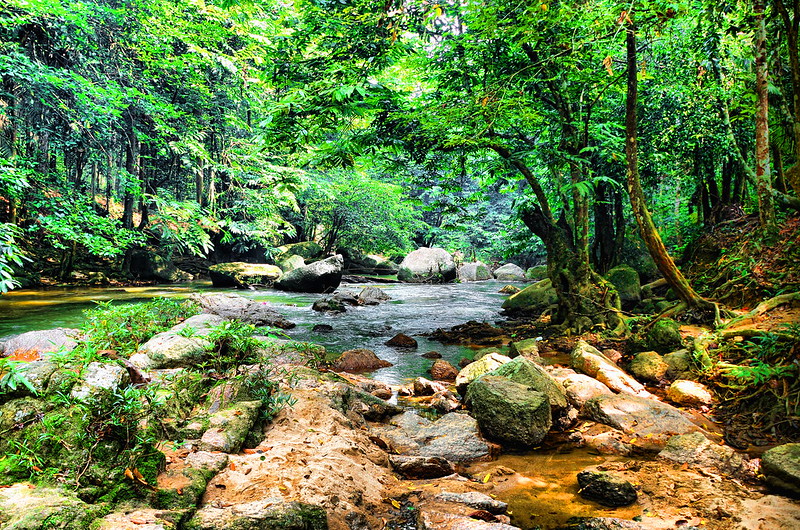
Nestled just 45 minutes from KL, the Kanching Rainforest offers stunning waterfalls and hiking trails. This seven-tiered waterfall is ideal for a refreshing dip after a short trek. The serene environment provides an excellent escape from city life.
Explore the Batu Caves
A 30-minute drive from KL, Batu Caves is a must-visit for nature lovers and cultural enthusiasts. The limestone hills are home to a series of caves and cave temples. Climbing the 272 steps rewards you with breathtaking views and a sense of accomplishment.
Only 25 minutes from KL, the Ampang Recreational Forest is perfect for a relaxing picnic. Surrounded by lush greenery and a gentle stream, this spot is ideal for unwinding and enjoying a meal amidst nature.
Dune bashing in Qatar is an exhilarating desert adventure that combines adrenaline-pumping excitement with the stunning beauty of the vast sand dunes. This high-octane activity involves navigating through the undulating landscapes of the Qatari desert in a powerful 4×4 vehicle, as skilled drivers execute dramatic climbs, descents, and sharp turns. The experience offers not only a thrilling ride but also breathtaking views of the golden sands stretching as far as the eye can see.
What’s Dune Bashing?
In simple terms, dune bashing involves driving vehicles over sand dunes, but it’s far more intricate and enjoyable than it sounds. The unstable nature of the sand means drivers must constantly adjust their speed while navigating the hills and valleys. At times, the vehicle may slide across the surface as if it were on ice. Successful dune bashing requires a deep understanding of the terrain and the right angles to ascend and descend the dunes safely, but rest assured, the drivers are highly skilled.
Khor Al Adaid
In the 19th century, this area served as a refuge for pirates who could conceal themselves and navigate the challenging waters. The Inland Sea is a unique natural formation, resembling both a vast puddle in the desert and an ocean. Due to minimal rainfall, the water is particularly salty, supporting a diverse ecosystem that includes species like sea turtles and desert foxes. At low tide, the fossils of various marine life from ancient times become visible. Khor al Adaid is truly a desert oasis, revealing a shimmering body of water that emerges as you rise over the white dunes.
How to Go Bashing
To experience dune bashing, you’ll need to book a trip with one of the many tour companies that provide these adventures. Most operators offer half-day, full-day, and overnight excursions. Those staying overnight will have the chance to sleep in Bedouin-style tents, some of which come with various luxury amenities. Certain tours include meals, and camel rides may also be available during breaks in the dune-bashing action. If you’re staying in the Banana Island Resort Doha, consider asking hotel staff for opportunities.
As you’ll be spending hours under the desert sun, it’s essential to bring plenty of water, sunscreen, sandals, and sunglasses. Don’t forget to pack a camera to document your experience climbing the dunes and capture the breathtaking views when you arrive at Khor al Adaid. Depending on the length of your tour and the amenities provided, you might also consider bringing a snack from your stay in luxury hotels in Doha.
A trip to Pulau Ubin offers a rare opportunity to explore Singapore’s traditional culture. From kampong life to heritage sites and local cuisine, the island is a treasure trove of cultural experiences that transport visitors to a simpler time.
Introduction to Pulau Ubin
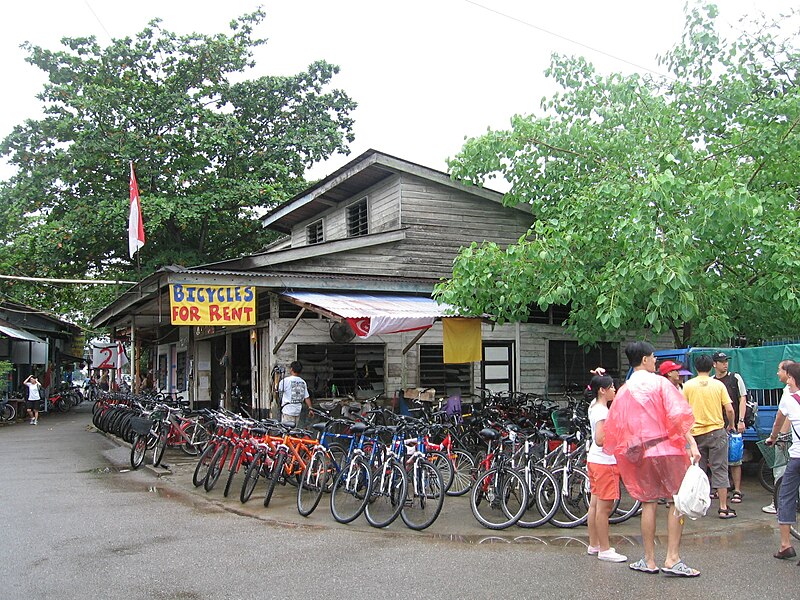
Pulau Ubin, a small island located off the northeastern coast of Singapore, is a unique destination where you can step back in time and experience the traditional way of life that once characterised Singapore. Unlike the bustling cityscape of mainland Singapore, Pulau Ubin offers a glimpse into the country’s past, with its rustic charm and unspoiled natural beauty. The island is a perfect spot for those looking to explore Singapore’s traditional culture and heritage.
Traditional Kampong Life
One of the highlights of Pulau Ubin is its preservation of traditional kampong (village) life. As you explore the island, you’ll encounter wooden houses on stilts, coconut trees, and small farms, all reminiscent of a bygone era. The island is one of the last places in Singapore where you can see how locals lived in the past, with an emphasis on simplicity and community. The lack of modern infrastructure on the island adds to the authenticity of the experience.
Pulau Ubin is also home to several cultural heritage sites that reflect the island’s rich history. The island’s main village area, Ubin Town, has several old shophouses, temples, and shrines that offer insight into the spiritual and communal practices of the island’s inhabitants. The German Girl Shrine, a poignant reminder of the island’s colonial past, is one such site that attracts visitors interested in local legends and history. This is an activity for the entire family to embark on, so consider family packages in Singapore, the likes of those offered by Dao by Dorsett AMDT Singapore.
Traditional Cuisine
No exploration of traditional culture is complete without sampling the local cuisine, and Pulau Ubin does not disappoint. The island’s seafood is particularly renowned, with many eateries serving up fresh, locally caught dishes. Dining at one of the island’s rustic seafood restaurants is a chance to savour traditional flavours while enjoying the laid-back atmosphere of the island.
Welcome to George Town, Penang, where history and culture are etched into every corner. This vibrant city is a treasure trove of heritage sites that tell the story of its rich past. If you’re a history buff or just curious about this UNESCO World Heritage Site, here are five must-see landmarks that will transport you back in time.
This grand clan house is a marvel of craftsmanship. Adorned with intricate woodwork and vibrant murals, it’s a testament to the cultural heritage of Penang’s Chinese community.
Penang Peranakan Mansion
Step into the world of the Straits Chinese with a visit to this mansion, located just an easy walk from a Georgetown Heritage hotel, such as the elegantThe George Penang by The Crest Collection. It’s a fascinating glimpse into the unique culture and opulent lifestyle of the Peranakan people.
Armenian Street
Wander down this lively street, famous for its heritage shophouses and vibrant street art. It’s a great place to soak up the local atmosphere and see how history meets modern creativity.
Sri Mahamariamman Temple
As the oldest Hindu temple in Penang, it’s a vibrant spot full of colourful sculptures and traditional rituals. The temple’s atmosphere is both serene and lively.
Fort Cornwallis
Explore this historic fort, one of Penang’s oldest structures. Its well-preserved walls and cannons provide a glimpse into the colonial past and the strategic importance of the island.
The Minneriya National Park is one of Sri Lanka’s most treasured natural attractions, situated in the Polonnaruwa District of the North Central Province. Spreading across 8889 hectares the park features a diverse natural landscape with an abundance of wildlife and biodiversity. Here are some of the key features to look out for if you’re ever on a safari to the Minneriya National Park.
The Elephant Gathering
The Minneriya National Park and two other adjacent parks (Kaudulla and Angamadilla) are home to more than 300 Asian wild elephants. The most significant elephant gathering, sometimes amounting to over 400 elephants, takes place during the dry season. This gathering is considered one of the most significant wildlife spectacles in the world, making the park one of the best Habarana attractions to enjoy.
Amazing Wildlife
Apart from elephants, the park is home to an abundant wildlife population. This includes the purple-faced langue and the toque macaque, two endemic species of monkey. Visitors will also spot the Sri Lankan Sambar deer, the Sri Lankan Axis deer, Sri Lankan leopards and the Sri Lankan sloth bear. The Park is also home to 25 reptile species including red-lipped lizards, mugger crocodiles and land monitors.
The Minneriya reservoir in the park draws several species of birds including painted cranes, and spotted pelicans. The endemic birds found at the park include the Sri Lankan jungle fowl, the hanging parrot, the Sri Lankan grey hornbill, the black-crested bulbul and the crimson-fronted barbet. The park also welcomes several migratory bird species and has recorded 11 threatened species.
Vegetation and Plant Life
The Minneriya National Park also features rich vegetation and plant life, with mixed evergreen forests, grasslands and wetlands. These areas provide a critical habitat and food source for the resident wildlife and thus contribute to the overall ecological balance. Visitors will find a range of plants including Satinwood, cactus species, and aquatic plants like water lilies and lotuses.
Visitor Information
The Minneriya National Park remains open from 6.00 am to 6.30 pm. If you are staying at any of the hotels in the area such as the Habarana Village By Cinnamon, you can plan a Safari to see the elephant herds through the hotel. The best time to observe the elephant herd gathering is August to September.
The Sani Pass road trip is an exhilarating adventure that offers both challenge and reward. From the adrenaline rush of navigating the steep ascent to the awe-inspiring views and cultural experiences that await in Lesotho, this journey is a must for any traveller seeking to explore the wild beauty of Southern Africa.
The Sani Pass is one of Southern Africa’s most thrilling and scenic road trips, offering a breathtaking journey from the foothills of South Africa’s KwaZulu-Natal province into the highlands of Lesotho. Known for its steep, winding ascent and stunning views, the Sani Pass is a bucket-list adventure for those seeking to experience the dramatic landscapes of the Drakensberg Mountains. This road trip combines rugged terrain with unparalleled natural beauty, making it a must-do for adventure enthusiasts and nature lovers!
Preparing for the Journey
Before embarking on the Sani Pass road trip, it’s important to be well-prepared. The pass is a challenging drive, requiring a 4×4 vehicle due to the steep gradients and rough terrain. Drivers should be experienced with off-road conditions, as the road can be treacherous, especially during wet or snowy weather. It’s also essential to check weather conditions and travel advisories before setting out, as the pass can be closed during extreme weather. Don’t forget to bring your passport, as you’ll be crossing the border into Lesotho, and ensure your vehicle is equipped with the necessary permits and paperwork.
Highlights of the Sani Pass
The Sani Pass road trip is filled with incredible highlights that make the journey unforgettable. As you ascend the pass, you’ll be treated to spectacular views of the Drakensberg Mountains, with its dramatic cliffs, lush valleys, and winding rivers. The higher you climb, the more breathtaking the scenery becomes, with panoramic vistas that stretch for miles. At the summit of the pass, you’ll reach the Lesotho border, where you can stop at the famous Sani Mountain Lodge, home to the highest pub in Africa. Here, you can enjoy a warm meal, a drink, and stunning views before continuing your adventure into Lesotho.
Exploring Lesotho Beyond Sani Pass
Once you’ve conquered the Sani Pass, the adventure doesn’t end. Lesotho offers a wealth of attractions and experiences beyond the pass. Stay in the beautiful Avani Lesotho Hotel & Casino for a few extra days, one of the popular hotels in Lesotho. Explore the rugged landscapes, visit traditional Basotho villages, and discover the rich cultural heritage of this mountain kingdom. Activities such as hiking, pony trekking, and visiting the Sehlabathebe National Park are popular among visitors. The high-altitude environment of Lesotho provides a unique and serene atmosphere, perfect for those looking to escape the hustle and bustle of everyday life.
In recent times, the Sand Dunes of Mui Ne have become a prime tourist attraction in Vietnam, particularly among those seeking out new and unusual attractions. While these natural marvels may not look like much at first glance, there are plenty of adventures to be had amidst these colourful formations.
How They Are Formed
Sand dunes are often created on shorelines when fine sediment is transported towards the land by a combination of ocean waves and high winds. Firstly, the sand is brought towards the shore by gentle ocean currents and then carried further inland by the wind. Over time, the sand accumulates to form large mounds or dunes, that continue to get steeper and larger as time goes on. Afterwards, as plants begin to grow on the dunes, their roots and stems anchor the shifting sand, thus allowing more sand to accumulate. The sand dunes of Mui Ne are recognised for their shades of colour ranging from red to yellow to white, thus creating a fascinating mural of colours.
The best time of year to visit the Mui Ne sand dunes is from January to August, when the weather conditions are most favourable for viewing the dunes, as well as for other activities and excursions. However, the time from April to May often sees a dramatic rise in temperatures and those visiting during this time are advised to wear sunscreen, hats and sunglasses to stay safe from UV rays. September to December is by far the least favourable time to visit due to the frequent rainfall that hampers outdoor activities.
Activities to Enjoy
Mui Ne’s sand dunes offer ample opportunity for visitors to engage in a variety of recreational activities. Thrill seekers will enjoy the rush of sandboarding down the surface of the dunes or a session of off-road racing on rented quad bikes. Those staying at a tropical beachfront resort in the area like Anantara Mui Ne Resort, will be able to organise these activities through a simple inquiry.
Those who prefer a more calming and serene experience can embark on a Jeep sightseeing tour which allows for a leisurely exploration of the vast expanse of dunes in their various colours and shades. Kite flying is also a popular activity enjoyed by families as they make use of the winds and free open space.
Top Spots for Sightseeing
In addition to the various activities and rides to enjoy at the sand dunes, many visitors never pass up the opportunity to witness the scenic sand-filled landscapes. For those interested in sightseeing and even capturing some stunning photographs, there are several spots to consider
The Golden Sand Dunes (Liên Hương Sand Dunes) is a perfect golden expanse and offers picturesque views of the sea and the city of Mui Ne. The Pink Sand Dunes or Red Sand Dunes stand out with their unique colour and typically provide an ideal spot for couples to enjoy sightseeing together.
The Bau Trang White Sand Dunes are the heart of Mui Ne’s sand dunes featuring a long stretch of pristine white sand and a large lake filled with lotus flowers, thus making it the perfect spot for sightseeing and photography.
Kandy, a gem in Sri Lanka’s central highlands, is renowned for its cultural heritage and natural beauty. Among its treasures are hidden waterfalls and breathtaking natural wonders waiting to be explored.
Ramboda Falls, a stunning three-tiered waterfall, is nestled in the lush greenery of Kandy’s countryside. This majestic cascade offers a serene escape for nature lovers. The trek to Ramboda Falls is equally captivating, with scenic views and diverse flora and fauna along the way.
Hunnas Falls
Hunnas Falls, located near the town of Elkaduwa, is another of Kandy’s hidden gems. The waterfall plunges down a rock face into a tranquil pool, perfect for a refreshing dip. The surrounding area is rich with wildlife, making it a haven for bird watchers and photographers.
Knuckles Mountain Range
The Knuckles Mountain Range, a UNESCO World Heritage site, is an adventurer’s paradise. Its rugged terrain, interspersed with hidden waterfalls, offers challenging hikes and spectacular vistas. The biodiversity here is extraordinary, with endemic species of flora and fauna thriving in this untouched wilderness.
Udawattakele Sanctuary
Udawattakele Sanctuary, a historic forest reserve, is a peaceful retreat that is ten minutes away from Kandy City hotels such as the Hotel Topaz. Known for its towering trees and serene ponds, the sanctuary is home to numerous hidden waterfalls. It’s an ideal spot for a leisurely walk, where visitors can enjoy the tranquillity and natural beauty of the area.












.JPG)


