The Art of Solo Travel: Making Friends & Meeting New People 

Free from the obligations of pleasing an entire group and catering to everyone’s interests, solo travel offers unparalleled freedom and self-discovery, but it does not mean being alone. For many, the prospect of navigating new environments alone can be daunting. Embrace the opportunity to meet new people and create lifelong memories, with essential tips for connecting with fellow travellers and locals.

img via pickpik

Hostels and Dorms

Your accommodation can be the perfect gateway to finding your crowd away from home. Backpacker hostels and dorms create the ideal environment for meeting like-minded souls, with shared spaces that foster interactions, and organised events that facilitate connections.

Small Tour Groups

Join guided tours to interact with fellow travellers; shared experiences create bonds, and you might find travel companions for further adventures. International tour packages and groups may also be a safer option as opposed to pure solo adventuring – explore the canals of Venice with Mackinnons Travels, or share the breathtaking views of Victoria Falls with your new solo travel buddies.

Volunteering

Volunteer-based and community tourism presents a unique opportunity to support rural communities and immerse yourself in local culture, while meeting people with similar interests. Community tourism sites and stops on certain tours allow for a cultural exchange and enriching experience, while promoting financially beneficial partnerships that uplift communities.

Chatting with Locals

Another taste of local culture wherever you are, engage with residents at markets, shops, and cafes. Strike up conversations, learn about their culture, and discover hidden gems while curating meaningful memories and possibly lasting relationships.

Leverage Technology

Today, solo travel has never been easier. With the popularisation of travel-based social platforms, tourists are given the opportunity to forge connections long before arriving at their destination. Utilise verified platforms like Meetup, Couchsurfing, and Nearify to connect with fellow travellers and locals, and participate in group activities or events to expand your social circle.

Exploring Kenya’s Rich Coffee Culture

Kenya’s flourishing coffee scene is a testament to its rich agricultural heritage and a global reputation for producing some of the finest Arabica beans. Nestled within the fertile highlands, coffee farms in regions like Nyeri and Kiambu yield beans prized for their vibrant acidity and complex flavour profiles.

Rich Heritage and Quality

Kenyan coffee’s journey begins with a legacy of meticulous farming practices handed down through generations. Smallholder farmers and cooperative societies meticulously cultivate coffee cherries, ensuring optimal ripeness before harvesting. This dedication to quality shines through in every cup, marked by notes of blackcurrant, citrus, and a lingering sweetness.

Sustainable Farming Practices

Beyond taste, Kenya’s coffee farms embrace sustainable practices. Many adhere to Rainforest Alliance and Fair Trade certifications, promoting biodiversity conservation and fair wages for farmers. These initiatives preserve Kenya’s natural landscapes and empower local communities economically. The best safaris in Kenya, such as the SkySafari tour operators, follow these practices too, and align their goals to be as sustainable as possible.

Global Recognition and Market Influence

Kenya Tourism – Image via Pexels

Kenyan coffee commands a prominent position in the global market, favoured by discerning roasters and baristas worldwide. Auctions held by the Nairobi Coffee Exchange set prices based on cupping scores, underscoring the nation’s commitment to quality assurance and market transparency.

Cultural Impact and Tourism

Coffee’s cultural significance extends beyond agriculture, shaping social rituals and tourism experiences. Visitors can tour estates, participate in coffee tastings, and witness firsthand the intricate processes from bean to brew. This cultural immersion offers a deeper appreciation for Kenya’s role in the global coffee industry.

Artistic Heritage

The Maldives, often celebrated for its stunning beaches and luxurious resorts, also boasts a rich artistic heritage that reflects its vibrant culture and history. Delving into the craftsmanship of this island nation reveals a deep love for artistry and tradition that is as captivating as its natural beauty.

Traditional Lacquer Work

One of the most exquisite forms of Maldivian craftsmanship is traditional lacquer work. This ancient art, known as “liyelaa jehun,” involves intricate designs painted on wooden objects, typically using natural dyes. The vibrant colours and detailed patterns reflect the island’s natural surroundings and cultural motifs, making each piece a unique masterpiece.

Handwoven Mats (Thudu Kunaa)

The craft of weaving mats, or “thudu kuna,” is another significant aspect of Maldivian artistry. Made from the leaves of the screw pine tree, these mats are not only functional but also beautifully decorative. The weavers, predominantly women, employ traditional techniques passed down through generations, ensuring the preservation of this heritage craft.

Boat Building (Dhoni Craftsmanship)

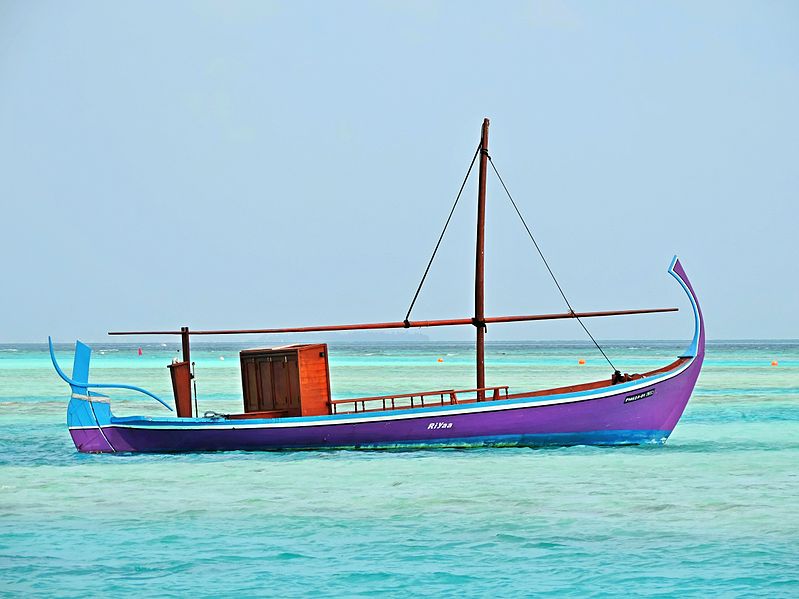
Image via Wikimedia Commons – © Nevit Dilmen, Dhoni Sailboat in the Maldives 6968, CC BY-SA 3.0

Boat building, particularly the construction of traditional dhonis, showcases the Maldivian expertise in maritime craftsmanship. These vessels, essential for fishing and transport, are handcrafted using age-old techniques. The skills involved in shaping and joining the wooden planks highlight the deep connection between the Maldivians and their maritime environment. While enjoying diving experiences at Maldives diving resorts the likes of Kuda Villingili, it is useful to learn how men of old used to navigate the seas as well.

Coral Stone Carving

Historically, coral stone carving has played a pivotal role in Maldivian architecture, particularly in building mosques. Artisans carve intricate designs into coral stone, creating stunning facades and intricate interior decorations. This craft, although less common today due to conservation efforts, remains a testament to the Maldivians’ artistic ingenuity and respect for their natural resources.

Safeguarding Paradise: Sustainable Endeavors in the Maldives

The Maldives, renowned for its breathtaking beauty and vibrant marine life, has taken significant strides in sustainability to preserve its natural treasures. As an island nation highly susceptible to the impacts of climate change, the Maldives has embraced a forward-thinking approach, integrating renewable energy sources, eco-friendly tourism practices, and innovative waste management systems.

img via pxhere

Sustainable Practices

Recognizing that tourism is the cornerstone of the nation’s economy, authorities have acknowledged the importance of balancing visitor satisfaction with environmental conservation. Many Maldives tour packages now feature eco-friendly accommodations, where resorts utilize renewable energy sources like solar and wind power to minimize their carbon footprint.

Protecting Marine Life

The Maldives is home to some of the most biodiverse marine ecosystems on Earth, with vibrant coral reefs brimming with life. However, these delicate ecosystems are threatened by coral bleaching, overfishing, and marine pollution. To address these challenges, the Maldives has implemented stringent conservation measures to protect its marine biodiversity.

Empowering Communities

By engaging meaningfully with local communities, tourists enrich their travel experiences and contribute to the socio-economic development of the Maldives in a sustainable way. Community-based tourism initiatives empower local island communities, offering sustainable livelihood opportunities while preserving traditional lifestyles. Luxury hotels in Maldives such as The Nautilus Maldives aren’t usually blended with local communities, but you can always step away and look around.

Looking to the Future

As the Maldives faces the challenges of climate change and rapid development, the urgency for sustainable practices has never been greater. Through dedicated efforts to preserve its natural heritage, the Maldives is not only protecting its paradise-like allure but also setting a global example for sustainable tourism destinations. When planning your next getaway to the Maldives, consider choosing tour packages that prioritize sustainability, and become a steward of this paradise.

Jungles and Jewels

The Phi Phi Islands, Thailand, are synonymous with turquoise waters and dazzling beaches. But beneath the sun-drenched facade lies another world: full of lush jungles waiting to be explored by intrepid trekkers. Lace-up your boots and ditch the sunlounger – here’s your guide to trekking adventures in this tropical paradise.

Emerald Trails and Hidden Viewpoints

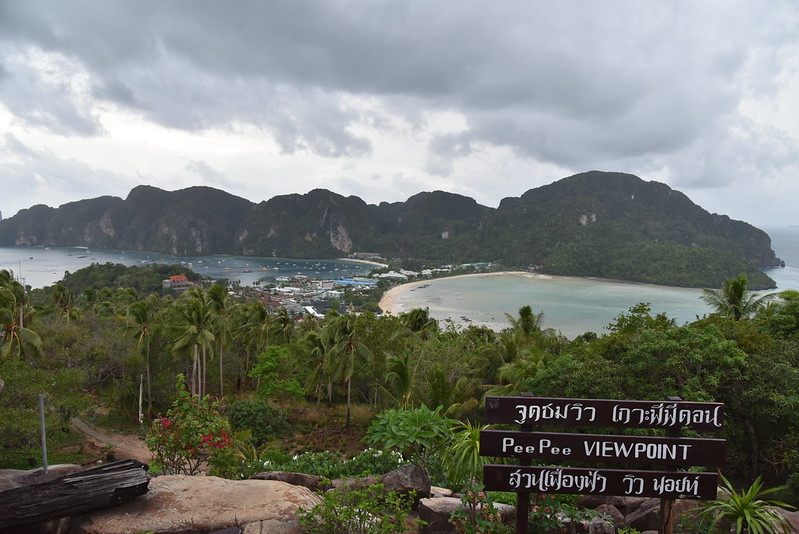
Phi Phi Island boasts several well-marked trails, each offering a unique perspective of the island’s beauty. The Viewpoint Trail, a moderate climb, rewards you with breathtaking panoramic vistas of Maya Bay and the surrounding limestone cliffs. For a more challenging trek, tackle the Long Beach Trail, which winds its way through dense rainforest, leading to secluded coves and hidden lagoons.

Wildlife Encounters

Keep your eyes peeled for the diverse wildlife that calls the Phi Phi jungles home. Spot playful monkeys swinging through the trees, listen to the melodic calls of exotic birds, and watch out for colourful butterflies flitting amongst the vibrant flora. With a bit of luck, you might even encounter a shy monitor lizard sunning itself on a rock.

Cultural Gems

The Phi Phi jungle isn’t just about nature. Things to do in Phi Phi Island include a hike to the Phi Phi Viewpoint, where a Buddhist temple perched atop a hill offers a glimpse into the island’s spiritual heart. Explore hidden caves adorned with ancient paintings, remnants of a bygone era. These cultural pockets add a fascinating layer to your trekking adventure.

Sustainable Trekking

Trekking in Phi Phi – Image via Flickr

Trekking responsibly is key to preserving the Phi Phi Islands’ natural beauty. Stick to designated trails to minimize damage to the ecosystem. Opt for a guided tour with a reputable company that prioritises responsible tourism practices. Pack light and avoid single-use plastics, leaving only footprints behind. In addition to responsible trekking, ensure you stay at eco-friendly resorts such as SAii Phi Phi Island Village.

Unforgettable Memories

A Phi Phi Islands trek isn’t just about reaching the summit; it’s about the journey itself. The refreshing jungle air, the symphony of nature’s sounds, and the thrill of exploration – these are the memories you’ll treasure long after your tan fades. So, embrace the adventure and discover the hidden gems that lie within the Phi Phi jungles.

Top 5 Exciting Places in Japan for Car Enthusiasts

Japan is a paradise for car enthusiasts, offering unique experiences that highlight the country’s rich automotive history and innovation. Here are five must-visit destinations for any car lover:

Toyota Commemorative Museum of Industry and Technology

Located in Nagoya, this museum showcases Toyota’s evolution from a textile machinery company to a global automotive giant. Explore interactive exhibits, historic vehicles, and fascinating displays on automotive technology and manufacturing.

Nissan Zama Heritage Collection

Situated in Kanagawa, the Nissan Zama Heritage Collection houses over 400 vehicles, including iconic models like the Skyline GT-R and the Fairlady Z. This collection offers a comprehensive look at Nissan’s rich history and innovation in car design and engineering. Those staying at a Tokyo serviced residence, such as the luxurious Oakwood Premier Tokyo, can reach the museum via a relaxing drive.

Mazda Museum

In Hiroshima, the Mazda Museum offers an in-depth look at the brand’s history, technology, and design philosophy. Tour the museum to see classic and contemporary Mazda models, including the iconic Mazda MX-5, and learn about the company’s innovative rotary engine technology.

Honda Collection Hall

Located at the Twin Ring Motegi circuit, the Honda Collection Hall features a vast array of Honda motorcycles, cars, and racing machines. Discover the story of Honda’s journey from a small workshop to a global powerhouse in the automotive and motorcycle industries.

Suzuka Circuit

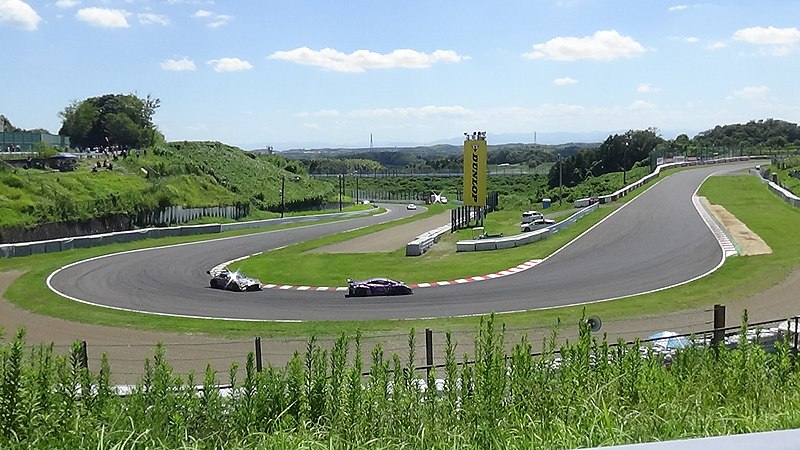
Image via WIkimedia Commons – Wata0929, Suzuka-Circuit Hairpin-Curve, CC BY-SA 4.0

For a thrilling experience, visit the Suzuka Circuit, one of Japan’s most famous racetracks. Home to the Formula 1 Japanese Grand Prix, the circuit offers track tours, a motorsport museum, and even driving experiences for those eager to feel the adrenaline rush of high-speed racing.

Phuket’s Eco-Tourism Escapades

Phuket, known for its vibrant beaches and bustling nightlife, also offers a serene escape into eco-tourism. Discover the island’s natural wonders while treading lightly on its delicate ecosystems.

Exploring Khao Phra Thaeo National Park

Khao Phra Thaeo National Park is a haven for nature lovers, featuring lush rainforests, waterfalls, and diverse wildlife. Trek through trails to encounter native species such as gibbons and hornbills, all while preserving their habitats.

Snorkelling at Coral Reefs

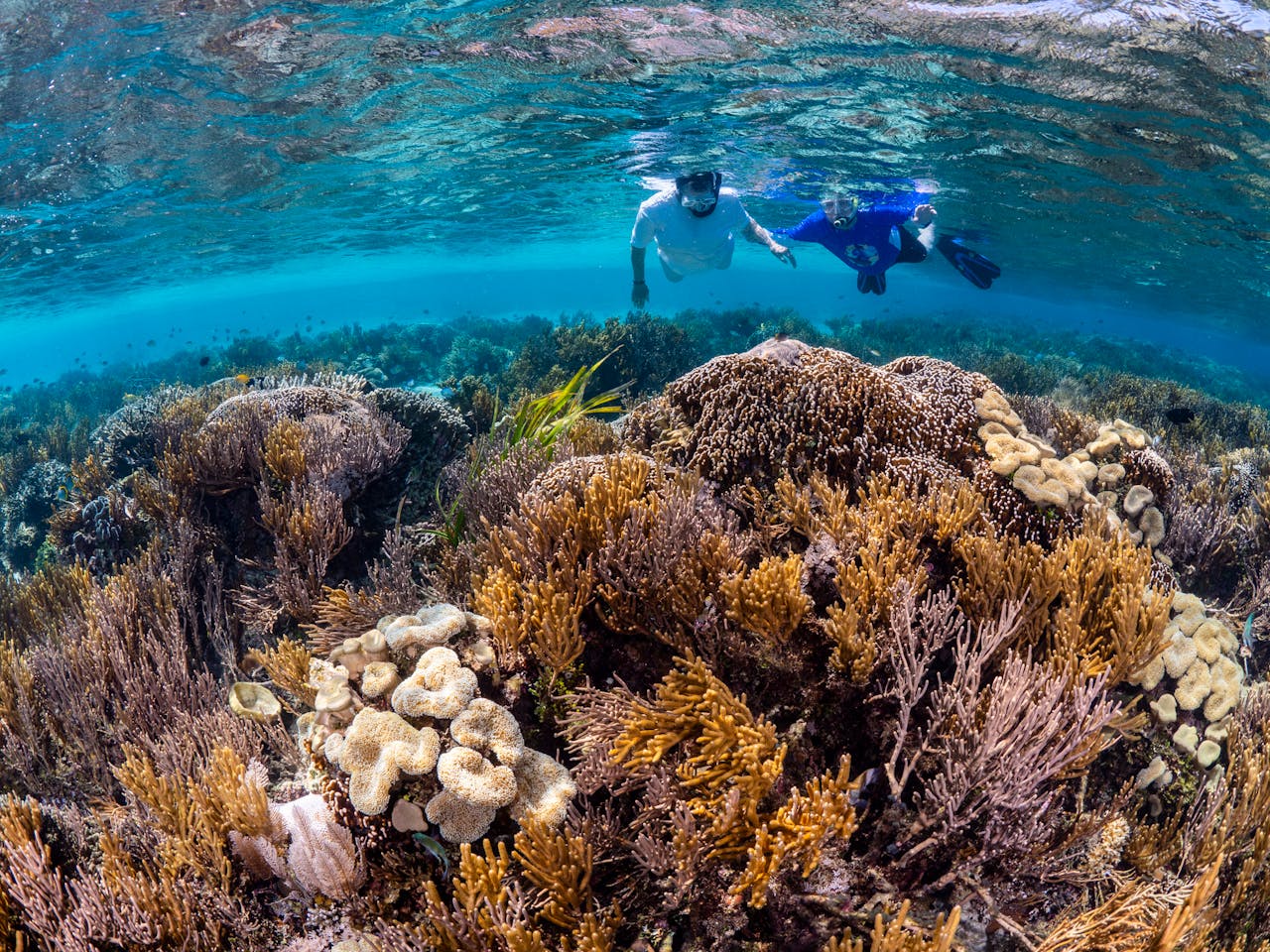
Snorkelling at Coral Reefs – Image via Pexels

Phuket boasts some of Thailand’s most biodiverse coral reefs. Join eco-friendly snorkelling tours to explore vibrant marine life while supporting conservation efforts to protect these fragile ecosystems. After a day of adventure, rejuvenate in luxury at Patong 5-star hotels the likes of Dinso Resort and Villas Phuket. Experience sustainable hospitality that blends comfort with environmental responsibility, ensuring a restful stay without compromising on principles.

Visiting Gibbon Rehabilitation Centre

Support ethical tourism at the Gibbon Rehabilitation Centre, where rescued gibbons are rehabilitated before being released back into the wild. Learn about conservation efforts and the importance of preserving Thailand’s endangered wildlife.

Sustainable Dining at Local Farm-to-Table Restaurants

Enjoy guilt-free dining experiences at Phuket’s farm-to-table restaurants. Savour fresh, locally sourced ingredients while supporting sustainable agriculture practices that minimise environmental impact. Sustainable dining in Phuket not only offers delicious meals but also promotes community support and environmental stewardship through responsible consumption practices

A Guide to Enjoying ESCAPE Park

Penang’s ESCAPE Theme Park is a primary attraction for thrill seekers and families looking for exhilarating adventures. The park is the culmination of the mischievous childhood memories of the park’s founder, Sim Choo Kheng who wanted to spark adventure and activeness in children who are often distracted by technology. Constructed amidst lush greenery the park features over 30 thrilling activities including zip lining, skiing, obstacle courses, water activities and more. For those planning to visit ESCAPE, here’s a quick guide to how you can best enjoy what the park has to offer.

Getting to ESCAPE

The theme park is located in Jalan Teluk Bahang in Georgetown, Penang. It is a short drive from the main city and is close to Batu Ferringhi. If you’re lodged in the heart of Georgetown you’ll likely be in one of the city’s hotels like The George Penang by The Crest Collection, or any other nearby accommodation with great hotel offers in Penang. In this case, you can reach the park via an approximate 45-minute drive from the city. The park is open every week from Tuesday to Sunday, from 10.00 a.m. to 6.00 p.m.

What to Wear

It is best to dress comfortably to maximise your comfort as you enjoy the various thrill rides and attractions. Airy sports clothes are your best option, especially board shorts, swimming trunks, or a swimsuit. You’ll also need a pair of close-toed shoes as they are required in certain areas of the park.

Essentials to Bring

Apart from appropriate swimwear and sports clothing, you’ll want to bring a hat or cap with sunscreen and mosquito repellent. A towel and some spare clothing may also come in handy. Note that food and drink are not allowed inside the park.

Attractions to Discover

Image via Wikimedia Commons – Chongkian, ESCAPE Adventureplay, CC BY-SA 4.0

The park features two main sections. The ‘Adventureplay Park’ consists of thrilling activities like tree climbing and bungee jumping, while the ‘Waterplay Park’ features water-based activities and rides. Here are some of the unique and popular attractions you may want to try.

Zip Coaster Ride: Extending over 1.1 kilometres in length this is the world’s longest zip coaster which combines the thrilling elements of a roller coaster and a zip line to create an adrenaline-pumping experience. The 6-minute ride will take participants through dramatic climbs, thrilling turns and dramatic drops.

Malaysia’s First Ski Slop: Opened in November 2022, this ski slope features no actual snow but makes up for it with a 302-metre-long ski slope. It features separated areas designated for experienced skiers and beginners.

Monkey Business: Climbing enthusiasts will enjoy this obstacle course that has three levels of platforms and ropes for visitors to conquer.

Play House: This is the main attraction for children and adults looking to splash around in the water on a hot day. It features water guns and colourful towering slides.

Walking Around Georgetown

There’s no better way to explore a town than on foot and the same is true of Penang’s Georgetown. Embarking on your own walking tour will allow you to enjoy some delicious street food while witnessing colourful street art and some of the city’s historic buildings, all at your own pace. If you plan for a morning tour of the city on foot here is a rough guide to take you through some of the iconic streets and places in Georgetown.

Chowrastra Market

The Chowrastra Market located a short distance from The George Penang by The Crest Collection is a good starting point, especially if you’re stepping out from a nearby luxury boutique hotel in Penang. Like most other markets in Penang, Chowrastra Market sells various local favourites like koay teow th’ng and assam laksa. If you haven’t had your breakfast for the day, a visit to this market should replenish you for the journey ahead.

Penang Street Art

Next, head towards Cannon Street where you’ll begin to see astounding street art and murals. “Boy on a Chair” (on Cannon Street), “Kids on a Bicycle” (on the corner of Armenian and Beach Streets), “Boy on Motorbike” (Ah Quee Street), and “Children Playing Basketball” (off Chulia Street), are four colourful murals that attract visitors throughout the day.

Clan Jetties

Right next to the Street Art are the Clan Jetties, a group of floating villages that are home to a community of Chinese families. These communities were formed here in the 19th century when Chinese immigrants arrived and made their homes on the jetties, with each jetty now being associated with a clan or family. The Chew jetty is the longest and most accessible with several souvenir shops and restaurants that are worth a quick visit.

Queen Victoria Memorial Clock Tower

From the jetties, a walk towards the north will bring you to the Queen Victoria Memorial Clock Tower, a 60-foot-tall monument. It was built to honour the Diamond Jubilee of Queen Victoria, with each foot for each year of her reign. The tower was completed in 1902 after her death but continues to attract plenty of visitors today.

Fort Cornwallis

Moving towards your right from the Tower at the roundabout will lead you towards Fort Cornwallis, the historic fort built by the British to protect Georgetown from outside forces and pirates. It is the largest fort in Malaysia and has undergone several renovations. The Fort still features a large canon facing out to sea although it was never used at the time.

City Hall and Town Hall

As you continue along the same route, you’ll reach the magnificent City Hall and Town Hall building. The Penang City Hall was constructed in 1903 and features Edwardian Baroque and Palladian styles of architecture. If you choose to explore inside, you’ll find informative brochures and a small gallery showcasing the heritage of Georgetown.

Right next to City Hall is the Penang Town Hall, the oldest municipal building in Penang. Designed by military engineers, the foundation stone was first laid on the 1st of January in 1879. Over the years, the building underwent numerous changes and now features a front portico, a ballroom with adjoining supper rooms, an assembly hall, office rooms and a library.

Pinang Peranakan Mansion

Image via Wikimedia Commons – Matthias Bethke, 010684 Pinang Peranakan Mansion (Georgetown, Penang – Malaysia), CC BY-SA 4.0

This unique mansion makes for an excellent final stop on your tour. Also known as ‘the Green Mansion’, it was built by the Chinese business mogul Chung Keng at the end of the 19th century as a place of residence and office. Today it stands as a museum showcasing Perankan’s cultural heritage. There’s plenty to explore inside including several rooms, galleries, an impressive jewellery collection and a kitchen with rustic utensils. The building’s interior also features Peranakan designs and decor that are amazing to look at.

Unveiling Sumo, Japan’s Ancient Wrestling Spectacle

Sumo wrestling, with its colossal athletes and lightning-fast throws, is a captivating spectacle that has enthralled Japan for centuries. More than just a sport, sumo is deeply embedded in Japanese culture, steeped in tradition, and rich with rituals. So, before you get swept away by the energy of a sumo match, take a moment to delve into this fascinating world.

The Wrestlers: Building Mountains of Muscle

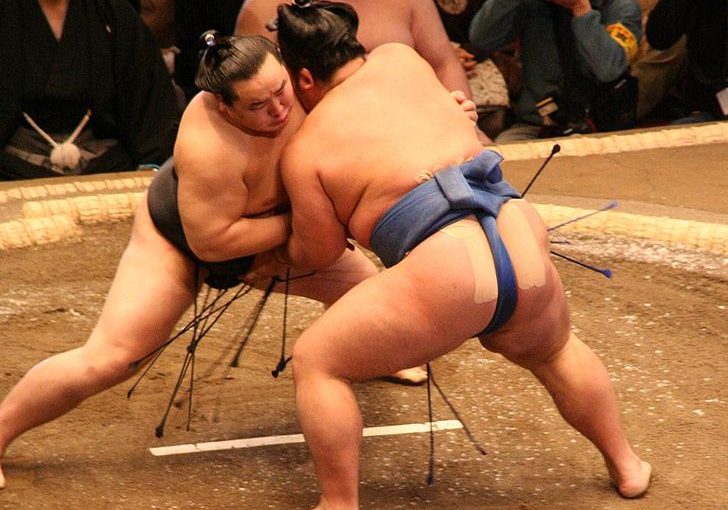
Sumo wrestlers, known as Rikishi, dedicate their lives to this demanding sport. They adhere to a strict training regimen and a unique diet high in protein and carbohydrates to build their massive physiques. Wrestlers typically wear only a mawashi, a special belt made of silk. Their topknot hairstyles, or chonmage, are a symbol of their commitment to the sport and tradition.

The Dohyo: A Sacred Space for Sumo Battles

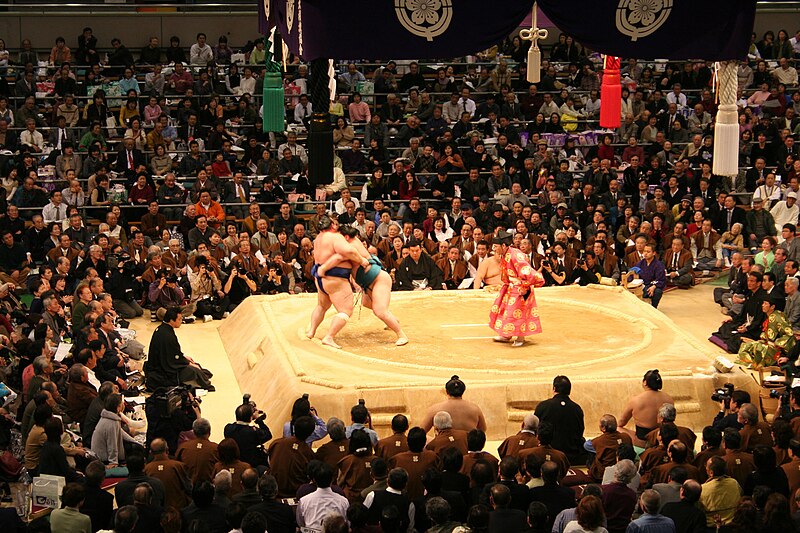
The sumo ring called a dohyo, is a circular, elevated platform made of packed clay. A straw rope lining the edge signifies the sacred nature of the space. Before each bout, wrestlers perform a ritual purification ceremony to cleanse the dohyo and ensure a fair match. Stepping outside the dohyo during a match results in disqualification.

The Bouts: A Clash of Power and Technique

A sumo match is a test of strength, agility, and strategy. The ultimate goal in Sumo is to either drive your opponent out of the ring or make any part of their body besides the soles of their feet come into contact with the dohyo. Matches are often surprisingly quick, decided in a matter of seconds. Referees, dressed in traditional attire, meticulously observe the action to declare the winner.

The Grand Sumo Tournaments: Witness Sumo’s Grandeur

The Grand Sumo Tournaments – Image via Wikimedia Commons

Six grand sumo tournaments, or basho, are held annually across Japan, with three in Tokyo. The prestigious Ryogoku Kokugikan, also known as the National Sumo Stadium, is the iconic venue for the Tokyo tournaments. Guests staying at furnished apartments in Tokyo, such as the elegantly designed Ascott Marunouchi Tokyo, can conveniently reach the stadium via an easy drive.

Beyond the Ring: Sumo’s Cultural Significance 

Sumo wrestling holds a special place in Japanese culture. It is a national sport with a rich history dating back centuries. Sumo wrestlers are revered figures, embodying values like discipline, strength, and respect. Understanding Sumo’s traditions and customs allows you to appreciate this unique sport on a deeper level.