Why Phi Phi Islands Are One of the Best Destinations for Snorkelling, Island Hopping and Scuba Diving?

snorkelling

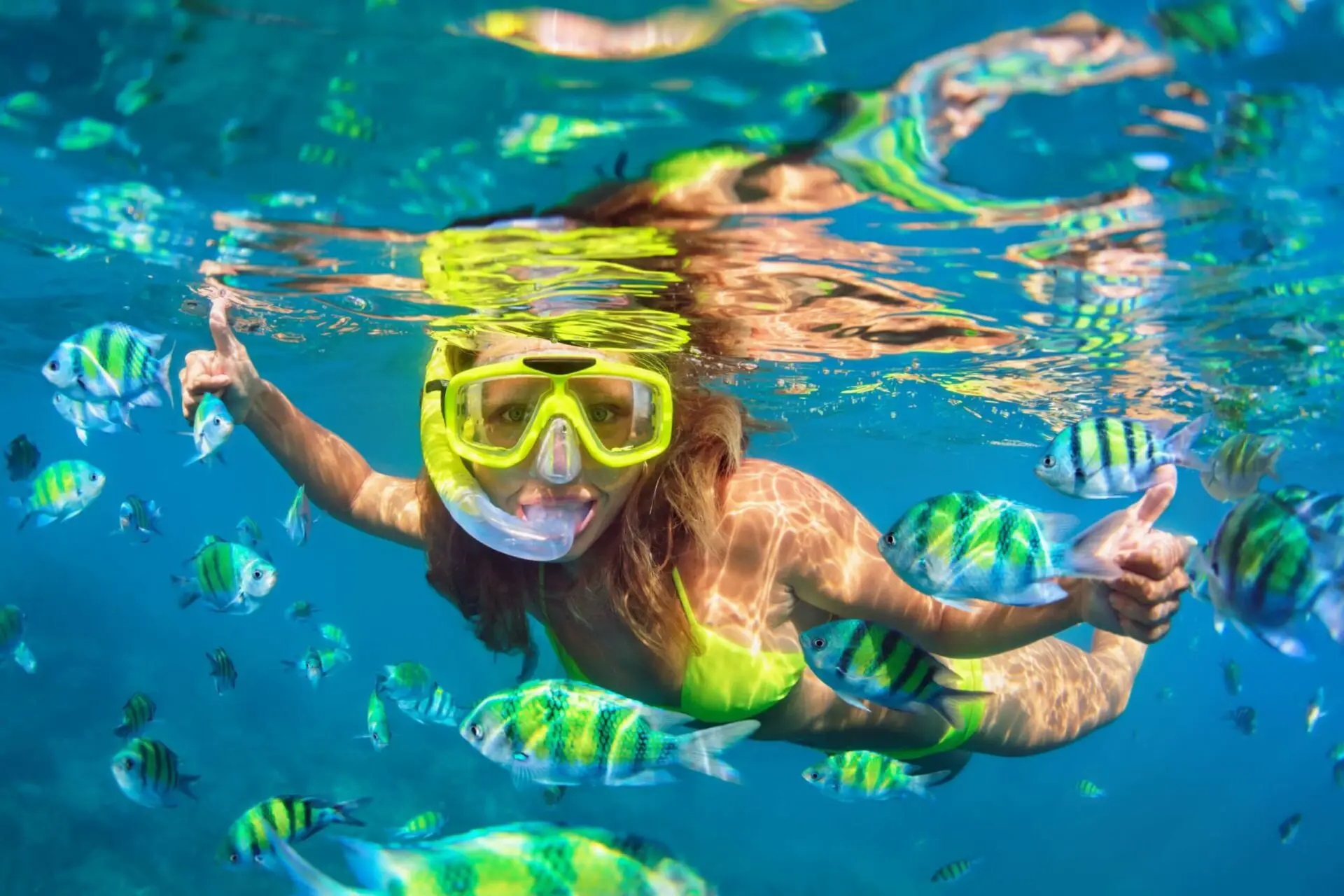
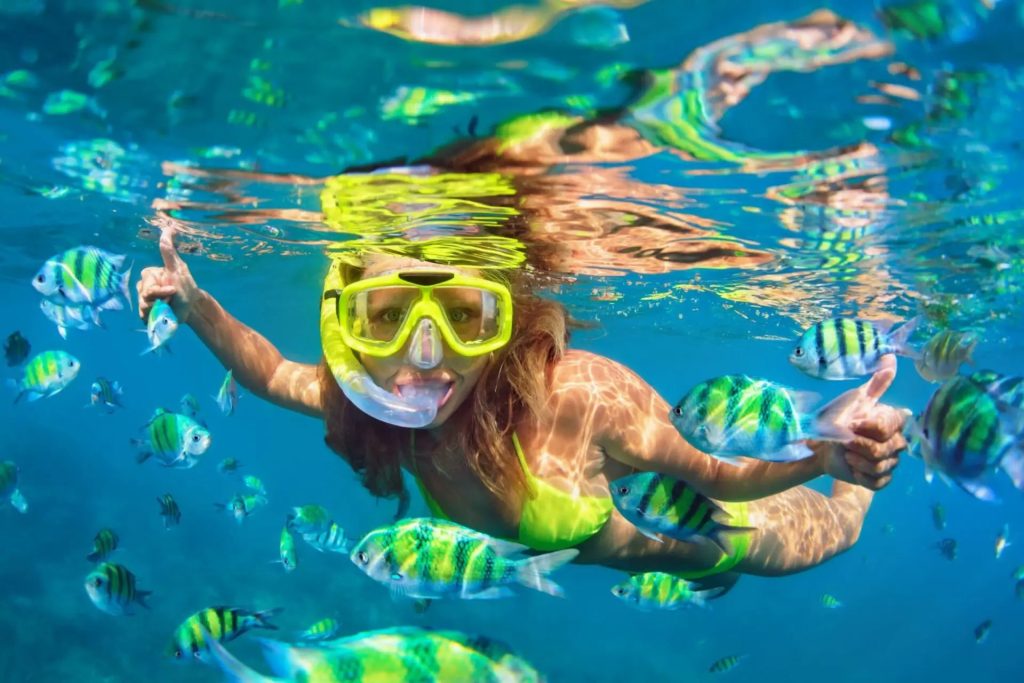
The Phi Phi Islands may be known for their vibrant nightlife and parties, but they’re also one of those rare destinations that offer the island-adventure trifecta – snorkelling, scuba diving and island hopping. Yes, the archipelago offers all three adventures because it’s got the perfect combination of stunning marine ecosystems, ideal year-round conditions, and unique geographical traits. 

These natural attributes, combined with widespread accessibility and convenient facilities, make the Phi Phi Islands a top choice among snorkellers, scuba divers and island adventurers. Here’s more on this stunning group of islands and what makes them a top choice for this trio of adventures. 

An Overview of the Islands

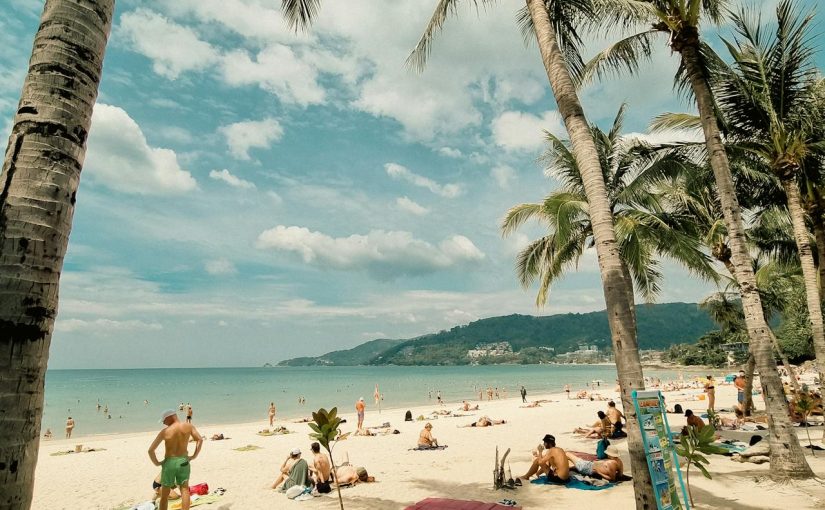
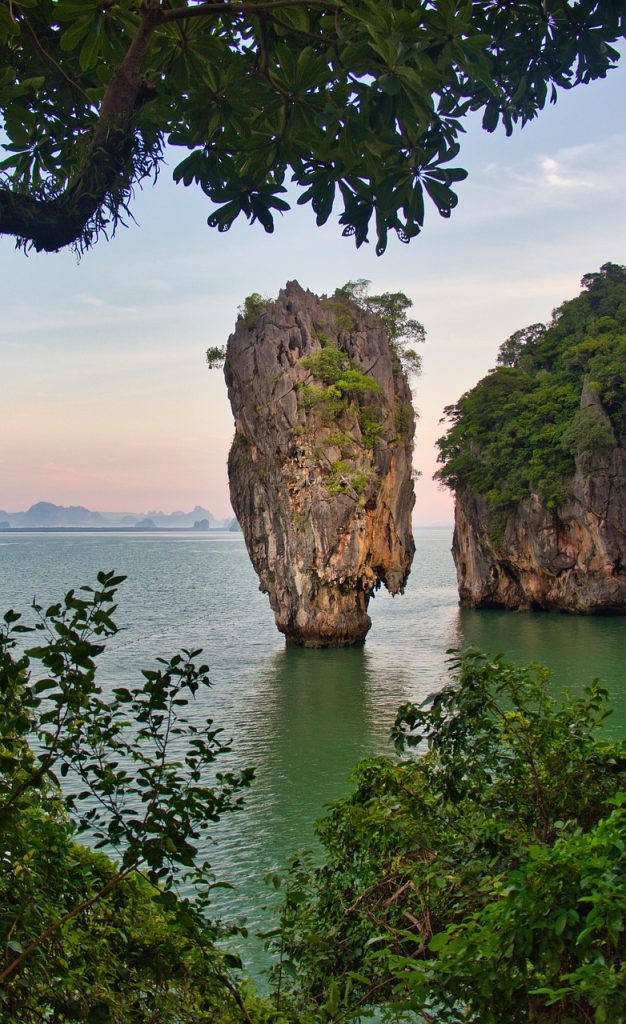
The Phi Phi Islands, or Koh Phi Phi, are 6 islands that make up an archipelago and are found in the Andaman Sea, to the south of Thailand. Koh Phi Phi Don and Koh Phi Phi Le are its two largest islands, with the former being the only inhabited island. The archipelago is abundant in natural beauty – picture-perfect beaches and rock formations, diverse wildlife, and a vibrant culture – and it’s also home to top resorts like SAii Phi Phi Island Village, a winning combination that makes it a popular paradise for tropical getaways. 

Why It’s Great for Snorkelling, Island Hopping & Scuba Diving

So what exactly makes Koh Phi Phi one of the best destinations for snorkelling, island hopping and scuba diving? The following factors line up perfectly to make it a top choice for all three adventures. 

Exceptional Marine Ecosystems

Koh Phi Phi is part of the Hat Noppharat Thara – Mu Koh Phi Phi National Park, which is a protected area that has allowed marine life and ecosystems to flourish in the region. This means that the waters surrounding the islands are teeming with soft, vibrant corals and all kinds of marine species – black-tip reef sharks, sea turtles, clown fish and schools of tropical fish. 

A Unique Geographical Location

There’s never a shortage of places to visit on Koh Phi Phi, whether you opt for snorkelling, diving or island-hopping. The archipelago itself is home to several beaches, bays and dive sites that are teeming with marine life, and island-hoppers can visit each of the islands that make up the archipelago, as each offers a slightly different experience and landscape. Koh Phi Phi is also located halfway between Phuket and Krabi, which makes a perfect mid-point from which to access some of the other famous islands and dive spots, which are a shorter distance away. 

The Visibility is Great

The waters of the Andaman Sea around Koh Phi Phi are known for their excellent horizontal visibility, which reaches 20 to 30 metres during the peak season, and 10 to 20 metres during the low season. So no matter which time of year you decide to visit for snorkelling and diving, you won’t have to venture too far below to catch the details of vibrant fish species and corals. 

It’s a Year-Round Destination

Koh Phi Phi has two distinct seasons: the high season from November to April, when the seas are calmer, and the low season from May to October, when there’s occasional rain and surface conditions. But despite these minor differences, the overall conditions on Koh Phi Phi remain great for underwater adventures throughout the year. The water temperatures consistently stay between 27°C and 30°C, and having just a rash guard is often enough for protection from the sun.

Accessible for Everyone

One of the other great things about the archipelago is that it welcomes both seasoned explorers and beginners. The islands are naturally sheltered by giant limestone cliffs that act as a natural windbreak, which in turn keeps the currents gentle and the water surface flat – ideal ‘classroom’ conditions for beginners to learn the basics. The islands also feature plenty of dive schools that offer guided lessons and PADI certifications, ensuring that first-timers can learn safely and from experienced professionals. 

Best Spots for Adventure

Whichever adventure you opt for, there are plenty of iconic spots for snorkelling, island-hopping and scuba diving around Phi Phi Islands. Here are some of the best spots to visit for each activity.

  • Maya Bay: Recently reopened with strict conservation; famous for its rebounding shark population and coral recovery.
  • Bamboo Island: Offers a flat, shallow reef perfect for beginners and families; the water is strikingly turquoise.
  • Mosquito Island (Koh Yung): Located north of Bamboo Island, this spot is great for snorkelling, though it is best visited during the day to avoid mosquitoes.
  • Monkey Beach: The shallow reefs right next to the beach allow you to walk into the water and start snorkelling immediately.
  • Koh Bida Nok & Koh Bida Nai: these limestone pinnacles feature dramatic underwater landscapes, swim-throughs, blacktip reef sharks, turtles, and large schools of yellow snapper.
  • Kled Gaeow Wreck: This 48-meter naval patrol ship sits around 16–26 meters, covered in soft corals and frequented by large schools of barracuda and lionfish.
  • Phi Phi Shark Point (Hin Bida): A pinnacle situated southeast of Phi Phi Leh known for its leopard sharks, soft corals, and occasional green rays.


References:

https://www.tourismthailand.org/Destinations/Provinces/Ko-Phi-Phi/359

https://www.pocketwanderings.com/phi-phi-island-travel-guide/#:~:text=The%20islands%20offer%20a%20tropical,t%20for%20all%20the%20tourists.

https://traveltheworldpages.com/koh-phi-phi-diving/#What_Makes_Diving_in_Koh_Phi_Phi_So_Special

https://www.blueviewdivers.com/best-time-to-dive-phi-phi/

https://www.phiphi-islands-tours.com/snorkeling/
 

How Long You Should Stay in Tangalle: Timing That Suits You Best

Tangalle offers the perfect escape for those looking for a quiet seaside vacation along Sri Lanka’s southern coast, away from nearby bustling hubs like Unawatuna and Mirissa. But for how long should you stay to enjoy this idyllic paradise? That depends on what kind of experience you’re after.

2 to 3 Days for a Short Stay

If you’re on a tight itinerary, 2-3 days is enough time to see the essentials. You can lounge on Goyambokka Beach and witness turtle nesting at Rekawa. You can also visit to the Mulkirigala Rock Temple or the Hummanaya Blowhole, courtesy of hotels like Anantara Peace Haven Tangalle Resort

4 to 5 Days for Slow Exploration

If you’re looking to capture the town’s true spirit, you’ll need 4-5 days. This gives you enough time to explore hidden gems like Silent Beach, enjoy kayaking at Kalametiya Bird Sanctuary, and embark on a safari to Udawalawe National Park, one of the best Tangalle experiences.

7+ Days for Wellness & Seclusion

Staying for a week or more is perfect if your goal is to leave Tangalle fully rejuvenated. The town is famous for its Ayurvedic retreats and yoga programmes, and you’ll be able to slow down, disconnect and truly rediscover your inner balance.

The Best Time to Visit

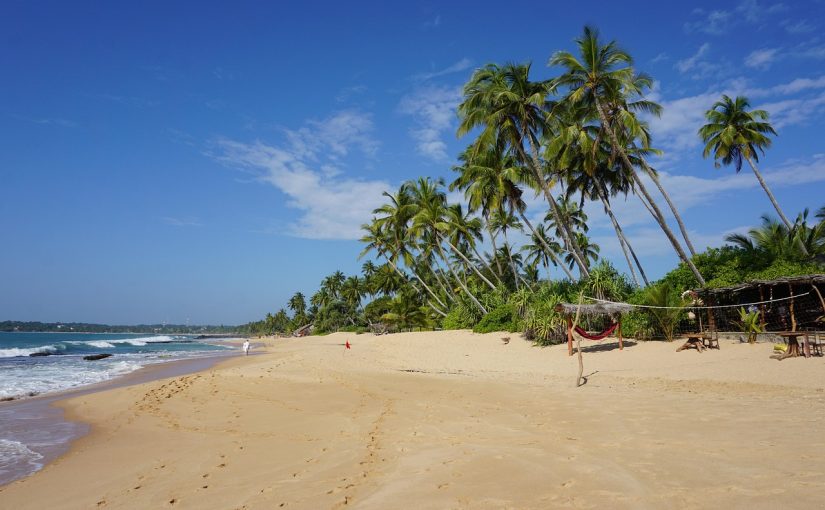
Image by Pexels from Pixabay

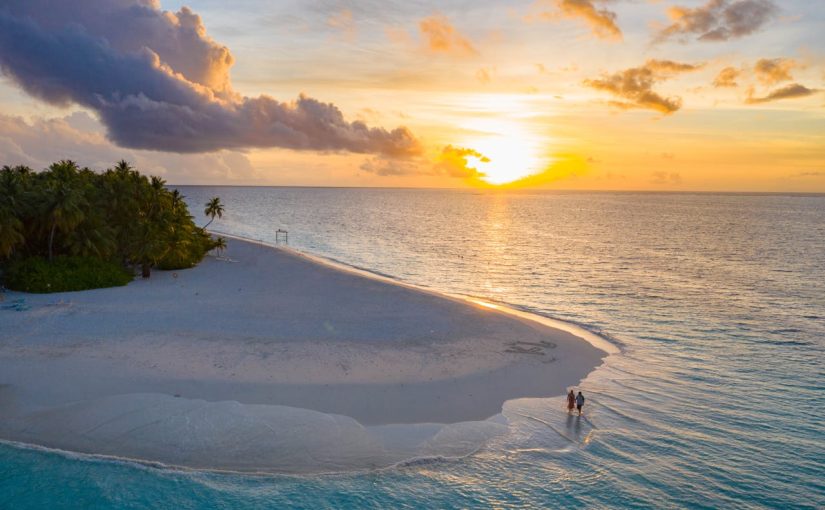
However long you decide to stay, aim for the dry season between December and April to get the most out of your visit. This is when the turquoise waters are calmest, and the weather is perfect for exploration and wellness.

Kbal Spean in Cambodia – A Captivating Journey to a Hidden Gem

Hidden within the jungle-covered Kulen Hills, around 50 kilometres northeast of Siem Reap, Kbal Spean is one of Cambodia’s most remarkable archaeological treasures. Also known as the ‘River of a Thousand Lingas’, this sacred Angkorian-era site perfectly combines natural beauty with ancient spirituality. Kbal Spean, with its flowing water, lush jungle, and centuries-old carvings, is a captivating destination for travellers seeking a deeper understanding of Cambodia’s spiritual heritage.

The Sacred River of a Thousand Lingas

As one of the most fascinating Siem Reap attractions, the most distinctive feature of Kbal Spean is the hundreds of lingas carved directly into the riverbed. These sacred symbols represent the creative power of Shiva in Hindu faith. Arranged in precise grid patterns across the sandstone floor, the carvings stretch for nearly 200 metres along the stream. As water flows over the lingas, it is believed to be blessed, carrying sacred energy downstream to the temples and rice fields of Angkor.

Mythological Stories Carved in Stone

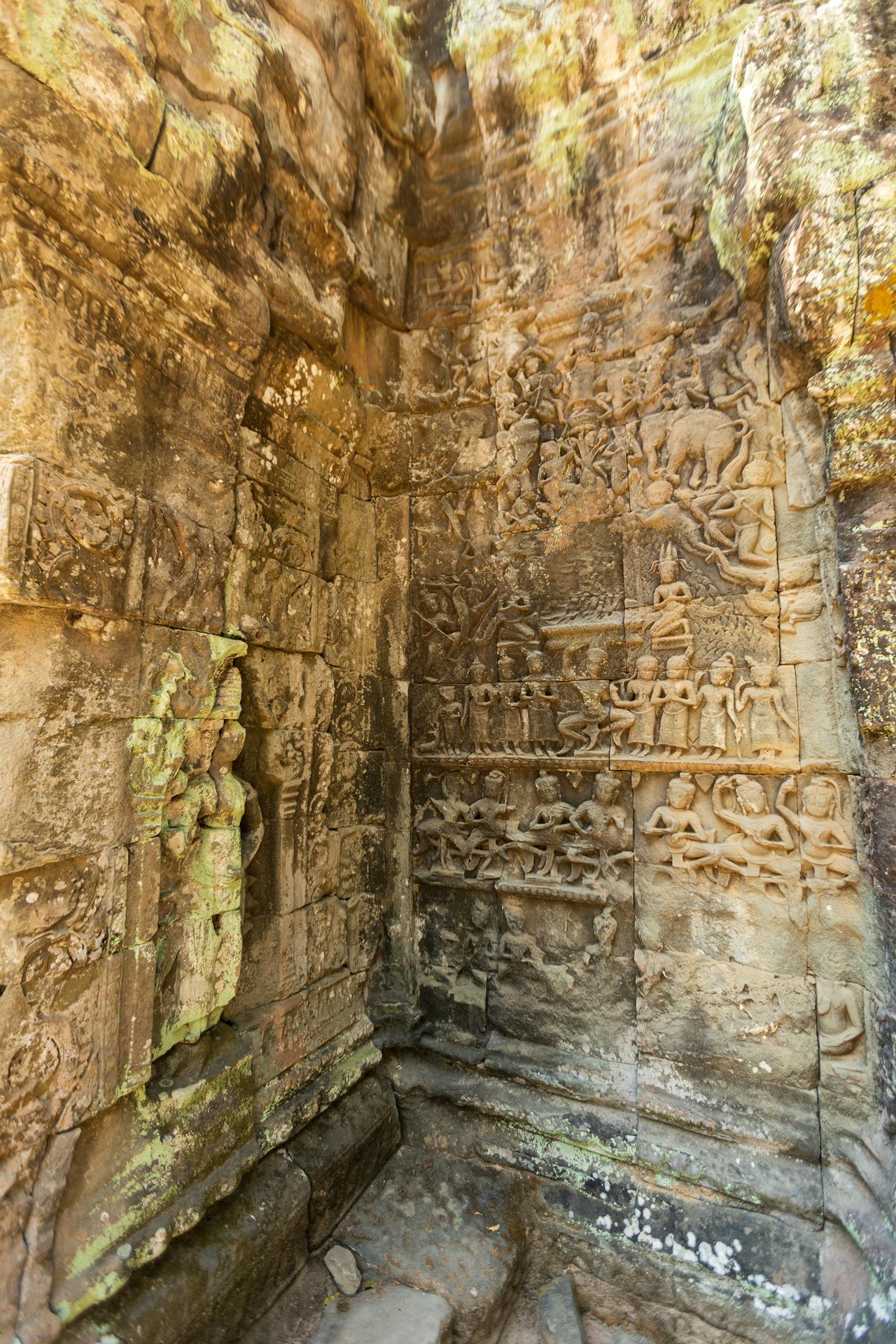
Beyond the lingas, Kbal Spean features detailed carvings of Hindu deities and mythological scenes. Visitors can find depictions of Vishnu reclining on the serpent Ananta as well as ones where he is accompanied by his consort Lakshmi. These artistic representations reflect the deep influence of Hinduism during the Angkorian period. Travellers exploring nearby heritage sites or planning their stay at hotels such as FCC Angkor by Avani will often discover that Kbal Spean offers a unique blend of history, spirituality, and natural beauty.

Image by pexels

A Sanctuary Rooted in Angkorian History

The carvings at Kbal Spean date back to the 11th and 12th centuries during the height of the Khmer Empire. The project began under King Suryavarman I and flourished during the reign of King Udayadityavarman II. In 1059, the king consecrated a golden linga at the site, further highlighting its spiritual significance.

A Scenic Jungle Journey

Reaching Kbal Spean requires a scenic 1.5-kilometre hike through lush forest trails in Phnom Kulen National Park. The walk itself adds to the experience, as visitors pass through dense vegetation before reaching the sacred river. The best time to visit is between November and April, when water levels are lower, making the carvings beneath the flowing stream more visible.

Sri Lanka’s Ultimate “Hike & Unwind” Itinerary for Adventure Seekers

Sri Lanka provides the ideal blend of action and relaxation for travellers looking for more than a standard vacation. A “hike and relax” schedule offers stunning hikes, breathtaking scenery, and tranquil spots to unwind, allowing adventure crews to experience nature while getting well-deserved relaxation and rejuvenation.

Iconic Hiking Trails and Scenic Viewpoints

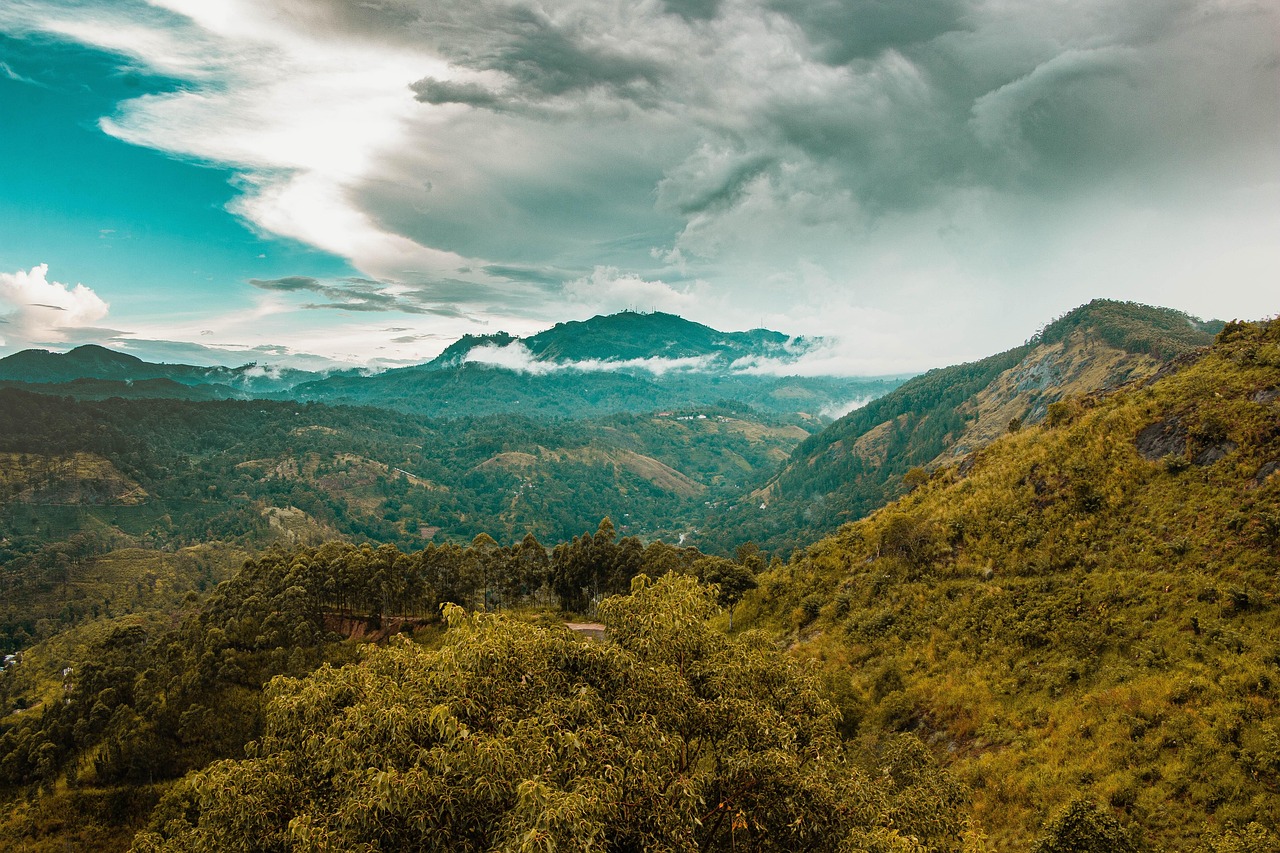
Sri Lanka has a number of classic hiking trails with spectacular views. From mountain peaks to forest trails, every route highlights the island’s natural splendour. These hikes offer both a physical challenge and breathtaking sights. Not to forget the opportunity of a lifetime, which is to be one with nature, because the luscious greenery is something extremely stunning that needs to be experienced at least once in anyone’s life.

Unwinding in Nature-Rich Retreats

A luxury resort in Sri Lanka is perfect to wind down in while being surrounded by nature after all that adrenaline build-up from the exciting hikes. This is why relaxing in nature-rich resorts is vital after a day of physical activity. Scenic lodges and eco-resorts provide peaceful environments surrounded by greenery. These areas allow travellers to rest and reflect on their journeys. It helps that accommodation options such as the 98-acre resort and spa also offer just this!

Adventure Activities Beyond the Hike

Along with hiking, there are many other activities to adventure on as well that include zip-lining, cycling, and river rafting. These experiences can add a bit of variety to the itinerary, as they’re different and exciting. Days that are filled with adventure add a sense of teamwork and exploration among teammates as well.

Image by vined mind from Pixabay

Food, Culture, and Recovery Time

Local cuisine is vital for both recuperation and enjoyment. Sharing traditional meals allows crew members to reconnect and unwind. Cultural experiences provide richness and balance to the whole trip, creating an opportunity to connect with locals as well.

Scuba Diving in the Maldives –  A Simple Primer

Scuba diving in the Maldives is like stepping into an underwater wonderland. Imagine swimming through crystal-clear waters, checking out colourful coral reefs, and hanging out with turtles, manta rays, and even whale sharks. Whether you’re a newbie or a seasoned diver, the Maldives has dive spots for everyone.

Bathala (Maldives)
Bathala (Maldives) | Images via Wikimedia Commons

A Short Overview of the Maldives

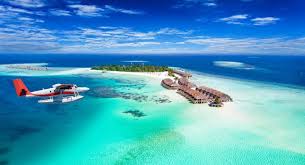
The Maldives, a stunning archipelago in the southern Indian Ocean, is made up of 1,192 coral islands grouped into 26 natural atolls, stretching roughly 900 kilometres from north to south. The equator passes near the Addu Atoll, dividing the country. While Dhivehi is the official language, English is widely spoken, especially in the tourism sector and places like the Anantara Kihavah Maldives Villas.

The Ideal Time to Visit

From December to April, during the northeast monsoon or dry season, trade winds from India bring mostly sunny, calm weather to the Maldives with very little wind. Ocean visibility can be excellent, reaching up to 50 meters in the eastern atolls and around 25 meters in the western ones. However, water clarity also depends on factors like weather, tides, location, and the season. So, before embarking on some of the most interesting things to do in Maldives, make sure the conditions are right.

Diving Formations

In the Maldives, divers often encounter two unique underwater formations: giris and thilas. A giri, sometimes called a reef tombolo or atoll lagoon, is a mostly submerged coastal landform separate from the island reef, with its top visible from the surface and accessible to divers of all levels. Thilas, on the other hand, are larger coral formations typically found deeper, between 20 to 40 metres below the surface.

Marine Life

The Maldives is world-renowned for its incredible marine life, particularly manta rays and whale sharks. Home to the largest population of reef manta rays (Manta alfredi), estimated between 5,000 and 7,000, the islands also host the occasional giant manta. Alongside them, the Maldives also offers encounters with the gentle giant of the ocean—the whale shark (Rhincodon typus), the largest fish in the world.

Why You Should Pack Your Surfboard for the Maldives – Ride Warm Waves in Paradise

The Maldives is known for calm lagoons, but its surf breaks are just as impressive. With steady swells and warm water, it is one of the easiest places to enjoy a relaxed surfing escape.

World-Class Waves with a Laid-Back Island Feel

Many travellers are surprised to learn that the Maldives offers some of the most consistent waves in the Indian Ocean. Reef breaks in North and South Male Atolls attract surfers who want steady swells and clear conditions. Staying at a Maldives surf resort places you close to well-known spots like Sultan’s and Honky’s, and Anantara Dhigu Maldives Resort sits within reach of surf points ideal for beginners and experienced riders.

Plenty of Surf Spots for Every Skill Level

The Maldives is not only for professionals. Gentle longboarding waves, playful reef breaks and reliable channels make it suitable for surfers who want a comfortable and warm setting to practise. Many resorts offer guided surf sessions and rental gear for guests.

Warm Water and Ideal Weather All Year

One of the best parts about surfing here is the climate. The water stays warm throughout the year, and most sessions can be enjoyed without a wetsuit. The surfing season peaks from April to October, when swells reach the atolls from the south-west.

A Surf Trip That Combines Adventure and Relaxation

Image by Erick Palacio from Pixabay

After surfing, you can return to quiet beaches, soft sand and peaceful lagoons. It is easy to switch from riding waves to snorkelling, dining by the sea or watching the sunset from a hammock. This mixture of calm island life and exciting surf makes the Maldives an appealing destination for both thrill seekers and travellers who want balance in their holiday.

Tips to Experience Qatar Like a Local – Simple ways to see beyond the guidebooks

Qatar rewards travellers who slow down and look closer. By following local rhythms and everyday habits, the country reveals a warmer and more personal side.

Stay close to everyday life, not just landmarks

To experience Qatar properly, choose locations where daily life continues after sunset. Areas near traditional souqs, local cafés, and neighbourhood beaches give you a clearer sense of how people live. Even travellers staying at 5-star hotels in Doha can step outside their comfort zone by exploring nearby streets, bakeries, and evening gathering spots. Early mornings and late evenings are when local life feels most natural.

Eat where families eat

Skip international chains whenever possible and look for small restaurants filled with local families. These places often serve traditional Qatari and Gulf dishes at fair prices. Breakfast cafés, shawarma shops, and seafood grills are part of everyday life. You can ask staff for nearby recommendations, as locals often know the best casual places that do not appear online.

Learn simple cultural habits

Respect goes a long way in Qatar. Dress modestly in public areas, especially markets and cultural sites. Greet people politely and accept hospitality when offered. Visiting a souq in the evening, sipping karak tea, and taking time to talk rather than rush helps you blend in naturally. Fridays are quieter during the day, as families gather and prayer times shape the rhythm of the city.

Explore coastal towns and heritage areas

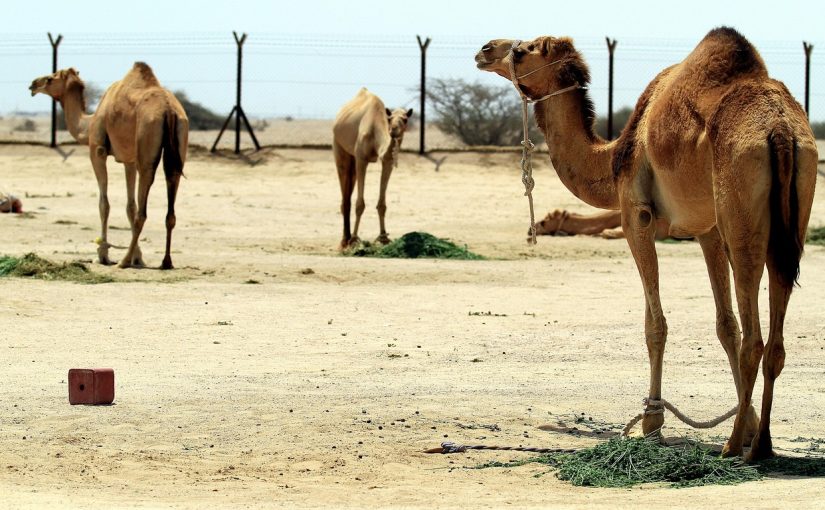
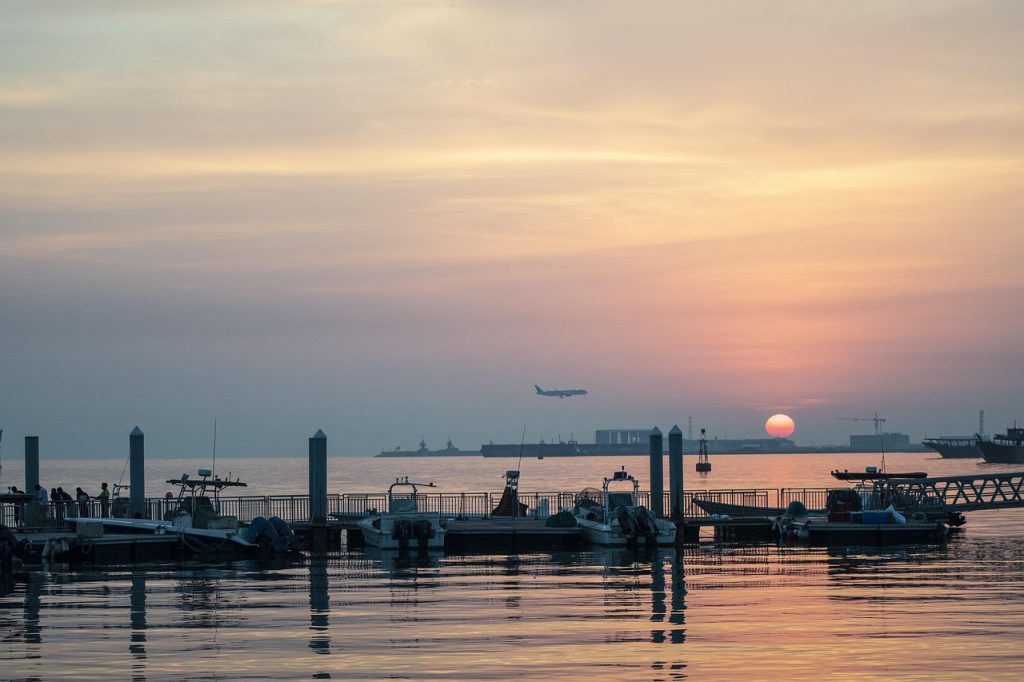
Image by Vinod Thadhani from Pixabay

Doha is only part of the story. Coastal towns like Al Wakra show a calmer, more traditional side of the country. Walking through restored heritage streets, fishing harbours, and seaside promenades gives context to modern Qatar. For example, Souq Al Wakra Hotel Qatar By Tivoli sits in one such area, where restored architecture and local life exist side by side, making it easier to experience Qatar at a slower pace.

Maldives Beyond the Beach: Discover the Essence of Paradise

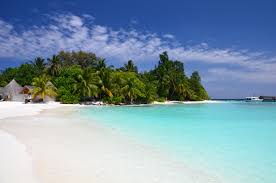
While the Maldives is celebrated for its white coralline beaches, soft and cool to the touch, the true essence of this island nation lies far beyond its shoreline. From exotic marine life to rich local traditions, the Maldives offers experiences that reveal a deeper side of paradise.

House Reefs

One of the Maldives’ greatest natural treasures is its house reefs, found just steps from the best resorts in Maldives. These thriving coral ecosystems are home to colourful reef fish, turtles, rays, and reef sharks. Snorkelling directly from the shore allows travellers to explore an underwater world of over 1000 species of marine life with ease and minimal impact.

Deep Sea Adventures

For thrill-seekers who can’t get enough of the water, the open ocean promises unforgettable encounters. Deep-sea diving and excursions offer the chance to spot manta rays, whale sharks, coral drop-offs and hidden caves. Big-game fishing and night dives add an extra layer of adventure to the Maldivian experience that’s deeply rooted in a historic tradition.

Water Villas

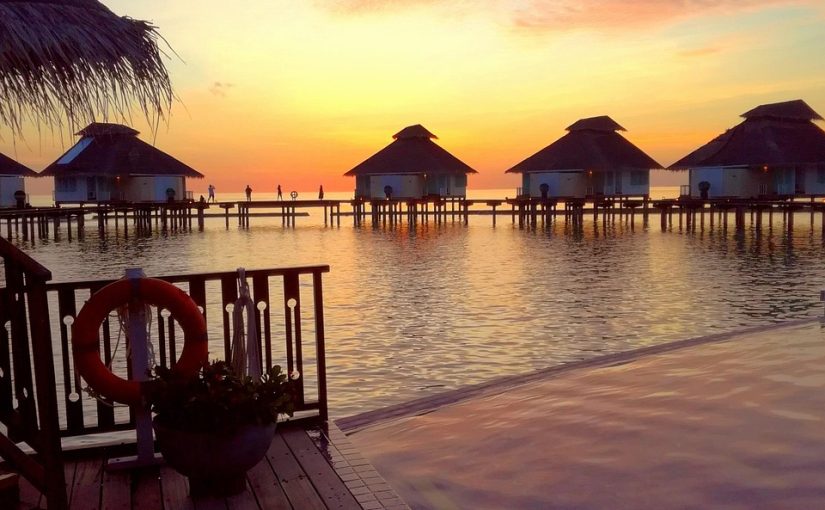
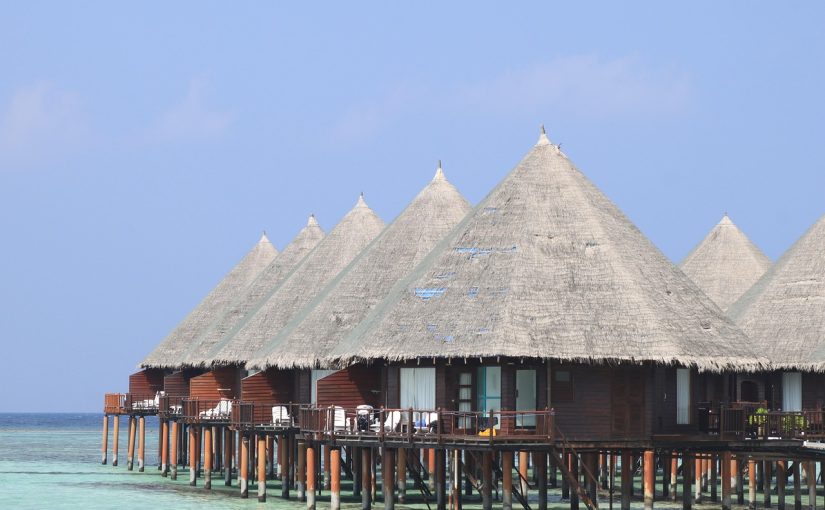
Iconic water villas at resorts like The Nautilus Maldives define tropical island luxury. Suspended above unimaginably clear lagoons, they provide direct access to the sea, uninterrupted views, and unmatched privacy  perfect for relaxation, romance, and reconnecting with nature.

Local Island Culture

Image by Elvira Csehók from Pixabay

It’s not just the natural beauty that’s on offer; beyond the resorts, local islands provide insight into everyday Maldivian life. Visiting fishing villages, tasting traditional cuisine, and engaging with local communities will reveal the cultural heartbeat of the Maldives.

A Practical Guide to Surfing in Unawatuna – Surf, Sun, and Easy Waves

Unawatuna is one of Sri Lanka’s most beginner-friendly surf towns, with mellow waves and a relaxed beach culture. It also offers enough variety to keep more experienced surfers interested.

Why Unawatuna is ideal for first-time surfers

Unawatuna is known for its forgiving waves, sandy-bottom breaks, and easy beach access, which makes it perfect for beginners. The waves are smaller and more predictable than those found on the south coast’s heavier reef breaks. Surf schools and board rentals are easy to find, making it one of the most popular things to do in Unawatuna for visitors who want to try surfing for the first time. Early mornings are usually calm and less crowded, which helps beginners gain confidence.

Spots that work for intermediate and confident surfers

While Unawatuna itself is gentle, nearby breaks add more challenge for experienced surfers. Spots like Dewata and nearby reef sections offer faster waves on the right conditions. Exploring these areas is also part of the wider list of things that you can do in Unawatuna, especially for surfers who want to mix short sessions with coastal exploring. It is best to check tides and local advice before heading out, as conditions change quickly.

Best season, safety, and surf etiquette

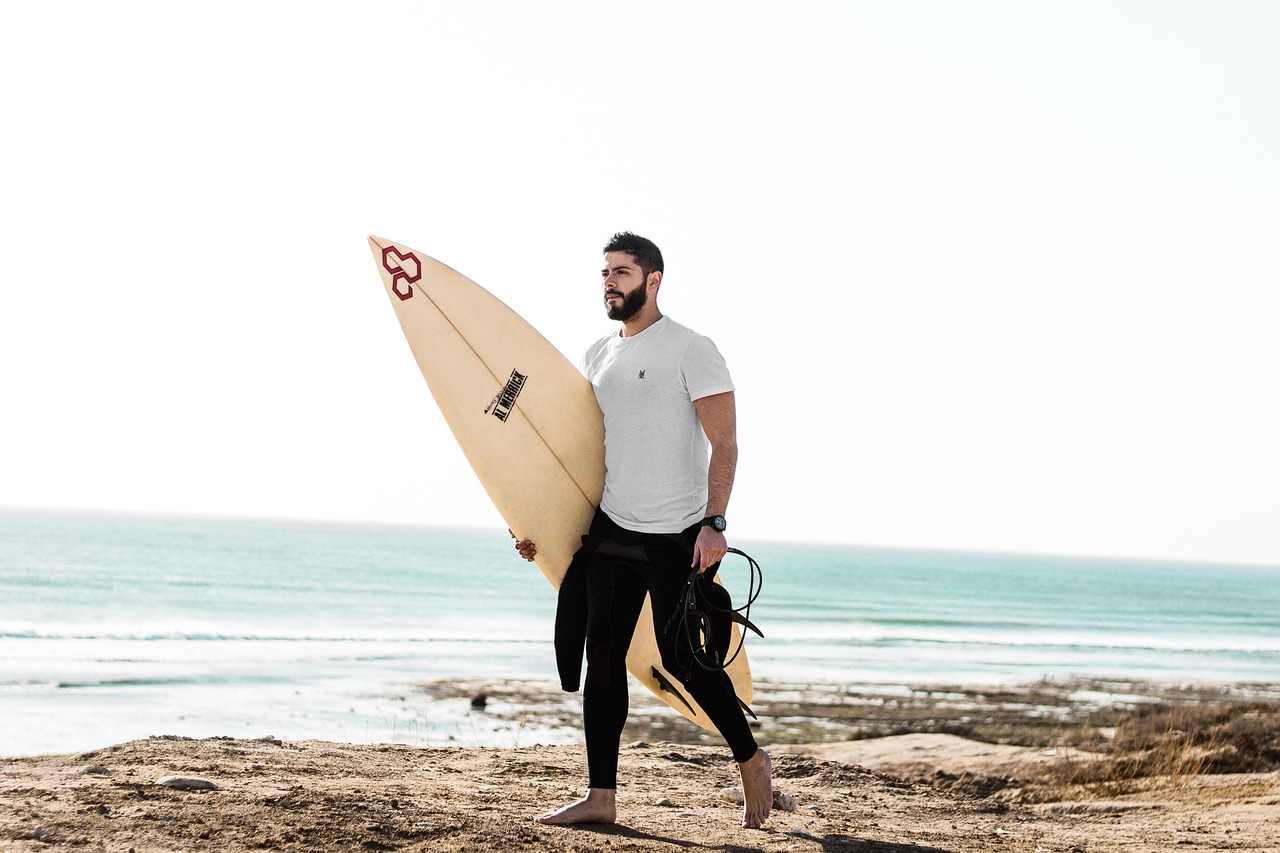
The main surf season runs from November to April, when the south coast sees consistent swells. Beginners should always surf within flagged areas and listen to local instructors. Wearing a leash, knowing basic surf etiquette, and avoiding crowded peaks help keep everyone safe in the water.

Image by mannette from Pixabay

Balancing surf days with relaxed stays

Surfing in Unawatuna pairs well with a slower pace off the board. Many travellers choose quieter inland stays such as Heenatigala Walawwa, which allow easy access to the beach while offering space to rest and recover between sessions.