Most Thrilling Wildlife Safaris in Sri Lanka

Despite its small size, Sri Lanka boasts of stunning environs which change from misty mountains, rustic coasts to dense jungles. Within these the most exotic wildlife creatures exist!
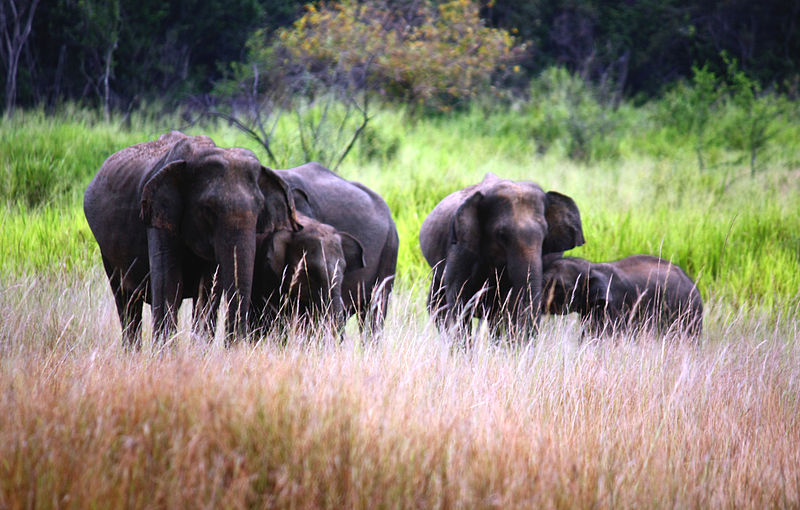
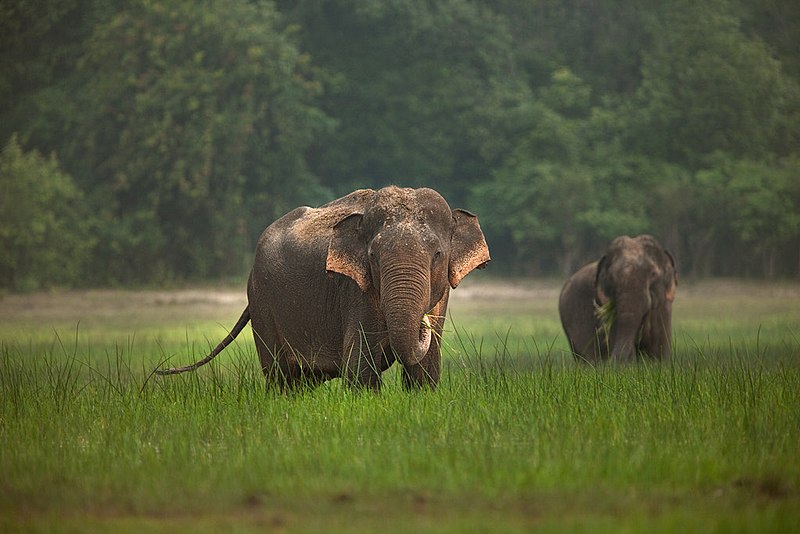
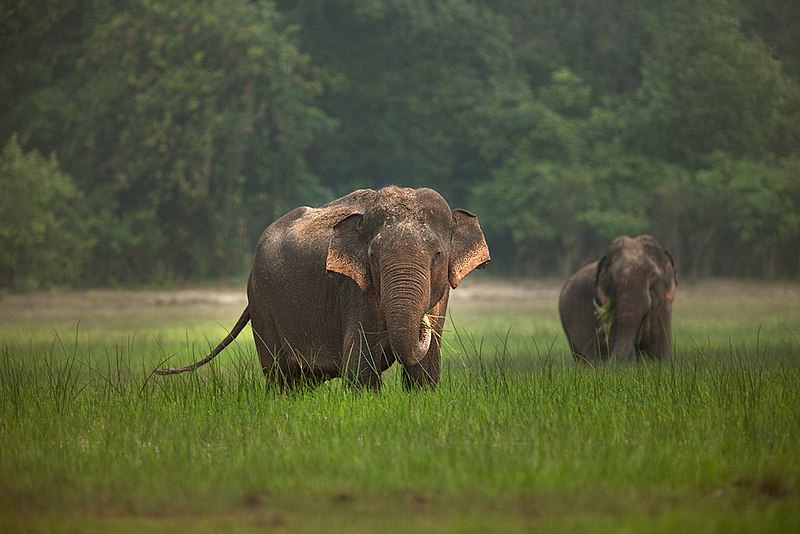
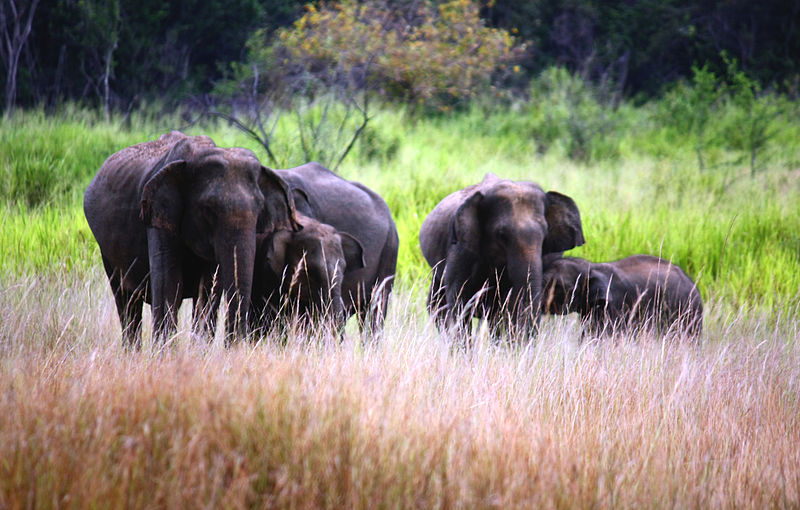
Image by Anton Croos, Sri Lanka Elephants, CC BY-SA 4.0

Yala National Park

For those who want to spot a leopard, there will be no better place than this! Don’t get excited as you get closer to view a leopard on a tree or stalking its next prey! Sloth bears, elephants, and many other creatures can be experienced up close. If you wish to go on a thrilling safari in Yala, consider planning your trip with one of the local travel agents such as Holidays by Design to spend an amazing day in the wild.

Minneriya National Park

A park that is always covered in most popular Sri Lanka wildlife tours, Minneriya is best known for its large population of migratory elephants. The park is also home to diverse species of birds, reptiles, amphibians, and even fish. The surroundings too are quite beautiful with dense shrubberies and vast grassy plains.

Wilpattu National Park

Situated in the dry zone of Sri Lanka, the Wilpattu National Park has gained extra popularity for its topographical feature called ‘Villu’. You can always trust the park to spot herds of spotted deer, lazy crocodiles and beautiful peacocks in full plumage and a jungle fowl on a scout for food.

Bundala National Park

This park is well-known as a wildlife hotspot for aquatic bird life! The most impressive aspect of the park is its terrain made up of sand dunes, scrub jungle, salt pans, lagoons and long stretches of coastline.

Auburn Silver is a travel writer who has a passion for fashion and a deep interest in admiring new and exotic attractions around the world. Google+
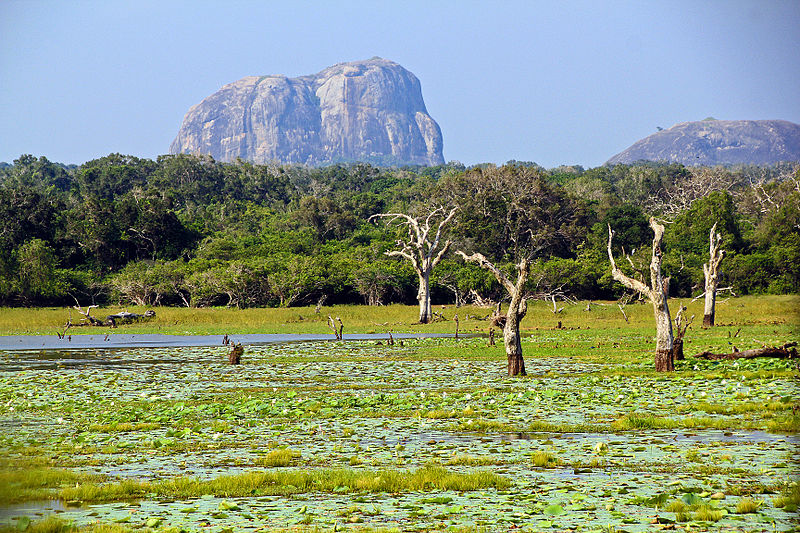
The Paradise of Wildlife in Sri Lanka

Both trodden and untrodden paths of jungles in Sri Lanka hold an abundance of adventure and intrigue. Despite its small size, the country boasts a wide variety of wildlife. Do read on!

Image by Patty Ho Uploaded on Wikimedia Commons by Lkcl_it, Yala National Park (Sri Lanka 2012), CC BY 2.0

Yala National Park

If you want to spot a Sri Lankan leopard, there will be no better place than the Yala National Park! Don’t get excited as you get closer to view a leopard on a tree or stalking its next prey! Sloth bears, elephants, and many other creatures can be experienced up close. This dry zone park is just one of the rustic wildlife reserves Cinnamon Nature Trails and other leading tour operators in Sri Lanka cover.

Sinharaja Forest

Staying true to its name, the Sinharaja Forest which means the ‘Lion Kingdom’ is an important biodiversity hotspot in the country. In 1988, this forest became a UNESCO World Heritage Site due to its exceptional geological features. It is home to more than 50% of endemic species including mammals, butterflies as well as many kinds of insects and reptiles.

Minneriya National Park

A park that is always covered in most popular Sri Lanka wildlife tours, Minneriya is best known for its large population of migratory elephants. The park is also home to diverse species of birds, reptiles, amphibians, and even fish. The surroundings too are quite beautiful with dense shrubberies and vast grassy plans.

Bundala National Park

This park is well-known as a wildlife hotspot for aquatic bird life! The most impressive aspect of the park is its terrain made up of sand dunes, scrub jungle, salt pans, lagoons and long stretches of coastline.


Roland Lefevre is a travel writer who specializes in creating features on leisure as well as business travel destinations across the globe. Google+

Elephants in Sri Lanka

When we talk about the wildlife of Sri Lanka, it’s the elephants that come to our minds first. If on a holiday in Sri Lanka, you’ll come across many sanctuaries to view these majestic creatures.

Image by Rohit Varma, Elephas Maximus (19201959), CC BY-SA 3.0

About

Majestic elephants in Sri Lanka are known as the iconic constituent of the country’s wildlife. Elephants have been living for more than thousands of years and they’ve been revered from time immemorial. What’s more, Sri Lanka is home for the world’s largest herd of orphaned elephants. Elephas maximus maximus, the largest of the Asian elephant’ genus is found only in Sri Lanka!

Disposition

Sri Lankan elephants are self-aware, highly intelligent, emotional as well as robust in nature. These gentle jumbos often show emotional appeal using their head, trunk, tail, and their large ears. Even though the elephants were used for carrying, hauling and lifting heavy objects in ancient Sri Lanka, now they are mostly used in religious and cultural festivals such as ‘Kandy Esala Perahara’.

Where to spot

Those who wish to experience an elephant safari in Sri Lanka can plan your journey with one of the leading local tour operators such as Cinnamon Nature Trails for an exhilarating experience. Pinnawala is the best spot to witness a large volume of elephants. If you love spending more time with the jumbos, have a nice time bathing an elephant! Udawalawa, Minneriya, and Wagamuwa are some other places where one can catch a glimpse of elephants in the wild.

Lifestyle

At any given time, you’ll hardly find male elephants in a herd because mostly these herds include female and baby elephants. They are very active in the night and usually sleep under large trees in the daytime.


Caleb Falcon is a travel writer who specializes in writing content based on the many exciting world adventures that await intrepid travellers. Google+

Desert animal survival adaptations that will blow your mind!

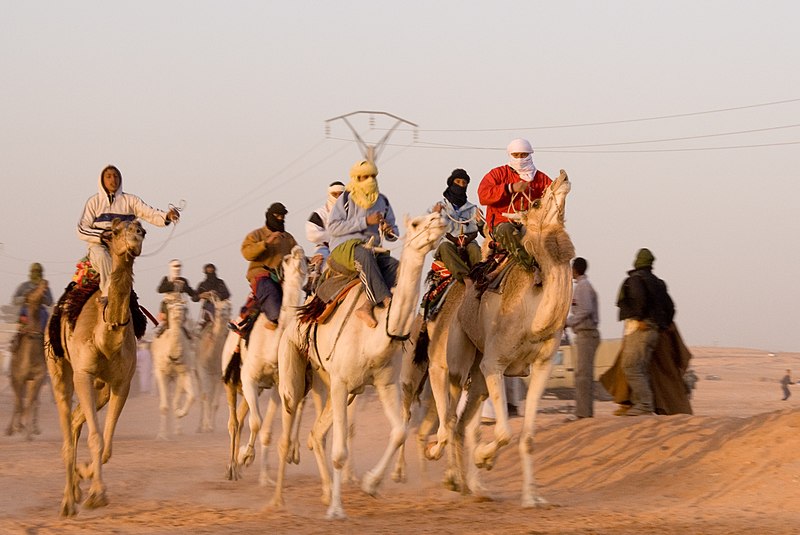
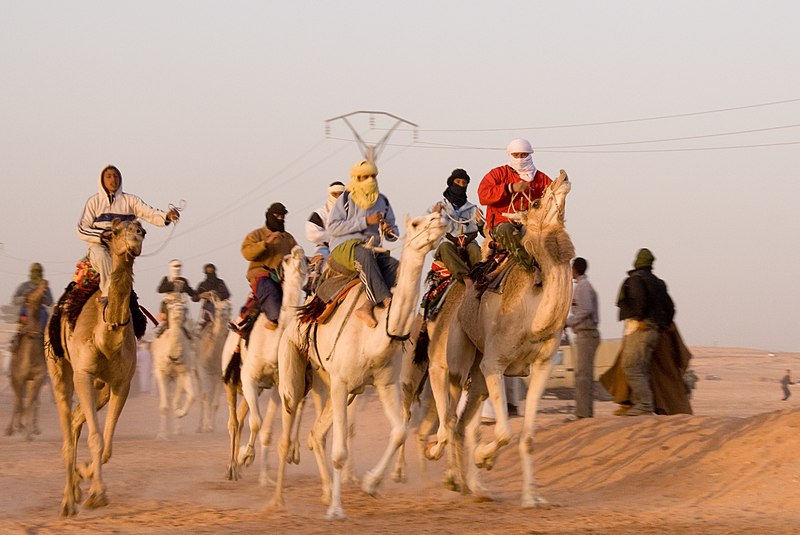
Deserts are certainly one of the harshest environments on the planet but even in these environs, nature has amazed us giving a number of creatures abilities to tackle these unforgiving conditions. Read on to know about some of these unique survival adaptations of animals who live in deserts.

WikimediaImages, Camel Race Algeria Desert Animal Track Riding, CC0 1.0

Scaly Skin

Most of the creatures of deserts particularly reptiles have scaly and patterned skin, these are an adaption formed through thousands of years of evolution. Scaly skins of these creatures retain moisture and help them evenly dissipate heat. The sidewinder snakes, the thorny devil, Earless lizard, the Gila monster are some of the creatures who have developed this adaptation.

Sophisticated digestive system

Almost all the desert creatures have a highly adapted digestive system that can synthesise food to extract water. Since these environments do not hold water for these creatures to drink, most creatures like The desert tortoise, the Greater Roadrunner, Brewer’s Sparrow, camels are some of the examples of desert creatures with sophisticated digestive systems.

Nocturnal lifestyle

Most of the desert creatures avoid the scorching sun by this ingenious method. That is by becoming nocturnal. This particular behaviour can be seen among Mammals and other warm-blooded creatures such as badgers, coyotes and foxes.

Heightened Senses

Finding food in the desert is like finding a needle in a haystack and some of these creatures have developed adaptations such as an acute sense of hearing and smell to pinpoint the location of food. This works both ways i.e. predator such as fennec foxes and coyotes use them to hunt their prey and creatures like the desert hare use their sense of hearing to not become the hunted.

Animals of these special survival adaptations can be spotted in desert regions and you are more likely to spot one of these during your Abu Dhabi Desert Tour or a stroll on the deserts during your stay at Qasr Al Sarab Desert Resort by Anantara.


Caleb Falcon is a travel writer who specializes in writing content based on the many exciting world adventures that await intrepid travellers. Google+

Gladstone East Shores

The port centre of Queensland now has more recreational facilities for both locals and those visiting. From an accessible foreshore area to waterfront boardwalk this park is accessible by and suitable for all.

About

Administered by the Gladstone ports corporations this facility is a multi-faceted attraction for both locals and tourists. This world-class recreational facility often hosts food festivals, fund raisers and a monthly-events for dog owners.

Visit

East shores provide a world-class recreational precinct for Gladstone residents and visitors of all ages to hang out, stay active, rejuvenate and enjoy the foreshore area.

Facilities

With a play area for kids, barbecue facilities, all-day security, water play park and waterfront boardwalk, the precinct spans along Flinders Parade and includes a stretch of luscious greens.

Location

Gladstone is the multi-commodity port centre of Queensland Whilst there are many hotels in Gladstone QLD you could stay at the Oaks Grand Gladstone which is just 800 meters and three minutes away from the precinct. The precinct is also located next to Victoria Park, the Gladstone regional art gallery & museum and the Gladstone yacht club which results in picturesque views for miles around.


Auburn Silver is a travel writer who has a passion for fashion and a deep interest in admiring new and exotic attractions around the world. Google+
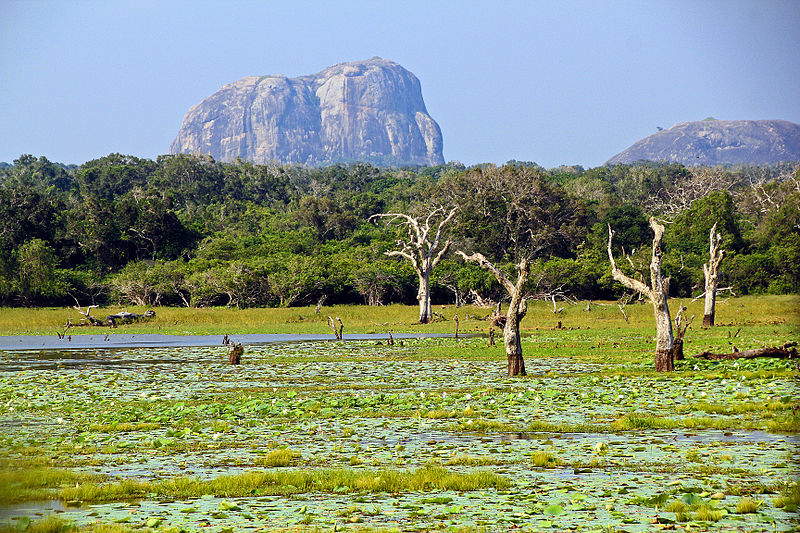
Drifting down the Yarra River

Melbourne’s Yarra River provides a scenic backdrop to the busy city. although far from crystal clear, head up the river where the water is much cleaner and take a dip during the summer months.

Ride the river like an Aussie

Most locals opt to kayak or drift down the river on inflatable tires and rafts. This is a laid-back way of experiencing the river, but it can take you far from roads, so make sure you get to know the route well.

File:Yarra River Kayaking.jpg
SuperJewYarra River KayakingCC BY-SA 4.0

The best time to enjoy the river

The river is at its best between December to March, but if you’re staying at a hotel like Oaks On Lonsdale, for instance, a Melbourne hotel apartment, you can always check with them for the best times and locations along the river to visit. Locals usually avoid swimming after heavy rains, which tends to wash debris into the river.

Stay safe and covered

Protect yourself against the harsh sun with sunscreen and wear long sleeves if you plan on being in the water for more than an hour or two. Also, try to wear surf or river shoes since most of the river bed is made up of sharp stones.

Explore the riverside

There are several spots along the river you can experience, from shallow beds and streams to the deeper parts of the river. Depending on how much time you have, try and check them out.

Nick carson at English WikipediaLittle Yarra River at Yarra JunctionCC BY-SA 3.0


Caleb Falcon is a travel writer who specializes in writing content based on the many exciting world adventures that await intrepid travellers. Google+

The Adventure of Snorkelling


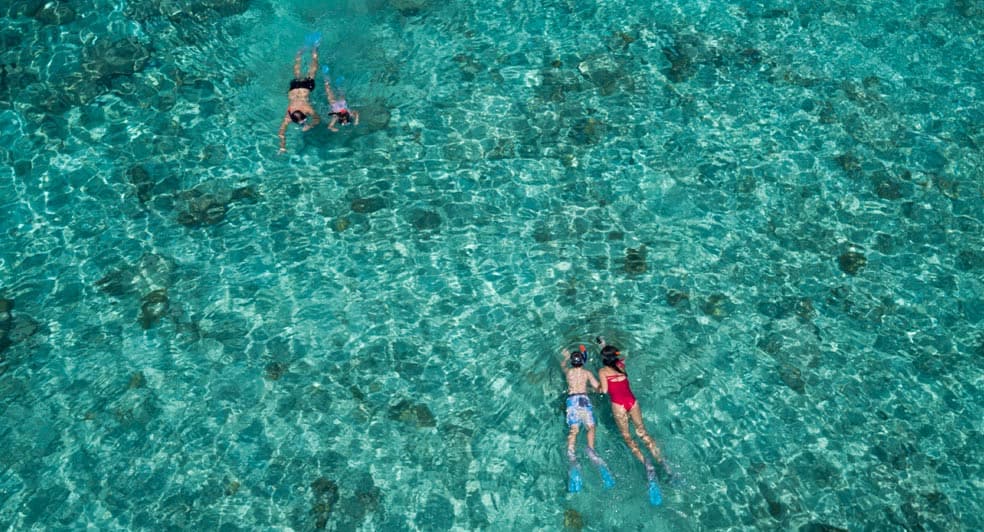
From vibrant corals to a range of fish species including ethereal-like manta rays, the Maldives offers one of the best snorkelling destinations on the planet. Here’s your chance to enter this whole new “world”.

Best times for snorkelling

Snorkelling in Maldives can be pretty much enjoyed all year round while at your Maldives resort; however January to April is a particularly great time for this activity since the waters are clearer and the weather at its best. Do keep in mind that the weather from May to September can be less predictable.

In search of Nemo & Co.

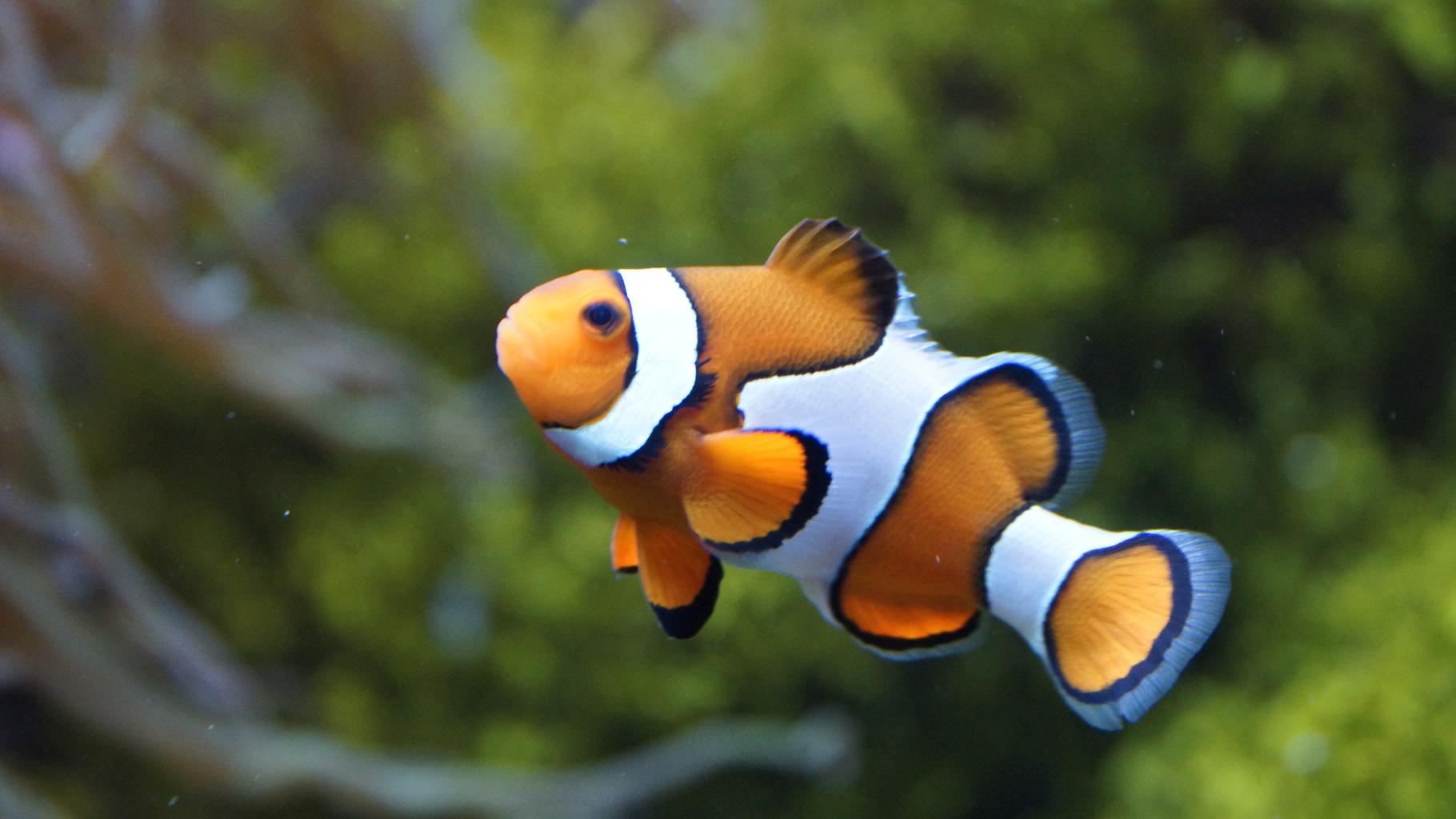
Be it clownfish (Nemo!), bannerfish, powder blue tangs, fusiliers parrotfish, butterflyfish or hawksbill turtles, the ocean surrounding the Maldives offers much to see. Resorts the likes of Anantara Dhigu Maldives Resort have reefs nearby providing the ideal chance to get up close to this marine life.

Underwater superstars

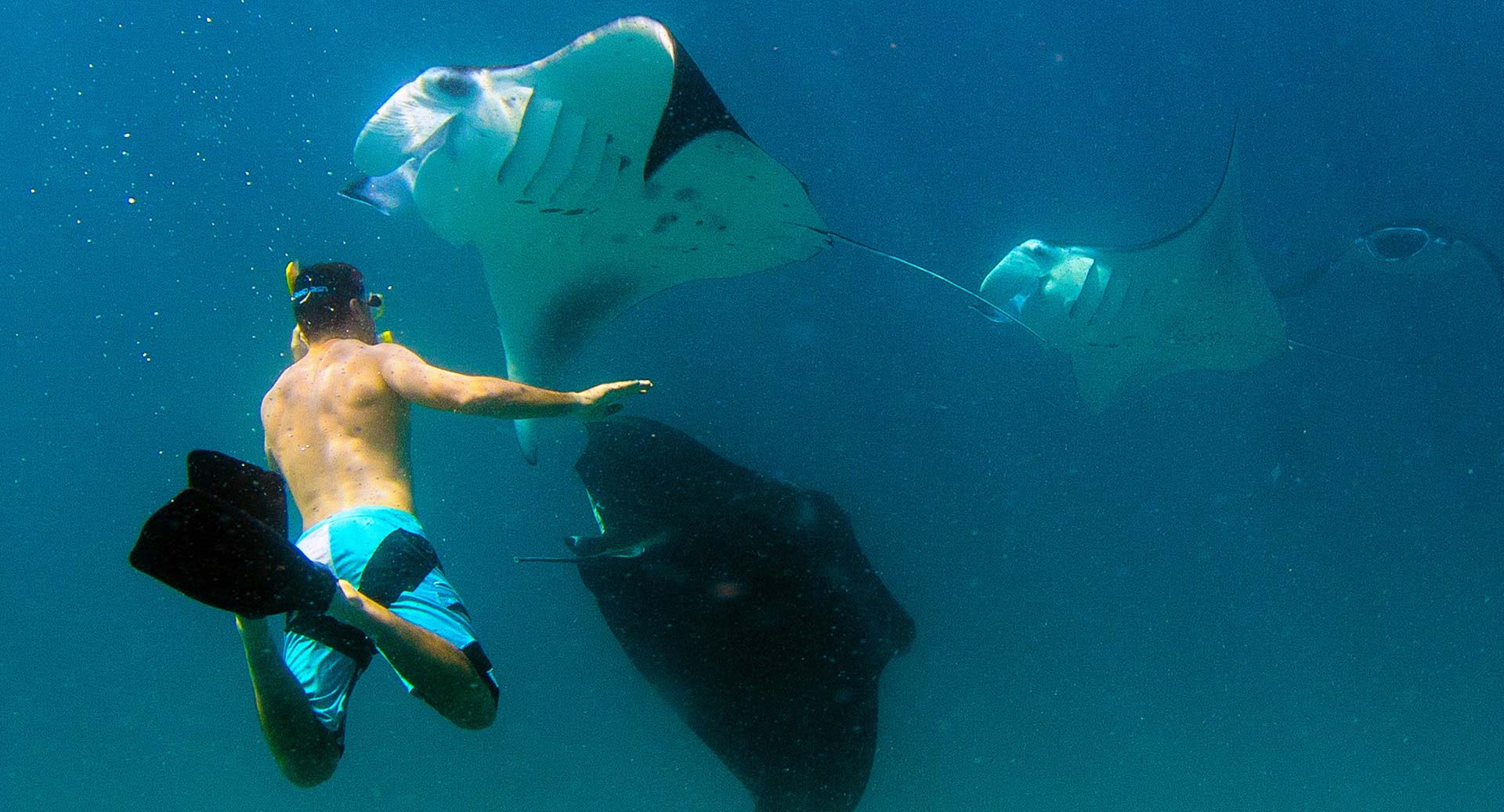
Of course, there are certain marine creatures that add to the excitement of a snorkelling adventure; graceful manta rays, unhurried whale sharks and stealthy blacktip reef sharks swimming in their natural habitats are sights that are certainly unforgettable.

Image of resort
Image Credit: Anantara Dhigu Maldives Resort

Adding splashes of colour

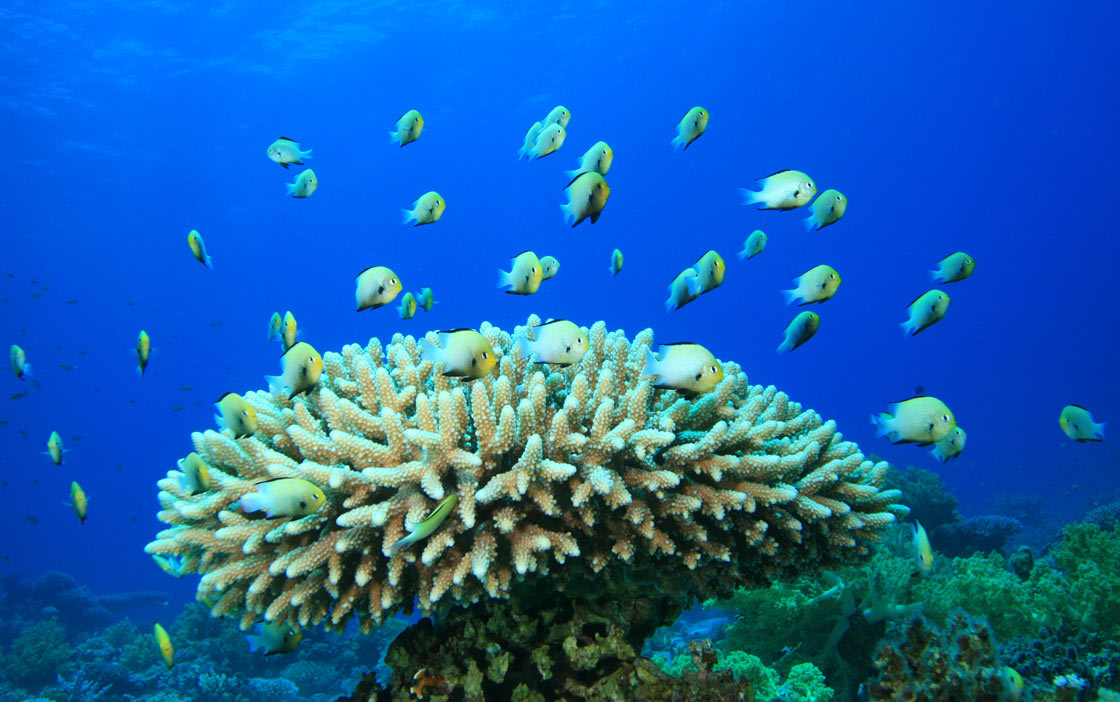
Marine life aside, you can also look forward to seeing a stunningly vibrant array of corals on your snorkelling expeditions; staghorn, finger, brain and table corals are amongst the varieties that can be spotted here, each adding to the charm of this underwater spectacle.

Image Credit: Anantara Dhigu Maldives Resort


Roland Lefevre is a travel writer who specializes in creating features on leisure as well as business travel destinations across the globe. Google+

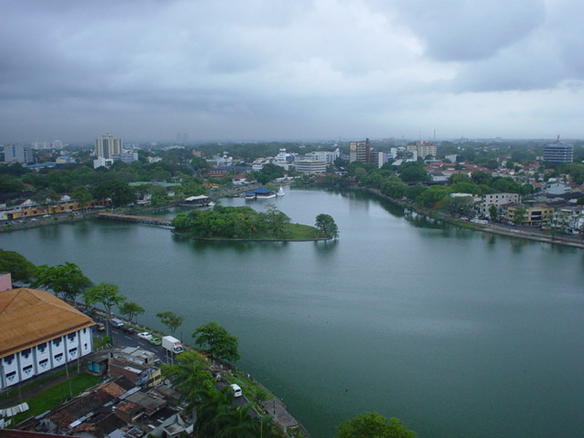
Here’s a curiously delightful venue which drifts across the Beira Lake in Colombo

How about spending a memorable evening in an unrivalled above-the-lake event space featuring a meticulous interior and exterior design? Do read on to know more interesting facts.

Beira Lake

About
Away from the lavish lifestyles of the bustling capital city is the “8° on the Lake”, the floating restaurant of Beira Lake which comes across as a fascinating venue for your evening functions. Docked at the Cinnamon Lakeside’s pier, it captures the hearts and minds of everyone especially at the coming of the dusk. This will be the best spot in Colombo to celebrate your private parties and special celebrations.

Design
The large windows and the transparent dome allow you to catch a glimpse of the breathtaking Beira Lake and beautiful night sky adorned with stars. The wood panelled floors of the upper deck make it an incredible space for a great dance floor. It’s better to spend time during an evening because the heat during the day can ruin your fun.

Location
Those who are holidaying at a luxury hotel in Colombo the likes of Cinnamon Lakeside Colombo, should definitely go a dinner cruise along the picturesque Beira Lake to indulge in an exceptional experience in the bustling capital city of Sri Lanka.

Entice your taste buds!
While enjoying a nice time with your friends, you’ll be able to savour a wide array of Western and South Asian cuisine. Sip your favourite cocktail while feasting your eyes on the stunning vistas of the lake. What’s more attractive?


Fritzjames Stephen is a travel writer, who writes content based on the myriad of experiences and indulgences that the world has to offer travellers across all walks of life. Google+

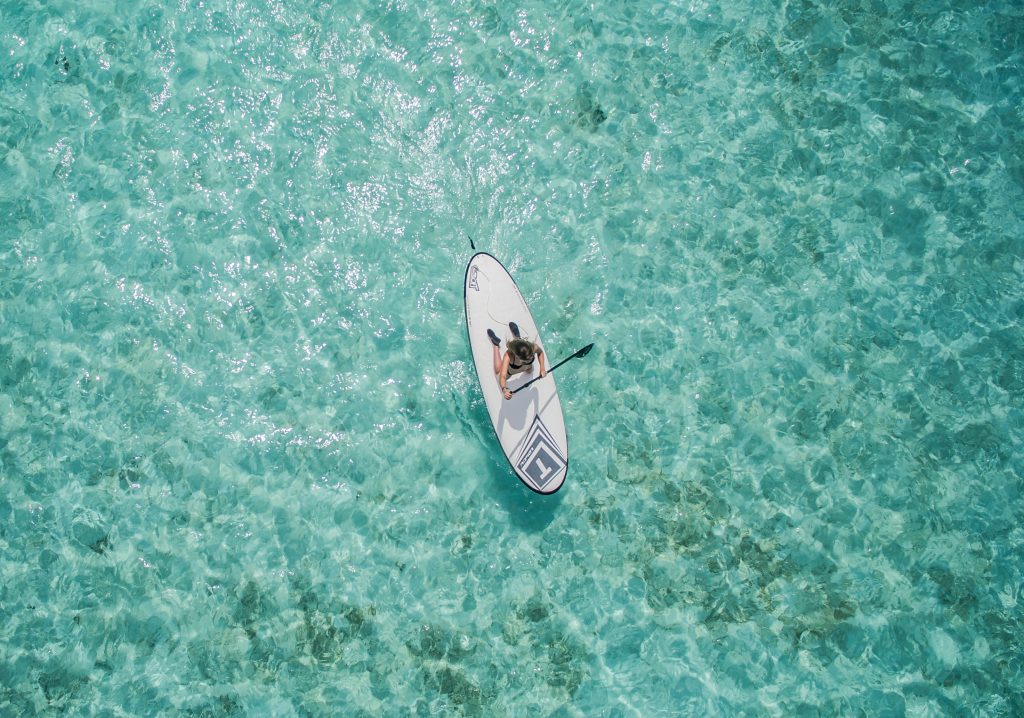
Surfing experience in the Maldives

Would you like to surf the mellow and playful waves in Maldives? Everyone who visits the island is sure to be enchanted by the majestic splendour of oceans. Know these tips before planning your surf trip.

Image by Ishan @seefromthesky seefromthesky, North Central Province, Maldives (Unsplash KgCbvOWYuU0), CC0 1.0

Right time?

In order to spend an enjoyable time of surfing in Maldives, you must ensure that the visit is made at the right time. Try your best to visit the island during the surfing season to enjoy an unforgettable experience. The surf season in Maldives starts in late February and generally lasts until November. During this time the size of the breakers averages between 4-5 feet.

The best destination?

If you’re planning to visit Maldives between April and October, consider staying at a resort in the North Male Atoll as the conditions for surfing are best in that area during this period. Always make sure whether the resort you’ve chosen provides all the necessary facilities for your surf excursion. Amongst many a surfing resort in Maldives the likes of Niyama Private Islands Maldives come as an excellent venue featuring excellent surfing spots to indulge in an unforgettable surfing experience.

Beginners!

If you wish to discover the sublime delights of surfing for the first time, you’ll find a myriad of surfing spots across the atolls that are ideal for beginners. Places such as Ninjas/ Piddlies in the Male Atolls as well as the Mulhaku Rights/ Lefts in the Central Atolls are quite safe for beginners and intermediates.

Tips to know

The heat of the sun can be brutal when you go out into the ocean so drink plenty of water to stay hydrated throughout the day. Most of the surf spots are often crowded, so remain calm and wait for your turn!


Intrigued by history, art and food, Lavinia Woolf is a writer who is passionate about the extraordinary and writes of the exhilarating and enchanting. Google+

Whale Watching in Sri Lanka –The Gentle Giants of the Ocean!

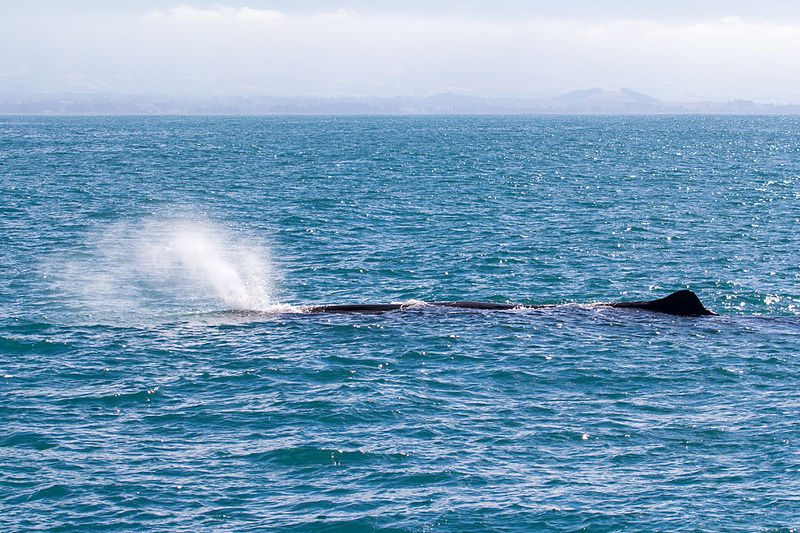
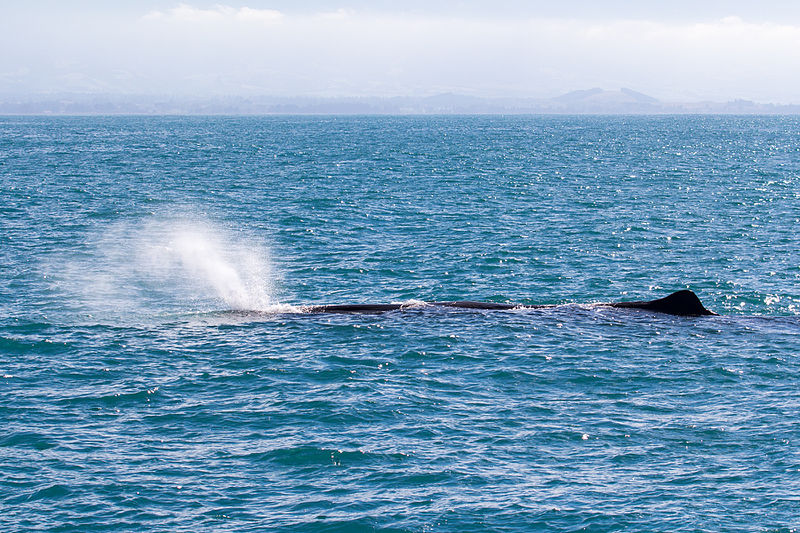
The island of Sri Lanka is quite a popular whale watching destination in South Asia, and many travellers head to the tropical isle to get a close and tantalising glimpse of these gentle giants.

Image by Oren Rozen, NZ280315 Kaikoura Whale Watching 03, CC BY-SA 3.0

Top Spots

The major locations to enjoy whale watching in Sri Lanka are Kalpitiya, Mirissa, and Trincomalee. All of these three destinations are wildly popular among tourists and have much to offer them in terms of marine life and more.

Best Time

The best time to set off on whale watching excursions is considered to be during the months of December, January, and April. During these times, you have a 95% chance of spotting whales migrating just off Dondra Point. Many travel companies on the island such as Nkar Travel House offer great packages to do so with minimal hassle.

Types of Whale Species to Spot

The Sri Lankan waters are home to the largest pod of blue whales in the world. Among the types of whale species you will encounter, include sperm and Byrde’s whales. If you happen to be really lucky you might even spot a killer whale.

Other Types of Sea Life

Apart from the whales, you can also spot plenty of bottlenose dolphins, Risso ‘s dolphins along with large pods of spinner and striped dolphins.


Intrigued by history, art and food, Lavinia Woolf is a writer who is passionate about the extraordinary and writes of the exhilarating and enchanting. Google+