YALA NATIONAL PARK

Yala National Park
Yala National Park, Img. Src:[Jetwing Eco Holidays]
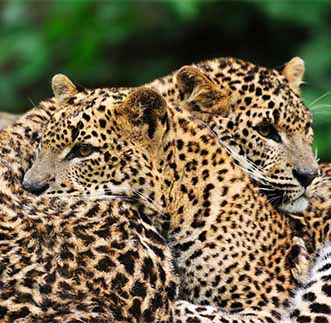
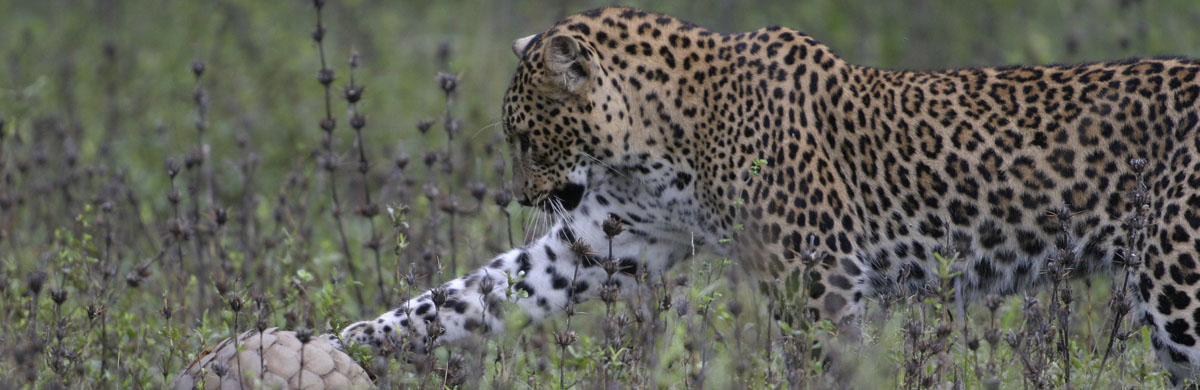
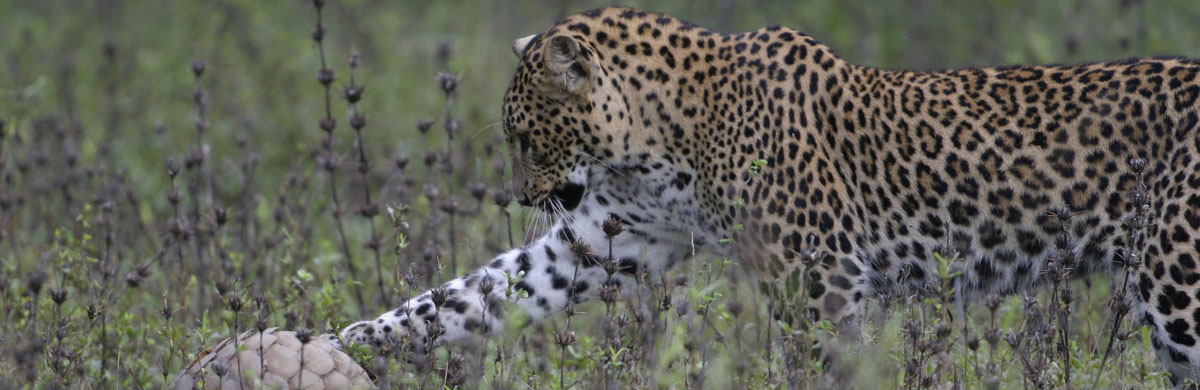
The Yala National Park is the second largest National Park in Sri Lanka and lies in the south eastern part of the island and stretches from the Southern Province to the Eastern Province. Yala consists of five blocks including Ruhuna National Park (block 1) and the Kumana National Park (Yala East). Yala was declared a Wildlife Sanctuary in 1900 and then a National Park in 1938. This is also a historic area and the ancient sites of Sithulpauwa (once home to 12,000 Arahaths) and the Magul Maha Viharaya (associated with Queen Vihara Maha Devi) is within the area. Two of the earliest mentions of Yala is made by a Spanish cartographer Cipriano Sanchez (1560). A big attraction of Yala is that it is leopard country and has one of the world’s highest densities for leopards. This and the other attractions of Yala make it a prime destination for Sri Lanka tour packages and if you are looking for adrenaline rush wildlife experiences with comfort and convenience then Jetwing Eco Holidays would be a good choice.

The variety of eco systems within Yala including moist, monsoon, semi-deciduous and thorn forests, grasslands, marine wetlands and sandy beaches. Forty four species of mammals roam this vast sanctuary including elephants, sloth bear, wild boar,monkeys, red slender loris, golden palm civet and deer. Yala is one of the 70 important bird areas in Sri Lanka with Kumana (Yala East) being a bird watchers’ paradise. Of the 215 bird species recorded at Yala 07 are endemic to Sri Lanka and include the Sri Lanka grey hornbill and Sri Lanka jungle fowl. Many migrants fly here including the white billed pelican. The grey heron and black headed ibis are among the common water birds while rare species include the black necked stork.

All five of the globally endangered turtles (leather back, Olive Ridley, logger head, hawks bill and green turtle) nest along the Yala coastline. The mugger crocodile is another inhabitant of Yala. Eighteen species of amphibians and 21 species of fresh water fishes also inhabit Yala.


Intrigued by history, art and food, Lavinia Woolf is a writer who is passionate about the extraordinary and writes of the exhilarating and enchanting. Google+

Safari in Minneriya National Park

Minneriya National Park is located in the north central province of Sri Lanka and was marked as a national park in August 1997, after being designated as a wildlife sanctuary in 1938. The park is home to the ancient Minneriya water tank, which provides as the main source of life to its inhabitants. If you’re staying at a hotel in Sigiriya, Sri Lanka, it’ll be easier to get to the Minneriya national park, due to its close proximity. Some hotels such as Fresco Water Villa will be able to organize safari trips to the national park.

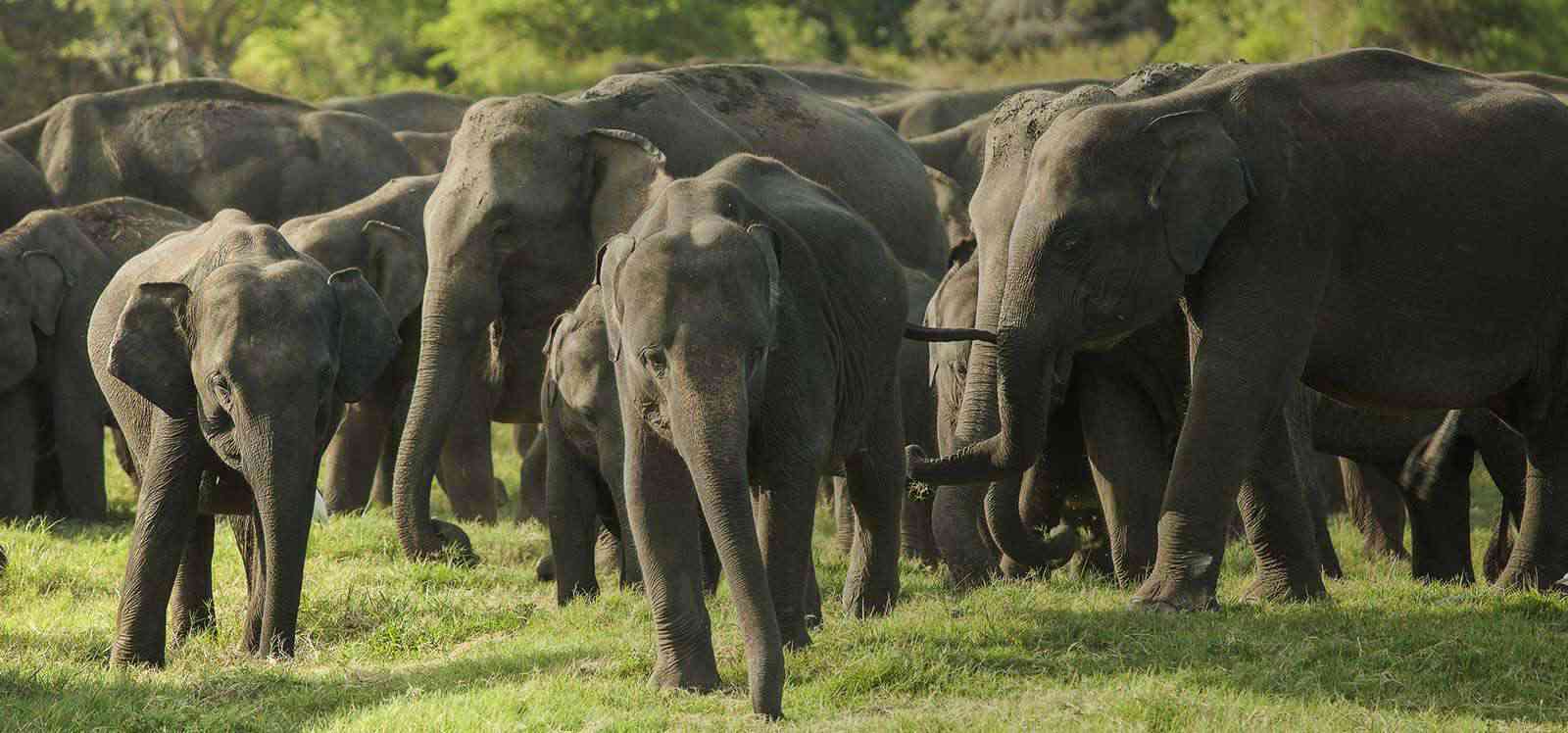
The Minneriya National Park is famous and most ideal for spotting elephants. Elephants numbers in the park are known to reach up to 200 or more, and are usually seen grazing near the watering holes for long periods of time before returning back to the thick jungles during the night. The park measures to about 90 square kilometres and attracts visitors, mostly to watch The Gathering – where elephants cluster near the famous watering hole. The ideal season to watch these gentle beasts in their natural habitat would be between the months from May to September, as most animals, including the elephants would be seen grazing and munching on the new grass that has sprung up, following the dry weather. This season is also a great time to watch these friendly giants frolic, socialise and bathe in their natural habitat, and provides for great photo opportunities. Do keep in mind not to pollute or cause any loud disturbances – remember to respect the animals in the wild.
Visitors are advised to keep a keen out for other species that reside in the park such as wild buffalo, deer, birds, crocodiles, sloth bears, sambar and monkeys!

Roland Lefevre is a travel writer who specializes in creating features on leisure as well as business travel destinations across the globe. Google+
Minneriya National Park, Sri Lanka

elephants in sri lanka, minneriya, elephant gathering
Photo Courtesy : Jetwing Travels

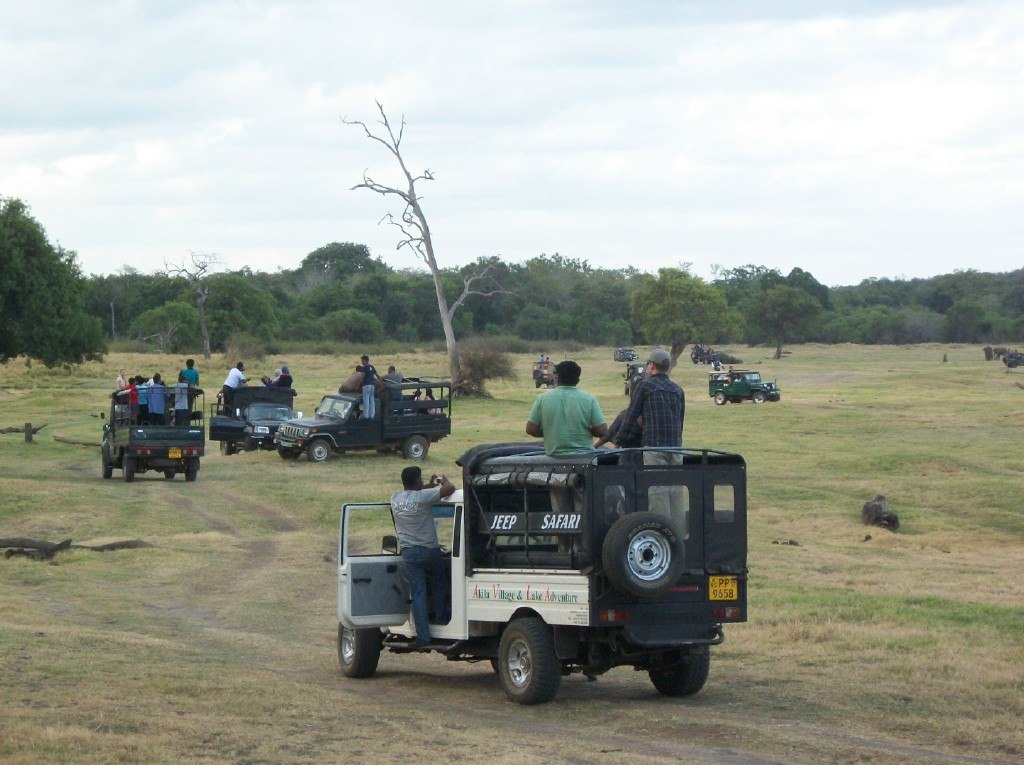
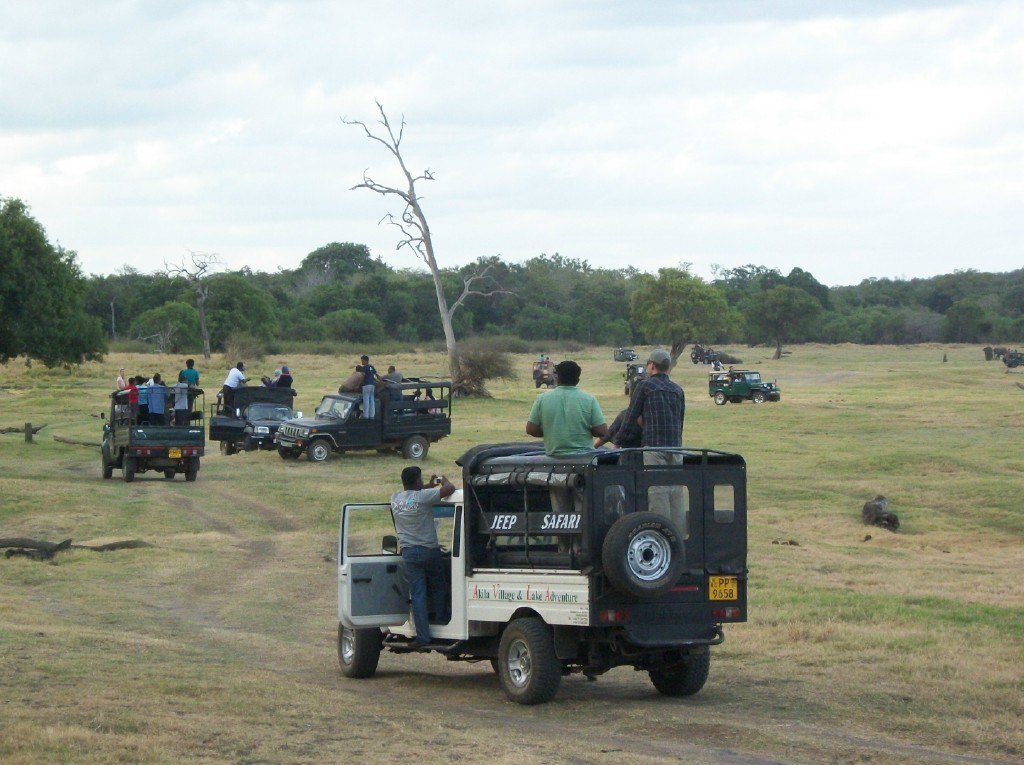
Your drive begins along winding roads that go up and down on a relatively wide path through the jungles. The trees act as sentinels on either side, varying in shape, size and height. You hear the cry of birds echoing through the leaves. You suddenly catch a glimpse of movement in the foliage and as your jeep rushes by, you spot a monkey swinging unhurriedly on its way. Soon you reach a clearing that opens out onto wide expansive areas of greenery with patches of blue reflecting the clear skies above. And as you head close to the water you see a gathering of blurry shapes of brown or perhaps gray. With each passing moment, the shapes get larger until you finally reach a point where they come into focus; a gathering of elephants, roaming wild and free, oblivious to these visitors. It is a truly awe-inspiring sight and one that will be etched in your mind, reminding you of your Sri Lanka holidays at Minneriya National Park.

One of the best places for an elephant safari, this popular national park and wildlife sanctuary has much to offer in terms of wildlife. Local tour operators such as Jetwing Travels provide exciting excursions to such parks. The best time to visit Minneriya is between July and October when one can witness the spectacular natural event known as ‘The Gathering’. Seeing close to 300 elephants gathered around the Minneriya Tank is truly an experience of a lifetime.

But the park has more to offer than just these gentle giants. On your safari at Minneriya National Park be on the lookout for some of the park’s other animal inhabitants. Spotted deer, toque macaques, sloth bears and the gray slender loris have all found a home here and if you are really lucky you may even spot one of the resident leopards. The park is also a hotspot for bird watching and has a rich avifauna be it endemic or migratory species. The brown-capped babbler, grey heron, little cormorant, Sri Lanka junglefowl and great white pelican have all been sighted here.

Discovering Sri Lanka’s ‘wild side’ is an experience like no other!

Caleb Falcon is a travel writer who specializes in writing content based on the many exciting world adventures that await intrepid travellers. Google+

Best Adventure Activities to Try in Abu Dhabi

The Legendary Arabian Oryx, sir bani yas island
The Legendary Arabian Oryx | Courtesy: Desert Island Resorts & Spa by Anantara

A visit to this glistening Middle Eastern city is not just about being pampered in the lap of luxury at one of the Abu Dhabi resorts. It is also about getting your heart racing, your adrenaline pumping, and enjoying an array of adventure activities that are not possible anywhere else.

You could start off your list with a visit to the Abu Dhabi Sailing and Yacht Club. This is a property of the Royal Yacht Association and has a beach that is one hundred metres long to call its own, in addition to yachts and boats that you can rent to explore the sea. You could revisit the grandeur of Old Arabia, with a visit to the Arabian Nights Village. There is no guarantee that what you think are myths, are actually myths. You could visit the homeland of popular Desert Islands Resort & Spa by Anantara, Sir Bani Yas Island which is a manmade wildlife park that has over 10,000 animals roaming free among its luscious foliage. If seeing a leopard during your safari doesn’t set your heart racing, seeing it chase down an oryx might. You can have your mind reset itself by watching Camel Races. Not only can you place your trust in the animal you think is most likely to win, but the speed with which these usually lethargic animals race is sure to give you a whole new perspective on Arab as a whole. Visit the Ferrari World in Abu Dhabi for an adrenaline pumping motor drive or a goose bump inducing roller coaster ride. Try flyboarding in the sea to see if you are more dolphin or bird. There is so much to do in Abu Dhabi that moves above and beyond the traditional vacation. It is definitely worth taking a risk.

Catalina Forbes is a travel writer who bases her content on many thrilling escapades experienced across the world.

Google+

Ocean Drive -The celebrity Art Deco thoroughfare

The Ocean Drive is located about ten minutes from COMO Metropolitan Miami Beach. It is an iconic drive that is an ideal place to appreciate the history and architecture of Miami, as well as the glorious beaches represented by South Beach. A Miami hotel located on this stretch of the beach would, therefore, have the architectural attractions on one side, while the golden beaches would beckon from the other.

The architecture of the Drive dates back to early 1900s, where pastel was a big hit. You have the Beacon by Henry O. Nelson built in 1926, Waldorf Towers by Alber Anis built in 1937, the Colony Hotel and the Cardozo by Henry Hohauser (former built in 1936 and the latter in 1939), the Breakwater by Anton Skislewicz built in 1939, and the Cavalier by Roy F. France built in 1936. All these buildings are examples of Art Deco style, which is what the Ocean Drive is famous for. This is also known as the heart of Art Deco district and has made cameos in many films and TV shows including Dexter. There is also a popular culture of cabaret dance and singing in the district, with several bars being dedicated to the LGBTQIA community.

The best way to explore the Ocean Drive is to take a drive through the street, or a slow cruise through the blue waters. This is best done during the day as well as the night, as the sights during each time period is completely different from each other. Cycling down the Ocean Drive early in the morning or in the afternoon will have you mesmerised by the calling of the sea from one side while the other side will have a gorgeous tapestry of sunlight playing artist with the Drive’s architecture. In the night, it has more of an 80s movie feel to it, with neon lights lighting the way and the ocean’s invisible presence felt only through its chant.

Roland Lefevre is a travel writer who specializes in creating features on leisure as well as business travel destinations across the globe.

Google+
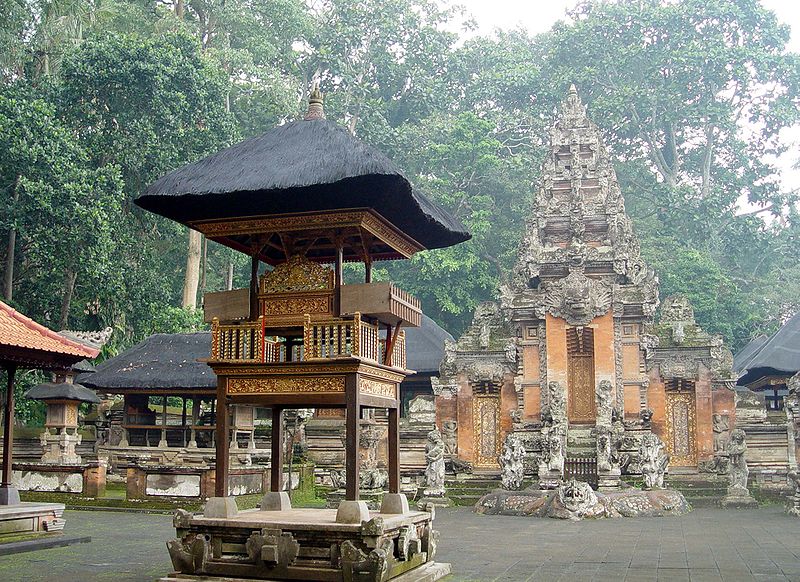
Monkey Forest Sanctuary

The highlands of Bali are world famous as the heart and soul of the island’s deep cultural and artistic roots. The cool, mountainous region of Ubud in particular, has attracted many a traveller to its lush green valleys, cultural villages, markets and dense forests. Accommodation wise, like most of the accommodation in Bali, Ubud has its share of scenic retreats, like the COMO Shambhala Estate, Bali, for example.

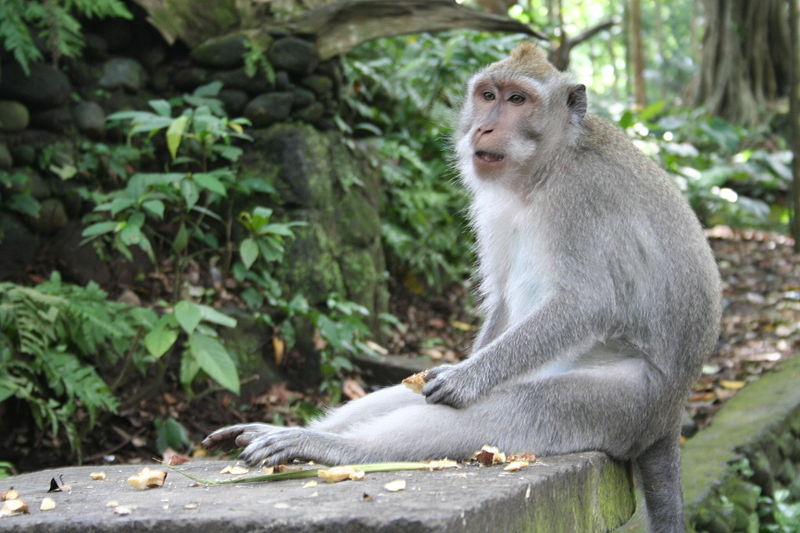
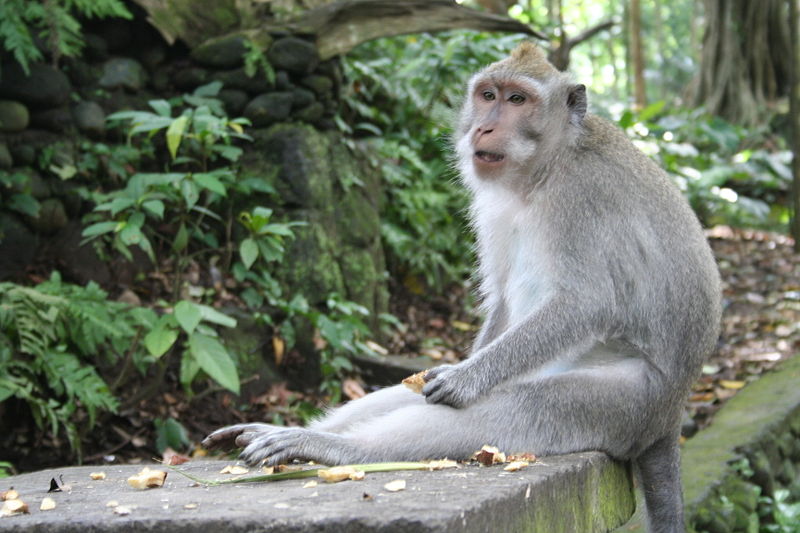
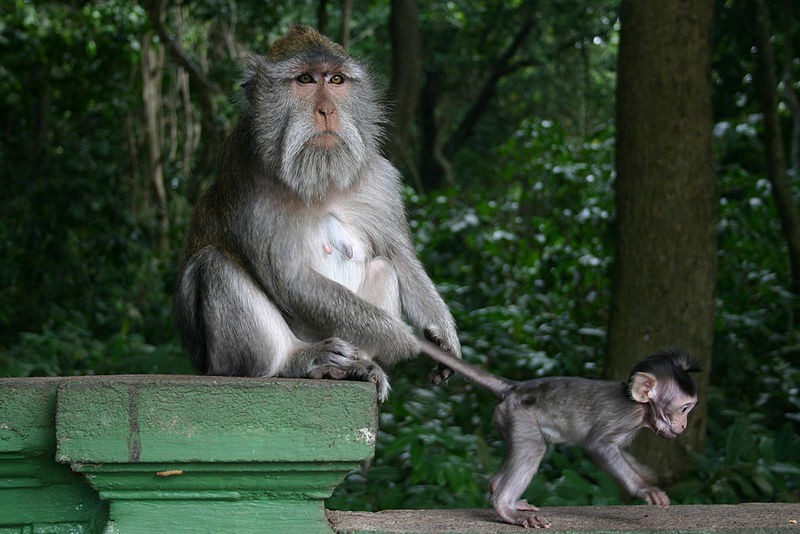
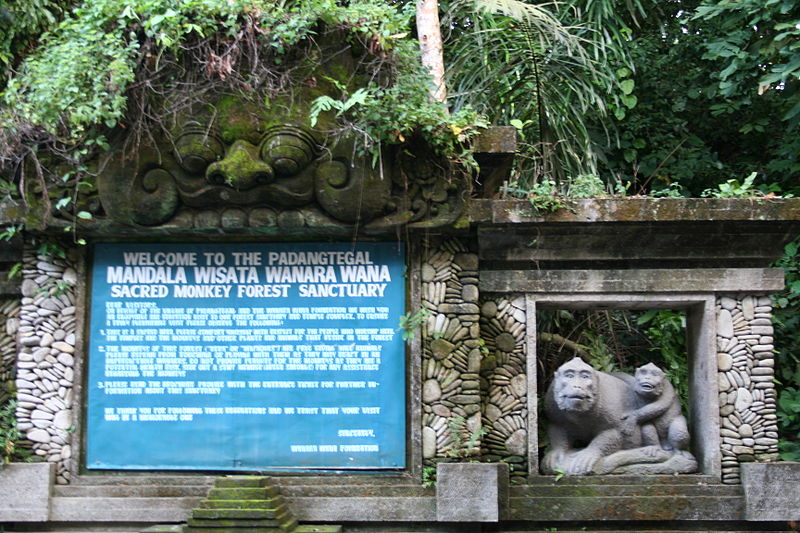
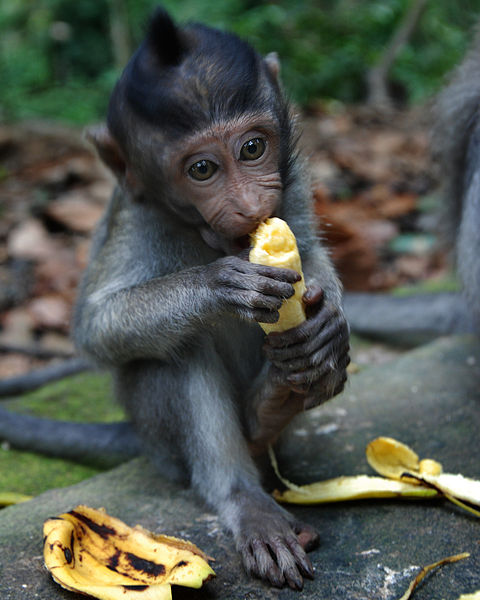
While there are plenty of captivating things to see and do in the region, one of Ubud’s biggest attractions for visitors, is the celebrated Monkey Forest Sanctuary. Also known as the Sacred Monkey Forest, the six hectares of fertile forestland, shrouded by giant nutmeg trees, is home to Bali’s mischievous looking, long-tailed grey macaque.

Around 600 macaques are said to live in the sanctuary, with 5 main groups located in different areas. While they generally live in peace, conflicts are known to arise between the monkey groups due to territory crossings. Once notorious for stealing from visitors, over the years, their behaviour toward humans has improved, thanks to a management program run by the surrounding community. However, while they look cute and seem friendly, all visitors are advised to remain on guard and treat them as wild animals. Aside from the macaques, the forest is also home to 22 varieties of birds, 5 species of mammals, various reptiles and several other creatures.

Besides watching the monkeys lazing around trails or swinging through the canopies; located further in the thick forest, ancient temples, surrounded by stone statues covered in moss, can be found in several places. The most famous of which is the 17th century Bukit Sari Temple. A full day is needed to really explore the forest trails and take in the beauty of the tall trees, mystical stone temples and of course, watch the monkey families.

Caleb Falcon is a travel writer who specializes in writing content based on the many exciting world adventures that await intrepid travelers.

Google+

Dolphin & Whale Watching in Mirissa- Gentle Giants of the Ocean

Sri Lanka is a popular pick for tourists visiting South Asia as it is an island that is abundantly blessed by Mother Nature. The island is home to a wide range of flora and fauna and the oceans around are a great place to spot whales and dolphins. If you are visiting Sri Lanka then a quick travel to Mirissa will not disappoint you. Domestic flights such as those operated by Cinnamon Air could take you to the south of the country in no time.
The whale and dolphin watching adventure in Mirissa are one of the most thrilling water activities in Sri Lanka. The warm waters around Sri Lanka are ideal to spot blue whales, Bryde´s whales, sperm whales, fin whales, common dolphins, bottlenose dolphins and sometimes killer whales. Spinner dolphins, Risso’s dolphins, and striped dolphin can be seen too. The whale watching season starts in November and ends in April when the waters are warm and calm. Whale watching boats can ideally carry up to 40 passengers at a time with an observation deck.
Whale watching tours usually start around 7.00 am as boats leave the harbour around that time and last about 3.5- 4 hours. Tickets often include passenger insurance as well and provide light refreshments during the tour. It is advisable to make a pre-booking during the season as it can get pretty crowded around this time. The off season months are not great for whale and dolphin watching tours as the seas are rough; however, there have been instances of dolphin and whale watching if the conditions are not extreme. Hence it is better to check with your tour provider.
Mirissa is a great place for tourist as there are a countless number of hotels, restaurants, and bars. The beach is also regarded as one of the best in the south.

Auburn Silver is a travel writer who has a passion for fashion and a deep interest in admiring new and exotic attractions around the world. Google+

Corals in Hikkaduwa

If anyone asks what are the best Sri Lanka beach destinations, a long list will follow as the answer as this tiny island nation is blessed with many beaches of unimaginable beauty. Out of these, there is one that is sought-after by many travellers who wish to experience nature, golden sands, and frolicking waves all at the same time. Hikkaduwa, on the western coast, is this delightful beach.

Lovingly called Hikka, this beach resort town is famous for its colorful corals. So if you’re planning a visit here, make sure that you book with a hotel that organizes trips to the reef such as those offered by Cantaloupe Hotels. As part of the excursion, you will be taken on a glass-bottomed boat to the Hikkaduwa National Marine Park. Those fear of the waves can enjoy the beauty of the coral from the boat itself while the more adventurous souls can try out scuba diving on the reef.

The wide range of coral to be seen at Hikkaduwa includes species such as the Faviidae and Poritidae corals which are located in the inshore areas of the reef in massive colonies, while cabbage, elkhorn, staghorn, brain, star and table corals are all present in the reef.

During your escapades of scuba diving, you will be able to meet a wide variety of extraordinary marine creatures such as multi-colored schools of fish, dugongs, blacktip reef shark and sea turtles including the Olive Ridley turtle, the hawksbill turtle, and the Green Turtle.

Auburn Silver is a travel writer who has a passion for fashion and a deep interest in admiring new and exotic attractions around the world. Google+

Spectacular Sea animals to be seen in Southern Coast Sri Lanka

The tropical island of Sri Lanka is the ideal destination for anyone and everyone. Tourists who head to the sunny country are endlessly amazed by the myriad of options and activities available in the country. Sri Lanka is blessed with wild animals; both on land and sea. When you head to Sri Lanka, wild life safaris are a definite must do during your holiday. The warm waters of the Indian Ocean that surround this beautiful country are home to dozen of aquatic creatures that are a delight to watch in their natural habitat. After arriving in Sri Lanka, head straight to the south of Sri Lanka to begin your sea safari! Most resorts and Galle hotel in Talpe will be able to organize a safari for you, such as Cantaloupe Aqua. Sri Lanka is home to a variety of turtles – all of which are on the endangered list. In the aims of conservation of these beautiful species, a number of turtle hatcheries and conservation centres have been established along the south coast. Those eager to start their marine safari, towns like Mirissa are most popular for whale and dolphin safaris, with many boats leaving the harbour at the break of dawn in the hope of seeing majestic creatures of the sea frolic around. Once you start on your sea safari, be sure to keep a keen eye for whales and dolphins! Whale watching is a popular tourist actitvity to the south of Sri Lanka and the most commonly seen whales are the Blue whales, Bryde’s whales, Sperm whales, Killer whales, Melon headed whales and Cuvier’s Beaked whales. Dolphins such as Spotted dolphins, Spinner dolphins, Fraser’s dolphins, Risso’s Dolphins, Common Dolphins and Bottlenose dolphins. Watch as these adorable creatures splash and frolic along the warm blue waters of the Indian Ocean. Other common marine species that can be spotted around Sri Lanka are Rays, Eels, Clown Fish and many others.

Fritzjames Stephen is a travel writer, who writes content based on the myriad of experiences and indulgences that the world has to offer travellers across all walks of life. Google+

Dutch Reformed Church Galle -Standing legacy of a colonial past

If you go through the itinerary of things to do in Galle provided by tour agents, popular hotels like Cantaloupe Aqua, or even if you are to talk to a local, each and every one of them would mention the Dutch Reformed Church as a must-visit. The Dutch Reformed Church is found within the Dutch Fort. It is hard to miss, as it has a prominent position right near the entrance of the Fort. Built in 1755, this is considered one of the oldest Protestant Churches in the country to still function. The current building is the third of its kind to make a mark inside the Fort. The original building was built close to the famous clock tower, whole a more detailed building was then constructed opposite the current location of the Church. Of the two initial buildings, only the belfry of the second building can be seen today. It is said that the current church is built upon the foundations of a Portuguese Capuchin Convent, and stands at the highest point within the Galle Fort. Reflecting the nature with which Sri Lanka changed hands over the period of a century, the Church also has elements from each era. The British rule saw to a stained window being installed at the west façade in 1830, while the communion rail was added to the south side of the church. Restoration of the Church was undertaken with funding from Netherlands. Today, the restoration has been done to a perfection, with visitors feeling transformed to time gone by as they enter the Church. Walking in the Church gardens you would see a line of headstones standing at the periphery, while two Burial Chambers lie next to them, barred with iron gates. While there is no entrance fee to the Church, and you are at liberty to take as many pictures as you want, visitors often make donations for the Church’s maintenance.

A true believer that the pen is a mighty weapon, Joanna James ventures into reaching the minds of every reader with the earnest hope of leaving an indelible stream of thought. Her interests include Politics, law and Philosophy. Google+