Plan a Trip to Wilpattu National Park Sri Lanka

Embark on a journey to witness nature at its best and raw state, discover tranquillity as you wander through the wilderness at the Wilpattu National Park.

Image Credit- Rehman Abubakr, WilpattuNationalPark-April2014 (8)CC BY-SA 4.0

Overview

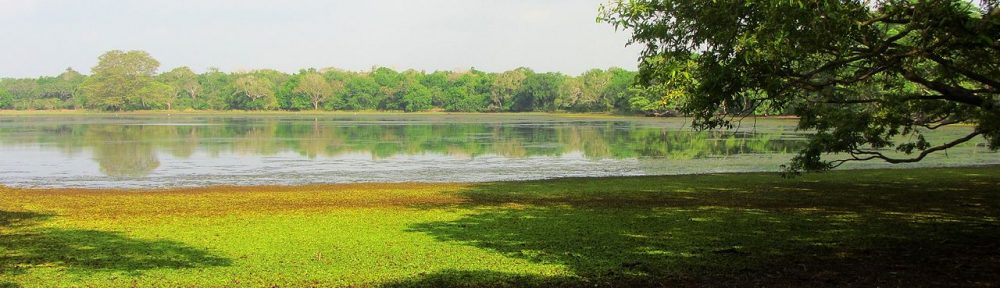
Located 26 Kilometers north of Puttalam and 30 Kilometers west Anuradhapura, Wilpattu Sri Lanka is placed at the lowland dry zone in the north western region of Sri Lanka. It has a number of lakes and tanks supporting a variety of wildlife. It is also regarded as one of the oldest and largest nature reserves in Sri Lanka.

A bit of History

The park was designated as a sanctuary in 1905 and was upgraded to a national park in the year of 1938. Today it has become as one of the most sought over nature travel destinations in Sri Lanka.

Climate

The region receives an annual rainfall of approximately 1000mm and the average temperature fluctuates between 25-30 Degrees. The inter monsoonal rains during March and the north east monsoonal period from December – February are the main sources of rain and what makes this land thrive with wildlife.

The Experience

The reserve is home to an extensive range of flora and fauna, some of the species of plants and animals are endemic to Sri Lanka. Witnessing them up-close and personal will certainly be a worthy experience and you can make that happen by planning your tour with Cinnamon Nature Trails.

Damon Starky is a creative nomadic travel writer, who is well informed and experienced on a wide range of interests that would connect to the needs of any type of traveler. Google+
A Guide to Hiking in Sri Lanka

The temperature in the hill country barely goes over 21 degrees normally, and the best way to start your hikes would be during the early morning hours.

World’s End in Horton Plains

If you ask anyone the most famous hill country hike in Sri Lanka, they would tell you about World’s End in Horton Plains featuring a stunning precipice. The trail here is approximately 4km, with an additional 2km if you visit Baker’s Falls. Early morning between 6-9am is the best time to visit so that you can see right to the bottom of the sheer drop; or else you will just be seeing a cloud of white swirls. You can easily plan a day excursion here from properties like Bandarawela Hotel.

Central Sri Lanka

Bandarawela, Ella and Haputale are some of the most famous areas for hiking in Central Sri Lanka; they are lined with beautiful green tea estates where you can see colourful tea pluckers in the wee hours hard at work. Best is to stay at a Bandarawela hotel that can help organise your hiking excursion.

The Knuckles Range

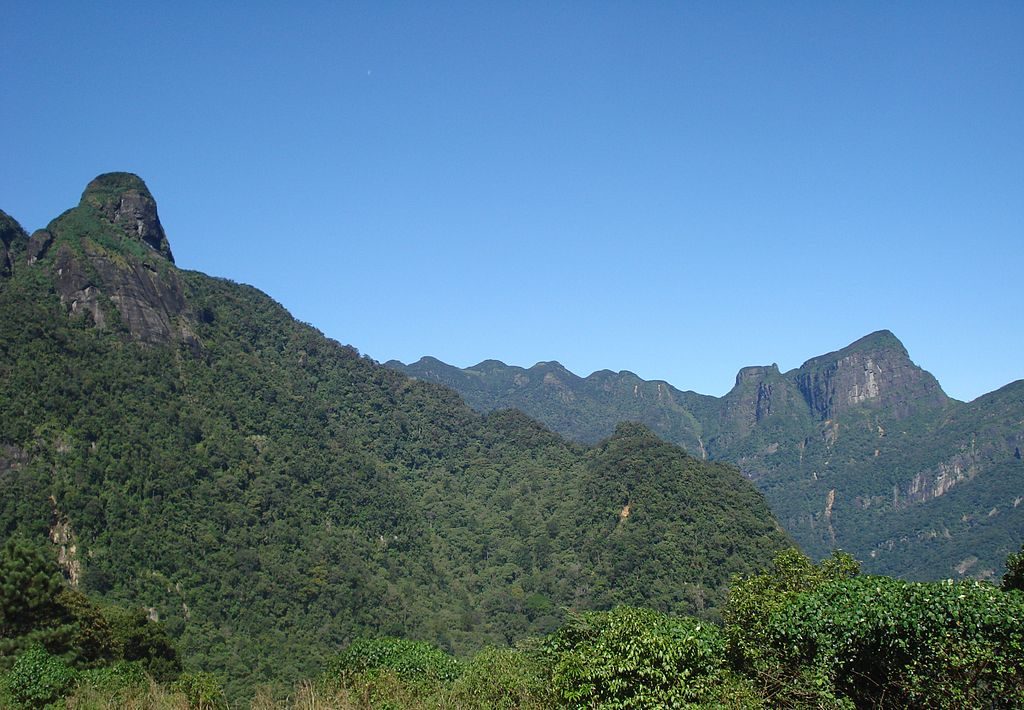
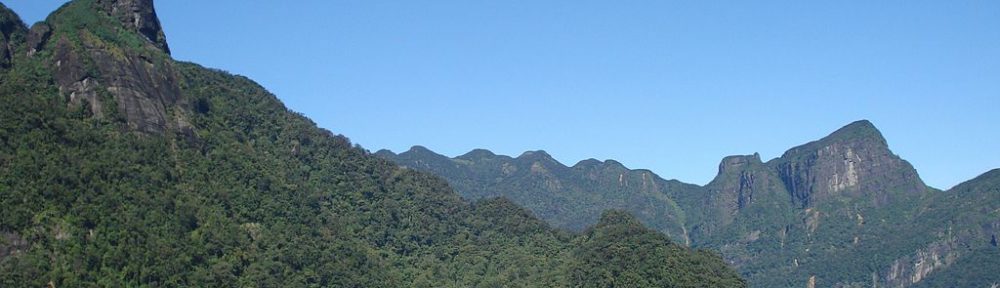
Image Credit- AstronomyinertiaKnuckles RangeCC BY-SA 3.0

If you explore Central Sri Lanka more, you will come across a broad mountain range called “Knuckles”. Like its name, the mountain is shaped like the knuckles on your hand. Located off Kandy, the Knuckles Mountain Range is approximately 18,512 hectares and is a hiker’s paradise, with rocky mountain tops and cascading waterfalls.

Lipton’s Seat

In Haputale, you can hike up to the point known as Lipton’s Seat where stunning views of the Dambetenne Tea Estate await. This enchanting spot was once used by Sir Thomas Lipton and this lofty vantage point can be reached via a 7km track.

Caleb Falcon is a travel writer who specializes in writing content based on the many exciting world adventures that await intrepid travellers. Google+

Bentota river safari in Sri Lanka

Discover a whole new experience that is exciting and tranquil all at the same time. Bentota river safaris are extremely popular amongst all who visit. Want to know more about it?

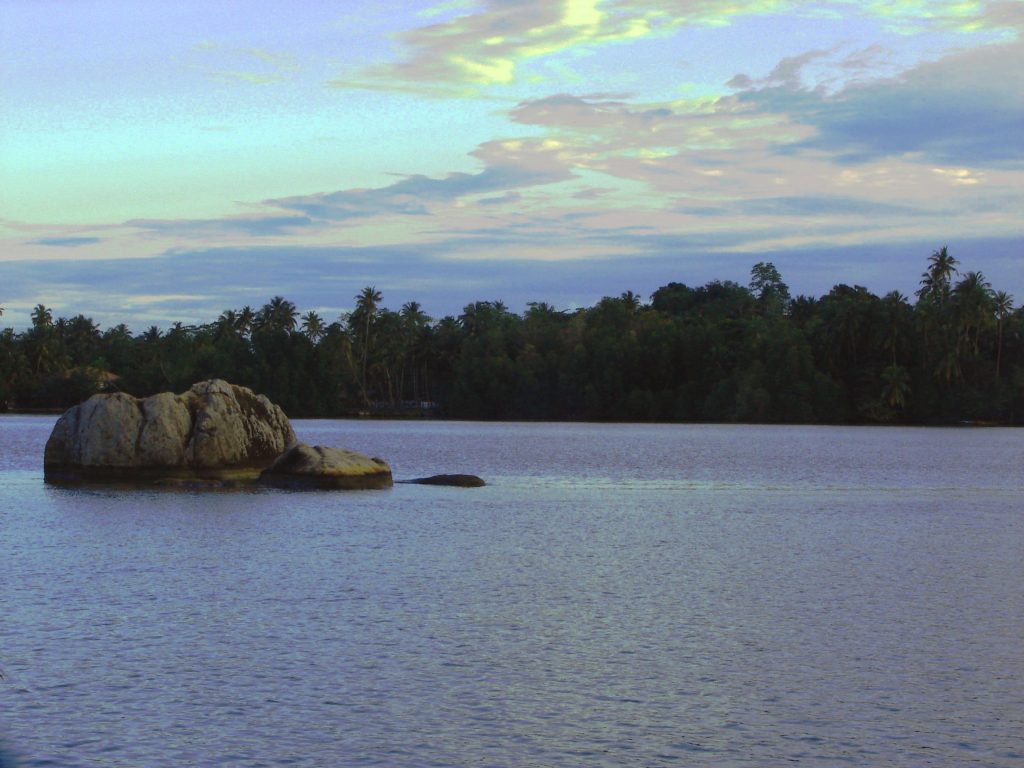
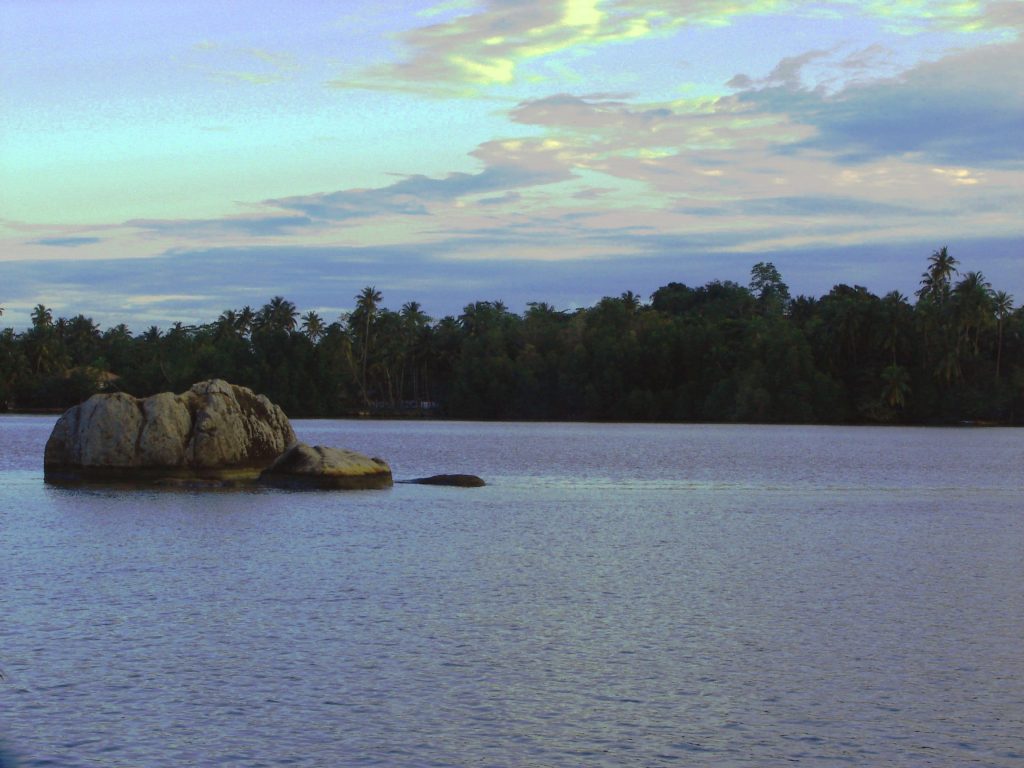
Image by Hafiz Issadeen from Dharga Town, Sri Lanka, Bentota River in Dharga, Sri Lanka, CC BY 2.0

1) Where

There are tons of places to check out when you’re looking for accommodation, from villas to even a simple resort. Bentota is beaming with many options such as the AVANI Bentota Resort & Spa for example.

2) When

It’s best to visit during the months between January and March as its mostly sunny during this season. The monsoon season here begins in April and must be avoided at all costs. The wettest months, however, are between June and September. Another interesting time to visit is during Diwali, which falls between October and November.

3) How

Whether it’s through your resort or privately, you’ll find numerous ways to book a boat tour in Bentota. Most usually take around 2.5 hours and cost about 2000 rupees per person.

4) Discover

On your boat safari, you will come across all sorts of amazing creatures such as water monitors. Native to southeast Asia, these massive lizards grow up to 2 metres in length. The largest one found in Sri Lanka was a gigantic 3.2 metres.


Caleb Falcon is a travel writer who specializes in writing content based on the many exciting world adventures that await intrepid travellers.  Google+

Witnessing the Beauty of Khareef

A time when Mother Nature breathes new life into the surrounding landscapes, Khareef is the name given to the monsoon season in the Gulf Cooperation Council (GCC) region and Salalah in particular. Here are some must visit places during this time (later part of July to the start of September).

Ayn Gharziz

A perfect spot for a refreshing swim during Khareef, Ayn Gharziz features an idyllic natural pool. Easy to reach from well-placed Salalah hotels, this area is also home to waterfalls and offers beautiful backdrops in which to have a picnic too.

Jebel Ittin

Another well-known picnic spot, Jebel Ittin is an enchanting destination to visit especially during Khareef. Within 25 minutes from Al Baleed Resort Salalah by Anantara, this area also offers some wonderful views and easy access to many local restaurants.

Sahalnoot Valley and Spring

The rainy season makes visiting this area with its picturesque spring particularly popular for friends and family. It provides plenty of opportunities for rewarding hikes and sharing BBQ meals together.

Mughsail Beach

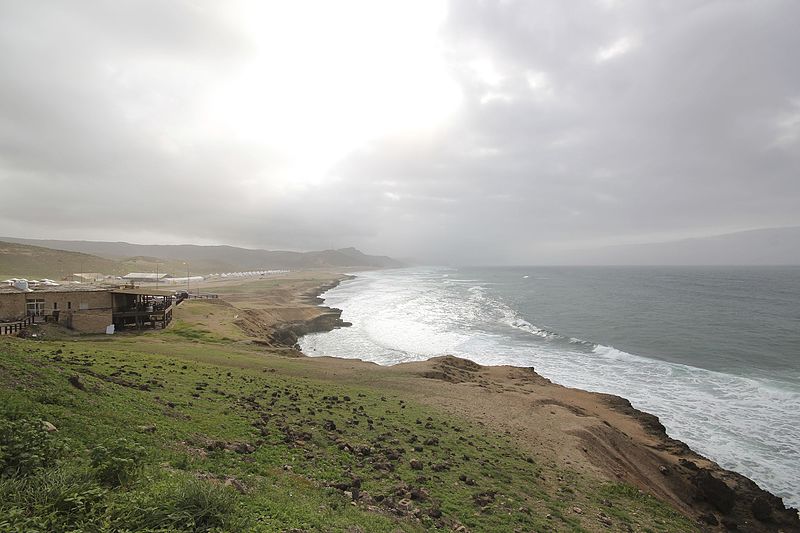
The white sandy shores of Mughsail Beach are a captivating sight during Khareef (and any other time of the year!) and it has become a popular picnic spot too. One of the highlights during this time is the chance to see the full force of the area’s blowholes with the water reaching to heights of around 20 metres.

File:Al Mughsail Beach 1.jpg
https://www.flickr.com/photos/130649623@N05/Al Mughsail Beach 1CC BY-SA 2.0


Roland Lefevre is a travel writer who specializes in creating features on leisure as well as business travel destinations across the globe. Google+

Kaudulla National Park in Sri Lanka- A wildlife spectacle

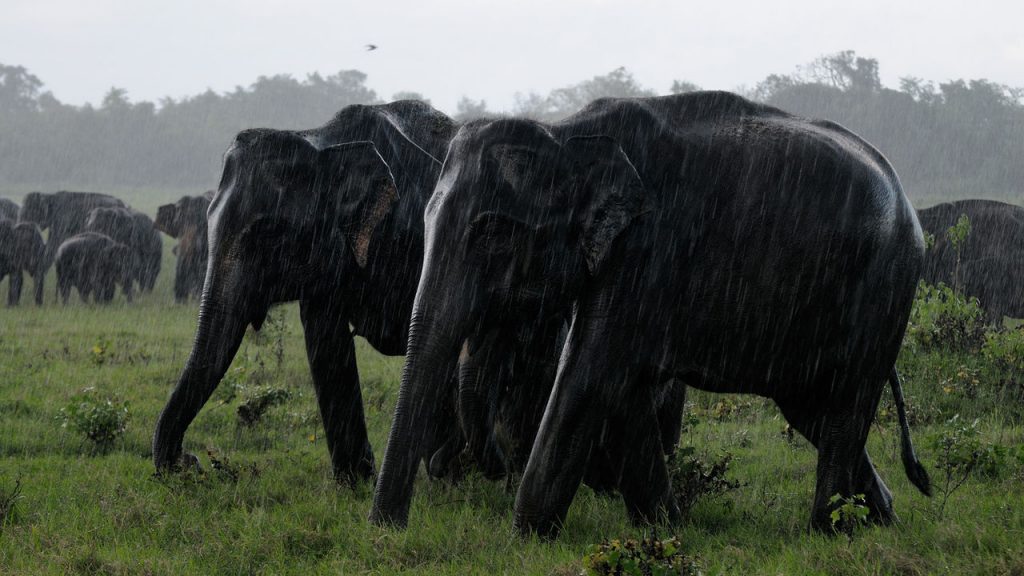
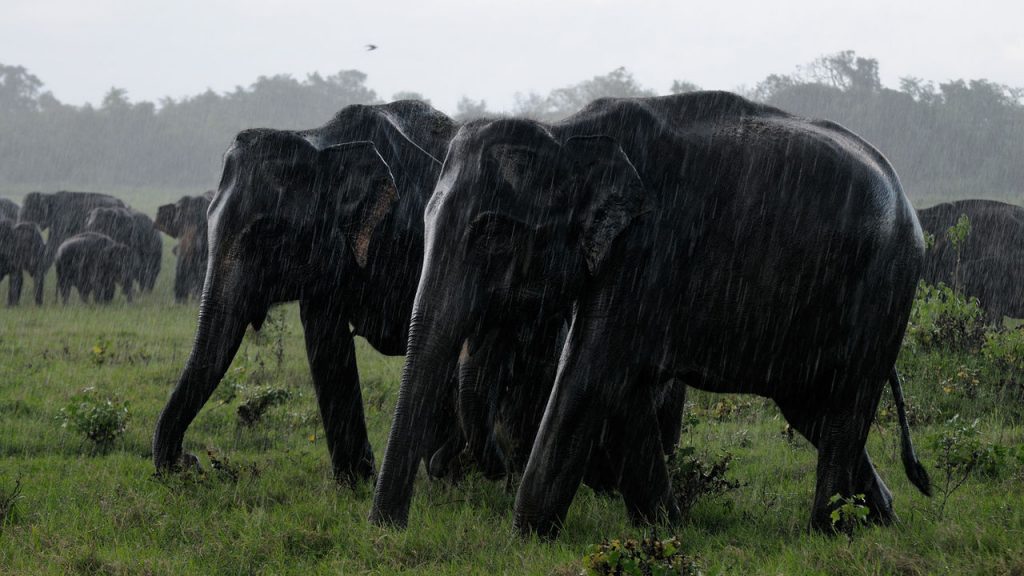
This is one of the 26 national parks in the country and was opened in 2002. It can be visited all year-round and is, therefore, a good option for the wildlife lovers.

Image by Christophe Meneboeuf, SriLanka Elephants (pixinn.net), CC BY-SA 3.0

The landscape

Located in Polonnaruwa district, the park is a dry evergreen forest spanning more than 6500 hectares of land. It also connects to the other well-known national park named the Minneriya Wildlife Park.

Best time to visit

Despite being a year-round destination, it is best visited between July and December which marks the dry season. One of the most notable sights to witness during this period is the elephant gathering; the time hundreds of elephants congregate around the water reservoirs. The peak number of elephants recorded at one sighting can exceed 150!

Wildlife

To better explore the wildlife, sign up for programs like the Kaudalla National Park Safari which is known to be organized by Cinnamon Nature Trails. You will come across black bears, deer, leopards, peacocks and many monkeys. There are 160 species of birds in the park including the Asian Spoonbill, Painted Stork, Black-headed Ibis, Giant Eagle and the many hundreds of pelicans.

Climate

The average temperature varies from 20 C to 34.5 C, with the rains being a result of the north-eastern monsoon.

Caleb Falcon is a travel writer who specializes in writing content based on the many exciting world adventures that await intrepid travellers.  Google+

Get one with nature! Discover the native bird species of Sri Lanka

One of the places in Sri Lanka where numerous species of birds are present throughout the year would be Yala National Park. Most of the birds seen here are indigenous birds while migrating birds drop by as well.

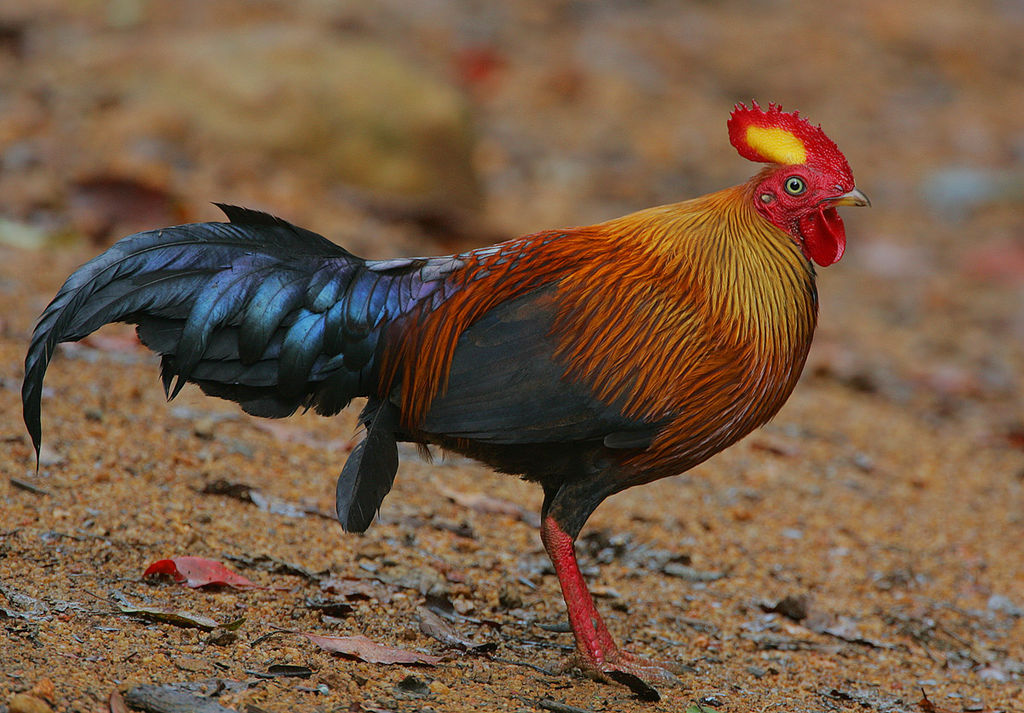
Image Credit- Steve Garvie from Dunfermline, Fife, Scotland CC BY-SA 2.0 () via Wikimedia Commons

The Sri Lankan Junglefowl

This class of bird is much like the red junglefowl. It is also called the Ceylon Junglefowl. The bird wears a feather coating of shades of bright yellow on the upper body, gradually darkening into orange and then a dark blue at the tail. It is also the national bird of Sri Lanka.

The Indian Peafowl

This is undeniably one of the most gorgeous birds in Yala. The male bird holds an astonishing tail in countless hues of blue. These beautiful feathered creatures are quite commonly seen when on bird watching tours.

White-bellied Sea Eagle

Also known as the white-breasted eagle, this takes after the Sanford’s Sea Eagle of Solomon Islands when it comes to looks. Fish is this bird’s main diet. Its call is like the loud honking of a goose.

Bird watching in Sri Lanka

If you wish to embark on a bird watching adventure during your stay in Sri Lanka, there are plenty of tour agents offering great packages. Also, properties belonging to major hotel chains such as those under Minor Hotels chain may offer excursions to Yala park as well.

Caleb Falcon is a travel writer who specializes in writing content based on the many exciting world adventures that await intrepid travellers. Google+


Friendly Advice for Parasailing Thrill Seekers

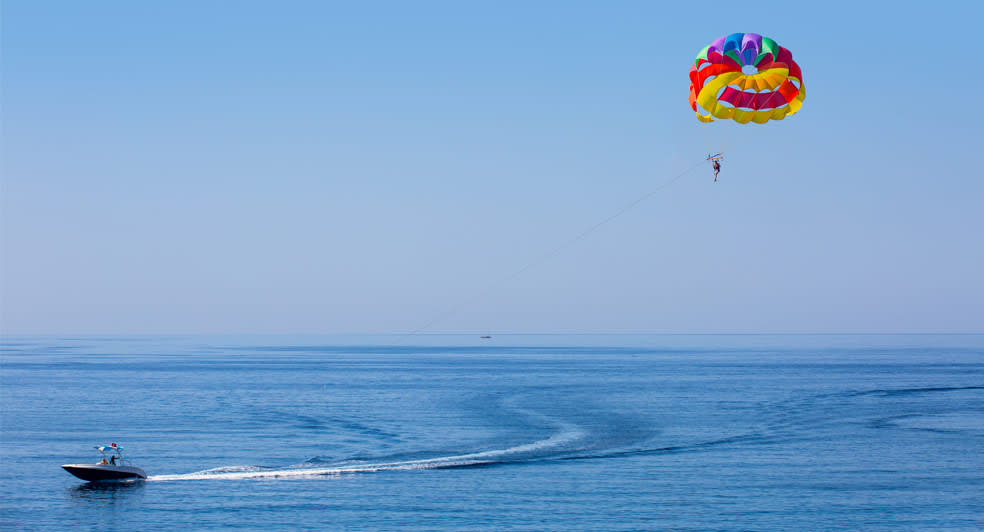
Parasailing has become a popular pastime on many coastal resorts around the world. Although this is definitely one of the safer extreme sports, there are still a few things you should know before you sign up.

Image Credit: Anantara Kihavah Maldives Villas

Get to know the ropes

Most parasailing accidents are caused by the ropes breaking. This could be because of strain, overexposure to the elements, knots and numerous other factors. Even if your instructor has years of experience, always check the ropes yourself. If the ropes look frayed or dirty, insist on changing them.

Keep an eye on the weather

Parasailing during strong winds is a big no! Some countries have strict rules about parasailing, and even large resorts like Anantara Kihavah Maldives Villas, for example, a luxury resort in Maldives, have guidelines. However, others are based solely on the decision of the instructor. The rule to follow is if it’s too windy for an umbrella, then stay on the ground.

A seated position is safer than standing

There are two positions for parasailing: sitting in a gondola or hanging upright in a harness. The first is the safest choice, the latter might sound more fun, but the possibility of an accident is much greater.

Don’t stick too close to shore

The accepted rule for parasailing is the 3-to-1 distance from the beach. Basically, if the instructor gives you 500ft of rope then he should keep a minimum of 1500ft distance from the shore. If he boasts about going closer, pass on the ride.

Fritzjames Stephen is a travel writer, who writes content based on the myriad of experiences and indulgences that the world has to offer travellers across all walks of life. Google+

Conquer the rocks in Oman

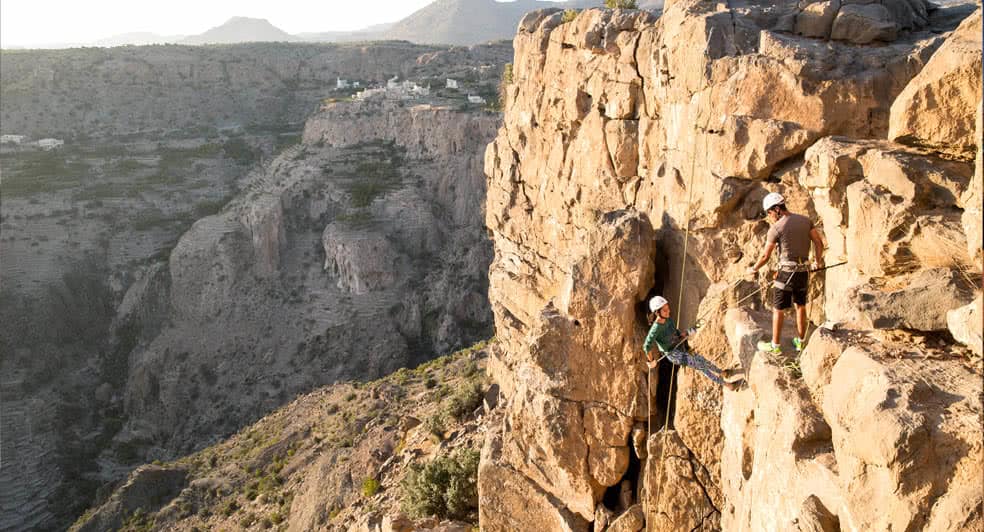
With Oman being a rather mountainous nation, it comes as no surprise that it’s an ideal location to go rock climbing. Want to know more about the perfect places in Oman to go climbing.

Image Credit: Anantara Al Jabal Al Akhdar Resort

The Wall

Whether it’s before or after your climb, treat yourself to some comfort at a nice Nizwa hotel, you’ll find plenty around like the Anantara Al Jabal Al Akhdar Resort for instance. The Wall is a great place to start as it is Oman’s only indoor rock gym. Here you can inquire about the climbing scene and the local routes and get some gear. You can even hire a local guide to help you out.

5 O’Clock Rock

Located just 5 minutes up Al Amerat Road, you can drive up here. It’s a big slab of limestone and has 10mm expansion bolts equipped to make things easier for you.

Qantab (Bandar Al Jissah)

Invoking the feel of sea-cliffs off southern Thailand or eastern Spain, Qantab will most definitely leave you pumped and asking for more.

Khubrah Canyon (Secret Canyon)

Located around an hour from the busy capital of Muscat, Khubrah Canyon offers a thorough sense of solitude and independence. It features beautiful weather and a boundless rock that is ideal for any skill level.

Caleb Falcon is a travel writer who specializes in writing content based on the many exciting world adventures that await intrepid travellers. Google+

The Sir Bani Yas Challenge – A challenge like no other! – An outdoor challenge for all

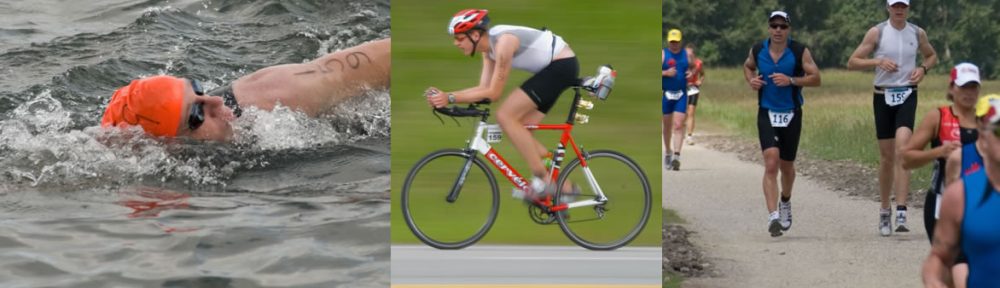
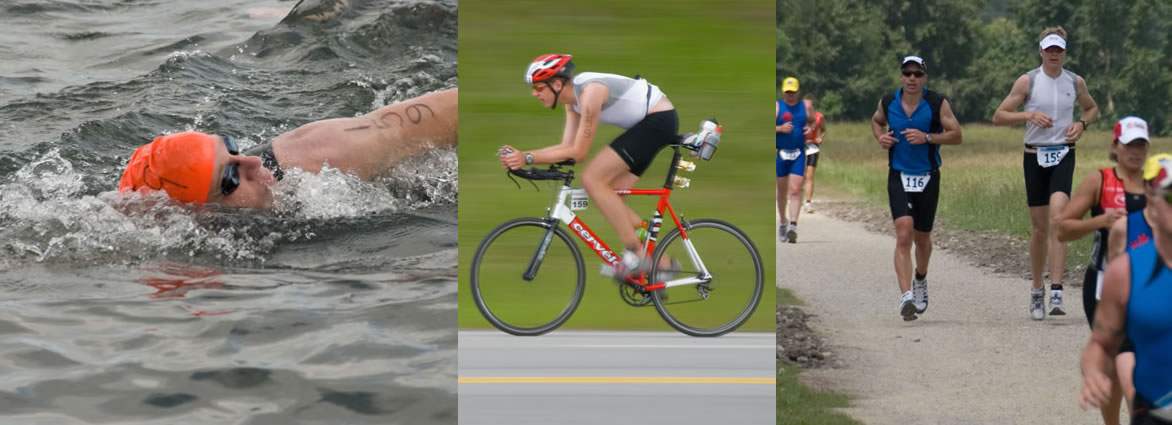
The first of its kind, the Sir Bani Yas Island challenge is an outdoor triathlon organised by Husak Adventures. The challenge consists of a run-bike-kayak race across the island and is meant to be an enjoyable experience for all.

Image Credit- JKrabbe at English Wikipedia [Public domain], via Wikimedia Commons

Challenge Summary:

A Fun outdoor triathlon open to anyone over the age of twelve with various fitness abilities.

Event route

Using three different disciplines the event route covers the entire island a complete distance of 50 km. The breakdown of the route consists of 10 kilometres of trail running, 37 kilometres of mountain biking and finally three kilometres of kayaking. Campsites will be alongside the beach usually at one of the two Anantara Abu Dhabi beach resorts. The participants will switch between two legs of trail runs and mountain biking to conclude with a couple hundred meters run after the final a Kayaking leg.

Your checklist

Your checklist should include a sleeping bag, headlight, change of clothes and swimwear since the camp is located at Anantara Sir Bani Yas Island Al Yamm Villa Resort which is beside the ocean. For the challenge, it is recommended that the participants wear sportswear and/or synthetic shirts.

Provisions by the organiser

The challenge organisers will provide you with a kayak and a mountain bike, water, a map of the course and the stations closing time, a challenge t-shits and finally the challenge medal.

Fritzjames Stephen is a travel writer, who writes content based on the myriad of experiences and indulgences that the world has to offer travellers across all walks of life. Google+

Saving the Arabian Oryx from extinction!

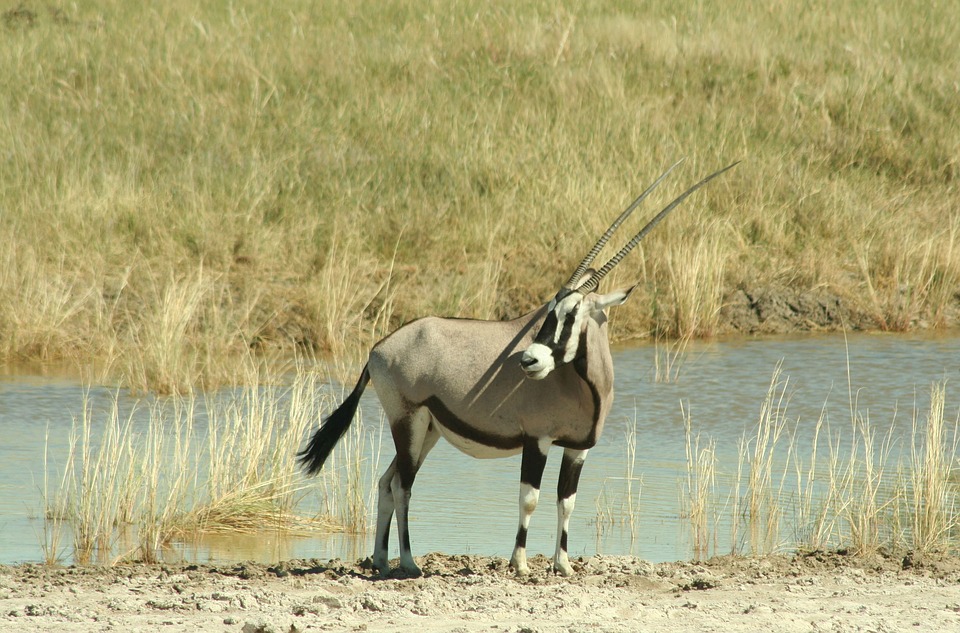
The Arabian Oryx a species of antelope indigenous to the middle east has been under threat of extinction since the early 1900s. By the 1960s it was believed that the last existing two separate populations of oryxes found in the middle east were diminishing and would go extinct within the next couple of years.

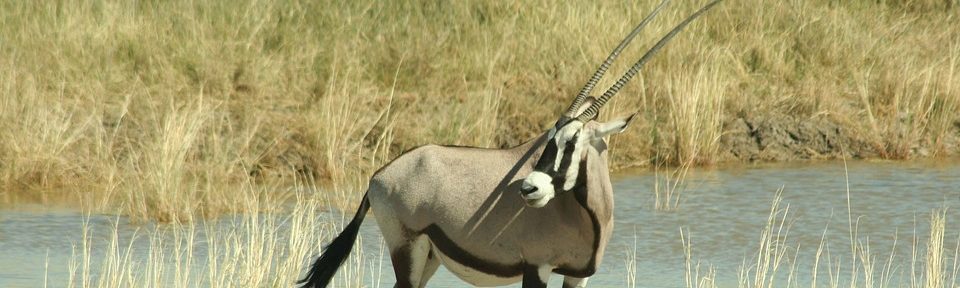
Oryx|Via-Pixabay,xbqs42,CC0


Operation Oryx

A captive breeding programme name Operation Oryx was initiated within the next couple of years with funding from the WWF and the technical support of the Phoenix Zoo and the Flora and Fauna International. A “World herd” of oryxes donated by the different middle eastern and north African nations were taken to the Phoenix Zoo. A reintroduction programme was later initiated to bring in the oryx back to the MENA region.

United Arab Emirates

Just beyond Anantara Sir Bani Yas Island Al Yamm Villa Resort which is one of Anantara’s two Abu Dhabi beach resorts, is the Sir Bani Yas island reserves where a heard of over 400 oryxes now roam free. The island is a sanctuary to most species found in the emirate.

Oman

By 1980 the number of Arabian oryxes bred in captivity was reintroduced to Oman. A population which was once 450 individual species have now, unfortunately, dropped to a staggering number of 65 oryxes due to oil drilling activity and illegal poaching.

Saudi Arabia

After several failed attempts of reintroduction, Saudi Arabia has now been successful in hosting a free-ranging heard within the Mahazat as-Sayd Protected Area a fenced reserve of 866 square miles.

Roland Lefevre is a travel writer who specializes in creating features on leisure as well as business travel destinations across the globe. Google+