Elephant back safari ride in Habarana

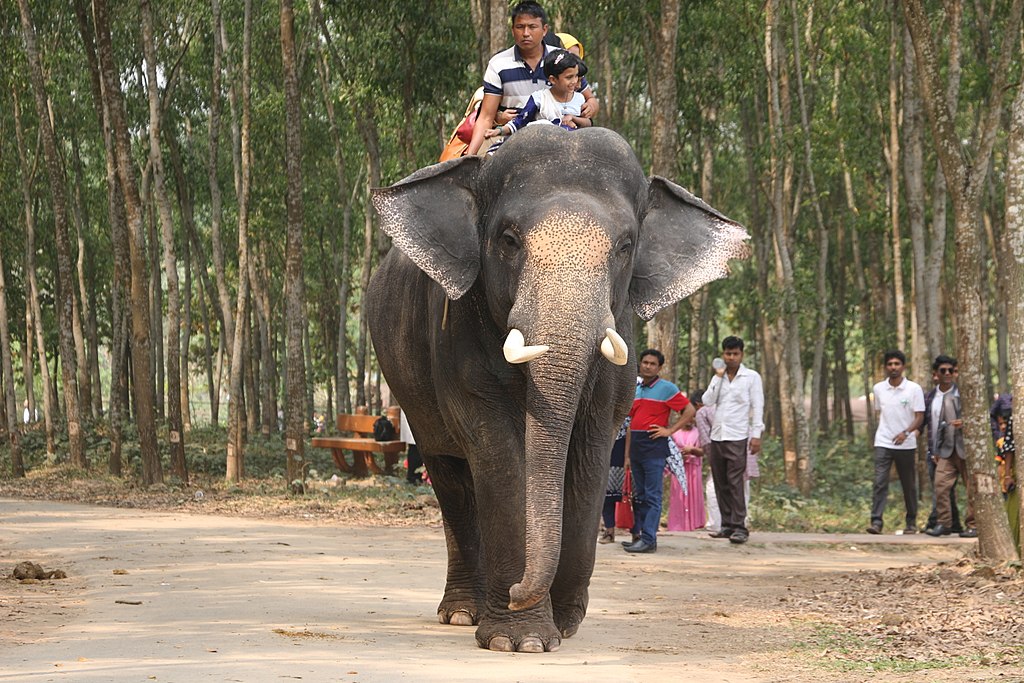
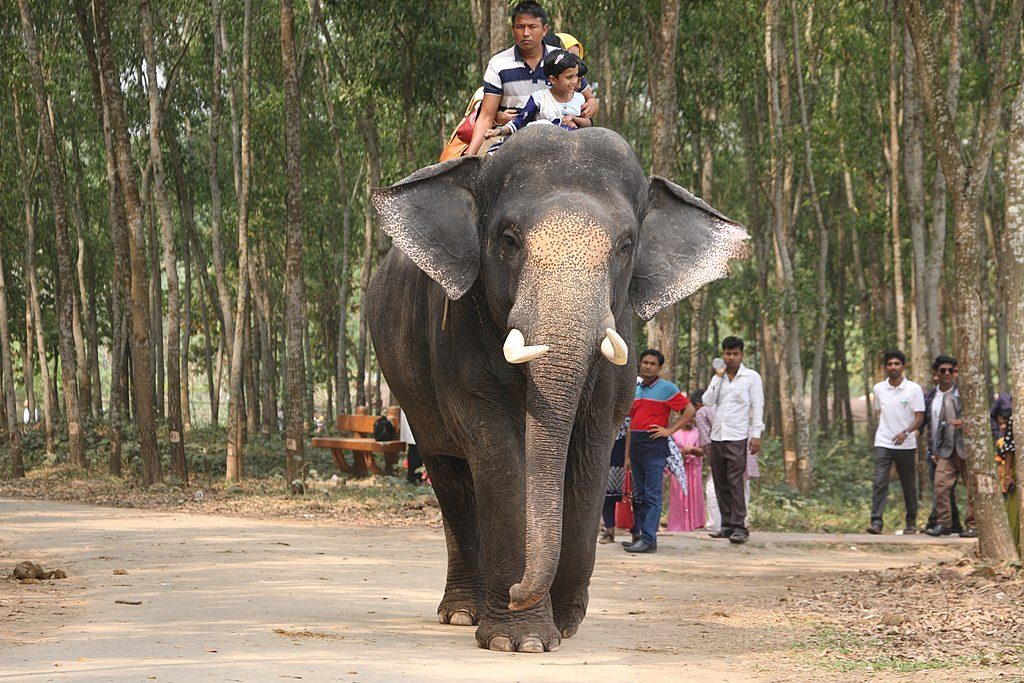
Elephant Back Safaris in Sri Lanka is one of the most joyful leisure activities for a number of reasons. It is also a very rare experience that’s loved by westerners the most.

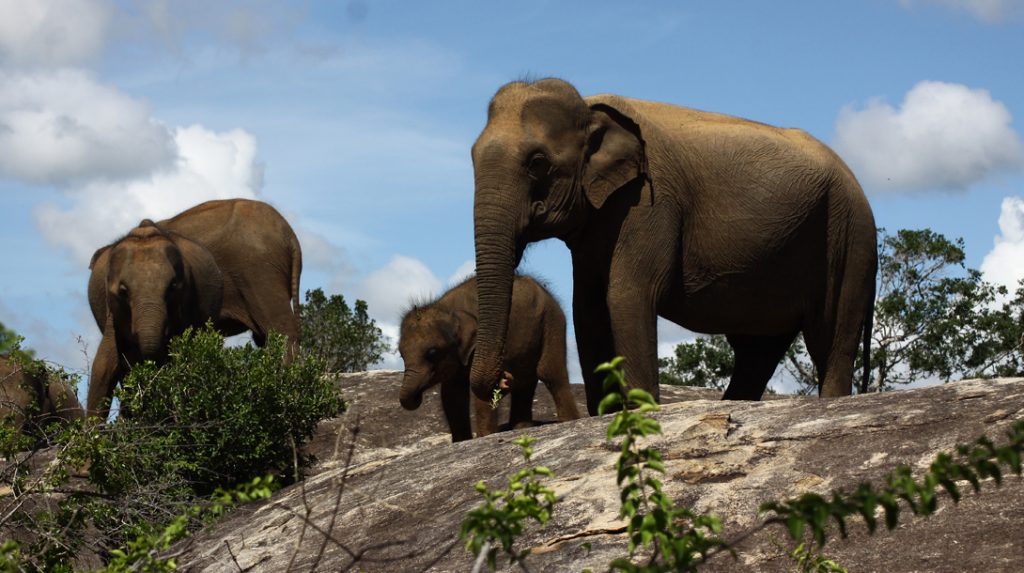
Elephant Safari
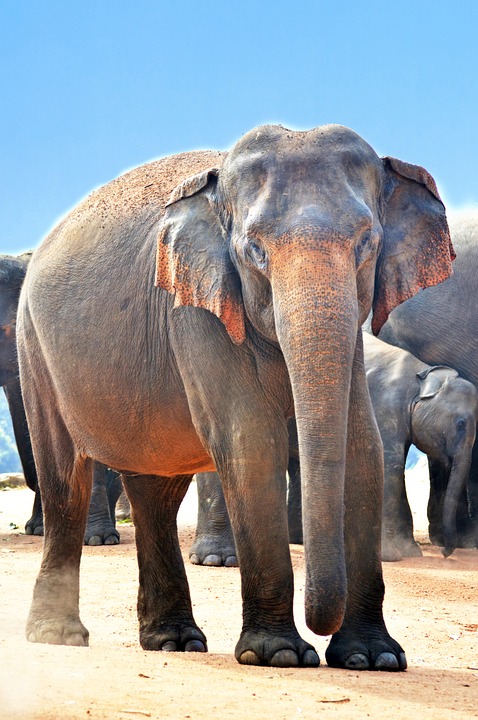
Elephant Safari | Image Credit : SabbirAbeir (Md Sabbir), Elephant At Safari park, CC BY-SA 4.0

Why elephant back safaris are fun?

Rather than just holidaying in a Sri Lanka resort enjoying luxury, experiencing an elephant back safari is fun and exciting. You simply share some hours of your day with an elephant while exploring nature.

The experience

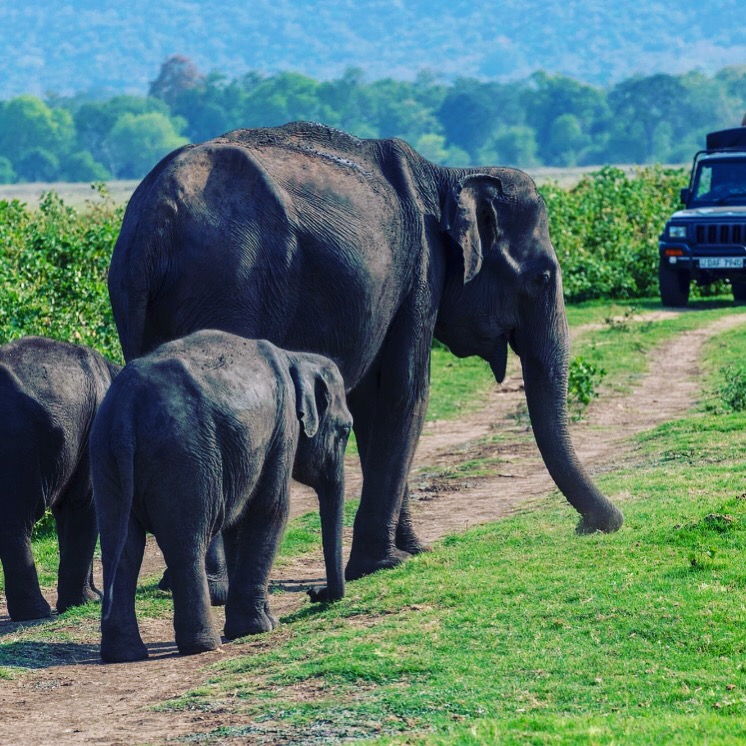
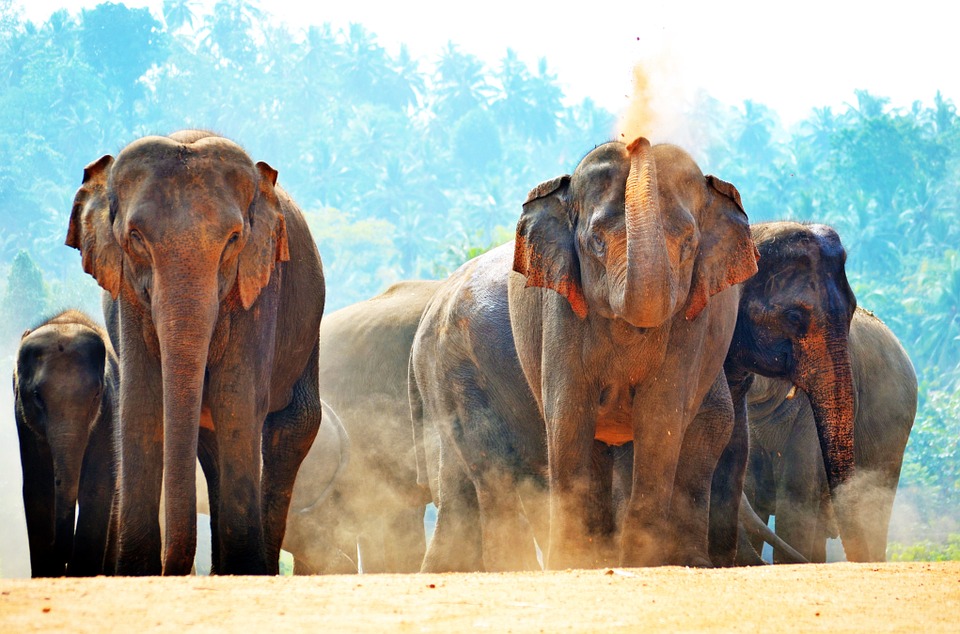
On one such safari, you can view the exotic wildlife from the back of a majestic elephant. You also get the chance to feed the elephant and see how it gets groomed after a bath, which is a rare sight to enjoy.

Why Habarana?

Habarana is one perfect transit point for herds of wild elephants who belong to Minneriya and Kaudulla National Parks. So, Habarana has become one of the locations that provide this experience in Sri Lanka allowing guests of nearby resorts the likes of Habarana Village by Cinnamon to have this firsthand experience.

The best periods

Water levels are good during the months of March and July; needless to say, this makes the best time for a safari!


Wildlife in Sri Lanka

Despite its small size, Sri Lanka is one of the most richly biodiverse regions in South Asia. The island is home to all manner of fascinating wildlife, both big and small. This is in large part due to many national parks and forest reserves spread out through the island – these act as safe havens to some of the most unique and rare creatures on the planet!

The Big Game

The large national parks in Sri Lanka such as Yala and Wilpattu are great places to spot the stars of Sri Lanka’s wilds – namely the leopard and Sri Lankan elephant. In fact, areas like Yala National Park have some of the highest leopard concentrations in the world! The best way to catch a glimpse of these spectacular species is to choose one of the Sri Lanka wildlife tours that cover the large national parks, like the ones offered by Soultrek Sri Lanka.

Forest Dwellers

Sri Lanka’s forest reserves are perhaps the most biodiverse areas in the country; even though these verdant refugees aren’t usually home to the biggest game, the island’s forest denizens are by far the most unique and bizarre. Take for example the sloth bear – a small ursine species with shaggy black hair that specialises in eating insects. Then there’s the endemic red slender lorries, a peculiar primate that patrols the forest canopy at night.

Avifauna

Sri Lanka is without a doubt a bird lover’s paradise, and a bird-watching trip to any of the island’s avifauna hotspots can be extremely rewarding. Some of the notable species found here include the endemic Ceylon magpie – a strikingly colourful bird native to the central hills of Sri Lanka – and the very rare Sri Lankan whistling thrush.

Marine Life

Sri Lanka’s impressive biodiversity isn’t just contained to the forests and parks on land, the calm blue waters that surround the island are home to a menagerie of life that’s just as impressive. The coral reefs of Hikkaduwa, in particular, are home to many different types of reef fish and are regularly visited by various species of the endangered sea turtle. Further out at sea you’ll find the true giants of the ocean – baleen whales such as the blue and humpback whales regularly visit the warm waters of Sri Lanka!


Enjoy A Bumpy Yala Safari Ride to Satisfy Your Adventurous Thirst

Sri Lanka is often cited as one of the premier safari locations in Asia. The island has a number of national parks that harbour an array of fascinating wildlife – both big and small. Among these, Yala National Park is perhaps the most popular and with good reason too!

Where is Yala

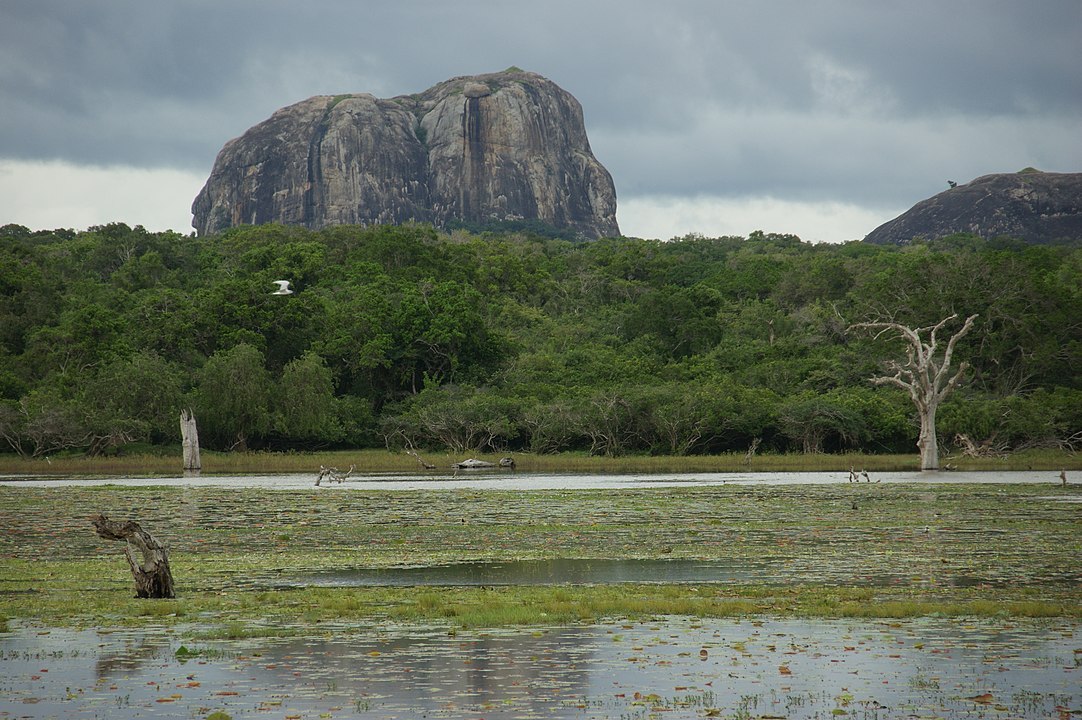
Yala lies to the southeast of Sri Lanka and is bordered by the Indian Ocean. Specifically, it is around 300km away from Colombo, but the journey is relatively easy due to Sri Lanka’s highly-developed road network. There are several parks adjacent to Yala as well, all of these in tandem create a hotspot for some of the island’s wildest denizens.

Dan arndt, Wetland – Yala NP, CC BY-SA 4.0

When to Go on Safari

Most Yala hotels, such as the Cinnamon Wild Yala, always keep their guests informed that there are two peak times to go on safari – dawn and dusk. The cool air means that animals are more active during these times, so you’re more likely to spot Yala’s fascinating denizens.

Thilinakaluthotageකැලේ අයුතිකාරයාCC BY-SA 4.0

Interconnected Ecosystems

Yala National Park is made up of a number of unique ecosystems that all intertwine together. Habitats range from dense scrub forests, open grasslands, dense woods, and placid lagoons. Watering holes, in particular, are fascinating biomes that often attract a litany of different animals.

The Park’s Wildlife

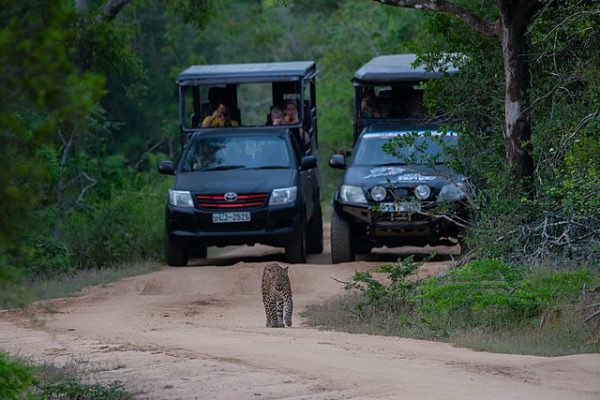
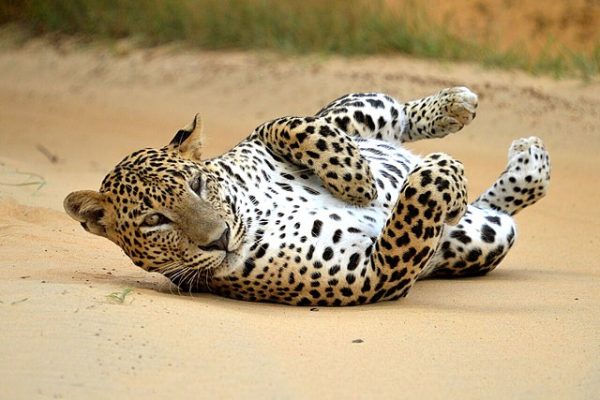
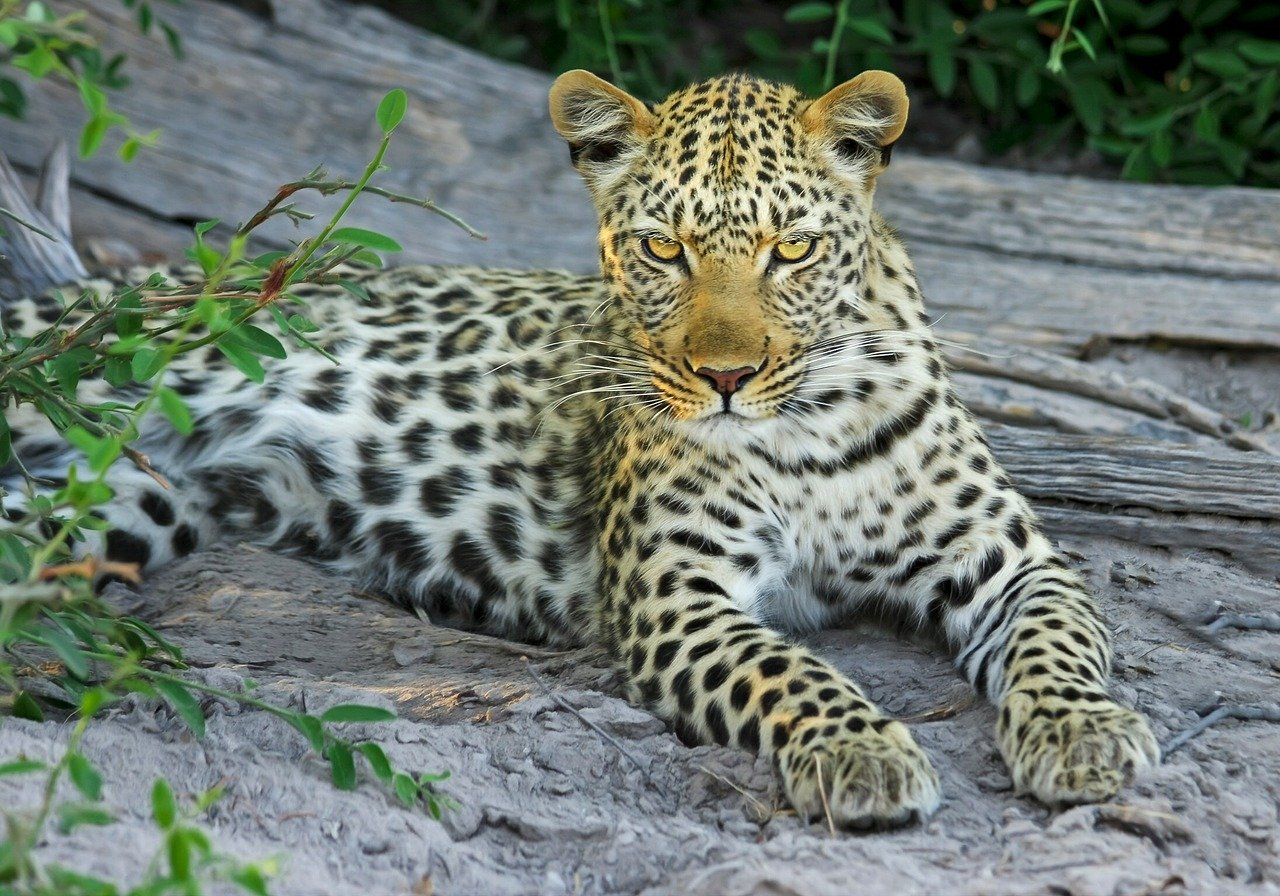
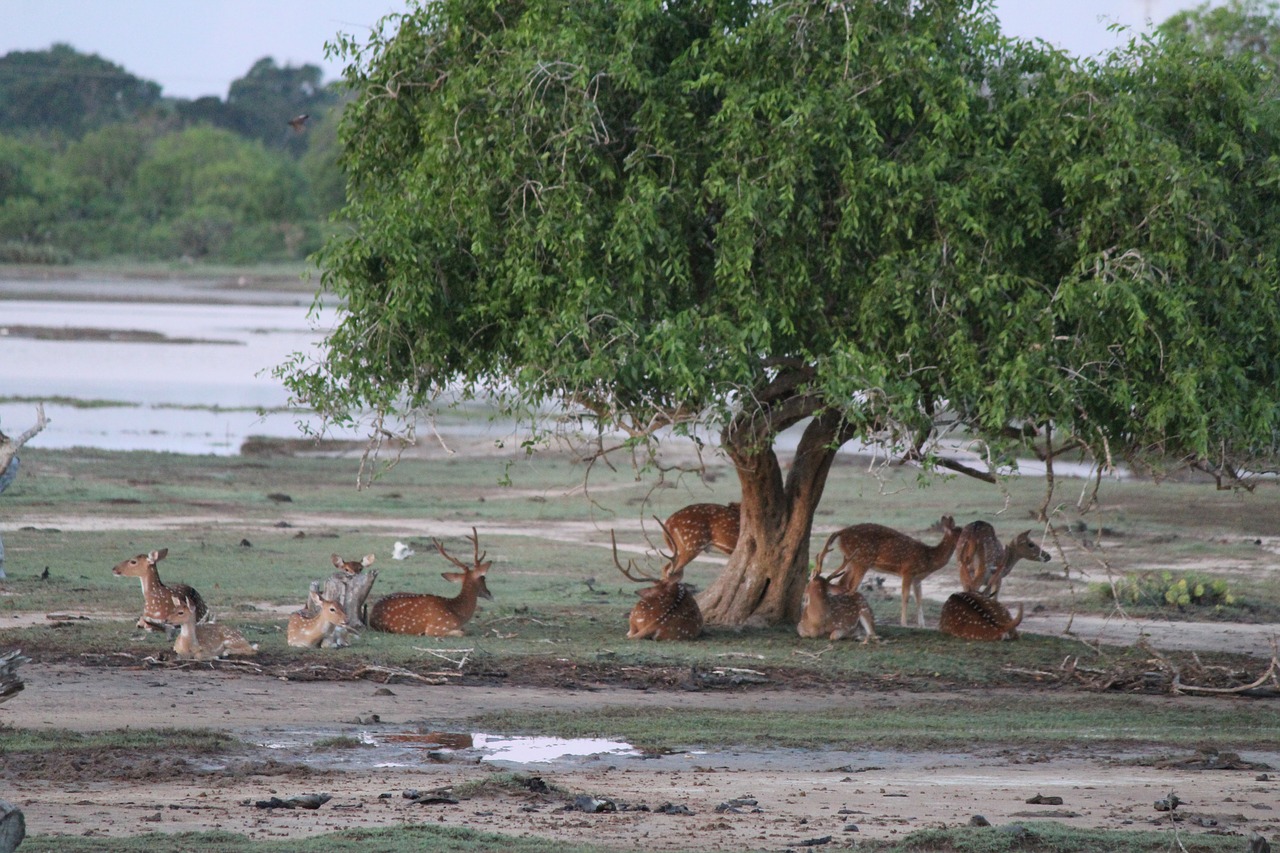
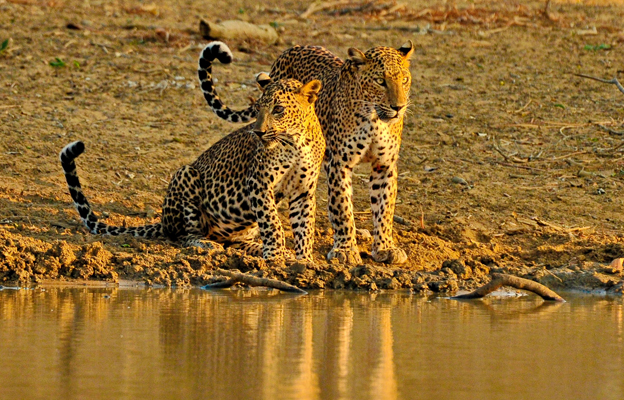
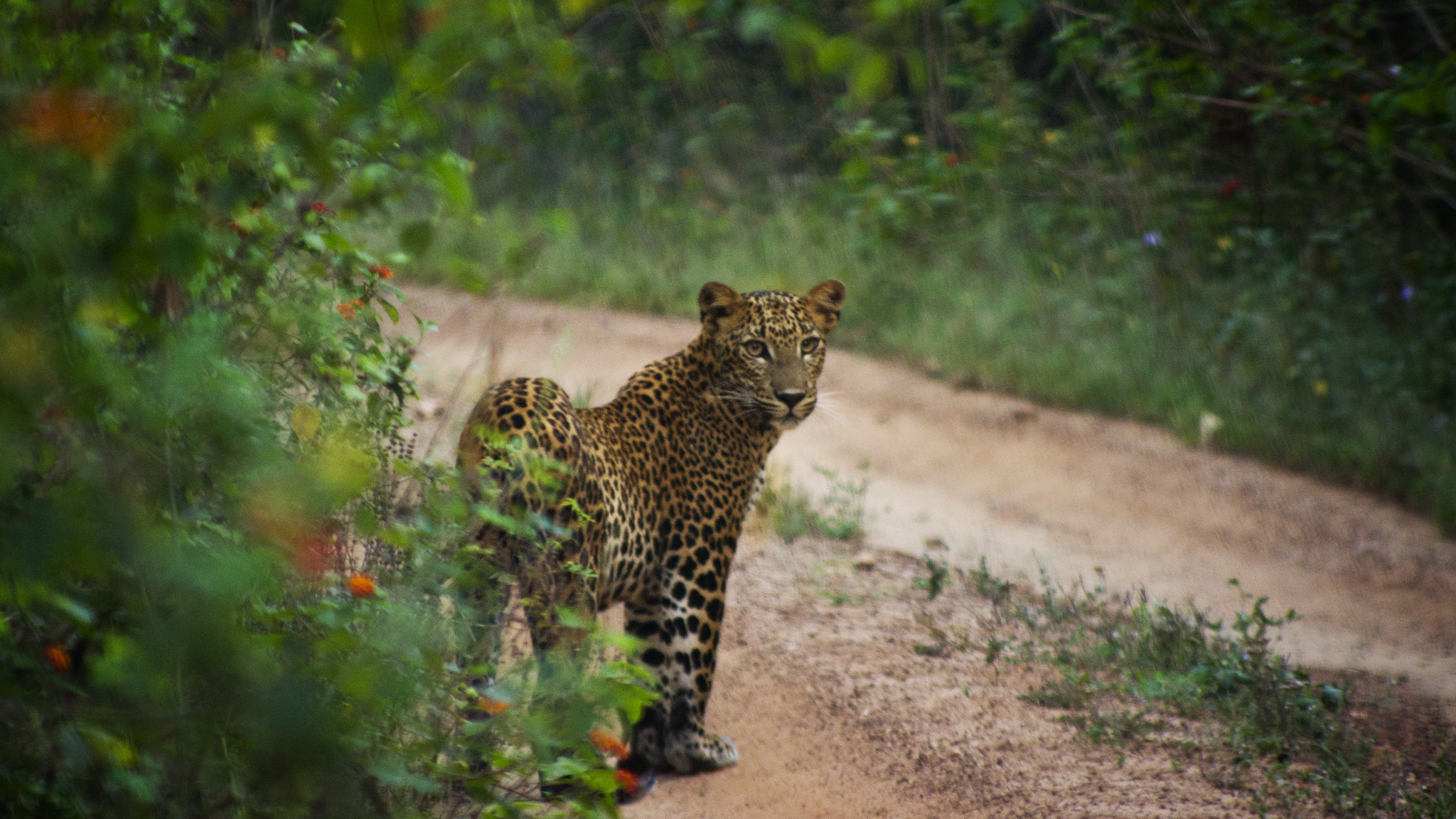
By far, Yala’s most famous attraction is its leopards. In fact, the park has one of the highest densities of wild leopard in the world! Now, as you keep your eyes peeled for this elusive big cat, don’t miss out on all of Yala’s other iconic characters – there are the majestic Asian elephant, the ill-tempered buffalo, and skittish chital to name a few.

© Mahoora Tented Safari Camps (https://www.mahoora.com/) / CC BY-SA 4.0 via Wikimedia Commons, Leopard in Yala National Park, CC BY-SA 4.0

Yala National Park Sri Lanka

If you’re planning to tour Sri Lanka, you should definitely make plans to view the island’s amazing wildlife. In recent times, Sri Lanka has been cited as a premier destination for safari-goers outside of Africa. This is in large part due to the numerous national parks doted around the island, and among these ones clearly stands out – Yala National Park.

The Location

Yala is situated in the South-Eastern edge of Sri Lanka, bordered by the waters of the Indian Ocean to the south. The park stretches for over 130,000 hectares and consists of a variety of biomes, from dense scrub forests to lagoons surrounded by fertile grassland. Due to Sri Lanka’s highly developed road network, reaching the park mis relatively easy by car – it’s a 300km drive from Colombo via the Southern Express Highway.

Leopard Watching at Yala

If there’s one thing Yala is known for above all else, it’s for its leopards. In fact, Yala boasts one of the highest concentrations of leopard anywhere in the world! Due to a large number of vehicles that pass through Yala near every day, these big cats have become habituated to safari jeeps and do not shy way from them. As such many safari operators – like Walkers Tours – make a point to seek out these elusive big cats, providing you with some excellent photo opportunities.

The Elephant Herds of Yala

Leopards aren’t the only stars of Yala, as the park is home to several herds of majestic Sri Lankan elephant. There exists a natural corridor that connects Yala to Uda Walwe National Park, and the elephants regularly use it to travel back and forth between the two protected areas. If you’re aching to get a good look at these gentle pachyderms, the dry season which lasts from May to August is the best time to visit.

The Other Denizens

While the big cats and elephants are the park’s main attractions, they are by no means its only residents. Yala is, in fact, a bird lover’s paradise – it is home to over 130 species of birds, including the rare black-necked stork and raptors like the crested serpent eagle. If you visit the banks of the park’s many lagoons and tanks, you’re bound to spot basking mugger crocodiles and the odd monitor lizard. Ungulates like chital and sambar – favourite prey of the leopard – are also a common site.


Safaris at Yala National Park, Sri Lanka

Looking to spot wildlife away from restricting and often artificial zoo environments? Then plan a safari to Yala National Park in Sri Lanka and look forward to an unforgettable adventure!

Image credit-Pixabay,taraneha ,CC0

Getting to the Park

The main entrance is in Palatupana which is around 305 km from the commercial capital, Colombo. While you will need a 4WD vehicle, the park does offer jeeps and guides too. When it comes to planning a Yala safari in Sri Lanka, wildlife tours are amongst the options worth considering since your transport and accommodation are taken care of.

Majestic Leopards

One of Yala’s main allures is the fact that it is home to the highest leopard density on the planet! Be it on special wildlife drives or photographic leopard safaris from tour specialists like Nature Odyssey, there are many adventures to see these majestic predators. Early morning and late afternoon are generally the best times for such safaris.

Animal Highlights

Of course, as you travel around Yala be on the look-out to spot other wildlife too; you may see a sloth bear ambling along the road, elephants socialising in a herd, spotted deer leaping through the foliage, water buffaloes basking in the sun or mugger crocodiles in search of a meal!

Amazing Avifauna

Birdwatching enthusiasts have much to look forward to since Yala is home to endemic and migratory species. Having a guide or bird guidebook will help to identify these many varieties; they include the grey heron, great stone plover, painted stork, serpent eagle, Sri Lankan Junglefowl and the Sri Lanka grey hornbill.

Explore Yala National Park

When it comes to viewing wildlife, few places in the world can match the thrills on offer at Yala National Park. The stronghold of the famous Sri Lankan leopard is the perfect stage for a daily myriad of action and drama that could rival any soap-opera!

How to Get There

You’ll have to make a choice on whether to travel through Kandy or Galle. Sri Lanka’s extensive, well-kept road systems will ensure that you’ll have a nice and relaxing drive regardless of your choice. You could also take the train from Peradeniya – which is just beyond Kandy.

Places to Stay

While there is an abundance of Yala hotels to choose from, picking the right accommodation can go a long way in making a good experience truly great. Properties such as Cinnamon Wild Yala are not only located close to the park but organise safaris too which adds to the convenience of enjoying thrilling escapades in the untamed bush.

The Adventures that Await

Img via Cinnamon Wild Yala

Experience a full day’s safari at Yala – marvel in the gentle majesty of great elephant herds, revel in the playful antics of a troop of langurs and if you’re lucky, hold your breath as a leopard patiently stalks its prey. You can also check out the ancient rock monastery of Sithulpawwa, a must-see if you’re visiting the park.

When to Visit

June to September remains the ideal time to visit as the temperature hovers around a comfortable 26.4°C. This not only makes embarking on a safari quite a pleasant endeavour, but it also greatly increases the chances of leopard sightings – after all, it’s comfortable for them too!


Udawattekele in Kandy

The Udawattekele Forest Reserve is the historic royal park that crawls across the uppermost spine of the Kandyan plateau. It spans 257 acres and was once known as “Uda Wasala Watte” which means “the gardens above the palace.”

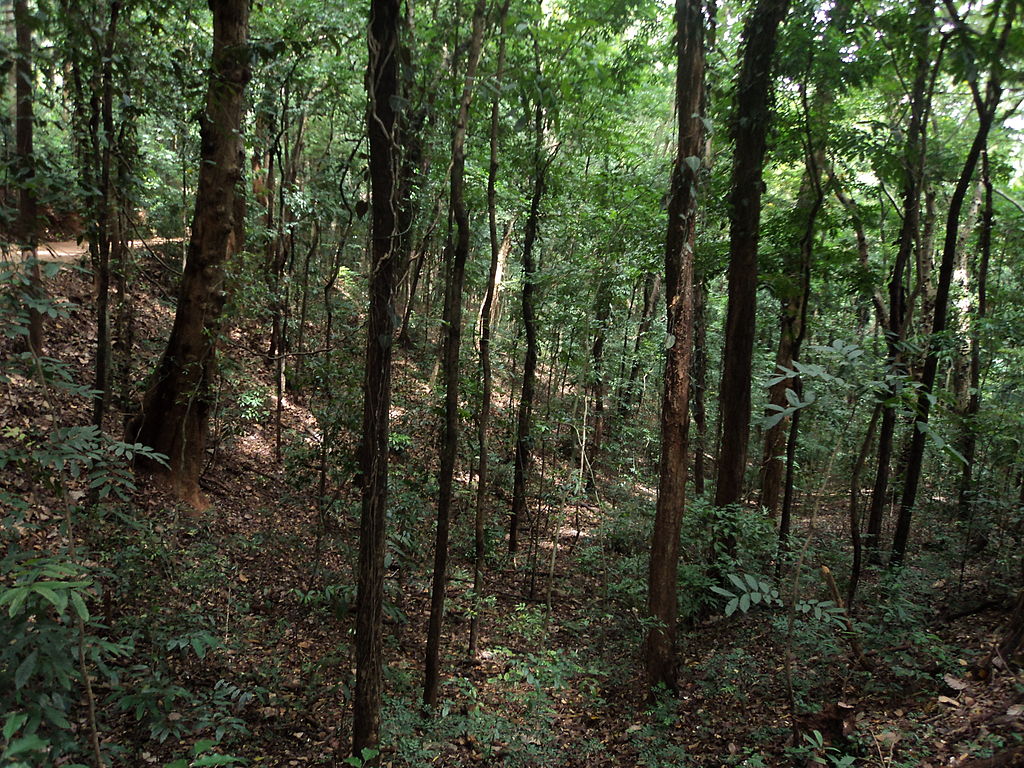
Udawattekele
Udawattekele | Image Credit : Hasindu2008, Udawattakele Kandy, CC BY-SA 3.0

Senkada and Rajasinghe

Ancient records state that there was once a brahmin called Senkada who dwelled in the caves in Udawattekele and that was how Kandy got one of its older names; Senkadagala. The cave was visible on a walk through the forest reserve until 2012 when it collapsed in a landslide. The gardens were used as a pleasure garden by the kings of Kandy and were forbidden to the public.

Colonial Era

During the colonial era, the British used some of the lands to construct a garrison and pathways that today are used and disused trails through the reserve. On the south-eastern side stands an abandoned British garrison now overgrown. It was attacked by Sri Wickrama Rajasinghe’s forces in 1803 and the British troops manning the garrison were massacred.

The Fall of the Kingdom

After the Fall of the Kandyan Kingdom, the forest was subject to human activity including clearing and logging. Its condition deteriorated until it was declared a forest reserve in 1856 and made a sanctuary in1938.

Important Part of the Plateau

The Kandy lake is fed from springs that originate in Udawattekele. It also carries out air purification thanks to its elevation and placement above the city. There are many a hotel in Kandy that are in close proximity to make it to the sanctuary in under a couple of minutes. The reserve is only 10 minutes’ drive from Kandy town so you can easily get to it from a hotel in Kandy that is comfortable and spacious like Kings Pavilion.
The forest is home to endemic trees such as Madatiya, Tel Kekuna and Ankenda. There is a dense spread of flora thus restricting sunlight from reaching the underground layer. Some of the species of creeper are over 200 to 300 years old.

Most thrilling wildlife safaris in Sri Lanka

Sri Lanka’s diverse wildlife is renowned globally, therefore it is no surprise that a vast number of visitors make sure they visit at least one of the national parks in this paradise island. Listed below are a few national parks for your itinerary.

Image credit- Pixabay,GregMontani,CC0

Yala National Park
The most famous national park in Sri Lanka, Yala is situated in the south-east region of Sri Lanka and is the second-largest park on the island. Situated roughly 300 kilometres from Colombo, several Sri Lanka holiday packages, such as the ones offered by Tangerine Tours, include this popular wildlife park. You are sure to spot an excellent range of wildlife here in Yala!

Wilpattu National Park
Located 26 kilometres from Puttalam, the park covers 425 square feet of the coastal area. Wilpattu is also one of the oldest and largest national parks in Sri Lanka. You’ll find plenty of dense shrubbery and grasslands covering this park, with its main attractions being endemic sloth bears, leopards, barking deer and elephants.

Wasgamuwa National Park
Providing refuge to countless displaces wild animals, this national park earned its place in 1984. Here is where you’ll spot a large number of elephants if you’re looking to spot them. Bird watchers find this national park rather fascinating as well, as it is considered one of the best bird-areas in Sri Lanka.

Wildlife in Sri Lanka

With diverse birds and animals, Sri Lanka is a wildlife enthusiast’s paradise. There are several fully-fledged national parks and bird parks scattered around the island as well as sightings for marine life off the coast all year round. 12% of the country is dedicated to wildlife protection; from wet rainforests to arid plains.

Image credit-Pixabay,nuzree,CC0

The Birds
Thanks to a rich tropical climate Sri Lanka there are over 400 species of birds including 200 migratory species and 33 that are endemic to the country. There are plenty of bird watching hotspots dotted across the country as well as national bird parks. It truly is an ornithologist’s dream come true.

The Mammals
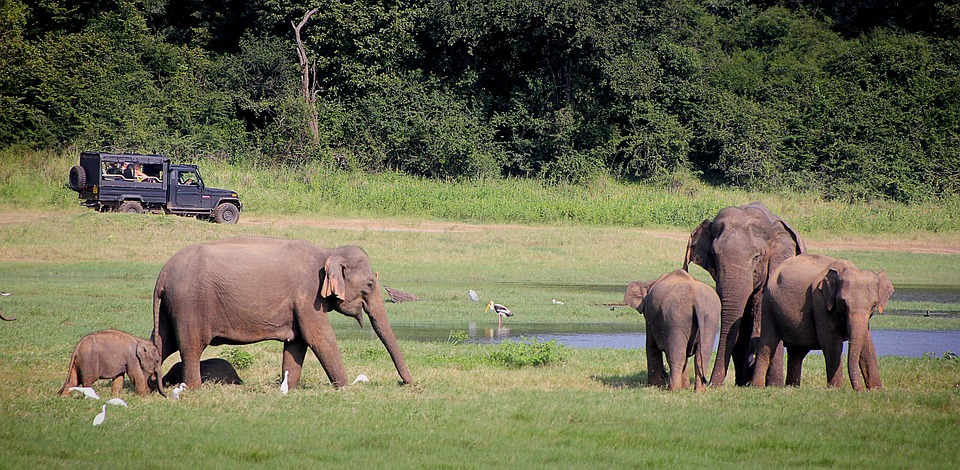
One of the most iconic experiences in Sri Lanka is seeing an elephant in the wild. It is a phenomenal experience and one that you should consider. Minneriya is possibly the best place, especially since the elephants gather at the edge of a man-made lake to socialise and swim.
Yala and Wilpattu National Park are great to spot many of the 102 mammals, 90 of which are indigenous to the island distributed across the diverse climate and geography of the island.

The Marine Life
With packages like Tangerine Tours, you can also book a safari into the sea to go whale watching or swimming with a dolphin or simply staking out on a beach to watch a sea turtle wander in to lay her eggs.

Things You Shouldn’t Miss
Make sure you add Minneriya National Park, Horton Plains, Yala National Park, Sinharaja Rainforest and Wilpattu National Park to your itinerary.

Auburn Silver is a travel writer who has a passion for fashion and a deep interest in admiring new and exotic attractions around the world. Google+.

Wildlife in Sri Lanka

Sri Lanka is an island with a priceless variety, so as its wildlife- ranging from authentic birds, mammals like elephants and even colourful marine life. The safari parks and sanctuaries there have been designed in such a way that they give the best experiences to their visitors, and this is why you should allocate some time to admire the wildlife in Sri Lanka- once you visit it.

Image by: Pexels via pixabay | CC0

The Birdlife

During your tour in Sri Lanka, travel to Kumana, Yala, Horton Plains or even the Sinharaja Rainforest with Walkers Tours and enjoy the best of birdlife in the country. Discover the behaviours of the migrant species as well as the endemic ones.

The Mammals

As the country is blessed with a diverse climate, vegetation and altitude, there are different species of mammals extensively distributed in Sri Lanka. If you visit any national park here, you will be blessed to see mammals moving in herds in the wild so make sure you capture these rare moments as memories.

The Marine Life

During your tour in Sri Lanka visiting the beaches will obviously be one of your top priorities. Make sure you allocate some time to admire the whales, dolphins, whale sharks and marine turtles- which can be explored via excursions arranged as per your requirements.

The top attractions

While all the above-mentioned experiences are worth enjoying, there are also some super special sceneries that you won’t need to miss. The leopard at Yala National Park, herds of Elephants roaming at Uda Walawe National Park and the monkey population at Polonnaruwa are just some of them.


Auburn Silver is a travel writer who has a passion for fashion and a deep interest in admiring new and exotic attractions around the world. Google+