Hidden Adventures in the UAE for Explorers and Travellers – Exotic Trails Worth Taking

Most journeys through the UAE follow the same familiar routes, from city landmarks to well-known attractions. For travellers willing to wander a little further, the country begins to feel far more surprising.

Wandering Through the Abandoned Village of Al Madam
Al Madam, a village on the outskirts of Sharjah, is gradually disappearing beneath the desert’s embrace. Walking through the empty houses and narrow streets, visitors can see dunes creeping through doorways and across abandoned courtyards.

Climbing the Dunes Around Fossil Rock
Near the Mleiha desert area, Fossil Rock rises from the surrounding sand. Adventurers often climb the nearby dunes for wide desert views and sometimes spot ancient marine fossils embedded in the rock.

Walking the Palm Paths of Al Ain Oasis
In Al Ain, narrow paths wind through thousands of date palms in one of the UAE’s oldest cultivated landscapes. Irrigation channels still carry water through the oasis using traditional farming methods.

Exploring Deira’s Old Trading Streets
Travellers searching for things to do in Ibn Battuta sometimes explore the older district of Deira. Spice sellers, textile traders, and the well-known gold market continue to fill its busy souks.

Discovering the Ibn Battuta District
In Dubai’s western districts, areas around Avani Ibn Battuta Hotel sit near transport routes that connect several parts of the city. Exploring this area often leads travellers toward coastal walks, historic neighbourhoods, and desert routes outside Dubai.

Stargazing in the Open Desert
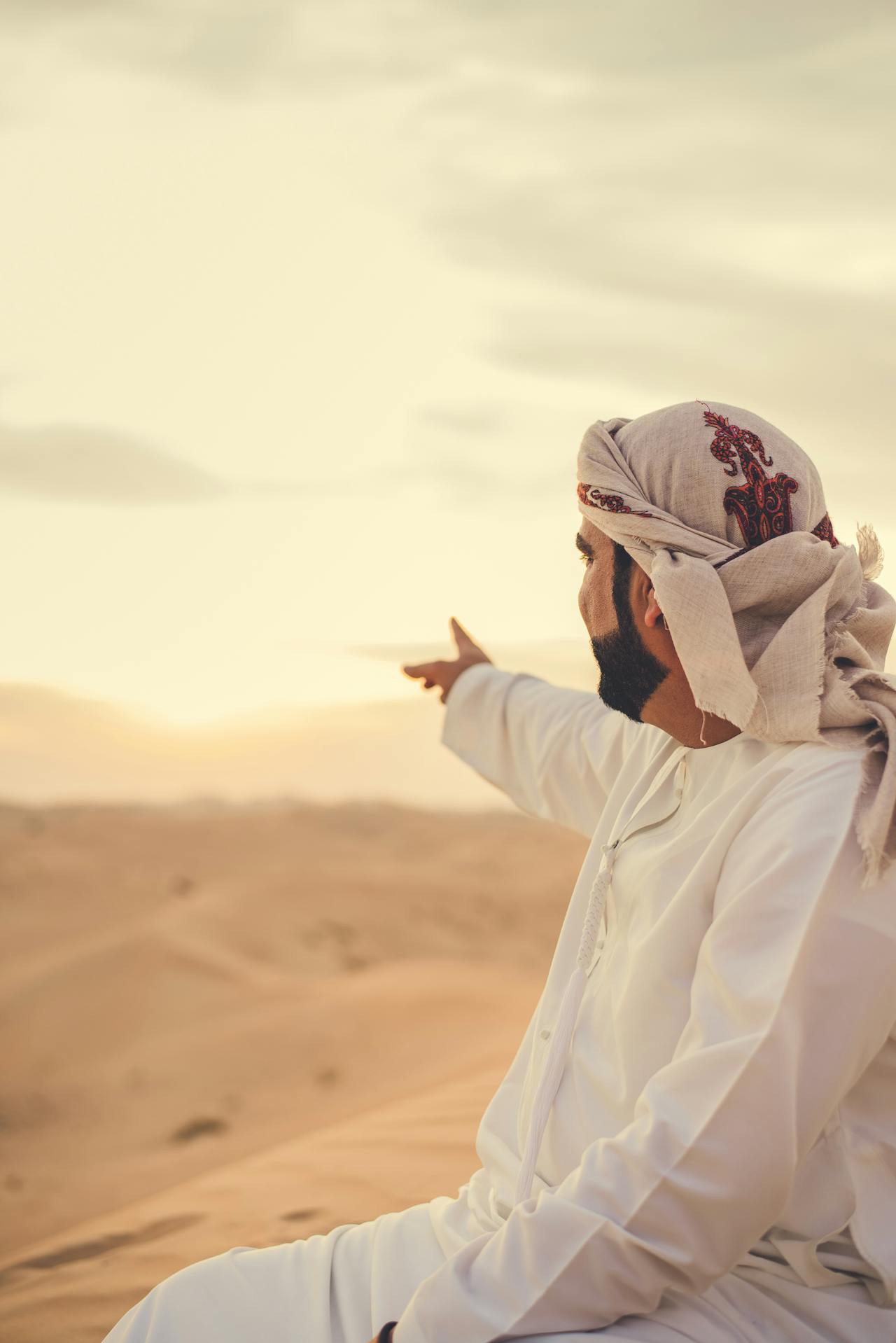
Image by pexels

The desert, miles away from the city’s light pollution, becomes a perfect spot for stargazing in the UAE. When the sun sets, the vast dunes offer a clear view of the night sky.
How Does Oman Balance Adventure and Relaxation?: Your Guide to a Well-Rounded Holiday

Oman does it all. From breathtaking landscapes to a culture enriched by centuries of heritage, the “Pearl of the Gulf” remains one of the most fascinating destinations in the region. if you’re building a balanced bucket-list, here are the best experiences to include for both adventure and leisure – from misty trails to Oman luxury resorts. 

Salalah During Khareef

From June to September, the Khareef (monsoon season) transforms the southern Dhofar region into a lush, emerald paradise. Rent a 4×4 to navigate the winding “Snake Road” or hike through the misty trails of Wadi Darbat to witness cascading waterfalls.

Hikes Across Jabal Al Akdhar

The “Green Mountain” sits 2,000 metres above sea level, offering a temperate escape. Adventure seekers can tackle hikes through lost villages and rugged wadis, with excursions offered through resorts like Anantara Al Jabal Al Akhdar Resort. 

The Grandeur of Muscat

The capital city is the bridge between Oman’s rugged history and modern luxury. Relax by strolling the Muttrah Corniche at sunset or marveling at the Sultan Qaboos Grand Mosque’s intricate mosaics and 21-ton hand-knotted carpet.

Coastal Gems Around Sur

Image by Pexels

In the maritime hub of Sur, adventure means exploring the turquoise pools of Wadi Shab or watching green turtles nest at the Ras Al Jinz reserve. For a relaxing finish, visit a traditional dhow shipyard where craftsmen still build wooden ships by hand, or spend a quiet afternoon on the white sands of Tiwi Beach, where the desert mountains meet the Arabian Sea.

Beyond the Tourist Trail: How to Find a Deeper Cultural Connection on the Mekong River

The Mekong River serves as the lifeblood of Southeast Asia, a complex hydrological artery sustaining millions through agriculture, spirituality, and trade. To move beyond superficial tourism, travellers must adopt an ethnographic perspective, seeking the nuanced rhythms of the river’s riparian communities.

Navigating the Tributary Networks

Authentic immersion begins where the main shipping lanes end. While large-scale vessels offer convenience, a Mekong private tour provides the agility required to penetrate the delta’s intricate “arroyos”. These smaller craft allow for spontaneous stops at stilt-house villages, where the economy remains tied to seasonal flooding and artisanal fishing rather than souvenir sales.

Curated Cultural Architecture

Selecting a vessel that prioritises heritage over high-volume transit is essential for a sophisticated journey. For instance, operators like Mekong Kingdoms design their vessels to mirror local aesthetics, providing a floating platform for high-level cultural exchange. This approach ensures that your presence supports the preservation of regional art and architecture rather than its dilution.

The Ephemeral Floating Markets

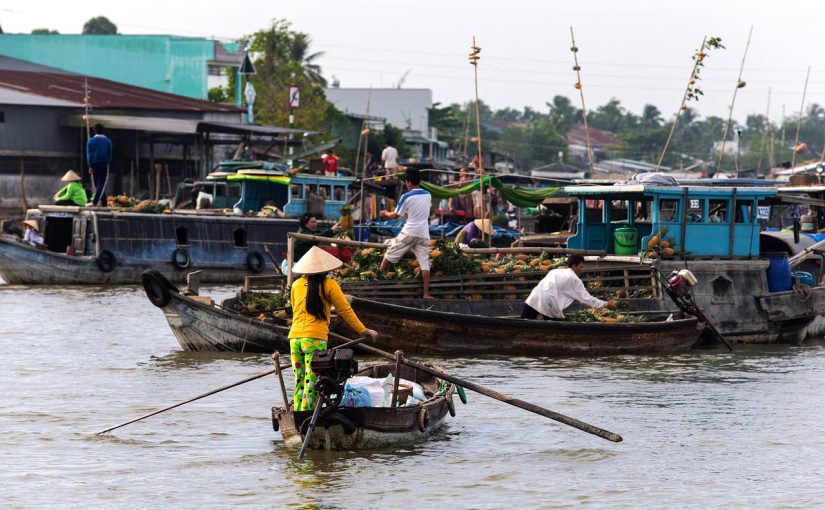
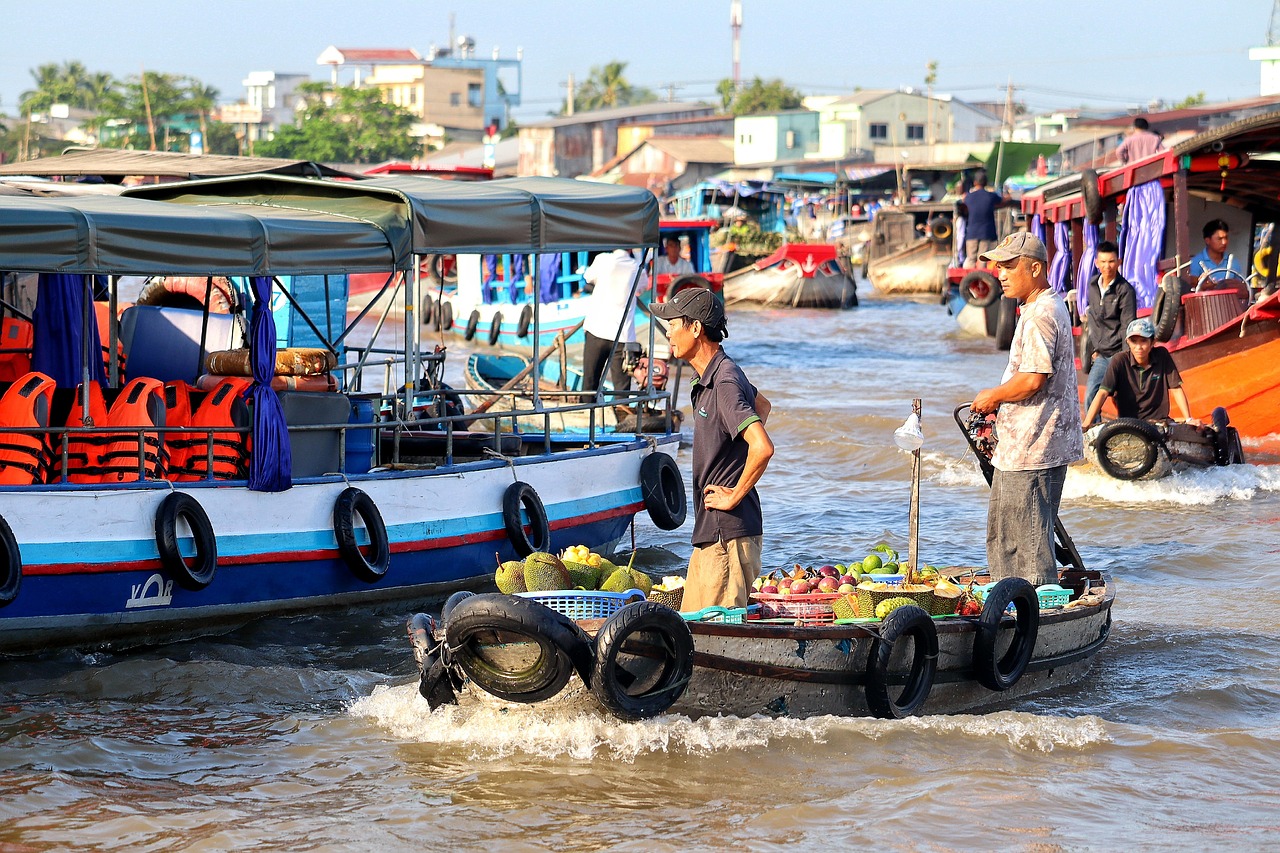
The floating markets of the Mekong are not merely spectacles but vital commercial hubs. Observing the “cay beo”, bamboo poles displaying the day’s produce, reveals a sophisticated system of non-verbal trade. Engaging with these markets at dawn offers a raw look at the region’s agricultural wealth and the resilience of its water-borne merchants.

Image by Thomas G. from Pixabay

Rituals of the Riparian Landscape

Deep connection is often found in the silence of the river’s spiritual geography. Whether observing the meditative “Tak Bat” (alms-giving) in Luang Prabang or visiting centuries-old brick kilns in Vinh Long, these encounters demand a slow pace. By honouring the river’s natural tempo, the traveller shifts from a passive observer to a witness of a living history.

Palm Jumeirah Bucket List: Experiences You Can’t Miss

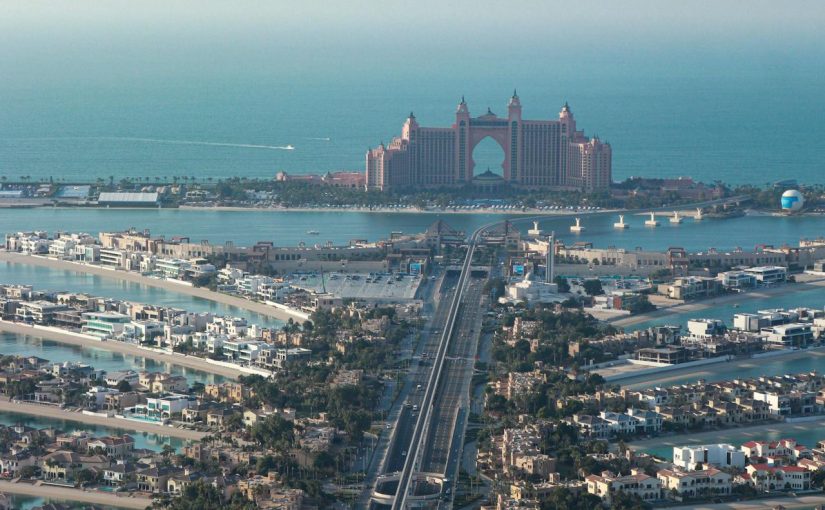
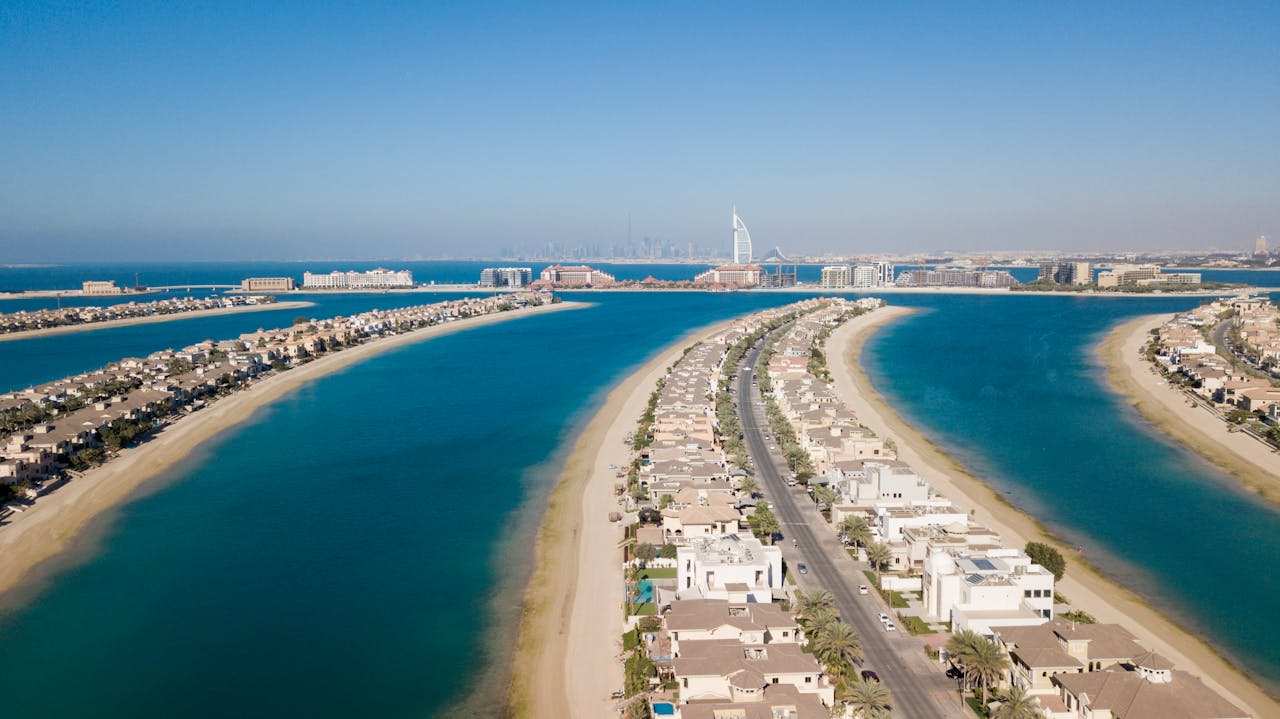
Palm Jumeirah is one of Dubai’s best-known landmarks — a man-made island shaped like a palm tree that’s become synonymous with luxury and waterfront living. It mixes relaxed beach time with high-end entertainment and fantastic views of the Arabian Gulf, so whether you’re after downtime or excitement, you’ll find something to suit your mood. Here are some highlights to put on your itinerary.

See the island from The View at The Palm

To really grasp the scale and shape of Palm Jumeirah, head up to The View at The Palm on the 52nd floor of The Palm Tower. The observation deck gives sweeping panoramas of the island, the Dubai skyline and the sea beyond. It is one of the best things to see and do in Dubai.

Enjoy private beaches

Many of these luxury hotels have their own private beaches where you can relax in peace and tranquillity, away from the crowds. The sand is soft, and the sea is crystal clear, making it perfect for some sunbathing, swimming, and even trying your hand at paddleboarding. There are also beach clubs and cafes in the area where you can spend a leisurely day by the sea.

Stay at a luxury island resort

For a full-on indulgent experience, book a stay at one of Palm Jumeirah’s beachfront resorts. Properties like Anantara The Palm Dubai Resort offer overwater villas, spa treatments and private lagoons — a tropical-feel escape without leaving the city. Staying on the island also puts you minutes from Dubai’s main sights while giving you a peaceful base to return to.

Image by Pexels

Dine and unwind at world-class restaurants and beach clubs

Palm Jumeirah is home to a wide range of dining options, from casual seaside cafés to upscale restaurants led by internationally known chefs. Beach clubs add lively daytime and evening scenes with music, pools and ocean views, so meals and nights out here often feel a bit more special thanks to the setting.

Kbal Spean in Cambodia – A Captivating Journey to a Hidden Gem

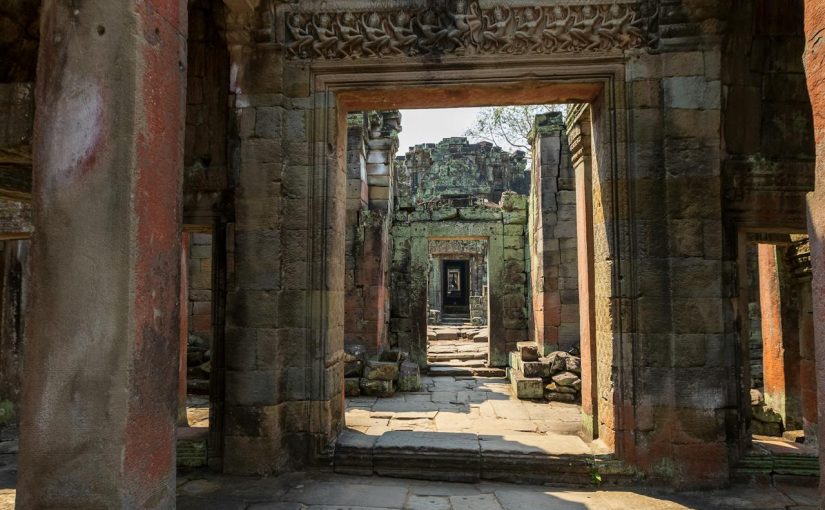
Hidden within the jungle-covered Kulen Hills, around 50 kilometres northeast of Siem Reap, Kbal Spean is one of Cambodia’s most remarkable archaeological treasures. Also known as the ‘River of a Thousand Lingas’, this sacred Angkorian-era site perfectly combines natural beauty with ancient spirituality. Kbal Spean, with its flowing water, lush jungle, and centuries-old carvings, is a captivating destination for travellers seeking a deeper understanding of Cambodia’s spiritual heritage.

The Sacred River of a Thousand Lingas

As one of the most fascinating Siem Reap attractions, the most distinctive feature of Kbal Spean is the hundreds of lingas carved directly into the riverbed. These sacred symbols represent the creative power of Shiva in Hindu faith. Arranged in precise grid patterns across the sandstone floor, the carvings stretch for nearly 200 metres along the stream. As water flows over the lingas, it is believed to be blessed, carrying sacred energy downstream to the temples and rice fields of Angkor.

Mythological Stories Carved in Stone

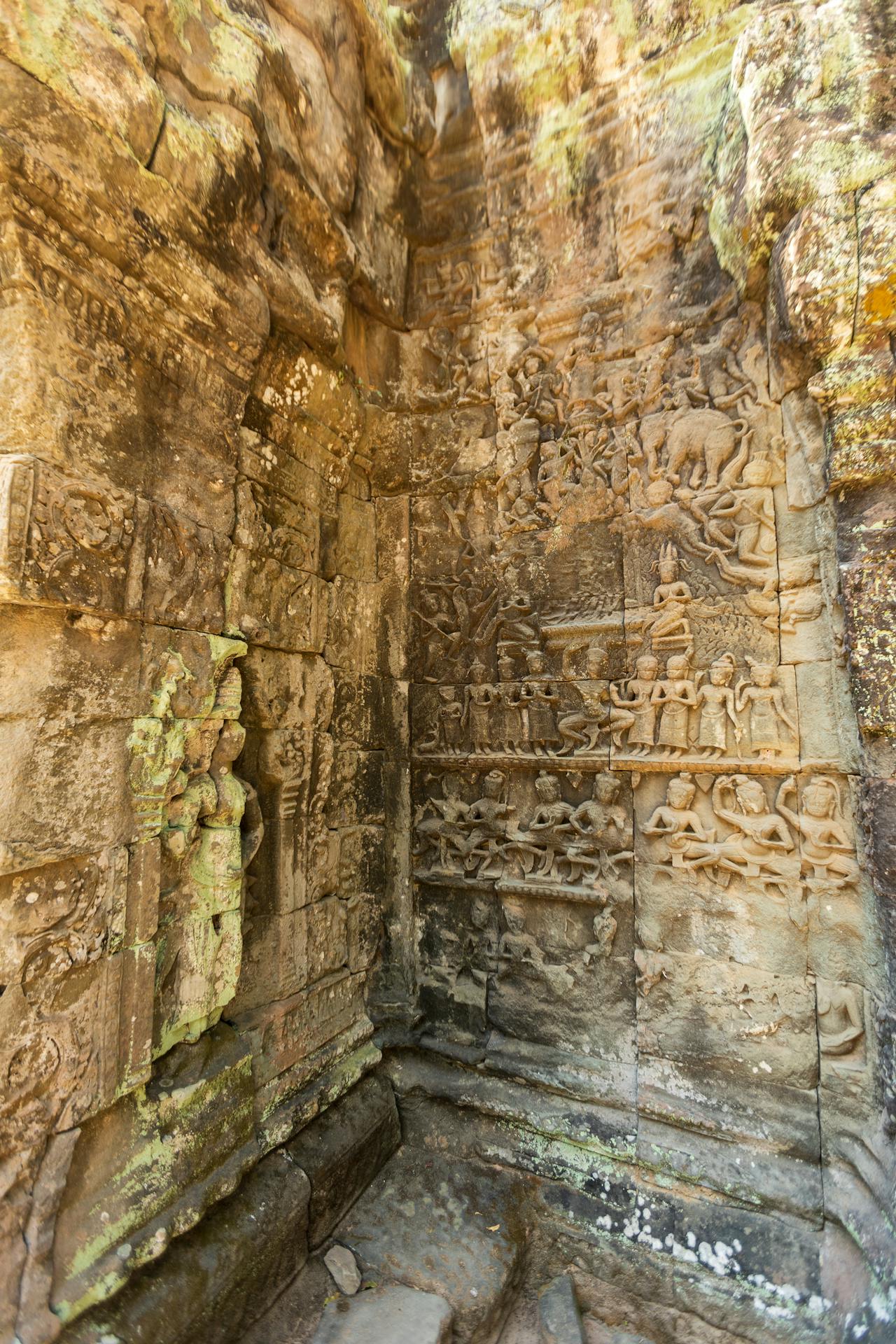
Beyond the lingas, Kbal Spean features detailed carvings of Hindu deities and mythological scenes. Visitors can find depictions of Vishnu reclining on the serpent Ananta as well as ones where he is accompanied by his consort Lakshmi. These artistic representations reflect the deep influence of Hinduism during the Angkorian period. Travellers exploring nearby heritage sites or planning their stay at hotels such as FCC Angkor by Avani will often discover that Kbal Spean offers a unique blend of history, spirituality, and natural beauty.

Image by pexels

A Sanctuary Rooted in Angkorian History

The carvings at Kbal Spean date back to the 11th and 12th centuries during the height of the Khmer Empire. The project began under King Suryavarman I and flourished during the reign of King Udayadityavarman II. In 1059, the king consecrated a golden linga at the site, further highlighting its spiritual significance.

A Scenic Jungle Journey

Reaching Kbal Spean requires a scenic 1.5-kilometre hike through lush forest trails in Phnom Kulen National Park. The walk itself adds to the experience, as visitors pass through dense vegetation before reaching the sacred river. The best time to visit is between November and April, when water levels are lower, making the carvings beneath the flowing stream more visible.

Enjoying Island Hopping in Thailand – Indulge in an Absorbing Tropical Adventure

During your visit to Thailand, you may go island hopping and experience a number of alluring islands; you may also engage in activities like diving, hiking, fishing and kayaking at them.

Phi Phi Islands 

On your island-hopping excursion, you can visit the Phi Phi Islands, which present an alluring sight for the traveller. You may explore Koh Phi Phi Don, where you can look forward to sublime shorelines, along with beach parties, restaurants and bars. Meanwhile, Koh Phi Phi Ley is known for its lofty limestone cliffs, lush greenery, shimmering blue waters and marine life.

Four Islands 

When you are in Ao Nang, things to do like visiting the captivating Four Islands are outstanding experiences for island hoppers. These islands present enticing attractions like distinctive rock formations, sandy white beaches and clear waters. You may engage in activities such as sunbathing, swimming, snorkelling and exploration here.  An accommodation choice to consider from which you can set off on such escapades is Avani Ao Nang Cliff Krabi Resort.  

Hong Islands

Another outstanding island-hopping destination in the area of the Andaman Sea is the striking Hong Islands. The largest islet in this group is Hong Island, which happens to be known for its pleasant sandy beaches, emerald waters and enthralling lagoon, which is surrounded by limestone cliffs. Meanwhile, Lading Island and Pakbia Island are also tranquil and charming places to visit.

Phuket 

Image by PublicDomainPictures from Pixabay

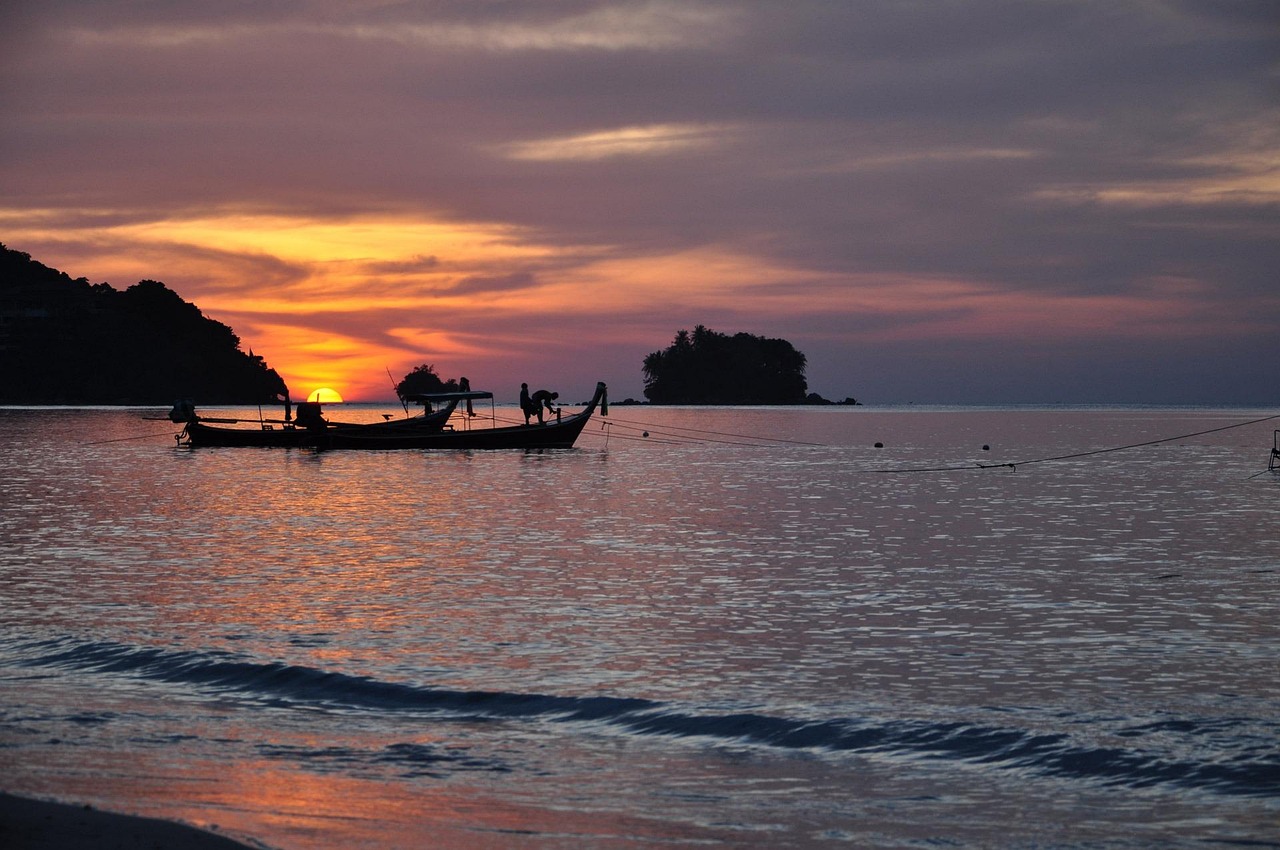
A very different destination is Phuket, the biggest island in Thailand. Phuket is renowned for its golden beaches, gleaming waters, striking limestone cliffs, vibrant temples and tourist attractions. Many leisure seekers also take the opportunity to start their captivating island-hopping excursions here; there are many more interesting things to do on this island, not forgetting fun nightlife.

At First Light: The Enchanting Dawn Chorus of Sinharaja

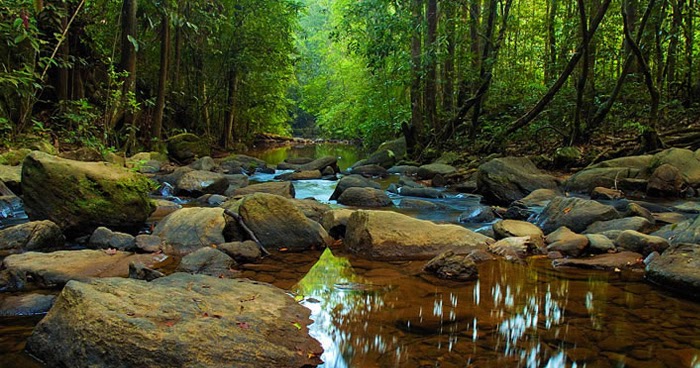
As night fades, the rainforest stirs with sound and movement. Dawn in Sinharaja feels intimate, as if the forest is speaking softly before the day begins.

A Morning That Wakes the Forest

Staying close to nature at a Sinharaja forest hotel means hearing the day arrive rather than seeing it first. Before sunrise, cicadas ease their rhythm, birds begin calling from different layers of the canopy, and distant streams add a steady hush. The air is cool and damp, carrying the scent of wet leaves and earth. It is a peaceful moment when the forest feels alive but unhurried, inviting quiet observation rather than distraction.

Where Nature Sets the Pace

At The Rainforest Ecolodge, dawn is not announced by alarms or schedules, but by sound. Guests often wake to the calls of endemic birds such as the Sri Lankan blue magpie or the gentle movement of monkeys overhead. Open spaces and natural surroundings allow the forest’s morning chorus to flow freely, creating a sense of being part of the landscape rather than a visitor passing through it.

Sounds That Shift with the Light

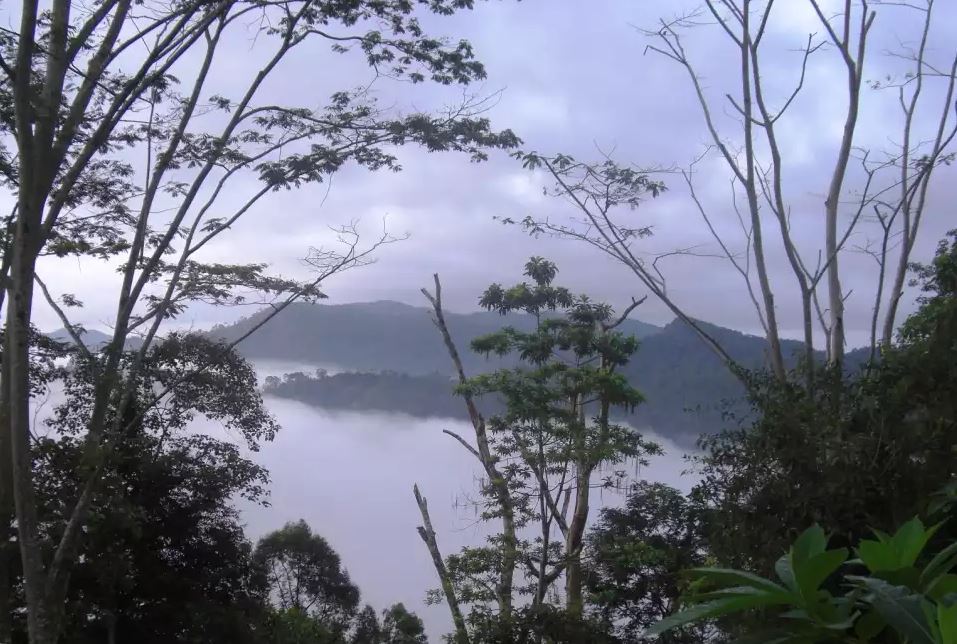
As the sky lightens, the soundscape changes. Bird calls grow clearer, insects retreat, and the forest settles into a softer balance. Mist drifts between tall trees, and leaves glisten with moisture. This brief window between night and day feels rare, a reminder of how carefully timed and connected life in the rainforest truly is.

Image by Wikimedia Commons

A Quiet Memory That Lingers

The magic of Sinharaja at dawn lies in its simplicity. There is no need for activity or effort, only stillness and listening. Long after leaving, many find that these early-morning sounds remain vivid, recalling a moment of calm that feels increasingly hard to find elsewhere.

A Quick Look at Sigiriya: Best Places to Eat, Stay, and Explore

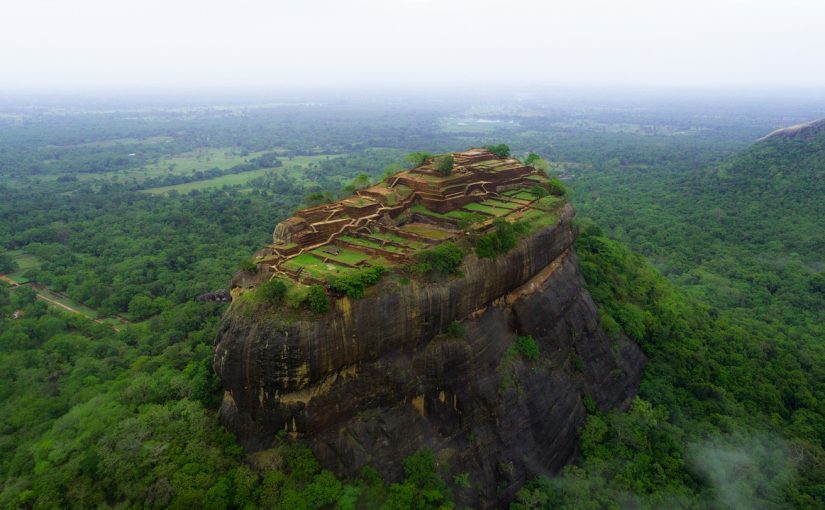
Sigiriya is one of Sri Lanka’s most famous cultural sites, known for its ancient rock fortress and the countryside around it. If you’re travelling through the Cultural Triangle, you’ll find heritage sites, local food spots, and nature experiences that are easy to enjoy in a short visit.

Sigiriya’s Historical Importance

The main attraction in Sigiriya is the Rock Fortress, a UNESCO World Heritage Site. As you climb to the top, you’ll see ancient frescoes, gardens, and mirror walls that show the site’s history. Many people visit early in the morning for cooler weather and better views.

Sigiriya and the Rest of Dambulla

Outside the fortress, Sigiriya is surrounded by forests, lakes, and farmland. You can take short bike rides or village walks to see rural life up close. Nearby places like Pidurangala Rock give you great views and are usually less crowded. These outdoor activities are a nice break from sightseeing.

Places to Eat Around Sigiriya

You’ll find places to eat in Sigiriya ranging from small local cafes to hotel restaurants. Restaurants near Sigiriya typically specialise in Sri Lankan rice and curry, made with fresh, seasonal vegetables. These casual places are busiest at lunchtime and are a good way to try local food.

Choosing Where to Stay

You can choose from guesthouses or hotels when staying in Sigiriya. Staying near the main sites saves you travel time and makes sightseeing easier. Places like Water Garden Sigiriya are popular because they’re close to attractions and offer a quiet place to rest, making them a good base for your trip.

Other Places to See Nearby

Image by Thanuja Sandaruwan from Pixabay

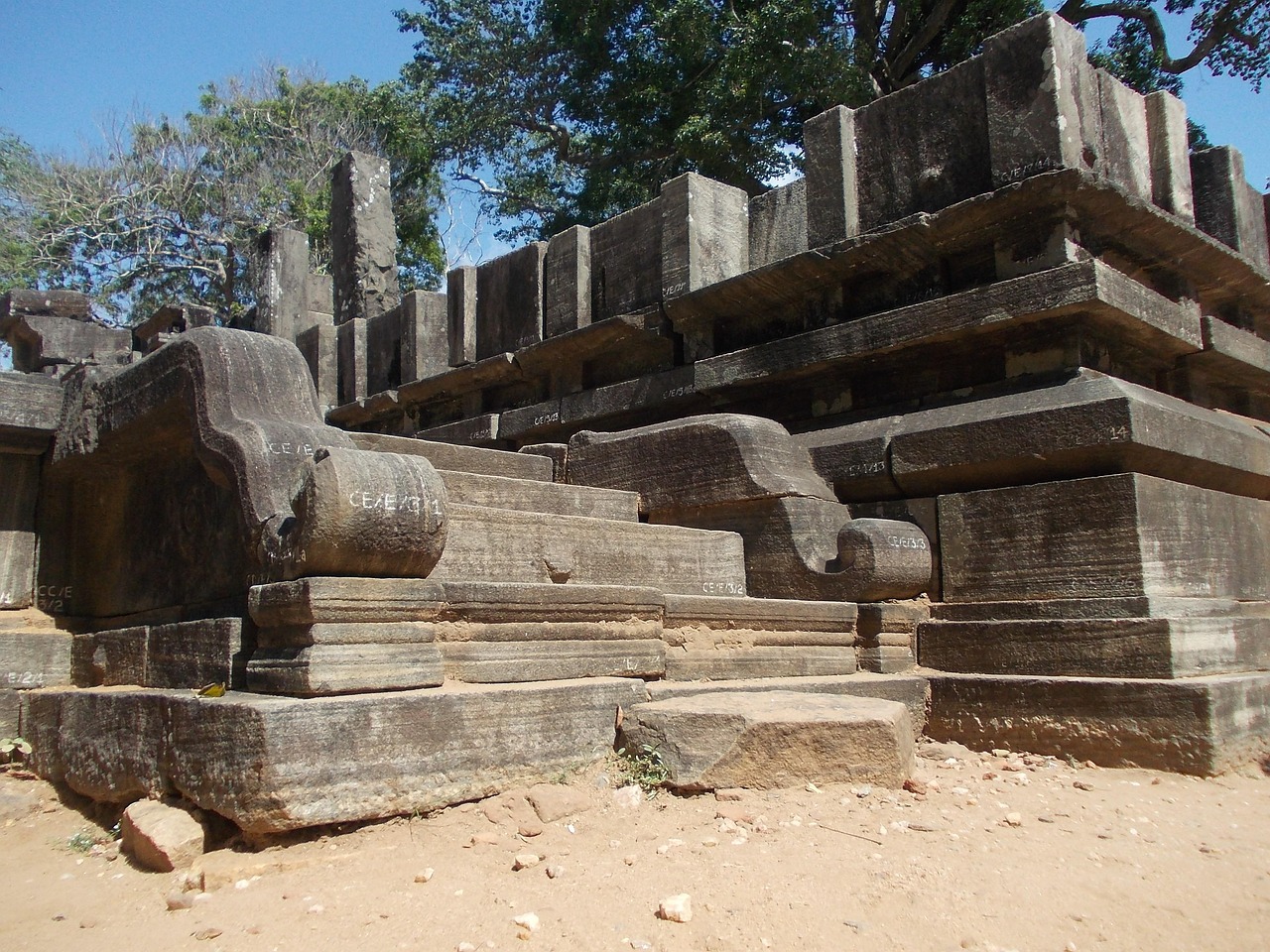
Sigiriya fits well into a Cultural Triangle trip, with easy connections to Dambulla, Polonnaruwa, and Minneriya. Because everything is close together, you can see the sights, eat, and explore without feeling rushed. It’s a good choice for a quick visit or a longer stay.

Sri Lanka’s Ultimate “Hike & Unwind” Itinerary for Adventure Seekers

Sri Lanka provides the ideal blend of action and relaxation for travellers looking for more than a standard vacation. A “hike and relax” schedule offers stunning hikes, breathtaking scenery, and tranquil spots to unwind, allowing adventure crews to experience nature while getting well-deserved relaxation and rejuvenation.

Iconic Hiking Trails and Scenic Viewpoints

Sri Lanka has a number of classic hiking trails with spectacular views. From mountain peaks to forest trails, every route highlights the island’s natural splendour. These hikes offer both a physical challenge and breathtaking sights. Not to forget the opportunity of a lifetime, which is to be one with nature, because the luscious greenery is something extremely stunning that needs to be experienced at least once in anyone’s life.

Unwinding in Nature-Rich Retreats

A luxury resort in Sri Lanka is perfect to wind down in while being surrounded by nature after all that adrenaline build-up from the exciting hikes. This is why relaxing in nature-rich resorts is vital after a day of physical activity. Scenic lodges and eco-resorts provide peaceful environments surrounded by greenery. These areas allow travellers to rest and reflect on their journeys. It helps that accommodation options such as the 98-acre resort and spa also offer just this!

Adventure Activities Beyond the Hike

Along with hiking, there are many other activities to adventure on as well that include zip-lining, cycling, and river rafting. These experiences can add a bit of variety to the itinerary, as they’re different and exciting. Days that are filled with adventure add a sense of teamwork and exploration among teammates as well.

Image by vined mind from Pixabay

Food, Culture, and Recovery Time

Local cuisine is vital for both recuperation and enjoyment. Sharing traditional meals allows crew members to reconnect and unwind. Cultural experiences provide richness and balance to the whole trip, creating an opportunity to connect with locals as well.

Angkor Highlights Made Easy: The Value of a Guide

Angkor’s temple complex is huge, and trying to see it all in a single day can feel daunting. With temples scattered across a wide area, a bit of planning goes a long way. A guided tour helps you make the most of your limited time while also giving you the background that brings the ruins to life. Here’s how a guide can turn a quick visit into a memorable cultural experience.

Smart Routing and Better Time Use

A good guide knows how to move through Angkor efficiently. Rather than spending time debating where to go next, you’ll follow a route that hits the big highlights and some lesser-known spots. Guides also know when to visit popular temples to avoid the worst of the crowds, so you can see more without feeling like you’re racing against the clock.

Comfortable Logistics From Start to Finish

Pairing a guided tour with nearby accommodation makes the day much easier. Staying at a hotel close to the complex — for example, places like FCC Angkor — can mean shorter transfers and less time wasted getting back and forth. After a long day in the heat, it’s nice to return somewhere comfortable to rest and recharge. Good planning on both the tour and the lodging side makes one day go a long way.

Access to Special Moments and Hidden Spots

Guides may also be aware of areas of the park that independent travellers do not know about, such as quiet jungle trails, sunrise spots, and hidden ruins. With reputable tour operators or hotels, you can also expect organised options to be made in advance, such as what FCC Angkor offers. These organised elements take away the hassle so you can enjoy the experience.

Richer Historical and Cultural Context

Image by Simon from Pixabay

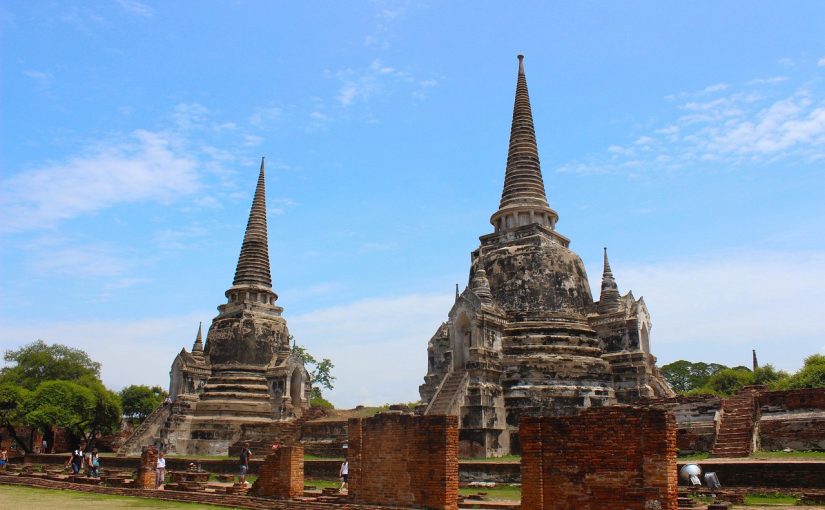
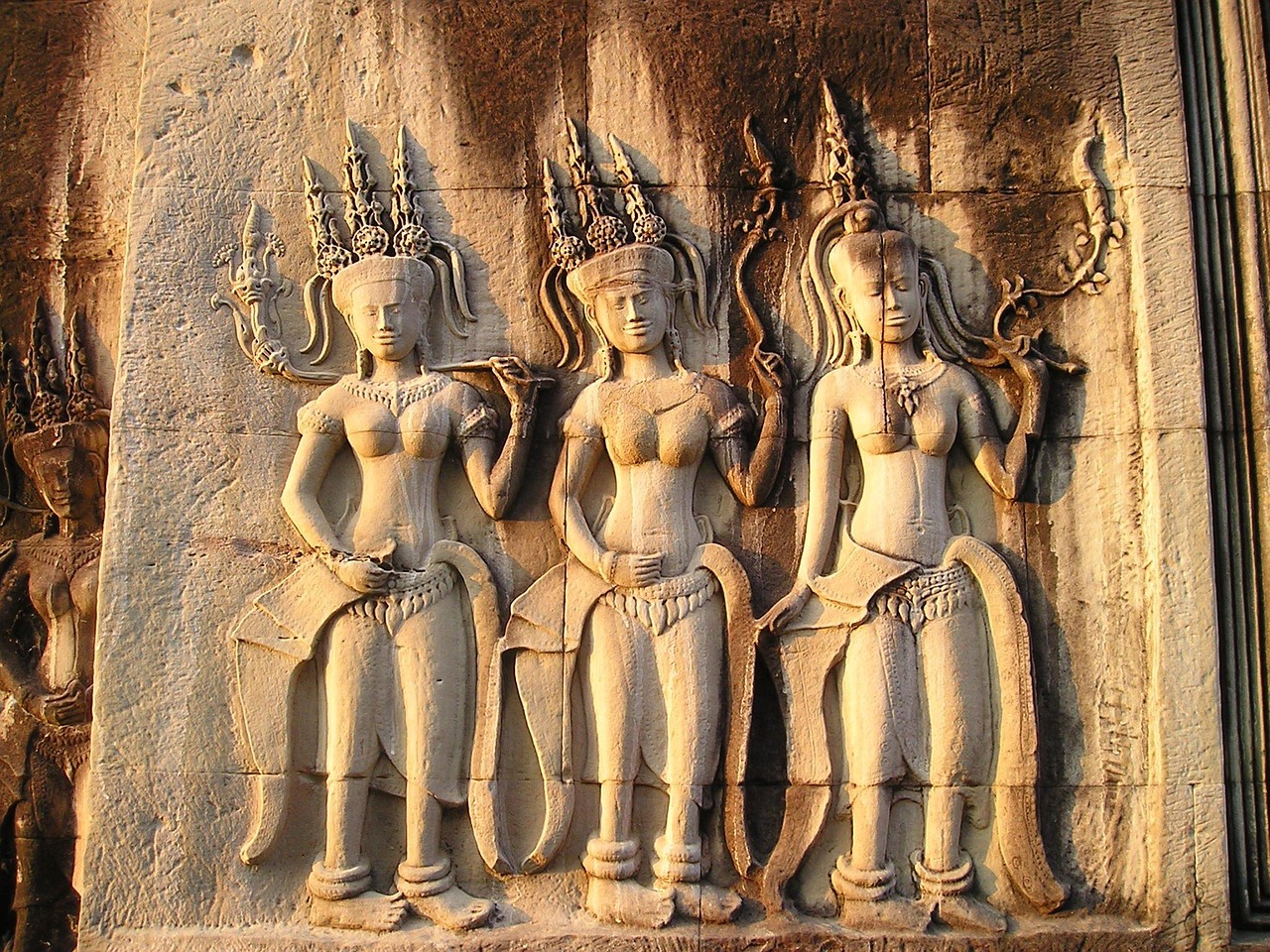
Visually, Angkor is breathtakingly beautiful, but a guide can give you insight into what you’re seeing. A guide can tell you about the scenes depicted in the bas-reliefs, point out Hindu and Buddhist imagery, and even explain how the temples were constructed. It makes the sightseeing experience more interesting.