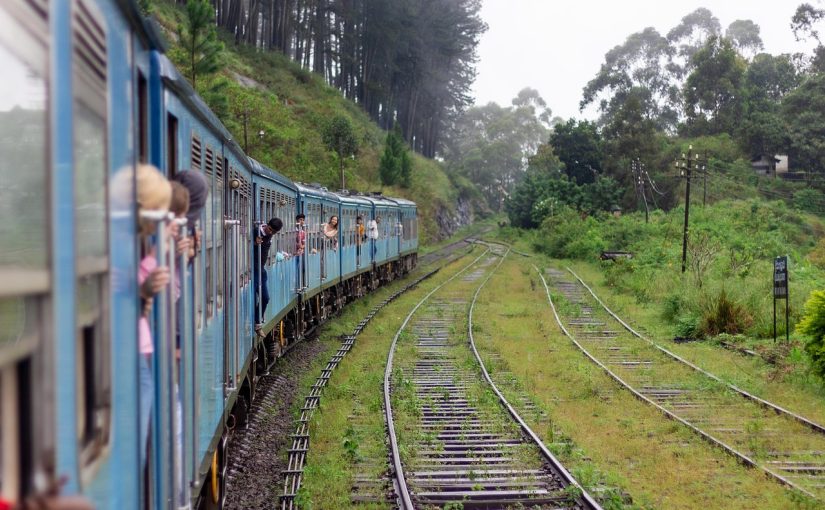
Sri Lanka’s Ultimate “Hike & Unwind” Itinerary for Adventure Seekers

Sri Lanka provides the ideal blend of action and relaxation for travellers looking for more than a standard vacation. A “hike and relax” schedule offers stunning hikes, breathtaking scenery, and tranquil spots to unwind, allowing adventure crews to experience nature while getting well-deserved relaxation and rejuvenation.

Iconic Hiking Trails and Scenic Viewpoints

Sri Lanka has a number of classic hiking trails with spectacular views. From mountain peaks to forest trails, every route highlights the island’s natural splendour. These hikes offer both a physical challenge and breathtaking sights. Not to forget the opportunity of a lifetime, which is to be one with nature, because the luscious greenery is something extremely stunning that needs to be experienced at least once in anyone’s life.

Unwinding in Nature-Rich Retreats

A luxury resort in Sri Lanka is perfect to wind down in while being surrounded by nature after all that adrenaline build-up from the exciting hikes. This is why relaxing in nature-rich resorts is vital after a day of physical activity. Scenic lodges and eco-resorts provide peaceful environments surrounded by greenery. These areas allow travellers to rest and reflect on their journeys. It helps that accommodation options such as the 98-acre resort and spa also offer just this!

Adventure Activities Beyond the Hike

Along with hiking, there are many other activities to adventure on as well that include zip-lining, cycling, and river rafting. These experiences can add a bit of variety to the itinerary, as they’re different and exciting. Days that are filled with adventure add a sense of teamwork and exploration among teammates as well.
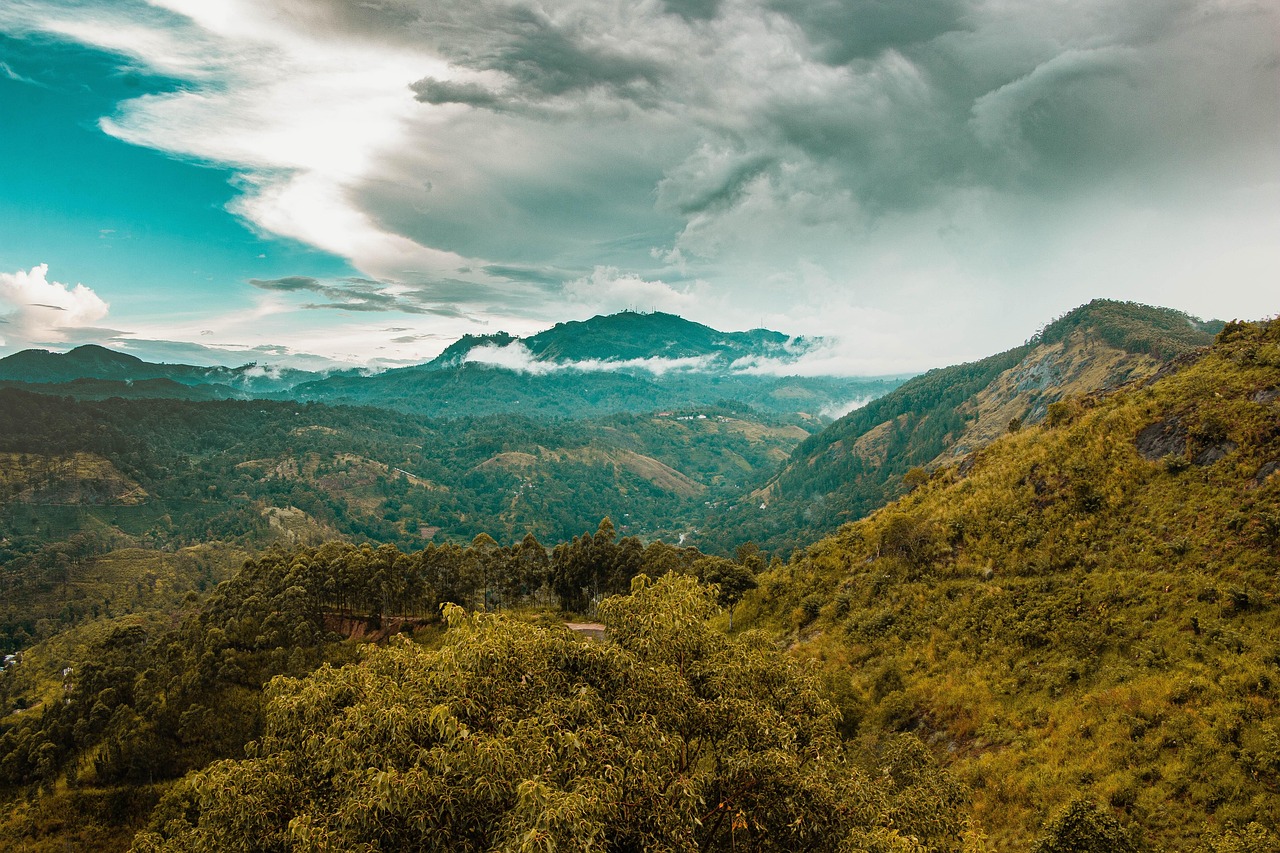
Image by vined mind from Pixabay

Food, Culture, and Recovery Time

Local cuisine is vital for both recuperation and enjoyment. Sharing traditional meals allows crew members to reconnect and unwind. Cultural experiences provide richness and balance to the whole trip, creating an opportunity to connect with locals as well.
Must-Visit Places in Siem Reap for Culture, History, and Local Life: Adventures Around Angkor

Siem Reap isn’t just a jumping-off point for temples — it’s a lively city where history, culture, and everyday life come together. From world-famous monuments to buzzing markets and performances, each spot reveals a different side of Cambodia. Here are four places that capture the spirit of Siem Reap.

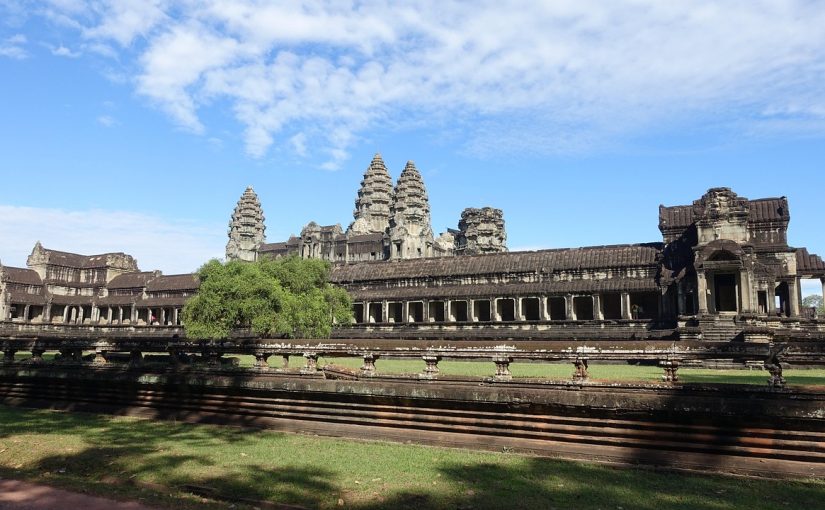
Angkor Wat
No trip to Siem Reap is complete without visiting Angkor Wat. This UNESCO World Heritage site is an architectural masterpiece, and watching the sunrise over its towers—when warm light washes across the carvings — is unforgettable. Beyond the scenery, the complex offers a window into the Khmer Empire and its spiritual traditions.

Apsara Shows and Cultural Venues

To dive deeper into local culture, see an Apsara dance performance, where graceful movement and traditional music tell age-old stories. Many hotels, such as Anantara Angkor Resort, and cultural centres host evening shows, often paired with dinner, that highlight Cambodia’s artistic heritage and royal myths. It’s a refined, memorable way to connect with the country’s traditions.

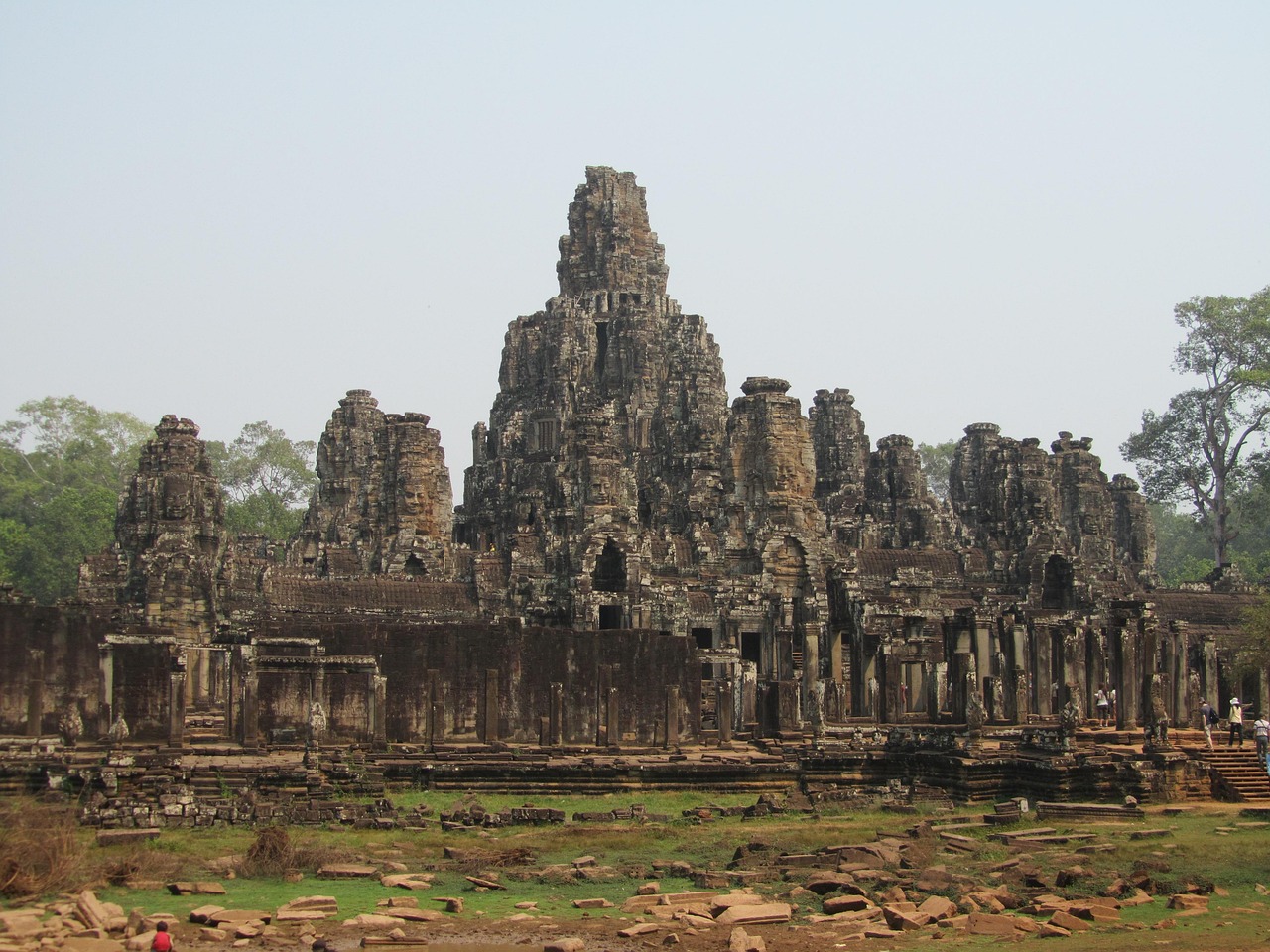
Angkor Thom and Bayon Temple

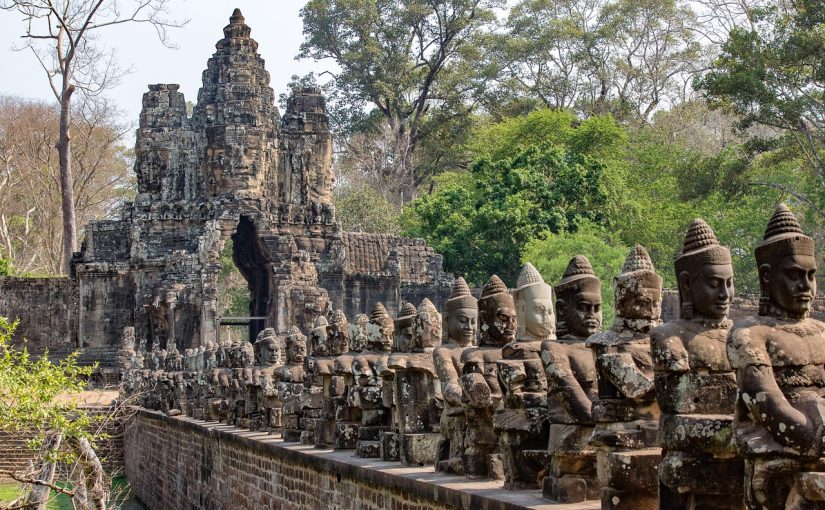
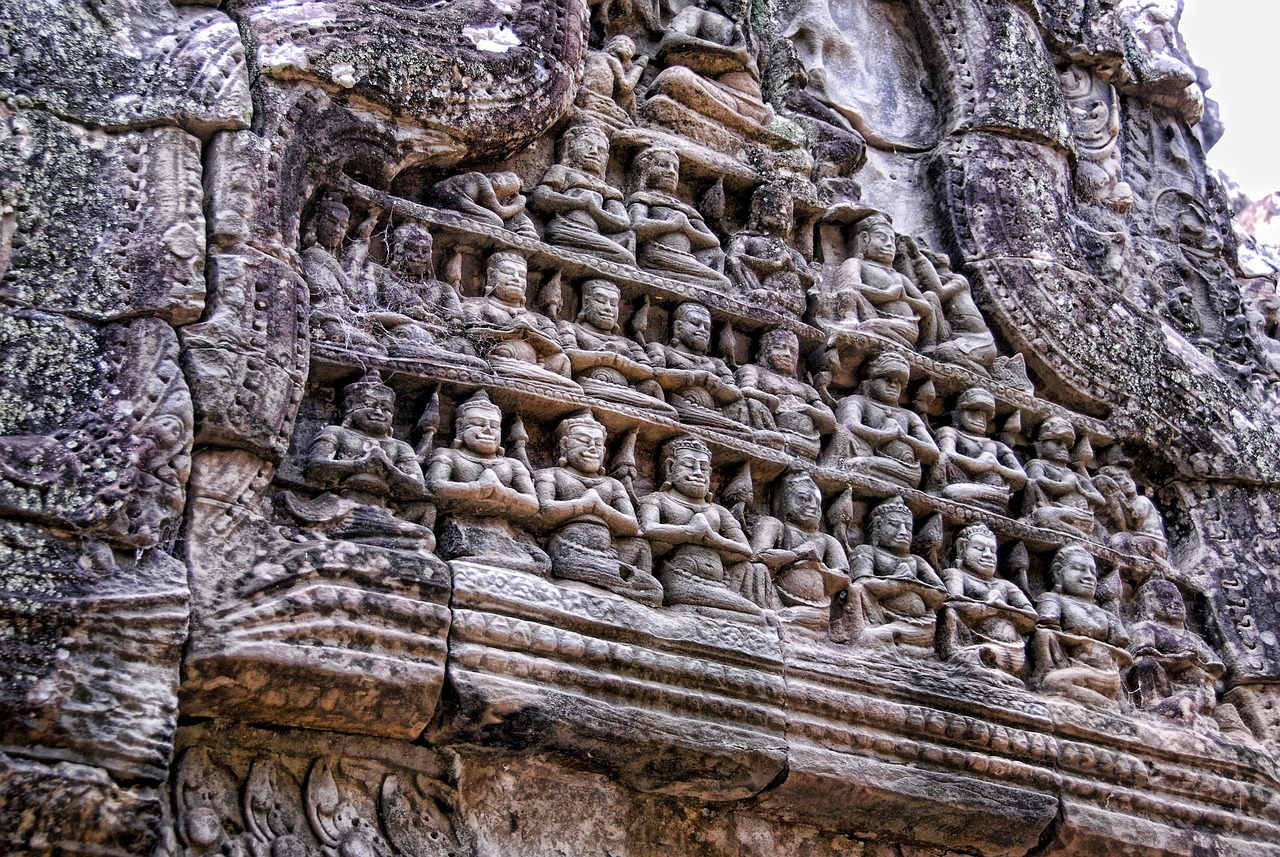
Angkor Thom, the ancient walled city, is home to the Bayon Temple and its famous stone faces. The serene, smiling faces and the quiet courtyards create a mysterious, almost spiritual feeling. Wander the terraces and narrow paths to find detailed bas-reliefs that depict both everyday life and epic battles. Staying at a nearby boutique hotel in Siem Reap makes it easy to return after a long day of exploring.

Image by Simon Goede from Pixabay

Old Market (Psar Chas)

For a taste of local life, head to the Old Market. Stalls overflow with fresh produce, spices, handicrafts, and street food—perfect for sampling Cambodian snacks and chatting with vendors. As evening falls, the surrounding streets fill with cafés and small bars, offering a relaxed, lively nightlife scene.

Together, these sites give a rounded view of Siem Reap — its past, its culture, and its everyday energy.

Two Wheels, Ancient Wonders: Angkor’s Hidden Side

Angkor Wat pulls the crowds, but the surrounding jungle hides quieter corners best reached on two wheels. Riding a Vespa down narrow dirt tracks and shaded forest paths lets you slip off the usual tourist routes and see a different side of the park. Here are four memorable spots to seek out by Vespa.

Prasat Kraing’s quiet ruins
Set well away from the main circuits, Prasat Kraing is a low-key cluster of brick towers tucked into the trees. You’ll usually find it peaceful, with few other visitors, so it’s easy to take your time and study the carvings. Getting there by Vespa adds to the sense of discovery—winding, little-used paths are part of the charm.

The hidden trails of Banteay Thom
Banteay Thom rewards riders who leave the paved roads behind. The approach takes you through rural countryside, past rice paddies and small villages, then into forested tracks that open onto the temple. The mix of local life and off-road riding makes the visit feel more intimate and adventurous than the main Siem Reap attractions.

Stay close to the action
After a day of exploring, a comfortable base makes all the difference. Hotels like FCC Angkor by Avani offer a convenient, restful stop with colonial-style touches and a pool where you can relax after a long ride. Staying centrally keeps both the famous temples and hidden jungle paths within easy reach.

Jungle paths near Ta Nei

Image by Graham Hobster from Pixabay

Ta Nei feels like a temple reclaimed by the forest. Red-earth trails lead you through dense greenery and then onto ancient stonework threaded with roots—perfect for quiet reflection or photography. With far fewer visitors here, you can soak up the site’s atmospheric blend of nature and architecture.

How to Spend 48 Hours in Sur, Oman – Experiencing Culture, Nature, and Adventure

Sur, a coastal gem on Oman’s eastern shore, blends maritime heritage, natural beauty, and desert-sea adventure in a compact, welcoming setting. In just 48 hours, you can explore age-old shipyards, watch sea creatures hatch, and hike rugged wadis. Planning ahead helps you make the most of every moment in this scenic city.

Explore Al Ayjah Lighthouse & Shipyards
Start your cultural journey at Al Ayjah Lighthouse, which overlooks traditional dhow shipyards where craftsmen still build wooden boats by hand. These towering vessels reflect centuries-old maritime traditions that connected Oman to East Africa and India. Walk the shoreline and watch artisans shape planks in the same way their ancestors did, gaining insight into Sur’s seafaring soul. For easy access to this attraction consider staying at hotels like Sur Plaza during your visit.

Discover Turtle Watching at Ras Al Jinz
A short drive from Sur lies Ras Al Jinz, one of the Arabian Peninsula’s most important nesting sites for green sea turtles. Head out at dusk or before dawn with a guide to watch adult turtles come ashore, or hatchlings make their instinctive dash to the sea—a life-affirming spectacle of nature.

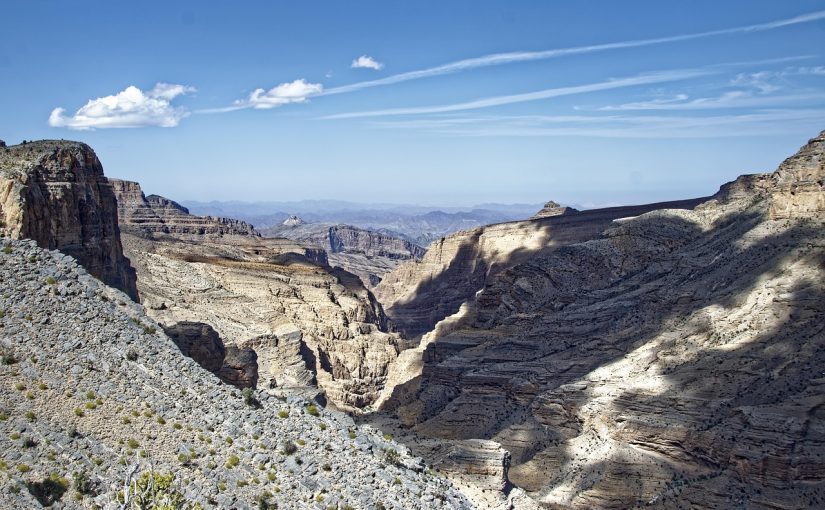
Hike Wadi Tiwi or Wadi Shab
For a dose of adventure, explore nearby wadis like Tiwi or Shab. These rugged canyon trails weave past turquoise pools and date plantations, offering both moderate hikes and refreshing dips. Wadi Shab’s hidden waterfall pool is a particular highlight that rewards early risers and outdoor lovers alike.

Stroll Sur’s Corniche at Sunset

Image by Sandro Porto from Pixabay

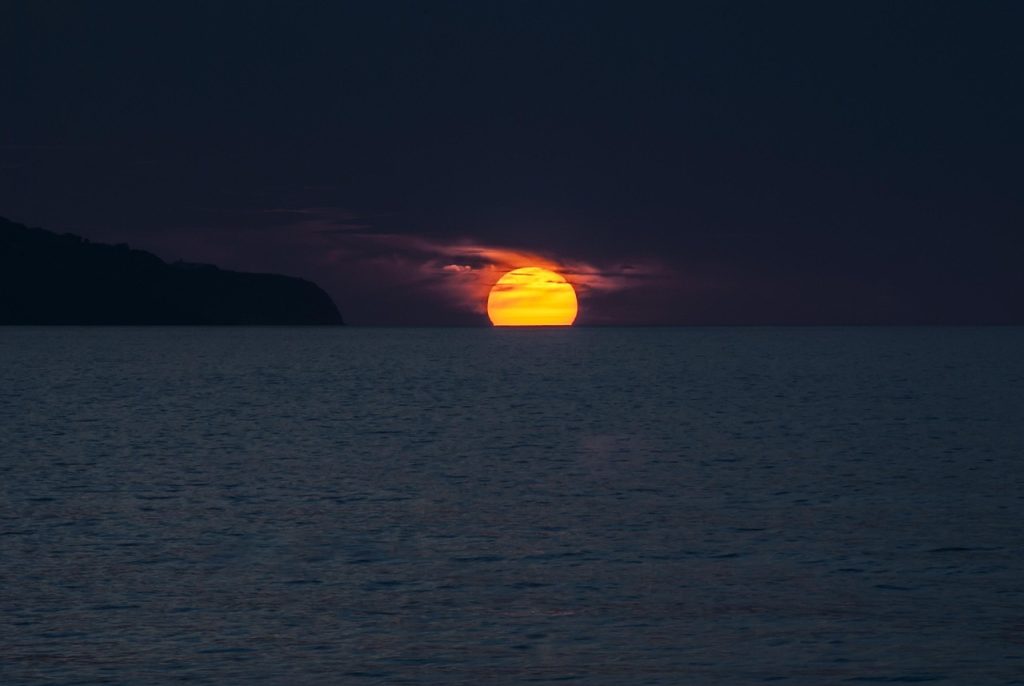
Wrap up your day with a leisurely walk along Sur’s waterfront corniche, where sea breezes and pastel skies set the tone for dinner. Local cafés and fish grills line the promenade, inviting you to sample fresh seafood while watching boats bob in the harbour. This relaxed setting encapsulates Sur’s blend of tradition and seaside charm. If you’re browsing hotels in Sur Oman, look for ones near the corniche to maximise convenience and views.

Top Diving Spots in the Maldives: A Complete Map for Divers

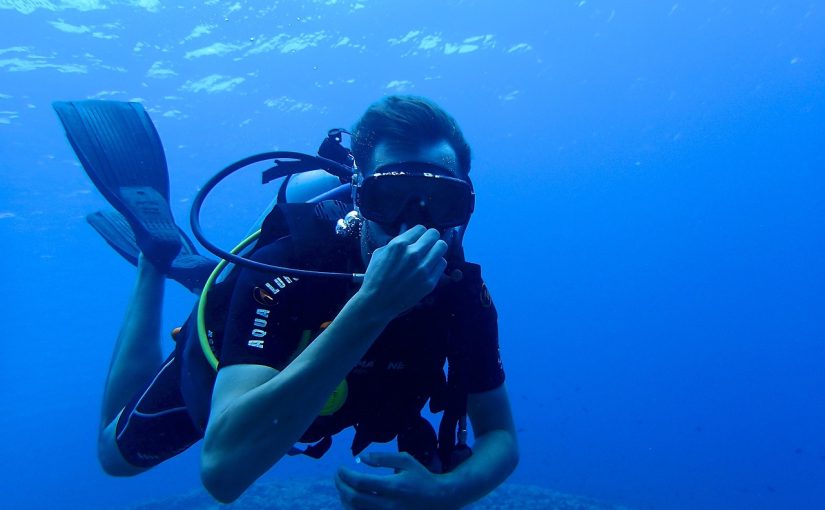
The Maldives is a diver’s paradise: endless atolls, world-class visibility, and rich marine life make it one of the most sought-after underwater destinations on the planet. With gentle currents, healthy coral ecosystems, and frequent encounters with large pelagics, it offers experiences for both beginners and seasoned scuba enthusiasts, not to mention Maldives diving resorts to enjoy as well. Below, explore some of the must-visit dive sites that should be on every diver’s map.

South Male Atoll – Coral Gardens & Manta Points
South Male Atoll is one of the most accessible and diverse dive regions in the Maldives, known for dramatic coral outcrops, colourful reef fish, and cleaning stations where mantas and mobula rays gather. Popular sites like Kandooma Thila and Cocoa Corner deliver thrilling drift dives and excellent visibility. With dive resorts like Adaaran Club Rannalhi and South Male’s variety makes it a great starting point for exploring the archipelago.

Ari Atoll – Pelagic Hotspot
Ari Atoll is famed for big animal encounters. Whale sharks are regularly sighted here, especially at sites like Maaya Thila and Fish Head, where currents deliver abundant plankton. These open-ocean giants glide beside reef sharks and schools of jacks, creating performance-like underwater scenes that thrill every diver.

Vaavu Atoll – Iconic Channels & Caves
Vaavu’s channels and overhangs offer dramatic scenery and strong currents that attract larger species. Sites like Alimatha Jetty and Fotteyo Kandu are frequently praised for their cavern systems and chances to see grey reef sharks, eagle rays, and vibrant reef life. Vaavu remains a favourite for more experienced adventurers.

Baa Atoll – Hanifaru Bay & Manta Encounters

Image by Aline Dassel from Pixabay

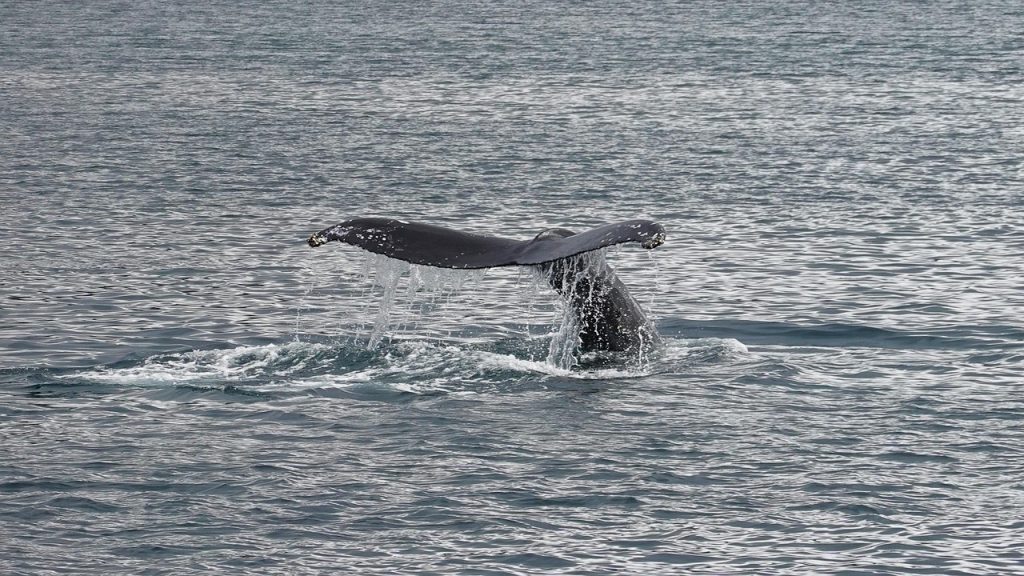
A UNESCO Biosphere Reserve, Baa Atoll is one of the world’s best places to see manta aggregations and, seasonally, whale sharks. Hanifaru Bay’s plankton blooms make it perfect for snorkelers and divers alike to enjoy large ray congregations in a single dive.

Why Ella’s Hills Are a Dream Setting for Nature Photography – Where mist, light, and landscapes meet

Ella offers layered views, gentle light, and calm moments that suit photographers of every level. Its hills reward patience, timing, and a simple approach to composition.

Soft light and shifting mist at sunrise

Early mornings in Ella bring low clouds that drift through valleys and soften sharp lines. This light works well for wide shots and details alike. Many photographers choose stays close to viewpoints, and a luxury resort in Sri Lanka set in the hills allows quick access before the sun climbs too high.

Iconic viewpoints within easy reach

Little Adam’s Peak and Ella Rock offer clear paths and varied angles. You can frame sweeping valleys or focus on patterns in tea fields. Choosing a hotel nearby helps manage timing, gear, and rest, especially when planning dawn or late afternoon shoots.

Man-made moments that blend with nature

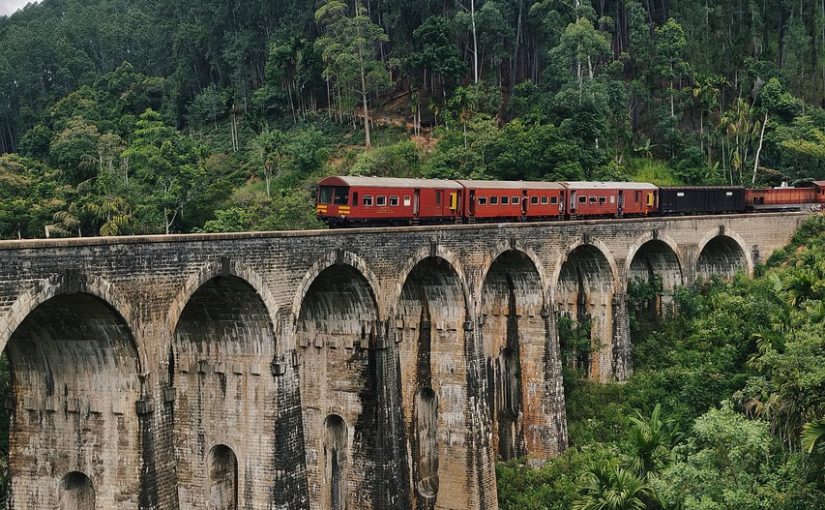
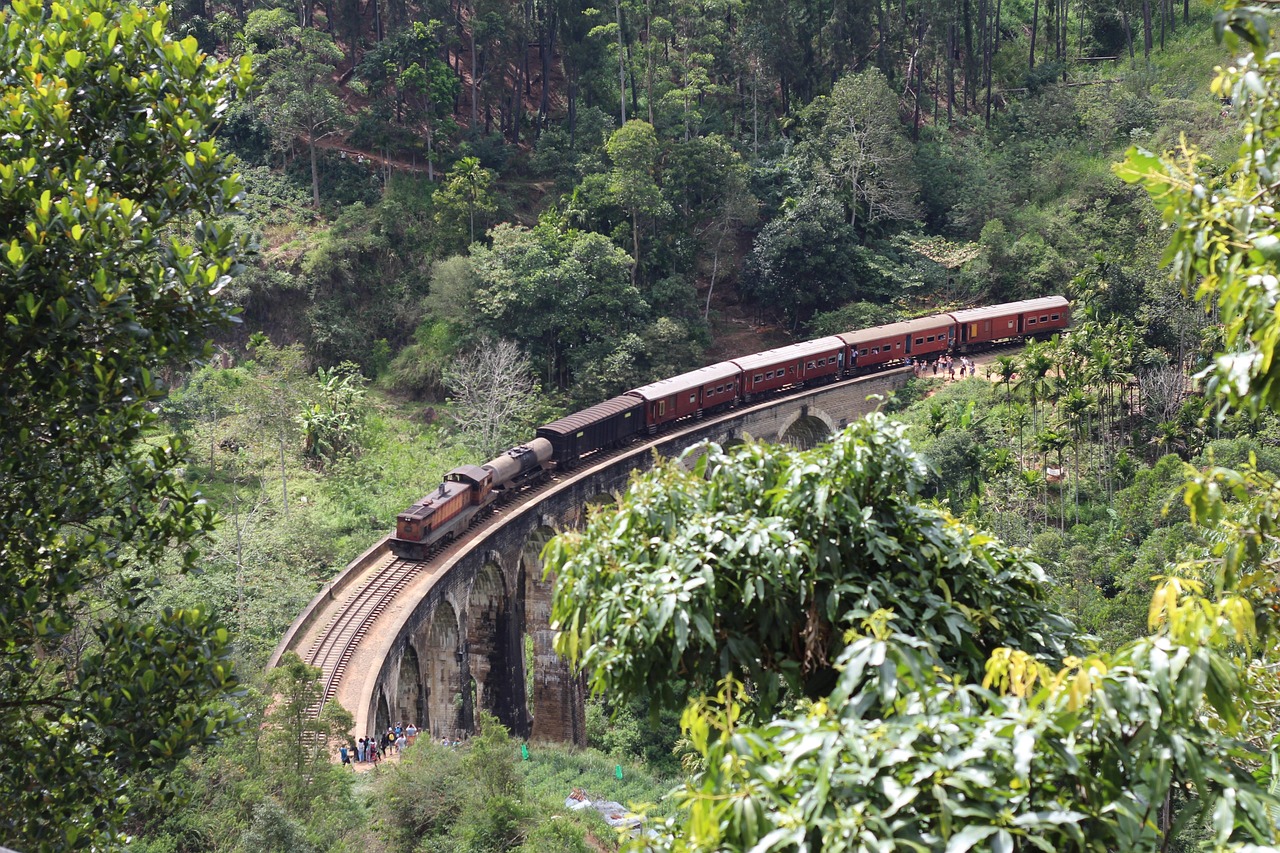
The Nine Arch Bridge demonstrates how a structure can blend seamlessly into a natural setting. Trains pass only a few times a day, so patience matters. When the moment arrives, the scene feels balanced rather than staged.

Image by rgration0 from Pixabay

Calm bases that suit creative routines

A peaceful base supports better work. Properties such as 98 Acres Resort And Spa sit among tea fields and open views, making it easy to step out with a camera when the light changes. Quiet evenings also help photographers review shots and plan the next day.

Discover Dunhinda Falls: A Must-See in Sri Lanka’s Hill Country

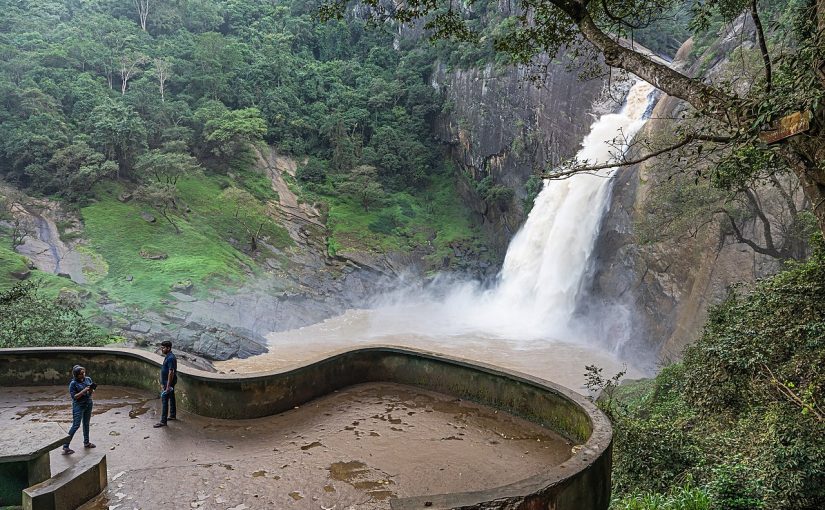
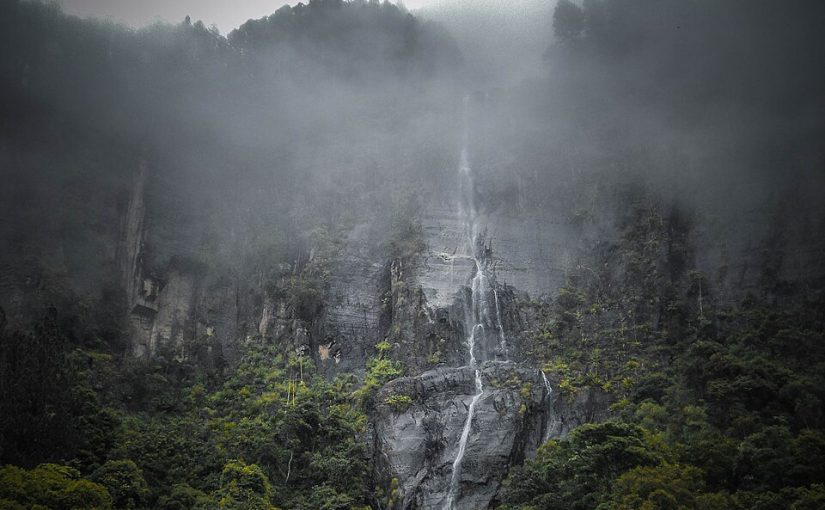
Nestled just outside Badulla, Dunhinda Falls is one of Sri Lanka’s most impressive waterfalls, famous for its misty spray and lush surroundings. A little planning goes a long way toward enjoying it comfortably and safely.

Getting There

Dunhinda is about 5 km from Badulla and easy to reach by tuk‑tuk or car. From the drop‑off point, there’s a roughly 1.5 km walk along a scenic forest trail. The path has steps and some uneven sections, so wear comfortable, sturdy shoes. If you can, go in the morning — the air is cooler, the light is nicer for photos, and the trail is usually quieter.

Best Time to Visit and Nearby Highlights

The best time is from February to September, when the rainfall is moderate, and the path is safer. It’s easy to combine a visit to Dunhinda with other Haputale attractions — tea estates, scenic lookouts and cool‑climate hikes make for a rewarding day trip.

Where to Stay

Pick a base in the hill country for easy access to Dunhinda and other sights. Haputale, in particular, offers cooler temperatures and wide views after a day of exploring. Places like Mandara Ridge Haputale provide a peaceful place to relax while keeping you well-positioned for nature excursions across the region.

What to Expect on the Trail

Image by Wikimedia Commons

The walk is part of the experience: you’ll likely hear the falls before you see them. The trail runs through a protected forest area with thick greenery, plenty of birds and the occasional monkey. Swimming is not allowed because of strong currents, but there are several safe viewpoints where you can rest, take photos and enjoy the view.

A Thrilling Drive Through the Devil’s Staircase: A Journey Along the Kalupahana-Ohiya Road

Hidden deep within Sri Lanka’s central highlands, the Kalupahana–Ohiya road is one of the country’s most dramatic and challenging routes.

An Introduction to the Route

The Kalupahana–Ohiya road connects the lowland village of Kalupahana with the cooler hill country near Ohiya. Historically used by villagers and estate workers, the route has gained popularity for its extreme terrain and isolation. With steep gradients, rocky paths, and river crossings, the road demands careful planning and the right vehicle. What it offers in return is an immersive experience through untouched landscapes and a true escape from modern infrastructure.

Why It’s Called the Devil’s Staircase

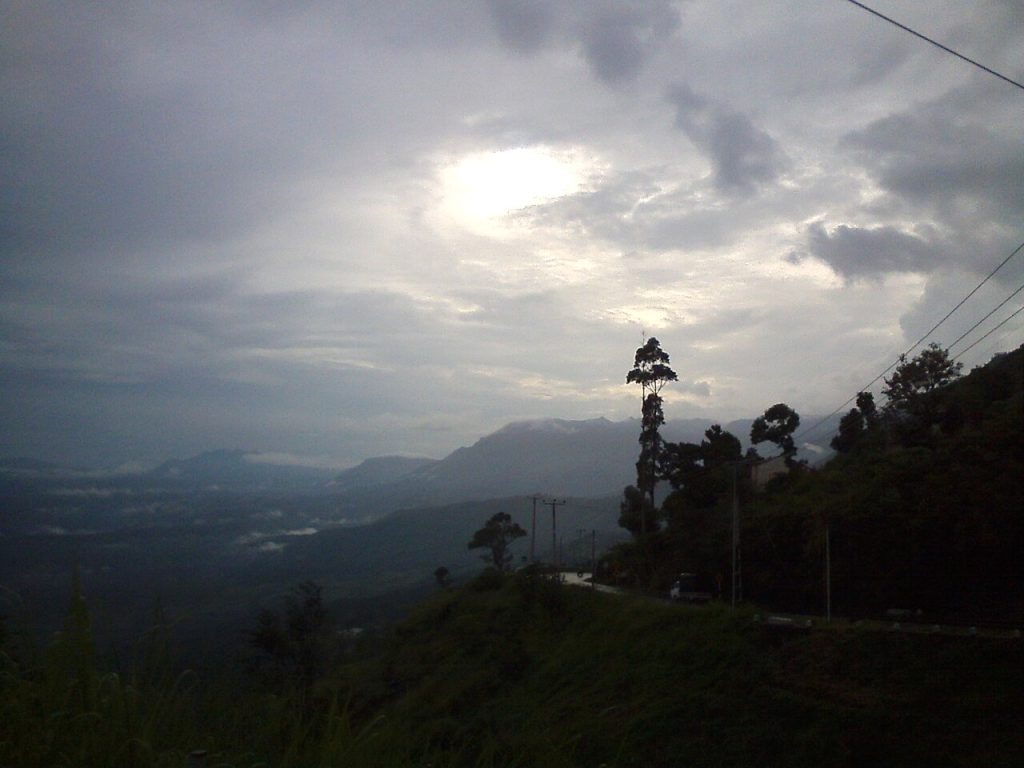
The nickname Devil’s Staircase Sri Lanka comes from the road’s relentless series of steep climbs and sharp drops that resemble a giant stairway carved into the hills. During rainy seasons, sections become slippery and unpredictable, adding to its fearsome reputation. Despite the challenge, the route rewards travellers with sweeping views, mist-covered slopes, and a deep sense of accomplishment once the toughest sections are conquered.

Resting Points and Nearby Highland Stays

After navigating such an intense route, many travellers choose to unwind in the surrounding hill country. Nearby towns like Haputale offer cooler climates and panoramic viewpoints. Properties such as Mandara Ridge Haputale are often used as a comfortable base to relax, reflect, and recover, providing a calm contrast to the rugged adventure of the Devil’s Staircase.

Nature, Wildlife, and Changing Landscapes

Image by Wikimedia Commons

One of the most captivating aspects of the journey is the constantly changing scenery. Dense forests gradually open into grasslands and tea estates as elevation increases. The area is rich in biodiversity, with chances to spot endemic birds, butterflies, and occasional wildlife along quieter stretches. The lack of commercial development makes this route especially appealing to those who value raw, unfiltered nature.

Experiencing the Southern Coastline of Sri Lanka – Ceylon Awaits

Sri Lanka’s southern coastline is pure magic, with golden beaches, turquoise waters, and laid-back vibes around every corner. From the historic charm of Galle to the chilled-out bays of Mirissa and Unawatuna, there’s a bit of everything—perfect spots to soak up the sun, try your hand at surfing, or catch a glimpse of whales and dolphins.

See the Iconic Beaches

Kick off your shoes and sink your toes into the sun-soaked sands of Sri Lanka’s southern coast, where the Indian Ocean seems to whisper adventures at every wave. Beaches like Mirissa and Tangalle aren’t just spots to lounge—they’re little escapes full of local colour, good vibes, and a rhythm set by the tides and the friendly communities around them. The best places to stay in Mirissa can boast of the connection to community!

Feel the history of the fort

Step through the old stone gates of Galle Fort and you’re instantly stepping back in time, surrounded by history and a mix of cultures that’s impossible not to notice. Built by the Portuguese and later expanded by the Dutch, the fort is full of stories about bustling trade, maritime adventures, and the blending of worlds from far and wide.

The Wildlands of the South

Southern Sri Lanka is a playground for anyone who loves wildlife, with national parks bursting with life. Yala National Park is a real highlight, packed with leopards, elephants, crocodiles, and all kinds of rare birds—a living mosaic of nature at its best. Picture sharing a quiet morning with a herd of elephants, or catching a glimpse of a Sri Lankan leopard soaking up the sun—these are the moments that stick with you long after you leave. Some accommodations, such as Muthu Nila Villas, even blend their premises into the farmlands and greeneries of the area.

Image by Katherine Slade from Pixabay

Observe the Stilt Fishermen

Few things capture the vibe of southern Sri Lanka quite like the stilt fishermen. Balanced above the water with quiet skill, their silhouettes against soft, pastel sunrises are a snapshot of a tradition that’s been handed down for generations—all patience, creativity, and a deep connection to the sea.

Safari Adventures in Yala: Top Tips for Enjoying an Unforgettable Wildlife Tour during a Trip to Kataragama

Home to some of the island’s most majestic wild creatures, Yala National Park is a must-experience highlight for holidaymakers exploring the iconic Hindu temples and heritage sites in nearby Kataragama.

Timing the Safari

Although Yala is a captivating wildlife sanctuary for most months of the year, the dry season is often considered the best time to tour Sri Lanka’s second-largest national park. While safari excursions are accessible during the early morning hours and the late afternoons, travellers will find that game drives during the first half of the day provide better opportunities for sighting animals.

Reaching the Reserve

Travellers based at Mandara Rosen Kataragama or other resorts and hotels near Yala, Sri Lanka, can hop on a tuk-tuk or taxi and reach their desired destination in less than 15 minutes. Those who have booked safari tour packages online, however, can expect operators to pick them up from their hotel in Kataragama.

What to Expect

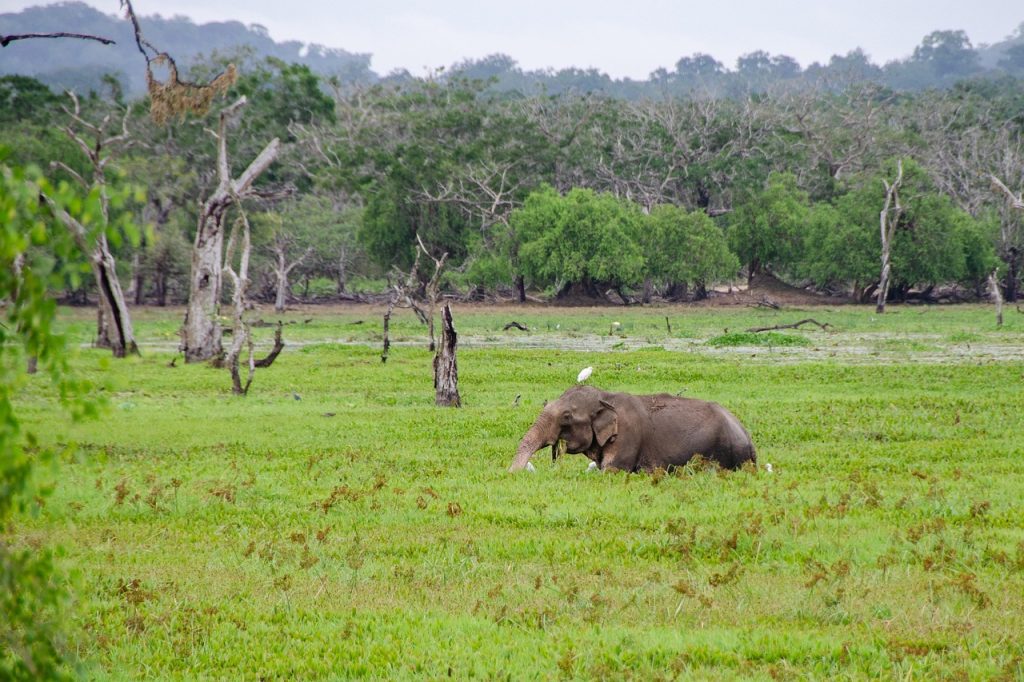
With one of the highest leopard densities in the world, Yala National Park is not only home to big cats and gentle giants. Providing a leafy refuge to more than 44 mammal varieties, the park consists of lush forests, wetlands, golden beaches and dry scrublands.

Image by Penny from Pixabay

Don’t Miss the Winged Beauties

As one of the island’s Important Bird Areas, Yala National Park is also a birder’s paradise. Occupied by more than 215 species, Yala is also home to six bird varieties endemic to Sri Lanka.