Journey to the Lion Rock, Sigiriya -A cornucopia of natural beauty

sigiriya rock fortress
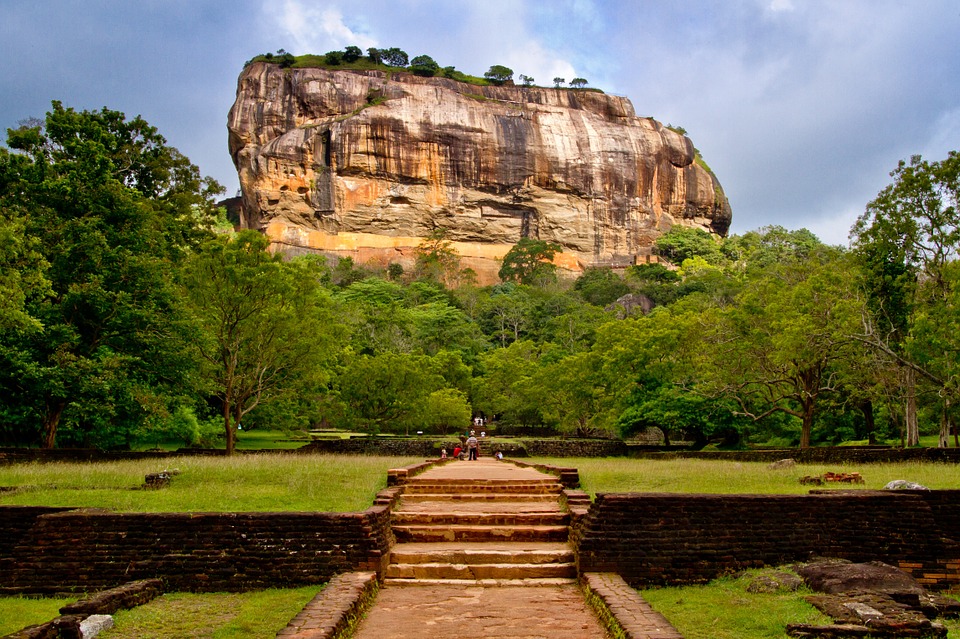
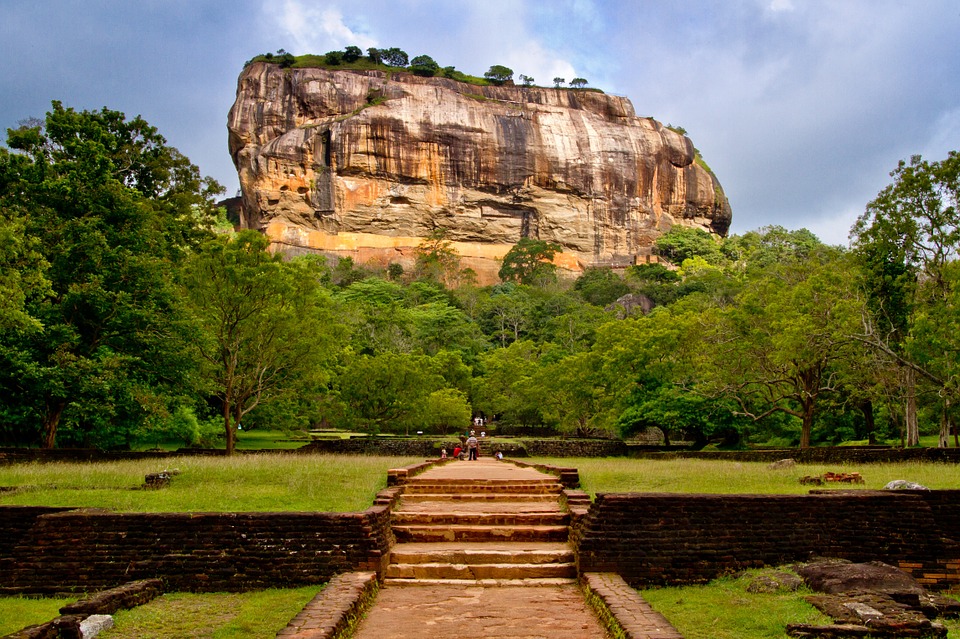
Sigiriya rock fortress |  Photo by Poswiecie via Pixabay , CC0 Public Domain


Whether you are an adrenaline junkie looking to conquer great heights or an artist, inspired by the enigmas of time, the Lion Rock in Sigiriya will compel you to plan your next trip here. The Lion Rock is one of Sri Lanka’s most iconic places. The lush greenery and wildlife add to the revelry of what is rumoured to have been the country’s capital during the reign of King Kashyapa. And with the likes of Jetwing Vil Uyana just 5km away, one can expect but the best in luxury from a Sigiriya hotel.

The story of Sigiriya is one of political mastery. This story starts with a misguided prince Kashyapa killing his father, King Datusena for the throne. Anticipating retaliation from his brother’s camp, the young king built the capital of his kingdom nearly 200 metres above the ground. The top of the rock provides an uninhibited view from every direction. An approaching army would have had to use extreme stealth to avoid detection by the king’s guards.

Among other defensive measures were a moat around the rock and narrow flights of steps that restricted movement in groups. If one were to tackle all the hurdles, he/she would get to the main entrance of the castle; the majestic Lion structure, of which only the paws remain today. This was, of course, never achieved by the king’s enemies. It is said that the king realized the gravity of his mistakes and turned to Buddhism for salvation. He lived a long pious life and died a natural death, according to the Chulawamsa.

The Lion Rock was hence abandoned as a palace. Until the 14th century, the rock and the adjoining caves served as a Buddhist monastery. After around 1500, only the foundation of the large structure atop the rock remains. The ponds that supposed to have supplied water to the top of the rock still work their unimaginable feats of engineering. The world famous frescoes and the lesser known poem wall mesmerize many a visitor. The unrestricted view births poets from its bosom, on top of the Lion rock.

Fritzjames Stephen is a travel writer, who writes content based on the myriad of experiences and indulgences that the world has to offer travellers across all walks of life. Google+
Bird Watching Spots in Sri Lanka

crane, birds in sri lanka
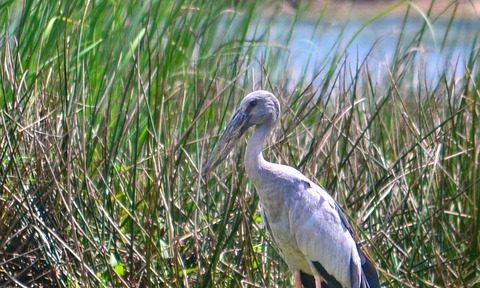
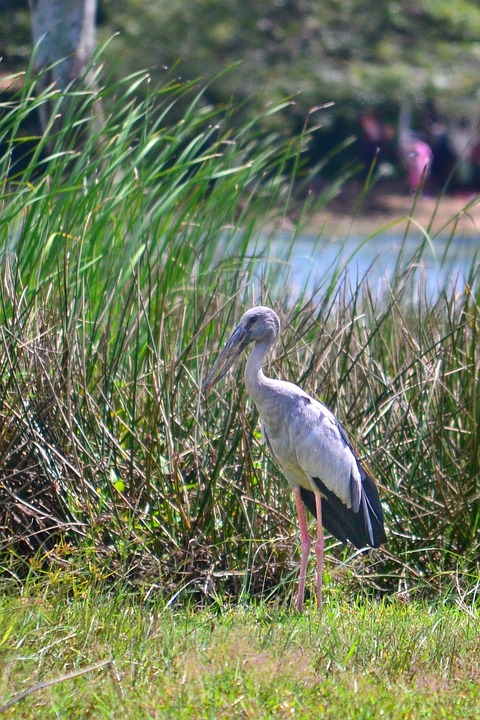
Crane (Bird) | Photo by nuzree via Pixabay , CC0 Public Domain

The bird population of Sri Lanka range from those that are endemic to the island to some of those that are migratory. Bird watching in Sri Lanka is a popular activity among wild life enthusiasts. One of the areas that is famous is Dambulla and it’s near by bird watching hubs such as Habarana and Sigiriya forests. The surrounding lush green tropical forests are a great place to explore the beaks and feathers within them. There are several eco friendly accommodation options within the areas that are great for one to getaway from the hustle and bustle of the city. They often also provide facilities to explore the surroundings such as organizing excursions and bird watching tours as well as safaris,one such hotel is Kalundewa Retreat.

The tropical climate and the presence of wetlands that surround the bird sanctuaries make Sri Lanka a great location in South Asia for bird watching. There are well over 400 species of birds that can be observed across various locations of the country. 23 out of them are endemic to the country. Most of the species that are endemic to Sri Lanka can be found around the wetlands and mostly concentrated around the hill country. They are often seen throughout the year.

In the areas in and around Dambulla, such as the Sigiriya forest Sri Lanka Grey Hornbill one could spot birds such as Sri Lanka Jungle fowl, Sri Lanka Green Pigeon, Sri Lanka Woodshrike ,Malabar Pied Hornbill , Oriental Dwarf Kingfisher among many others. Migratory birds often come to Sri Lanka during the winters in the Europe and Soviet countries hence it is worthwhile to have a look at the season before heading out on one of the tours. The month of December has been declared as the National Bird Month. There are also a handful of bird sanctuaries spread across various parts of the island.

Intrigued by history, art and food, Lavinia Woolf is a writer who is passionate about the extraordinary and writes of the exhilarating and enchanting. Google+

Exploring the underwater beauties in a whale submarine


Maldives is a group of islands that are surrounded by crystal clear azure waters that are teeming with a rich variety of marine life. To explore the beautiful life below the seas, diving and snorkelling is always the more popular options as it allows you to discover the marine life at your own pace. However, for non swimmers and those who have an innate fear of swimming in the sea, this can be problematic. In Maldives, all inclusive hotel excursions feature a variety of water sports and activities, like diving and snorkelling, that will keep you entertained and busy during your entire holiday, such as those offered at Maafushivaru Maldives.

Travelling with little kids can also mean that they won’t be able to experience the beautiful life that lives under the glistening waters of the Maldives, but fear not! The German Whale Submarine, the first of its kind, was created to allow anyone and everyone a once in a lifetime opportunity to explore the diverse population of sea creatures. This submarine that was invented by the Germans and can hold a total of 50 passengers is believed to be the largest deep diving submarine that’s used for tourist activity.

The submarine initially dives to a depth of 25m, then 40 meters and finally up to a depth of 150 metres. Each of the three stops promises you a completely different view of the sea, without ever getting wet!

Each tour will be accompanied with an expert guide in marine life who will be point out the various species you come across, such as lionfish, anemone fish, parrotfish, eels, manta rays, sting rays, sea turtles, butterfly fish, whale sharks, grey reef sharks, white tip sharks, eels and many more! So keep your eyes peeled for the exotic marine life. Some submarine tours even allow for night dives.


Caleb Falcon is a travel writer who specializes in writing content based on the many exciting world adventures that await intrepid travellers. Google+

Wildlife Holiday at Muthurajawela Wetland

In the stillness, water splashes against the boat as you drift gently along. A peculiar bird call carries across the breeze, sometimes answered in return by another bird, a unique form of communication that humans are not privy to. Suddenly in your line of sight, you catch a flash of brown; you scan the skies and then you spot it; a majestic Brahminy kite soaring through the air, wings fully expanded, surveying the territory below. The Muthurajawela Wetland offers such outdoor adventures, perfect for bird watching enthusiasts.

A saltwater coastal peat bog which is the largest of its kind in Sri Lanka, the Muthurajawela Wetland is a protected sanctuary and is rich in biodiversity. This wetland is within easy reach of the coastal city of Negombo known for offering both luxury and budget hotels in Sri Lanka. Amongst the budget options, Hotel J Negombo is amongst the choices one can consider and is a little over half an hour drive from the Muthurajawela Visitor Centre.

Located in between the Kelani River and the Negombo Lagoon, Muthurajawela is one of the island’s most important wetlands and is part of a habitat that encompasses more than 6,000 hectares of mangroves and marshland. Within this thriving ecosystem, one can find around 190 plant species and more than 200 animal species, of which bird species number more than a hundred.

One of the best ways to explore and experience the natural heritage of the Muthurajawela Wetland is to take a boat ride along the waters. If you are into bird watching make sure you have a field guide book or a knowledgeable friend or guide who can identify the different birds you may come across. Keep your eyes peeled for varieties such as cormorants, purple swamp hens, common moorhens, common redshanks, lesser whistling-ducks and white-bellied sea eagles. Birds aside, you may also spot toque monkeys, water monitors and saltwater crocodiles, among the other animal residents that call Muthurajawela home.

Roland Lefevre is a travel writer who specializes in creating features on leisure as well as business travel destinations across the globe. Google+

Safari Holiday in Yala


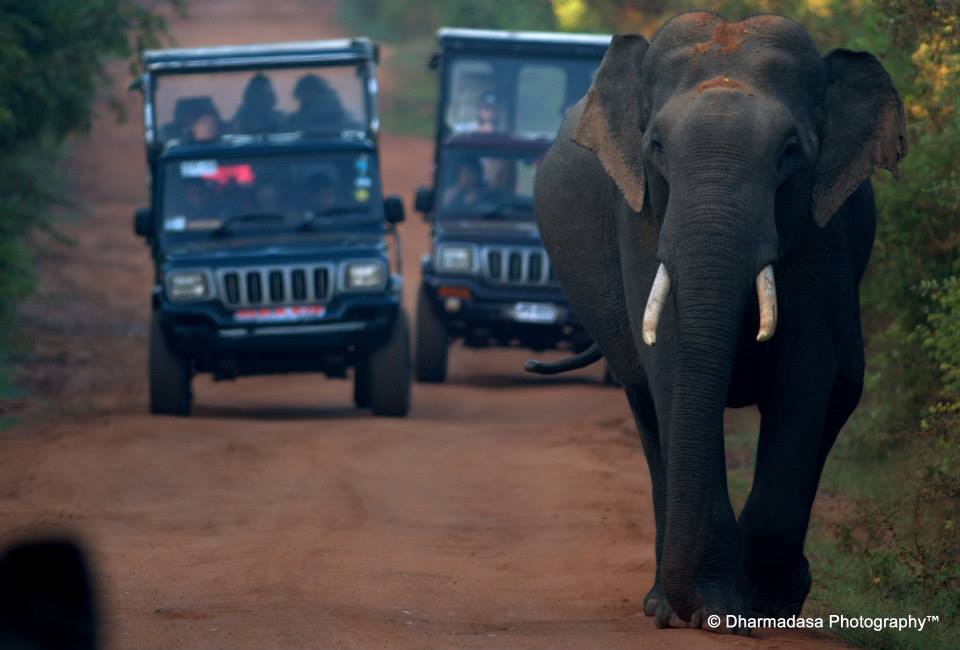
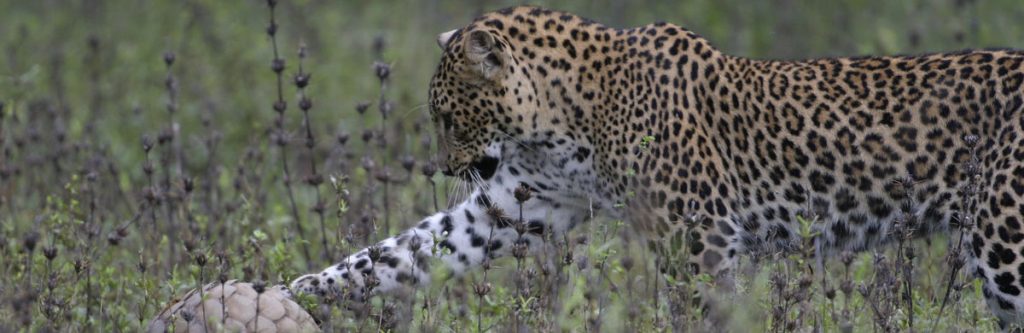
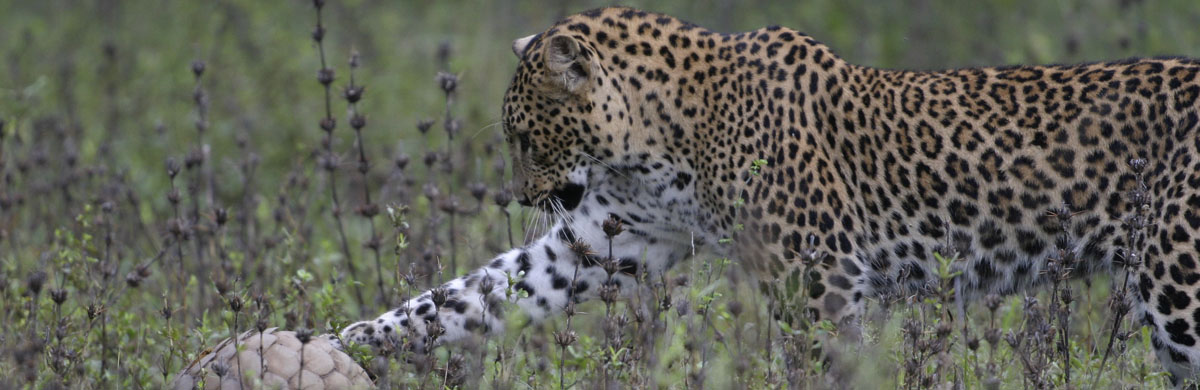
The Yala National Park which is also known as a leopard spotting hotspot is a must visit place on a safari holiday if you are a leopard lover. It is believed that Yala has the highest population density of leopards in the world. Local car rental Sri Lanka companies the likes of Casons Rent a Car not only offer vehicles that can be used to tour such parks, but tour packages too. Driving through the seemingly endless tracks in Yala witnessing the amazing wildlife and magnificent sceneries is definitely a rewarding experience.

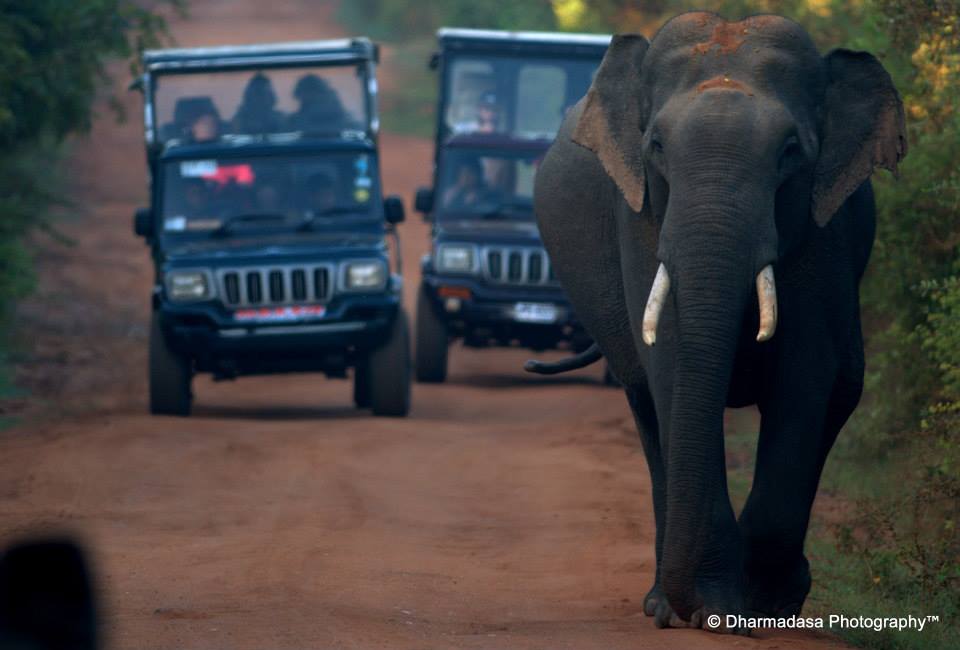
The park is also famous for its large herds of majestic elephants that freely roam in the natural terrain. Besides leopards and elephants, the park is a thriving natural habitat for deer, buffaloes, sloth bears, peacocks, crocodiles and jackals. It is the home to a large number of mammal varieties and bird species too. This wild kingdom was once supposed to have been home to one of the greatest civilisations, believed to have existed more than 2000 years ago. Traces from that era still remain with dilapidated tanks reflecting a bygone time period where agriculture took centre-stage. Yala was named as a Sri Lankan National Park in the year 1938. It covers a massive area of land that consists of scrub areas, light forests, grasslands, lagoons and tanks.

Yala wildlife sanctuary is divided into five sections and two of them are opened for visitors while the others are reserved for animals as breeding grounds and places of rest. The park is connected with the Indian Ocean on one side which provides a panoramic landscape for nature lovers. The memorial of those who died during the devastating Tsunami that hit the park in 2004 can be seen by getting off the vehicles. The tanks seen in this epic wildlife reserve provide much-needed water during the extremely dry seasons for all animals and help to keep them sustained.

Yala National Park.
Yala National Park. Image Courtesy:[Kumendra Dharmadasa]
Catalina Forbes is a travel writer who bases her content on many thrilling escapades experienced across the world. Google+

Bird Watching in Sigiriya

Of many things to do in Sigiriya, bird watching is a must do. As any bird watching enthusiast knows, one should always get an early start to see these feathered-folks at their best. The area surrounding the Sigiriya Rock Fortress is a forest reserve and a great place to observe birds in their natural habitat. Many hotels in the area such as Water Garden Sigiriya offer their guests the chance to go on excursions to this UNESCO World Heritage Site accompanied by bird watching experts. Starting as early as 6 am, a walk to the sanctuary will allow visitors to spot a wide range of birds varying from kingfishers, eagles, hornbills, herons, cuckoo birds and much more. Bird watching in Sigiriya like in any other area should be done in smaller groups of like-minded people.

The key to a good bird watching experience lies on how patient you are, the skills of your local guide and your ability to stay still, without making any noise- as the slightest noise may spook the birds away and depriving you of a good opportunity to click a few pictures. Bird watching trek in Sigiriya allows one plenty of chances to photograph these vibrantly hued shy yet active species of birds. Both endemic and migrant bird species can be spotted in Sigiriya. Some of the birds that can be seen in Sigiriya include, Barred Buttonquail, Peregrine Falcon, Cotton Pygmy-goose, Sri Lanka Green Pigeon, Drongo Cuckoo, Jerdon’s Nightjar, Crested Treeswift, Oriental Dwarf Kingfisher, Sri Lanka Grey Hornbill, Rufos Woodpecker, and Golden fronted Leaf bird.

It can be a very interesting and a peaceful way to spend your morning hours in Sigiriya, observing the routines of these lovely bird species’ in their natural habitats.


Caleb Falcon is a travel writer who specializes in writing content based on the many exciting world adventures that await intrepid travellers. Google+

Surfing in Negombo

Negombo, a town situated in the North of the capital, Colombo is a tourist paradise as the south coast of the country. The breathtaking lagoon and the stunning Negombo beaches along with cultural sites make it a perfect destination to explore. The warm waters are ideal for surfers of all ages who are interested in exploring the waters.

Accommodation can be found at many budget hotels in Sri Lanka, however, even when travelling with a budget one ought to stay at places that provide convenient access to the beaches and offer comfortable lodging such as Hotel J Negombo. One of the great things about Negombo is that it is a surfing hub all year around. From amateur to most experienced surfers, the waves of Negombo can be a real treat. However, that being said, if you are planning to go windsurfing during January to March, the shore breaks can be a bit challenging and require some expertise. It’s always advisable to speak to the locals and check on the tides & undercurrents before you head out to explore the waters. Apart from windsurfing travellers can also go kite surfing during their visit to Negombo.

Surf schools and rental places can be found in Negombo for those interested in learning the ropes of surfing for the first time. These places will offer you the chance to rent out any type of surfing gear you need starting from wetsuits to boots and boards.

Auburn Silver is a travel writer who has a passion for fashion and a deep interest in admiring new and exotic attractions around the world. Google+

YALA NATIONAL PARK

Yala National Park
Yala National Park, Img. Src:[Jetwing Eco Holidays]
The Yala National Park is the second largest National Park in Sri Lanka and lies in the south eastern part of the island and stretches from the Southern Province to the Eastern Province. Yala consists of five blocks including Ruhuna National Park (block 1) and the Kumana National Park (Yala East). Yala was declared a Wildlife Sanctuary in 1900 and then a National Park in 1938. This is also a historic area and the ancient sites of Sithulpauwa (once home to 12,000 Arahaths) and the Magul Maha Viharaya (associated with Queen Vihara Maha Devi) is within the area. Two of the earliest mentions of Yala is made by a Spanish cartographer Cipriano Sanchez (1560). A big attraction of Yala is that it is leopard country and has one of the world’s highest densities for leopards. This and the other attractions of Yala make it a prime destination for Sri Lanka tour packages and if you are looking for adrenaline rush wildlife experiences with comfort and convenience then Jetwing Eco Holidays would be a good choice.

The variety of eco systems within Yala including moist, monsoon, semi-deciduous and thorn forests, grasslands, marine wetlands and sandy beaches. Forty four species of mammals roam this vast sanctuary including elephants, sloth bear, wild boar,monkeys, red slender loris, golden palm civet and deer. Yala is one of the 70 important bird areas in Sri Lanka with Kumana (Yala East) being a bird watchers’ paradise. Of the 215 bird species recorded at Yala 07 are endemic to Sri Lanka and include the Sri Lanka grey hornbill and Sri Lanka jungle fowl. Many migrants fly here including the white billed pelican. The grey heron and black headed ibis are among the common water birds while rare species include the black necked stork.

All five of the globally endangered turtles (leather back, Olive Ridley, logger head, hawks bill and green turtle) nest along the Yala coastline. The mugger crocodile is another inhabitant of Yala. Eighteen species of amphibians and 21 species of fresh water fishes also inhabit Yala.


Intrigued by history, art and food, Lavinia Woolf is a writer who is passionate about the extraordinary and writes of the exhilarating and enchanting. Google+

Adam’s Peak Trekking

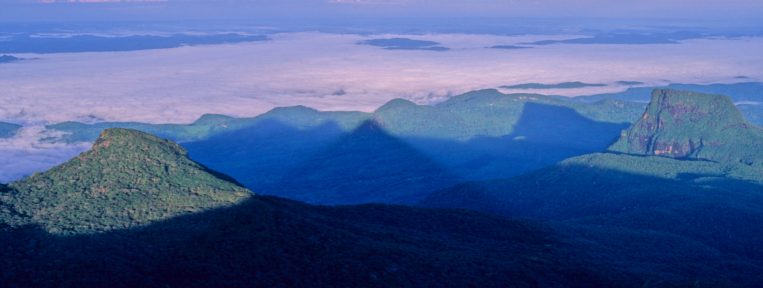
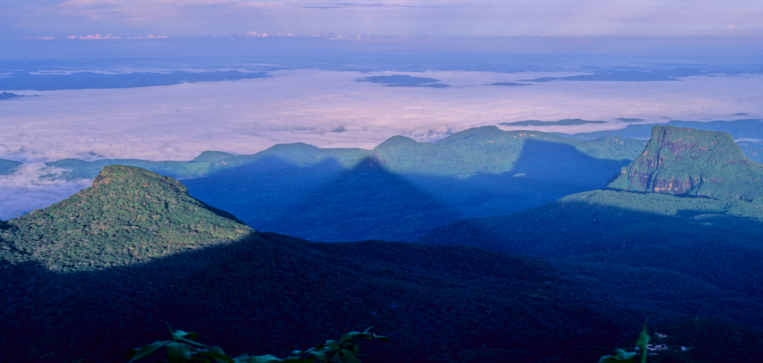
Shadow of the Peak
                                                    Shadow of the Adam’s Peak

The mysterious mountain known as Adam’s Peak is a well-known religious and sightseeing attraction in Sri Lanka. Innumerable devotees, as well as sightseers, undertake the exhausting but greatly rewarding trek up the mountain, which is sure to be a memorable experience. For convenient transportation, during your holidays in Sri Lanka a well-reputed specialist that you could consider would be Aitken Spence Travels.

Adam’s Peak is held in esteem by devotees of various religions, each claiming the famous footprint at the summit of the mountain to be a feature of their own. However, the vast majority of the pilgrims who make the climb up the mountain are members of the local Buddhist community.

sri pada, adams peak
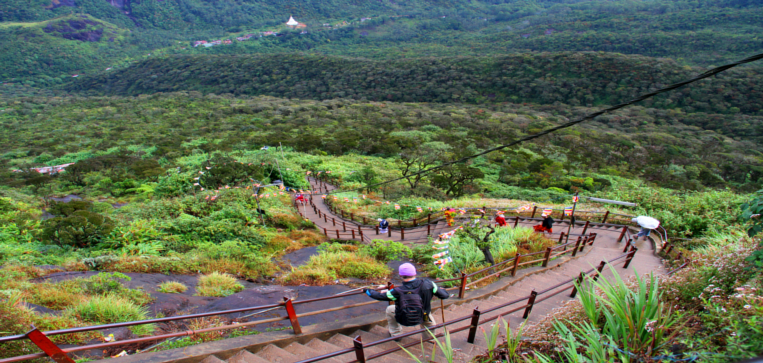
                                                                 Climbing Adam’s Peak

Traditionally the climb up the mountain is undertaken at night, which will permit you to reach the summit before the break of dawn. If you are at the peak when dawn breaks you will have a good chance to enjoy the spectacular views without obstructing clouds, as well as an opportunity to glimpse the mountain’s mysterious shadow. Most climbers ascend Adam’s Peak during the pilgrimage season when you will be able to enjoy the experience the most.

The easiest and most popular route up the mountain is the ascent from the town of Dalhousie, which is the route taken by most climbers. An alternative would be the route from the town of Ratnapura, which is considerably longer.

The actual ascent of the mountain is likely to an exhausting experience, but will undoubtedly be a memory to treasure. You will be able to enjoy tea and refreshments at the numerous teashops found along the route. Climbers will find that the route begins with a gentle elevation, increasing to steep steps further up the mountain. On the other hand, you will find that the descent is comparatively quicker but no less arduous because by now your leg muscles are likely to be exhausted. However, this experience is unique and is sure to be a highlight of your travels in Sri Lanka.

Caleb Falcon is a travel writer who specializes in writing content based on the many exciting world adventures that await intrepid travellers. Google+

Nature Excursions in Wombarra -Explore & Fall in Love with Nature

Tucked away on the northern shores of Wollongong, New South Wales in Australia is a quaint little beach town that has much to offer for the nature lover. Meet cute-as-a-pie Koala bears, hike up to the beautiful Maddens Falls and relax away at the charming Wombarra Beach.

If you’re visiting Wombarra with the family, one place that you should definitely visit is the Symbio Wildlife Park. It’s just a 14-minute drive away from the town. Here you will find a wonderful assortment of some of the most curious and cutest of creatures from koalas to kangaroos, meerkats, emu birds and much more! Some of the celebrities of the Symbio Wildlife Park include Imogen the “sweetest, most adorable Koala in the world”; Cinta the Bengal tiger, Kesari the red panda and Boo and Lion, cheetahs brother who were the latest arrivals at the park. The park has numerous features and programs to enjoy and one of the most popular is the experience with the meerkats, who are said to “climb, nibble and snuggle their way into your hearts”. Then there’s the Keeper for the Day program where you can assist the zookeepers and get up, close and personal with the animals!

For ardent hikers, Maddens Falls is the destination to head over to when in Wombarra. The falls are situated within the Dharawal National Park, which is about 24 minutes away from the city. The stunning falls are the goal and the hike towards this is fairly easy that you can even go with your kids. The park is home to a curious collection of creatures such as the red wattlebirds, honeyeaters, golden whistlers, brown froglets and banjo frogs to name a few. A visit to Maddens Falls is always recommended during the spring time when the flowers are in full bloom or in April when the Madden falls are at their fullest.

Last, but never the least, is the beach! The Wombarra Beach is the ideal spot get away from all the stress and concentrate on relaxing. If you’re thinking of more than a day’s stay in Wombarra, accommodation is in plenty here. They can vary from hostels to hotels and the most exclusive of all, villas the likes of The Wombarra Beach Residence Holiday House by Emerald + Aqua Holiday Homes.

Have a picnic on the beach with your friends or family or go for a romantic stroll at sunset with your loved one- there’s plenty to do! One of the highlights of Wombarra Beach is the beautiful little rock pool that placed in such a way that it offers views of the waves on one side and the cliffs on the other. If you’re worried about sea swimming, the rock pool is ideal for you.


Roland Lefevre is a travel writer who specializes in creating features on leisure as well as business travel destinations across the globe. Google+