The Best Water Sports to Try in the Maldives

If you love having fun in the water or are looking for adrenaline-pumping thrills then definitely head to the Maldives and enjoy some of the best water sports on the planet! Here are a few worth trying.
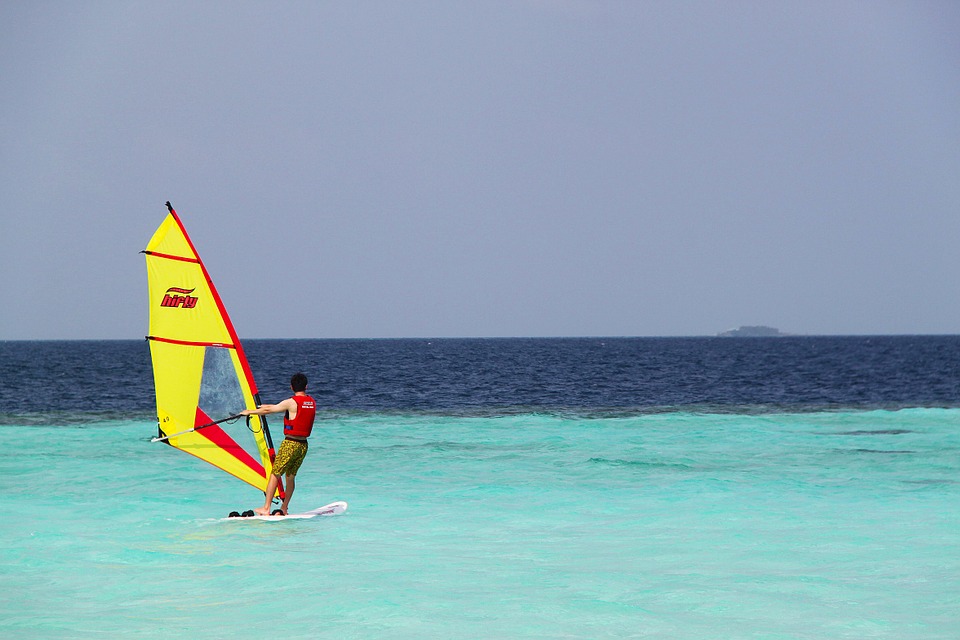
Maldives|Via-Pixabay,sharonang,CC0


Snorkelling

A water sport that the whole family can enjoy and one that requires no prior experience, snorkelling is a perennial favourite here. Rich in marine biodiversity and surrounded by crystal clear waters, the Maldives offers an unparalleled view into a magical underwater world where colourful corals and fascinating fish species coexist.

Scuba Diving

Scuba diving is another not to be missed water sport. Each diving hotspot offers something new to discover; from the largest gathering of manta rays in the world at Hanifaru Bay near The Westin Maldives Miriandhoo Resort to shipwrecks the likes of the Maldives Victory, the ocean has many treasures in store.

Jet Skiing

Those who want a more speed-induced adrenaline rush should look to try jet skiing! Many resorts in Maldives do offer this water sport and be it riding with an experienced instructor or manoeuvring a jet ski by yourself, it should certainly satisfy your need for speed.

Kayaking

Another great water-based activity, kayaking is an ideal way to soak up the coastal charm and do some exploring too. Since the waters are clear you can also get a view of the vibrant marine life below. As an added bonus, this paddle-powered water sport provides a great cardio workout too!

Damon Starky is a creative nomadic travel writer, who is well informed and experienced on a wide range of interests that would connect to the needs of any type of traveler. Google+

The Enchanting Sinharaja Rainforest in Sri Lanka

A UNESCO World Heritage Site, the Sinharaja Rainforest is a rich storehouse of biodiversity home to an array of endemic flora and fauna. If you love communing with nature this is definitely a place you should explore!

Image Credit-Pixabay,vladvictoria,CC0

Planning a Trip

This rainforest can be found in the south-west part of the island; it can be reached via Ratnapura, Deniyaya or Rakwana depending on where you are coming from. Of course, to fully utilise your time here choosing accommodation options like The Rainforest Ecolodge – Sinharaja which lies at the fringes of the reserve is a good idea.

Exploring the Trails

Those staying at a Sinharaja eco lodge Sri Lanka has to offer can look forward to spending lots of time trekking through the rainforest. The two main trails here are the Mulawella and Sinhagala trails, both of which offer a wonderful chance to experience the beauty of this World Biosphere Reserve.

Birdlife

The Sinharaja Rainforest is ideal for birdwatching and in fact, 21 of the country’s 26 endemic bird species have been recorded here. Keep a look out for sightings of the Ceylon grey hornbill, Ceylon wood pigeon, Ceylon blue magpie, Layard’s parakeet and Sri Lankan junglefowl to name but a few.

Other Wildlife

On your adventures, you may spot other endemic creatures as well including the torque macaque, purple-faced leaf monkey and giant squirrel. The rainforest is also home to many butterfly and reptile species too which add to its allure.

Intrigued by history, art and food, Lavinia Woolf is a writer who is passionate about the extraordinary and writes of the exhilarating and enchanting. Google+

Thrilling White Water Rafting in Sri Lanka

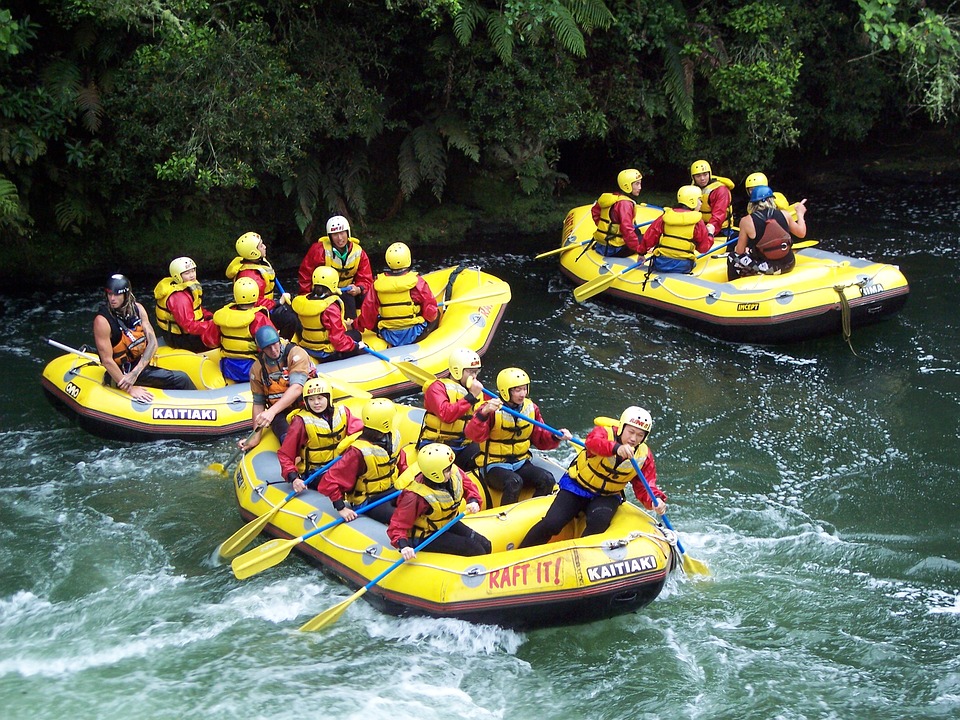
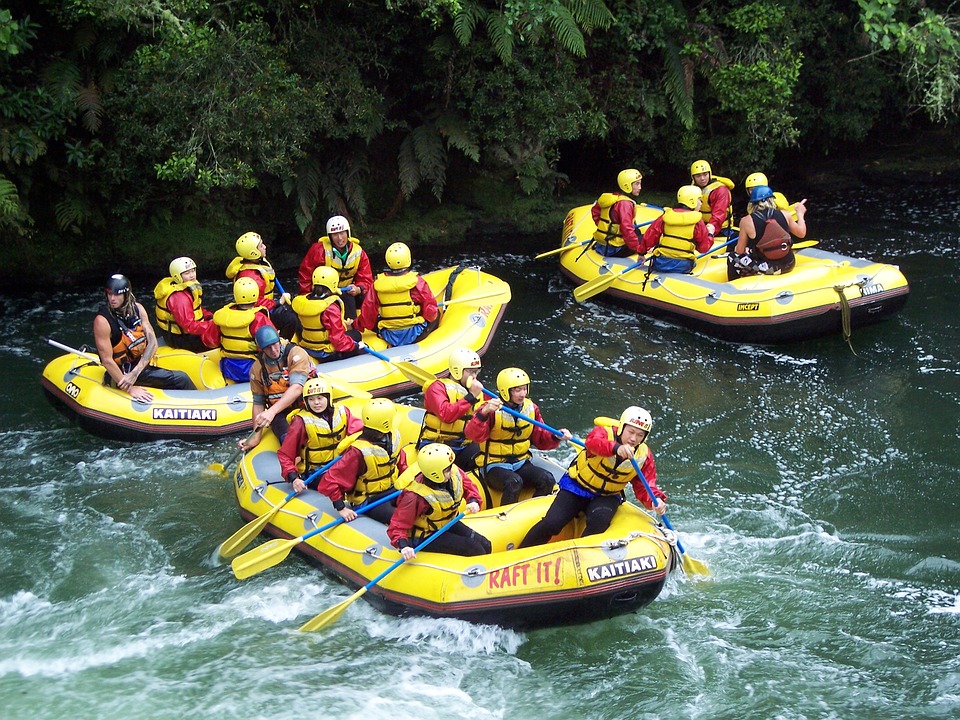
If your idea of a perfect holiday involves lots of action-packed thrills, then white water rafting in Sri Lanka is for you! Here’s what you need to know about this activity in this tropical island paradise.

White Water Rafting| Img by: Timeworks via Pixabay

Rapids of Sri Lanka

The premier place for white water rafting is Kitulgala, a favourite stop on adventure tours in Sri Lanka. The Kelani River here offers grade two to three rapids ideal for younger participants too. Those with more experience can look to tackle the rapids at the Sitawaka (grade three to four), Mahaweli (grade two to five) or Kotmale (grade four to five) rivers.

The Kitulgala Rapids

Those enjoying white water rafting offered by adventure specialists the likes of Nature Odyssey can look forward to challenging several of the Kelani River’s distinctive rapids. The experience lasts for around 90 minutes and the rapids have uniquely named sections such as Killer Fall, Head Chopper and Butter Crunch!

The Ideal Period

The months from May to December are generally considered the best time for this activity in Kitulgala; this is mainly because the seasonal south-western monsoon makes the river swell which leads to faster rapids too.

Other Activities

The ideal complement to Kitulgala white water rafting is the many activities you can enjoy in and around the Kelani River. These include waterfall abseiling, rainforest trekking, canyoning and performing confidence jumps from varying heights to rock pools below!


Caleb Falcon is a travel writer who specializes in writing content based on the many exciting world adventures that await intrepid travellers. Google+


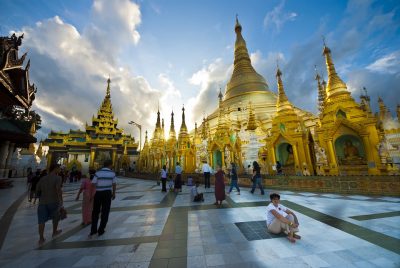
Sule Pagoda

Myanmar is a land quite unlike any other, waiting to surprise you. The landscape is scattered with golden wonders, simple pleasures and plenty of tradition. The Sule Pagoda carries with a strong religious significance, here’s a little more information!

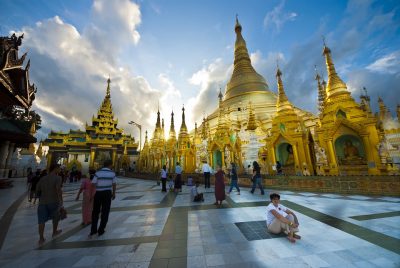
Myanmar Pagoda | Img by: LuisValiente via pixabay

The Golden Pagoda

The pagoda, or tower, is 44 metres high and is a glowing gold in colour. The unusual design of the pagoda is an octagon. The pagoda enshrines a hair relic of the Buddha, which is why it’s highly cherished by the Burmese people, as they bring offerings continuously.

Named after the Sule Nat

Named after Sularata, the spirit who lived at the spot of the pagoda. Nat spirits have long been worshipped in Burma, even before the introduction of Buddhism.

Other structures

There are several shrines around the pagoda, housing images of the Buddha. The circular structure around the pagoda has small shops where services such as palm reading, and astrology are offered. There are four entrances to this pagoda. Depictions of mythological birds sit in several places inside of the Sule grounds.

How to get there

Easy to reach from any hotel in Yangon, this landmark is located roughly 30 minutes from Chatrium Hotel Royal Lake Yangon. Halfway between the central railway station and the Yangon river is where you’ll find the Sule Pagoda, in the centre of Yangon. Open daily from 6 AM until 10 PM, you can hire a guide for more information and a deeper understanding of the religious site.

Auburn Silver is a travel writer who has a passion for fashion and a deep interest in admiring new and exotic attractions around the world. Google+

A Travel Guide to Suzhou

China is an ancient civilization that has managed to preserve much of its history even to date. One of these preserved age-old cities situated a short distance away from Shanghai is the skilfully landscaped Suzhou.

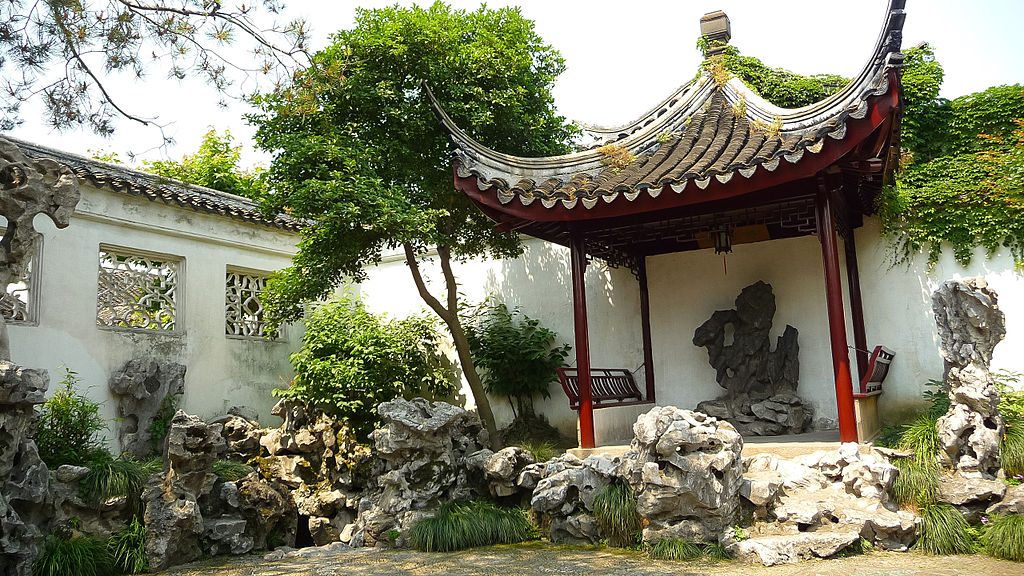
Gardens in Suzhou
Gardens in Suzhou | image Credit : SteFou! from Lübeck, Germany, Suzhou-classical-garden-corner-1, CC BY 2.0

Classic Gardens

The beautiful city of Suzhou has famed the world over with its amazing classic garden collection. There are approximately 60 gardens in the area of which 9 have been recognised as World Heritage Sites by UNESCO.

Water Towns

The brilliance of archaic China is still evident in the marvellous water towns in Suzhou. Water from various rivers and canals flow across the towns. One may come across short bridges, interconnected streets and so on bringing out a nostalgic feel to the surrounding.

Kun Opera

Being one of the oldest forms of opera in the world, the Kun Opera combines the perfect mix of rich literature, traditional dance and ancient tunes to bring together a masterpiece! For this, the opera was deemed Intangible Heritage of Humanity by UNESCO in 2001. The best place to watch the Opera would be at Suzhou Opera Museum a short distance away from Ascott Midtown Suzhou.

Travel & lodging

If you are planning on visiting Suzhou, many a Suzhou serviced apartment have come up and are readily available for accommodation. As for travel, since the city is located close to the capital, there are trains running from Shanghai to Suzhou.

Caleb Falcon is a travel writer who specializes in writing content based on the many exciting world adventures that await intrepid travellers. Google+

Discovering the Amazing Wildlife of Sri Lanka

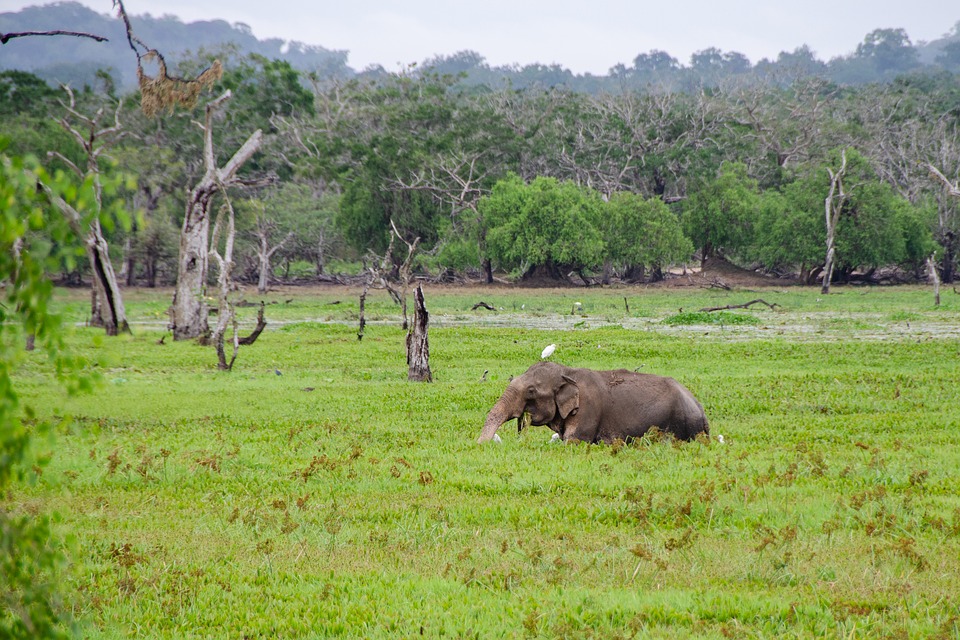
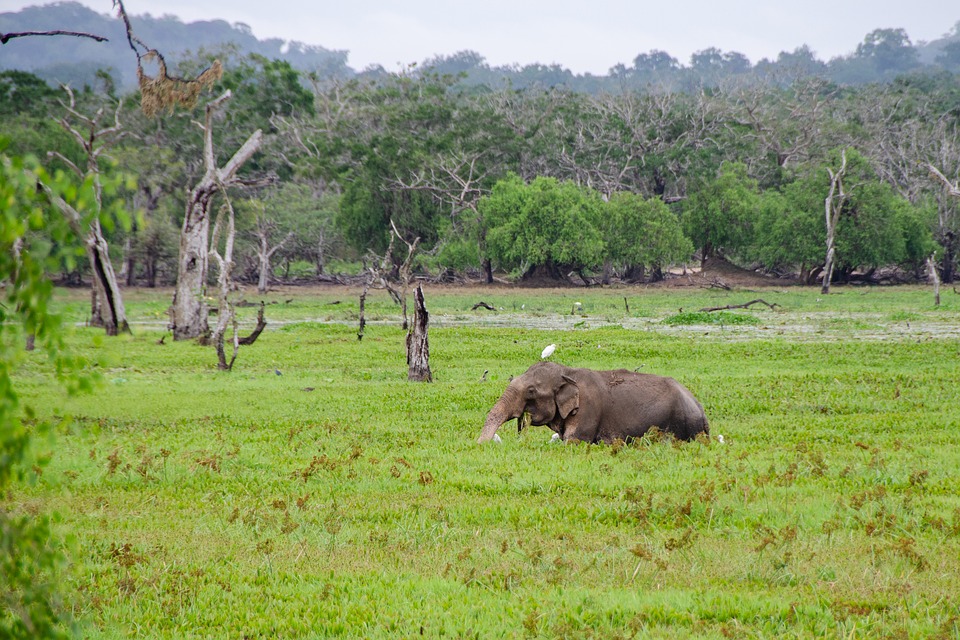
One of Sri Lanka’s most captivating highlights is its exotic wildlife. Be it fearsome, feathery, menacing, majestic, stealthy or slithery, these diverse species each have their own unique character!

wildlife SriLanka | Img by: pen_ash via pixabay

Where to Go

The country’s national parks are great places to see local wildlife in their natural habitats. Yala and Minneriya are two of the most popular national parks and are included on excursions by tour operators like Silvertree Travel. Wilpattu, Udawalawe, Bundala and Wasgamuwa are a few of the other parks you can visit too.

Mammals

There are over 120 mammal species including leopards, elephants, sloth bears and toque macaques which can be spotted on adventure tours in Sri Lanka. The sambar deer, giant squirrel, wild boar and porcupine are a few of the other species here. Not to be forgotten are the marine mammals such as whales and dolphins that can be found in the surrounding Indian Ocean.

Birds

A birdwatcher’s paradise, Sri Lanka has recorded a little over 440 bird species. Amongst the endemic species are the Sri Lankan junglefowl, Sri Lanka spurfowl, Layard’s parakeet and yellow-fronted barbet. The island also attracts many migratory species like the lesser sand plover, blue-tailed bee-eater and greater flamingo.

Reptiles

When it comes to snakes one can find species such as the Indian cobra, Russell’s viper and sand boa. Reptile species don’t only include snakes though; mugger and saltwater crocodiles, five turtle species including the green turtle and olive ridley sea turtle, rough-horned and pygmy lizards and water monitors can be found here too.

Roland Lefevre is a travel writer who specializes in creating features on leisure as well as business travel destinations across the globe. Google+

Bird Watching in Sri Lanka

With a wide variety of environments ranging from forest to jungle, wet to dry zone, and low lands to the hill country, Sri Lanka has no shortage of fascinating sites to spot diverse bird species.

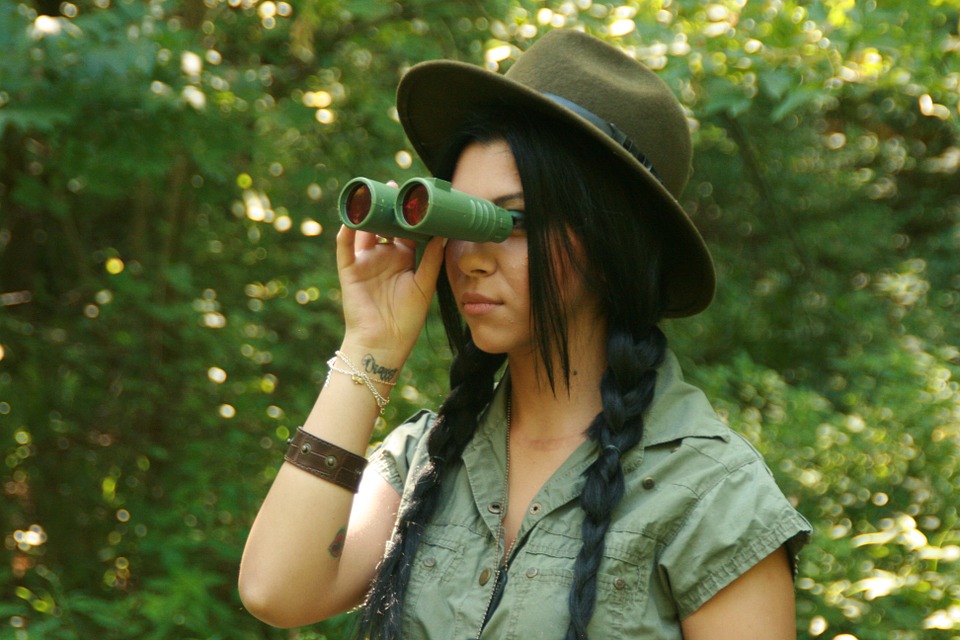
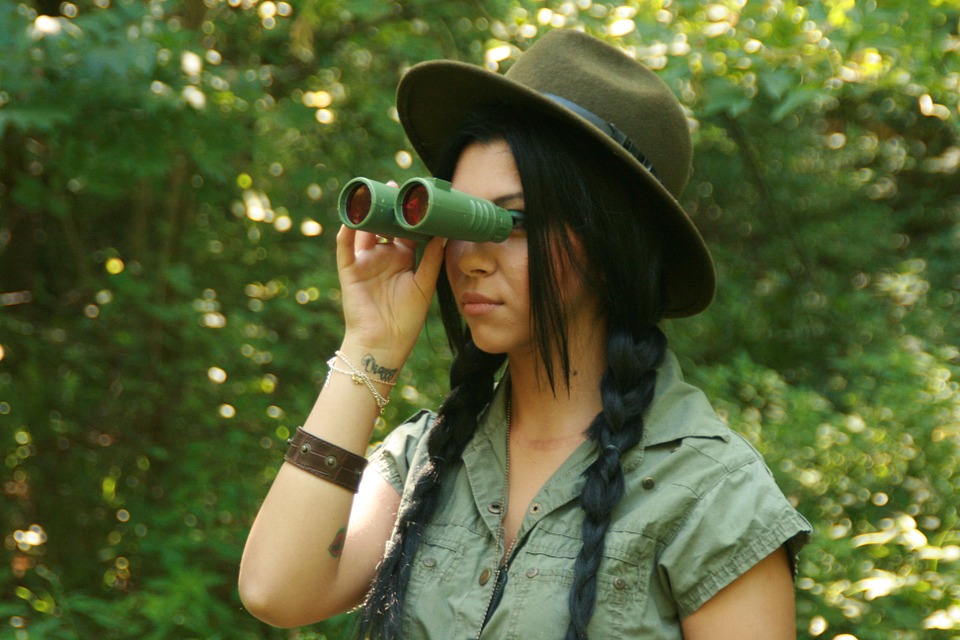
BirdWatching|Via-Pixabay,adinavoicu,CC0

Sinharaja Forest

Being the most bio-diverse wet zone forest cover in the country, Sinharaja must be explored by foot. The place declared a World Heritage Site in 1989 is home to a wide variety of endemic as well as migratory bird species. You can spot a Green Billed Coucal, Yellow Fronted Barbet, Ceylon Blue Magpie, Scaly Thrush, and many more fascinating species. Sinharaja is an ancient forest home to many magical aspects and is covered by local tour operators like Cinnamon Nature Trails.

Kumana Bird Sanctuary

When it comes to bird watching in Sri Lanka, you should not miss visiting the Kumana Bird Sanctuary. This bird sanctuary features a massive swamp lake which plays host to a wide range of nesting waterbirds, especially between May and June. Migratory bird species that can be spotted here are the Indian cormorant, lesser whistling duck, little egret, purple swamphen and spot-billed pelican.

Kanneliya Forest Reserve

Accessible from the coastal city of Galle, Kanneliya is another forest reserve where one can spot many endemic bird species. Keen birders can keep a lookout for the oriental dwarf kingfisher, brown-capped pygmy woodpecker, black eagle and Indian blue robin that have also graced the reserve with their presence.

Bundala National Park

The first Ramsar wetland site in the island, the Bundala National Park offers birdwatchers some of the best avifauna sightings be it for migrant water birds or resident species. The lagoons within the park attract many birds including large flocks of migrating greater flamingos, one of the highlights of bird watching here.

Fritzjames Stephen is a travel writer, who writes content based on the myriad of experiences and indulgences that the world has to offer travellers across all walks of life. Google+

Kalutara Thudugala Ella Falls

Image Credit-ChananandAnother view of the waterfallCC BY-SA 3.0

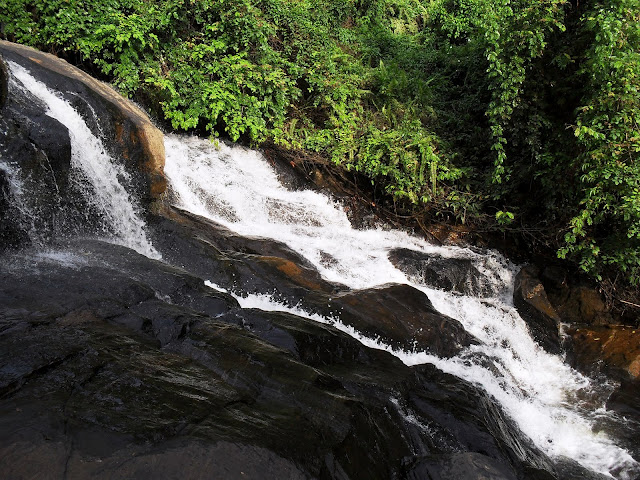
It is not just the astounding sandy beaches that are appealing about Kalutara, other natural attractions such as the Thudugalle Ella Falls too charm tourists visiting the district. Here are a few things to know:

Location

The course to the waterfall commences from Katukurunda junction off Mathugama road to Thudugala junction. The Thudugalle Estate is the place this flourishing waterfall calls home. The attraction is roughly 20km away from many Kalutara hotels such as the well-known Mermaid Hotel & Club.

The longstanding edifice

The estate was previously owned by the British who subjugated Sri Lanka many years ago. A bungalow from that age can still be seen on the trail towards the waterfall. Most of the building lay there crumpled on the ground. Yet, the sight is still enthralling.

For the nature enthusiasts

On the way to the waterfall, the nature lover will be able to discover many plants such as Ketala plants and giant pus creepers. There are numerous types of lovely birds that sing sweet songs as if to welcome you to their home, the Yellow Magta and Dicaeum Erythornynchos are 2 common species seen here.

The waterfall

What is most quaint about this waterfall is that there is an underpass that runs beneath the falls, this tunnel ends at the top of the falls. It is a common bathing spot as well.

Auburn Silver is a travel writer who has a passion for fashion and a deep interest in admiring new and exotic attractions around the world. Google+

Leopard Spotting in Yala National Park

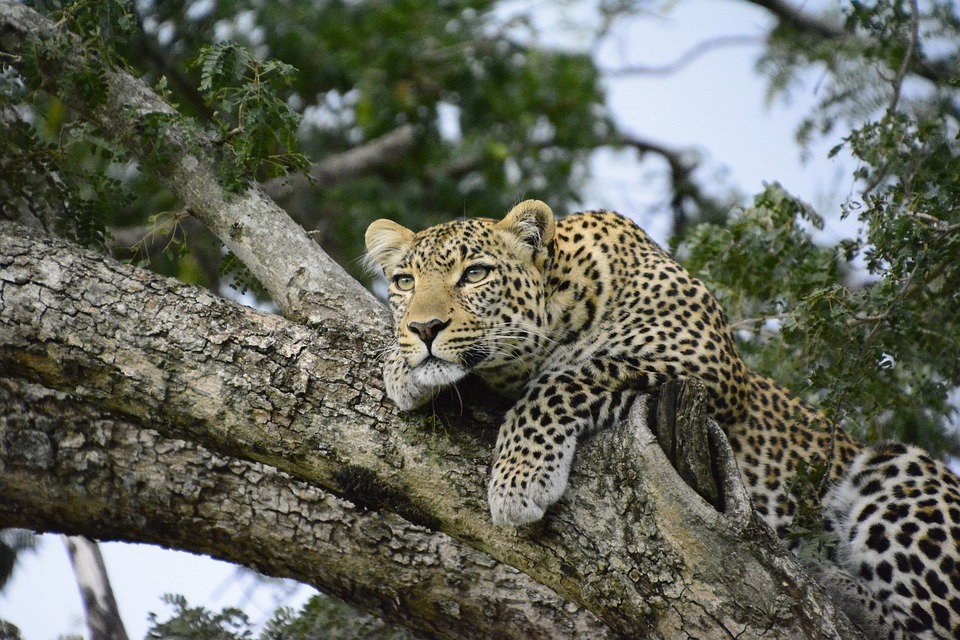
Did you know the Yala National Park in Sri Lanka has the highest density of leopards anywhere in the world? What this means is that you have a great chance of spotting these majestic creatures on a safari here!

Leopard|Via-Pixabay,nicolasustainability,CC0


Introducing Panthera Pardus Kotiya

The endemic Sri Lankan Leopard or “Panthera pardus kotiya” has a rusty yellow coloured coat with characteristic dark spots. Generally a solitary hunter, it is the island’s apex predator and has been listed as endangered.


Planning Your Excursion

Leopard spotting is best done early in the morning or later in the afternoon. It’s best to stay at a Yala hotel right near the park itself. Such hotels generally provide their own guided safaris which add to the convenience.


Nocturnal Sightings

For a truly unique experience look to undertake a safari at night! One such experience you can try is the Infrared Night Drive offered at Cinnamon Wild Yala that features night vision goggles to spot leopards and other creatures of the night without disturbing them.


Best Times to Visit

Leopards may be spotted at Yala all year round, though the park is generally closed in September. May to August is usually the rainy season and you have a better chance of seeing leopards early morning. December to March marks the dry season and an afternoon leopard safari is ideal. Of course, the king of Sri Lanka’s jungle doesn’t follow a particular schedule so you never know when you may spot it!


Visiting a rainforest- a practical guide

If you’ve never thought of going to a rainforest, you should! These unique biomes burst with bright flashes of colour and busy buzz. Know these tips before visiting a rainforest.

Wildlife in Sinharaja Rainforest
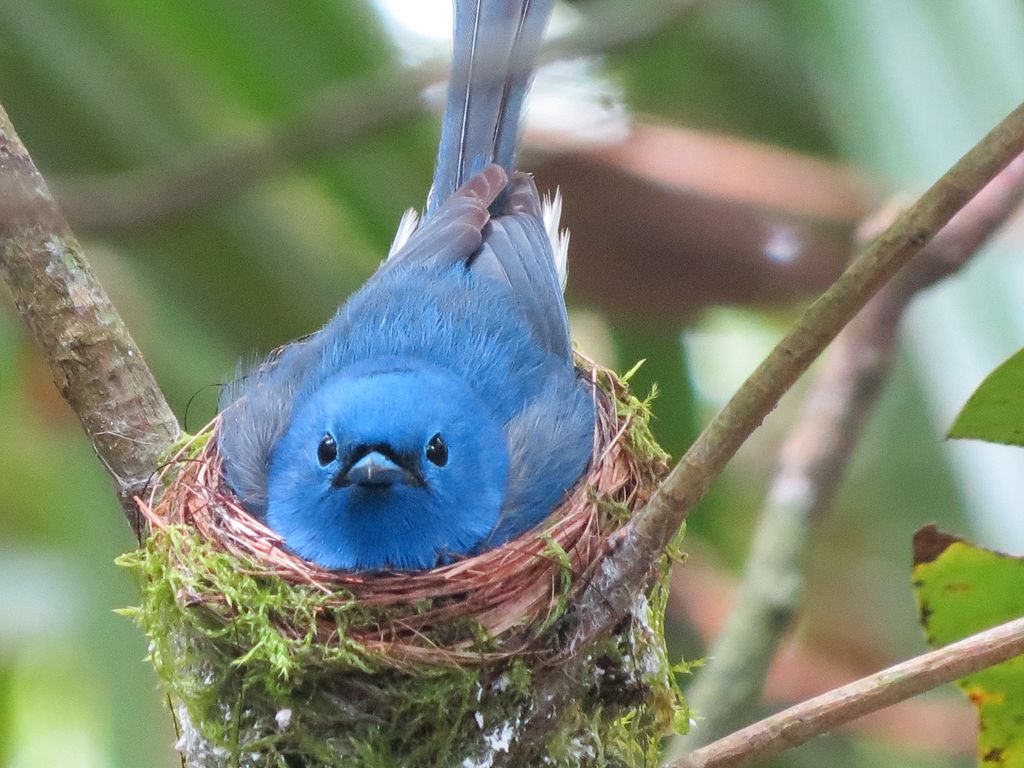
Wildlife in Sinharaja Rainforest | Image Credit : Jayne Stockdale, White-bellied Blue Flycatcher in Sinharaja National Park, CC BY-SA 4.0

Climate

Staying true to its name, ‘tropical’ rainforests are both humid and warm. For instance, when you are not under the protective canopy the sun can be quite strong. Generally, tropical rainforests receive plenty of rainfall with different air circulation patterns.

Wildlife

Needless to say, rainforests are tremendously rich in wildlife. Majority of these animals live in the forest canopy and animal life is subtle and fleeting. If you stay at a Sinharaja eco lodge in Sri Lanka the likes of The Rainforest Ecolodge, you’ll be able to witness diverse species of exotic animal life here. A good guide can make you experience an educational and fascinating journey.

Plants

More than two-thirds of plant species in the world can be found in tropical rainforests. Once you enter a rainforest, you will notice that most of its trees grow closely spaced and straight up into the high canopy. Although you may find fallen flowers on the forest floor, you will not see many flowers in most of the rainforests.

Be observant!

Walking along a rainforest with an open mind will help you find differences between the rainforest ecosystem with that of a normal forest that you’ve seen. While walking make sure not to get entangled in vines or trip over roots.

Intrigued by history, art and food, Lavinia Woolf is a writer who is passionate about the extraordinary and writes of the exhilarating and enchanting. Google+