Discover Dunhinda Falls: A Must-See in Sri Lanka’s Hill Country

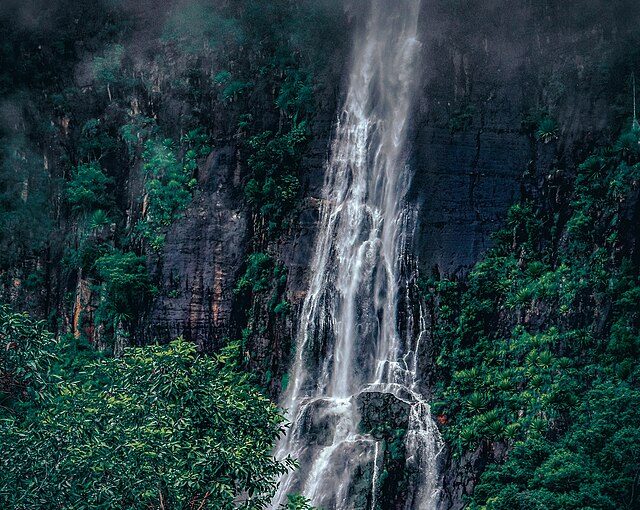
Nestled just outside Badulla, Dunhinda Falls is one of Sri Lanka’s most impressive waterfalls, famous for its misty spray and lush surroundings. A little planning goes a long way toward enjoying it comfortably and safely.

Getting There

Dunhinda is about 5 km from Badulla and easy to reach by tuk‑tuk or car. From the drop‑off point, there’s a roughly 1.5 km walk along a scenic forest trail. The path has steps and some uneven sections, so wear comfortable, sturdy shoes. If you can, go in the morning — the air is cooler, the light is nicer for photos, and the trail is usually quieter.

Best Time to Visit and Nearby Highlights

The best time is from February to September, when the rainfall is moderate, and the path is safer. It’s easy to combine a visit to Dunhinda with other Haputale attractions — tea estates, scenic lookouts and cool‑climate hikes make for a rewarding day trip.

Where to Stay

Pick a base in the hill country for easy access to Dunhinda and other sights. Haputale, in particular, offers cooler temperatures and wide views after a day of exploring. Places like Mandara Ridge Haputale provide a peaceful place to relax while keeping you well-positioned for nature excursions across the region.

What to Expect on the Trail
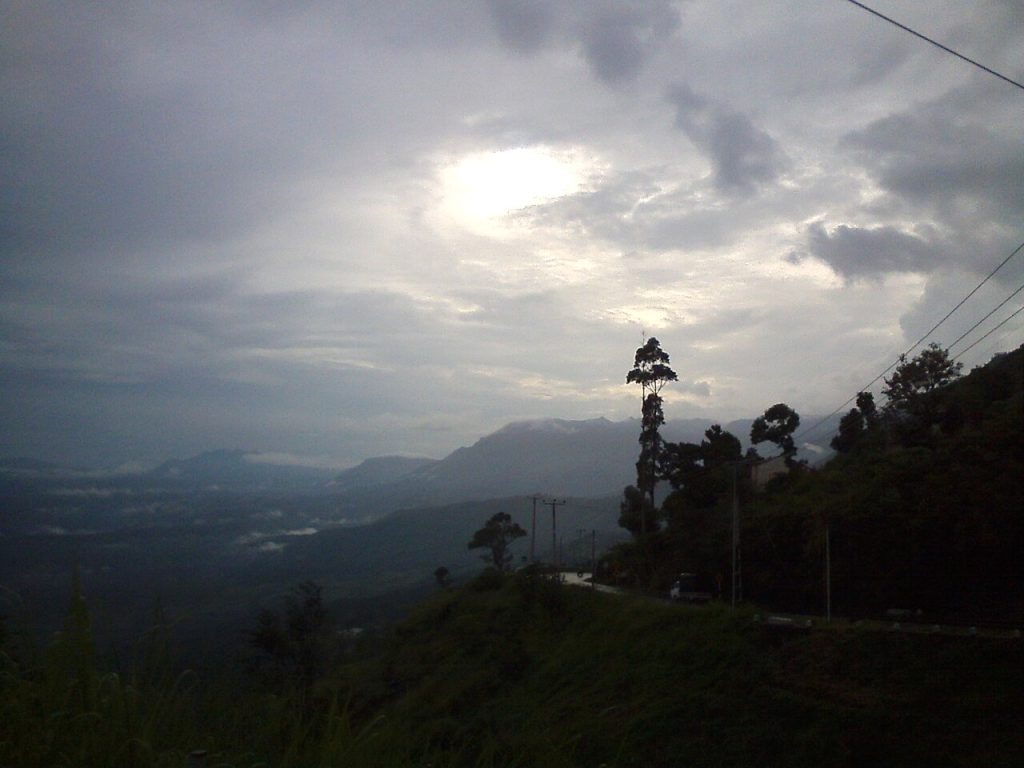
Image by Wikimedia Commons

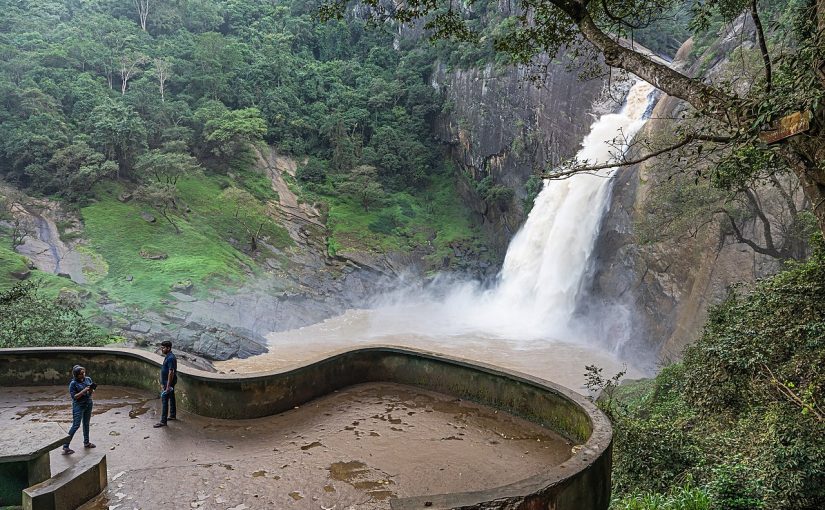
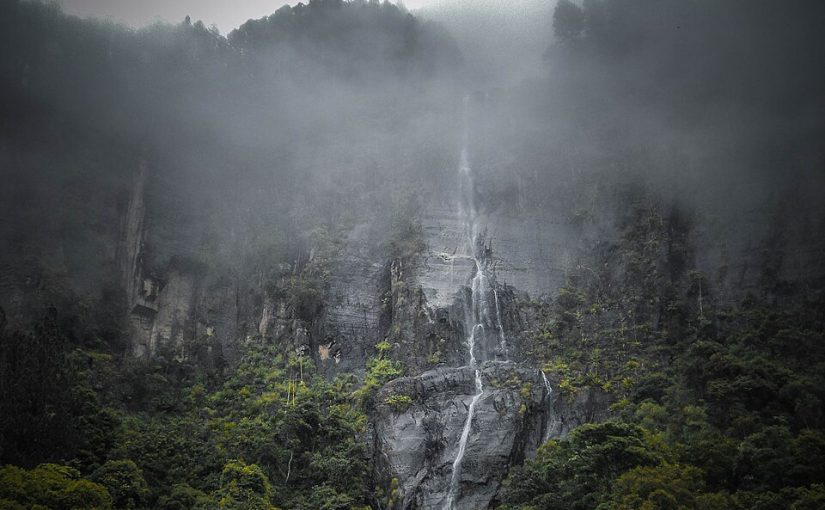
The walk is part of the experience: you’ll likely hear the falls before you see them. The trail runs through a protected forest area with thick greenery, plenty of birds and the occasional monkey. Swimming is not allowed because of strong currents, but there are several safe viewpoints where you can rest, take photos and enjoy the view.
A Thrilling Drive Through the Devil’s Staircase: A Journey Along the Kalupahana-Ohiya Road

Hidden deep within Sri Lanka’s central highlands, the Kalupahana–Ohiya road is one of the country’s most dramatic and challenging routes.

An Introduction to the Route

The Kalupahana–Ohiya road connects the lowland village of Kalupahana with the cooler hill country near Ohiya. Historically used by villagers and estate workers, the route has gained popularity for its extreme terrain and isolation. With steep gradients, rocky paths, and river crossings, the road demands careful planning and the right vehicle. What it offers in return is an immersive experience through untouched landscapes and a true escape from modern infrastructure.

Why It’s Called the Devil’s Staircase

The nickname Devil’s Staircase Sri Lanka comes from the road’s relentless series of steep climbs and sharp drops that resemble a giant stairway carved into the hills. During rainy seasons, sections become slippery and unpredictable, adding to its fearsome reputation. Despite the challenge, the route rewards travellers with sweeping views, mist-covered slopes, and a deep sense of accomplishment once the toughest sections are conquered.

Resting Points and Nearby Highland Stays

After navigating such an intense route, many travellers choose to unwind in the surrounding hill country. Nearby towns like Haputale offer cooler climates and panoramic viewpoints. Properties such as Mandara Ridge Haputale are often used as a comfortable base to relax, reflect, and recover, providing a calm contrast to the rugged adventure of the Devil’s Staircase.

Nature, Wildlife, and Changing Landscapes

Image by Wikimedia Commons

One of the most captivating aspects of the journey is the constantly changing scenery. Dense forests gradually open into grasslands and tea estates as elevation increases. The area is rich in biodiversity, with chances to spot endemic birds, butterflies, and occasional wildlife along quieter stretches. The lack of commercial development makes this route especially appealing to those who value raw, unfiltered nature.

Exploring Bambarakanda Waterfall – Discover Sri Lanka’s Tallest Hidden Gem

Bambarakanda Waterfall is one of Sri Lanka’s most striking natural sights, tucked away in the misty highlands. Its quiet setting and impressive height make it a favourite stop for travellers exploring the hill country.

Enjoy the View of Sri Lanka’s Tallest Waterfall 

Standing at 263 metres, Bambarakanda Waterfall is the tallest waterfall in the country and a dramatic sight in the pine-lined hills. The road leading to it passes villages, tea fields, and bends that open up to long valley views. Many travellers exploring the region stay at places like Mandara Ridge Haputale, which offers easy access to the surrounding highlands and makes visiting the waterfall simple and enjoyable.

Explore Scenic Trails and Surrounding Landscapes 

The area around the waterfall is ideal for short hikes and gentle walks. The trail is manageable for most visitors and reveals the calm beauty that makes this part of the country memorable. It is also a great addition to a list of things to see in Haputale, since the route combines forest paths, fresh air, and clear views of the falls as you get closer.

Capture the Perfect Photograph 

Photographers often love Bambarakanda because the scenery changes through the day. Morning mist can soften the landscape, while midday light highlights the tall drop of the waterfall. Even simple snapshots look striking thanks to the open space and dramatic height.

Visit Nearby Attractions

Image by Wikimedia Commons

If you have extra time, the area offers several nearby stops, including small hill villages, viewpoints, and tea estates. Travellers often combine Bambarakanda with a visit to Horton Plains, the Ohiya railway area, or quiet viewpoints that overlook rolling landscapes.

The Ultimate Guide to Hiking and Trekking in Haputale – Trails through the Hills

Haputale is a hill town that offers some of the most scenic hikes in Sri Lanka. Its cool climate and stunning views make it a favourite for nature lovers.

Exploring Lipton’s Seat

Lipton’s Seat is one of the most famous viewpoints in Haputale. Among the best things to do in Haputale, this trail takes you through rolling tea estates before reaching a panoramic point where five provinces can be seen on a clear day. The early morning hike is especially rewarding, with mist lifting over the hills. From Mandara Ridge Haputale, it takes about an hour and 20 minutes by car to reach Lipton’s Seat, making the resort a convenient base for this must-visit experience.

Trekking to Diyaluma Falls

Diyaluma Falls is the second-highest waterfall in Sri Lanka and a highlight for trekkers. The trail involves a climb through forested paths before arriving at natural pools at the top of the falls. It is both an adventure and a place to rest, as many visitors take a dip in the cool water. The views from the summit are breathtaking, stretching across valleys and mountains.

Walks through Tea Plantations

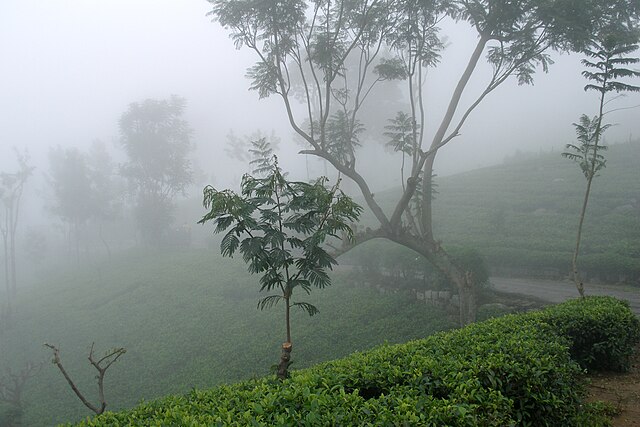
Haputale is surrounded by lush plantations where tea has been grown for generations. Walking along these paths gives visitors the chance to see workers plucking tea leaves and to learn about the production process. The trails are not difficult and are perfect for slow-paced hikes. Stopping at a local tea factory adds another layer to the experience.

Scenic Train Journeys and Short Hikes

Image by Wikimedia Commons

The train ride to or from Haputale is often described as one of the most scenic in the world. Combining it with short hikes around the town allows travellers to experience both comfort and adventure. Popular spots like Idalgashinna provide trails with wide-open views and peaceful surroundings. It is a gentle way to end or begin a trekking trip in the hills.