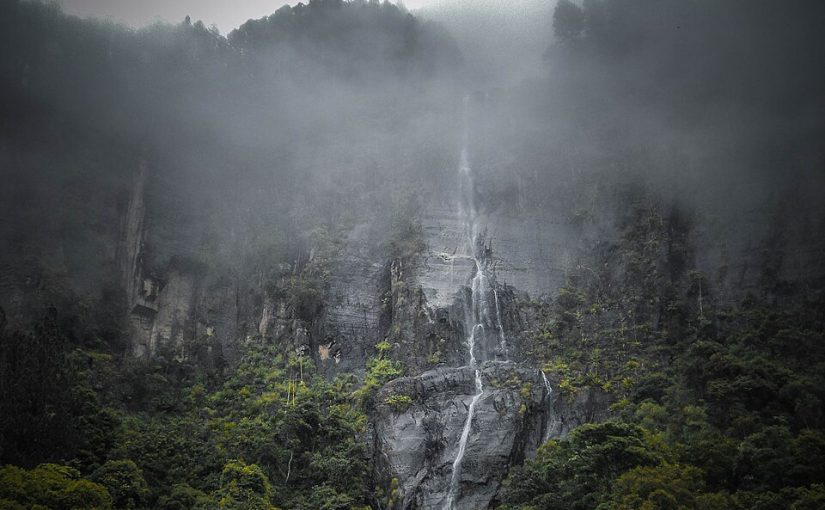
Hidden deep within Sri Lanka’s central highlands, the Kalupahana–Ohiya road is one of the country’s most dramatic and challenging routes.
An Introduction to the Route
The Kalupahana–Ohiya road connects the lowland village of Kalupahana with the cooler hill country near Ohiya. Historically used by villagers and estate workers, the route has gained popularity for its extreme terrain and isolation. With steep gradients, rocky paths, and river crossings, the road demands careful planning and the right vehicle. What it offers in return is an immersive experience through untouched landscapes and a true escape from modern infrastructure.
Why It’s Called the Devil’s Staircase
The nickname Devil’s Staircase Sri Lanka comes from the road’s relentless series of steep climbs and sharp drops that resemble a giant stairway carved into the hills. During rainy seasons, sections become slippery and unpredictable, adding to its fearsome reputation. Despite the challenge, the route rewards travellers with sweeping views, mist-covered slopes, and a deep sense of accomplishment once the toughest sections are conquered.
Resting Points and Nearby Highland Stays
After navigating such an intense route, many travellers choose to unwind in the surrounding hill country. Nearby towns like Haputale offer cooler climates and panoramic viewpoints. Properties such as Mandara Ridge Haputale are often used as a comfortable base to relax, reflect, and recover, providing a calm contrast to the rugged adventure of the Devil’s Staircase.
Nature, Wildlife, and Changing Landscapes
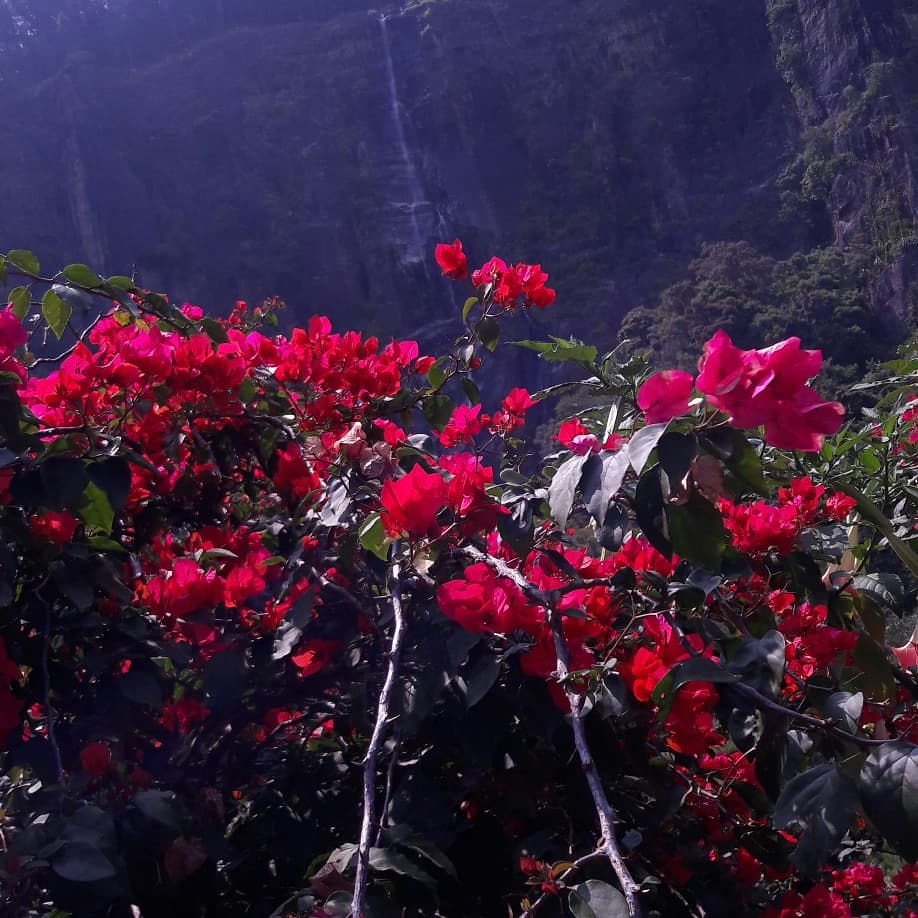

One of the most captivating aspects of the journey is the constantly changing scenery. Dense forests gradually open into grasslands and tea estates as elevation increases. The area is rich in biodiversity, with chances to spot endemic birds, butterflies, and occasional wildlife along quieter stretches. The lack of commercial development makes this route especially appealing to those who value raw, unfiltered nature.