A Thrilling Drive Through the Devil’s Staircase: A Journey Along the Kalupahana-Ohiya Road

Hidden deep within Sri Lanka’s central highlands, the Kalupahana–Ohiya road is one of the country’s most dramatic and challenging routes.

An Introduction to the Route

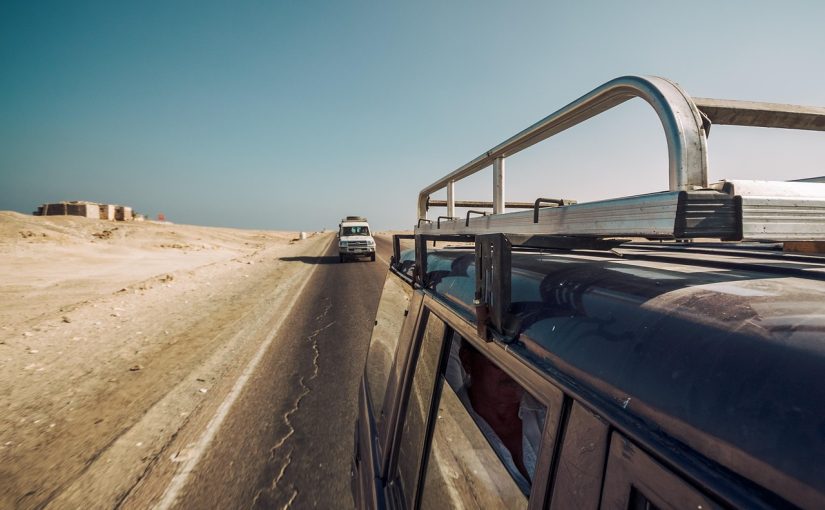
The Kalupahana–Ohiya road connects the lowland village of Kalupahana with the cooler hill country near Ohiya. Historically used by villagers and estate workers, the route has gained popularity for its extreme terrain and isolation. With steep gradients, rocky paths, and river crossings, the road demands careful planning and the right vehicle. What it offers in return is an immersive experience through untouched landscapes and a true escape from modern infrastructure.

Why It’s Called the Devil’s Staircase

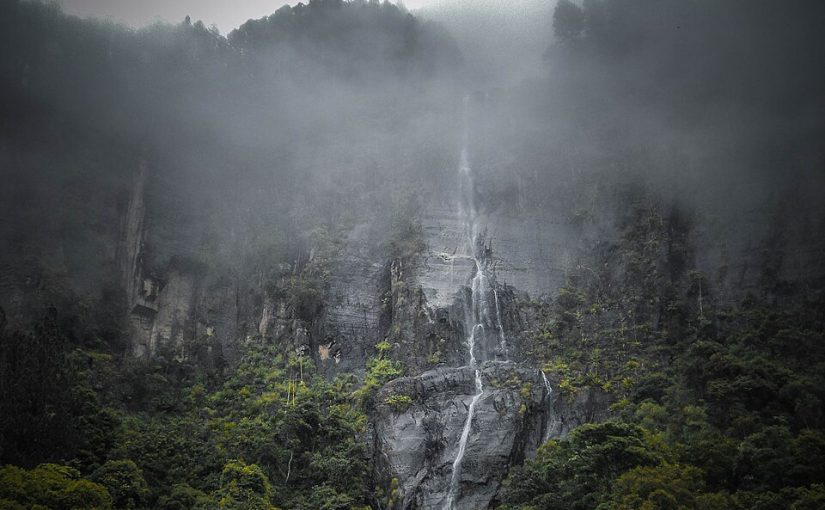
The nickname Devil’s Staircase Sri Lanka comes from the road’s relentless series of steep climbs and sharp drops that resemble a giant stairway carved into the hills. During rainy seasons, sections become slippery and unpredictable, adding to its fearsome reputation. Despite the challenge, the route rewards travellers with sweeping views, mist-covered slopes, and a deep sense of accomplishment once the toughest sections are conquered.

Resting Points and Nearby Highland Stays

After navigating such an intense route, many travellers choose to unwind in the surrounding hill country. Nearby towns like Haputale offer cooler climates and panoramic viewpoints. Properties such as Mandara Ridge Haputale are often used as a comfortable base to relax, reflect, and recover, providing a calm contrast to the rugged adventure of the Devil’s Staircase.

Nature, Wildlife, and Changing Landscapes
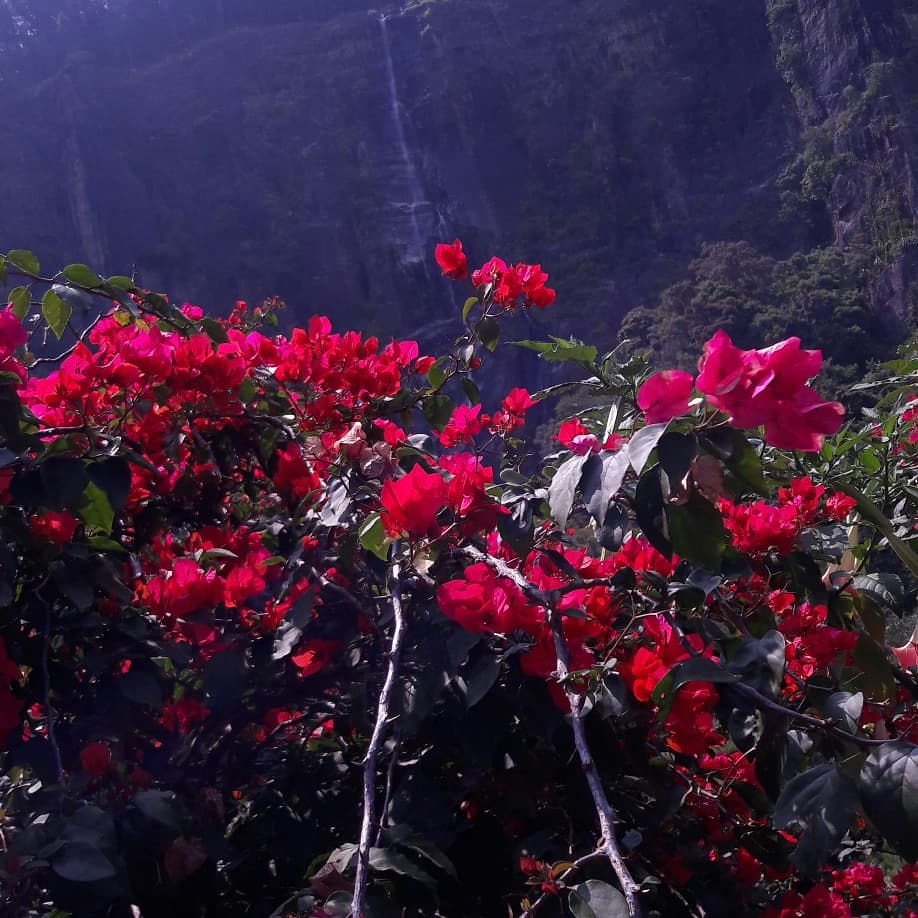
Image by Wikimedia Commons

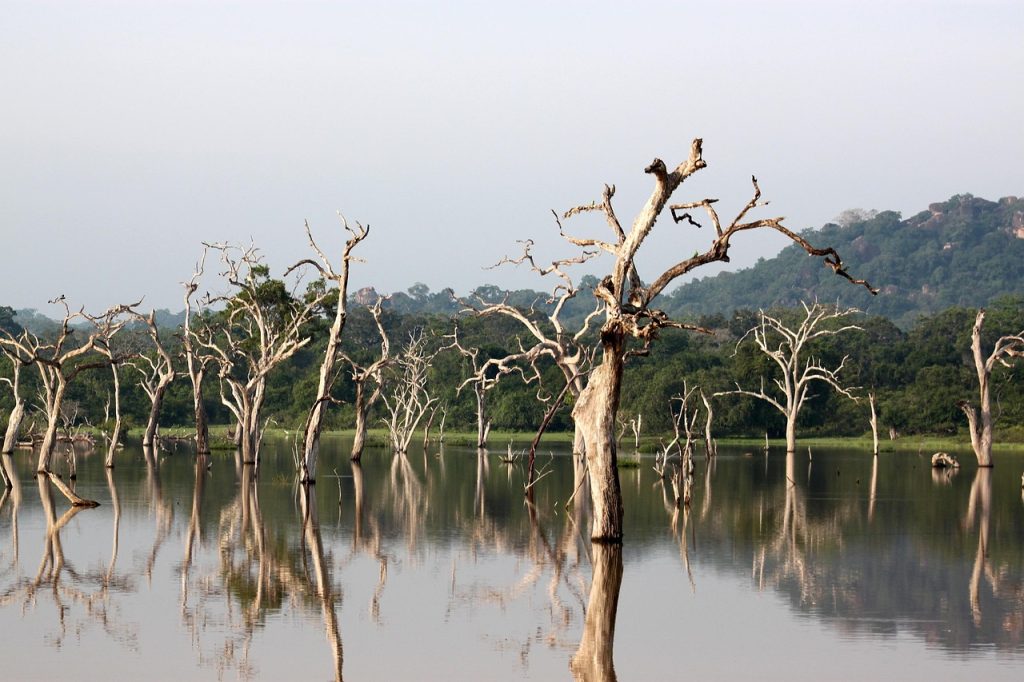
One of the most captivating aspects of the journey is the constantly changing scenery. Dense forests gradually open into grasslands and tea estates as elevation increases. The area is rich in biodiversity, with chances to spot endemic birds, butterflies, and occasional wildlife along quieter stretches. The lack of commercial development makes this route especially appealing to those who value raw, unfiltered nature.
Experiencing the Southern Coastline of Sri Lanka – Ceylon Awaits

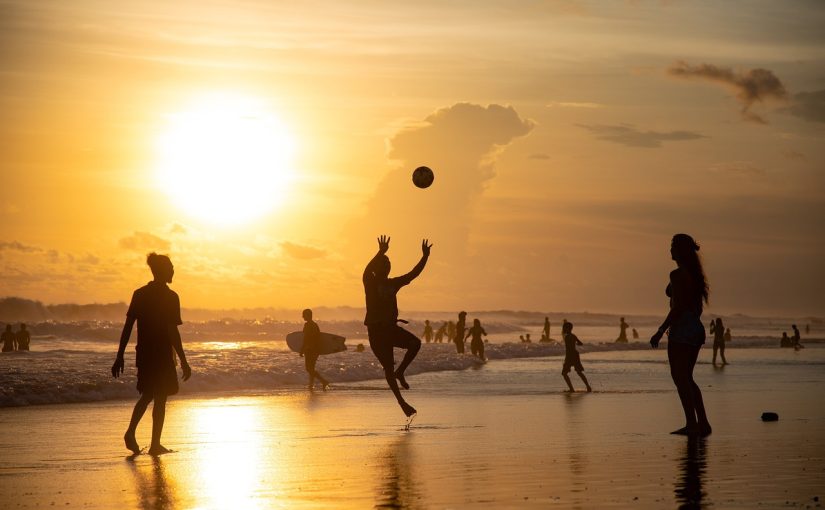
Sri Lanka’s southern coastline is pure magic, with golden beaches, turquoise waters, and laid-back vibes around every corner. From the historic charm of Galle to the chilled-out bays of Mirissa and Unawatuna, there’s a bit of everything—perfect spots to soak up the sun, try your hand at surfing, or catch a glimpse of whales and dolphins.

See the Iconic Beaches

Kick off your shoes and sink your toes into the sun-soaked sands of Sri Lanka’s southern coast, where the Indian Ocean seems to whisper adventures at every wave. Beaches like Mirissa and Tangalle aren’t just spots to lounge—they’re little escapes full of local colour, good vibes, and a rhythm set by the tides and the friendly communities around them. The best places to stay in Mirissa can boast of the connection to community!

Feel the history of the fort

Step through the old stone gates of Galle Fort and you’re instantly stepping back in time, surrounded by history and a mix of cultures that’s impossible not to notice. Built by the Portuguese and later expanded by the Dutch, the fort is full of stories about bustling trade, maritime adventures, and the blending of worlds from far and wide.

The Wildlands of the South

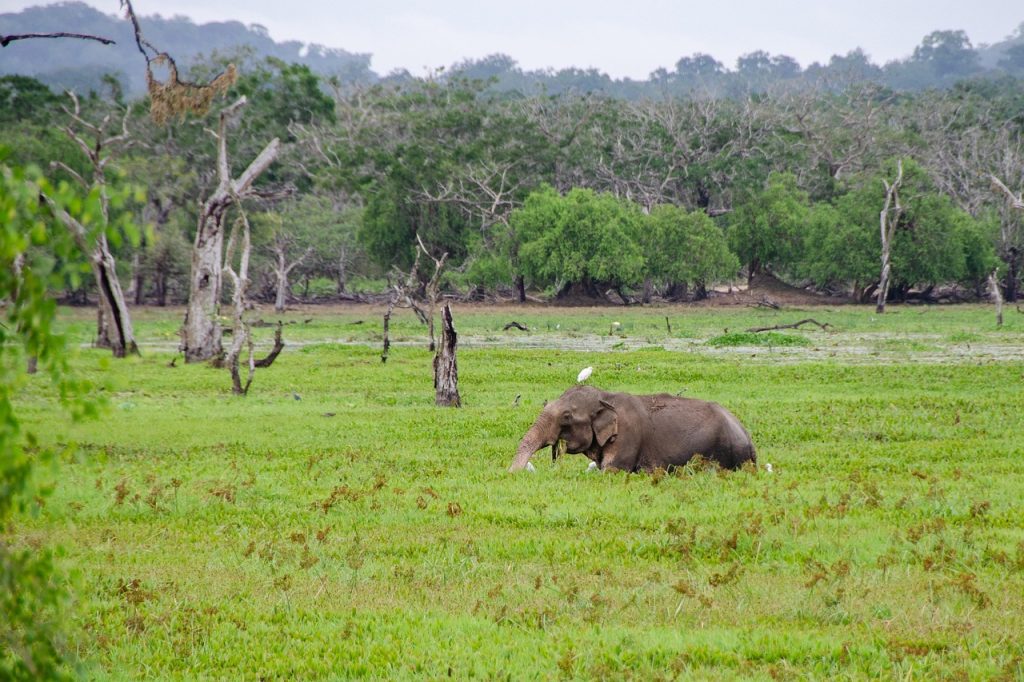
Southern Sri Lanka is a playground for anyone who loves wildlife, with national parks bursting with life. Yala National Park is a real highlight, packed with leopards, elephants, crocodiles, and all kinds of rare birds—a living mosaic of nature at its best. Picture sharing a quiet morning with a herd of elephants, or catching a glimpse of a Sri Lankan leopard soaking up the sun—these are the moments that stick with you long after you leave. Some accommodations, such as Muthu Nila Villas, even blend their premises into the farmlands and greeneries of the area.

Image by Katherine Slade from Pixabay

Observe the Stilt Fishermen

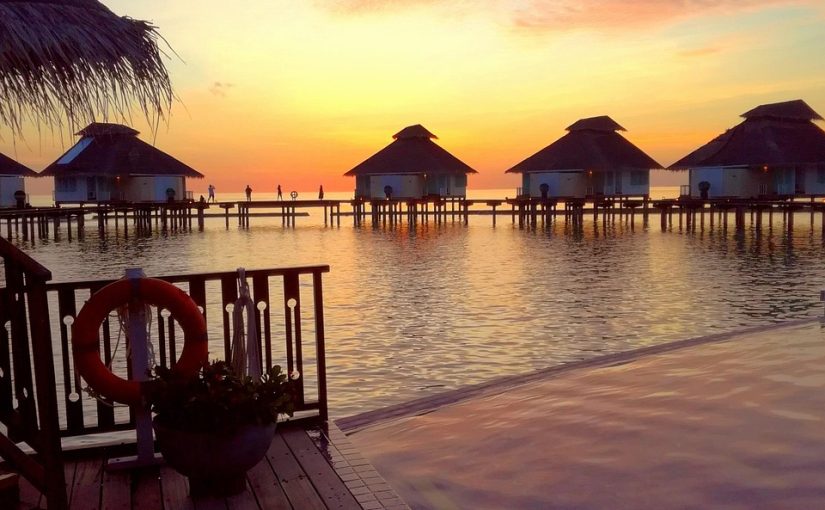
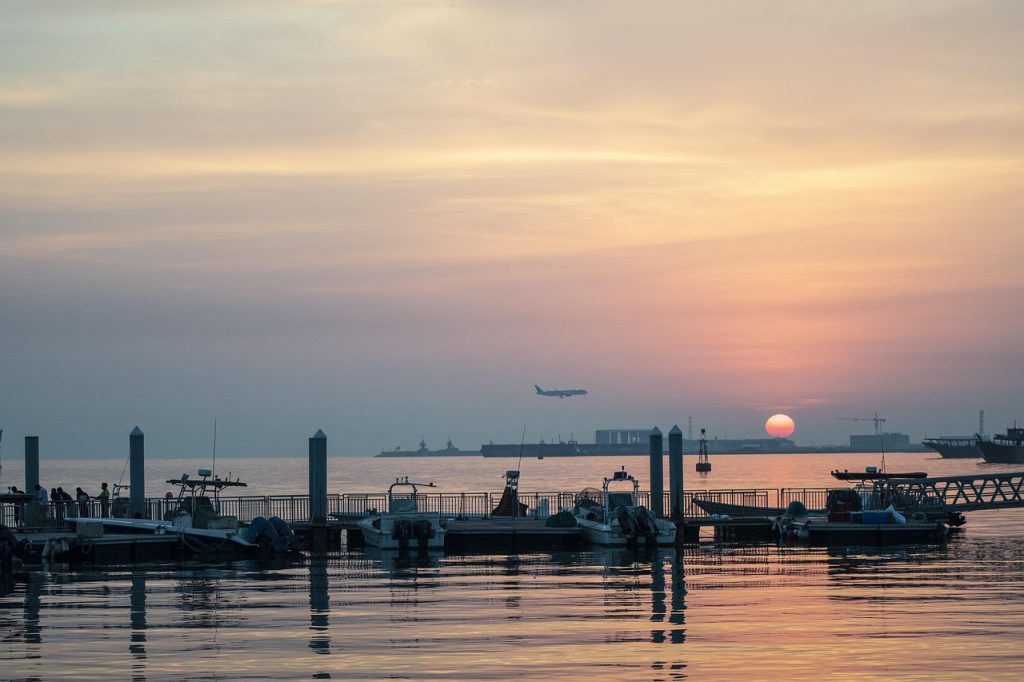
Few things capture the vibe of southern Sri Lanka quite like the stilt fishermen. Balanced above the water with quiet skill, their silhouettes against soft, pastel sunrises are a snapshot of a tradition that’s been handed down for generations—all patience, creativity, and a deep connection to the sea.

Safari Adventures in Yala: Top Tips for Enjoying an Unforgettable Wildlife Tour during a Trip to Kataragama

Home to some of the island’s most majestic wild creatures, Yala National Park is a must-experience highlight for holidaymakers exploring the iconic Hindu temples and heritage sites in nearby Kataragama.

Timing the Safari

Although Yala is a captivating wildlife sanctuary for most months of the year, the dry season is often considered the best time to tour Sri Lanka’s second-largest national park. While safari excursions are accessible during the early morning hours and the late afternoons, travellers will find that game drives during the first half of the day provide better opportunities for sighting animals.

Reaching the Reserve

Travellers based at Mandara Rosen Kataragama or other resorts and hotels near Yala, Sri Lanka, can hop on a tuk-tuk or taxi and reach their desired destination in less than 15 minutes. Those who have booked safari tour packages online, however, can expect operators to pick them up from their hotel in Kataragama.

What to Expect

With one of the highest leopard densities in the world, Yala National Park is not only home to big cats and gentle giants. Providing a leafy refuge to more than 44 mammal varieties, the park consists of lush forests, wetlands, golden beaches and dry scrublands.

Image by Penny from Pixabay

Don’t Miss the Winged Beauties

As one of the island’s Important Bird Areas, Yala National Park is also a birder’s paradise. Occupied by more than 215 species, Yala is also home to six bird varieties endemic to Sri Lanka.

Top Things to Do During a Stay in Kalutara – Experience a Rich Cultural and Natural Heritage

Kalutara, a modestly sized town located on Sri Lanka’s southern coast, is always an absorbing place to visit. While its beach gets plenty of attention, there are other attractions here as well that will appeal to travellers with diverse tastes.

Visit Kalutara Bodhiya

The greatly venerated Kalutara Bodhiya happens to be a Bodhi tree that is sacred to the Buddhists of Sri Lanka. Near this tree, you will find the temple known as Kalutara Viharaya, featuring a famed hollow stupa. During your visit to these famed religious sites, you can observe the devotees as they offer prayers and seek blessings.

Hike to a scenic viewpoint 

During your stay, you will have the opportunity to undertake an exhilarating hike to reach one of the scenic viewpoints in Kalutara. As you follow a trekking path that passes through hilly terrain, you will get to see tea, cinnamon and rubber plantations, too. Once you reach the viewpoint, you can take in the stunning sunset or sunrise views. A boutique hotel in Sri Lanka to consider, from which you may enjoy this experience, is Glenross Living

Admire Richmond Castle

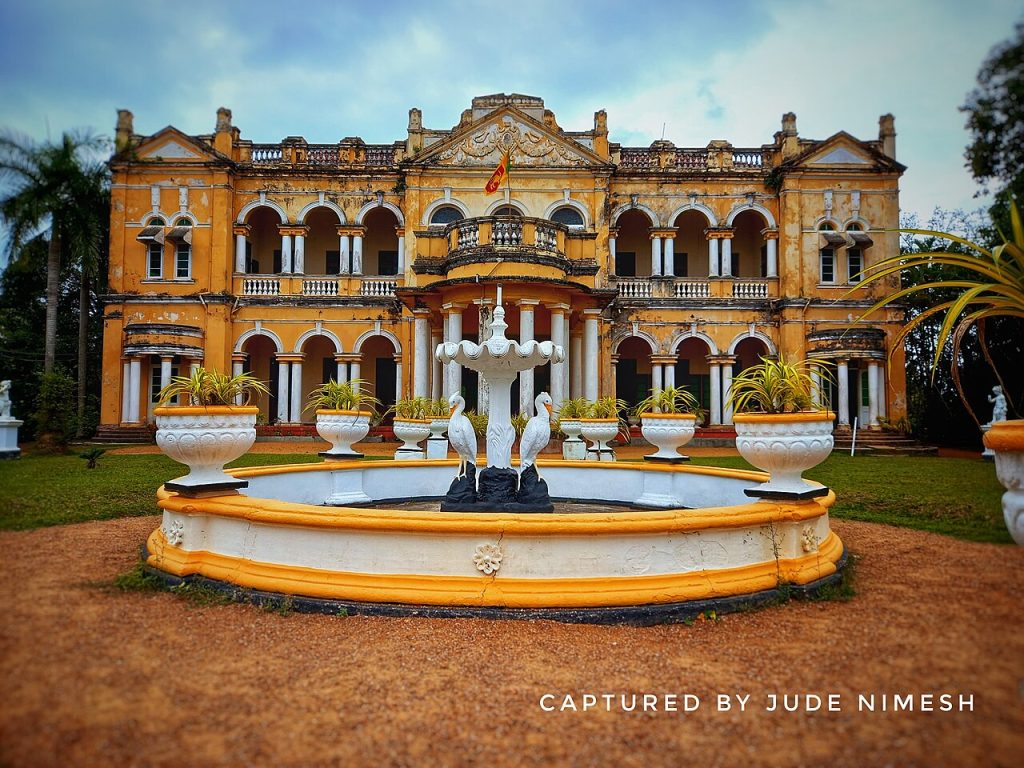
The impressive Richmond Castle is another local sightseeing highlight that dates to the early years of the 1900s. This imposing edifice was constructed by a high-ranking official; this prominent individual chose an Edwardian architectural design for this mansion so that it would look different from the other local structures.

Image by DevilHunter99 via Wikimedia Commons

Explore Brief Garden 

An interesting attraction that is within easy reach of Kalutara is the enchanting Brief Garden in nearby Beruwala. This distinctive garden was created by Bevis Bawa, a noteworthy landscape architect. As you explore this breathtaking creation, you will encounter features like lush tropical flora, secluded nooks, eye-catching sculptures and engrossing architectural elements.

The UAE’s Adventure Capital: Exploring the Mountains, Deserts, and Shores of Ras Al Khaimah

Ras Al Khaimah (RAK) is an extraordinary escape that perfectly blends majestic mountains, golden deserts, and pristine coastlines. This UAE gem promises an unforgettable journey for every visitor seeking both thrilling escapades and serene beauty. Prepare to discover a destination where adventure knows no bounds.

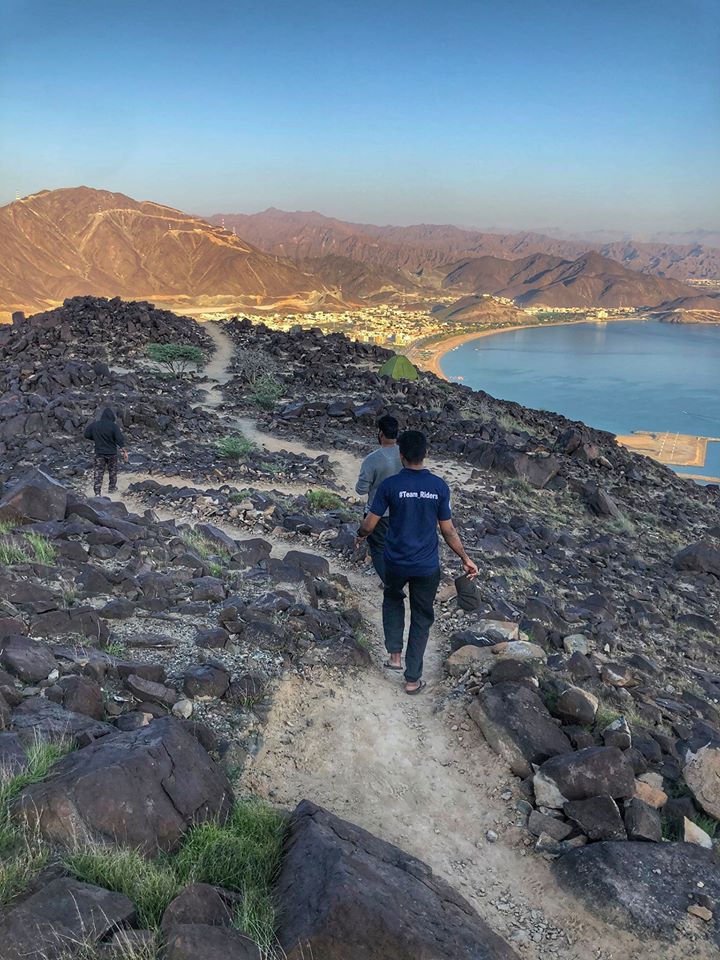
The best Hiking path in UAE
The best Hiking path in UAE | Image via Wikimedia Commons

Thrills on Jebel Jais: Zip-lines, Sky-high Views, and Mountain Adventures

The Hajar Mountains and Jebel Jais, the UAE’s highest peak, are RAK’s adventure playground. Experience the world’s longest zip line, Jais Flight, or challenge yourself on the Jais Ropes Course. Hiking and biking trails offer breathtaking views, making mountain exploration a must-do among the great things to do in Ras Al Khaimah.

Coastal Escapes: Watersports, Resorts, and Tranquil Beach Life

RAK boasts stunning coastlines ideal for relaxation and aquatic fun. Visitors can enjoy kayaking through mangroves or paddleboarding. Luxurious seaside resorts like Anantara Mina Al Ras Al Khaimah provide direct beach access for an idyllic stay.

Desert & History: Exploring Bedouin Culture and the Ancient Dhayah Fort

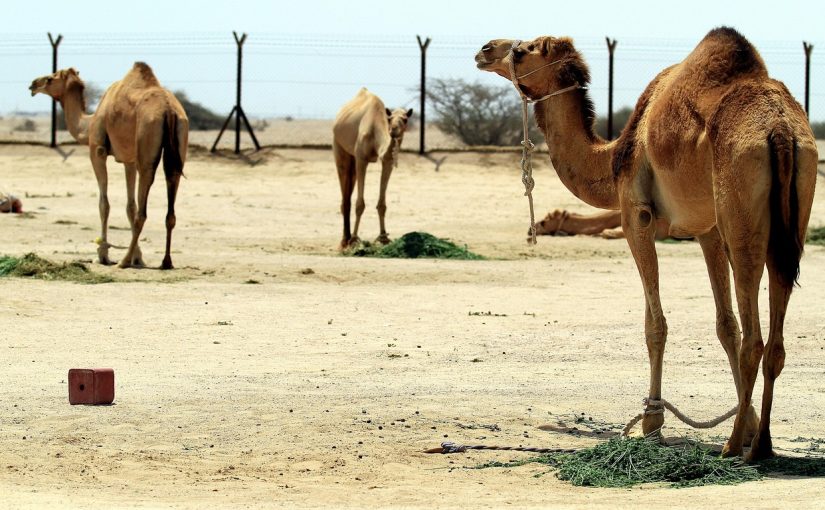
The expansive desert invites exploration through safaris, dune bashing, or camel treks, showcasing timeless Bedouin culture. The emirate’s history comes alive at Dhayah Fort, a 16th-century stronghold offering views of the surrounding palm groves and a glimpse into the past.

Culinary Journeys: From Fine Dining to Local Emirati Flavours

Indulge in the diverse culinary scene, from international fine dining to authentic Emirati restaurants. Explore souks for local delicacies or enjoy a sophisticated meal with a view, perfectly culminating a day filled with exploration and excitement.

Kayaking in Hatta: Paddle Through Nature’s Hidden Oasis

Escape the bustling streets of Dubai for a refreshing day on the water in Hatta. Kayaking here offers a perfect blend of adventure and tranquillity amid breathtaking scenery.

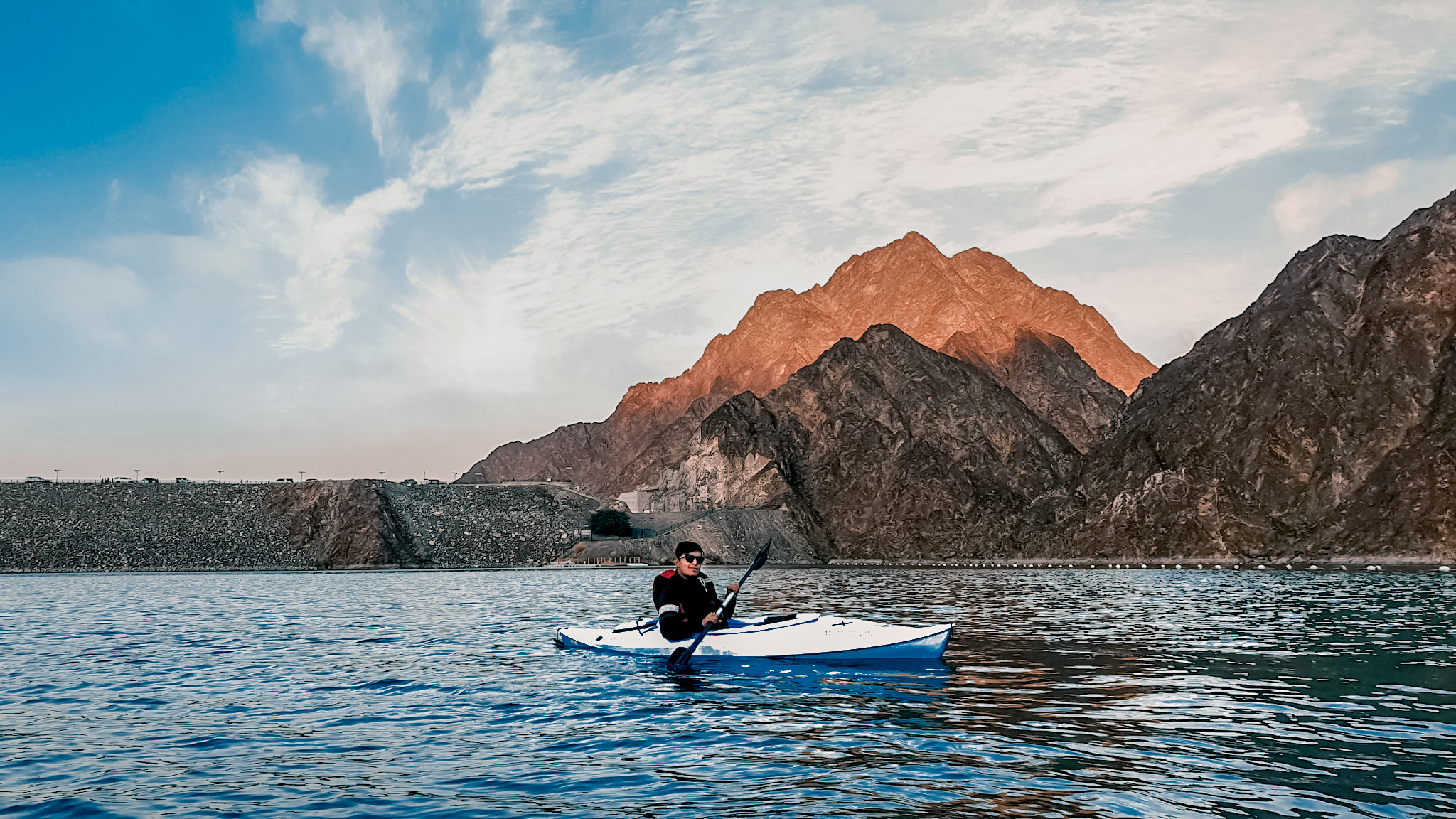
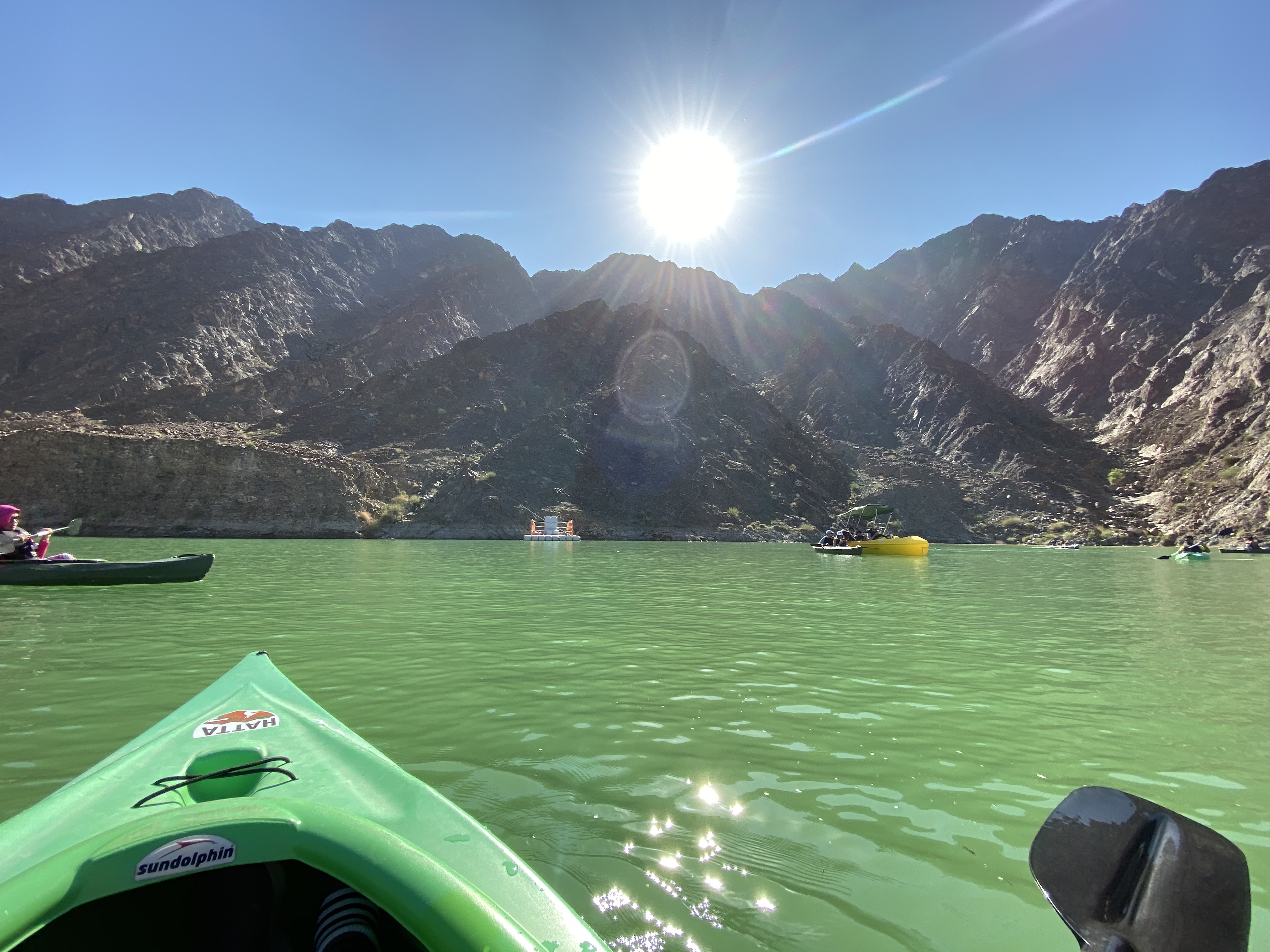
Glimpse of sunlight on Hatta Mountains
Glimpse of sunlight on Hatta Mountains | Image via Wikimedia Commons

Scenic Waterways and Peaceful Surroundings
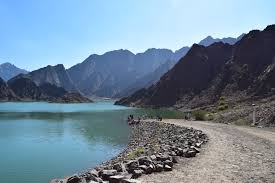
Hatta is renowned for its calm reservoirs and crystal-clear waters, making it ideal for kayaking. Nestled among rugged mountains, the area allows visitors to paddle at their own pace while enjoying panoramic views. Many nearby Hatta resorts provide easy access to these waterways, offering equipment rentals and guided tours for both beginners and experienced paddlers.

Comfortable Stays
After a day on the water, relaxing at the JA Hatta Fort Hotel Dubai is an ideal way to unwind. The hotel offers comfortable rooms, outdoor pools, and scenic views of the surrounding Hajar Mountains. Its on-site dining and spa facilities make it a perfect base for those planning a full day of adventure or a short weekend retreat.

Wildlife and Nature Experiences
Kayaking in Hatta isn’t just about the water; it’s also an opportunity to spot local wildlife. Birds, fish, and even mountain goats can often be seen along the shoreline. The peaceful environment allows paddlers to connect with nature, offering a sense of calm and escape from urban life.

Tips for a Memorable Trip
For the best experience, choose early morning or late afternoon to avoid the midday heat. Bring sunscreen, a hat, and plenty of water, and wear comfortable clothing suitable for paddling. Whether you’re exploring alone, with friends, or with family, Hatta’s waters offer a rejuvenating adventure just a short drive from Dubai.

Uncover Hatta in a Day: Itinerary & Essential Tips

Discover the charm of Hatta in just one day, where rugged mountains meet serene waters. This guide highlights the must-see spots and practical tips for a memorable trip.

Hatta Dam Kayaking
Hatta Dam Kayaking | Image via Wikimedia Commons

Morning Adventure at Hatta Dam

Start your day at the stunning Hatta Dam, where turquoise waters contrast beautifully with the surrounding mountains. The calm setting is perfect for a morning paddle or a relaxed stroll along the water. Kayaking here is a popular activity, and several Hatta resorts nearby provide convenient access for breakfast or a quick coffee before your adventure begins.

Explore Traditional Hatta Village

A short drive from the dam takes you to the historic Hatta Village. Traditional stone houses and narrow lanes create a snapshot of local life, offering a glimpse into the heritage of the region. Staying at the JA Hatta Fort Hotel Dubai allows easy access to this cultural site, while its facilities provide comfort after exploring the village. The hotel also offers local dining experiences, giving visitors a taste of authentic Emirati cuisine.

Trekking the Hajar Mountains

Hatta’s rugged landscape is ideal for a short hike, suitable even for casual walkers. Trails wind through striking rock formations, providing panoramic views of valleys and the Hatta Dam from above. Be sure to wear comfortable shoes, carry water, and take time to pause for photos at lookout points that showcase the region’s dramatic beauty.

Sunset and Relaxation

End your day with a serene sunset at the Hatta Rock Pools, where natural water pools create a tranquil atmosphere. Relax by the water and enjoy the quiet evening light reflecting on the mountains. This spot is perfect for unwinding after a day of exploration, capturing the peaceful essence of Hatta before heading back.

Scuba Diving in the Maldives –  A Simple Primer

Scuba diving in the Maldives is like stepping into an underwater wonderland. Imagine swimming through crystal-clear waters, checking out colourful coral reefs, and hanging out with turtles, manta rays, and even whale sharks. Whether you’re a newbie or a seasoned diver, the Maldives has dive spots for everyone.

Bathala (Maldives)
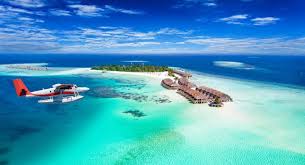
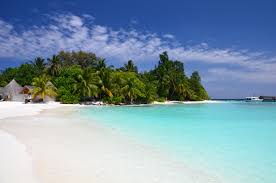
Bathala (Maldives) | Images via Wikimedia Commons

A Short Overview of the Maldives

The Maldives, a stunning archipelago in the southern Indian Ocean, is made up of 1,192 coral islands grouped into 26 natural atolls, stretching roughly 900 kilometres from north to south. The equator passes near the Addu Atoll, dividing the country. While Dhivehi is the official language, English is widely spoken, especially in the tourism sector and places like the Anantara Kihavah Maldives Villas.

The Ideal Time to Visit

From December to April, during the northeast monsoon or dry season, trade winds from India bring mostly sunny, calm weather to the Maldives with very little wind. Ocean visibility can be excellent, reaching up to 50 meters in the eastern atolls and around 25 meters in the western ones. However, water clarity also depends on factors like weather, tides, location, and the season. So, before embarking on some of the most interesting things to do in Maldives, make sure the conditions are right.

Diving Formations

In the Maldives, divers often encounter two unique underwater formations: giris and thilas. A giri, sometimes called a reef tombolo or atoll lagoon, is a mostly submerged coastal landform separate from the island reef, with its top visible from the surface and accessible to divers of all levels. Thilas, on the other hand, are larger coral formations typically found deeper, between 20 to 40 metres below the surface.

Marine Life

The Maldives is world-renowned for its incredible marine life, particularly manta rays and whale sharks. Home to the largest population of reef manta rays (Manta alfredi), estimated between 5,000 and 7,000, the islands also host the occasional giant manta. Alongside them, the Maldives also offers encounters with the gentle giant of the ocean—the whale shark (Rhincodon typus), the largest fish in the world.

Why You Should Pack Your Surfboard for the Maldives – Ride Warm Waves in Paradise

The Maldives is known for calm lagoons, but its surf breaks are just as impressive. With steady swells and warm water, it is one of the easiest places to enjoy a relaxed surfing escape.

World-Class Waves with a Laid-Back Island Feel

Many travellers are surprised to learn that the Maldives offers some of the most consistent waves in the Indian Ocean. Reef breaks in North and South Male Atolls attract surfers who want steady swells and clear conditions. Staying at a Maldives surf resort places you close to well-known spots like Sultan’s and Honky’s, and Anantara Dhigu Maldives Resort sits within reach of surf points ideal for beginners and experienced riders.

Plenty of Surf Spots for Every Skill Level

The Maldives is not only for professionals. Gentle longboarding waves, playful reef breaks and reliable channels make it suitable for surfers who want a comfortable and warm setting to practise. Many resorts offer guided surf sessions and rental gear for guests.

Warm Water and Ideal Weather All Year

One of the best parts about surfing here is the climate. The water stays warm throughout the year, and most sessions can be enjoyed without a wetsuit. The surfing season peaks from April to October, when swells reach the atolls from the south-west.

A Surf Trip That Combines Adventure and Relaxation

Image by Erick Palacio from Pixabay

After surfing, you can return to quiet beaches, soft sand and peaceful lagoons. It is easy to switch from riding waves to snorkelling, dining by the sea or watching the sunset from a hammock. This mixture of calm island life and exciting surf makes the Maldives an appealing destination for both thrill seekers and travellers who want balance in their holiday.

Tips to Experience Qatar Like a Local – Simple ways to see beyond the guidebooks

Qatar rewards travellers who slow down and look closer. By following local rhythms and everyday habits, the country reveals a warmer and more personal side.

Stay close to everyday life, not just landmarks

To experience Qatar properly, choose locations where daily life continues after sunset. Areas near traditional souqs, local cafés, and neighbourhood beaches give you a clearer sense of how people live. Even travellers staying at 5-star hotels in Doha can step outside their comfort zone by exploring nearby streets, bakeries, and evening gathering spots. Early mornings and late evenings are when local life feels most natural.

Eat where families eat

Skip international chains whenever possible and look for small restaurants filled with local families. These places often serve traditional Qatari and Gulf dishes at fair prices. Breakfast cafés, shawarma shops, and seafood grills are part of everyday life. You can ask staff for nearby recommendations, as locals often know the best casual places that do not appear online.

Learn simple cultural habits

Respect goes a long way in Qatar. Dress modestly in public areas, especially markets and cultural sites. Greet people politely and accept hospitality when offered. Visiting a souq in the evening, sipping karak tea, and taking time to talk rather than rush helps you blend in naturally. Fridays are quieter during the day, as families gather and prayer times shape the rhythm of the city.

Explore coastal towns and heritage areas

Image by Vinod Thadhani from Pixabay

Doha is only part of the story. Coastal towns like Al Wakra show a calmer, more traditional side of the country. Walking through restored heritage streets, fishing harbours, and seaside promenades gives context to modern Qatar. For example, Souq Al Wakra Hotel Qatar By Tivoli sits in one such area, where restored architecture and local life exist side by side, making it easier to experience Qatar at a slower pace.