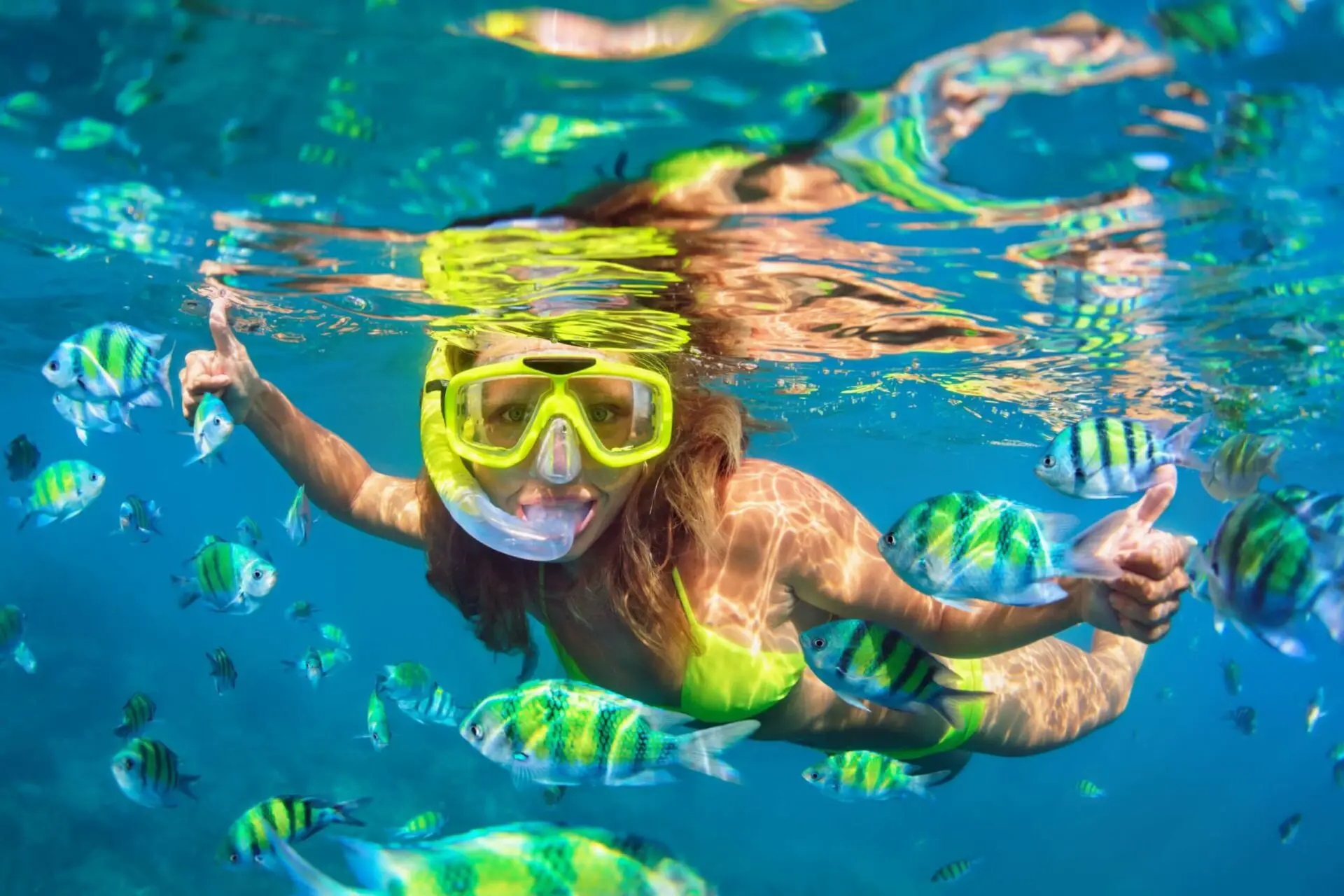
Why Phi Phi Islands Are One of the Best Destinations for Snorkelling, Island Hopping and Scuba Diving?

snorkelling

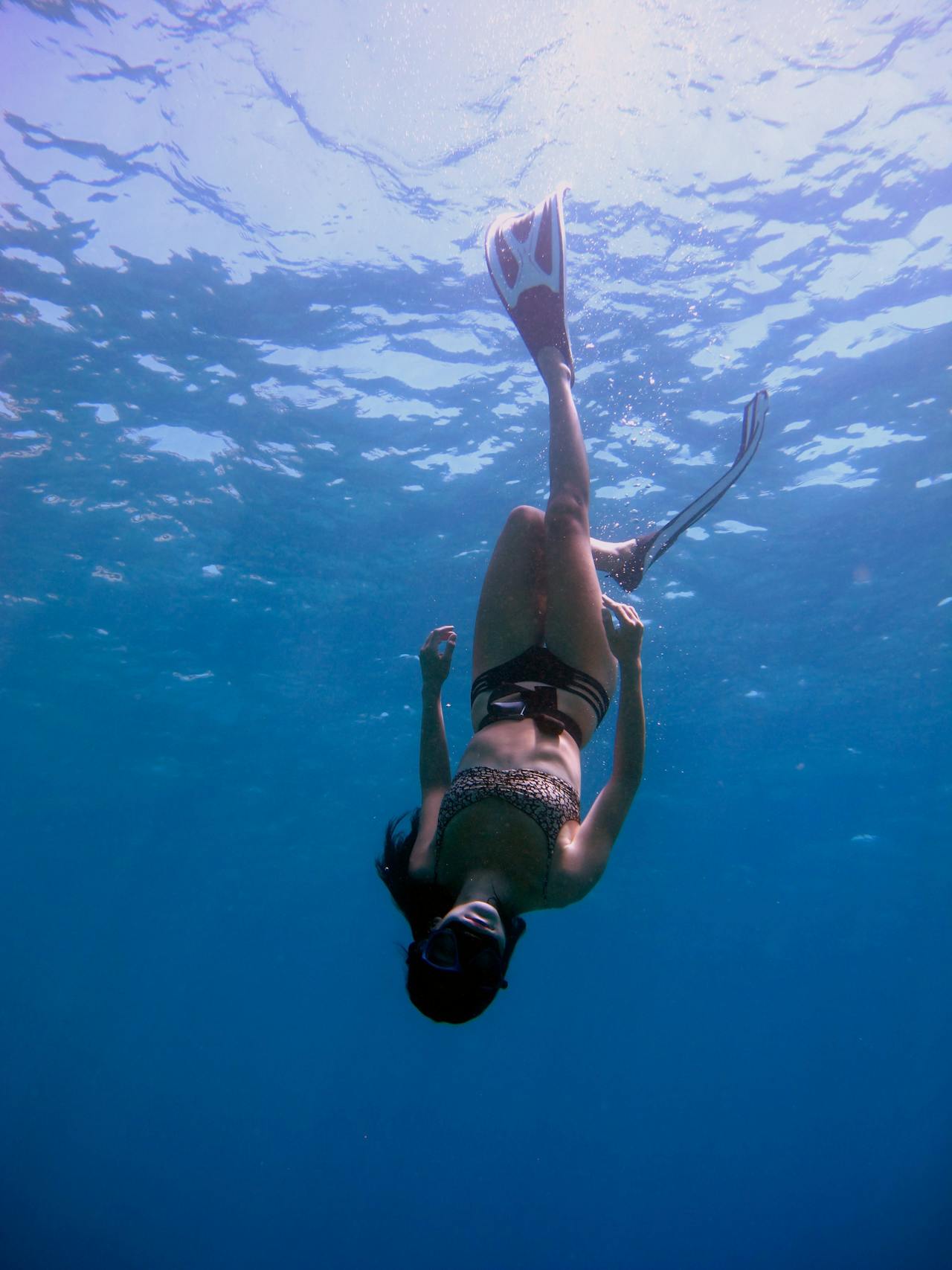
The Phi Phi Islands may be known for their vibrant nightlife and parties, but they’re also one of those rare destinations that offer the island-adventure trifecta – snorkelling, scuba diving and island hopping. Yes, the archipelago offers all three adventures because it’s got the perfect combination of stunning marine ecosystems, ideal year-round conditions, and unique geographical traits. 

These natural attributes, combined with widespread accessibility and convenient facilities, make the Phi Phi Islands a top choice among snorkellers, scuba divers and island adventurers. Here’s more on this stunning group of islands and what makes them a top choice for this trio of adventures. 

An Overview of the Islands

The Phi Phi Islands, or Koh Phi Phi, are 6 islands that make up an archipelago and are found in the Andaman Sea, to the south of Thailand. Koh Phi Phi Don and Koh Phi Phi Le are its two largest islands, with the former being the only inhabited island. The archipelago is abundant in natural beauty – picture-perfect beaches and rock formations, diverse wildlife, and a vibrant culture – and it’s also home to top resorts like SAii Phi Phi Island Village, a winning combination that makes it a popular paradise for tropical getaways. 

Why It’s Great for Snorkelling, Island Hopping & Scuba Diving

So what exactly makes Koh Phi Phi one of the best destinations for snorkelling, island hopping and scuba diving? The following factors line up perfectly to make it a top choice for all three adventures. 

Exceptional Marine Ecosystems

Koh Phi Phi is part of the Hat Noppharat Thara – Mu Koh Phi Phi National Park, which is a protected area that has allowed marine life and ecosystems to flourish in the region. This means that the waters surrounding the islands are teeming with soft, vibrant corals and all kinds of marine species – black-tip reef sharks, sea turtles, clown fish and schools of tropical fish. 

A Unique Geographical Location

There’s never a shortage of places to visit on Koh Phi Phi, whether you opt for snorkelling, diving or island-hopping. The archipelago itself is home to several beaches, bays and dive sites that are teeming with marine life, and island-hoppers can visit each of the islands that make up the archipelago, as each offers a slightly different experience and landscape. Koh Phi Phi is also located halfway between Phuket and Krabi, which makes a perfect mid-point from which to access some of the other famous islands and dive spots, which are a shorter distance away. 

The Visibility is Great

The waters of the Andaman Sea around Koh Phi Phi are known for their excellent horizontal visibility, which reaches 20 to 30 metres during the peak season, and 10 to 20 metres during the low season. So no matter which time of year you decide to visit for snorkelling and diving, you won’t have to venture too far below to catch the details of vibrant fish species and corals. 

It’s a Year-Round Destination

Koh Phi Phi has two distinct seasons: the high season from November to April, when the seas are calmer, and the low season from May to October, when there’s occasional rain and surface conditions. But despite these minor differences, the overall conditions on Koh Phi Phi remain great for underwater adventures throughout the year. The water temperatures consistently stay between 27°C and 30°C, and having just a rash guard is often enough for protection from the sun.

Accessible for Everyone

One of the other great things about the archipelago is that it welcomes both seasoned explorers and beginners. The islands are naturally sheltered by giant limestone cliffs that act as a natural windbreak, which in turn keeps the currents gentle and the water surface flat – ideal ‘classroom’ conditions for beginners to learn the basics. The islands also feature plenty of dive schools that offer guided lessons and PADI certifications, ensuring that first-timers can learn safely and from experienced professionals. 

Best Spots for Adventure

Whichever adventure you opt for, there are plenty of iconic spots for snorkelling, island-hopping and scuba diving around Phi Phi Islands. Here are some of the best spots to visit for each activity.

  • Maya Bay: Recently reopened with strict conservation; famous for its rebounding shark population and coral recovery.
  • Bamboo Island: Offers a flat, shallow reef perfect for beginners and families; the water is strikingly turquoise.
  • Mosquito Island (Koh Yung): Located north of Bamboo Island, this spot is great for snorkelling, though it is best visited during the day to avoid mosquitoes.
  • Monkey Beach: The shallow reefs right next to the beach allow you to walk into the water and start snorkelling immediately.
  • Koh Bida Nok & Koh Bida Nai: these limestone pinnacles feature dramatic underwater landscapes, swim-throughs, blacktip reef sharks, turtles, and large schools of yellow snapper.
  • Kled Gaeow Wreck: This 48-meter naval patrol ship sits around 16–26 meters, covered in soft corals and frequented by large schools of barracuda and lionfish.
  • Phi Phi Shark Point (Hin Bida): A pinnacle situated southeast of Phi Phi Leh known for its leopard sharks, soft corals, and occasional green rays.


References:

https://www.tourismthailand.org/Destinations/Provinces/Ko-Phi-Phi/359

https://www.pocketwanderings.com/phi-phi-island-travel-guide/#:~:text=The%20islands%20offer%20a%20tropical,t%20for%20all%20the%20tourists.

https://traveltheworldpages.com/koh-phi-phi-diving/#What_Makes_Diving_in_Koh_Phi_Phi_So_Special

https://www.blueviewdivers.com/best-time-to-dive-phi-phi/

https://www.phiphi-islands-tours.com/snorkeling/
 

 Nature-Immersive Architecture – the Most Sought-After Luxury Trend of 2026 

Luxury travel in 2026 is being redefined by a powerful trend: nature-immersive architecture. This design philosophy seamlessly blends built environments with the natural world, creating spaces that feel both indulgent and restorative. For corporate leaders, families, and wellness seekers alike, it’s the ultimate way to experience luxury while staying connected to nature.

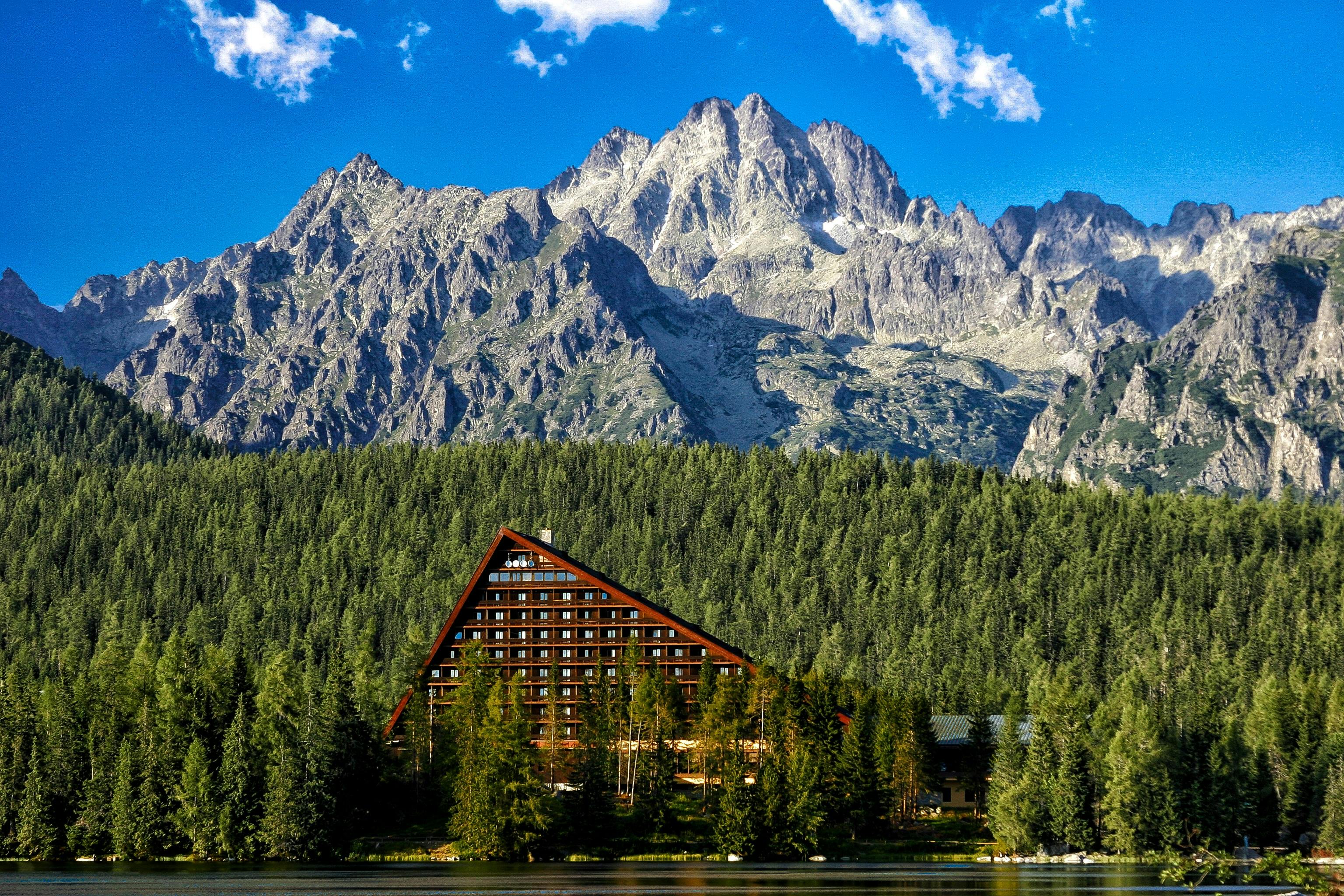
Holiday Resort on Lakeshore | Pexels

Harmony Between Design and Landscape

Nature-immersive architecture prioritises harmony with the environment. Structures are designed to complement landscapes rather than dominate them, using organic materials and open layouts that invite natural light and fresh air. Resorts like Lacol Khaoyai exemplify this approach, offering guests a chance to live within nature without sacrificing comfort.

Sustainability Meets Luxury

Eco-consciousness is no longer optional—it’s essential. These architectural designs incorporate renewable energy, water conservation, and sustainable building practices. Guests enjoy luxury while knowing their stay supports environmental stewardship, making it a guilt-free indulgence.

Elevated Guest Experiences

From infinity pools overlooking forests to villas surrounded by tropical gardens, nature-immersive architecture enhances every moment of a stay. Travellers seeking exclusivity often choose a luxury resort in Khaoyai, where immersive design transforms ordinary vacations into extraordinary experiences.

Wellness Through Connection

The calming effect of nature is amplified when architecture dissolves boundaries between indoors and outdoors. Spaces designed for meditation, yoga, or quiet reflection allow guests to recharge mentally and physically, making these resorts ideal for wellness-focused retreats.

Angkor Thom for Families — Making Temple Visits Easy and Enjoyable

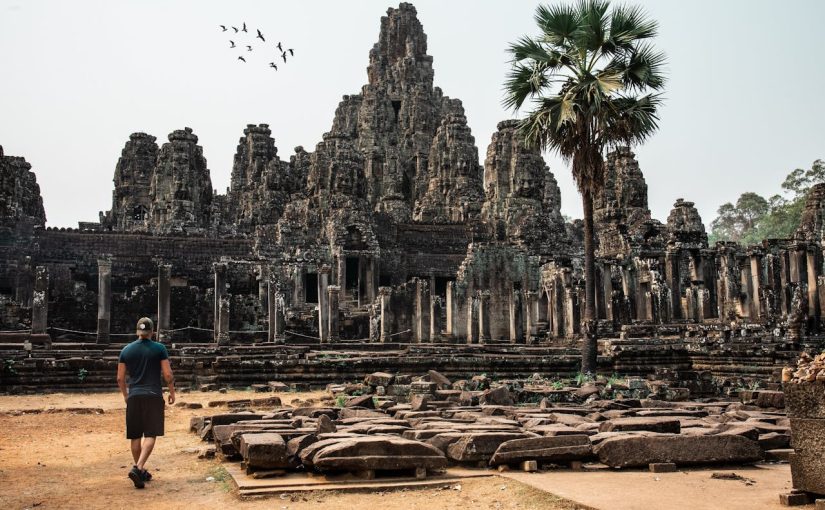
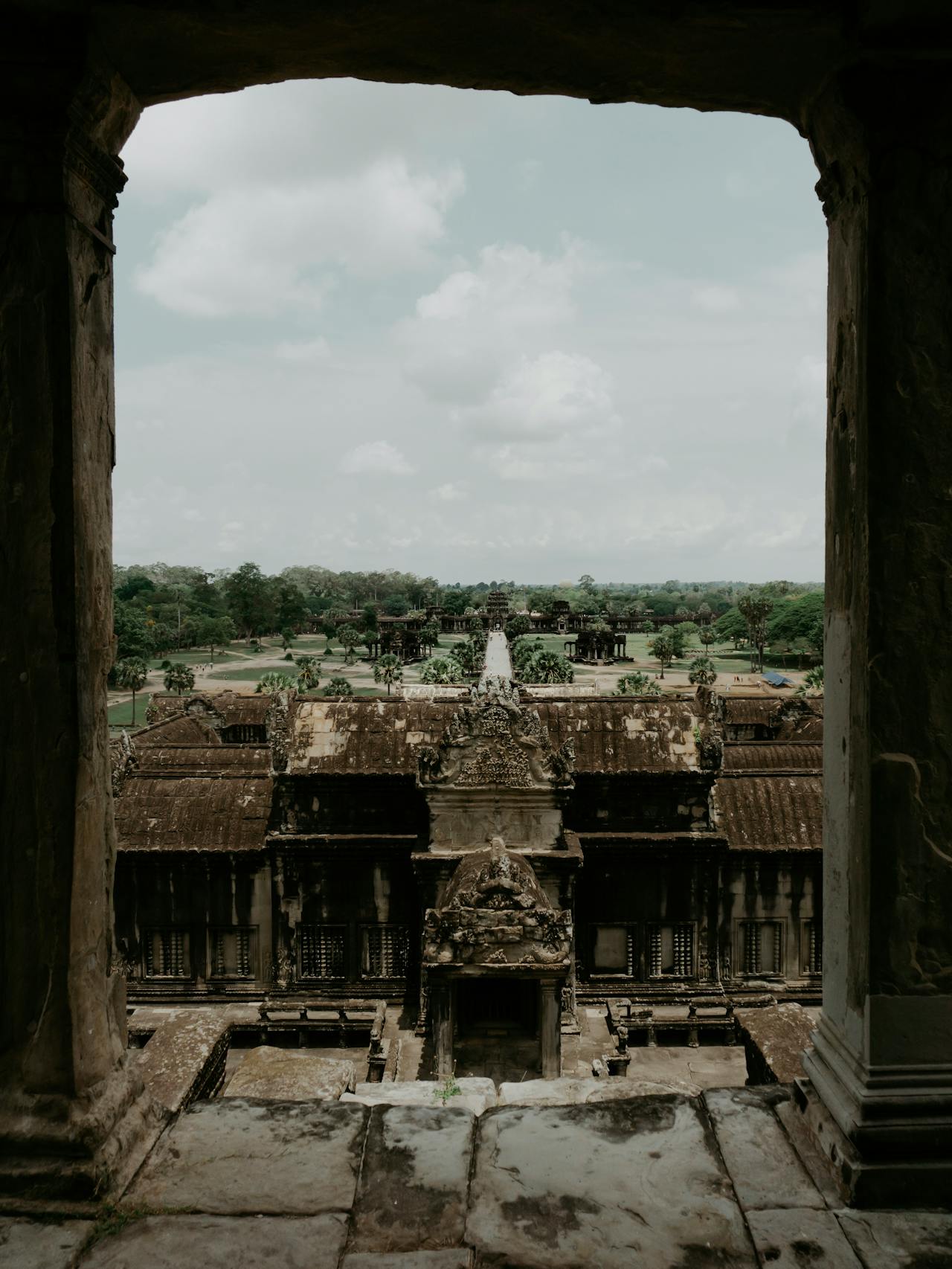
You might think that visiting Angkor Thom with kids is a bit too ambitious, but this ancient walled city is actually one of the most family-friendly archaeological sites you’ll find in Southeast Asia. With its narrow paths to explore and centuries of fascinating stories hidden in every carved wall, it truly captures the imagination of children far more than most people expect.

Start with a Pool and a Plan

It’s really hot in Siem Reap, especially at Angkor, so being able to return to a pool is such a relief. Opting for a hotel in Siem Reap City with a pool means the kids have something to look forward to after a busy morning of sightseeing, which definitely helps keep the whole family in a good mood throughout the day.

Go Early, Go Calm

Get to the temples early, and you’ll find yourself enjoying mostly empty sites before the midday sun starts blazing. Places like FCC Angkor Siem Reap are ideally situated for early risers, so you can easily make your way to the temple complex without any hassle.

Let the Story Lead

Imagine the ancient trees at Ta Prohm, their roots wrapping around the stones, secret rooms just waiting to be found, and beautiful carvings with stories to uncover. If you dive into the history of the Khmer Kingdom together before you go, it turns your visit into a thrilling treasure hunt rather than a boring history lesson, making sure the kids stay genuinely interested.

Break It Up with Adventure

Image by Pexels

Just a short drive from the temples, Angkor Zipline lets families experience the thrill of soaring over the jungle canopy. It’s the perfect midday break that not only excites the kids but also gives parents a chance to unwind for the rest of the day. With a three-day pass, you can take your time and explore at a leisurely pace without feeling rushed.

How Does Oman Balance Adventure and Relaxation?: Your Guide to a Well-Rounded Holiday

Oman does it all. From breathtaking landscapes to a culture enriched by centuries of heritage, the “Pearl of the Gulf” remains one of the most fascinating destinations in the region. if you’re building a balanced bucket-list, here are the best experiences to include for both adventure and leisure – from misty trails to Oman luxury resorts

Salalah During Khareef

From June to September, the Khareef (monsoon season) transforms the southern Dhofar region into a lush, emerald paradise. Rent a 4×4 to navigate the winding “Snake Road” or hike through the misty trails of Wadi Darbat to witness cascading waterfalls.

Hikes Across Jabal Al Akdhar

The “Green Mountain” sits 2,000 metres above sea level, offering a temperate escape. Adventure seekers can tackle hikes through lost villages and rugged wadis, with excursions offered through resorts like Anantara Al Jabal Al Akhdar Resort

The Grandeur of Muscat

The capital city is the bridge between Oman’s rugged history and modern luxury. Relax by strolling the Muttrah Corniche at sunset or marveling at the Sultan Qaboos Grand Mosque’s intricate mosaics and 21-ton hand-knotted carpet.

Coastal Gems Around Sur

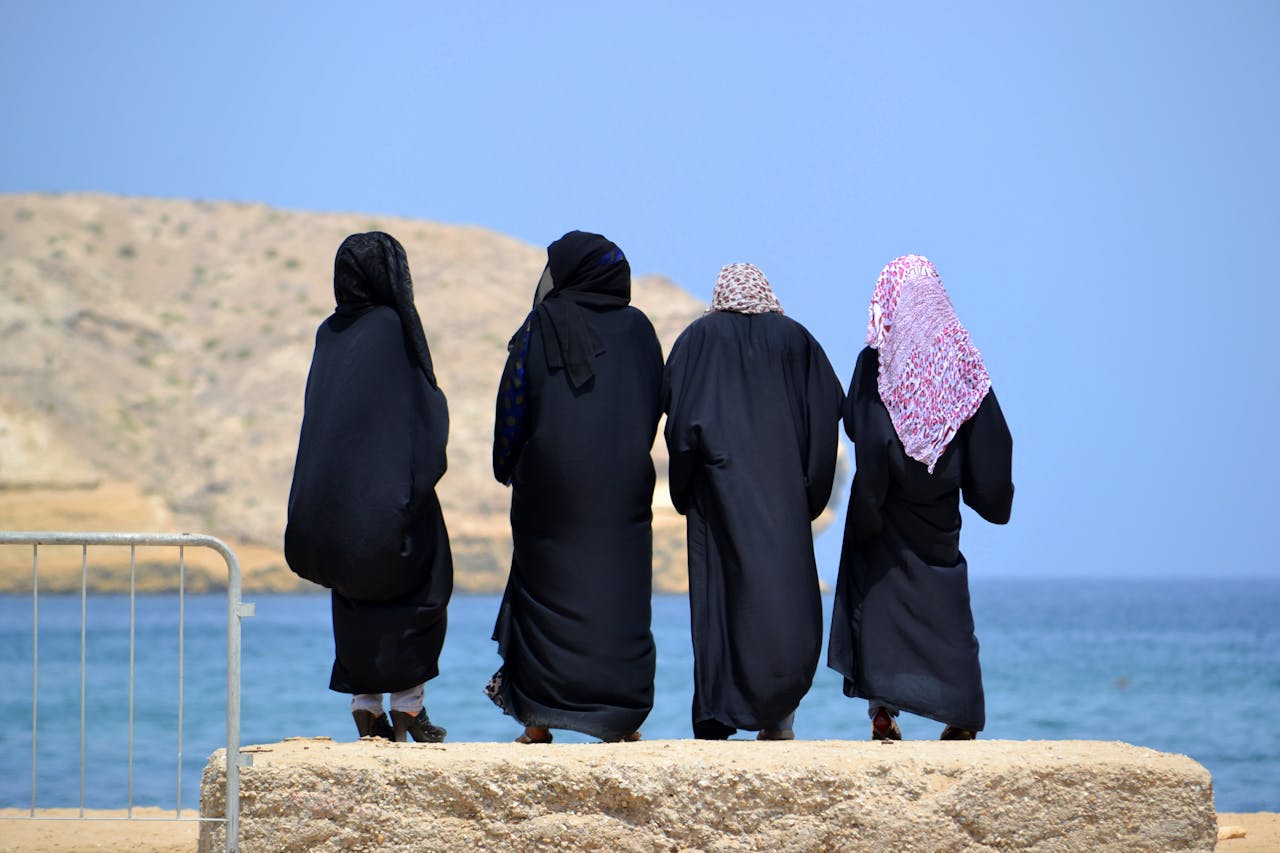
Image by Pexels

In the maritime hub of Sur, adventure means exploring the turquoise pools of Wadi Shab or watching green turtles nest at the Ras Al Jinz reserve. For a relaxing finish, visit a traditional dhow shipyard where craftsmen still build wooden ships by hand, or spend a quiet afternoon on the white sands of Tiwi Beach, where the desert mountains meet the Arabian Sea.

A Curated Guide to the Best Adventure Experiences in Hatta – Mountain escapes and outdoor thrills

Just a short drive from Dubai, Hatta offers a refreshing escape filled with outdoor adventure and dramatic mountain scenery. From calm waters to rugged trails, this guide highlights experiences that bring out the adventurous side of the region.

Kayaking Across the Calm Waters of Hatta Dam

One of the most recognisable adventure activities in the region is kayaking on Hatta Dam. Surrounded by the Hajar Mountains, the turquoise water creates a striking contrast against the rocky landscape. Visitors can rent kayaks and paddle slowly through narrow channels while enjoying quiet views of the mountains. The activity suits both beginners and experienced paddlers, making it an easy way to explore the natural side of Hatta. Many travellers also combine this experience with a stay at a Hatta resort in Dubai, which places them close to several outdoor activities in the area.

Mountain Biking Trails for Every Skill Level

Hatta has become one of the UAE’s most popular destinations for mountain biking. The Hatta Mountain Bike Trail Centre offers more than 50 kilometres of marked trails that range from beginner-friendly routes to technical downhill paths. Riders move through desert terrain, rocky slopes, and open valleys while taking in wide mountain views. Bikes can be rented on site, which makes the activity accessible even for first-time visitors. Many travellers base themselves at JA Hatta Fort Hotel Dubai, as the property sits near the mountains and provides convenient access to the cycling routes.

Hiking Routes Through the Hajar Mountains

For travellers who prefer exploring on foot, Hatta offers several hiking routes that reveal a quieter side of the mountains. Trails wind through dry riverbeds, rocky ridges, and natural viewpoints overlooking the valley. Early morning walks are especially popular because the weather is cooler and the lighting across the mountains is softer. Hikers often encounter small desert plants and occasional wildlife along the paths. The variety of routes means both casual walkers and experienced hikers can find a trail that suits their pace.

Off-Road Adventures Across Desert Landscapes

image by Pexels

Beyond the mountains, Hatta also offers exciting off-road experiences. Guided 4×4 drives take visitors across rugged desert terrain and through traditional villages that highlight the region’s heritage. Some tours include stops at historic watchtowers and scenic viewpoints overlooking the surrounding valleys. The journey itself is part of the experience, with winding mountain roads and open desert landscapes creating a sense of adventure. For travellers looking to see more of Hatta beyond the main attractions, these drives provide a memorable way to explore the wider region.

Life on Water — Exploring Mechrey Floating Village in Cambodia

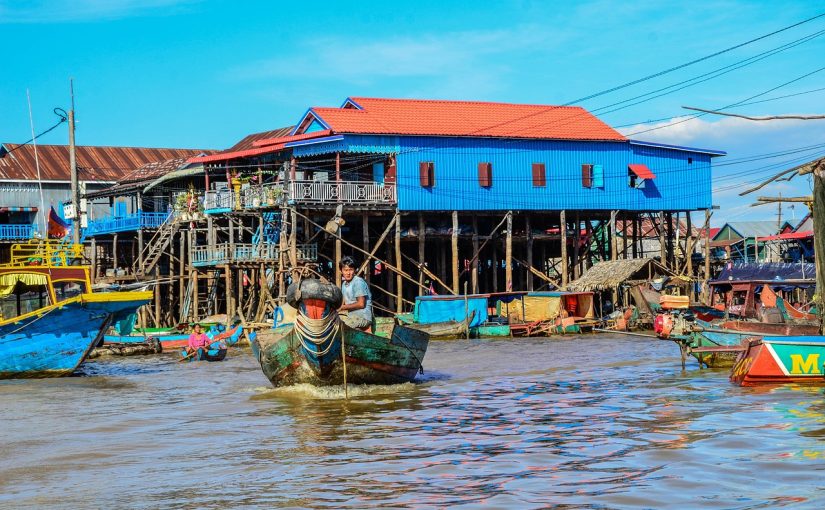
Cambodia is a country full of surprises, and you can really feel that magic on the sparkling waters of the Tonlé Sap. A brief drive from Siem Reap brings you to Mechrey Floating Village, where the residents have crafted a life on the lake, turning it into their home, their work, and a piece of their history.

A Village That Thrives

Mechrey isn’t merely a tourist destination trying to catch your eye; it’s a thriving community that pulses with life. The Khmer people here have embraced an aquatic way of life, and the clever designs of their floating homes tell a powerful story of resilience that has been passed down through generations.

Farms, Fish, and Fascinating Wildlife

Among the many things to do in Siem Reap, a boat tour through Mechrey stands out as one of the most fulfilling experiences. You can meander through colourful lotus farms, bustling duck farms, and intriguing crocodile enclosures, each offering a unique insight into the local farming practices.

Culture Served on a Platter

If you find yourself at a hotel in Siem Reap, like the Anantara Angkor Resort, you can easily set up a half-day trip to Mechrey and still make it back in time to catch a beautiful sunset. While you’re out on the water, adventurous souls can try deep-fried crickets, all while discovering how Khmer culinary traditions have made the most of the land’s plentiful resources.

Birdwatchers’ Paradise

Image by Jill Wellington from Pixabay

As boats glide through the village, the lake turns into a birdwatcher’s dream. Herons, kingfishers, and some rare migratory species can be seen along the waterways, making Mechrey a tranquil spot for those who cherish the easygoing rhythms of nature.

Beyond the Tourist Trail: How to Find a Deeper Cultural Connection on the Mekong River

The Mekong River serves as the lifeblood of Southeast Asia, a complex hydrological artery sustaining millions through agriculture, spirituality, and trade. To move beyond superficial tourism, travellers must adopt an ethnographic perspective, seeking the nuanced rhythms of the river’s riparian communities.

Navigating the Tributary Networks

Authentic immersion begins where the main shipping lanes end. While large-scale vessels offer convenience, a Mekong private tour provides the agility required to penetrate the delta’s intricate “arroyos”. These smaller craft allow for spontaneous stops at stilt-house villages, where the economy remains tied to seasonal flooding and artisanal fishing rather than souvenir sales.

Curated Cultural Architecture

Selecting a vessel that prioritises heritage over high-volume transit is essential for a sophisticated journey. For instance, operators like Mekong Kingdoms design their vessels to mirror local aesthetics, providing a floating platform for high-level cultural exchange. This approach ensures that your presence supports the preservation of regional art and architecture rather than its dilution.

The Ephemeral Floating Markets

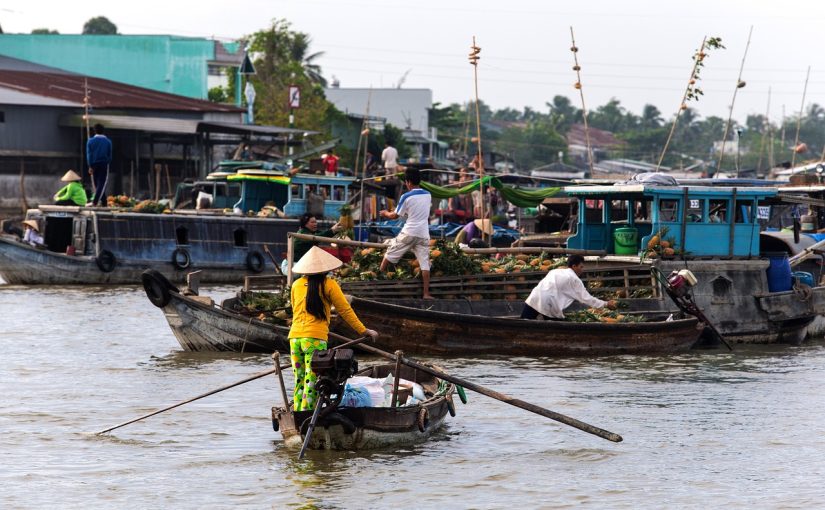
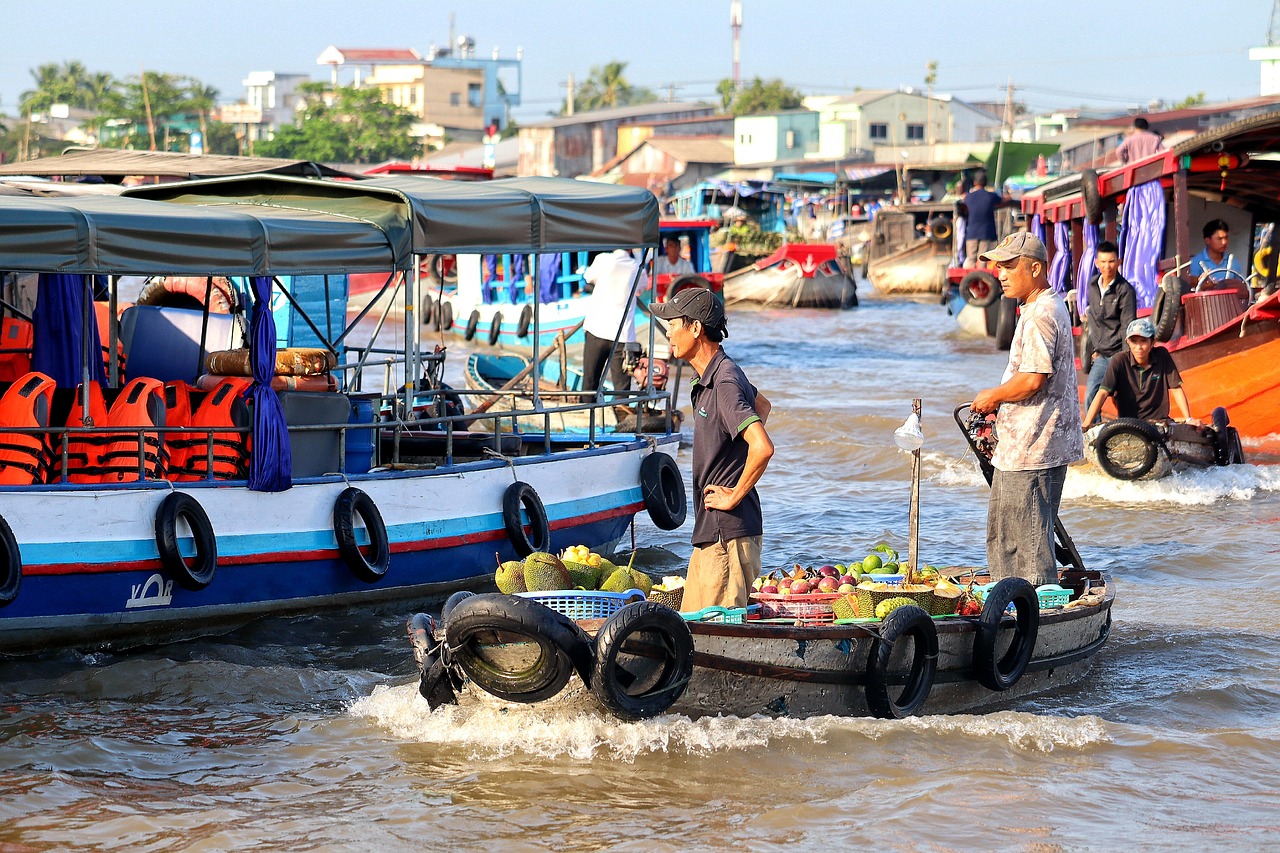
The floating markets of the Mekong are not merely spectacles but vital commercial hubs. Observing the “cay beo”, bamboo poles displaying the day’s produce, reveals a sophisticated system of non-verbal trade. Engaging with these markets at dawn offers a raw look at the region’s agricultural wealth and the resilience of its water-borne merchants.

Image by Thomas G. from Pixabay

Rituals of the Riparian Landscape

Deep connection is often found in the silence of the river’s spiritual geography. Whether observing the meditative “Tak Bat” (alms-giving) in Luang Prabang or visiting centuries-old brick kilns in Vinh Long, these encounters demand a slow pace. By honouring the river’s natural tempo, the traveller shifts from a passive observer to a witness of a living history.

How Long You Should Stay in Tangalle: Timing That Suits You Best

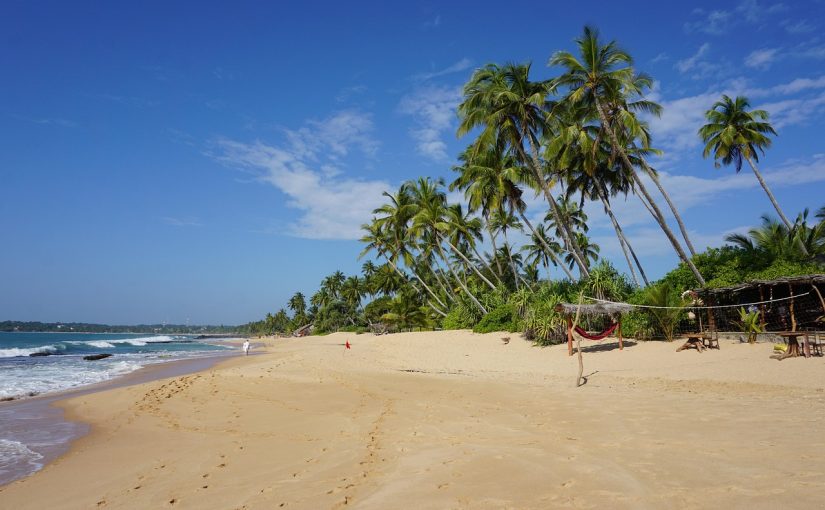
Tangalle offers the perfect escape for those looking for a quiet seaside vacation along Sri Lanka’s southern coast, away from nearby bustling hubs like Unawatuna and Mirissa. But for how long should you stay to enjoy this idyllic paradise? That depends on what kind of experience you’re after.

2 to 3 Days for a Short Stay

If you’re on a tight itinerary, 2-3 days is enough time to see the essentials. You can lounge on Goyambokka Beach and witness turtle nesting at Rekawa. You can also visit to the Mulkirigala Rock Temple or the Hummanaya Blowhole, courtesy of hotels like Anantara Peace Haven Tangalle Resort

4 to 5 Days for Slow Exploration

If you’re looking to capture the town’s true spirit, you’ll need 4-5 days. This gives you enough time to explore hidden gems like Silent Beach, enjoy kayaking at Kalametiya Bird Sanctuary, and embark on a safari to Udawalawe National Park, one of the best Tangalle experiences.

7+ Days for Wellness & Seclusion

Staying for a week or more is perfect if your goal is to leave Tangalle fully rejuvenated. The town is famous for its Ayurvedic retreats and yoga programmes, and you’ll be able to slow down, disconnect and truly rediscover your inner balance.

The Best Time to Visit

Image by Pexels from Pixabay

However long you decide to stay, aim for the dry season between December and April to get the most out of your visit. This is when the turquoise waters are calmest, and the weather is perfect for exploration and wellness.

Beneath The Great Blue: The Best Places In The Maldives To Discover

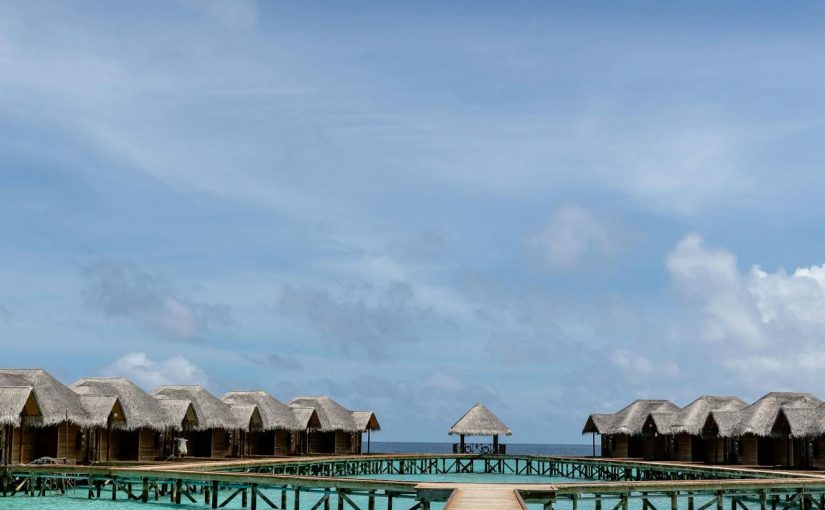
Beneath the Maldives’ sparkling turquoise waters is an underwater playground that’s impossible to resist. Snorkelers and divers alike can explore colourful coral gardens, swim alongside playful reef fish, and even spot majestic manta rays or gentle whale sharks.

Vaavu Atoll

Vaavu Atoll is a quieter corner of the Maldives that’s home to some of the country’s most spectacular dive sites, celebrated for its dramatic underwater landscapes and vibrant marine life. Highlights include Fotteyo Kandu, famous for its underwater canyons, overhangs, and sightings of sharks and large pelagic fish, and Rakeedhoo Corner, a top spot for drift diving where you can encounter rays, sharks, and massive schools of fish.

The North Male Atoll

North Male Atoll is one of the Maldives’ most popular diving destinations, celebrated for its rich marine life and breathtaking underwater scenery. Top sites include Shark Reef, where divers can come face-to-face with gray reef sharks, whitetip reef sharks, and other species, and Fish Head, famous for its huge schools of fish and occasional sightings of pelagic species like tuna and barracuda.

Image by pexels

Baa Atoll

Baa Atoll, a UNESCO Biosphere Reserve, is a top spot in the Maldives for snorkelling and diving, celebrated for its vibrant marine life and pristine coral reefs. Highlights include Hanifaru Bay, famous for its seasonal gatherings of manta rays, as well as sightings of whale sharks and colourful reef fish, and Dharavandhoo, known for its lively coral gardens and encounters with sea turtles and tropical fish. This atoll is also the Maldives’ most famous – many Maldives all-inclusive resorts, including the likes of Nova Maldives, offer packages and deals relating to dives here.


South Ari Atoll

South Ari Atoll is famous for its exceptional diving, especially for those hoping to encounter whale sharks. Maamigili Reef is a standout, offering year-round opportunities to swim alongside these gentle giants, while Kudarah Thila impresses with its vibrant coral-covered pinnacle and diverse marine life.

Palm Jumeirah Bucket List: Experiences You Can’t Miss

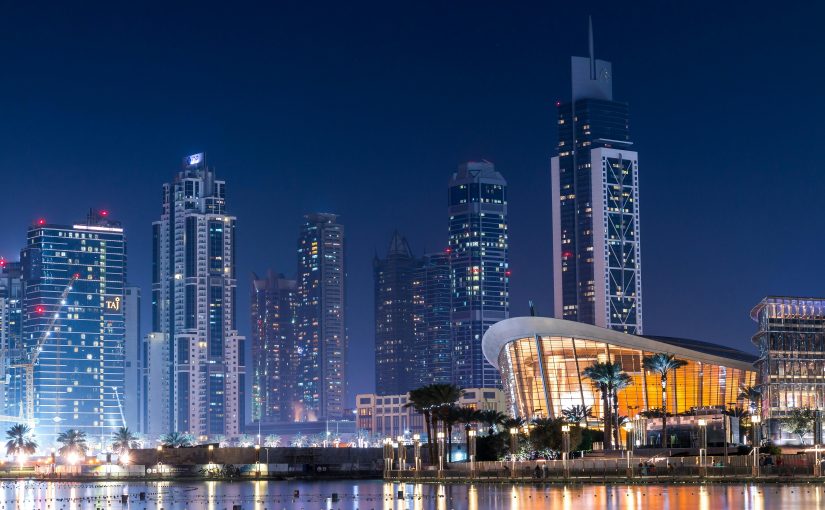
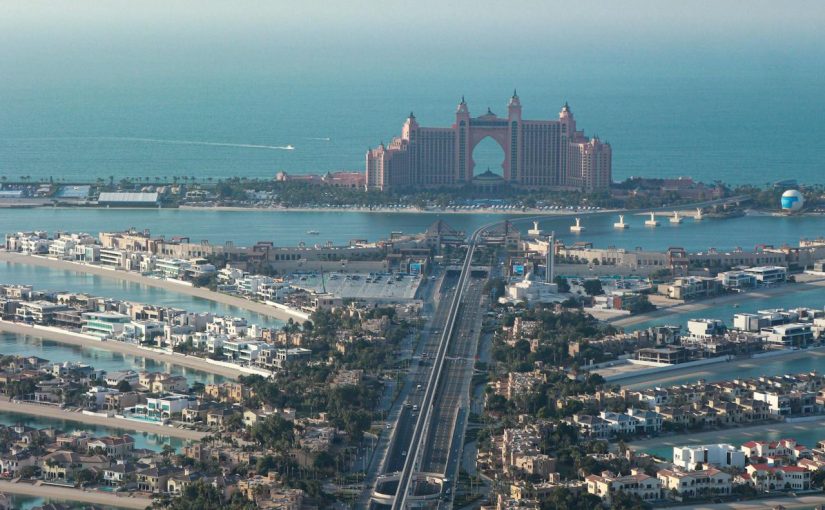
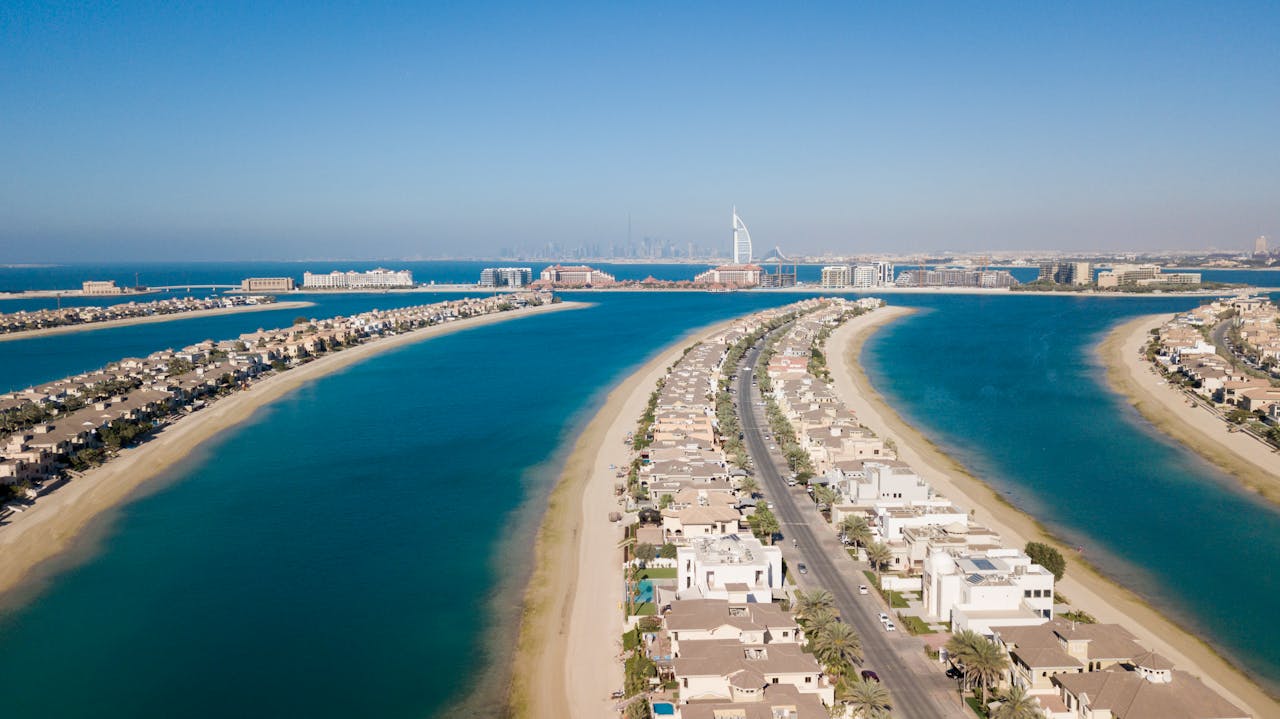
Palm Jumeirah is one of Dubai’s best-known landmarks — a man-made island shaped like a palm tree that’s become synonymous with luxury and waterfront living. It mixes relaxed beach time with high-end entertainment and fantastic views of the Arabian Gulf, so whether you’re after downtime or excitement, you’ll find something to suit your mood. Here are some highlights to put on your itinerary.

See the island from The View at The Palm

To really grasp the scale and shape of Palm Jumeirah, head up to The View at The Palm on the 52nd floor of The Palm Tower. The observation deck gives sweeping panoramas of the island, the Dubai skyline and the sea beyond. It is one of the best things to see and do in Dubai.

Enjoy private beaches

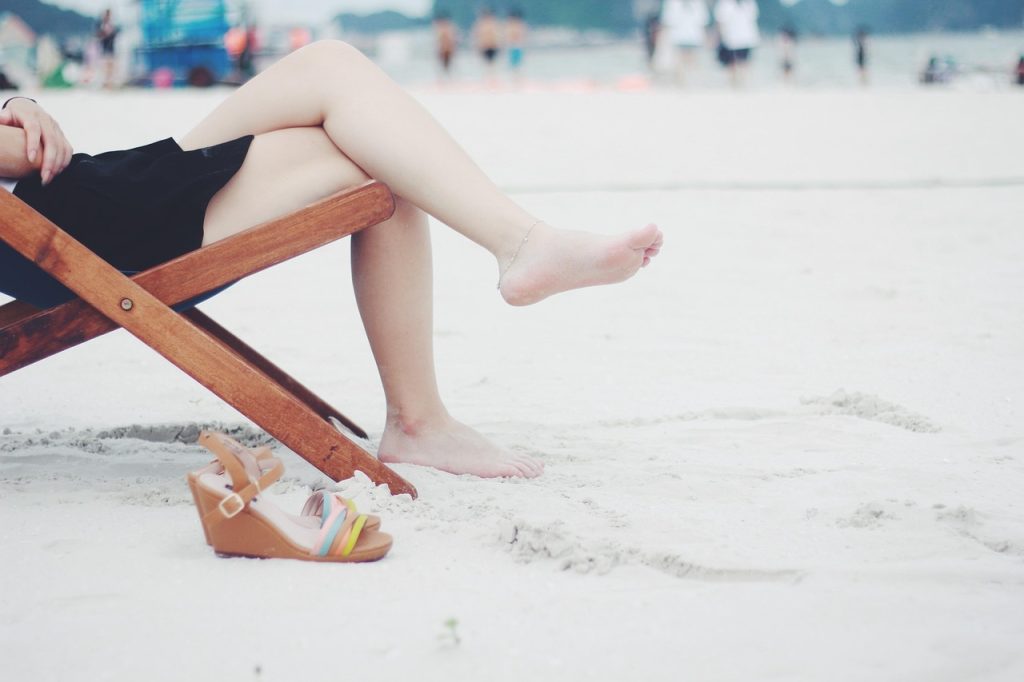
Many of these luxury hotels have their own private beaches where you can relax in peace and tranquillity, away from the crowds. The sand is soft, and the sea is crystal clear, making it perfect for some sunbathing, swimming, and even trying your hand at paddleboarding. There are also beach clubs and cafes in the area where you can spend a leisurely day by the sea.

Stay at a luxury island resort

For a full-on indulgent experience, book a stay at one of Palm Jumeirah’s beachfront resorts. Properties like Anantara The Palm Dubai Resort offer overwater villas, spa treatments and private lagoons — a tropical-feel escape without leaving the city. Staying on the island also puts you minutes from Dubai’s main sights while giving you a peaceful base to return to.

Image by Pexels

Dine and unwind at world-class restaurants and beach clubs

Palm Jumeirah is home to a wide range of dining options, from casual seaside cafés to upscale restaurants led by internationally known chefs. Beach clubs add lively daytime and evening scenes with music, pools and ocean views, so meals and nights out here often feel a bit more special thanks to the setting.