Maldives History, Language and Culture 

The Maldives, a tropical paradise nestled in the Indian Ocean, boasts a fascinating history, a diverse linguistic landscape, and a vibrant cultural tapestry. Delve into the past, embrace the melodic languages, and immerse yourself in the enchanting customs that make the Maldives a captivating destination.

Historical Significance

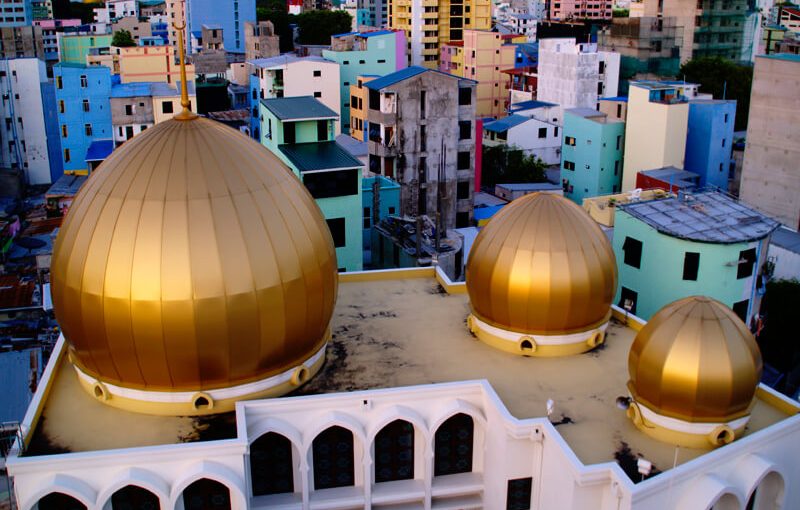
Unearth the ancient roots of the Maldives and discover the historical landmarks that bear witness to its intriguing past, including the majestic Hukuru Miskiy mosque and the Malé Friday Mosque, which date back centuries and showcase exquisite craftsmanship.

Dhivehi Language

Dive into the rhythmic sounds and melodic tones of the Dhivehi language, the native tongue of the Maldives. Learn common phrases, uncover the linguistic nuances, and connect with the local people on a deeper level as you embrace their language.

Cultural Traditions
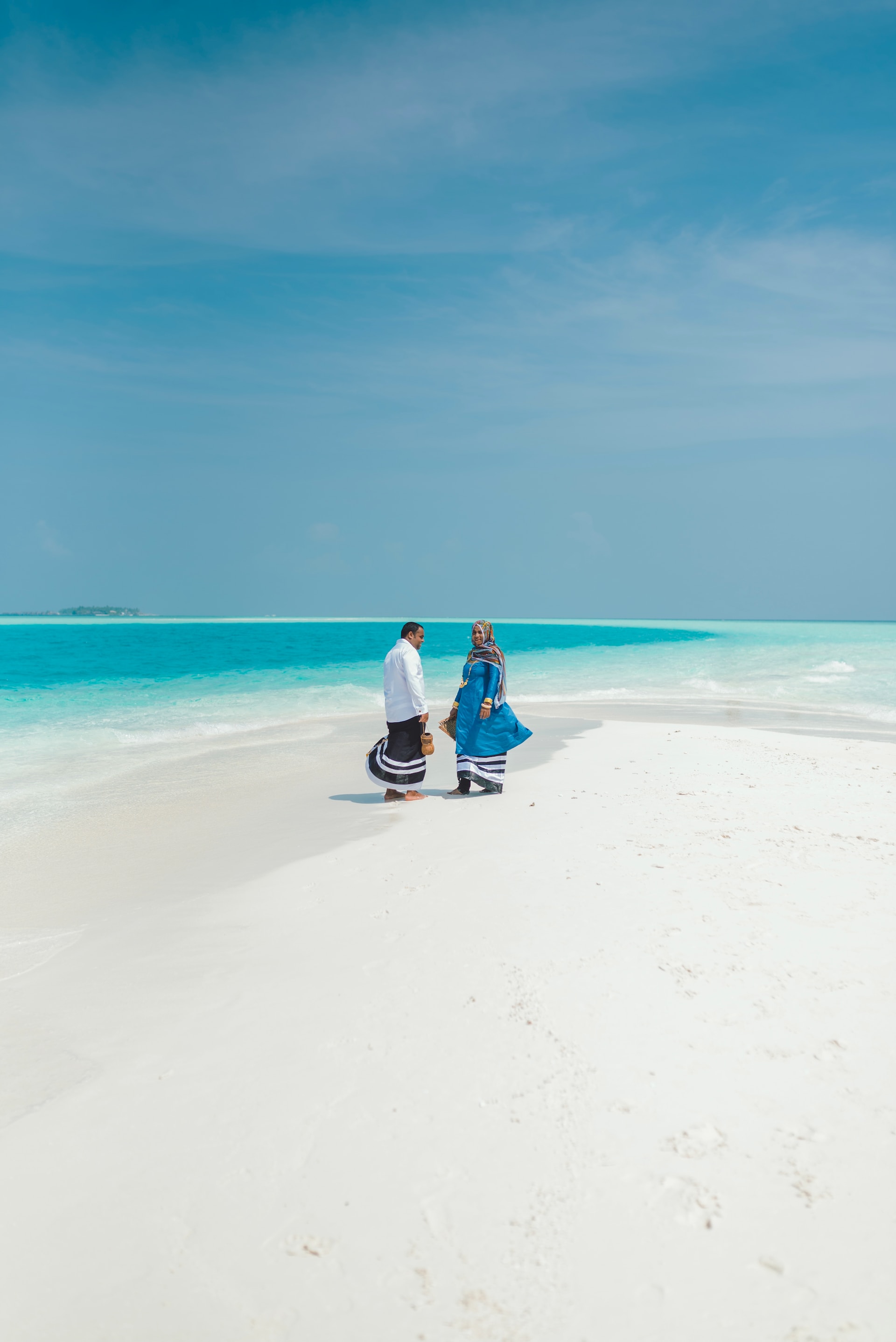
Maldivian people
Maldivian people – Photo by Imleedh Ali on Unsplash

Immerse yourself in the vibrant cultural traditions of the Maldives, from the traditional dance form of Bodu Beru to the colourful festivals that showcase the rich heritage and values of the Maldivian people. Experience the warmth of their hospitality, for instance, at Maldives 5-star Resorts the likes of The Residence Maldives, and engage with their customs to truly appreciate their unique way of life.

Art and Craftsmanship

Explore the artistic endeavours of the Maldivian people, from intricate lacquer work and woven mats to traditional boat-building techniques. Witness the skill and creativity that is embedded in their craftsmanship, showcasing their deep connection to their cultural roots.
Why Your Next Family Holiday Should Be in the Maldives

If you think the perfect family holiday destination does not exist, then you have not been to the Maldives yet! Here are some reasons why families all over the world love coming here on their vacations.

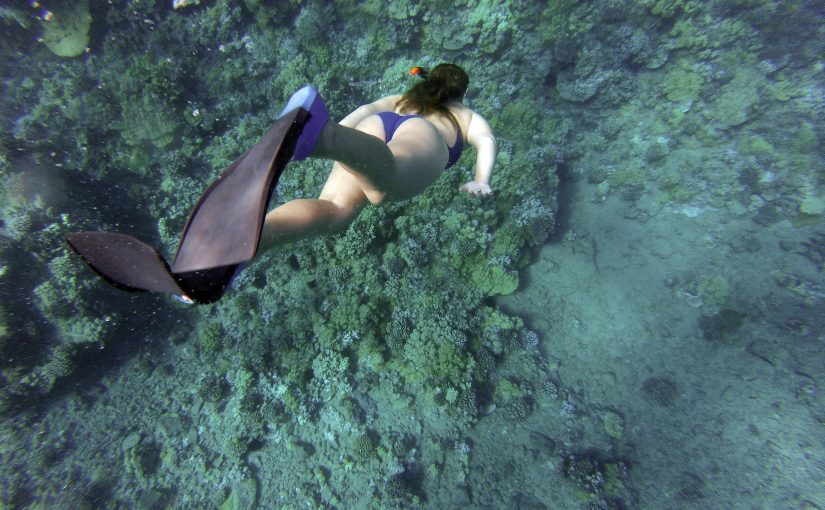
underwater-world-marine-life | img via wallpaper flare

Private Island Getaways

Your family members will love the chance to spend time on an enchanting private island resort in the North Male Atoll which can be quickly reached by speedboat from the airport. Ideal options include Grand Park Kodhipparu, Maldives by the Park Hotel Group; here, you can stay at a luxurious beach pool villa with direct access to the shore or a pool water villa from where you can snorkel in the lagoon or ocean below. Such resorts also feature a kids’ club with fun activities and games, a beach club with a daily recreational programme, dining options with a kids’ menu and exciting family adventures.

Stunning Marine Life

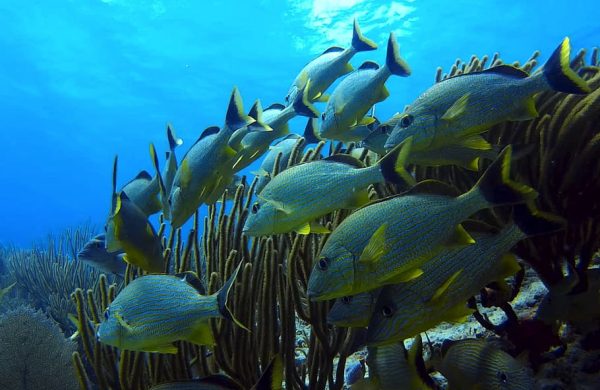
The Indian Ocean that surrounds the islands are home to a mesmerising array of marine life and the great thing is, they are easy to encounter. One of the best things to do in Maldives for families is to go snorkelling or join a guided house reef snorkelling session with a resort’s marine biologist who will help you identify colourful reef fish and more. Some properties will offer snorkel safaris to spot specific marine life like turtles, and depending on the age of your children, you can introduce them to the joy of scuba diving too.

Fun Things to Do

There’s never a dull moment in the Maldives with a diverse range of activities for young and old alike. The ideal choice would be to stay at a family-friendly resort that has a marine sports centre, offering specific water sports like jet-skiing and diving for kids. Of course, kayaking, and stand-up paddling can be enjoyed too, while you can also go on dolphin-watching excursions to spot these playful marine mammals. Some resorts offer special family packages as well which can include speedboat trips, snorkelling, a visit to a secluded sandbank, fun tube rides and more.

A Year-Round Destination

The Maldives is a great place to visit year-round, making it a perfect choice be it for a summer escape or to spend colder seasons in a tropical paradise! You can expect around eight hours of heavenly sunshine each day, while the temperature of the water barely drops below 25°C, making it ideal for underwater escapades. Generally, November to April is considered the best period to visit with divine sunshine and calm waters; that said, the rest of the year offers plenty to experience as well.

A Solo Traveller’s Guide to Bintan Indonesia

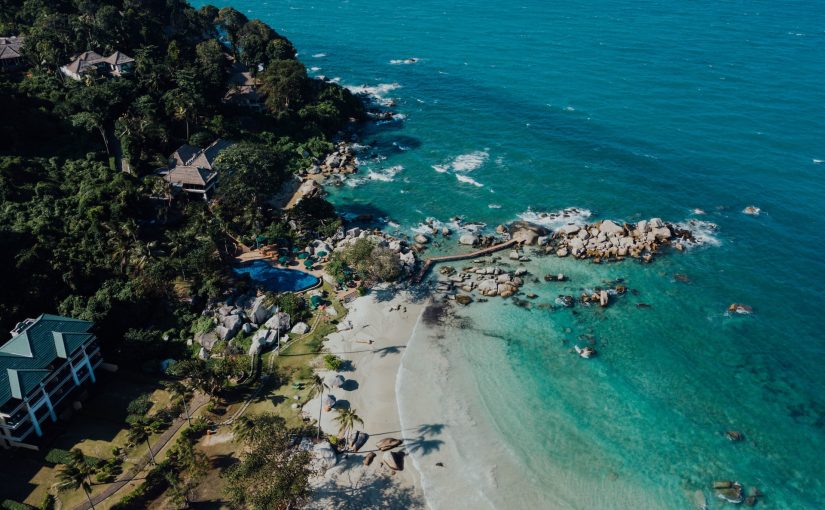
Bintan Island is a hidden gem located in the Riau Islands Province of Indonesia. With its pristine beaches, crystal-clear waters, and lush forests, it’s an ideal destination for solo travellers seeking adventure and relaxation. Here’s a guide to help you make the most of your solo visit to Bintan Island.

Exploring Bintan Island

Bintan Island is home to numerous attractions, including the Pasar Oleh Oleh Bintan market where you can buy souvenirs and the Bintan Mangrove Discovery Tour where you can explore the island’s mangrove forests by boat. In addition to these, the island also boasts several historical sites like the Banyan Tree Temple and the Trikora Beach War Memorial.

Getting Around Bintan Island

There are several ways to get around Bintan Island, including renting a car, hiring a taxi, or taking a shuttle bus. For those who prefer a more adventurous mode of transportation, renting a motorbike or bicycle is also an option. Additionally, some resorts offer transportation services to and from the ferry terminal, making it easy for travellers to get to their accommodation.

Outdoor Activities

Bintan Island is a paradise for outdoor enthusiasts. Visitors can go hiking, biking, or kayaking through the island’s lush forests and rugged terrain. The island’s beaches are also perfect for water sports like surfing, stand-up paddleboarding, and jet skiing. For a more relaxing activity, visitors can try fishing, yoga, or meditation.

Food and Nightlife

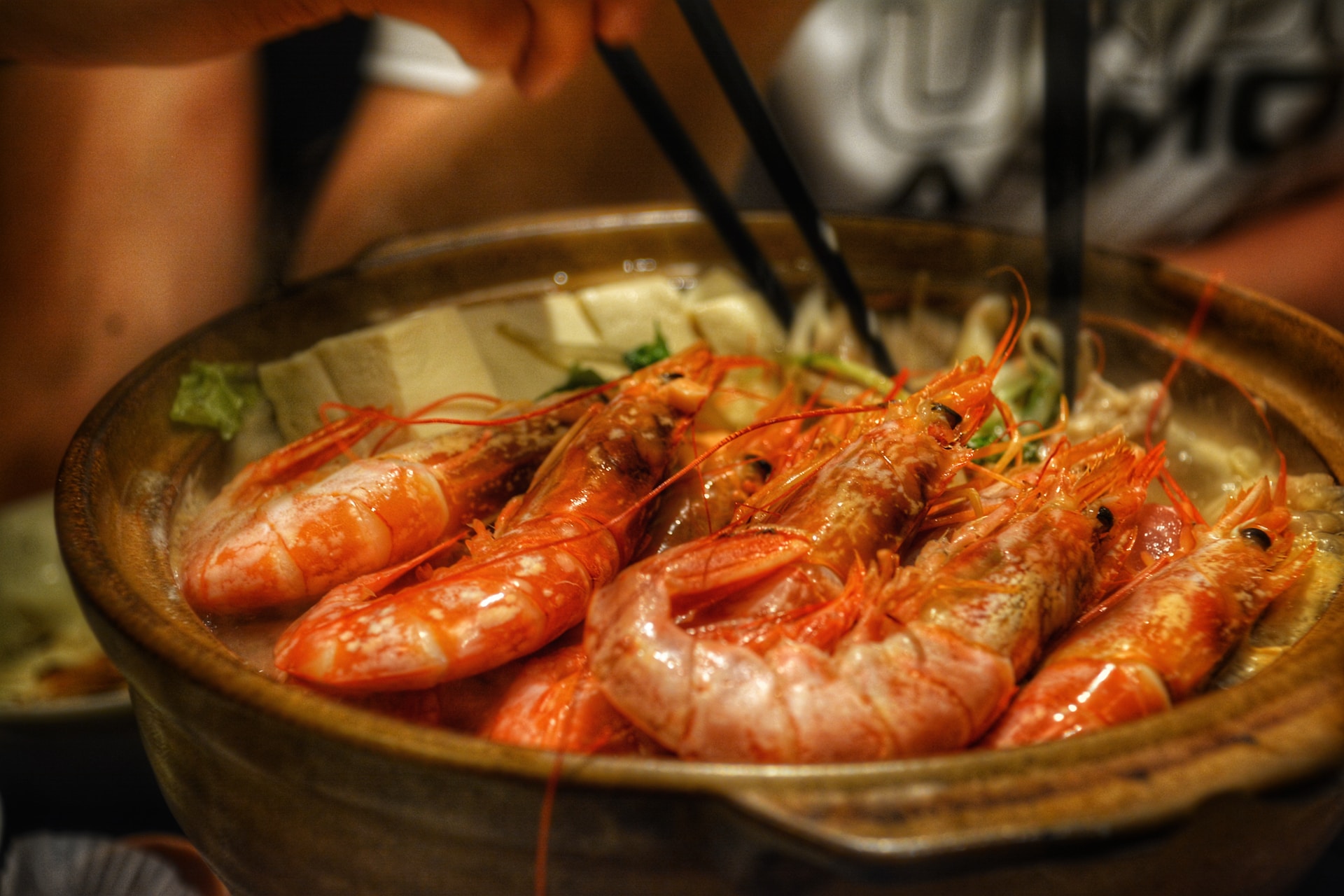
Seafoods in Bintan
Seafoods in Bintan – Photo by Jerry Shen on Unsplash

The Island is known for its delicious seafood, which is a must-try for visitors during their stay at any Bintan Island resort the likes of The Residence Bintan. The island has many restaurants serving fresh seafood dishes, including grilled fish, prawns, and squid. After a day of exploring the island, solo travellers can head to one of the island’s bars to unwind and socialize with other travellers for a more relaxing time.

The Kandy Perahera in Sri Lanka

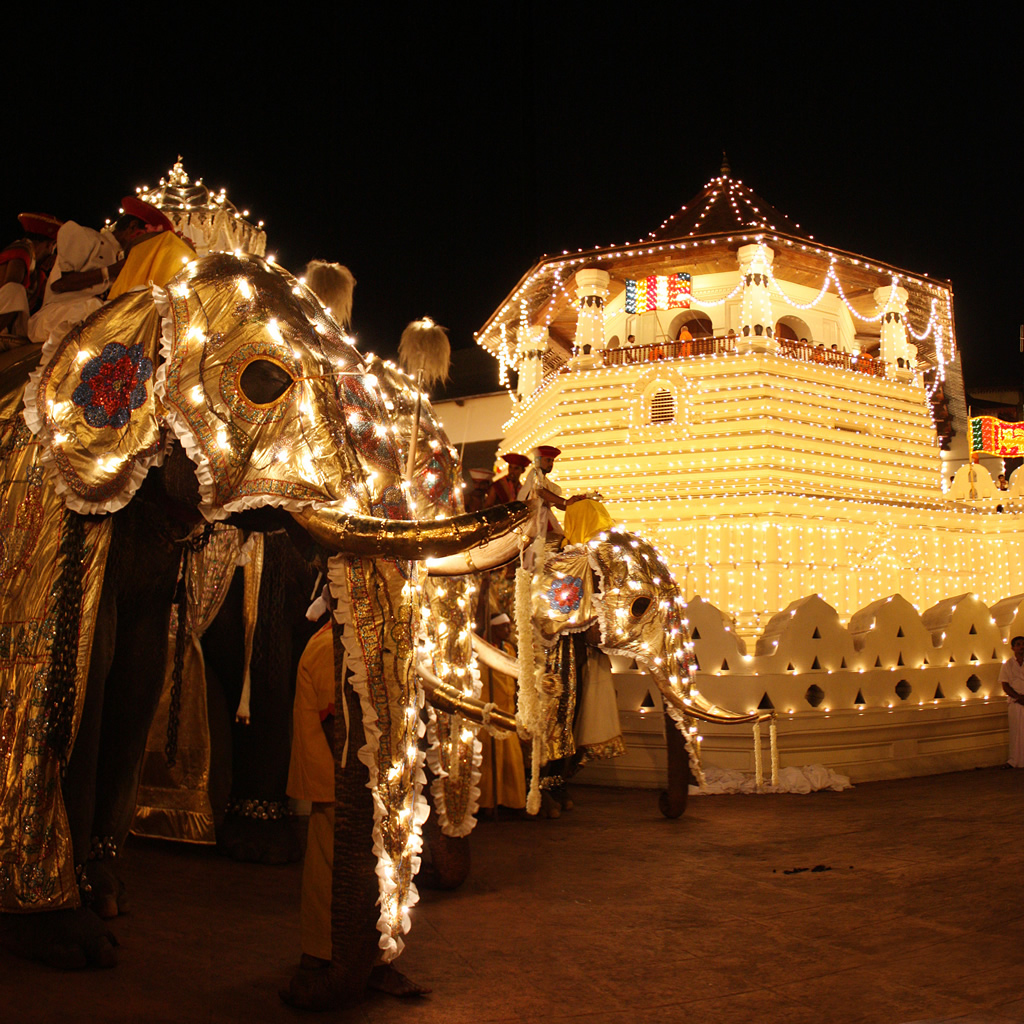
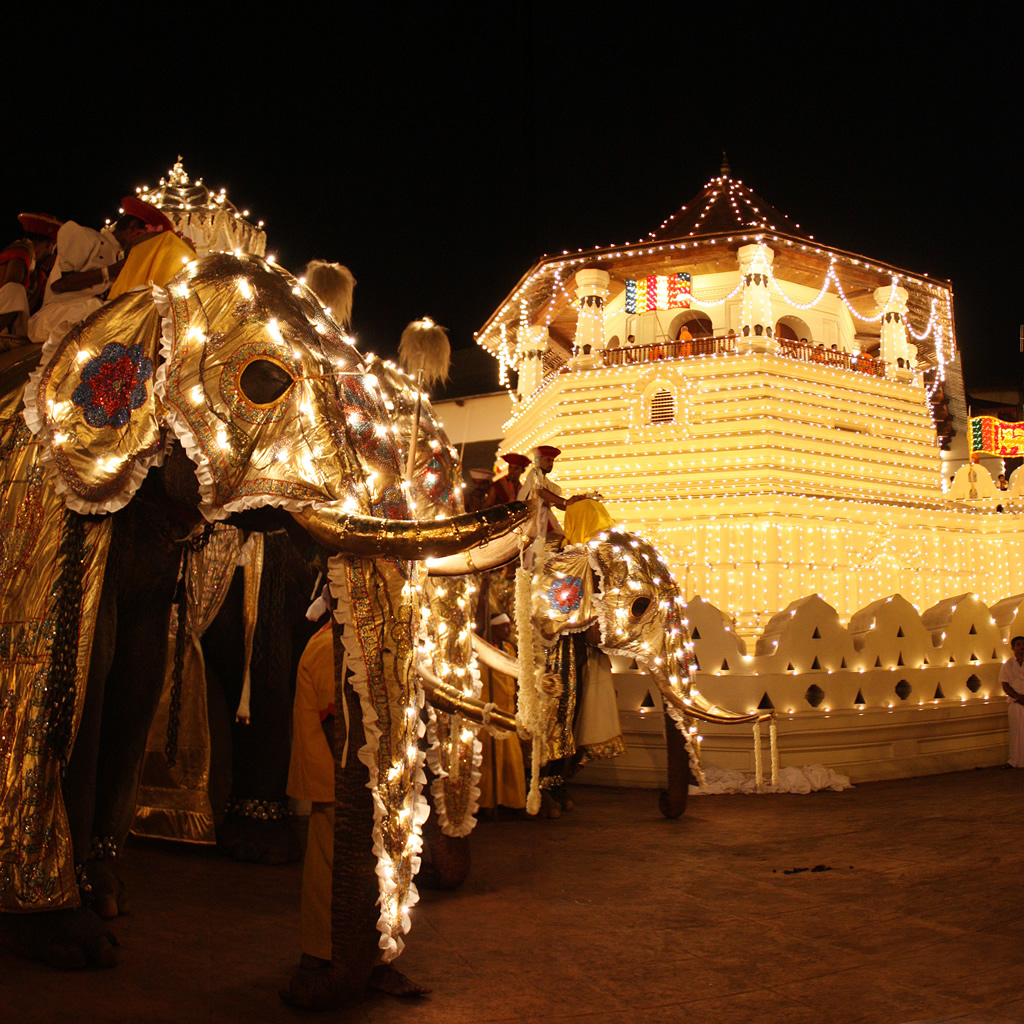
Ranked as the oldest spiritual event in Sri Lanka’s Buddhist calendar, the Kandy Perahera is an annual procession with a rich history and legacy that dates back centuries.

Perahara2
Ashan96, Perahara2, CC BY-SA 4.0

The Sacred Tooth Relic

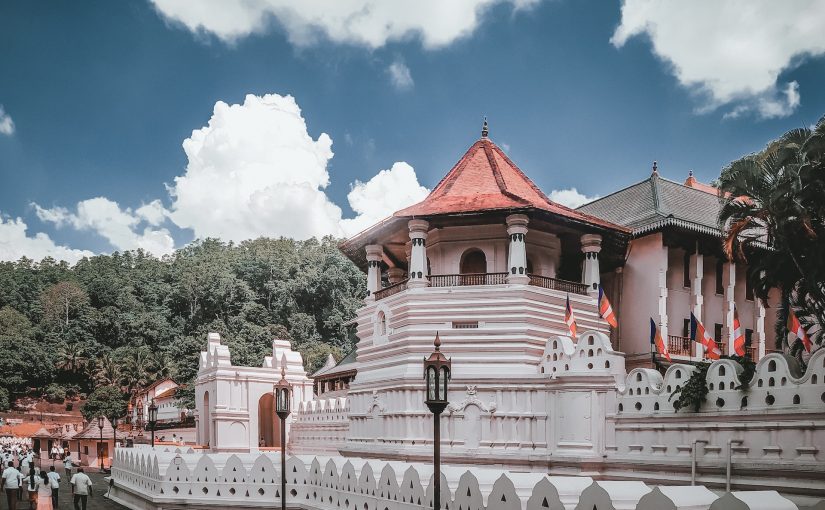
Although most tourists head to Sri Lanka to witness the Kandy Perahera every July/August, most are unaware of the sacred tooth relic and its connection to this iconic procession. Once a year, the sacred tooth relic of Lord Buddha stored at the Dalada Maligawa (Temple of the Tooth) is encased in a jewelled container and travels the length of Kandy on the back of a tusker. While the actual tooth relic remains protected inside the temple, it is a replica that takes part in the festivities associated with the Kandy Perahera, symbolising the prized possession of the Buddhist faith in Sri Lanka.

A Grand Affair

No aspect of the Kandy Perahera can be deemed small-scale, and it is considered one of the largest and longest processions in the world. Although the tooth relic is the focal point of the parade, it is easy to lose sight of this holy object in a procession that includes fire breathers, whip crackers and countless drummers and dancers. Acrobats, swordsmen and performance artists of every imaginable variety take part in the procession.

The Hindu Shrines

The Temple of the Tooth is not the only Kandyan religious institution that is involved in the parade as the participation of the Vishnu, Katharagama, Natha and Pattini Hindu Temples in Kandy have been part of the celebrations for decades.

Witnessing the Perahera

Tourists and pilgrims often travel to Kandy, Sri Lanka, to witness the procession and navigate the streets of the city as documented by Kandy Escapes and other travel blogs. Locals, however, catch the parade live on national TV.

Skydiving Safety Tips for Your Pattaya Adventure

Embarking on a skydiving adventure in Pattaya? Ensure a safe and exhilarating experience with these essential safety tips.

skydiving-721298_1280
skydiving-721298_1280 | Image by antoine carrion from Pixabay

Choose a Reputable Skydiving Center

Select a reputable skydiving centre in Pattaya that prioritizes safety. Research their track record, certifications, and reviews. Ensure they adhere to international safety standards and have experienced instructors who prioritize your well-being. You can also ask your helpdesk at hotels near Pattaya Beach the likes of Travelodge Pattaya to recommend a reputed skydiving instructor.

Undergo Proper Training

Enrol in a comprehensive training program provided by the skydiving centre. Learn about safety procedures, parachute handling, body positioning, and emergency protocols. Pay attention during training sessions to ensure you have a solid understanding of the necessary skills.

Check Equipment and Gear

Before every jump, inspect your equipment and gear thoroughly. Ensure your parachute, harness, altimeter, and other gear are in excellent condition. Double-check the connections and secure all straps properly. If you notice any issues, notify your instructor immediately.

Follow Safety Instructions

Listen attentively to your instructor’s safety instructions before the jump. Understand the proper body positioning, deployment techniques, and emergency procedures. Communicate clearly with your instructor and fellow skydivers throughout the process.

Maintain Physical Fitness

Skydiving can be physically demanding. Maintain a good level of physical fitness to ensure you can handle the physical requirements of the jump. Stay hydrated, get enough rest, and inform your instructor of any pre-existing medical conditions.

Discover the Daming Palace National Heritage Park in Xian – Ideal for Relaxation & Exploration

While attractions in Xian such as the ancient City Wall and Terracotta Army get a lot of the spotlight, there are other important sites to visit too including the amazing Daming Palace National Heritage Park; read on to find out more!

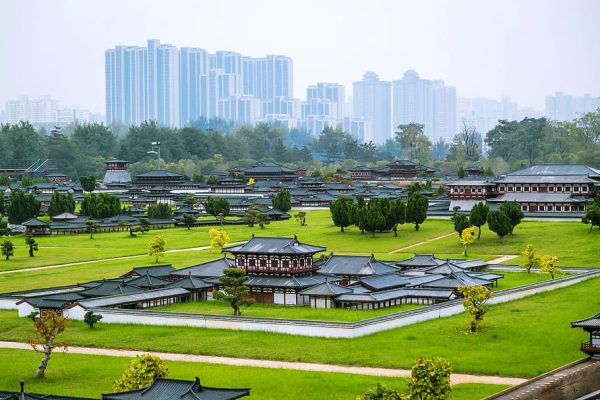
daming-palace | img via pxfuel


Planning Your Visit

This well-known site can be found in the northeast part of  Xian; hotels located in the heart of the city centre near the South Gate of the City Wall such as Grand Park Xian are within a 20-minute drive / taxi ride away. Alternatively, one can take bus #262, 216 or 02 to the Tongjiaxiang stop or bus #16, 22, 46 or 209 to the Taihua Road stop and proceed from there. A fee is charged to access part of the park which has ruins and archaeological discoveries, while the other areas are open free to the public.

A Bit of History

The creation of Daming Palace dates to the Tang Dynasty when in 634, Emperor Taizong decreed the construction of a palace for his father, the former emperor, to reside in; however, his father, who was also the first emperor of the Tang Dynasty, passed away shortly after. Interestingly, the palace was renovated around 662 under the reign of Emperor Gaozong who added various buildings and gardens and fortified the area. Over the centuries this site went through more changes though the area was destroyed during a war in the latter part of the Tang Dynasty.

The Restoration

Following excavations made in and around Daming Palace, it was discovered that this site also featured a recreation area and a park. Subsequently, in 2007, the municipal committee of Xian as well as the government combined to launch a project to preserve the area and transform it into the Daming Palace National Heritage Park. It was opened to visitors in October 2010 and offered a truly enchanting space for locals and foreign tourists to explore and unwind.

What to Expect

Part of the park is home to ancient ruins and archaeological findings which give one an idea of what this site must have once been like. Structures and miniature models which showcase historical architecture can also be seen and add to the park’s charm. One of the key highlights is the water feature known as Taiye Pond and there are paths for walking and bridges here, while it’s an ideal spot for some birdwatching too. There are also places for dining and an auditorium along with trees that let you witness the beauty of plum blossoms and spring flowers during the season.

Things Not to Do in Krabi

The appealing coastal locality of Krabi in Thailand would always be an attractive place at which to spend time; to make the most of your visit, there would be some things you should never miss when here like those aspects mentioned below.

Miss a visit to the Tiger Temple

An engrossing religious attraction in Krabi would be Wat Tham Seua or Tiger Temple; this fascinating shrine is believed to be a place where formerly tigers made their home. At this site, you could also undertake interesting hikes, view the large trees and perhaps observe the monks who live within the caves to be found here.

Not take a longtail boat excursion

Your visit to Krabi wouldn’t be complete without taking a trip to the nearby islands on a longtail boat. On one of these excursions, you would be able to admire the picturesque sights and visit the entrancing locations that would delight visitors. A Phi Phi Island holiday resort in Krabi to consider from which you could take such a longtail boat excursion would be SAii Phi Phi Island Village.

Avoid experiencing the local foods

During your visit to Krabi, you would have the opportunity to feast on some delectable local foods and you should always take the chance to enjoy a delicious buffet of authentic dishes. Here, you would be able to savour typical Thai culinary creations such as som tam, fried fish, larb, squid, massaman curry and so on.

Not visiting Railay Bay

Not visiting Railay Bay 
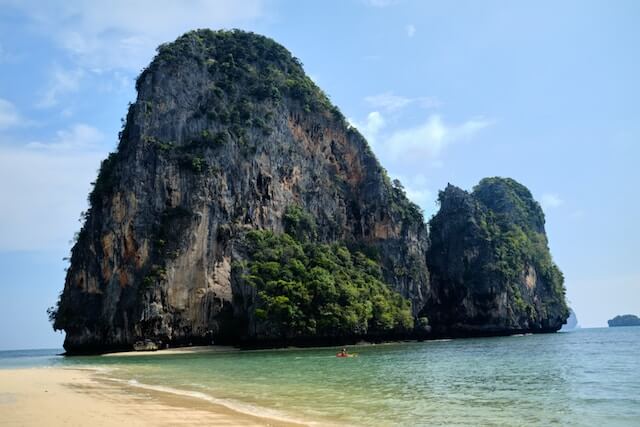
Railay Bay – Photo by John. M.Elijah on Unsplash

A well-known attraction in Krabi would be Railay Bay which would draw the interest of adventure seekers as well as those who wish to relax by the coast. Here, you would have the opportunity to bask in the sun amidst the scenic surroundings or perhaps try your hand at rock climbing around the nearby cliffs.

Reasons for Visiting Thailand for Your Next Holiday

When it comes to holiday destinations, an outstanding choice would be Thailand, a country which would offer an array of exciting and enjoyable experiences for the visitor. Here’s an idea of what to expect.

The street foods

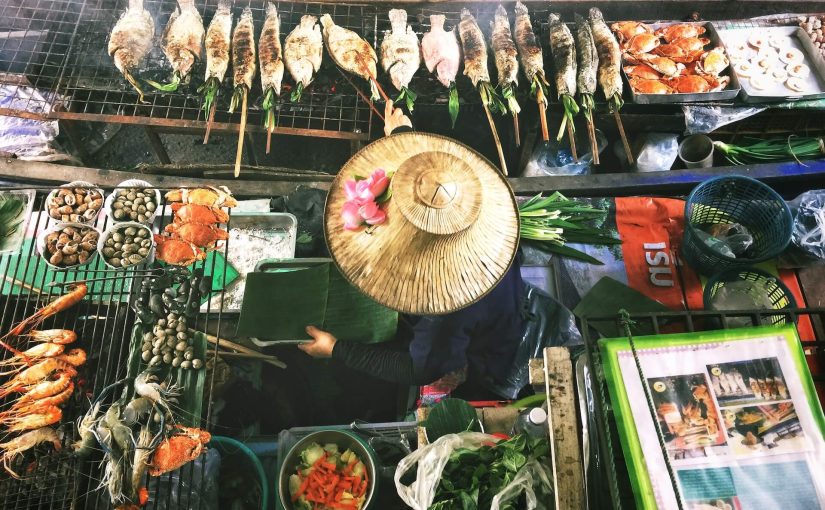
Thailand would be renowned for the delicious inexpensive foods that you could readily find on its streets. You can try tangy, spicy tom yum soup made with fresh kaffir lime leaves, lemongrass and galangal; another great choice would be rice with stir-fried spicy crabmeat and chillies, while pad Thai (Thai-style fried noodles), som tum (spicy green papaya salad) and mango sticky rice are popular too.

Phuket Vegetarian Festival

An engrossing event in Thailand would be the Phuket Vegetarian Festival which is enthusiastically celebrated on the island of Phuket. During this vibrant festival, you could witness the ceremonial procession and unusual sights including rituals of self-mutilation, while also getting to savour vegetarian foods. A luxury hotel in Phuket to consider from which you could experience this event and other cultural highlights would be SAii Laguna Phuket.

Island hopping

Undoubtedly, island hopping would be a captivating experience that you could enjoy at this destination. Off the coast of Thailand you would find a host of picturesque islands such as Phuket, Koh Samui and Koh Phangan; irrespective of whether you desire seaside seclusion and tranquillity or the opportunity to mingle with fellow holidaymakers, the islands of Thailand would not disappoint.

The shopping opportunities

Shopping in Thailand
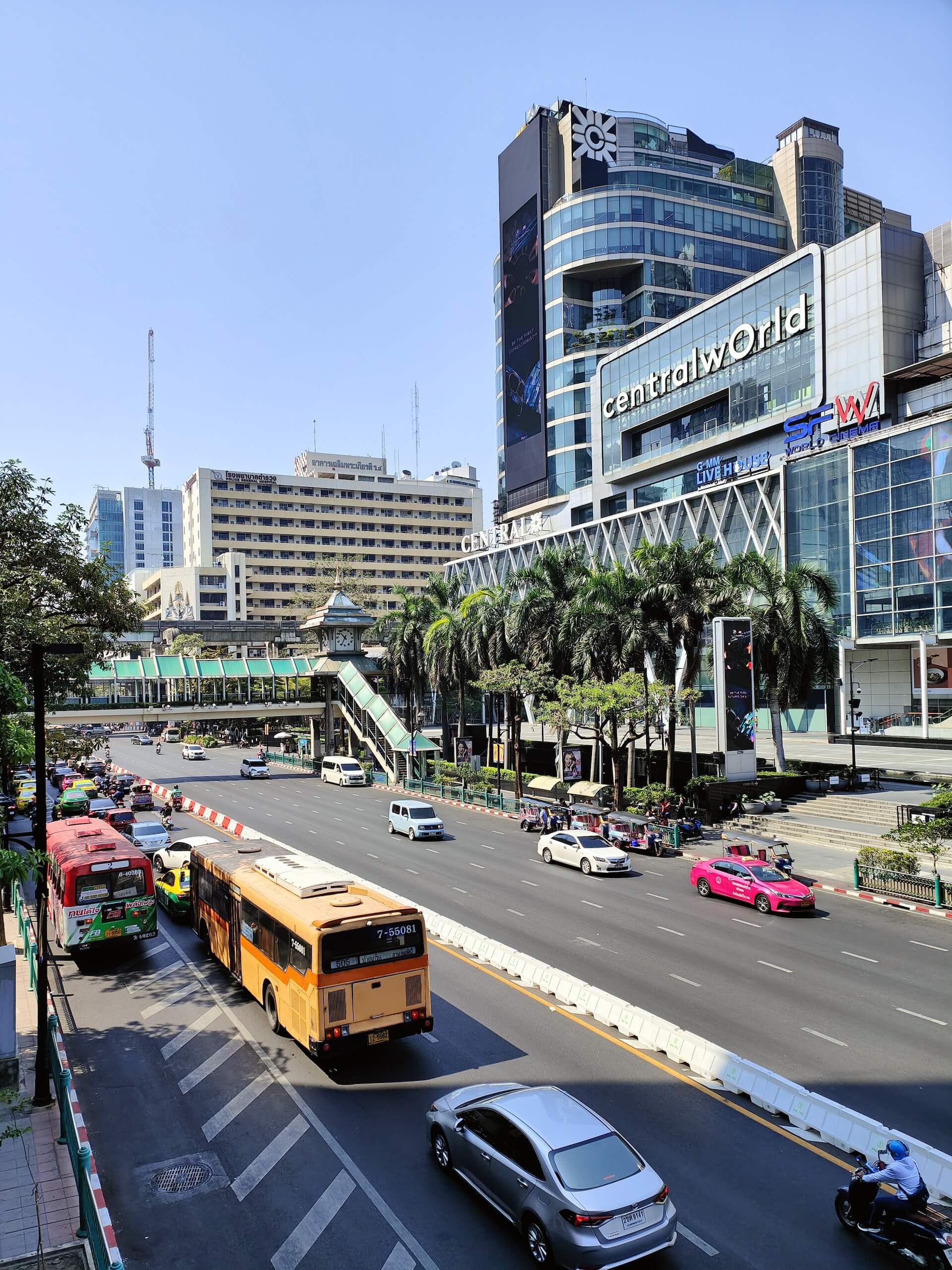
Shopping in Thailand – Photo by Kee Hong on Unsplash

Thailand also happens to be noted for its amazing shopping opportunities with an array of appealing products to choose from be it locally-made or international brands. You would be able to shop at modern malls or perhaps a local market featuring interesting curios that you could obtain cheaply after some haggling. You could visit the markets where locals would shop if you desire to evade the more tourist-oriented shopping venues.

A nature lover’s guide to the Malaysian rainforest

Move away from the bustle of the city and its complementing skyscrapers towards areas of this Southeast Asian nation that will take your breath away with the pleasures and pageantry on show.

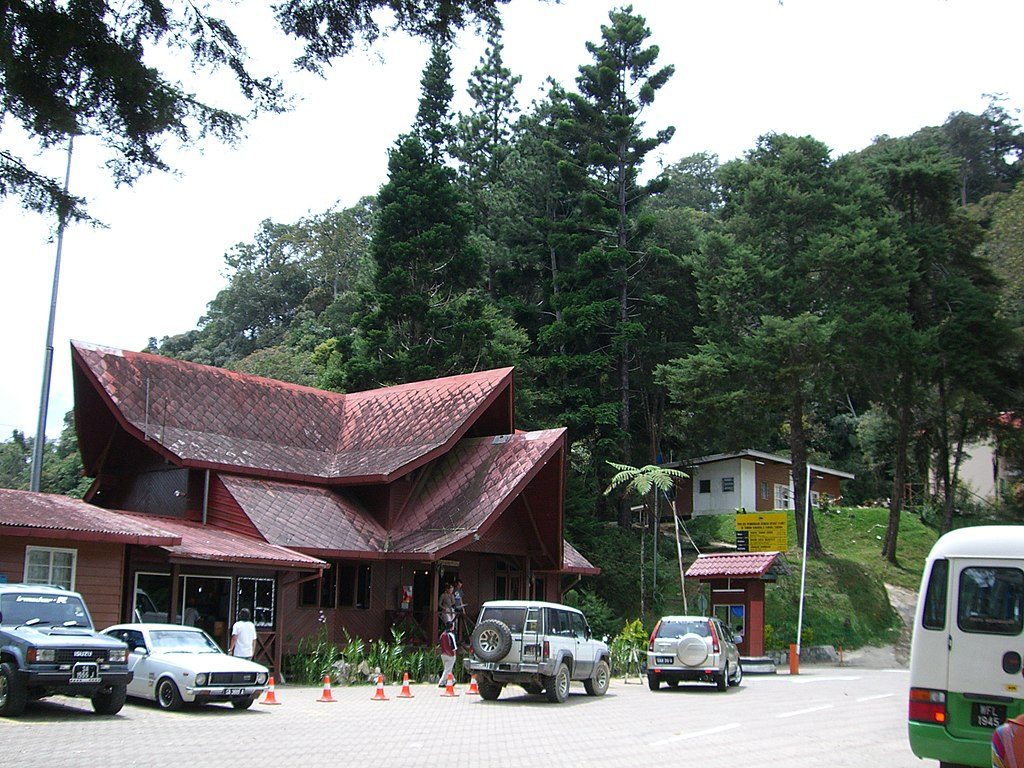
1024px-Kinabalu_park_HQ
anonymous, Kinabalu park HQ, CC BY-SA 3.0

Trek to Kinabalu Park

Cut through dense thickets while keeping your eyes peeled for sudden movements that are bound to fill your gaze at the picturesque Kinabalu Park. In fact, once you’re done basking in the company of hot springs, various species of ferns and orchids, and the forest canopy, toy with the thought of ascending the summit of Mount Kinabalu which rises to well over 4,000 meters in the air.

Retrace ancient times at Taman Negara, Pahang

A sense of isolation will follow your every step as you set foot within the pristine, prehistoric rainforests that cover Taman Negara, Pahang. With a proud history that dates back some 130 million years, the curious at heart will be met with the prospect of catching fleeting glimpses of the foliage with the aid of a simple, suspended rope bridge that cuts through the heart of the rainforest.

Marvel at the treasure trove which is Gunung Mulu National Park

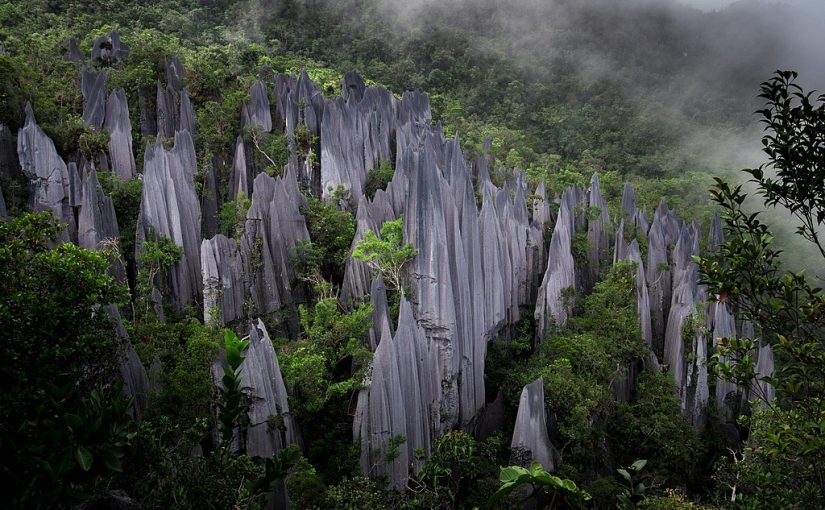
Characterised by a dark green canopy that watches over every inhabitant that lives and breeds within Gunung Mulu National Park, the said attraction is a shimmering jewel that has won fame as a UNESCO World Heritage Site. Home to one of the world’s largest limestone cave systems, the 53,000 hectares that scatter the Park is a thriving habitat of life and colour. These include 4,000 varieties of fungus, 1,500 species of flowering plants, 281 butterfly species, 262 kinds of birds, 75 mammal species, and a further 50 variants of reptiles.

Have the ride of a lifetime on the Kampar River

If you desire to pair the adrenaline-drenched pastime of whitewater rafting with exploring rainforests, then head straight for Kempar River in Perak. Once done, you can beeline back to the city and reside at Travelodge Bukit Bintang which is a modern hotel in Bukit Bintang KL.

The best time to visit Yala National Park

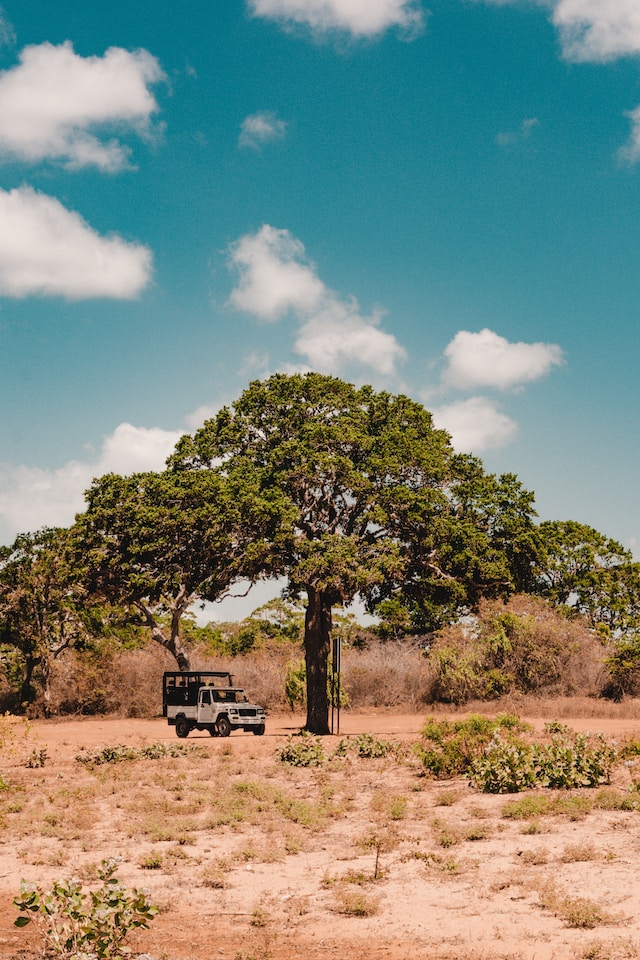
Yala National Park is renowned for its leopard population & a host of other appealing mammals. However, timing your visit is crucial to your prospects, and provided is a guide to help you plan better.

May to June

This is when you are able to tour and enjoy the wonders of Yala at one’s own pace owing to it being the dry season which in turn, does not see too many tourists around.

July to August

Adventure seekers will stand a far better chance of delighting in animal sightings but would have to deal with increasing crowds as a result of the European summer holidays. Thus, if you’re not a fan of waiting for your turn to catch a glimpse of that elusive leopard or elephant, then it is best to avoid these two months.

September to October

Although the reserve closes its doors to the public come September which extends up until the middle of October, the last two weeks of October are excellent to head out as you are likely to stumble upon varying species of mammals and even crocodiles and peacocks.

November to March

Best Time to visit Yala National Park (2)
Best Time to visit Yala National Park – Photo by Fergus So on Unsplash

Though one will be confronted with the risk of downpours in November, fewer crowds are ably complemented by outstanding sightings that will have you reaching out for your camera at almost every turn. Undoubtedly, the most popular period for a visit is between December to March for Yala National Park is frequented by locals and foreign nationals alike eager to embrace its magical vibes. Ardent birdwatchers, especially those residing at Kithala Resort which is a preferred Tissamaharama hotel will discover that November through February is prime season as this is when numerous species of migratory birds descend over Yala.