Embark on an unforgettable adventure in the Maldives with a Whale Submarine tour, a one-of-a-kind experience which allows you to explore the depths of the ocean without getting wet!
What is a Whale Submarine?
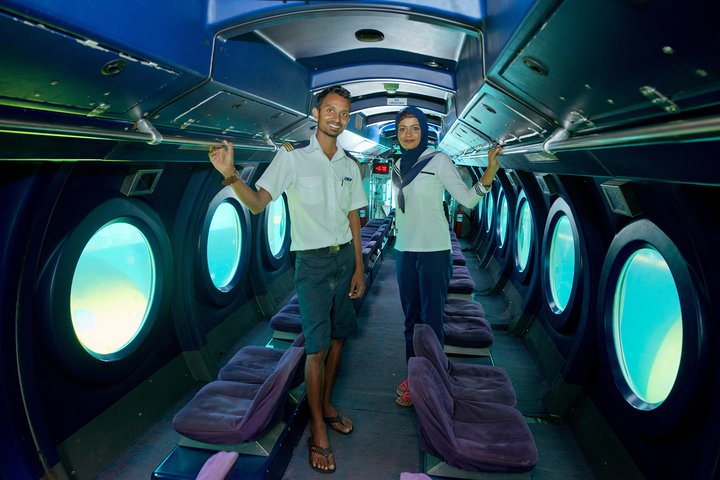
The Whale Submarine is the largest and deepest diving passenger submarine in the world and gives you a unique opportunity for exciting escapades below the waves. Certified to reach depths of up to 150 metres, this submarine which was made in Germany, offers a safe and comfortable way for the whole family to explore the underwater world.
Planning Your Excursion
The two main departure points for this tour are from the company’s Airport Information Counter or Jetty No. 1 (Presidential Jetty) in Male, the capital, located within easy reach of some of the best resorts in Maldives. From these points, you will be taken to the floating dry dock where you will find the submarine; the tour lasts approximately 2 hours and 30 minutes, including transfer and waiting time, and underwater exploration. Look to stay at nearby resorts like Grand Park Kodhipparu Maldiveswhich offer snorkelling and scuba diving too for more experiential adventures.
What to Expect
Descend up to 50 metres deep in the air-conditioned Whale Submarine and explore stunning dive sites. Marvel at the diverse marine life, including yellow or blue-striped snappers, turtles, and more. Discover the hidden beauty of Tear Drop Reef, a previously exclusive diving site, featuring intriguing caves, coral, and more than 100 types of fish.
Underwater Dining
For a truly unforgettable experience, the Whale Submarine can also be booked as a dining venue as it transforms into the first deep-sea restaurant in the world! Dine approximately 36 metres below the water’s surface while enjoying a delicious buffet. As you savour your meal, admire the seafloor illuminated by the submarine’s powerful lights and watch stingrays and sharks just outside your window.
Dubai, a city known for its glitz and modern marvels, offers a surprising contrast to its urban landscape: the vast and stunning Arabian Desert! For those seeking thrills and a taste of traditional Bedouin life, a desert safari is an absolute must. Here are some of the best activities that await.
Dune Bashing
Strap in for an adrenaline-pumping adventure as you embark on a dune bashing excursion! Expert drivers will take you on a thrilling ride in 4X4 vehicles, up and down the dunes and through the desert, leaving you with an extraordinary experience. Head off on such safaris from city properties like Avani Deira Dubai Hotel and discover the raw power and beauty of this sea of sand.
Unleash your inner adventurer as you get behind the handlebars of your very own quad bike and explore the desert terrain at your own pace! Feel the thrill of navigating through the sandy expanses, enjoying the wind in your hair, and experiencing the freedom of the open desert. Such exhilarating activities combined with more laidback things to do in Deira, Dubai, make for a truly rewarding getaway.
Camel Riding
Gain insights into the traditional Bedouin way of life by embarking on a journey through the desert on the back of a camel. Saddle up and set off across the dunes, taking in the breathtaking scenery amidst the sublime tranquillity of the surroundings. At sunset, witness a spellbinding spectacle as the sky is painted with fiery hues, setting the landscape aglow with an ethereal beauty.
Dining Under the Stars
End your desert safari with an unforgettable experience at a Bedouin-style camp. Have traditional henna designs painted on your hand before getting ready to indulge in a delicious feast of Middle Eastern cuisine. As night falls and you dine under a canopy of stars, you can also watch mesmerising belly dancing performances, creating a truly magical atmosphere.
Koh Samui, Thailand’s second-largest island, is a tropical paradise that offers a diverse range of activities for every type of traveller. From sun-soaked beaches and lush jungles to vibrant nightlife and cultural landmarks, Koh Samui is a destination where you can relax, explore, and indulge. Whether you’re an adventure seeker, a culture enthusiast, or someone looking to unwind, Koh Samui has something for everyone. Here’s a guide to the top activities you can enjoy on this stunning island.
Beach Hopping
Koh Samui is renowned for its beautiful beaches, each offering a unique experience. Chaweng Beach, the island’s most popular stretch of sand, is known for its lively atmosphere, with plenty of bars, restaurants, and water sports as well as resorts such as Avani Chaweng Samui. For a quieter experience, head to Lamai Beach, which offers a more laid-back vibe with stunning views and crystal-clear waters. If you’re looking for seclusion, Silver Beach is a hidden gem with soft sand and calm waters, perfect for a peaceful day of sunbathing and swimming. Beach hopping in Koh Samui allows you to experience the island’s diverse coastal landscapes, each with its own charm.
Exploring the Ang Thong National Marine Park
A visit to the Ang Thong National Marine Park is a must-do activity when in Koh Samui. This protected archipelago consists of 42 islands, offering breathtaking scenery and a chance to connect with nature. The marine park is perfect for a day trip, where you can explore hidden lagoons, snorkel in vibrant coral reefs, and kayak through dramatic limestone cliffs. The panoramic views from the top of Wua Talap Island, after a short hike, are unforgettable. The marine park is not just about its natural beauty; it also offers a sense of adventure and discovery, making it one of the highlights of any trip to Koh Samui.
For a taste of local culture and spirituality, a visit to the Big Buddha and Wat Plai Laem is essential. The Big Buddha, located on a small rocky island connected by a causeway, is one of Koh Samui’s most iconic landmarks. The 12-meter-tall golden statue is a symbol of peace and offers stunning views of the surrounding area. Nearby, Wat Plai Laem is a vibrant temple complex featuring a striking 18-armed statue of Guanyin, the Goddess of Mercy. The temples provide a serene environment for reflection and a glimpse into the island’s Buddhist heritage. Both sites are rich in cultural significance and are often visited by both locals and tourists seeking blessings.
Discovering the Secret Buddha Garden
Tucked away in the hills of Koh Samui is the Secret Buddha Garden, a hidden treasure that offers a unique and tranquil experience. The garden was created by a local fruit farmer, and it features a collection of statues depicting various aspects of Thai mythology and Buddhism. The garden’s location, surrounded by lush jungle and offering panoramic views of the island, adds to its mystical ambience. Visiting the Secret Buddha Garden feels like stepping into a different world, where art and nature blend seamlessly to create a peaceful retreat. It’s a great spot for those looking to explore off-the-beaten paths and enjoy some quiet reflection.
Enjoying the Nightlife
Koh Samui is famous for its vibrant nightlife, offering something for everyone, whether you’re looking to dance the night away or enjoy a quiet drink by the beach. Chaweng Beach is the epicentre of nightlife on the island, with a wide range of bars, clubs, and beach parties that go on until the early hours. For a more relaxed evening, one of the best things to do in Chaweng is to visit Bophut’s Fisherman’s Village which offers a charming atmosphere with beachfront bars and restaurants, perfect for enjoying a cocktail while watching the sunset. The island’s nightlife is diverse and lively, ensuring that your evenings are as memorable as your days in Koh Samui.
Khao Lak, a beautiful coastal region in Thailand, is known for its serene beaches and lush rainforests, making it an ideal destination for hiking enthusiasts. With an array of trails winding through national parks, waterfalls, and dense jungle, Khao Lak offers a range of hiking experiences that cater to all fitness levels.
Khao Lak has several popular hiking trails that vary in length, difficulty, and terrain. Before setting out, research which trails suit your fitness level and interests. For beginners, the Lampi Waterfall Trail in Khao Lak-Lam Ru National Park is a gentle, family-friendly hike that offers beautiful views of cascading waterfalls.
Choose the Right Time for Your Hike
Timing is crucial when planning a hiking adventure in Khao Lak. The best time to hike is during the cooler, drier months from November to April, when the weather is most favourable. Avoid hiking during the rainy season, as the trails can become slippery and dangerous, and there is a higher chance of encountering leeches or mosquitoes.
Prepare Your Gear and Supplies
Proper gear is essential for a comfortable and safe hiking experience in Khao Lak. Wear lightweight, moisture-wicking clothing to keep cool in the tropical heat and sturdy hiking boots or shoes with good grip for navigating varied terrain. Pack a small backpack with essentials like a refillable water bottle, snacks, sunscreen, insect repellent, and a first-aid kit.
Consider Hiring a Local Guide
While many trails in Khao Lak are well-marked, hiring a local guide can enhance your hiking experience by providing insights into the local flora, fauna, and culture. Guides are knowledgeable about the region and can take you to hidden gems, such as lesser-known waterfalls or scenic viewpoints. Apart from tour companies, a Khao Lak resort in Thailand can offer a range of guided hiking experiences, from half-day trips to full-day jungle treks.
Stay Safe and Respect the Environment
Safety should always be a priority when hiking in Khao Lak. Make sure to inform someone of your hiking plans, including your route and expected return time. Always stick to marked trails and avoid wandering into unknown areas, as the jungle can be dense and disorienting.
Plan for Post-Hike Relaxation
After a day of trekking through Khao Lak’s beautiful landscapes, plan for some well-deserved relaxation. Consider booking a stay at one of Khao Lak’s resorts such as Avani+ Khao Lak Resort or beachside accommodations, where you can unwind with a spa treatment or a massage.
The Maldives is a dream destination for snorkeling and diving enthusiasts, offering crystal-clear waters, vibrant marine life, and breathtaking underwater landscapes.
For those who prefer snorkelling, the Maldives offers an array of excellent sites. The Banana Reef, located in North Malé Atoll, is one of the most popular spots, famous for its rich marine life and stunning coral formations. Most resorts in the Maldives such as theMilaidhoo Island Maldives offer snorkelling equipment as a complimentary service included in their list of water sports in the Maldives.
2. Pristine Coral Reefs
One of the highlights of snorkelling and diving in the Maldives is the stunning coral reefs. The coral ecosystems here are among the healthiest in the world, boasting an array of vibrant colours and intricate formations.
3. Incredible Marine Life
The Maldives is home to some of the richest marine biodiversity in the world. When snorkelling or diving, you’ll encounter colourful coral reefs, tropical fish, manta rays, and even majestic whale sharks. Reef sharks, turtles, and schools of vibrant fish are common sights, while some sites offer the chance to spot dolphins and even pilot whales.
4. Diving for All Levels
The Maldives has dive sites to suit every skill level. Maaya Thila, located in the South Ari Atoll, is a renowned dive site that offers something for everyone. Beginners can enjoy shallow dives, while experienced divers can explore the deeper parts, where sharks and rays frequently swim.
Shirokane, Tokyo’s verdant retreat, offers a breath of fresh air and a taste of tranquillity amid the city’s hustle and bustle. Here’s your guide to uncovering the district’s green gems for much-needed relaxation:
Experience the essence of traditional Japanese horticulture at Happo-en Garden, located just a 5-minute drive from executive apartments in Tokyo, such as the modern Oakwood Apartments Shirokane Tokyo. This exquisite space features serene koi ponds, a classic tea house, and a vibrant array of seasonal flora including cherry blossoms, bonsai, and maple trees. It’s a harmonious escape into nature’s beauty.
Explore the Institute for Nature Study
Located in Shirokanedai, this historical site reveals the area’s ancient past. Created by marine erosion up to 500,000 years ago, it houses artefacts from the mid-Jomon period, offering a glimpse into early human settlement and a deep connection to the region’s geological history.
Wander Down Platinum Street
True to its name, Shirokane’s Platinum Street dazzles with its majestic ginkgo trees, which are especially stunning in the fall. Start your journey at Shirokanedai Station and enjoy a peaceful walk along this tree-lined avenue, savouring the seasonal colours and serene atmosphere.
Cool Off at Shirokanedai Donguri Children’s Playground
This family-friendly park is a summer oasis with its refreshing rock pool and gentle water stream. Ideal for children to splash around and stay cool, the shaded areas ensure a pleasant playtime experience. It’s a short drive from Shirokane-Takanawa Station.
Relax in Arisugawa-no-miya Memorial Park
A cherished green space for both locals and expatriates, Arisugawa Park offers a peaceful escape from Tokyo’s bustling life. Once part of a samurai residence during the Edo era, it provides a historical touch and a serene environment close to Hiroo Station.
As a charming coastal city in Thailand, there’s plenty to love about Hua Hin for both locals and tourists. With a unique blend of natural wonder and cultural charm, the city exudes a calm and relaxing atmosphere that makes it a perfect spot for a holiday getaway. If you plan on visiting Hua Hin for your next vacation, here are some of the best places to visit to make the most of your time there.
Sam Roi Yot National Park
Embark on an outdoor excursion to the mesmerising Sam Roi Yot National Park, which is home to the Phraya Nakhon Cave that hides a historic pavilion. The park is also inhabited by several species of animals and birds and features a range of habitats including limestone hills, mangroves and beaches.
Khao Takiab Beach
This laid-back beach is an ideal spot to visit if you’re staying at the nearby Avani+ Hua Hin Resort. It is a prime spot for water sports including kayaking and paddleboarding and even features the Wat Khao Taikab also known as the Monkey Temple.
If you’re looking to immerse yourself in the local atmosphere of the town, then visiting the Hua Hin Night Market is the way to go. The market comes alive at sunset with the sounds of delicious street food being prepared and the sights of various handmade crafts and items available on sale.
Baan Sillapin Artists Village
You can also organise a more hands-on cultural experience at the Baan Sillapin Artists Village through any of the Hua Hin 5 star hotels in town. This arts community is located amidst the hills of Hua Hin and features several galleries, workshops and studios where visitors can take part in traditional painting and pottery activities.
Ipoh, the capital city of Perak in Malaysia, is a hidden gem filled with history, culture, and architectural wonders. The Ipoh Heritage Trail offers a unique opportunity to explore the city’s colonial past, its charming streets, and its eclectic blend of cultures. This self-guided walking tour through old Ipoh allows visitors to experience the city’s rich heritage up close. Let’s delve into the best way to explore Ipoh’s historic heart on foot.
Start at Ipoh Railway Station
Begin your trail at the iconic Ipoh Railway Station, often dubbed the “Taj Mahal of Ipoh” for its grand, Moorish-style architecture. Built in 1917, this building is a stunning example of British colonial architecture with its distinctive domes and arches. The railway station is not only a functional transport hub but also a historical landmark that has witnessed the evolution of Ipoh from a sleepy tin-mining town to a vibrant city. Take a moment to appreciate its old-world charm before setting off on your exploration.
Walk Towards the Town Hall and Old Post Office
Just a short walk from the railway station, you will find the Ipoh Town Hall and Old Post Office. These neoclassical buildings, with their stately columns and whitewashed facades, are reminders of Ipoh’s colonial past. Constructed in the early 20th century, they served as administrative centres during British rule. Today, they stand as a testament to Ipoh’s historical significance. The Town Hall is often used for cultural events, while the Old Post Office has been restored and repurposed as a community space.
Discover the Birch Memorial Clock Tower
Continue your journey to the Birch Memorial Clock Tower, erected in 1909 in memory of J.W.W. Birch, the first British Resident of Perak. This iconic clock tower features four panels depicting the evolution of civilization, with notable figures from different eras. While the monument has stirred some historical controversy, it remains an important landmark in Ipoh’s story. The clock tower stands as a central point in the town square, providing an excellent backdrop for photographs and a chance to reflect on the city’s colonial legacy.
Wander Down Concubine Lane
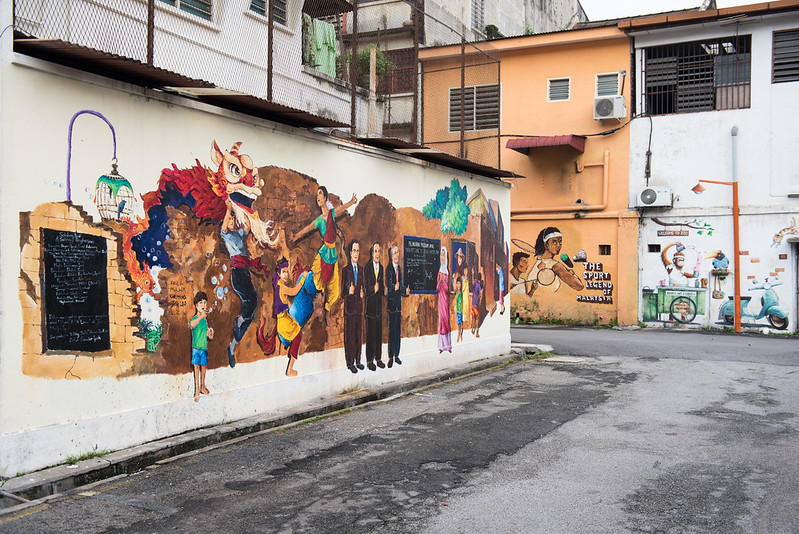
Next, make your way to Concubine Lane, just 10 minutes away from popular spots for staycation in Ipoh such as the famous city hotel Travelodge Ipoh, one of the most famous streets in Ipoh’s Old Town. This narrow lane, dating back to the late 19th century, is steeped in history and legend. It is said to have been a hideaway for the concubines of wealthy tin miners. Today, Concubine Lane has transformed into a vibrant area filled with quaint shops, cafes, street art, and market stalls selling local crafts and snacks. Take your time to stroll through the lane, soaking in the colourful atmosphere and admiring the beautifully preserved shophouses.
Explore Han Chin Pet Soo Museum
Your next stop is the Han Chin Pet Soo Museum, located just a few minutes from Concubine Lane. This museum is housed in what was once a private club for Hakka miners, and it offers fascinating insights into Ipoh’s tin-mining history and the lives of the miners who shaped the city. The museum’s exhibits include artefacts, photographs, and stories that depict the everyday life, struggles, and successes of the early Chinese immigrants. A visit here will give you a deeper understanding of Ipoh’s cultural heritage and its significance as a tin-mining hub.
Conclude your heritage trail by exploring the Ipoh Mural Art Trail, a collection of street art scattered throughout the old town. These murals, created by local and international artists, depict scenes from Ipoh’s history, local culture, and everyday life. Highlights include works by Ernest Zacharevic, who is famous for his street art in Penang, and various other artists whose colourful creations add a modern twist to the city’s historic streets. Walking along the trail allows you to see how Ipoh’s past and present come together in a creative and engaging way.
Looking for a quick escape from the hustle and bustle of Kuala Lumpur? Here are some fun outdoor activities within an hour’s drive, perfect for a day out in nature.
Trek Through Kanching Rainforest Waterfall
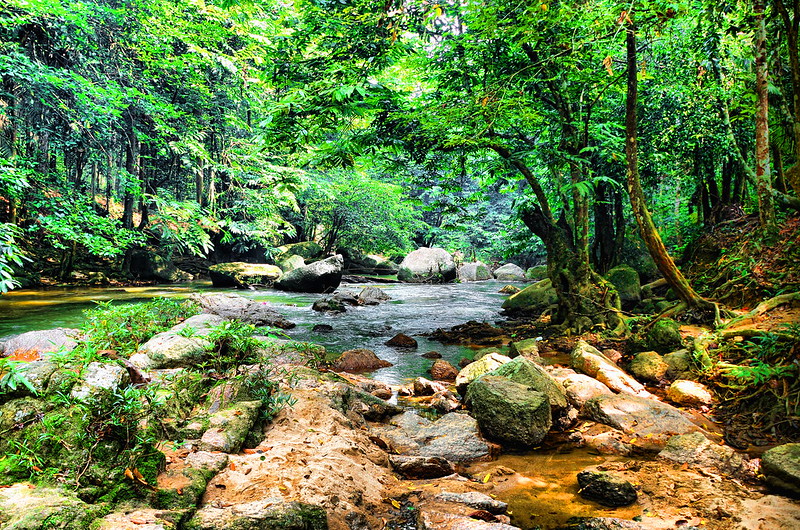
Nestled just 45 minutes from KL, the Kanching Rainforest offers stunning waterfalls and hiking trails. This seven-tiered waterfall is ideal for a refreshing dip after a short trek. The serene environment provides an excellent escape from city life.
Explore the Batu Caves
A 30-minute drive from KL, Batu Caves is a must-visit for nature lovers and cultural enthusiasts. The limestone hills are home to a series of caves and cave temples. Climbing the 272 steps rewards you with breathtaking views and a sense of accomplishment.
Only 25 minutes from KL, the Ampang Recreational Forest is perfect for a relaxing picnic. Surrounded by lush greenery and a gentle stream, this spot is ideal for unwinding and enjoying a meal amidst nature.
Dubai is a playground for adventure lovers, offering a wide range of thrilling experiences. From skydiving to hot air ballooning, the city guarantees unforgettable adrenaline-fuelled activities.
Skydiving Over Iconic Landmarks
Dubai’s skydiving scene is one of the most famous in the world. Plunging from 13,000 feet, thrill-seekers enjoy breathtaking views of the Palm Jumeirah or the vast Arabian Desert. Whether you’re a seasoned jumper or a first-timer, Dubai’s skydiving experience is unparalleled.
Hot Air Ballooning at Sunrise
For a more tranquil adventure, hot air ballooning offers spectacular views over the desert landscape. Take flight at dawn and float over rolling sand dunes while watching the sunrise. The serene environment paired with panoramic views makes this an unmissable adventure for those seeking a different kind of thrill.
Desert Dune Bashing
Extreme sports in Dubai wouldn’t be complete without desert dune bashing. With an expert driver behind the wheel, adventurers ride in 4×4 vehicles across the undulating sand dunes at exhilarating speeds. This adrenaline-packed sport is a must for anyone looking for a desert-based thrill.
If you’re looking for indoor activities, there are many things to do in Downtown Dubai. Take a trip from your stay at Anantara Downtown Dubai Hotel for some indoor skydiving at iFLY Dubai, go-karting at Dubai Autodrome, or tackling the high ropes at Adventure HQ are perfect for those who want a controlled dose of adrenaline.







.JPG)