Top Things to Do During a Stay in Kalutara – Experience a Rich Cultural and Natural Heritage

Kalutara, a modestly sized town located on Sri Lanka’s southern coast, is always an absorbing place to visit. While its beach gets plenty of attention, there are other attractions here as well that will appeal to travellers with diverse tastes.

Visit Kalutara Bodhiya

The greatly venerated Kalutara Bodhiya happens to be a Bodhi tree that is sacred to the Buddhists of Sri Lanka. Near this tree, you will find the temple known as Kalutara Viharaya, featuring a famed hollow stupa. During your visit to these famed religious sites, you can observe the devotees as they offer prayers and seek blessings.

Hike to a scenic viewpoint 

During your stay, you will have the opportunity to undertake an exhilarating hike to reach one of the scenic viewpoints in Kalutara. As you follow a trekking path that passes through hilly terrain, you will get to see tea, cinnamon and rubber plantations, too. Once you reach the viewpoint, you can take in the stunning sunset or sunrise views. A boutique hotel in Sri Lanka to consider, from which you may enjoy this experience, is Glenross Living

Admire Richmond Castle

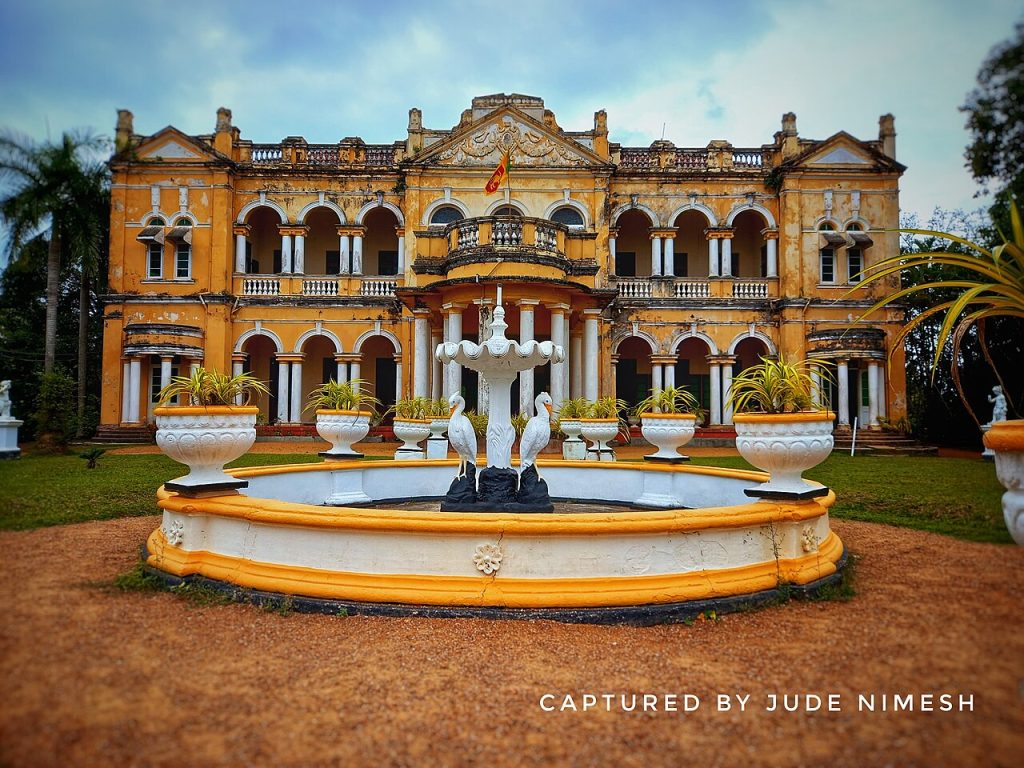
The impressive Richmond Castle is another local sightseeing highlight that dates to the early years of the 1900s. This imposing edifice was constructed by a high-ranking official; this prominent individual chose an Edwardian architectural design for this mansion so that it would look different from the other local structures.

Image by DevilHunter99 via Wikimedia Commons

Explore Brief Garden 

An interesting attraction that is within easy reach of Kalutara is the enchanting Brief Garden in nearby Beruwala. This distinctive garden was created by Bevis Bawa, a noteworthy landscape architect. As you explore this breathtaking creation, you will encounter features like lush tropical flora, secluded nooks, eye-catching sculptures and engrossing architectural elements.

Scuba Diving in the Maldives –  A Simple Primer

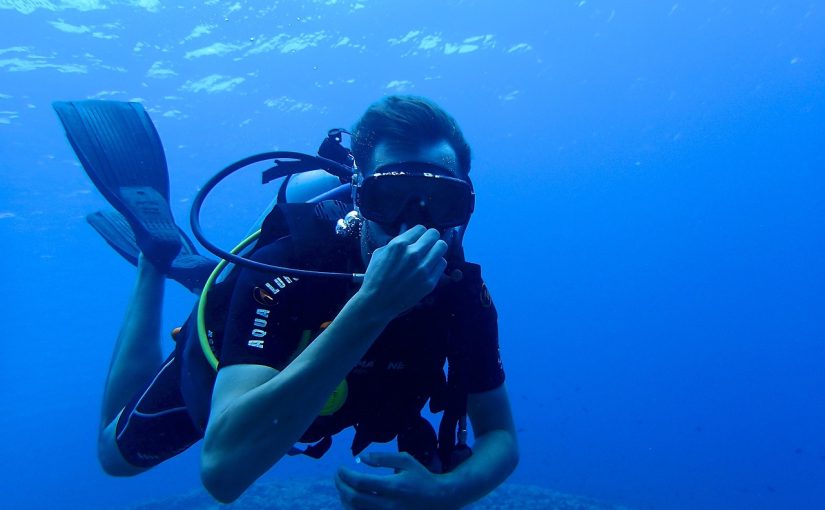
Scuba diving in the Maldives is like stepping into an underwater wonderland. Imagine swimming through crystal-clear waters, checking out colourful coral reefs, and hanging out with turtles, manta rays, and even whale sharks. Whether you’re a newbie or a seasoned diver, the Maldives has dive spots for everyone.

Bathala (Maldives)
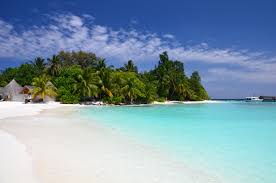
Bathala (Maldives) | Images via Wikimedia Commons

A Short Overview of the Maldives

The Maldives, a stunning archipelago in the southern Indian Ocean, is made up of 1,192 coral islands grouped into 26 natural atolls, stretching roughly 900 kilometres from north to south. The equator passes near the Addu Atoll, dividing the country. While Dhivehi is the official language, English is widely spoken, especially in the tourism sector and places like the Anantara Kihavah Maldives Villas.

The Ideal Time to Visit

From December to April, during the northeast monsoon or dry season, trade winds from India bring mostly sunny, calm weather to the Maldives with very little wind. Ocean visibility can be excellent, reaching up to 50 meters in the eastern atolls and around 25 meters in the western ones. However, water clarity also depends on factors like weather, tides, location, and the season. So, before embarking on some of the most interesting things to do in Maldives, make sure the conditions are right.

Diving Formations

In the Maldives, divers often encounter two unique underwater formations: giris and thilas. A giri, sometimes called a reef tombolo or atoll lagoon, is a mostly submerged coastal landform separate from the island reef, with its top visible from the surface and accessible to divers of all levels. Thilas, on the other hand, are larger coral formations typically found deeper, between 20 to 40 metres below the surface.

Marine Life

The Maldives is world-renowned for its incredible marine life, particularly manta rays and whale sharks. Home to the largest population of reef manta rays (Manta alfredi), estimated between 5,000 and 7,000, the islands also host the occasional giant manta. Alongside them, the Maldives also offers encounters with the gentle giant of the ocean—the whale shark (Rhincodon typus), the largest fish in the world.

Tips to Experience Qatar Like a Local – Simple ways to see beyond the guidebooks

Qatar rewards travellers who slow down and look closer. By following local rhythms and everyday habits, the country reveals a warmer and more personal side.

Stay close to everyday life, not just landmarks

To experience Qatar properly, choose locations where daily life continues after sunset. Areas near traditional souqs, local cafés, and neighbourhood beaches give you a clearer sense of how people live. Even travellers staying at 5-star hotels in Doha can step outside their comfort zone by exploring nearby streets, bakeries, and evening gathering spots. Early mornings and late evenings are when local life feels most natural.

Eat where families eat

Skip international chains whenever possible and look for small restaurants filled with local families. These places often serve traditional Qatari and Gulf dishes at fair prices. Breakfast cafés, shawarma shops, and seafood grills are part of everyday life. You can ask staff for nearby recommendations, as locals often know the best casual places that do not appear online.

Learn simple cultural habits

Respect goes a long way in Qatar. Dress modestly in public areas, especially markets and cultural sites. Greet people politely and accept hospitality when offered. Visiting a souq in the evening, sipping karak tea, and taking time to talk rather than rush helps you blend in naturally. Fridays are quieter during the day, as families gather and prayer times shape the rhythm of the city.

Explore coastal towns and heritage areas

Image by Vinod Thadhani from Pixabay

Doha is only part of the story. Coastal towns like Al Wakra show a calmer, more traditional side of the country. Walking through restored heritage streets, fishing harbours, and seaside promenades gives context to modern Qatar. For example, Souq Al Wakra Hotel Qatar By Tivoli sits in one such area, where restored architecture and local life exist side by side, making it easier to experience Qatar at a slower pace.

Cultural Road Trips From Doha – Discover Qatar’s Heritage Sites – Journeys that bring the country’s history to life

Qatar is filled with cultural sites that reveal its past and show how its communities have evolved over time. A road trip from Doha offers a simple way to explore these stories while enjoying the landscapes that shape them.

Al Zubarah Fort and Archaeological Site

A visit to Al Zubarah is one of the most rewarding cultural trips you can take from the city. This UNESCO-listed site was once a thriving trading town, and its fort still stands strong against the desert backdrop. Travellers staying in serviced apartments in Doha find it easy to plan a day trip here, and places like Al Najada Doha Hotel Apartments By Oaks offer a central base for those exploring the country’s history.

The Heritage Village of Al Wakrah

South of Doha lies Al Wakrah, a coastal town with a past that is shaped by fishing and pearl diving. Its restored heritage village is pleasant to walk through, with winding lanes and old-style architecture that reflect the lifestyle of earlier generations. The nearby beach adds a relaxed contrast to the cultural setting.

Film City in the Desert Landscapes of Dukhan

Tucked away on the western side of Qatar is a curious place known as Film City. Built as a replica village, it captures the look and feel of traditional Gulf settlements. The quiet desert surroundings make it an interesting stop for travellers who enjoy unusual landmarks and photography.

Al Jassasiya Rock Carvings

Image by PublicDomainPictures from Pixabay

On the northern coast, Al Jassasiya is home to a collection of rock carvings that date back several centuries. The patterns range from cup marks to shapes of ships and animals, offering a glimpse into the creative expressions of past communities. It is one of the more intriguing outdoor sites for those who enjoy archaeology and nature together.

Diving around the Koh Samui Region – Getting the Best of the Kingdom Below

Framed by turquoise waters and sheltered by the Gulf of Thailand, Koh Samui offers an inviting gateway into some of the region’s most rewarding dive sites. Calm seas, vibrant coral gardens, and an array of marine life—from gentle turtles to shimmering schools of reef fish—create ideal conditions for both beginners and seasoned divers.

The Best Time of Year

The timing of a dive can shape the entire experience, and Koh Samui is no exception. The Gulf of Thailand’s diving season stretches from March to October, with the clearest conditions in July and August and an unofficial window for whale shark sightings between March and May. June, however—often called “windy June”—tends to bring reduced visibility and choppier crossings.

Comparative Costing

It’s interesting to note that one can’t actually dive in Koh Samui town itself – one has to go to Koh Tao. Scuba diving around Koh Samui does come at a slightly higher price than on Koh Tao itself, largely due to the longer travel distances and the added fuel required—an unavoidable part of the experience. Even so, rates remain competitive and, compared with many global dive destinations, still offer solid value, especially when factoring in the crew’s expertise, the logistics involved, and overall operating costs.

Base in Chaweng

Koh Samui offers a wide range of reasonably priced five-star stays, but for a smooth diving experience, it helps to choose accommodation with a dive centre either on-site or within easy reach. Staying along the island’s north coast provides quicker access to major dive sites, and if you are flying in, being close to the airport is another practical advantage. Basing all your things to do in Chaweng brings all of this together, making it an ideal base for a dive-focused trip, especially if you stay at a hotel like Avani Chaweng Samui Hotel & Beach Club.

Getting around Koh Samui

Image by Sasin Tipchai from Pixabay

Getting around Samui is fairly straightforward. Confident riders can rent a motorbike, while others may find the island’s songthaews—shared, pick-up-style taxis—an easy and budget-friendly option. These follow set routes and stop for passengers along the way, though it’s worth keeping an eye on fares as occasional overcharging has been reported.

Solo Travel in Khon Kaen: What to Do, See & Eat

Located in Thailand’s northeastern Isan Region, Khon Kaen is a vibrant hub for solo travellers, where Thai life, culture and cuisine create the perfect atmosphere for laidback exploration. Here are some of the top things to do in Khon Kaen on your solo adventure.

Immerse in Temple Splendor

Visiting Khon Kaen’s temples is a great way to experience local spiritual culture. The majestic Phra Mahathat Kaen Nakhon should be on your list – its nine-storey pagoda giving way to stunning views. The City Pillar Shrine near Avani Khon Kaen Hotel and Convention Centre will also give you a better glimpse of local rituals performed fervently.

Explore Local Arts & Silk

The Khon Kaen National Museum is where you’ll find Khon Kaen’s rich artisanal heritage on full display. Once you’ve delved deeper into Isan culture head to the local shops for a closer look at Mut Mee silks, known for their intricate patterns and dyeing process.

Indulge in Isan Street Food

Khon Kaen is a solo traveller’s paradise for culinary adventures. The street food and market culture here is exceptional, drawing you in with hotspots like Ton Tann Market and the enormous Khon Kaen Walking Street. Don’t be shy to sample multiple dishes from som tam to gai yang and larb.

Relax by the Lake and Park

Image by Freddy from Pixabay

Spare some time for relaxing in nature and head to the Beung Kaen Nakhon Public Park. The path encircling the reservoir is perfect for a slow walk or a morning jog during which you can feel a deep sense of nature’s tranquillity and a connection with the local community who frequent the area.

Top Places for Hiking in Xiamen for Adventure Seekers – Scenic Walks You Will Love Taking

Looking for outdoor adventures in Xiamen that don’t require full-on mountain gear or superhuman stamina? You are in luck! While only one of the below is a true hiking trail, the rest offer relaxed walks with gorgeous views, plenty of nature, and lots of lovely little surprises along the way.

Xiamen Mountains-to-Sea Trail
Of course, you need to start with the “star of the show”. The 23-km Mountains-to-Sea Trail weaves together footpaths, elevated walkways, and several footbridges for panoramic views over the city and mountains. Begin at Dongdu Cruise Plaza, within easy reach of hotels like Pan Pacific Xiamen, and follow the trail all the way to Guanyinshan Beach; of course, you can just walk part of the way and enjoy the scenic views, too.

Yundang Lake
For some idyllic waterside exploration on foot in Xiamen, attractions like Yundang Lake are absolutely perfect. The 10.6-km loop trail takes around 2 to 2.5 hours, but you can just stroll at your own pace and soak up the tranquillity. Early mornings are especially lively with joggers and locals exercising, while bird lovers should keep an eye out for sightings of egrets gliding across the lake.

Image by Patrizia08 from Pixabay

Gulangyu Island
This UNESCO-listed island isn’t a designated hiking trail, but it’s one of the best places for walking in Xiamen. With cars and bikes banned (you do get electric buggies), you can wander freely past 19th-century mansions in Amoy Deco style. A loop of a little over 7 km takes about 1.5 to 2 hours, though you can choose your own route. Along the way, stop at sites like Gang Zai Hou Beach, the island’s Catholic church, or Sunset Rock with its sweeping views.

Xiamen Botanical Garden
For a leisurely “hike”, head to the Xiamen Botanical Garden set amidst Wanshi Mountain. Featuring themed sections like the Rainforest, Vine Garden, Xishan Garden, and Palm Garden, it offers paths perfect for relaxed exploration. You will enjoy a mix of flora from around the world, peaceful corners, and gentle slopes… it’s a great way to reconnect with nature without breaking too much of a sweat!

Luxury Meets Leisure: Dubai’s Most Unforgettable Golf Escapes

Where World-Class Greens Meet Golden Desert Dreams

Dubai has redefined luxury in every way—and its golfing scene is no different. With flawless fairways, striking desert backdrops, and indulgent hospitality, golfing here is an experience that blends sport, serenity, and sophistication. Whether you’re a seasoned golfer or a curious first-timer, the city offers courses that promise unforgettable moments under the Arabian sun.

Tee Off at the Iconic Jebel Ali Golf Course

Located across 50 acres of lush and scenic landscape within JA Lake View Hotel Dubai, this 9-hole, par-35 championship-standard course is a favourite among golf enthusiasts. Designed with rolling greens, shimmering lakes, and practice facilities, it’s perfect for both casual rounds and challenging sessions.

Play With Skyline Views

Dubai’s futuristic skyline makes a stunning backdrop for your game. Several courses let you tee off with views of towering skyscrapers and the city’s sparkling coastline, adding a dramatic flair to every swing.

Desert-Style Courses With a Twist

Experience fairways framed by golden dunes and desert flora. These courses blend natural beauty with modern design, offering golfers a unique mix of challenge and charm.

Luxury Stays for Golf Lovers

Many of the best 5 star hotels in Dubai are located near major golf clubs, allowing travellers to pair their game with spa days, infinity pools, and gourmet dining—making it the ultimate leisure escape.

Night Golf Under the Stars

Image by Markus Spiske from Pixabay

Dubai takes innovation to new heights with floodlit courses that let you play after sunset. Cooler temperatures, glowing greens, and a magical evening atmosphere create an extraordinary night-time round.

Walking & Hiking in Phuket: Trails & Locales for an Adventure in Nature

When you’re vacationing in Phuket, the promise of adventure is all around you, amidst lush green vegetation, where winding trails lead to scenic beaches and hidden sights of natural beauty. If you’re up for a hiking adventure in Phuket, these trails and locales are perfect for a few hours in nature.

Hike to Banana Rock Beach

Along Phuket’s western coast lies Banana Rock Beach, a 200-metre-long hidden sandy stretch that’s accessible server thailand only through the vegetation. The route that takes you through thick jungle makes for a moderate hike, one that’s rewarded with a peaceful beach devoid of crowds, perfect for relaxing.

Sirinat National Park

Accessible from many Thailand luxury villas for sale and nearby accommodations like Avadina Hills by Anantara, this gorgeous national park features a tranquil coastal hike, particularly via the trail from Nai Yang to Nai Thon. The route is relatively easy, which makes it perfect for hikers of all ages.

Athichitra, Sirinat National Park12, CC BY-SA 4.0

Khao Phra Teaw National Park

This 22-square-metre sanctuary is home to the only virgin rainforest in Phuket, and features several walking routes that each offer a glimpse into Thailand’s rich biodiversity. The hiking trail from Ton Sai Waterfall to Bang Pae Waterfall is one of the most popular as well as challenging – perfect if you’re looking to get some adrenaline going!

Kathu Waterfall Loop 

This is a great option for an easy-going hike, either by yourself or with family. The trail is maintained well and even features a series of steps that lead to the waterfall. The areas around the waterfall can get slippery after rain, so some caution is needed.

Discover the Magic of Koh Lanta Old Town – Old-world Charm Beside the Sea

If you are heading to Krabi in Thailand for a coastal break, make sure Koh Lanta Old Town is on your itinerary. There’s plenty to discover, and the insights below will come in handy. Of course, there’s so much to enjoy on the island that it’s worth staying on Koh Lanta itself rather than trying to cram it all into a day trip.

A Bit of History
Knowing a little background will help make your visit more meaningful. Long ago, a community of sea gypsies lived here, spending their days travelling the Andaman Sea and their nights sleeping on boats. Chinese sailors later discovered the area’s potential for trade and settled there, creating a multicultural town. Today, the Sri Yaya community, which features Buddhists, Muslims and Chinese Taoists living side by side, makes the Old Town a living example of cultural harmony.

Planning Your Visit
You can arrive by ferry from Krabi, but as mentioned, staying on the island is the better option. Pick a property like Avani+ Koh Lanta Krabi Resort by the sea with a private beach, giving you the ideal base for exploring the Old Town as well as embarking on other adventures. The best weather for a visit usually falls between November and April, and it’s wise to head there earlier in the day before the crowds appear.

What to Expect
Exploring Koh Lanta Old Town is one of the most rewarding things to do in Krabi, and on your visit, you will come across iconic wooden buildings, many now housing boutiques, cafés and family-run restaurants. There are also religious sites, like a Chinese shrine and temple, which offer a lovely glimpse into local beliefs. Don’t miss the pier stretching over the waterfront, perfect for a peaceful stroll and some pretty photos.

There’s also the Koh Lanta Community Museum; while it was listed as being “temporarily closed” on Google at the time of writing, look to check it out if it’s open when you visit.

Shopping and Dining

Image by Victoria from Pixabay

It’s almost impossible to walk past those historic shopfronts without doing a little shopping! If you are after cute dresses or island-style clothing, this is your spot. Weekends bring the Old Town Lanta Street Market, packed with souvenirs, crafts, clothes and tasty street snacks. And of course, sit down for a meal at one of the local restaurants or cafés to savour fresh seafood, creamy massaman curry and plenty more.