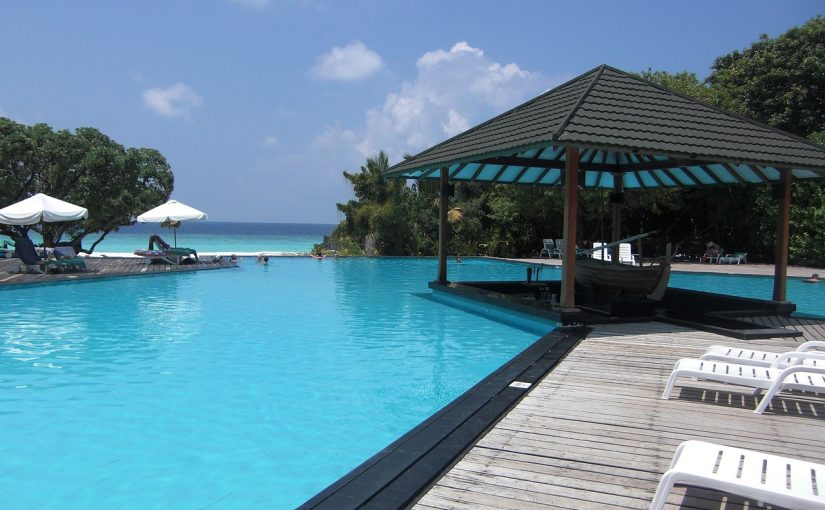
The Maldives is a diver’s paradise, offering calm lagoons, colourful reefs, and an incredible variety of marine life. Whether you’re taking your first plunge or already hooked on the underwater world, the islands promise an experience like no other.
Exploring the Ocean’s Hidden Wonders
In the Maldives, top attractions often lie beneath the surface. The islands are surrounded by coral reefs rich in marine life, from sea turtles and reef sharks to manta rays. For beginners, the calm waters and excellent visibility make diving here both safe and unforgettable. Resorts such as NH Collection Maldives Havodda Resort provide access to some of the best dive spots.
Maaya Thila – The Perfect Beginner’s Reef
Located in North Ari Atoll, Maaya Thila is a top choice for new divers. Its gentle currents and moderate depth make it ideal for training dives, while sightings of white-tip reef sharks, moray eels, and turtles add a touch of thrill. The soft corals here light up in shades of pink and purple under the sun, creating a calm and magical underwater scene.
Banana Reef – A Classic Dive Spot for All
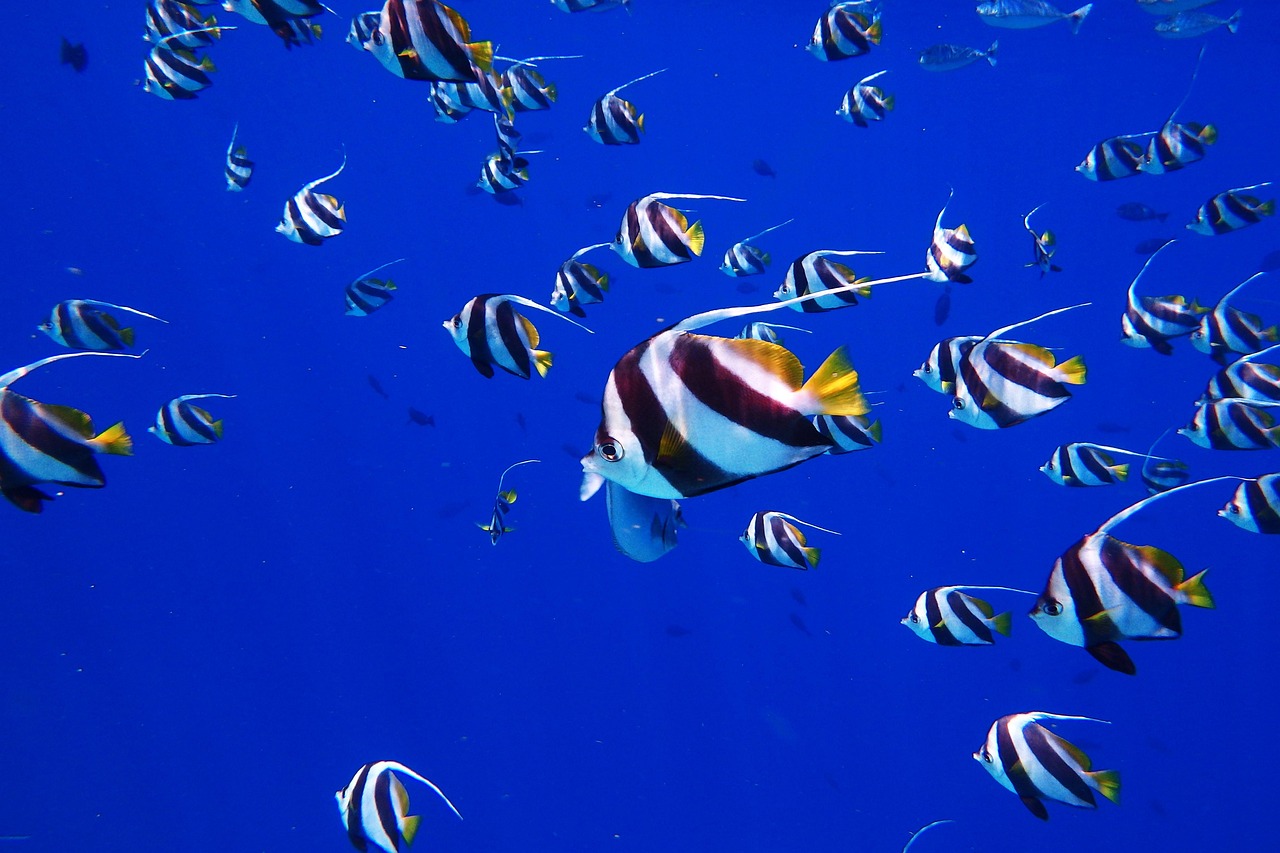
As one of the first discovered and most famous dive sites in the Maldives, Banana Reef in North Malé Atoll is a must-visit. The reef’s banana-shaped curve shelters bright coral gardens and schools of bannerfish, fusiliers, and squirrelfish. Its easy accessibility and mild currents make it an excellent site for beginners to practise buoyancy control and enjoy safe, scenic dives.
Fotteyo Kandu – For the Curious Beginner
Though known for its depth and caves, Fotteyo Kandu in Vaavu Atoll also offers shallow sections suitable for confident first-timers with a guide. It’s a spot where you might spot grey reef sharks and stunning overhangs decorated with soft corals. Dive early in the morning for the best visibility and vibrant marine encounters.
Expert Tips for Your First Dive
Start with a Discover Scuba Diving session to get comfortable with the equipment before your first open-water dive. Always check your gear, breathe slowly, and never rush underwater. Diving with certified instructors ensures safety and confidence. Remember to equalise often, respect marine life, and stay close to your dive buddy; these habits turn a good dive into a great one.

