The Maldives is synonymous with sun-drenched atolls, turquoise lagoons, and undeniably breathtaking marine life. Beneath the surface lies a vibrant and delicate underwater world that’s both captivating and fragile. Some of the best vacation hotels on the islands often offer marine excursions right from the doorstep of your villa. Are you ready for a never-ending underwater excursion? Here’s a bit about what to expect.
Coral Reefs
Maldives’ coral reefs are biological marvels—home to a variety of fish, invertebrates, and coral species. These reefs form the backbone of the marine ecosystem, providing shelter for colourful parrotfish, angelfish, and anemone-dwelling clownfish. Snorkelling or diving within these underwater gardens reveals intricate coral structures, soft corals, and even hidden, jewel-toned nudibranchs. The clarity of the water enhances the experience, making reefs almost vibrate with life.
Manta Rays and Whale Sharks
Some of the ocean’s most majestic creatures grace Maldivian waters. Gentle manta rays glide through plankton-rich channels, often giving divers the unforgettable experience of shadowed dance beneath their wings. Whale sharks, the largest fish in the sea, drift alongside reef edges near feeding grounds, where plankton blooms attract them seasonally. Some of the best dive resorts, such as Avani + Fares Maldives Resort by Avani Hotels & Resorts, offer diving excursions, including night dives, for divers to experience all this beauty.
Threats and Conservation Efforts
Despite its natural beauty, coral reefs face threats like warming oceans, pollution, and coastal development. Rising sea temperatures cause coral bleaching, while plastic waste and runoff harm marine life. Scientists and local organisations are actively restoring coral colonies, monitoring reef health, and promoting reef-safe tourism to keep these ecosystems resilient for future generations.
Eco-Tourism and Responsible Diving
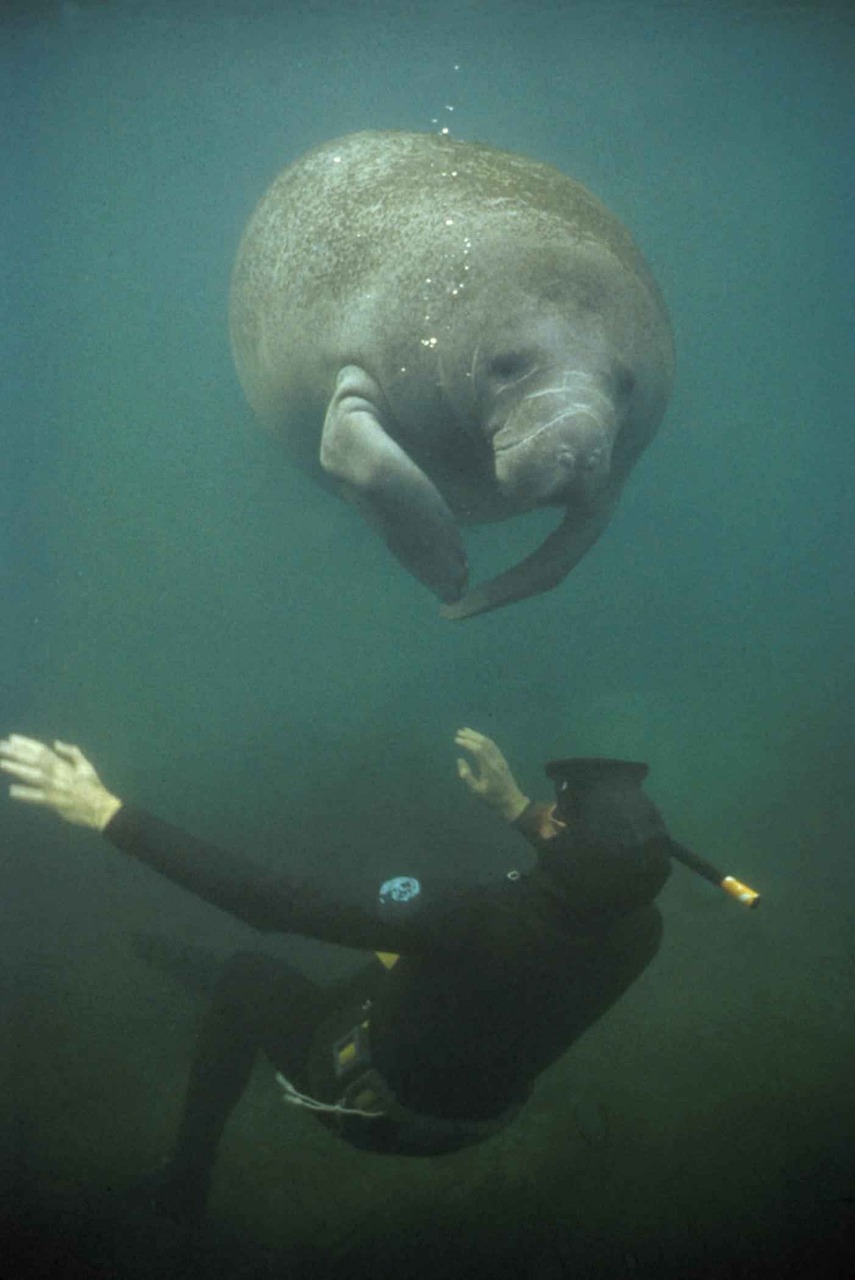
Tourism in the Maldives can be a force for preservation when done thoughtfully. Many resorts establish marine biologist-led programs, underwater education, and reef-safe diving practices. Promoting reef-zone awareness, no-touch policies, and supporting local conservation projects helps visitors enjoy marine wonders while protecting their future.