A Guide to Experiencing the Underwater Wonders of the Maldives

The Maldives happens to be renowned for its entrancing underwater environment, which contains a myriad of sea creatures, and you will have the opportunity to experience these aquatic wonders for yourself.

Snorkelling 

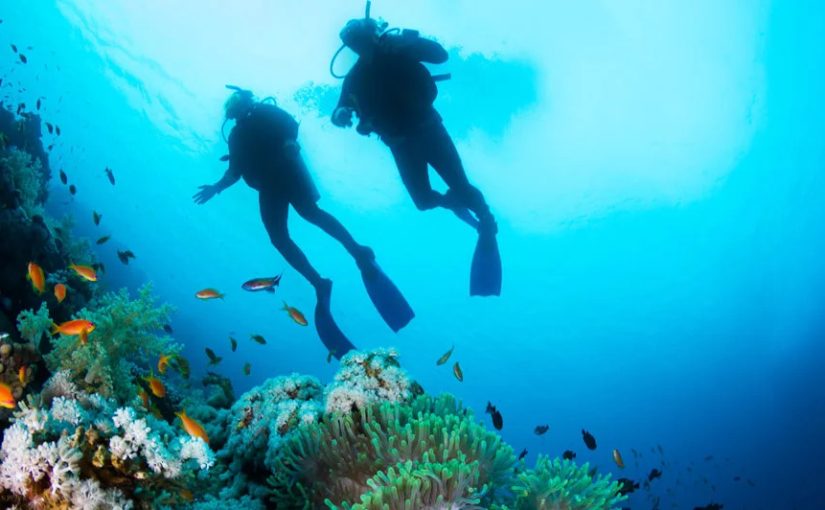
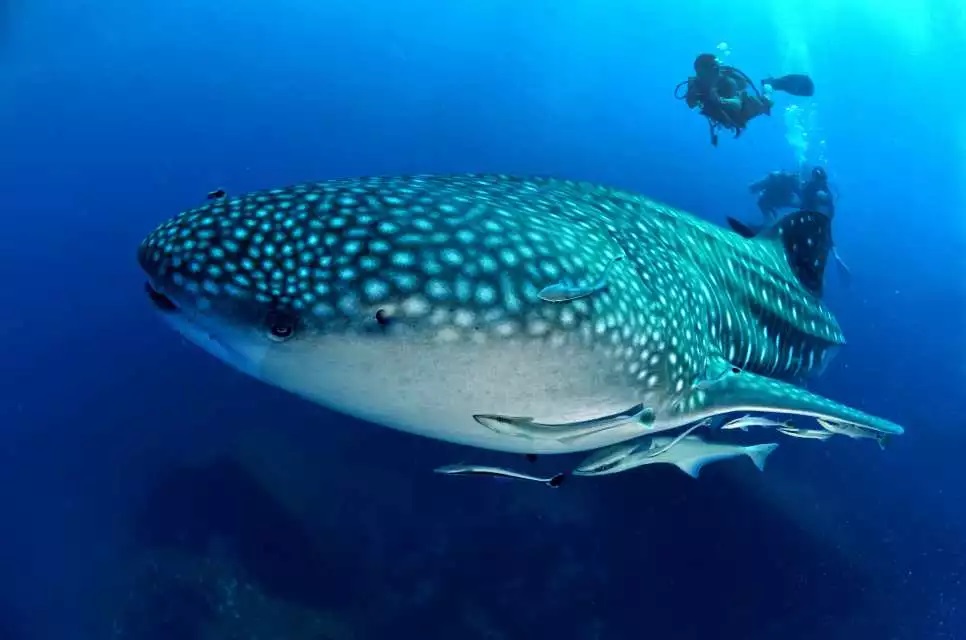
In the Maldives, you will have the chance to snorkel at appealing house reefs where beautiful corals, reef sharks, clownfish and eagle rays can be seen. A unique experience is snorkelling at Hanifaru Bay, in the Baa Atoll, a UNESCO Biosphere Reserve; in the peak season, amazing gatherings of graceful manta rays may be spotted here, while you might also encounter huge whale sharks. If you seek the best Maldives offers at a property in this atoll, consider NH Collection Maldives Reethi Resort, which is just 20 minutes from Hanifaru Bay.
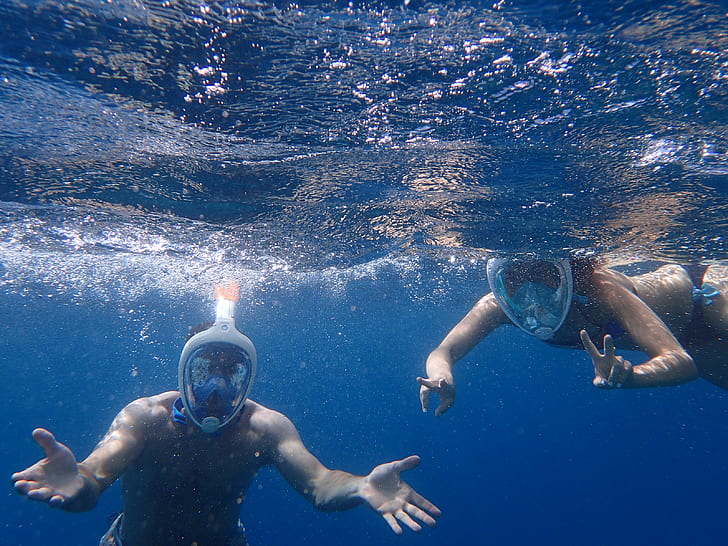
Image via pickpik

Scuba diving 

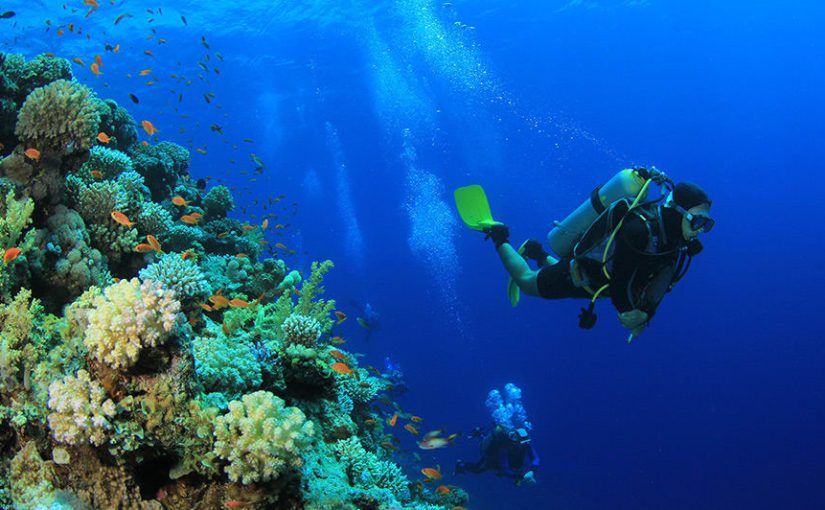
By scuba diving, you can truly experience the undersea marvels of the Maldives to the fullest. As you dive in the local waters, you will encounter striking underwater scenery, exotic fish, different kinds of sharks and many other marine creatures. You could also avail yourself of expert instruction at a PADI centre in certain resorts. Pro tip: staying in the Baa Atoll is ideal for this activity as well.

Submarine rides 

Depending on where you stay, you will also have the chance to undertake a submarine ride that will take you into the depths of the ocean so that you can observe mesmerising underwater treasures in comfort. Often, the submarine would be rotated in the course of the dive in order to provide all the passengers with a good view of the picturesque reefs.

Underwater walking 

If you do not possess swimming skills, you may still engage in underwater walking, offered at some properties. In the course of this activity, you can walk on the surface of the seabed with a special helmet providing a steady air supply. Additionally, an expert can guide you while experiencing the captivating undersea environment.

Summer in Maldives – Is it the Right Time for a Holiday?

Planning a Maldives holiday and wondering whether summer is a wise choice? It is a fair question. The wet season puts some travellers off, but the reality is more approachable than that label suggests. Whether summer is the right time depends on what kind of experience you are looking for.

The Wet Season in the Maldives

The Maldives wet season typically runs from May through October, influenced by the southwest monsoon. Even though it’s called the wet season, it doesn’t mean consistent rain. It’s more like occasional heavy showers, usually brief, interspersed with long stretches of warm, calm weather. Wind conditions can be slightly stronger, and some days will be overcast, but a washout holiday is far less common than the term “wet season” suggests.

The Case for Going in Summer

The advantages are real and worth weighing carefully. A Maldives luxury resort is at its most affordable during this period. Flights tend to be cheaper and easier to book. The islands are quieter, and the experience of having a stretch of beach or a house reef largely to yourself is something peak season travellers rarely get. If you are interested in a resort in the Maldives in the wet season, consider a stay at Niyama Private Islands Maldives.

Image by pexels

What to Watch Out For

Some liveaboard diving routes are less accessible during the southwest monsoon because of sea conditions. A handful of smaller transfers between islands can be affected by wind. It is worth checking specific conditions for the atoll you are visiting and being flexible with your itinerary if possible. With a little planning, these are manageable considerations.

From Sun-Kissed Shores to Crystal Waters: Why the Maldives Tops Your Bucket List

The Maldives’ reputation as a top holiday destination isn’t surprising. From crystal-clear lagoons teeming with marine life, to white coralline shores encircling luxury resorts, every island is unforgettable. While it would be impossible to capture the magic of the Maldives in one article, here are just a few reasons why the Maldives should be your top holiday priority.

Gorgeous Overwater Villas

Water villas in Maldives are a signature experience in the region. These chalets are the epitome of island romance, far from the shores of busy resorts and crowds. Here, guests are treated to a private sanctuary floating above a lagoon, waking up to the ocean, and its enchanting secrets, at your feet.

World-Class Wellness

There’s no better place to unwind than in the Maldives. Open-air salas, spa suites perched over lagoons – wellness experiences offered by Maldivian resorts are unmatched. Indulge in 5-star treatments curated by experts, combining indigenous ingredients with therapies from around the world.

Unique Dining Experiences 

The islands’ natural landscapes have given way to unique dining experiences. Almost every resort offers overwater restaurants, private beach dining, and picnics on isolated sandbanks, such as those around Anantara Dhigu Maldives Resort. There are even underwater restaurants in some locations!

UNESCO-Recognised Biosphere Reserves

The Maldives is home to numerous protected marine ecosystems that are brimming with life, colour, and biodiversity. The Baa Atoll sees some of the most important manta ray congregations in the world, gathering in groups of 200 around feeding stations. Meanwhile, the Addu Atoll is home to historic sites alongside the largest shipwreck in the Maldives, which has transformed into a rich reef ecosystem inhabited by eagle rays, sea turtles, and colourful coral.

Swimming With Sharks and Dolphins 

Image by pexels

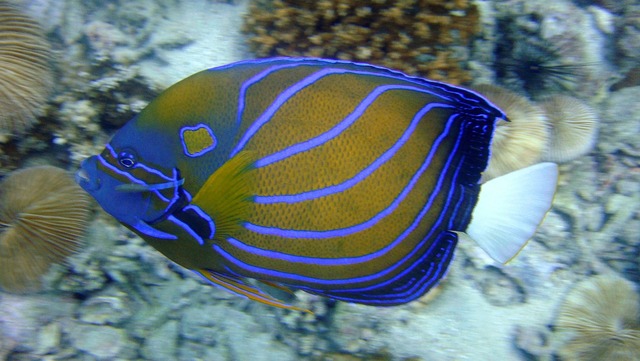
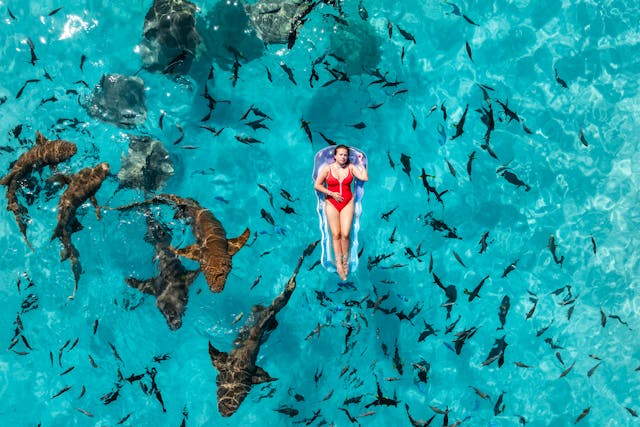
In addition to friendly sea turtles, graceful manta rays, and exotic reef fish, visitors to the Maldives have the chance to swim alongside various sharks and dolphin species. From gentle nurse sharks to playful spinner dolphins, live out your very own mermaid fantasies below the waves of the Maldives.

Top Cultural Experiences in Habarana – Discover Sri Lanka’s Heritage, Traditions & Village Life

Tucked away in Sri Lanka’s North Central Province, Habarana serves as a gateway to some of the island’s most treasured historical and natural landmarks. Even during rainy weather, the region continues to reward visitors with enriching cultural encounters that extend far beyond conventional sightseeing.

Sigiriya Rock Fortress

Among the most iconic Habarana attractions, the ancient rock fortress of Sigiriya stands out as a remarkable symbol of early architectural brilliance and royal ambition. Visitors can climb the towering rock to explore the ruins of King Kasyapa’s palace complex, while the renowned frescoes and mirror wall provide fascinating insight into Sri Lanka’s ancient past. The beautifully landscaped water gardens further enhance the experience, showcasing sophisticated irrigation techniques that were far ahead of their time.

Dambulla Cave Temple

Travellers staying at Habarana Village by Cinnamon are conveniently located near the Dambulla Cave Temple, a UNESCO World Heritage Site revered for its spiritual significance and artistic splendour. The temple complex features intricately painted cave interiors, centuries-old Buddha statues, and detailed murals that depict the evolution of Buddhist traditions across the island. Exploring the site with a knowledgeable guide allows visitors to gain a deeper appreciation of its rich historical and religious heritage.

Safari at Minneriya National Park

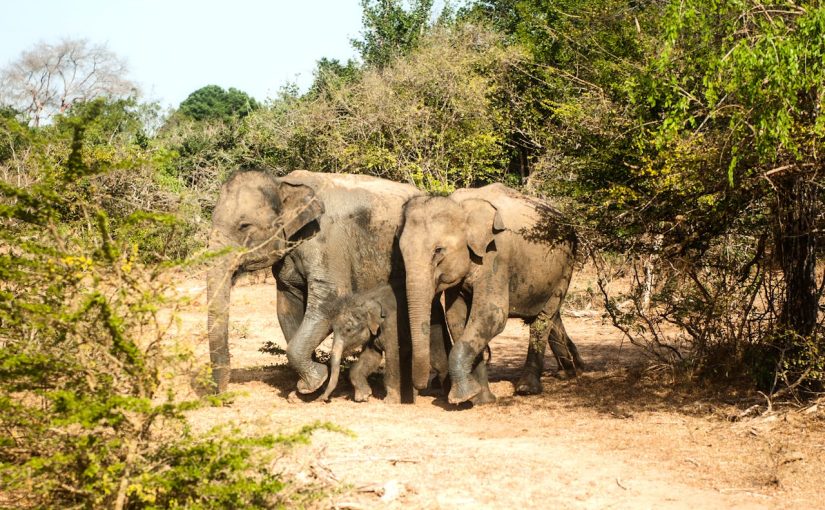
Only a short drive from Habarana, Minneriya National Park is renowned for its spectacular elephant gatherings, particularly between June and September when herds come together around the ancient Minneriya Tank. Dating back to the 3rd century, the reservoir remains one of the region’s most significant irrigation landmarks. In addition to elephants, the park is home to an abundance of wildlife, including sambar deer, leopards, and diverse bird species, creating an unforgettable safari experience for nature enthusiasts.

Habarana Village Tour

Image by pexels

For those seeking a closer connection to everyday Sri Lankan life, a village tour offers an authentic glimpse into the region’s traditional way of living. Visitors can travel through the countryside by ox-cart, enjoy a peaceful boat ride across nearby lakes, and observe local customs and daily activities firsthand. The experience is often complemented by a traditional home-cooked Sri Lankan meal prepared by local families using fresh ingredients.

More for Your Money – How to Get the Most Out of a Mauritius Hotel Package

Mauritius is not the cheapest destination in the Indian Ocean, but it is one of the most rewarding. The key to making a trip here work financially without compromising on experience is choosing the right hotel package from the outset.

What Packages Usually Include

Hotel packages in Mauritius vary considerably in what they cover. A bed and breakfast rate leaves you paying separately for lunch, dinner, drinks, and activities, which can add up quickly on an island where imported goods carry a premium. A half-board or full board package locks in your main meal costs and removes a significant source of daily spending. All-inclusive packages go further, covering drinks and in some cases water sports, making the total cost easier to predict and manage from the start.

When to Go and Off-Season Value

The timing of your trip has a direct impact on the value a package represents. Mauritius has a peak season centred around the European winter months, when demand from French and British travellers pushes rates up across the board. Travelling in the shoulder months of April, May, or October gives you good weather alongside noticeably lower rates. Hotel package deals in Mauritius during these periods give outstanding value, particularly at properties like The Residence Mauritius.

Activities and Excursions

Image by pexels

Packages that include excursion credits or complimentary water sports add value that is easy to perceive. Dolphin watching, catamaran trips, deep-sea fishing, and snorkelling excursions are all popular in Mauritius and carry costs that accumulate quickly when booked individually. Packages that bundle these in, even partially, deliver a more complete experience at a more manageable overall price.

Out and About in Langkawi: Top Nature Experiences to Enjoy on the Island

Home to some of Malaysia’s finest beaches, Langkawi is also a dream destination for nature lovers and avid hikers. From exploring the archipelago’s mangrove forests to enjoying its pristine coastlines, here are nature-centric activities every visitor should enjoy during a trip to Langkawi.

Sign Up for a Birdwatching Tour

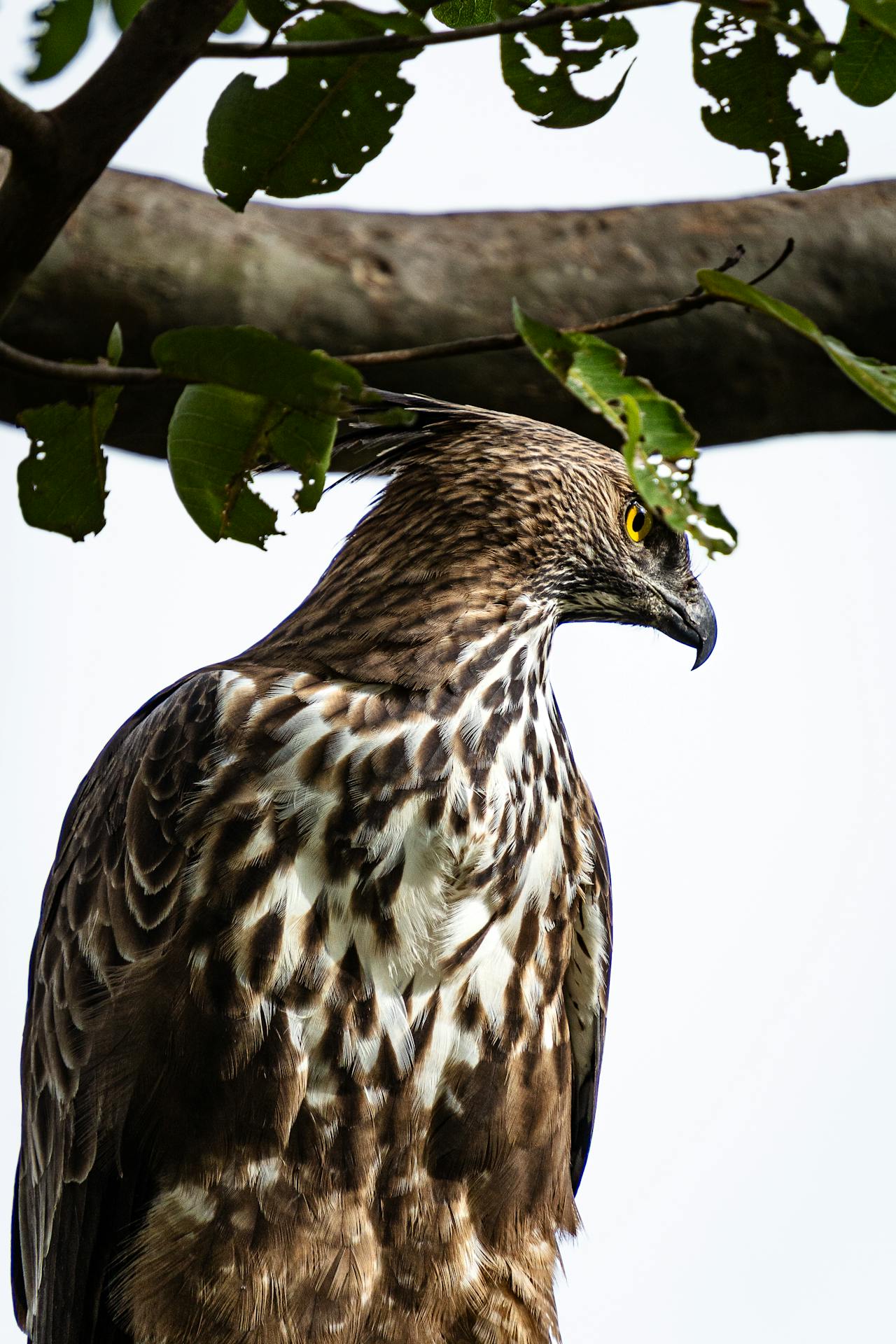
Home to nearly 260 bird species, Langkawi is a prime birding hotspot in Malaysia. Occupying the rainforests and wetlands, the island’s most vibrant winged beauties include Orange-bellied Flowerpeckers, Oriental-Pied Hornbills and Crimson Sunbirds.

Take a Peek Beneath the Waves

Holidaymakers based at PARKROYAL Langkawi Resort, a well-situated, reputable Langkawi resort near beach paradises such as Pantai Tengah Beach, must also experience the underwater coral gardens that surround the island.  Prime diving and snorkelling hotspots in Kedah, including Pulau Payar Marine, are also among the best places to engage in these water-bound pursuits.

Chasing Waterfalls

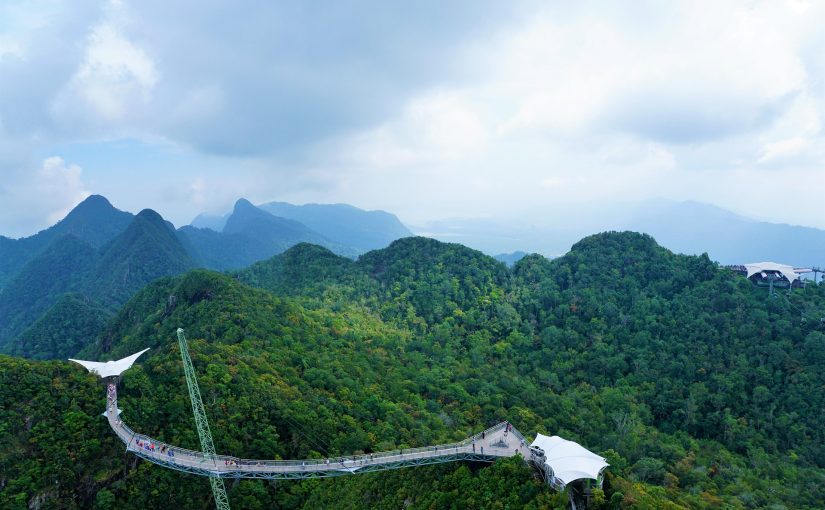
Although visitors can catch a glimpse of the Telaga Tujuh Waterfalls from the Langkawi Sky Bridge, there’s nothing quite like trekking up to the Seven Wells Waterfall to admire its ferocity. Avid hikers can also climb up to the summit of the cascade and take in the views of the surrounding rainforest.

Image by pexels

Kayak around the Island’s Mangrove Forests

Discovering the mangrove-lined forests of Kilim Geoforest Park is another activity nature lovers can’t afford to miss during a stay in Langkawi. In addition to offering a glimpse of the staggering beauty of the reserve, a kayaking tour also offers visitors the chance to explore Crocodile Cave and other natural wonders in the depths of the geopark.


Koh Lanta Diving Guide: Top Dive Sites, Marine Life and Best Seasons

Koh Lanta is a prime diving location in Thailand. This idyllic island boasts crystal-clear water settings, vibrant coral reefs, and diverse marine species. Novices can embark on their first diving experience here, while adventurers can explore the depths of the ocean. From scuba excursions to clear season, here’s everything you need to know about diving in Koh Lanta.

Explore Famous Dive Sites Around Koh Lanta

Some of Thailand’s finest dive spots are just around Koh Lanta. Divers have the opportunity to discover many marine environments, like vibrant coral gardens and spectacular rock structures. Every dive site presents a different kind of aquatic adventure, regardless of visitors’ diving skills.

Enjoy Diving for All Skill Levels

Koh Lanta offers diving opportunities suitable for beginners, certified divers, and advanced explorers. Many dive schools provide training courses, guided dives, and equipment rentals. Some Krabi resorts even offer excursions to dive sites and provide gear, including properties like Avani+ Koh Lanta Krabi Resort.

Discover Incredible Marine Life

Surf and water surrounding Koh Lanta will be enough to get you excited because that is where tropical fish, turtles, sharks, colourful coral gardens, etc., are found. If you are a lucky diver, you may even have the chance to see mantas and whale sharks at certain times of the year.

Image via picryl

Visit During the Best Diving Season

The best time for diving in Koh Lanta would be from November to April. At this time, the sea is relatively calm, and the visibility underwater is very good. These factors combine to make an excellent situation for scuba and snorkelling activities.

Sri Lanka’s National Parks: Wild, Untamed and Unforgettable

The island of Sri Lanka is home to a number of national parks that offer all kinds of wildlife experiences and interactions within short distances. Each park brings a different experience to the table shaped by its landscape and seasonal variation.

Basing in Yala

Yala National Park is the most famous of all the parks in Sri Lanka and is known for leopard sightings and active wildlife across open terrain, which is quite popular among international visiors and locals alike. Travellers searching for hotels near Yala National Park often stay at options like Mandara Rosen Kataragama for easy safari access, as most of them set off quite early in the day.

Nearby Parks and Elephant Habitats

Udawalawe National Park offers clear views of the multitude of elephants in open grassland areas. Strategically basing yourself in the region of these locations allows you to visit both parks within a short distance.

Quieter Parks with Fewer Crowds

Wilpattu National Park provides a calmer safari experience with forest and natural lakes surrounding the trails. It suits travellers who prefer a slower pace and longer viewing time.

Experience Wetlands and Birdlife

Image by pexels

Bundala National Park is known for its plethora of migratory birds and open lagoon landscapes scattered over the region. It adds variety to your trip with a different type of wildlife experience, especially as it is a wintering ground for many bird species.

How to Experience the Best Snorkelling, Island Hopping, and Scuba Diving Around Phi Phi Islands


Whether you’re a first-time visitor or a seasoned traveller returning for more, snorkeling, island hopping, and scuba diving around Phi Phi offer some of the most thrilling marine experiences in Southeast Asia. The waters here are warm, crystal clear, and teeming with life — from vibrant coral gardens to reef sharks gliding silently beneath long-tail boats. Here’s how to make the most of every moment on and under the water.

Choose the Right Base for Your Adventures

Where you stay makes a significant difference in how easily you can access the best water activities. Staying directly on the islands — rather than day-tripping from Phuket or Krabi — gives you first access to sites before the crowds arrive.

SAii Phi Phi Island Village is one of the most well-positioned properties for this. Set along a quiet stretch of Loh Dalum Bay, the resort offers direct beach access and can connect guests with reputable local operators for guided snorkelling tours, island-hopping excursions, and dive trips. Starting your morning from the resort means you’re already at the water’s edge — no ferry transfers needed.

Snorkelling: Know Where to Go

The waters around Phi Phi are dotted with excellent snorkelling spots, but not all are created equal. The most rewarding sites include:

    • Hin Klang — a submerged pinnacle between Phi Phi Don and Phi Phi Leh, ideal for intermediate snorkellers looking for an immersive experience among schooling fish and soft corals.
    • Maya Bay Reef — the lagoon itself may be famous, but the reef just outside is where the real colour lives. Arrive early or late in the day to avoid boat traffic.
  • Ao Nui — a sheltered cove on Phi Phi Leh with calm, shallow water perfect for beginners and families.

Bring reef-safe sunscreen, a quality mask and snorkel (or rent from a trusted operator), and always snorkel with a buddy.

Island Hopping: Build the Right Itinerary

A classic island-hopping day around Phi Phi typically takes in three to five stops and can be done by chartered longtail boat or joined tour. The key is balancing the iconic landmarks with the quieter, lesser-visited spots.

A well-rounded route might include:

  • Viking Cave on Phi Phi Leh, where swiftlets build nests high on the cliff walls
  • Monkey Beach for a brief stop to observe (but not feed) the local macaques
  • Bamboo Island (Koh Mai Phai) for some of the whitest sand and clearest water in the area
  • Pileh Lagoon, a stunning emerald-green lagoon enclosed by towering limestone

Book your boat early in the day. Afternoons can get choppy, and popular spots like Pileh fill up quickly with tour groups from the mainland.

Scuba Diving: From Beginner Dives to Advanced Sites

Phi Phi’s diving ranges from gentle introductory dives to exhilarating drift dives and shark-spotting sites. The visibility here regularly reaches 20–30 metres in the dry season (November to April), making it one of Thailand’s best diving destinations.

Key dive sites to know:

Hin Daeng and Hin Muang (accessible as a day trip) — for advanced divers, these twin seamounts are considered among the best dives in all of Thailand, with manta rays and whale sharks occasionally spotted.

  • King Cruiser Wreck — a sunken ferry that now teems with marine life, suitable for divers with Open Water certification.
  • Anemone Reef — a soft coral-draped pinnacle bursting with clownfish, moray eels, and lionfish.

If you’re a beginner, many local dive shops offer PADI Discover Scuba Diving experiences that require no prior certification. A single day is enough to complete a confined water session and do two open-water dives.

Practical Tips

  • Best season: November to April offers calmer seas and better visibility. May to October is monsoon season — diving is still possible but conditions vary.
  • Book ahead: During peak season (December–February), reputable dive operators and island-hopping boats fill up fast. Reserve at least a day in advance.
  • Respect marine life: Do not touch coral, chase marine animals, or collect shells. Phi Phi’s reefs have recovered significantly in recent years and responsible tourism keeps it that way.
  • Sun protection: The tropical sun is intense on the water. Wear a rash guard, apply reef-safe sunscreen, and stay hydrated throughout the day.

  • Cash on hand: Many longtail boat operators and smaller dive shops on the islands are cash-only. ATMs are available on Phi Phi Don but can run out during busy periods.
  • Start early: The best light for underwater photography, the calmest seas, and the thinnest crowds all happen before 9 a.m.  Make sure to set your alarm.


Nurse Shark Snorkelling in the Maldives

Underwater excursions in the Maldives often focus on encounters with whale sharks, manta rays and sea turtles. But snorkelling with nurse sharks is one experience that rarely makes it to travellers’ bucket lists. If it does, however, the experience is truly captivating. Here’s all you need to know about this lesser-known adventure.

What to Expect

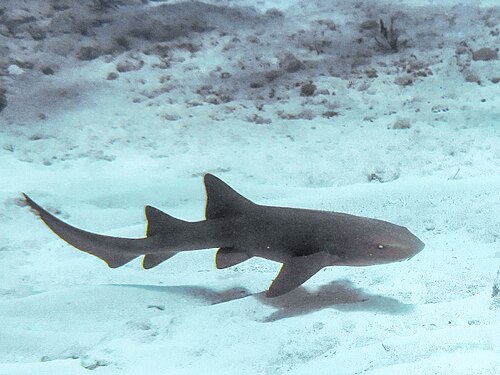
Contrary to popular belief, nurse sharks aren’t aggressive creatures. In fact, they’re slow-moving, ‘gentle giants’ that spend most of the day resting, and rarely show interest when humans approach. This makes for a rather tranquil encounter, and you’ll even come across other marine animals like sting rays, reef fish and trevallies.

Eltonatlarge, Nurse Shark, Davis Reef, Florida Keys, CC BY-SA 4.0

Best Spots for Encounters

Nurse sharks usually prefer the house reefs that are near deeper channels between atolls. So staying at resorts such as Furaveri Maldives means that you’ll have a better chance of spotting them. In general, the Vaavu Atoll and South Male Atoll are top spots for nurse shark sightings.

Seasonal Patterns & Conditions

There’s no drastic difference in nurse shark activity between seasons in the Maldives, but there is a change in how you can see them. Visibility is better in the dry season (November to March), when you can spot nurse sharks from above the surface. However, the encounters are more intimate in the wet season (May – September), since you need to dive deeper and get much closer to spot them.

Safety Tips

Most nurse shark-related excursions in Maldives are conducted in the presence of a guide, who will give you a briefing on safety and equipment. It is important to note that while nurse sharks are harmless, they can get aggressive if they feel threatened. So, it’s best to avoid physically touching them and keep a safe distance, even if your guide insists otherwise.