Scuba Diving in the Maldives –  A Simple Primer

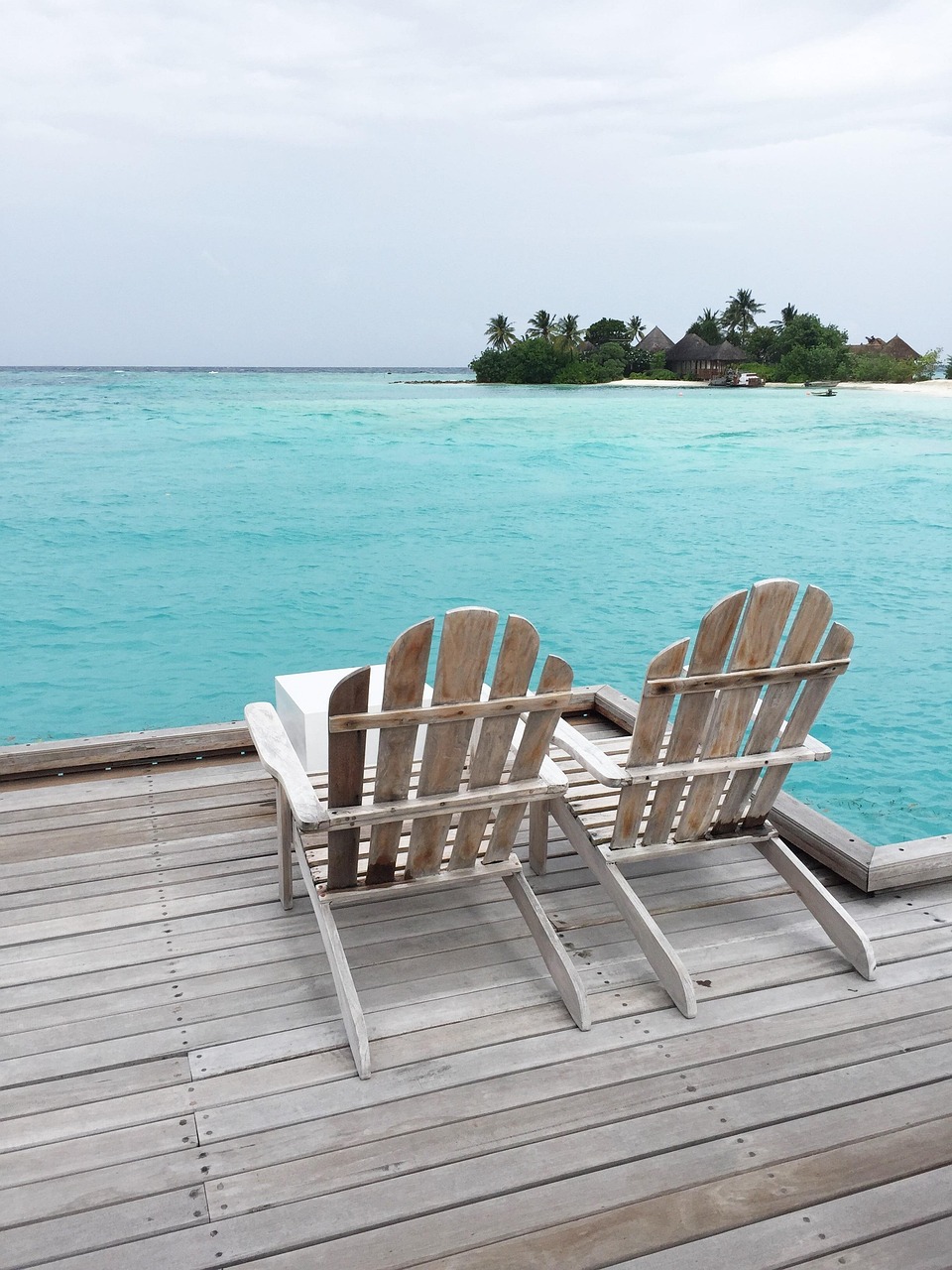
Scuba diving in the Maldives is like stepping into an underwater wonderland. Imagine swimming through crystal-clear waters, checking out colourful coral reefs, and hanging out with turtles, manta rays, and even whale sharks. Whether you’re a newbie or a seasoned diver, the Maldives has dive spots for everyone.
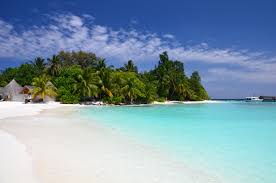
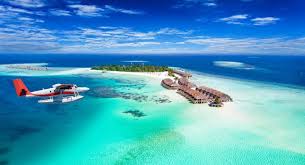
Bathala (Maldives)
Bathala (Maldives) | Images via Wikimedia Commons

A Short Overview of the Maldives

The Maldives, a stunning archipelago in the southern Indian Ocean, is made up of 1,192 coral islands grouped into 26 natural atolls, stretching roughly 900 kilometres from north to south. The equator passes near the Addu Atoll, dividing the country. While Dhivehi is the official language, English is widely spoken, especially in the tourism sector and places like the Anantara Kihavah Maldives Villas.

The Ideal Time to Visit

From December to April, during the northeast monsoon or dry season, trade winds from India bring mostly sunny, calm weather to the Maldives with very little wind. Ocean visibility can be excellent, reaching up to 50 meters in the eastern atolls and around 25 meters in the western ones. However, water clarity also depends on factors like weather, tides, location, and the season. So, before embarking on some of the most interesting things to do in Maldives, make sure the conditions are right.

Diving Formations

In the Maldives, divers often encounter two unique underwater formations: giris and thilas. A giri, sometimes called a reef tombolo or atoll lagoon, is a mostly submerged coastal landform separate from the island reef, with its top visible from the surface and accessible to divers of all levels. Thilas, on the other hand, are larger coral formations typically found deeper, between 20 to 40 metres below the surface.

Marine Life

The Maldives is world-renowned for its incredible marine life, particularly manta rays and whale sharks. Home to the largest population of reef manta rays (Manta alfredi), estimated between 5,000 and 7,000, the islands also host the occasional giant manta. Alongside them, the Maldives also offers encounters with the gentle giant of the ocean—the whale shark (Rhincodon typus), the largest fish in the world.
Why You Should Pack Your Surfboard for the Maldives – Ride Warm Waves in Paradise

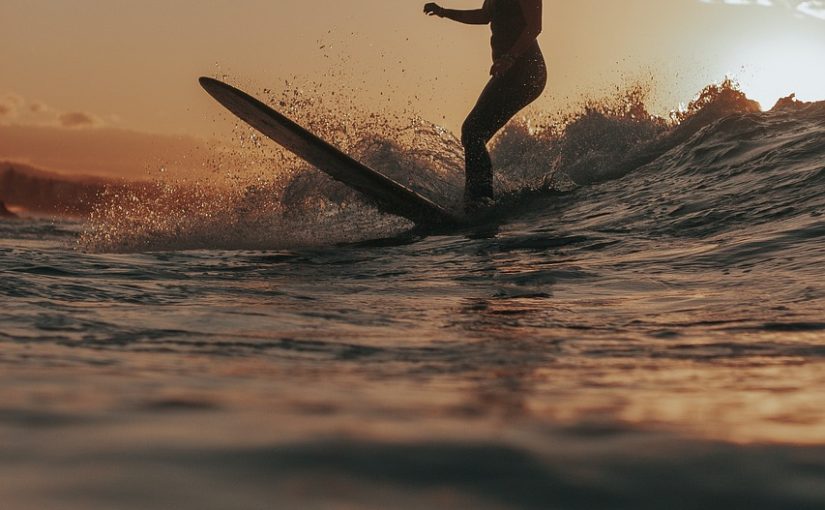
The Maldives is known for calm lagoons, but its surf breaks are just as impressive. With steady swells and warm water, it is one of the easiest places to enjoy a relaxed surfing escape.

World-Class Waves with a Laid-Back Island Feel

Many travellers are surprised to learn that the Maldives offers some of the most consistent waves in the Indian Ocean. Reef breaks in North and South Male Atolls attract surfers who want steady swells and clear conditions. Staying at a Maldives surf resort places you close to well-known spots like Sultan’s and Honky’s, and Anantara Dhigu Maldives Resort sits within reach of surf points ideal for beginners and experienced riders.

Plenty of Surf Spots for Every Skill Level

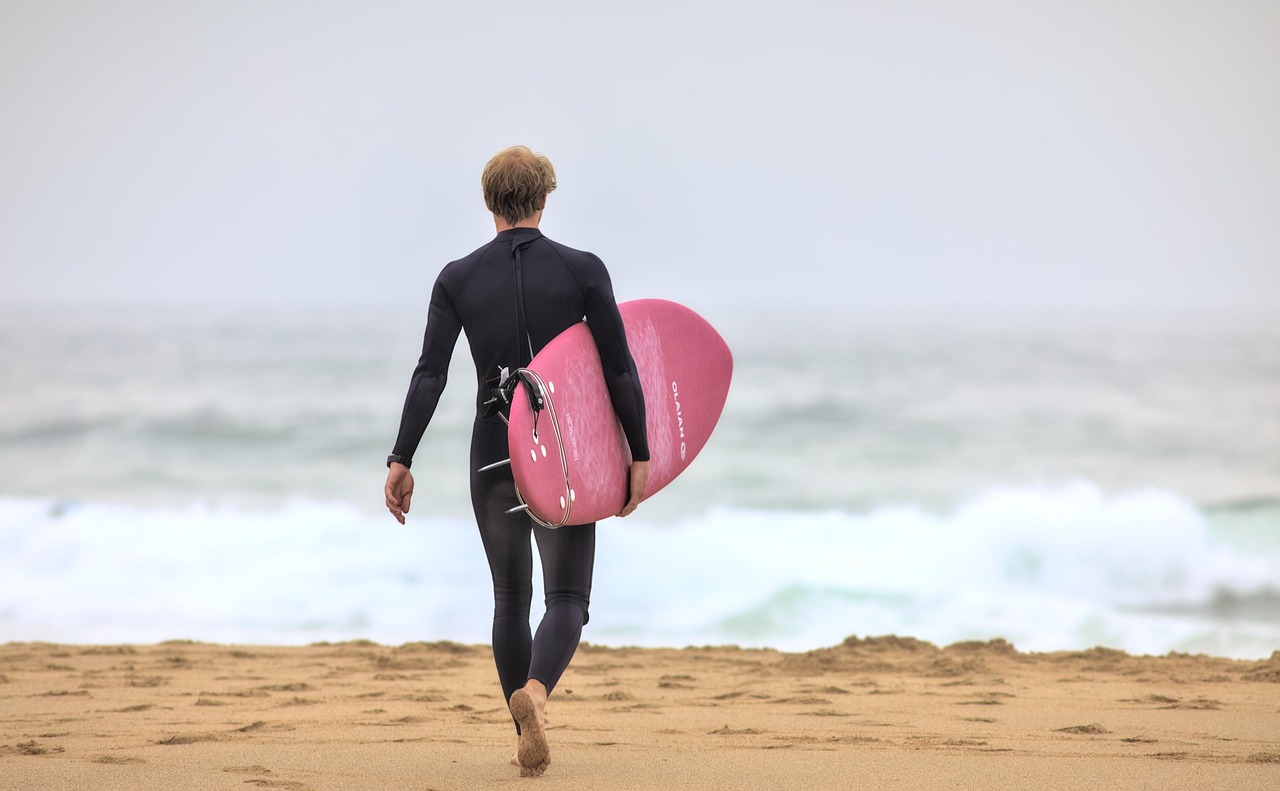
The Maldives is not only for professionals. Gentle longboarding waves, playful reef breaks and reliable channels make it suitable for surfers who want a comfortable and warm setting to practise. Many resorts offer guided surf sessions and rental gear for guests.

Warm Water and Ideal Weather All Year

One of the best parts about surfing here is the climate. The water stays warm throughout the year, and most sessions can be enjoyed without a wetsuit. The surfing season peaks from April to October, when swells reach the atolls from the south-west.

A Surf Trip That Combines Adventure and Relaxation

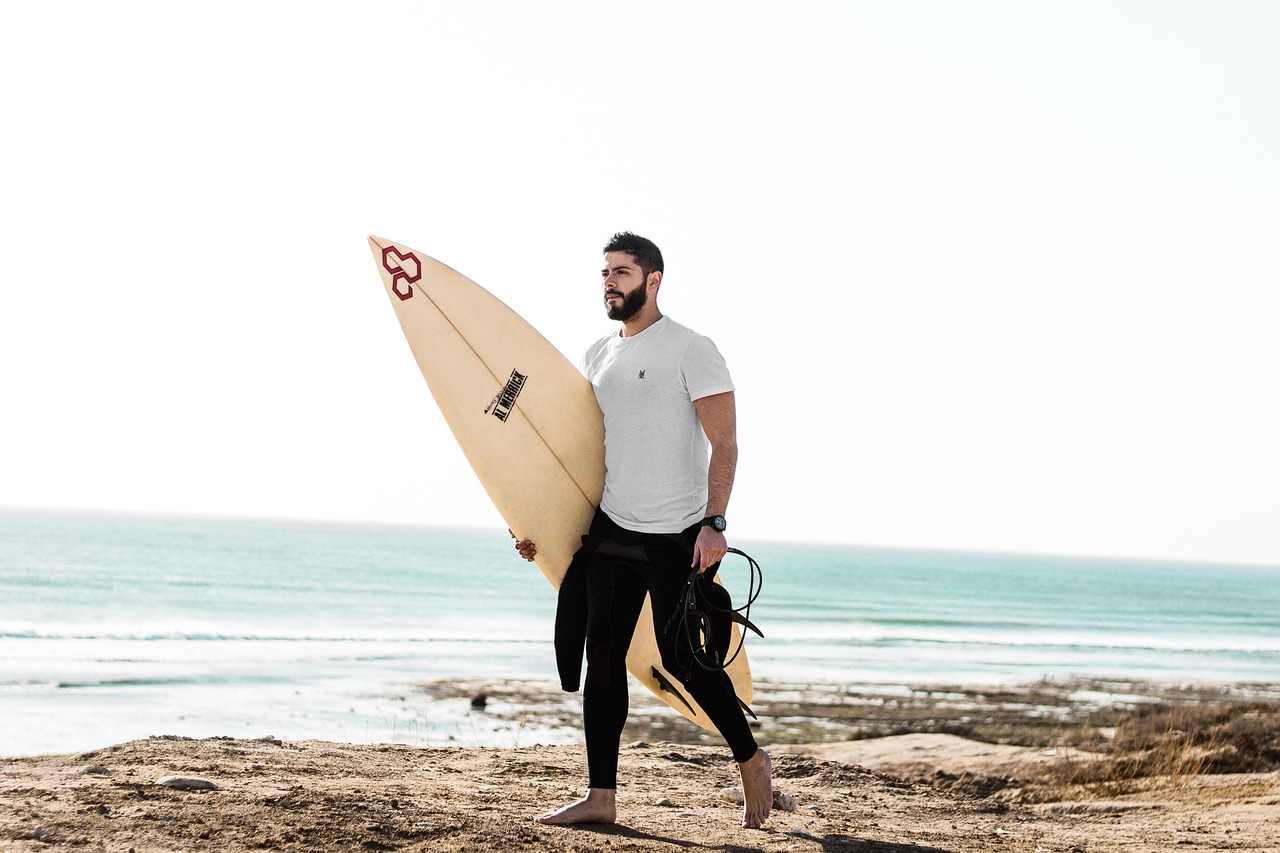
Image by Erick Palacio from Pixabay

After surfing, you can return to quiet beaches, soft sand and peaceful lagoons. It is easy to switch from riding waves to snorkelling, dining by the sea or watching the sunset from a hammock. This mixture of calm island life and exciting surf makes the Maldives an appealing destination for both thrill seekers and travellers who want balance in their holiday.

Tips to Experience Qatar Like a Local – Simple ways to see beyond the guidebooks

Qatar rewards travellers who slow down and look closer. By following local rhythms and everyday habits, the country reveals a warmer and more personal side.

Stay close to everyday life, not just landmarks

To experience Qatar properly, choose locations where daily life continues after sunset. Areas near traditional souqs, local cafés, and neighbourhood beaches give you a clearer sense of how people live. Even travellers staying at 5-star hotels in Doha can step outside their comfort zone by exploring nearby streets, bakeries, and evening gathering spots. Early mornings and late evenings are when local life feels most natural.

Eat where families eat

Skip international chains whenever possible and look for small restaurants filled with local families. These places often serve traditional Qatari and Gulf dishes at fair prices. Breakfast cafés, shawarma shops, and seafood grills are part of everyday life. You can ask staff for nearby recommendations, as locals often know the best casual places that do not appear online.

Learn simple cultural habits

Respect goes a long way in Qatar. Dress modestly in public areas, especially markets and cultural sites. Greet people politely and accept hospitality when offered. Visiting a souq in the evening, sipping karak tea, and taking time to talk rather than rush helps you blend in naturally. Fridays are quieter during the day, as families gather and prayer times shape the rhythm of the city.

Explore coastal towns and heritage areas

Image by Vinod Thadhani from Pixabay

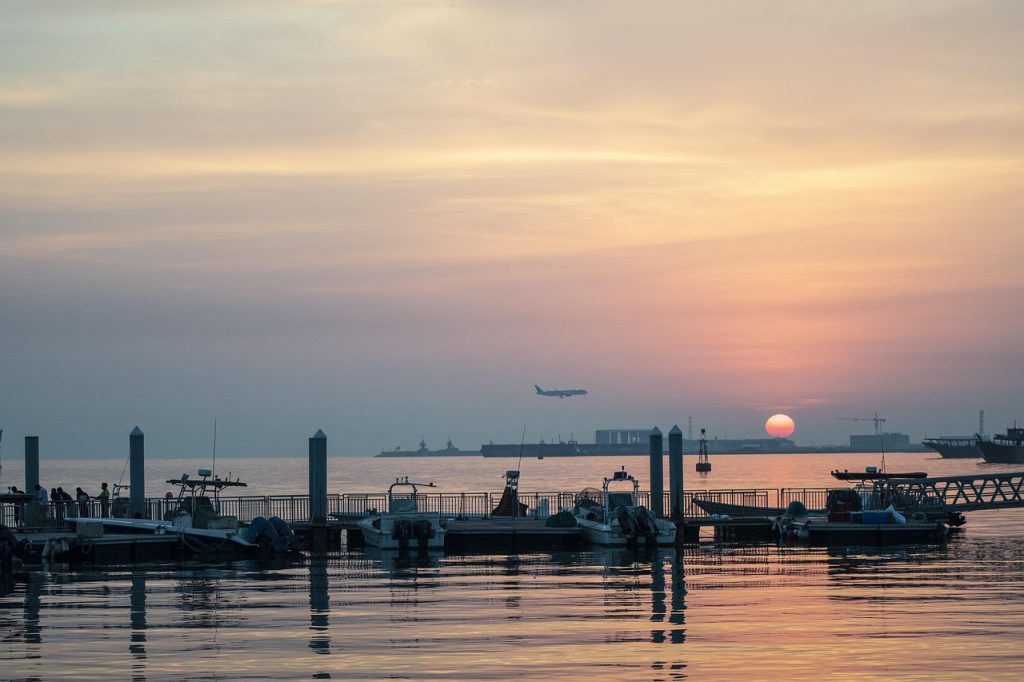
Doha is only part of the story. Coastal towns like Al Wakra show a calmer, more traditional side of the country. Walking through restored heritage streets, fishing harbours, and seaside promenades gives context to modern Qatar. For example, Souq Al Wakra Hotel Qatar By Tivoli sits in one such area, where restored architecture and local life exist side by side, making it easier to experience Qatar at a slower pace.

Sailing into Paradise: A Traveller’s Guide to Caribbean Cruising

Caribbean cruising is one of the most enjoyable ways to explore this sun-soaked region, combining island hopping with the comfort of a floating resort. From turquoise waters to vibrant cultures, a cruise offers a seamless introduction to paradise.

Why Choose a Caribbean Cruise

Caribbean cruises aren’t exactly a vessel to get from one destination to another. They are a destination themselves, with live entertainment, luxury dining experiences, and sprawling facilities designed for a hotel on the ocean. While Caribbean flights are perfect for practical travel, why not squeeze in a small cruise adventure into the itinerary?

Best Time to Cruise

The ideal cruising season runs from December to April, offering pleasant weather and calm seas for a perfect Caribbean escape. However, things can get a little crowded during the holiday season, so be sure to book your spot in advance.

Life Onboard the Ship

At their core, cruise ships function as floating cities, offering pools, spas, theatres, and kids’ clubs. Evening shows and themed dinners ensure there’s never a dull moment.

Eastern, Western & Southern Caribbean Routes

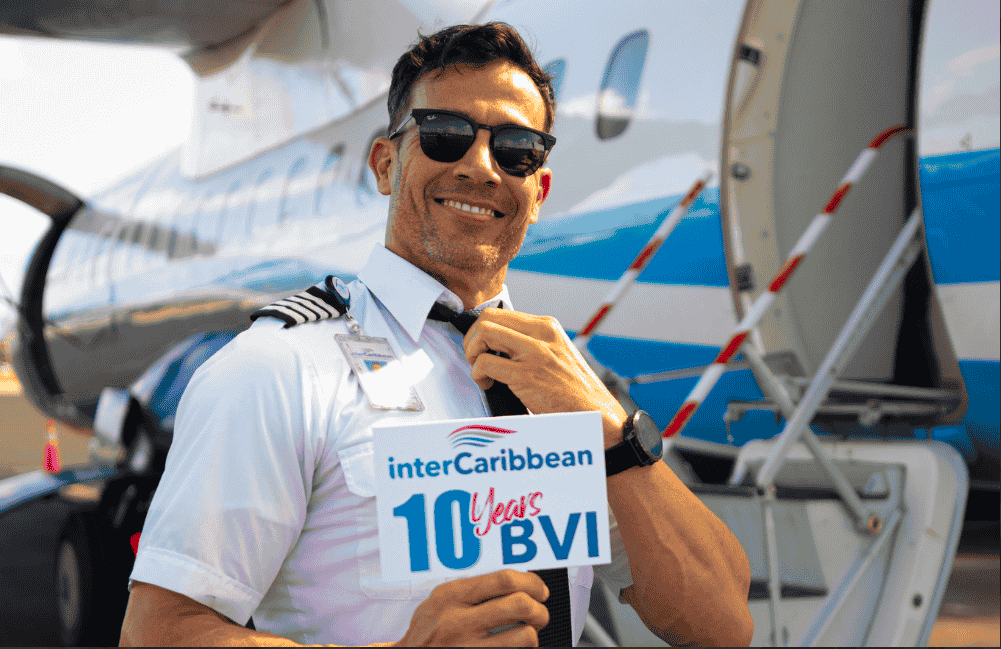
Each cruising route has its own appeal. The Eastern Caribbean is known for pristine beaches and shopping in ports like St. Maarten. Western itineraries highlight Mayan ruins and reef snorkelling, while Southern Caribbean cruises showcase less-visited islands with rich culture and dramatic landscapes. Once you’ve gotten to the embarkation point via airlines like InterCaribbean Airways, just hop on board your cruise and begin your adventure.

Image by InterCaribbean Airways

Island Adventures & Shore Excursions

From snorkelling in coral gardens to ziplining through rainforests, shore excursions bring the Caribbean’s natural beauty to life. Travellers can explore historic towns, sample local cuisine, or simply relax on white-sand beaches.

Maldives Beyond the Beach: Discover the Essence of Paradise

While the Maldives is celebrated for its white coralline beaches, soft and cool to the touch, the true essence of this island nation lies far beyond its shoreline. From exotic marine life to rich local traditions, the Maldives offers experiences that reveal a deeper side of paradise.

House Reefs

One of the Maldives’ greatest natural treasures is its house reefs, found just steps from the best resorts in Maldives. These thriving coral ecosystems are home to colourful reef fish, turtles, rays, and reef sharks. Snorkelling directly from the shore allows travellers to explore an underwater world of over 1000 species of marine life with ease and minimal impact.

Deep Sea Adventures

For thrill-seekers who can’t get enough of the water, the open ocean promises unforgettable encounters. Deep-sea diving and excursions offer the chance to spot manta rays, whale sharks, coral drop-offs and hidden caves. Big-game fishing and night dives add an extra layer of adventure to the Maldivian experience that’s deeply rooted in a historic tradition.

Water Villas

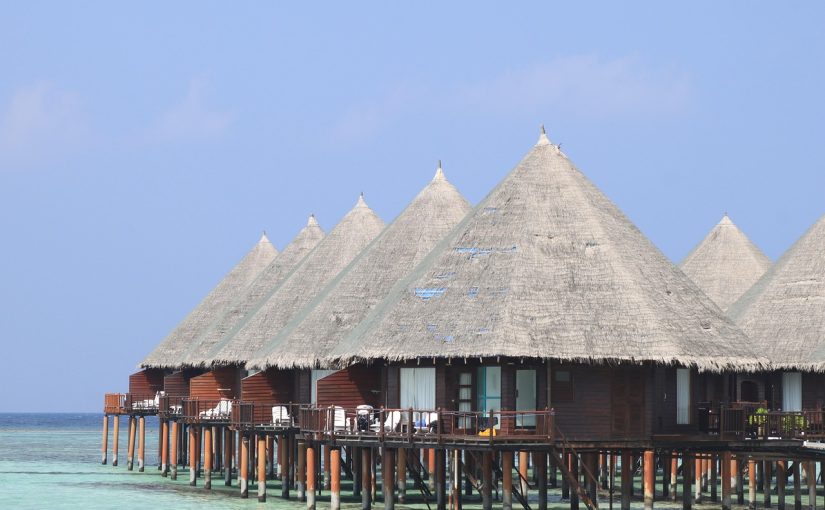
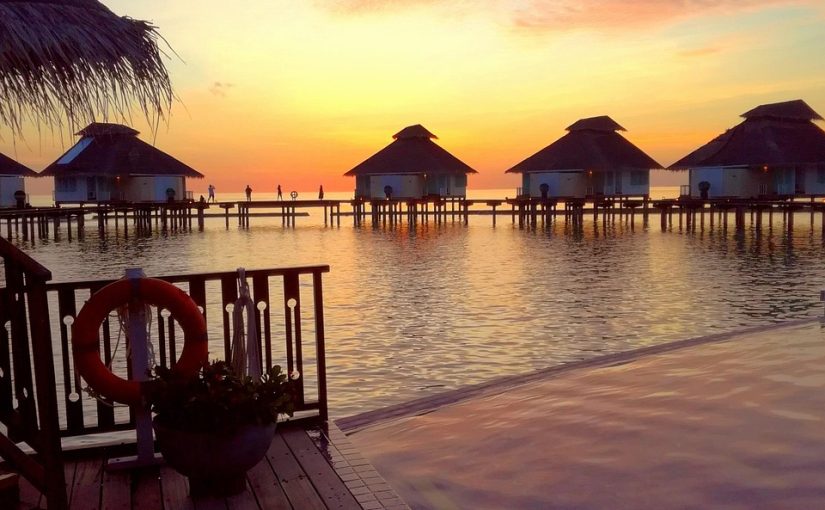
Iconic water villas at resorts like The Nautilus Maldives define tropical island luxury. Suspended above unimaginably clear lagoons, they provide direct access to the sea, uninterrupted views, and unmatched privacy  perfect for relaxation, romance, and reconnecting with nature.

Local Island Culture

Image by Elvira Csehók from Pixabay

It’s not just the natural beauty that’s on offer; beyond the resorts, local islands provide insight into everyday Maldivian life. Visiting fishing villages, tasting traditional cuisine, and engaging with local communities will reveal the cultural heartbeat of the Maldives.

A Practical Guide to Surfing in Unawatuna – Surf, Sun, and Easy Waves

Unawatuna is one of Sri Lanka’s most beginner-friendly surf towns, with mellow waves and a relaxed beach culture. It also offers enough variety to keep more experienced surfers interested.

Why Unawatuna is ideal for first-time surfers

Unawatuna is known for its forgiving waves, sandy-bottom breaks, and easy beach access, which makes it perfect for beginners. The waves are smaller and more predictable than those found on the south coast’s heavier reef breaks. Surf schools and board rentals are easy to find, making it one of the most popular things to do in Unawatuna for visitors who want to try surfing for the first time. Early mornings are usually calm and less crowded, which helps beginners gain confidence.

Spots that work for intermediate and confident surfers

While Unawatuna itself is gentle, nearby breaks add more challenge for experienced surfers. Spots like Dewata and nearby reef sections offer faster waves on the right conditions. Exploring these areas is also part of the wider list of things that you can do in Unawatuna, especially for surfers who want to mix short sessions with coastal exploring. It is best to check tides and local advice before heading out, as conditions change quickly.

Best season, safety, and surf etiquette

The main surf season runs from November to April, when the south coast sees consistent swells. Beginners should always surf within flagged areas and listen to local instructors. Wearing a leash, knowing basic surf etiquette, and avoiding crowded peaks help keep everyone safe in the water.

Image by mannette from Pixabay

Balancing surf days with relaxed stays

Surfing in Unawatuna pairs well with a slower pace off the board. Many travellers choose quieter inland stays such as Heenatigala Walawwa, which allow easy access to the beach while offering space to rest and recover between sessions.

Top Outdoor Experiences in Ras Al Khaimah: Where Nature Meets Adventure

When it comes to fun family adventures that showcase nature’s splendid beauty, Ras Al Khaimah doesn’t disappoint. From ziplining through the mountains to tranquil adventures by the mangroves, here are some of the top outdoor experiences to enjoy at this spectacular destination.

Adventures at Jebel Jais

The Jebel Jais Adventure Park is one of the highlights of Ras Al Khaimah, accessible from the likes of Anantara Mina Al Ras Al Khaimah. The park is home to the world’s longest zipline, a toboggan ride down the mountains, and the Viewing Deck Park – perfect for a full day of fun in the mountains.

Desert Safaris

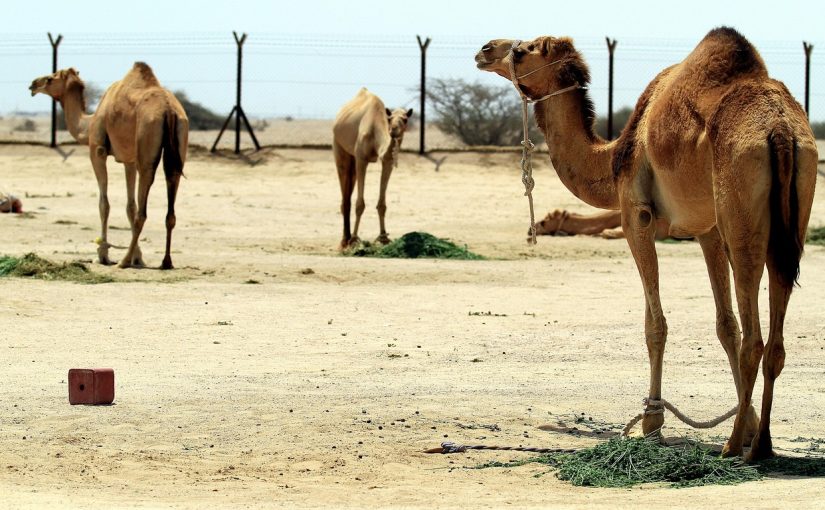
This is one of the best activities in Ras Al Khaimah that takes you to the region’s stunning desert landscapes. You can enjoy everything from sandboarding to dune bashing and tranquil camel rides. You can even enjoy a sunset viewing followed by an authentic desert feast under the starry skies.

Wadi Hikes

For a closer look at the rugged terrain of the Hajar Mountains, a hike along one of the trails at Wadi Shawka is truly breathtaking. The routes are all family-friendly and provide a good physical outing with stunning views along the way as a reward.

Image by falco from Pixabay

Mangrove Kayaking

Ras Al Khaimah’s mangroves are a far cry from its rugged mountains, where calm waters and lush vegetation provide a home to exotic birds. Kayaking past the mangroves is a more tranquil way of experiencing a different side of the region’s natural ecosystem.

Cultural Road Trips From Doha – Discover Qatar’s Heritage Sites – Journeys that bring the country’s history to life

Qatar is filled with cultural sites that reveal its past and show how its communities have evolved over time. A road trip from Doha offers a simple way to explore these stories while enjoying the landscapes that shape them.

Al Zubarah Fort and Archaeological Site

A visit to Al Zubarah is one of the most rewarding cultural trips you can take from the city. This UNESCO-listed site was once a thriving trading town, and its fort still stands strong against the desert backdrop. Travellers staying in serviced apartments in Doha find it easy to plan a day trip here, and places like Al Najada Doha Hotel Apartments By Oaks offer a central base for those exploring the country’s history.

The Heritage Village of Al Wakrah

South of Doha lies Al Wakrah, a coastal town with a past that is shaped by fishing and pearl diving. Its restored heritage village is pleasant to walk through, with winding lanes and old-style architecture that reflect the lifestyle of earlier generations. The nearby beach adds a relaxed contrast to the cultural setting.

Film City in the Desert Landscapes of Dukhan

Tucked away on the western side of Qatar is a curious place known as Film City. Built as a replica village, it captures the look and feel of traditional Gulf settlements. The quiet desert surroundings make it an interesting stop for travellers who enjoy unusual landmarks and photography.

Al Jassasiya Rock Carvings

Image by PublicDomainPictures from Pixabay

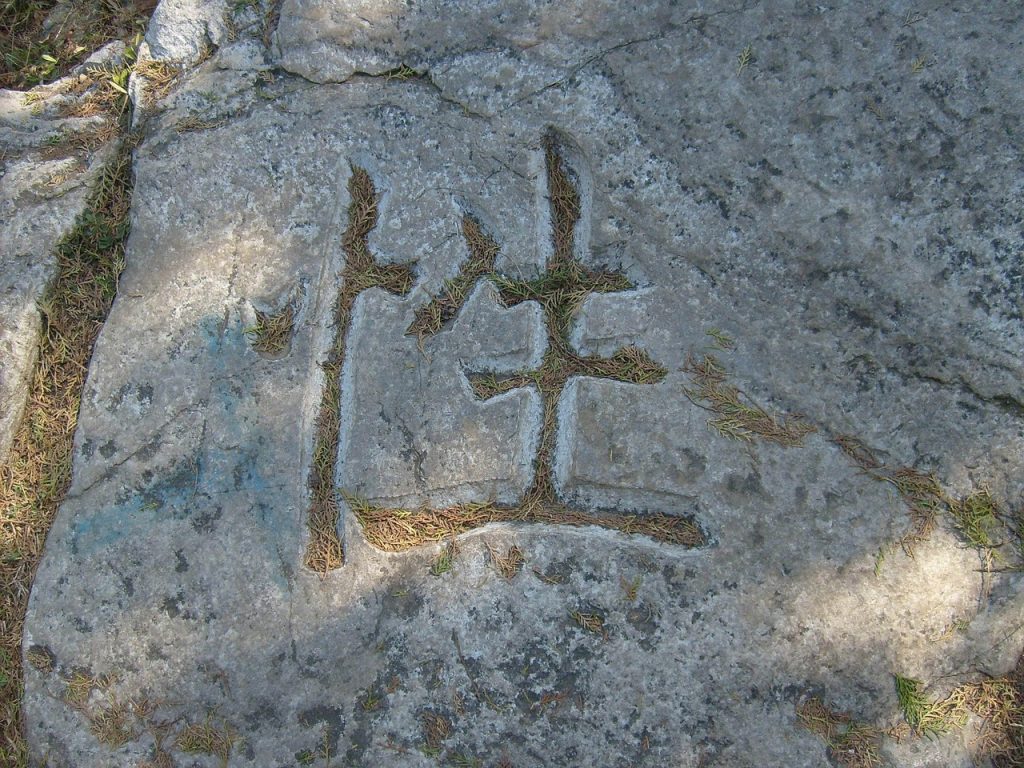
On the northern coast, Al Jassasiya is home to a collection of rock carvings that date back several centuries. The patterns range from cup marks to shapes of ships and animals, offering a glimpse into the creative expressions of past communities. It is one of the more intriguing outdoor sites for those who enjoy archaeology and nature together.

Diving around the Koh Samui Region – Getting the Best of the Kingdom Below

Framed by turquoise waters and sheltered by the Gulf of Thailand, Koh Samui offers an inviting gateway into some of the region’s most rewarding dive sites. Calm seas, vibrant coral gardens, and an array of marine life—from gentle turtles to shimmering schools of reef fish—create ideal conditions for both beginners and seasoned divers.

The Best Time of Year

The timing of a dive can shape the entire experience, and Koh Samui is no exception. The Gulf of Thailand’s diving season stretches from March to October, with the clearest conditions in July and August and an unofficial window for whale shark sightings between March and May. June, however—often called “windy June”—tends to bring reduced visibility and choppier crossings.

Comparative Costing

It’s interesting to note that one can’t actually dive in Koh Samui town itself – one has to go to Koh Tao. Scuba diving around Koh Samui does come at a slightly higher price than on Koh Tao itself, largely due to the longer travel distances and the added fuel required—an unavoidable part of the experience. Even so, rates remain competitive and, compared with many global dive destinations, still offer solid value, especially when factoring in the crew’s expertise, the logistics involved, and overall operating costs.

Base in Chaweng

Koh Samui offers a wide range of reasonably priced five-star stays, but for a smooth diving experience, it helps to choose accommodation with a dive centre either on-site or within easy reach. Staying along the island’s north coast provides quicker access to major dive sites, and if you are flying in, being close to the airport is another practical advantage. Basing all your things to do in Chaweng brings all of this together, making it an ideal base for a dive-focused trip, especially if you stay at a hotel like Avani Chaweng Samui Hotel & Beach Club.

Getting around Koh Samui

Image by Sasin Tipchai from Pixabay

Getting around Samui is fairly straightforward. Confident riders can rent a motorbike, while others may find the island’s songthaews—shared, pick-up-style taxis—an easy and budget-friendly option. These follow set routes and stop for passengers along the way, though it’s worth keeping an eye on fares as occasional overcharging has been reported.

Solo Travel in Khon Kaen: What to Do, See & Eat

Located in Thailand’s northeastern Isan Region, Khon Kaen is a vibrant hub for solo travellers, where Thai life, culture and cuisine create the perfect atmosphere for laidback exploration. Here are some of the top things to do in Khon Kaen on your solo adventure.

Immerse in Temple Splendor

Visiting Khon Kaen’s temples is a great way to experience local spiritual culture. The majestic Phra Mahathat Kaen Nakhon should be on your list – its nine-storey pagoda giving way to stunning views. The City Pillar Shrine near Avani Khon Kaen Hotel and Convention Centre will also give you a better glimpse of local rituals performed fervently.

Explore Local Arts & Silk

The Khon Kaen National Museum is where you’ll find Khon Kaen’s rich artisanal heritage on full display. Once you’ve delved deeper into Isan culture head to the local shops for a closer look at Mut Mee silks, known for their intricate patterns and dyeing process.

Indulge in Isan Street Food

Khon Kaen is a solo traveller’s paradise for culinary adventures. The street food and market culture here is exceptional, drawing you in with hotspots like Ton Tann Market and the enormous Khon Kaen Walking Street. Don’t be shy to sample multiple dishes from som tam to gai yang and larb.

Relax by the Lake and Park

Image by Freddy from Pixabay

Spare some time for relaxing in nature and head to the Beung Kaen Nakhon Public Park. The path encircling the reservoir is perfect for a slow walk or a morning jog during which you can feel a deep sense of nature’s tranquillity and a connection with the local community who frequent the area.