Here’s Where to Go Hiking (and Walking!) in Dubai – From Desert Trails to City Strolls

Dubai may be synonymous with glitz and glamour, but don’t forget it’s a great place for those looking to go hiking or even enjoy foot-powered sightseeing. Whether you are a seasoned hiker or more of a casual stroller (no judgment here!), these are some sites worth heading to.

Sites in the City
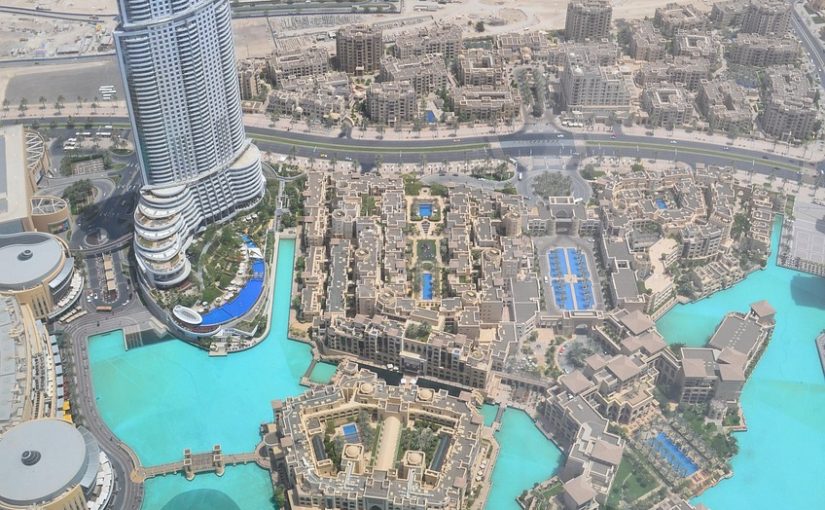
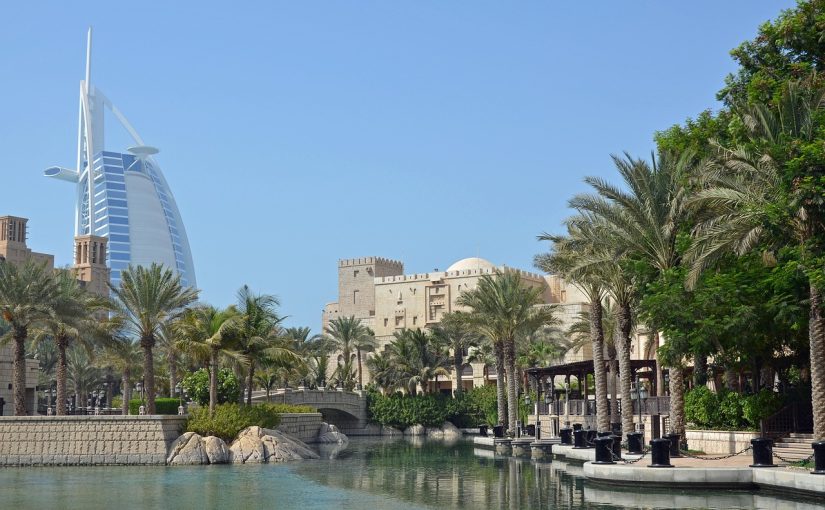
Starting things off with sites in the city itself, which can be reached while staying at properties like Oaks Ibn Battuta Gate Dubai. For scenic urban strolls, head to the Dubai Water Canal and Dubai Marina Walk. Meanwhile, the Mushrif, Safa and Creek parks offer dedicated tracks if you prefer green over concrete. And for culture with your cardio, explore the narrow lanes of the Al Fahidi Historical Neighbourhood on foot.

Al Qudra Lakes
Those based at the top luxury hotels in Dubai can plan excursions to the Al Qudra Lakes, perfect for a peaceful walk surrounded by nature. The sand might slow you down a bit, but who needs a treadmill when the dunes do the work? Of course, part of the joy of exploring this area is the chance to see wildlife too, from bird species like swans and flamingos to the occasional oryx.

Hatta
For something a bit more rugged, head to Hatta in the Hajar Mountains. With over 32 km of marked trails (free and open all year) on offer, suffice it to say, it’s a hiker’s paradise. The terrain varies, so whether you are up for a gentle stroll or a challenging climb, there’s something for you. Pro tip: Don’t miss hiking to the ‘Hatta’ sign that’s perfect for photos (and selfies!) amidst breathtaking landscapes.

Nearby Emirates

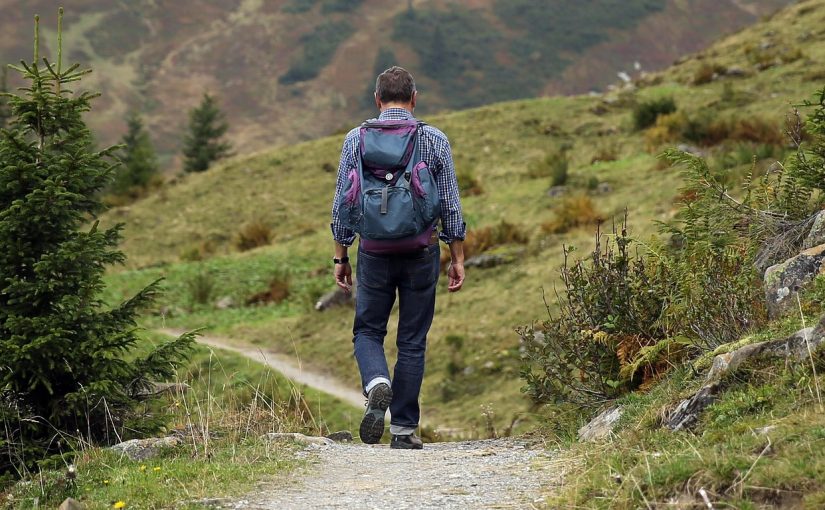
Image by Pexels from Pixabay

Keep in mind that when it comes to hiking in Dubai, you can also enjoy adventurous treks in nearby emirates as well. In Sharjah, Fossil Rock offers desert views and a chance to see ancient fossils, too. In Fujairah, Wadi Ghub’s colourful Rainbow Valley is Instagrammable as it gets. These hikes give you the best of both worlds: nature, novelty, and a story to tell when you are back in the city!
A Nature Lover’s Guide to Exploring the Mangroves of Ras Al Khaimah – Into the Green

Ras Al Khaimah’s mangroves are among the UAE’s most underrated natural wonders. The calm waterways offer a haven for nature lovers, perfect for kayaking and birdwatching.

Start with a Guided Kayak Tour

If you want to truly experience the mangroves, hop into a kayak. Kayaking in Ras Al Khaimah gives you front-row access to quiet inlets and dense greenery, with flamingos and herons often making an appearance. The waters are calm, which makes it beginner-friendly, and most guided tours include a short introduction to the ecosystem. It’s the kind of activity that makes you slow down and actually notice what’s around you. Guests staying at Anantara Mina Al Ras Al Khaimah can often book eco-tours directly through the resort.

Watch the Wildlife Wake Up

Early mornings are the best time to spot the mangroves’ more elusive residents. From fiddler crabs scuttling across the mudflats to fish darting through shallow waters, there’s always something moving if you pause long enough. Bring binoculars if you can, since this is one of the UAE’s best spots for birdwatching, especially during the migratory season.

Walk the Mangrove Boardwalk

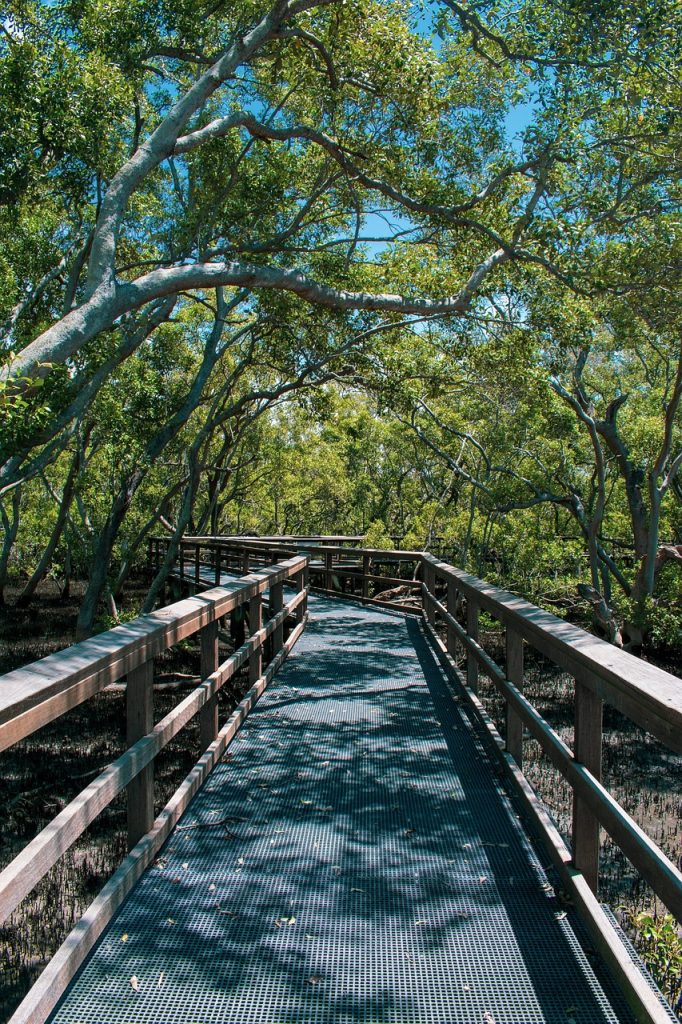
If you prefer to stay on land, the mangrove boardwalk at Al Rams offers a simple trail with wooden paths and shaded viewpoints. It’s easy to access and great for slow strolls or birdwatching. The area is especially beautiful during sunrise or just before sunset.

 Image by Pixabay

Pack Light and Go Early

The best time to explore is early morning when the light is soft and the birds are most active. Wear breathable clothing, bring a refillable water bottle, and use reef-safe sunscreen to avoid polluting the water.

Respect the Ecosystem

Mangroves are fragile, so avoid littering, feeding wildlife, or stepping off marked paths. Tour guides and conservation groups in the area are working hard to keep this space clean and safe for everyone. A little care goes a long way in preserving this natural beauty.

Hidden Caribbean Gems: Underrated Islands One Should Not Miss

The Caribbean is more than just the Bahamas and Barbados. Tucked between popular destinations lie lesser-known islands bursting with charm, natural beauty, and authentic local life. For the curious traveller, these hidden gems offer the perfect escape without the crowds.

Bequia: The Caribbean’s Best-Kept Sailing Secret
Situated off the coast of St. Vincent and the Grenadines, Bequia is a laid-back paradise that’s ideal for yacht lovers and snorkelling fans. With pastel-hued villages, hidden coves, and a strong maritime heritage, this island feels like stepping into a simpler time.

Saba: The Unspoiled Queen of the Clouds
Rising dramatically from the sea, Saba is a volcanic gem in the Dutch Caribbean. With lush rainforests, friendly locals, and world-class diving, it’s perfect for nature lovers and adrenaline seekers alike. No crowds, just pure island magic.

Tobago: Nature, Culture, and Authentic Island Life
Often overshadowed by Trinidad, Tobago is a vibrant mix of rainforest, coral reefs, and rich Creole culture. It’s less commercialised but packed with soul, plus, Caribbean Island flights make it easily accessible from the mainland.

Turks & Caicos (South Caicos): Serenity Beyond the Resorts
South Caicos is the quieter cousin in the archipelago, offering pristine beaches and a charming fishing village vibe. It’s a breezy hop with InterCaribbean Airways, and the moment you arrive, you’ll wonder why more people haven’t discovered it yet.

Montserrat: Emerald Isle with a Fiery Heart
Still rebuilding from past volcanic eruptions, Montserrat offers unique adventures, such as hiking through lava-sculpted landscapes or exploring ghost towns. It’s raw, rugged, and utterly unforgettable, ideal for travellers who crave something real.

Where Kings Once Ruled: Wildlife of Sri Lanka’s Ancient City of Polonnaruwa

Polonnaruwa, Sri Lanka’s medieval capital, is not only a UNESCO World Heritage Site but also a living sanctuary for incredible wildlife. Amidst ancient palaces, monasteries, and stone carvings, nature thrives in harmony with history, offering visitors a rare chance to witness the wild side of a royal past.

Monkey Kingdom: Mischief Among the Ruins

Grey langurs and toque macaques roam freely here, often leaping across weathered columns and temple walls. Their playful antics bring a lively charm to the centuries-old stone structures, making them an unmissable part of the Polonnaruwa experience.

The Gentle Giants: Elephants 

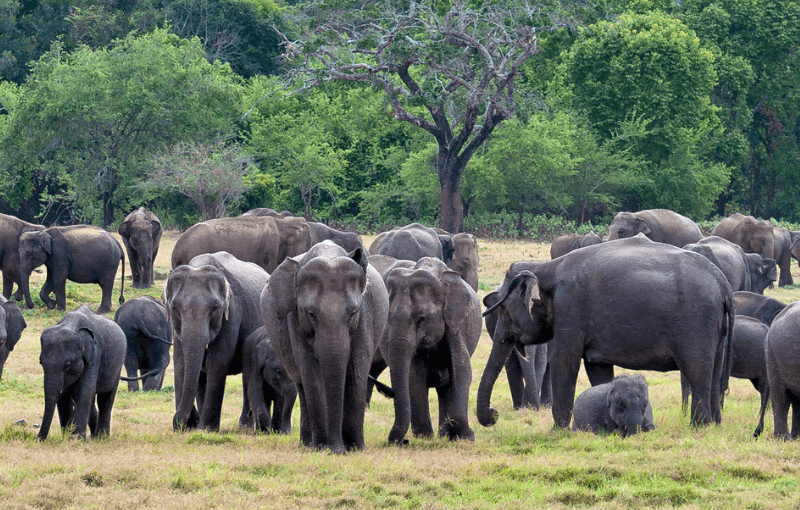
Wild elephants can sometimes be seen grazing near the edges of the city’s lush surroundings. These majestic creatures, symbols of strength and tradition, add a sense of grandeur that echoes the city’s regal history.

Where Comfort Meets the Wild: Rest in Style

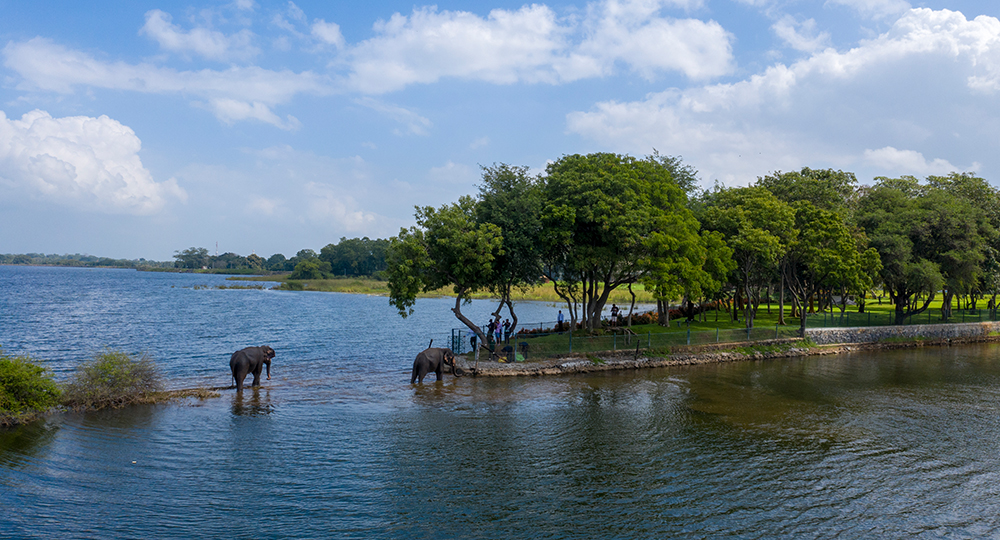
Exploring the city’s heritage and wildlife can be tiring, so choosing the right place to stay is key. From lakeside retreats to luxury escapes like Hotel Sudu Araliya, visitors can unwind while still being close to nature’s treasures.

Image via Hotel Sudu Araliya

Gateway to Exploration: Stay Close to the Action

Booking one of the many Polonnaruwa hotels keeps you near both ancient marvels and thriving wildlife. It’s the ideal base for travellers wanting to immerse themselves in the city’s blend of culture and natural beauty.

Avian Paradise: A Symphony in the Skies

From colourful kingfishers to graceful egrets, Polonnaruwa’s waterways and paddy fields attract an impressive variety of birds. Birdwatchers will find the area’s serene landscapes a perfect spot to admire these winged wonders.

Mountain Adventures and Hiking Trails in Ras Al Khaimah – A Journey of Discovery by Foot

Sure, a holiday to the UAE can involve plenty of rest and relaxation, but don’t forget that in emirates like Ras Al Khaimah, you can have the additional thrill of hiking amidst mountains and valleys too. If it’s going to be your first time here, these are some of the best spots to explore.

Wadi Shawka
Wadi Shawka is a favourite for families and weekend warriors. You can expect scenic trails, rocky outcrops, and a 10 km loop that mixes gentle slopes with breathtaking views. There are shaded areas for rest (ideal places to enjoy a packed lunch), and if the season’s right, you can dip your toes into one of the natural pools along the way. Of course, don’t forget the sunscreen!

Jebel Jais
Time to introduce you to the ‘big one’… Jebel Jais, the UAE’s tallest peak, soars to a height of 1,934 metres. The good thing is that it has multiple trail options, from beginner-friendly routes to leg-burning climbs, so it’s no surprise that hiking here is one of the top things to do in Ras Al Khaimah. Pro tip: Look to stay at a property like Anantara Mina Ras Al Khaimah Resort, which offers guided Jebel Jais hikes topped off with a gourmet picnic at the summit amidst spellbinding vistas.

Wadi Bih
If you are a seasoned hiker ready to tackle rugged mountain terrain, then Wadi Bih should definitely be added to your itinerary. The trail winds through dramatic valleys, rocky paths and steep cliffs, which test your endurance, but on the plus side, reward you with unforgettable views. Along the way, you will even pass remnants of old villages and ancient structures, silent storytellers of the region’s rich past.

Wadi Naqab

Image by Ellen from Pixabay

For a real off-the-grid vibe, head to Wadi Naqab. It’s wild, remote and filled with secrets… don’t be surprised to come across petroglyphs carved into the rocks, hidden rock pools and paths once used by goat herders. The terrain’s a bit tricky, and some routes are unmarked, so pack that GPS and maybe hire a local guide. Of course, the views and the feeling of making new discoveries will make the effort totally worth it.

Exploring Xi’an’s Yanta District: A First-Timer’s Journey Through History 

If you’ve never been to the vibrant Yanta District in Xi’an, a world of captivating historical treasures awaits! Here are some of the district’s top must-see sights that take you on adventures through Xi’an’s unique history and cultural heritage.

Shaanxi History Museum

This intriguing museum is known as the ‘pearl of ancient dynasties’ for a good reason. From over 1 million unique exhibits to grand replicas and stunning architectural features, this modern museum dives into the long history of Chinese civilisation, a treat for history buffs and the culturally curious, staying in nearby accommodations like lyf Dayanta Xian.

The Giant Wild Goose Pagoda

This monumental Buddhist pagoda from the Tang Dynasty is not far from most Xi’an apartments and is perfect for experiencing the deep spiritual culture that permeates the district. Standing at over 200 feet tall, the pagoda is now on the World Heritage List for its cultural significance.

Qujiang Pool Park

Designed by local architect Zhang Jinqiu, this stunning park is a restoration of a royal garden from ancient China. You can wander the immaculate gardens, visit the park’s small museum, or enjoy a serene boat ride on the lake – all great ways to reconnect with the past amidst the beauty of nature.

Tang Paradise

Image by Wikimedia Commons

Looking for a more immersive journey into Xi’an’s past? Head to this enthralling cultural theme park, which transports you back to the days of the Tang Dynasty, from its stunning architecture to vibrant poetry and dance to culinary mainstays and everyday lifestyles.

Guide to Adrenaline Adventures to Try in Zambia: Adventure Capital of Africa

Do you want to go on an adventure that’ll make your Instagram followers jealous and your mom mildly concerned? Then Zambia’s your spot. Forget the touristy nonsense—this place is raw, wild, and absolutely bonkers in the best way.

Tame the Zambezi

You haven’t truly lived till you’ve been spat out by the Zambezi’s rapids. These bad boys have names like “Gnashing Jaws” and “Oblivion”—not exactly reassuring, right? One minute you’re upright; the next you’re gulping river water and laughing like a maniac while enjoying the Batoka Gorge’s beauty.

Wanna Fly?

Victoria Falls is epic from the ground, but from the air? Next level. Try a microlight—basically a lawn chair with wings. The wind will try to steal your hat, but the views? Worth it. If you’d rather not flirt with the open air, grab a helicopter ride. Operators are lurking around hotels like Avani Victoria Falls Resort, just waiting to haul you up for the most epic selfies of your life.

Cliffs, Swings, and “What Am I Doing?”

Not content with just looking at Batoka Gorge? Perfect. Strap in for some abseiling, aka rappelling down cliffs like a wannabe action hero. Or, if you’re feeling especially unhinged, throw yourself off the edge of a gorge swing. It’s half freefall, half “Am I screaming or laughing?” You decide. Believe it; this will be one of your favourite things to do in Zambia.

Night Safaris: Because Daylight is for Amateurs

Image by Patrizia08 from Pixabay

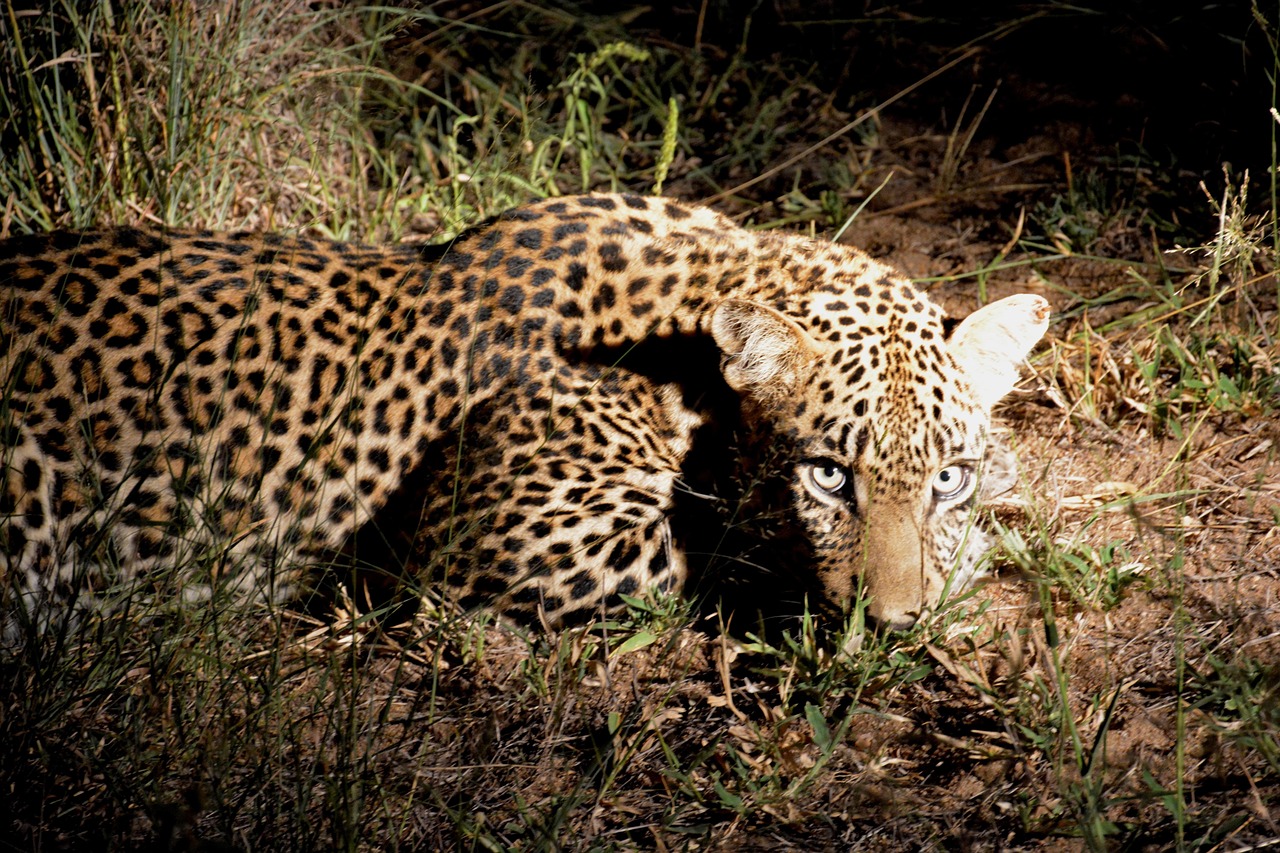
Why sleep when you can stalk leopards in the dark? South Luangwa’s night safaris crank the danger and excitement up to eleven. Follow your guide into the inky black, eyes peeled for glowing reflections and twitchy ears. It’s tense, it’s electric, and you’ll swear every snapped twig is something out to eat you.

Kayaking Along the Heart of the Lebam River: A Tour of the Serene Mangroves

You’re on vacation in Desaru and are vying for a relaxing adventure surrounded by the beauty of the local landscapes. How about a kayaking trip along the Lebam River? It combines serene mangrove landscapes, vibrant local wildlife and the gentle sounds of river waters – everything you need for a few hours of tranquillity outdoors.

Convenient Pickup Arrangements

These mangrove tours often come with complementary pickup arrangements that take you straight from your hotel lobby to a designated point. Hotels like Anantara Desaru Coast Resort & Villas, that organise mangrove tours, provide passengers with such arrangements, saving one the hassle of organising transport.

The Experience

Kayaking sessions often last for up to 90 to 120 minutes, during which passengers can experience the joy of paddle through the river waters. A local tour guide will be present, helping you navigate the waters and providing fascinating insights about the natural habitats and wildlife.

The Sights and Sounds of Nature

What’s arguably the most exciting part about mangrove cruising in Desaru is witnessing the tranquil mangrove environments which provide a home for a number of birds. Sightings of kingfishers, herons, otters, sea eagles and fiddler crabs make the tour all the more fascinating and lively.

Image by Wikimedia Commons

Preparing for the Tour

It is important to come prepared with a sun hat, towel, sunscreen and a change of clothes. Moreover, wearing long pants and closed-toe shoes is advisable for protection against insects. Having a water proof bag can also help keep personal items dry.

Underrated and Wild: An Escape to Laos

Laos is Southeast Asia’s well-kept secret—a land where untouched nature, ancient traditions, and relaxed vibes create a truly immersive escape. Here are four must-visit destinations, each offering a glimpse of Laos’s soul – from well-trodden paths to hidden corners where culture and wild beauty intertwine.

Luang Prabang
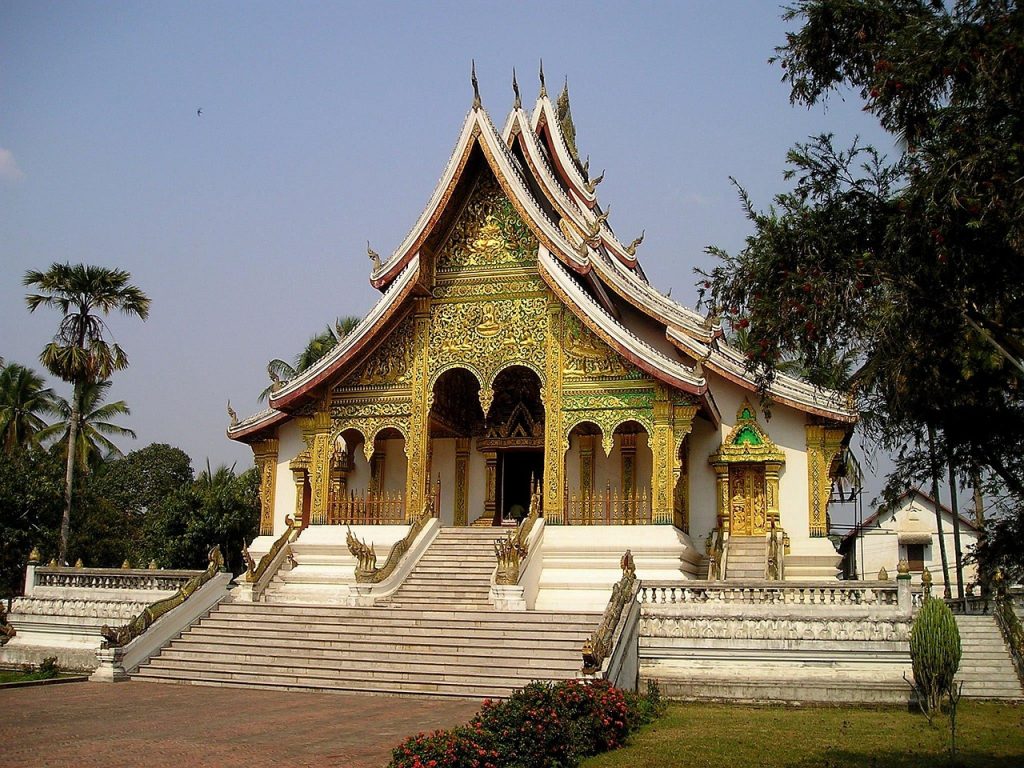
While this city is popular for hotels like Avani+ Luang Prabang Hotel, many visitors are also taken up by the city’s colonial architecture and spiritual serenity. Saffron-robed monks walk the streets by sunrise to collect alms while the rest of the day brings in the cacophony of riverside markets. Exploring ancient temples and waterfalls that seem like they came right out of a dream is one of the best things to do in Luang Prabang.

Vientiane
Laos’s laid-back capital exudes gentle charm rather than urban hustle. Wander along the Mekong promenade, shop at its lively night market, and immerse yourself in French-flavoured avenues and historic temples like That Luang. With a population under 800,000, Vientiane offers big-city history in a small-town format.

Thakhek
Taking you all the way to the edge of the Mekong, Thakhek offers visitors a chance to explore karst landscapes, hidden caves, and lush forests via the famed Thakhek Loop. Discover Tham Kong Lo, a cave lit up by natural light and accessible by boat and even find photo-worthy lagoons.

Tham Pa Fa

Image by Simon from Pixabay

High in the limestone cliffs near Savannakhet, Tham Pa Fa is a mystical Buddhist cave sanctuary filled with 229 bronze statues. Discovered only in 2004, the ancient site invites explorers to climb to its entrance and pause in contemplation among centuries-old icons.

Exploring Mozambique: Underrated Spots & Must-Try Experiences

Mozambique is a coastal gem in Southern Africa that’s often overlooked by travellers. Its landscape is vast and impressive, packed with rich culture, untouched beaches, and unique cuisine. Although it would be impossible to explore all of Mozambique on your holiday, the country offers a range of experiences perfect for curious adventurers.

Shop at FEIMA (Maputo)
In the heart of Maputo lies FEIMA – the Feira de Artesanato, Flores e Gastronomía. This busy market is a goldmine for handmade crafts, local art, and colourful textiles. It’s a great place to interact with artisans and pick up souvenirs, and it is one of the most meaningful things to do in Mozambique.

Snorkel at Dom Carlos (Bazaruto)
Off the southern coast of Mozambique, the Bazaruto Archipelago is famed for its unimaginably clear waters and striking coral reefs. Dom Carlos Point, in particular, is a snorkelling paradise, where you’ll spot clownfish, parrotfish, and even turtles amid gorgeous underwater landscapes. Resorts like Anantara Bazaruto Island Resort typically offer excursions to the site, driving past iridescent white dunes, picturesque bays, and even a charming lighthouse.

Sail on a Traditional Dhow (Southern Mozambique)
Embrace the traditional way of sea travel by hopping on a dhow, a handcrafted wooden sailboat. Sunset sails along the coast near Vilankulos or Tofo offer breathtaking views and a fascinating experience rooted in Swahili heritage.

Try the Iconic Matapa (Nationwide)

Image by Wikimedia Commons

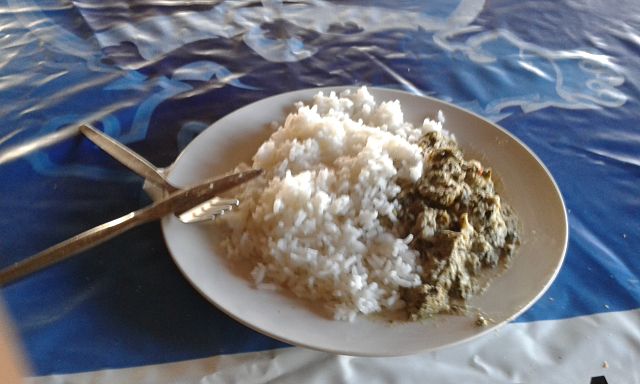
No adventure in Africa is complete without trying some regional dishes. A staple in Mozambican cuisine, Matapa is made with cassava leaves, ground peanuts, garlic, and coconut milk. Often served with rice or seafood, it’s a must-try dish that captures the soul of the nation’s flavours, found all over the country.