From Snow-Covered Peaks to Cosy Streets: The Best of Niseko Travel

What makes Northern Japan such a great place to travel is not only the chance for outdoor adventures but also the culture that the region can offer. For example, the Niseko area, which is known for its powder snow and breathtaking natural surroundings, has plenty of alpine sports for visitors, and at the same time, the option to get to know village culture.

If you’re visiting during skii season, here’s how to make the most of Niseko.

Start Your Days with World-Class Mountain Adventures

In northern Japan, one can find some of the most amazing snow conditions and mountainous scenery around. Whether engaging in skiing or snowboarding, or even simply walking through the mountains, the best way to start your day would be by taking full advantage of the fresh snow and the peaceful slopes. This part of the world has well-groomed slopes that can accommodate any type of traveller.

Choose Accommodation That Connects Both Worlds

The correct choice for accommodation can go a long way in improving one’s experience in terms of balancing the two. Properties like Chatrium Niseko Japan enable people to enjoy convenient access to outdoor adventures while being closer to all the village amenities. Staying at a conveniently located place can enable individuals to move easily from adventure activities to enjoying their time in the village.

Make the Most of Niseko’s Famous Slopes

A trip to the area would not be complete without skiing at a Hirafu ski resort, which is among the most sought-after winter getaways in Japan. With its high-quality snow coverage and fun atmosphere, it draws tourists from different parts of the world. Having enjoyed their skiing experience, people can head back to the village and indulge in a variety of activities such as dining and other forms of entertainment.

Explore the Energy of the Local Village
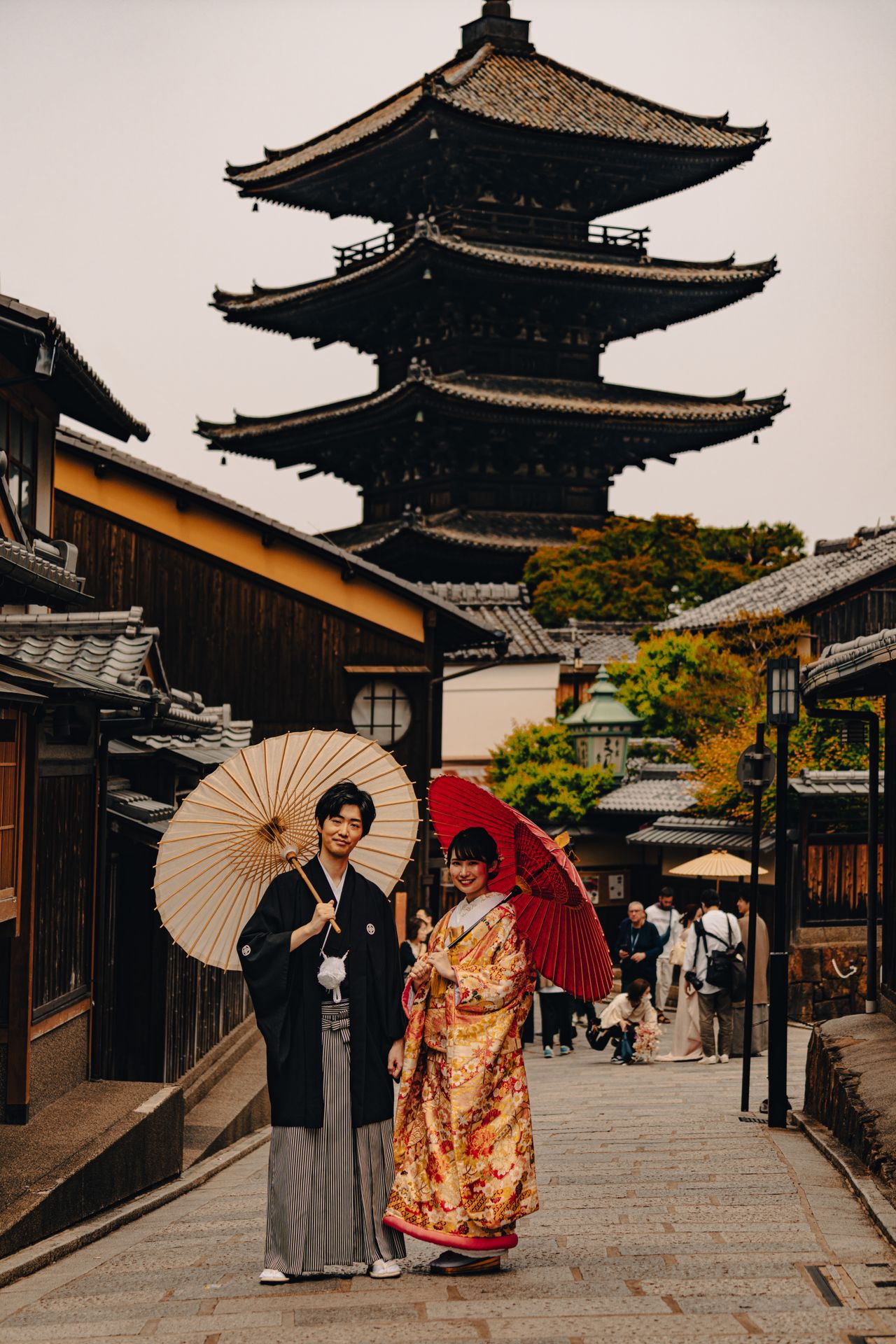
Image by pexels

With a day out on the mountain behind us, the alpine villages nearby provide a totally new experience. The coffee shops, small boutiques, and friendly eateries all combine to give an ambience that makes you feel like stopping and spending time soaking up the local culture. Strolling around in the villages gives one an opportunity to meet the locals, taste local foods, and get a feel for their unique culture.
All You Need to Know About Onsens in Japan

Offering a unique traditional experience that will benefit you as well, onsens in Japan are not just popular with locals but tourists as well. If you have not had the chance to enjoy an onsen before, these insights will help you to prepare for what will be a truly relaxing time!

What Exactly is an Onsen?

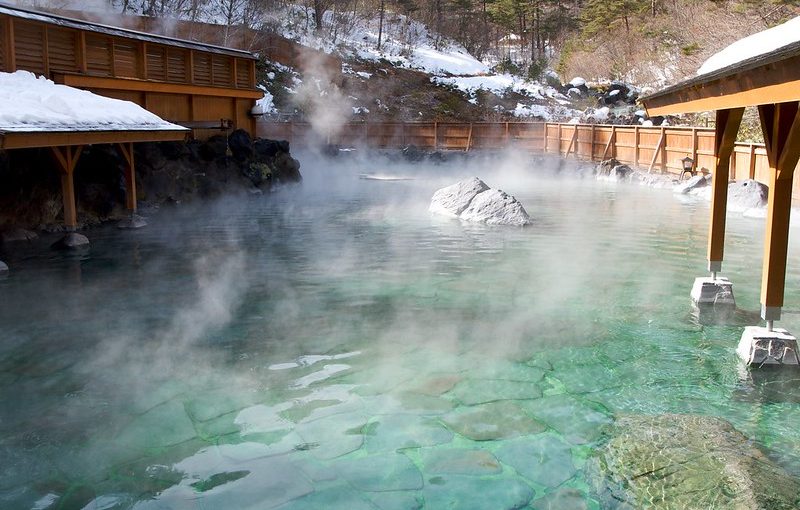
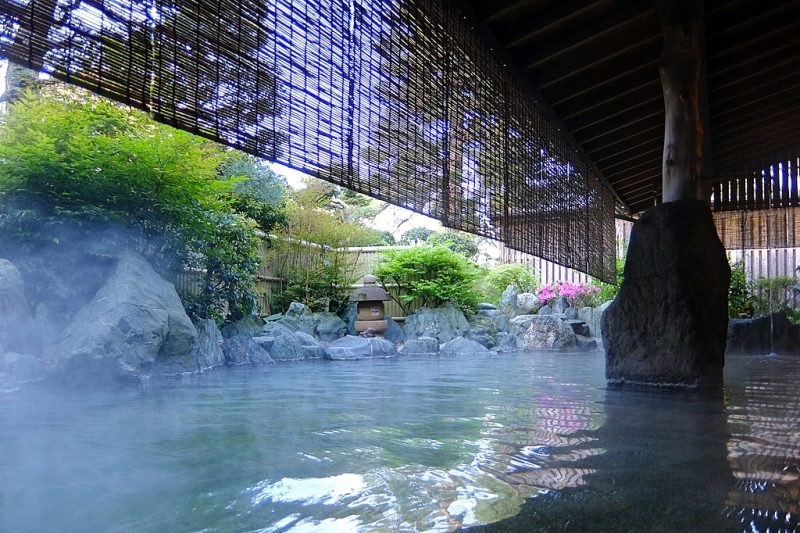
Onsens are hot springs, revered for their therapeutic properties and natural allure. With temperatures typically exceeding 25°C and water containing a variety of mineral elements, they offer a blissful retreat for body and soul. A natural onsen is called a ‘tennen onsen’ since the waters are sourced from geothermal springs. One example of this is the Tenzan-no-yu Onsen which can be accessed by those staying at a Kyoto, Japan hotel in the city centre such as Park Hotel Kyoto. On the other hand, a jinko-onsen is artificially created to offer such conditions.

Day-use Onsens

Tamatsukuri Onsen
Image via Wikimedia Commons – 663highland, 140427 Chorakuen Tamatsukuri Onsen Matsue Shimane pref Japan15s3, CC BY-SA 3.0

For a taste of onsen bliss without the commitment of an overnight stay, day-use onsens are ideal. Simply make a reservation or arrive spontaneously to indulge in the therapeutic waters. Open to the public, they provide a range of amenities, while admission fees can vary depending on what’s on offer. For those who may feel too shy for a full body soak, there is an option referred to as ‘Ashiyu’; you will get to dip your feet in a pool with hot spring water, often found in charming towns known for their onsens.

Etiquette at an Onsen

It’s important to know some onsen etiquette. Begin your onsen journey by cleansing yourself thoroughly with a shower utilising the provided soap and shampoo, before entering the bath. Keep to a moderate time in the hot springs to avoid dehydration and while you may chat with others, observe a low noise level to preserve the tranquil ambiance. Additionally, refrain from diving, splashing, or photography, and remember to stay hydrated by drinking plenty of water before and after your onsen soak.

Some Key Benefits

The ancient practice of onsen bathing also offers diverse health and wellness benefits which has made it popular in Japan for centuries. From improved blood circulation to stress relief and muscle relaxation, the mineral-rich waters of these hot springs provide a holistic approach to healing and rejuvenation. You can experience the therapeutic properties of onsens to ease aches and pains, enhance skin radiance, enjoy better sleep, and restore balance to body and mind as well.