Best Things to Do in Chaweng for First-Time Visitors – From Beach Bars To Street Markets

Sitting on the east coast of Koh Samui, the white sands and turquoise waters of Chaweng is perfect for first timers with direct access to the powdery 7km beach, dining and nightlife.

Soak Up The Sun

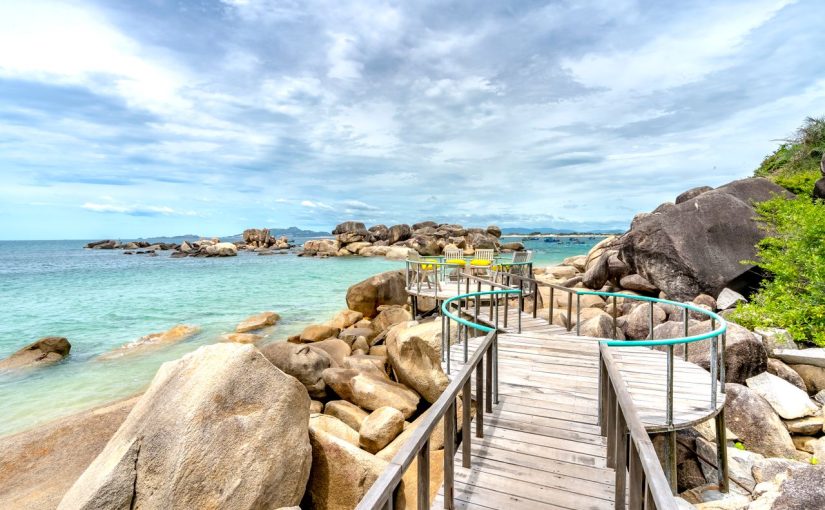
One of the island’s most famous beaches, Chaweng Beach is all white sand and shallow waters. With various resorts such as Avani Chaweng Samui scattered along the stretch, finding a sunbed and relaxing is one of the best and easiest things to do in Chaweng.

Thajsko, Chaweng beach – Pláž Chaweng – panoramio, CC BY 3.0

Unwind At Beach Clubs

Beach Clubs have been ingrained into Chaweng’s daytime economy. Offering an alluring combination of food, drink, while transforming into full scale parties by nighttime, there are plenty of venues to choose from.

Enjoy The Cuisine

In close proximity to the beach, the Chaweng Beach Road features an incredible restaurant strip. Featuring a vast array of cuisines, this market is the perfect place to stop by for a snack.

Visit The Big Buddha Temple

Just a 15-minute drive from Chenwang, the Big Buddha Temple houses an impressive gold-painted Buddha statue that is 12 metres high. Offering both a cultural experience along with panoramic views of the coast, this location is ideal for taking a short detour from your beach getaway.

Make A Pit Stop at Koh Mudsum

Dubbed ‘Pig Island’ after its inhabitants, Koh Mudsum is a pristine island just south of Koh Samui. The island contains perfect conditions for snorkeling, along with kayaking and feeding the pigs.

Best Family-Friendly Outdoor Experiences in Ras Al Khaimah – Outdoor Adventures For Every Generation

The ultimate outdoor adventure hub of the UAE, Ras Al Khaimah offers a thrilling variety of outdoor activities. Between mountain ziplining and desert camping, the experiences available in this destination are unforgettable and world-class.

Go Ziplining at Jais Flight

Located at the peak of the city’s tallest mountain, the Ras Al Khaimah Jebel Jais Zipline stretches out over 2.83 km. Known as the world’s longest zipline, its high speeds carry you over ravines and mountains, 1680 meters above sea level.

Kayak In The Mangroves

Paddle through Ras Al Khaima’s mangrove forests, and spot local wildlife such as pink flamingoes, Kalba collared kingfishers, and western reef herons. Plenty of eco-tours are available, arranged by hotels in the area such as Anantara Mina Al Ras Al Khaimah.

Visit Suwaidi Pearl Farm

Ras Al Khaima is known for its long-standing history in the Pearl industry. Traditional boat rides to the Suwaidi Pearl Farm are available, where tours take you through the process of pearl farming to see how they are harvested.

Image via Anantara Mina Al Ras Al Khaimah

Desert Safaris And Camping

Experience sandboarding, dune bashing and camel rides, and unwind at night with true Bedouin-style camping. The camps themselves feature various activities such as falconry, henna tattooing, and authentic barbeque experiences.

Hike The Trails In Wadi Shawka 

Wadi Shawka’s rocky landscape provides the perfect trail for hiking. Between the Shawka loop trail, mountain biking, and the natural pools, this location is the perfect spot for an action-packed day followed by overnight camping and a BBQ under the stars.

Dune Bashing vs Desert Safari: Understanding the Difference

When it comes to exploring Abu Dhabi’s vast desert landscapes, you’ve probably heard of dune bashing and the adrenaline rush that comes with it. But then what does a desert safari entail? Are they basically the same thing? Or do you have to experience them separately? Here’s how you differentiate the two.

What is Dune Bashing?

Dune bashing is an adrenaline-packed desert adventure that involves speed driving across the desert’s undulating dunes. It’s often done in heavy-duty 4×4 vehicles with in-built safety features, irrespective of whether it’s organised by a tour company or a resort such as Qasr Al Sarab Desert Resort by Anantara.

Image via Qasr Al Sarab Desert Resort by Anantara

What is a Desert Safari?

A desert safari is best described as an organised excursion that focuses more on the desert’s beauty and culture. It features several activities, such as camel rides, falconry shows, and camping experiences. It can even include dune bashing, sandboarding, and other sporting activities.

Duration & Timing

A single dune bashing session usually lasts between 30 minutes and an hour, since the experience is all about speed. A desert safari, on the other hand, can last an entire day or extend over night, as the experience is all about connecting deeply with the desert and its history. This makes it one of the most popular Abu Dhabi tourist attractions.

Target Audiences 

Dune bashing is typically reserved for those who love an adrenaline rush, although pregnant women and younger kids may not be allowed for safety reasons. Safaris, by contrast, are perfect for all ages and traveller types, especially since guests can choose which safari experiences they want to have.

Sinharaja vs Knuckles: Which Hiking Destination Is Right for You?

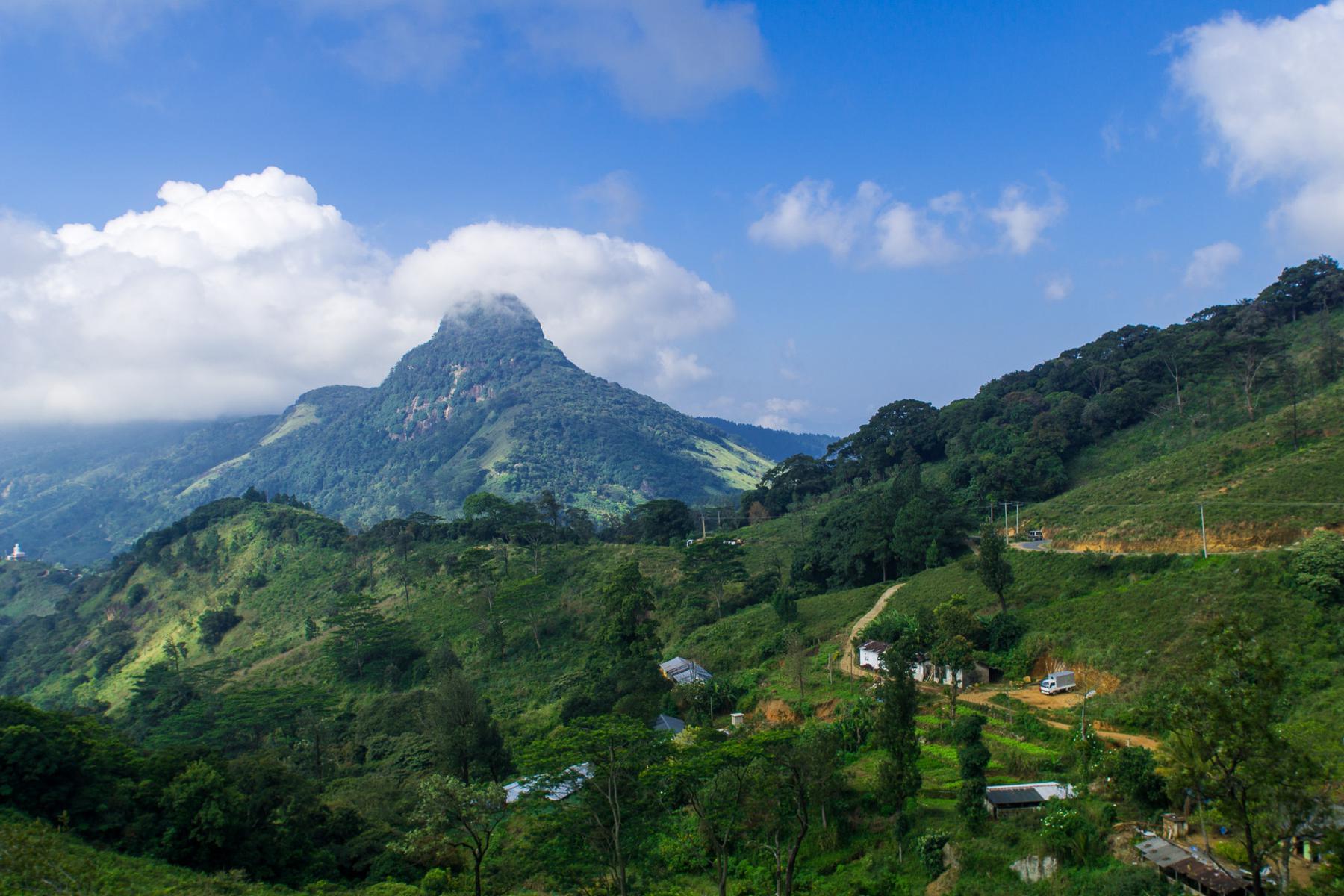
The lush Sinharaja Rain Forest and the rugged Knuckles Mountain Range are two of the top hiking destinations in Sri Lanka, each offering rewarding adventures surrounded by the island’s immense natural beauty. But while both offer breathtaking views, they cater to very different types of outdoor enthusiasts and offer distinct experiences with the natural world.

The Ecosystem

The Sinharaja eco forest is a dense lowland tropical rainforest, which means hiking here is an immersive experience. Towering canopies and ancient trees surround you in a cocoon of green, allowing for fascinating wildlife encounters. The Knuckles Mountain Range is more dramatic, where scenes of mist-shrouded cloud forests and sweeping grasslands create the backdrop for your hike.

The Terrain & Difficulty

The flat and shaded paths within Sinharaja are ideal for casual trekking, especially for adventurous families or patient birdwatchers staying at nearby resorts like The Rainforest Ecolodge. Meanwhile, Knuckles is a more rugged playground, its steep climbs and jagged peaks calling out to hikers who love to test their endurance.

The Wildlife

Sinharaja is a paradise for birdwatchers, home to over 20 endemic bird species. It’s also where rare amphibians and reptiles roam, so there’s plenty to look forward to in the tree tops as well as on land. By contrast, the Knuckles range is where more diverse wildlife can be spotted, including sambar deer, giant squirrels and the occasional, elusive leopard.

Rangana Abeyrathne, Juvenile beauty, CC BY-SA 4.0

The Climate

If you’re hiking at Sinharaja, expect the classic jungle experience – intense tropical humidity and unpredictable downpours, but you’ll be largely spared from the sun, thanks to the forest’s dense canopies. At Knuckles, you’ll be able to enjoy crisp, refreshing mountain air, although you’ll need to be prepared for the onset of mist and biting cold conditions.

Patong vs Karon: Which Area Is Better for Travellers Who Want Everything Within Walking Distance?

Phuket attracts a wide spectrum of travellers, and where one chooses to stay largely determines the nature of the experience. For those seeking hotels within walking distance to Bangla Road, night market and shopping malls in Phuket, Patong has long been the natural starting point. Yet Karon, its quieter neighbour to the south, presents a compelling alternative for those who value a more composed setting without straying too far from the island’s key attractions. This guide offers a structured comparison of both areas across five key considerations, providing the clarity needed to make a well-informed booking decision.

Overview

Patong is Phuket’s most commercially active beach district, characterised by its high walkability, dense hospitality infrastructure, and immediate access to the island’s principal entertainment and retail zones. Karon, positioned a short distance south, offers a markedly different proposition — a longer, less crowded coastline, a quieter atmosphere, and a pace more suited to travellers who prefer proximity to the action over immersion in it. Understanding how these two areas differ across practical criteria is essential before committing to either.

Feature Patong Karon
Walkability Exceptional — key attractions within 10–15 minutes on foot Moderate — central strip walkable, but overall spread out
Nightlife Access Bangla Road and entertainment venues at walking distance Limited; reaching Patong requires a taxi or tuk-tuk
Shopping Jungceylon Mall, night markets, street retail Small local shops and a modest night market
Beach Character Lively, well-serviced, high footfall Quieter, longer stretch, minimal vendors
Dining Variety Extensive — international and Thai across all budgets Adequate — predominantly casual dining
Crowd Levels High throughout the year Moderate; noticeably less congested
Family Suitability Viable with thoughtful planning Better suited to families by nature
Accommodation Range Budget to luxury; highly competitive rates Mid-range to luxury; fewer budget options


  1. Walkability and Convenience

Patong

Patong’s street layout lends itself to pedestrian travel in a way that few beach destinations in Thailand can match. From most properties in the central district, it is possible to reach Bangla Road, Jungceylon Shopping Mall, the night market, currency exchange facilities, pharmacies, and a broad range of dining establishments within ten to fifteen minutes on foot. This level of accessibility is particularly valuable for travellers who wish to move freely throughout the day without relying on transport arrangements. The concentration of services within a compact, navigable grid makes Patong the more practical base for those who prioritise convenience above all else.

Karon

Karon is walkable within its immediate vicinity, with the beach road and the area surrounding the central roundabout offering sufficient options for day-to-day requirements. However, the district is more dispersed than Patong, and reaching key commercial attractions — particularly those within Patong’s core — requires transport. For travellers who do not object to arranging the occasional tuk-tuk or taxi ride, this is unlikely to present a significant inconvenience. It does, however, require a degree of forward planning that Patong’s layout largely eliminates. Those who prefer immediate, spontaneous access to services will find Patong more accommodating.

  1. Nightlife and Entertainment

Patong

For travellers whose itinerary includes Phuket’s nightlife, Patong is the only logical base. Bangla Road — the island’s most prominent entertainment strip — is accessible on foot from the majority of centrally located hotels, offering live music venues, open-air bars, rooftop establishments, and cabaret performances that continue well into the early morning hours. The ability to return to one’s accommodation without arranging transport is a practical and safety-related advantage that should not be understated. Beyond Bangla Road, Patong supports a secondary entertainment landscape comprising beach clubs, cocktail bars, and organised evening experiences spread across the district.

Karon

Karon’s evening scene is considerably more restrained. The area supports a selection of beachfront bars, informal live music venues, and local restaurants that serve as casual evening settings rather than entertainment destinations in their own right. For travellers who prefer quieter evenings — a seaside dinner followed by an early night — this environment is well-suited to that preference. Those seeking a more active nightlife experience should note that Patong’s entertainment district is a short ride away and easily accessible, though it will require advance planning rather than a spontaneous walk down the road.

  1. Accommodation Quality and Value

Patong

Patong supports one of Phuket’s most competitive accommodation markets, with properties spanning budget guesthouses, mid-range hotels, and internationally branded luxury resorts. The density of options ensures that rates remain competitive across categories, and the central location of most properties places guests within convenient reach of the beach and the district’s commercial offerings. The Courtyard by Marriott Phuket Patong Beach Resort is a notable option for travellers seeking consistent international standards without compromising on location, offering well-appointed rooms and professional hospitality in the heart of the district.

Karon

Karon’s accommodation landscape is anchored by mid-range and resort-style properties that emphasise space, landscaped grounds, and a tranquil setting over urban proximity. Many properties offer direct beach access and expansive pool facilities, positioning the hotel itself as a meaningful part of the overall experience. Rates are generally reasonable relative to the space and atmosphere provided, though the budget category is less well-represented than in Patong. Travellers who regard the resort environment as central to their stay, rather than merely a place to sleep, will find Karon’s offering particularly well-aligned with that expectation.

  1. Beach Experience

Patong

Patong Beach is broad, well-maintained, and consistently active. The concentration of sun lounger rentals, watersport operators, and beachside food and beverage vendors reflects the area’s high footfall and its orientation towards a social, activity-driven beach experience. For travellers who value ease of access to beach amenities and enjoy an animated atmosphere, Patong delivers reliably. The beach’s central positioning also means that transitioning between the sand, the shopping district, and the restaurant strip requires minimal effort, making it a practical choice for those who prefer to keep their itinerary fluid.

Karon

Karon Beach presents a materially different coastal experience. Extending over three kilometres, the beach is less populated, features cleaner water in most seasons, and sees considerably fewer vendors and watersport operators than Patong. The atmosphere is calm and unhurried, making it well-suited to travellers whose primary motivation for visiting Phuket is a quality beach environment rather than the surrounding commercial activity. Outside peak season in particular, Karon Beach offers long, undisturbed stretches of sand that are difficult to find in busier parts of the island. For beach-focused travellers, it represents the stronger option of the two.

  1. Dining and Shopping

Patong

Patong functions as Phuket’s primary retail and dining hub. Jungceylon Shopping Mall provides a comprehensive commercial anchor, housing international brands, a large supermarket, a multiplex cinema, and a diverse food court. The surrounding streets extend this offering considerably, with night market stalls, specialist restaurants, rooftop dining venues, and international cuisine options spanning a wide range of budgets. The density and variety of the dining scene alone makes Patong a compelling base for food-oriented travellers, and the proximity of the night market to the broader entertainment district ensures that an evening’s itinerary can flow naturally from one setting to the next.

Karon

Karon offers a functional and pleasant dining environment centred on its beach road, with a selection of Thai restaurants, casual seafood establishments, and international options that adequately serve the needs of most travellers. The local night market, while modest in scale, is a worthwhile addition to any visit and provides an opportunity to sample locally prepared food in an informal setting. The area’s principal limitation in this regard is the absence of a major retail or dining complex comparable to Jungceylon. Travellers who require extensive dining variety or dedicated shopping facilities will find it necessary to make the short journey to Patong, which, while convenient, does represent an additional logistical consideration.

Conclusion

Patong and Karon serve distinct traveller profiles, and the right choice depends on what one expects from a Phuket base. Patong is the more practical option for those who prioritise walkability, access to retail and entertainment, and the convenience of having the island’s principal attractions within immediate reach. Karon is better suited to travellers who value a quieter environment, a superior beach setting, and a more relaxed pace — with the understanding that Patong remains accessible when needed. A clear assessment of one’s own priorities is the most reliable guide to making the right decision between the two

Culture, customs and everything in between: What to Expect When Visiting Bali for the First Time

Bali, although it has picture-perfect scenery, can surprise visitors for being louder, more crowded in parts and more spiritually woven into daily life than most people picture beforehand. Here’s what actually shifts your expectations once you land, broken into four areas worth knowing before you go.

Quieter Inlands 

Although the main attraction for many visitors is the beach, travelling to other inland destinations like Ubud lets you experience a slower pace and see the island’s spiritual and cultural side with rice terraces and temples. Staying somewhere like the Anantara Ubud Bali Resort puts you closer to that cultural core, away from the beach-club noise of the south.

Image via Anantara Ubud Bali Resort

Rich Traditions 

Balinese culture is not a backdrop in Bali; it is a critical part of the daily life of locals. From the small daily offerings placed on sidewalks to colourful processions making their way to temples, staying at one of the best villas in Bali allows you to experience the island’s rich traditions and vibrant culture firsthand.

Cultural Rules 

A few customs catch first-timers off guard. The head is considered sacred, so avoid touching anyone’s head. Always use your right hand to give or receive things. Temples require shoulders and knees to be covered.

Traffic and Bargaining 

Traffic is unpredictable enough that a short drive on a map can take an hour, especially around midday, so building in buffer time saves a lot of stress. Bargaining is expected at markets and with street vendors, though always done politely rather than aggressively.

Dive into Paradise: Best Time to Visit the Maldives for Diving, Snorkelling, and Island Relaxation

The Maldives doesn’t really have a bad season, but it does have better and worse windows depending on what you actually want out of a trip to paradise. Here are some insights on the best time to visit for diving, snorkelling, and relaxing.

Dry Season

November through April marks the Maldives’ dry season, with December to March being the high season. This is when skies stay mostly clear, humidity drops slightly, and the seas calm down considerably compared to the rest of the year. It is a great period to enjoy a stay at a luxurious resort like The Residence Maldives Dhigurah so that you can spend your day sunbathing, swimming and relaxing.

Diving Season

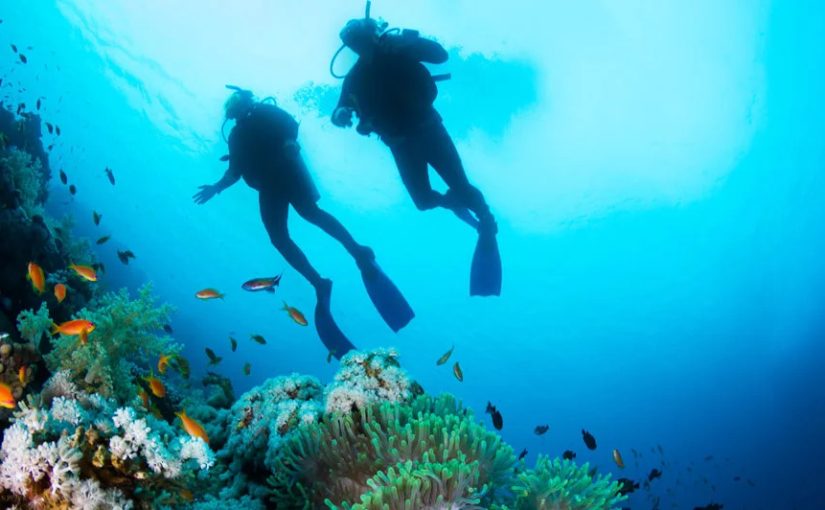
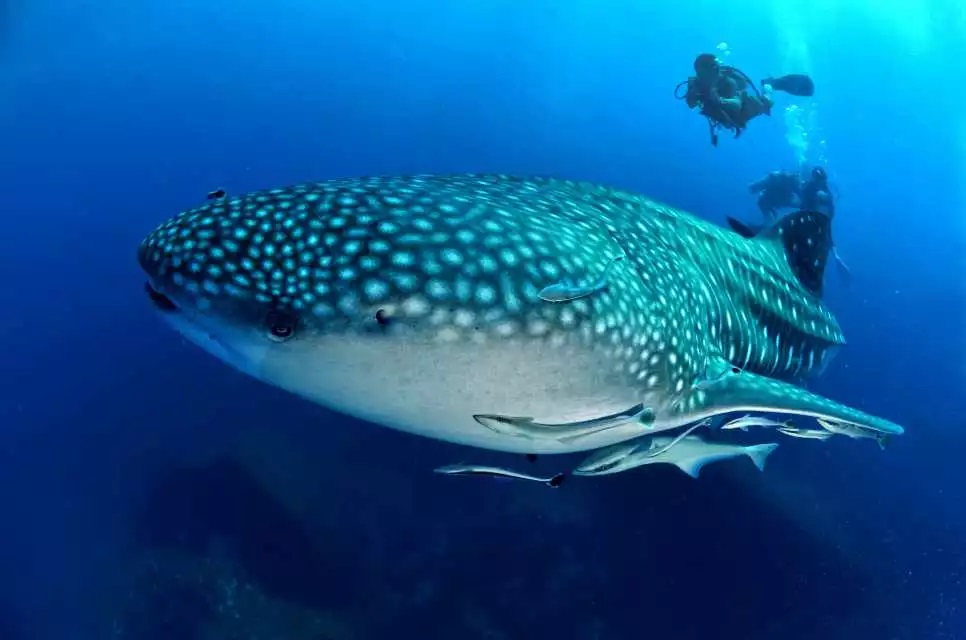
To spot manta rays and whale sharks, May through November is the best window to visit the Maldives scuba diving resorts. Visibility can dip slightly during this period due to plankton density, although the eastern atolls remain ideal for diving enthusiasts to spot vibrant marine life.

Image via The Residence Maldives Dhigurah

Snorkelling

Snorkellers have a bit more flexibility than divers, since house reefs close to shore tend to stay accessible across most of the year, dry season included. The calmer water and better visibility of the December to April months generally make it more comfortable for snorkelling, particularly for beginners or anyone snorkelling with kids.

The Quieter Months 

May through October is often labelled the wet season, although, in reality, rain arrives as short, localised showers rather than all-day downpours. This period is ideal for visitors looking for a quieter, less crowded version of paradise.

Kumana Through the Eyes of a First-Time Visitor: What to Expect

Kumana National Park offers one of Sri Lanka’s most peaceful wildlife experiences. Famous for its rich birdlife, diverse habitats, and uncrowded game drives, it is an excellent choice for travellers seeking an authentic safari.

Plan Your Journey Well

Visiting Kumana National Park Sri Lanka is even more rewarding with a carefully organised itinerary. Ceylon Tours, among other operators, helps travellers enjoy a comfortable journey while making it easier to explore the park and its remarkable wildlife without worrying about logistics.

Image via Ceylon Tours

Discover Wildlife Beyond Expectations

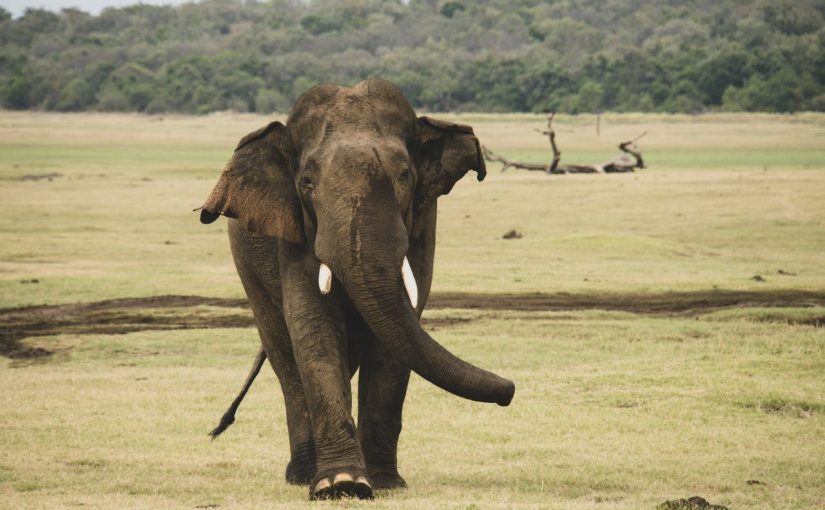
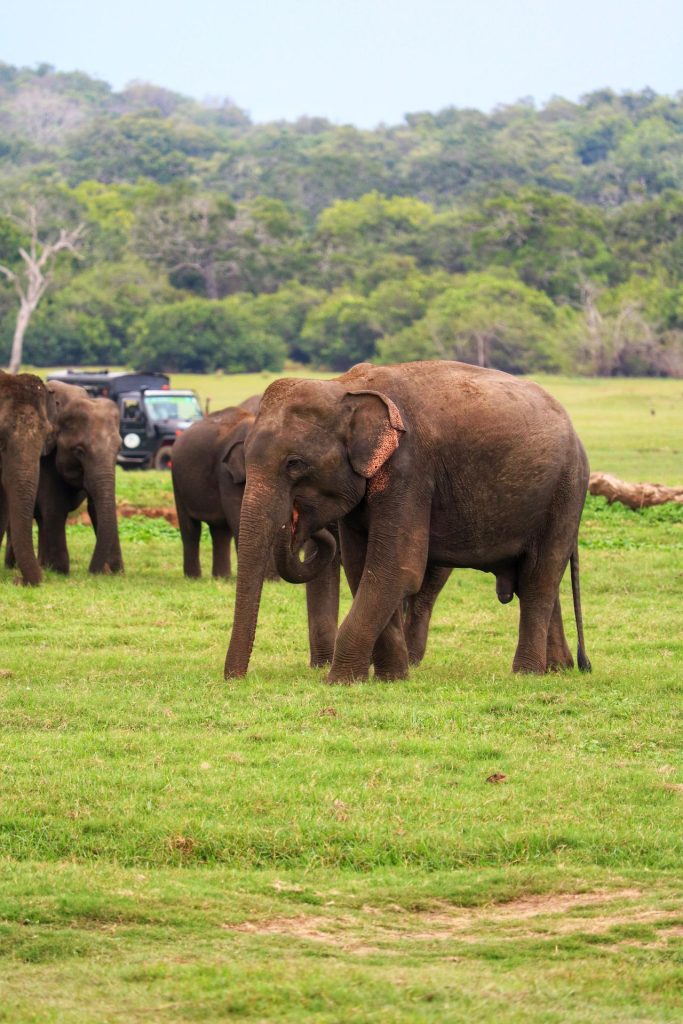
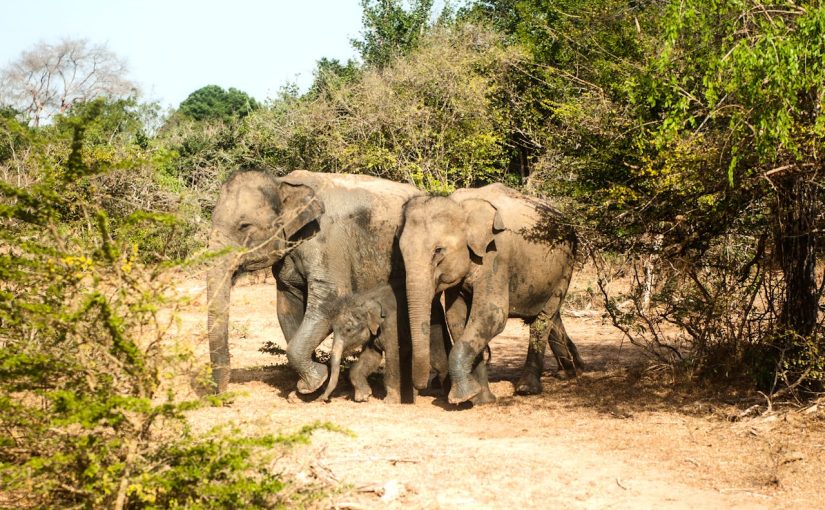
Kumana is renowned for its spectacular birdlife, including painted storks, pelicans, spoonbills, and herons. Visitors also have the chance to spot elephants, crocodiles, spotted deer, wild boar, as well as the elusive Sri Lankan leopard during their safari.

Enjoy A More Peaceful Safari

Unlike some of Sri Lanka’s busier national parks, Kumana offers a quieter atmosphere where wildlife can be observed without large crowds. This relaxed setting creates excellent opportunities for photography and a deeper connection with nature.

Make The Journey Worthwhile

A safari in Kumana is about more than seeing animals in their natural habitat. The beautiful wetlands, peaceful landscapes, and slower pace combine to create an experience that stays with visitors long after they leave the park, making the journey well worth the effort.

From Snow-Covered Peaks to Cosy Streets: The Best of Niseko Travel

What makes Northern Japan such a great place to travel is not only the chance for outdoor adventures but also the culture that the region can offer. For example, the Niseko area, which is known for its powder snow and breathtaking natural surroundings, has plenty of alpine sports for visitors, and at the same time, the option to get to know village culture.

If you’re visiting during skii season, here’s how to make the most of Niseko.

Start Your Days with World-Class Mountain Adventures

In northern Japan, one can find some of the most amazing snow conditions and mountainous scenery around. Whether engaging in skiing or snowboarding, or even simply walking through the mountains, the best way to start your day would be by taking full advantage of the fresh snow and the peaceful slopes. This part of the world has well-groomed slopes that can accommodate any type of traveller.

Choose Accommodation That Connects Both Worlds

The correct choice for accommodation can go a long way in improving one’s experience in terms of balancing the two. Properties like Chatrium Niseko Japan enable people to enjoy convenient access to outdoor adventures while being closer to all the village amenities. Staying at a conveniently located place can enable individuals to move easily from adventure activities to enjoying their time in the village.

Make the Most of Niseko’s Famous Slopes

A trip to the area would not be complete without skiing at a Hirafu ski resort, which is among the most sought-after winter getaways in Japan. With its high-quality snow coverage and fun atmosphere, it draws tourists from different parts of the world. Having enjoyed their skiing experience, people can head back to the village and indulge in a variety of activities such as dining and other forms of entertainment.

Explore the Energy of the Local Village

Image by pexels

With a day out on the mountain behind us, the alpine villages nearby provide a totally new experience. The coffee shops, small boutiques, and friendly eateries all combine to give an ambience that makes you feel like stopping and spending time soaking up the local culture. Strolling around in the villages gives one an opportunity to meet the locals, taste local foods, and get a feel for their unique culture.

Fall in Love with the Maldives: Must-Visit Attractions and Experiences

Maldives always attracts tourists with its crystal clear water, white sandy beaches and luxurious island living features. From lively coral reefs to serene water villas and unforgettable sunsets, the islands offer a perfect combination of rest and nature with spectacular beauty and tropical excitement.

Relax on the Maldives’ Famous White Sand Beaches

The Maldives is famous for its stunning beaches with powdery white sand encircled by crystal-clear turquoise water. Tourists get a chance to rest beneath the palm trees that are gently swaying in the breeze, savour tranquil scenes of the ocean, and soak up the soothing vibes of the tropical island life.

Experience Luxury Overwater Villas

Overwater villas have become one of the most iconic symbols of the Maldives travel experience. These luxurious accommodations offer direct access to the ocean, private pools, and breathtaking sunset views across the Indian Ocean. Staying in an overwater villa provides travellers with privacy, comfort, and unforgettable tropical scenery. Travellers searching for exceptional Maldives villas often look for resorts that combine luxury with stunning island surroundings. Resorts such as Anantara Dhigu Maldives Resort offer elegant villa experiences designed for relaxation and unforgettable tropical escapes.

Discover Vibrant Coral Reefs and Marine Life

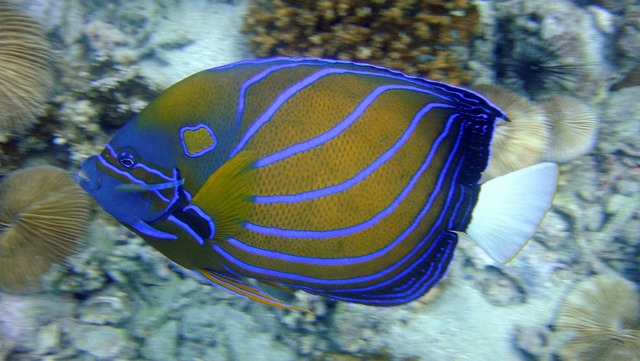
The Maldives hosts some of the planet’s most stunning coral reefs and marine ecosystems. Through snorkelling or diving, tourists can spot many brightly-coloured fish, sea turtles, manta rays and, on rare occasions, even whale sharks. For those who are passionate about ocean life and thrill seekers, the diverse marine wildlife is simply reason enough to fall in love with these islands.

Enjoy Romantic Sunsets and Island Experiences

Image by pexels

Renowned for its breathtaking sunsets, one can see a sky illuminated by colours of orange, pink, and gold. The Maldives draws in visitors in various ways. To see the sun go down over the ocean, tourists may go for a cruise, have dinner on the beach under the stars with the light of candles, or simply unwind while taking in the serene ocean scenery.