Unforgettable Experiences to Have in the Liwa Desert
A whole new world in the Liwa Desert. The Liwa Desert offers a thrilling adventure and privacy getaway into the middle of the vast desert of the United Arab Emirates. Learn how to make the most of your visit to this spectacular natural attraction.
1. Experience the Thrill of Dune Bashing
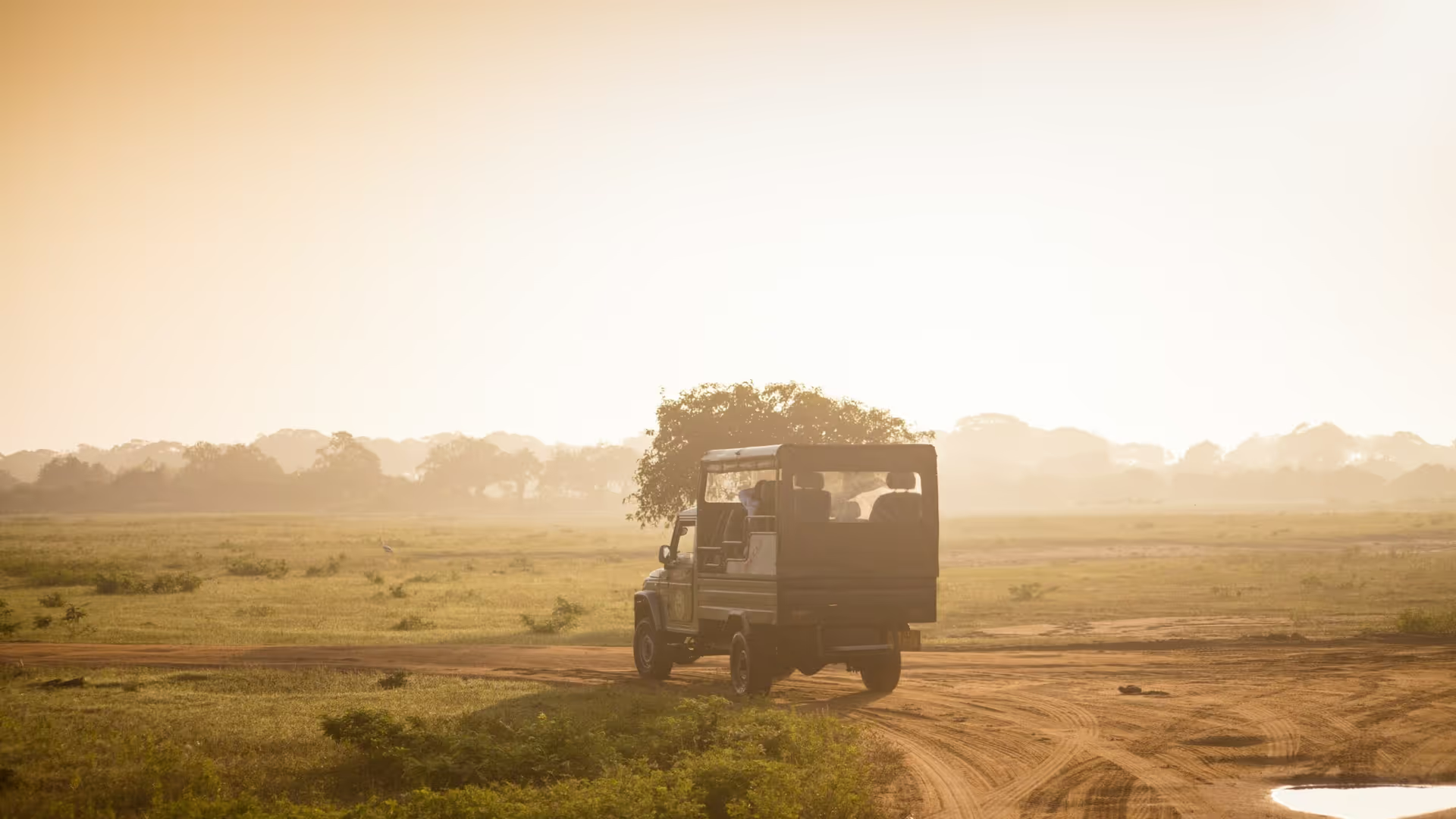
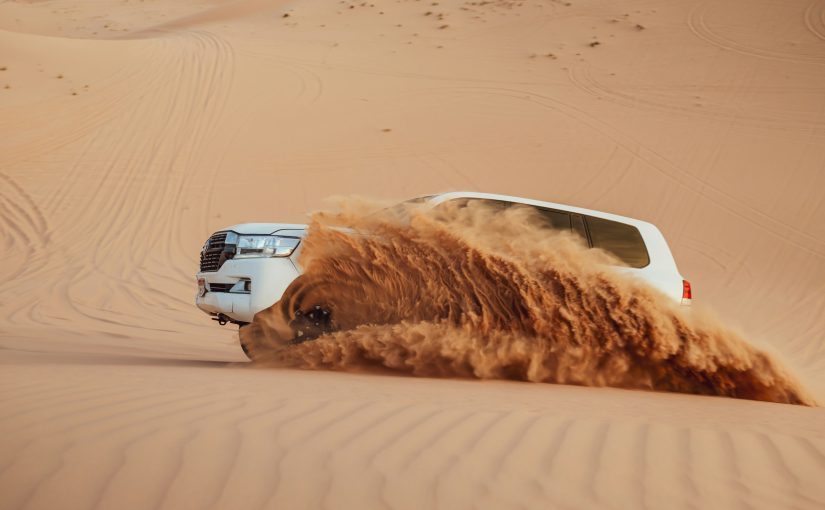
Dune bashing is one of the most exciting ways to explore Liwa’s vast desert landscape. Travellers can ride across the towering dunes in a 4×4 vehicle with an experienced driver while enjoying dramatic views of the surrounding sands. Qasr Al Sarab Desert Resort by Anantara also provides a convenient base for guests looking to experience the dramatic desert environment and a range of activities.
2. Try Sandboarding Across the Dunes
The desert sands and dunes across Liwa are the ideal destination for thrill-seeking visitors wanting to get to know a taste of the desert. Sandboarding is a fun activity where visitors slide down the dunes and enjoy the sights and sounds of the desert.
3. Enjoy a Traditional Desert Safari
A desert safari can combine several experiences, including camel rides, cultural activities and traditional Emirati hospitality. Visitors can also enjoy a desert sunset before experiencing an evening meal or entertainment beneath the stars. Exploring desert adventures can add variety to a Liwa itinerary, allowing travellers to experience the landscape through different activities and excursions.
4. Visit Tal Moreeb and Experience the Desert Landscape
Tal Moreeb is among the most outstanding features in the Liwa region, standing over 300 metres high and overlooking the sands of the Empty Quarter. Visitors can go to Tal Moreeb to take photographs, indulge in sightseeing, and participate in motorsports during the winter festival.
5. Spend a Night Under the Desert Stars
A night in the desert gives visitors the opportunity to take in Liwa's tranquil environment after night falls. Laid-back campsites offer an authentic experience, locally produced food, and a chance to gaze upwards at starry night skies without the blight of city lights. Camping can also be arranged in the Empty Quarter and Moreeb Dune.
6. Enjoy a Traditional Camel Ride
Camel riding brings a more leisurely and traditional means of viewing the expansive Liwa Desert. Visitors are able to traverse the dunes on the backs of camels, uniquely seeing the landscape. A number of desert safaris in the area include camel riding as well as sandboarding and cultural shows.
7. Explore Liwa’s Historic Forts
Liwa is dotted with a number of historic sites and forts, which reflect the heritage and traditional settlement strategies of the area. Forts like Dhafeer and Umm Hosn, and other historic buildings, can provide a cultural element to what would otherwise be an itinerary based solely on the desert.
8. Watch the Desert Come Alive at Sunset
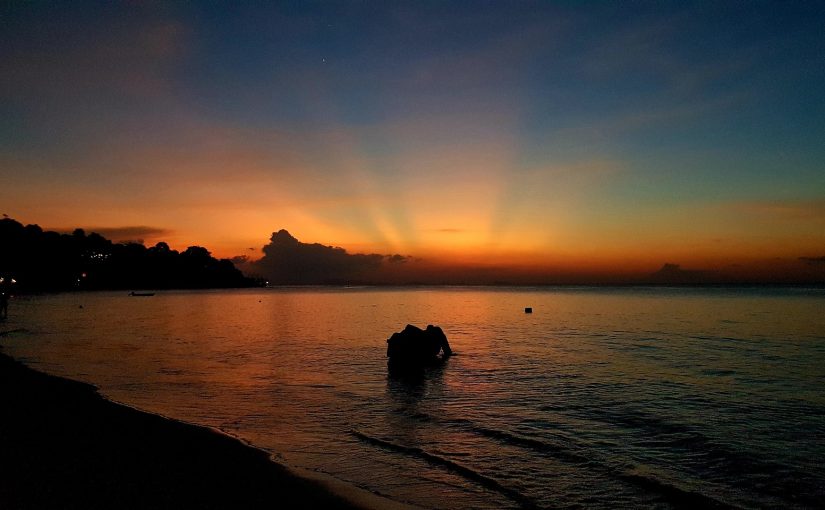
Watching the massive dunes of Liwa cast their shadows across the desert as the sun sets is an unforgettable experience. There are many quiet vantage points within the dunes, or travellers can have a sunset experience included in a guided desert safari. The colourful sands and expansive surroundings also lend themselves to great photographic opportunities.
9. Experience the Excitement of Desert Camping
Camping in the Empty Quarter can be a great way for travellers to enjoy being outside in the wide-open nature of this area. Camping can afford the luxury of the outdoor experience for an evening; some organised trips also provide dinner, entertainment, and camping in luxury tents. Camping at the foot of Moreeb Dune also offers a chance to see the dramatic dunes and enjoy outdoor pursuits.
10. Discover Liwa’s Wildlife and Desert Landscape
An exploration of Liwa offers a chance to learn about the landscape of the Empty Quarter and the hardy flora and fauna that nature has managed to evolve in its arid climate. While travelling in the dunes and desert oases, a person may see desert plants, camels, and other desert animals. Combining wildlife watching with exciting activities and outdoor pursuits can meet the needs of the adventure-seeking visitor.