Riding Waves in the Maldives: A Beginner’s Surfing Handbook

Ready to swap your desk chair for a surfboard? The Maldives might be famous for its overwater villas and crystal-clear lagoons, but it’s also an underrated hotspot for beginner surfers. With gentle swells, soft sandy bottoms, and tropical charm, it’s the perfect place to learn the ropes. Here’s your crash course in surfing, Maldives style.

Start Slow: Pick the Right Beach
Beginners should avoid the reef breaks popular with pros and instead head to mellow beach breaks like Thulusdhoo or Himmafushi. These spots offer smaller, more manageable waves perfect for your first pop-up. Bonus: local surf schools make it easy to dive right in.

Suit Up: What to Pack for a Surf Trip

Image by Wikimedia Commons

You won’t need a full wetsuit here, just reef-safe sunscreen, a long-sleeve rash guard, and surf booties to protect your feet from coral. Don’t worry about boards; most surf resorts and schools offer rentals included in their packages.

Know the Etiquette: Surf Respectfully
Even as a beginner, learning the unspoken rules of the lineup is key. Don’t drop in on others, respect locals, and wait your turn. A little courtesy goes a long way in building good surf karma.

Stay Close to the Action
When choosing accommodation, proximity to beginner-friendly breaks can make all the difference. Some of the best surf resorts in Maldives offer direct beach access, in-house instructors, and a front-row seat to daily swells.

Make It a Mindset
Surfing is as much mental as it is physical. Expect a few wipeouts and celebrate the small wins. With each wave, you’re not just learning a sport—you’re stepping into an ocean-loving lifestyle.


Sir Bani Yas Island as a Wildlife Haven: Intriguing Species on the Island

Sir Bani Yas Island is often hailed as a paradise for tourists looking to escape the hustle of Abu Dhabi, but it’s also an important home for many animal species, on land, in the air and the water. Here’s a quick rundown of the species that call the island home, and that make it a true haven for wildlife.

A Wildlife Haven for Many

Sir Bani Yas Island has always been linked to conservation, from its beginnings as a Royal Nature Reserve in 1971 to its current status as a luxury destination. It features the Arabian Wildlife Park, home to more than 11,000 animals of 30 different species, with resorts like Desert Islands Resort & Spa by Anantara providing guests with guided excursions to witness these animals.

Animals on Land

One of the more iconic animal species on the island is the rare Arabian oryx, which now has a population of 700+. Cheetahs, sand gazelles, urial sheep, and blackbuck antelope are some of the other endangered species present, making safaris on the island one of the best Abu Dhabi things to do.

Vibrant Birds

There are also many species of birds on Sir Bani Yas, which include flamingos, cormorants, crab plovers, grey herons, shovelers, wildfowl, and black-winged stilts. Many of these species are non-indigenous and have settled on the island during migration, making it their home.

Marine Species

Image by Martina Janochová from Pixabay

The waters around Sir Bani Yas Island also make up a safe home for several marine species. This includes the 8-kilometre no-fishing zone that is home to turtles, dugongs and dolphins that can safely thrive without interference from marine traffic.

Zambia’s Top National Parks for an Unforgettable Safari Experience – Roam Wild

Zambia is one of Africa’s most rewarding safari destinations. It offers wild landscapes, fewer crowds, and some of the best guides on the continent. If you’re building your safari trip, these four national parks should be high on your list. Each one offers a different experience and a fresh view of Zambia’s wildlife.

Image by Scheidt from Pixabay

South Luangwa National Park

Known for walking safaris, South Luangwa is where you trade vehicles for foot trails. It’s home to elephants, leopards, hippos, and over 400 bird species. Some of the best things to do in Zambia include sunrise bush walks and sundowner drives by the Luangwa River.

Lower Zambezi National Park

This park sits along the Zambezi River and offers canoe safaris, fishing trips, and riverside game drives. The view from the water gives you a different angle on wildlife, especially elephants wading in to drink. If you’re staying at the Royal Livingstone Hotel by Anantara, tour operators can help you plan a side trip here with ease.

Kafue National Park

Kafue is vast and less visited, which means you often have the plains to yourself. It’s a great place to spot cheetahs and wild dogs. The Busanga Plains area, in the north, is especially known for big cats and dramatic skies during the dry season.

Liuwa Plain National Park

Remote and seasonal, Liuwa is perfect for travellers looking for something off the beaten path. It hosts Africa’s second-largest wildebeest migration and is home to hyenas, lions, and rare birds.

A Nature Lover’s Guide to Exploring the Mangroves of Ras Al Khaimah – Into the Green

Ras Al Khaimah’s mangroves are among the UAE’s most underrated natural wonders. The calm waterways offer a haven for nature lovers, perfect for kayaking and birdwatching.

Start with a Guided Kayak Tour

If you want to truly experience the mangroves, hop into a kayak. Kayaking in Ras Al Khaimah gives you front-row access to quiet inlets and dense greenery, with flamingos and herons often making an appearance. The waters are calm, which makes it beginner-friendly, and most guided tours include a short introduction to the ecosystem. It’s the kind of activity that makes you slow down and actually notice what’s around you. Guests staying at Anantara Mina Al Ras Al Khaimah can often book eco-tours directly through the resort.

Watch the Wildlife Wake Up

Early mornings are the best time to spot the mangroves’ more elusive residents. From fiddler crabs scuttling across the mudflats to fish darting through shallow waters, there’s always something moving if you pause long enough. Bring binoculars if you can, since this is one of the UAE’s best spots for birdwatching, especially during the migratory season.

Walk the Mangrove Boardwalk

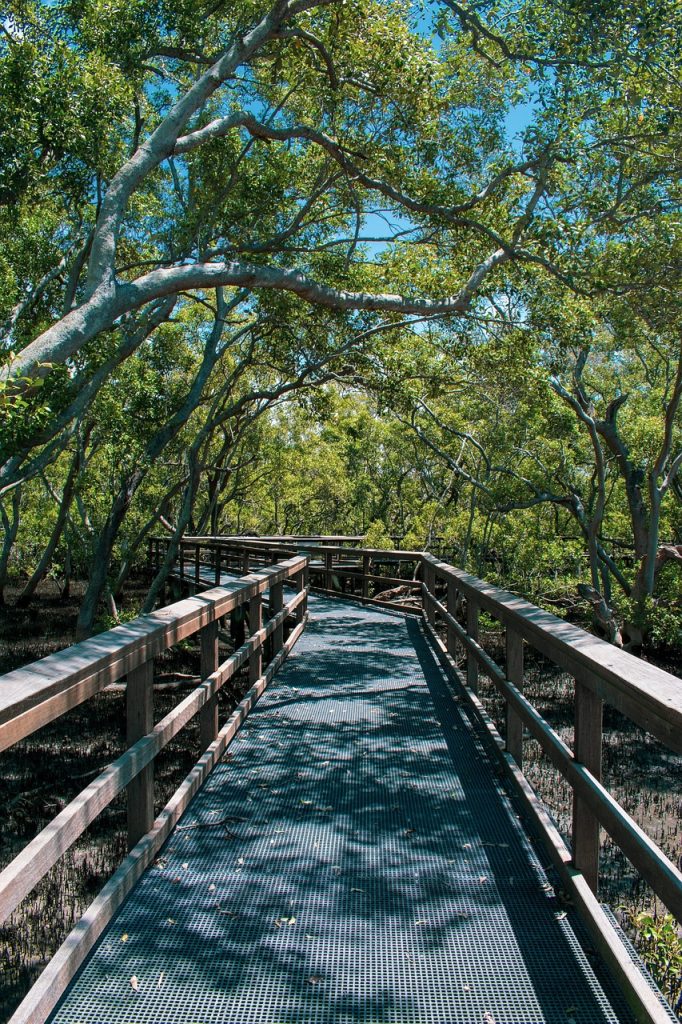
If you prefer to stay on land, the mangrove boardwalk at Al Rams offers a simple trail with wooden paths and shaded viewpoints. It’s easy to access and great for slow strolls or birdwatching. The area is especially beautiful during sunrise or just before sunset.

 Image by Pixabay

Pack Light and Go Early

The best time to explore is early morning when the light is soft and the birds are most active. Wear breathable clothing, bring a refillable water bottle, and use reef-safe sunscreen to avoid polluting the water.

Respect the Ecosystem

Mangroves are fragile, so avoid littering, feeding wildlife, or stepping off marked paths. Tour guides and conservation groups in the area are working hard to keep this space clean and safe for everyone. A little care goes a long way in preserving this natural beauty.

Make Memories That Matter With a Family Trip to Hatta-  Family Fun Amidst Hatta’s Natural Beauty

If you’re looking for a special family getaway, Hatta is a wonderful choice. Set against the beautiful Hajar Mountains, it’s a place where you can enjoy nature, adventure, and plenty of quality time as a family.

Discover Nature and Adventure in Hatta

One of the best ways to spend time in Hatta is by exploring the many easy hiking trails. These walks are great for all ages and offer stunning views that everyone will enjoy. Most Hatta resorts have hiking areas that’s perfect for a relaxed family walk. Kids can burn off some energy at Hatta Rangers Park, where there’s a cosy playground with slides and swings.

Fun Animal Encounters for the Whole Family

Animal lovers will find plenty to love too! Hotels such as JA Hatta Fort Hotel Dubai offers chances to meet and feed friendly creatures like deer, ponies, bunnies & tortoises. These moments tend to be a real hit with children and make the trip even more memorable.

Image via JA Hatta Fort Hotel Dubai

Water Activities and Thrills at Hatta Dam

Head to Hatta Dam if you want some adventure in the water. You can rent kayaks or water bikes and spend time paddling in the calm water surrounded by mountains. It’s peaceful and refreshing for the whole family. For those who want more excitement, Go Gravity nearby has tube sliding and zorbing– activities that add a little thrill but are still family-friendly.

Relaxing Dining and Family Time

At the end of the day, you can enjoy tasty meals right at the hotel. Whether it’s breakfast, lunch or dinner, there are options for everyone in the family at your selected resort.

With all these activities and the stunning setting, a trip to Hatta offers moments to treasure and memories you’ll carry long after you leave!

Hidden Caribbean Gems: Underrated Islands One Should Not Miss

The Caribbean is more than just the Bahamas and Barbados. Tucked between popular destinations lie lesser-known islands bursting with charm, natural beauty, and authentic local life. For the curious traveller, these hidden gems offer the perfect escape without the crowds.

Bequia: The Caribbean’s Best-Kept Sailing Secret
Situated off the coast of St. Vincent and the Grenadines, Bequia is a laid-back paradise that’s ideal for yacht lovers and snorkelling fans. With pastel-hued villages, hidden coves, and a strong maritime heritage, this island feels like stepping into a simpler time.

Saba: The Unspoiled Queen of the Clouds
Rising dramatically from the sea, Saba is a volcanic gem in the Dutch Caribbean. With lush rainforests, friendly locals, and world-class diving, it’s perfect for nature lovers and adrenaline seekers alike. No crowds, just pure island magic.

Tobago: Nature, Culture, and Authentic Island Life
Often overshadowed by Trinidad, Tobago is a vibrant mix of rainforest, coral reefs, and rich Creole culture. It’s less commercialised but packed with soul, plus, Caribbean Island flights make it easily accessible from the mainland.

Turks & Caicos (South Caicos): Serenity Beyond the Resorts
South Caicos is the quieter cousin in the archipelago, offering pristine beaches and a charming fishing village vibe. It’s a breezy hop with InterCaribbean Airways, and the moment you arrive, you’ll wonder why more people haven’t discovered it yet.

Montserrat: Emerald Isle with a Fiery Heart
Still rebuilding from past volcanic eruptions, Montserrat offers unique adventures, such as hiking through lava-sculpted landscapes or exploring ghost towns. It’s raw, rugged, and utterly unforgettable, ideal for travellers who crave something real.

Underrated Eco-Adventures in Vietnam – Caving, Jungle Treks, and River Expeditions Beyond Ha Long Bay

Vietnam is often celebrated for its iconic Ha Long Bay, yet the country offers far more for travellers who enjoy the outdoors. From dramatic caves to lush jungles and winding rivers, these adventures reveal a quieter but equally captivating side of Vietnam.

Caving in Phong Nha-Ke Bang National Park

Phong Nha is home to some of the world’s largest and most impressive cave systems, including the renowned Son Doong Cave. Guided expeditions take visitors deep underground, where vast chambers, underground rivers, and rare rock formations create a surreal landscape. After a day of exploration, many travellers opt to unwind at one of the luxury resorts in Vietnam that cater to nature lovers looking for both comfort and immersion.

Mountain Escapes in Ha Giang Province

For those drawn to rugged scenery, Ha Giang in the far north provides dramatic limestone peaks, terraced rice fields, and remote villages. The region’s mountain trails are ideal for hiking and cycling, offering panoramic views with every turn. After days of exploration, travellers often head south to unwind in places like Anantara Quy Nhon Villas, where the peaceful coastline and wellness-focused atmosphere offer a welcome contrast to the wild north.

Jungle Treks in Cat Tien National Park

Cat Tien offers an authentic jungle experience, with dense forests that shelter gibbons, deer, and hundreds of bird species. Trekking routes vary from short day walks to multi-day excursions with overnight stays in eco-lodges. The park also supports conservation efforts, allowing travellers to learn about protecting Vietnam’s rich biodiversity while enjoying its unspoilt landscapes.

Photo by Quang Nguyen Vinh via pexels

River Expeditions Along the Mekong Delta

The Mekong Delta offers a slower, more reflective journey into rural Vietnam. Travelling by boat along its many tributaries reveals floating markets, traditional craft villages, and endless rice paddies. Guided river expeditions are particularly rewarding at sunrise, when the water reflects both the sky and the rhythm of local life.

Where Kings Once Ruled: Wildlife of Sri Lanka’s Ancient City of Polonnaruwa

Polonnaruwa, Sri Lanka’s medieval capital, is not only a UNESCO World Heritage Site but also a living sanctuary for incredible wildlife. Amidst ancient palaces, monasteries, and stone carvings, nature thrives in harmony with history, offering visitors a rare chance to witness the wild side of a royal past.

Monkey Kingdom: Mischief Among the Ruins

Grey langurs and toque macaques roam freely here, often leaping across weathered columns and temple walls. Their playful antics bring a lively charm to the centuries-old stone structures, making them an unmissable part of the Polonnaruwa experience.

The Gentle Giants: Elephants 

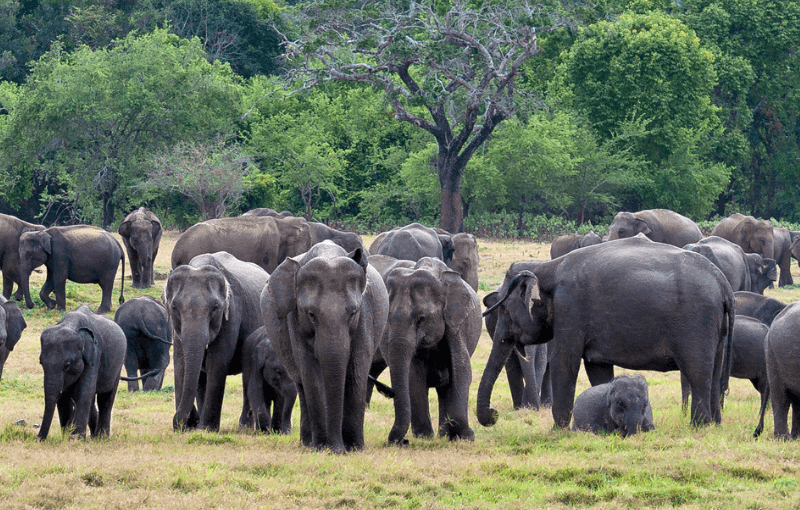
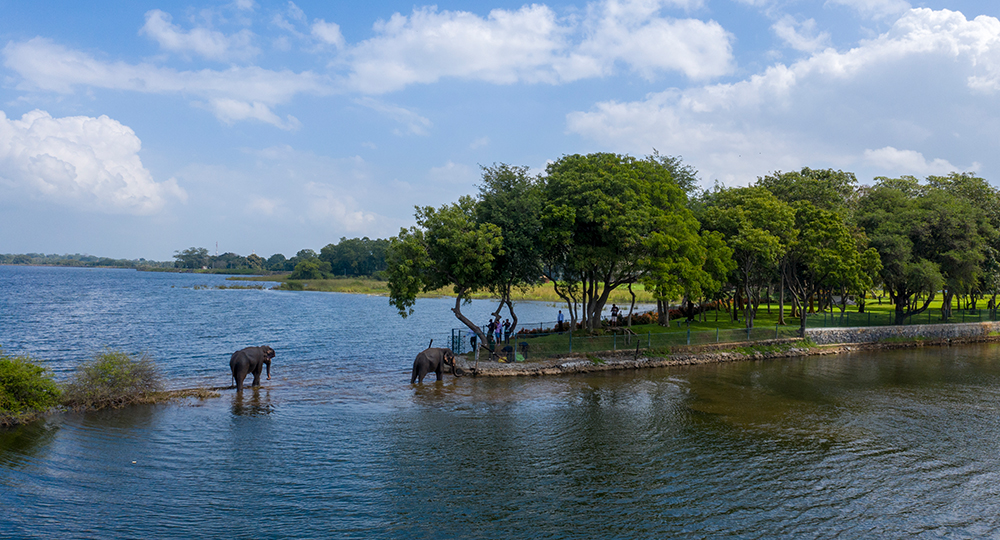
Wild elephants can sometimes be seen grazing near the edges of the city’s lush surroundings. These majestic creatures, symbols of strength and tradition, add a sense of grandeur that echoes the city’s regal history.

Where Comfort Meets the Wild: Rest in Style

Exploring the city’s heritage and wildlife can be tiring, so choosing the right place to stay is key. From lakeside retreats to luxury escapes like Hotel Sudu Araliya, visitors can unwind while still being close to nature’s treasures.

Image via Hotel Sudu Araliya

Gateway to Exploration: Stay Close to the Action

Booking one of the many Polonnaruwa hotels keeps you near both ancient marvels and thriving wildlife. It’s the ideal base for travellers wanting to immerse themselves in the city’s blend of culture and natural beauty.

Avian Paradise: A Symphony in the Skies

From colourful kingfishers to graceful egrets, Polonnaruwa’s waterways and paddy fields attract an impressive variety of birds. Birdwatchers will find the area’s serene landscapes a perfect spot to admire these winged wonders.

Highland Hiking: The Best Sunrise Spots in Nuwara Eliya

Known as “Little England”, Nuwara Eliya is home to some of Sri Lanka’s most breathtaking sunrise hikes. Trails wind through expansive tea plantations and misty valleys, displaying the local way of life and the raw beauty of the natural world.

Horton Plains to World’s End Trail

On this 9.5-kilometre loop, hikers pass through cloud forests and montane grasslands. Arriving at World’s End cliff at sunrise, hikers are met with a dramatic 4,000-foot drop into the foggy plains below. Early arrivals might spot a variety of bird species and sambar deer. Plan to arrive when the park opens at 6.00 AM.

Single Tree Hill and Lover’s Leap Ridge

The 1.5 km ascent rewards with sweeping views of Gregory Lake, tea estates, and Nuwara Eliya town. The valleys, dotted with hotels like Araliya Green City, add to the charm. For those seeking the most picturesque outlooks, this ridge ranks among the top places to see in Nuwara Eliya.

Pedro Tea Estate Loop

This trail winds through the working Pedro Tea Estate, giving a close look at tea production. Morning hikers can see workers picking tea leaves amid misty hills. The calm surroundings of the estate create a perfect setting for a quiet sunrise.

Photo by enes çimen via pexels

Galway’s Land Forest Reserve

A brief 1 km path runs through this forest reserve, shaded by pine and oak trees. In the early morning, bird songs fill the air, and dew-covered leaves glisten in the dawn light. This spot is ideal for nature lovers and birdwatchers alike.

Underrated and Wild: An Escape to Laos

Laos is Southeast Asia’s well-kept secret—a land where untouched nature, ancient traditions, and relaxed vibes create a truly immersive escape. Here are four must-visit destinations, each offering a glimpse of Laos’s soul – from well-trodden paths to hidden corners where culture and wild beauty intertwine.

Luang Prabang
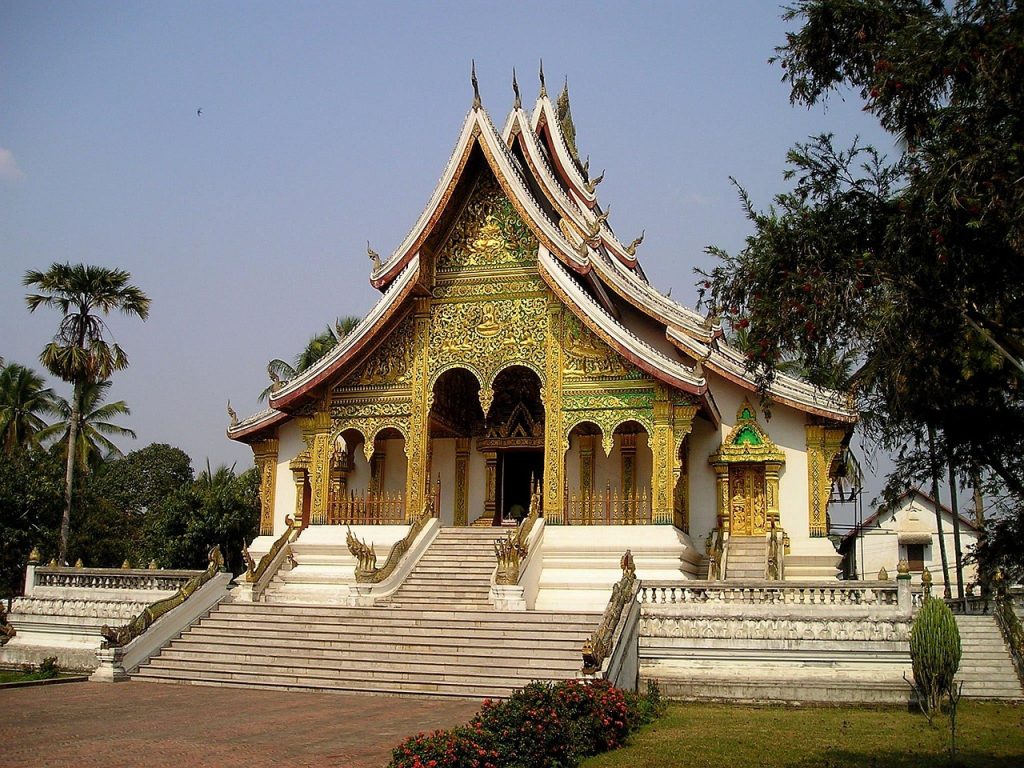
While this city is popular for hotels like Avani+ Luang Prabang Hotel, many visitors are also taken up by the city’s colonial architecture and spiritual serenity. Saffron-robed monks walk the streets by sunrise to collect alms while the rest of the day brings in the cacophony of riverside markets. Exploring ancient temples and waterfalls that seem like they came right out of a dream is one of the best things to do in Luang Prabang.

Vientiane
Laos’s laid-back capital exudes gentle charm rather than urban hustle. Wander along the Mekong promenade, shop at its lively night market, and immerse yourself in French-flavoured avenues and historic temples like That Luang. With a population under 800,000, Vientiane offers big-city history in a small-town format.

Thakhek
Taking you all the way to the edge of the Mekong, Thakhek offers visitors a chance to explore karst landscapes, hidden caves, and lush forests via the famed Thakhek Loop. Discover Tham Kong Lo, a cave lit up by natural light and accessible by boat and even find photo-worthy lagoons.

Tham Pa Fa

Image by Simon from Pixabay

High in the limestone cliffs near Savannakhet, Tham Pa Fa is a mystical Buddhist cave sanctuary filled with 229 bronze statues. Discovered only in 2004, the ancient site invites explorers to climb to its entrance and pause in contemplation among centuries-old icons.