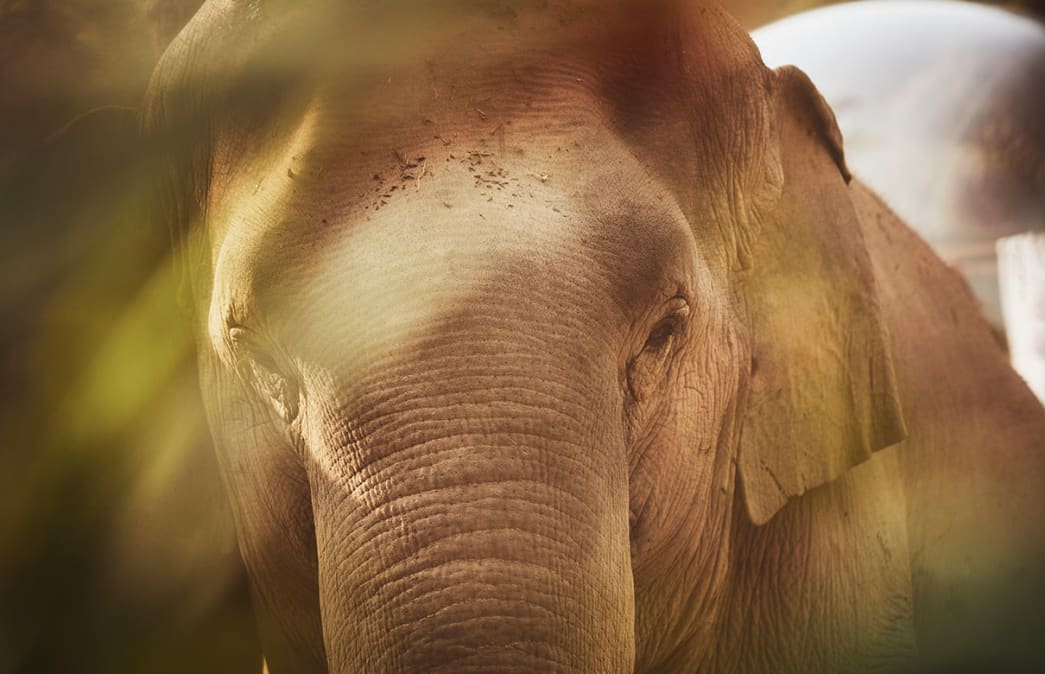
Thailand offers remarkable wildlife experiences, ranging from guided elephant encounters to adventurous safaris through forests and protected natural areas. However, these activities differ significantly in their approach to animal welfare, visitor participation, conservation, and educational value.
Ethical elephant encounters focus on observing and understanding elephants in carefully managed environments, while general wildlife safaris introduce travellers to a wider variety of species and ecosystems. Understanding these differences helps visitors make responsible decisions while enjoying meaningful connections with Thailand’s extraordinary natural heritage.
Overview: Ethical Elephant Encounters vs General Wildlife Safaris
| Comparison Factor | Ethical Elephant Encounters | General Wildlife Safaris |
| Wildlife focus | Primarily elephants and their behaviour | Multiple wildlife species and habitats |
| Animal welfare | Emphasis on welfare-led observation | Standards depend on the operator and setting |
| Visitor experience | Guided observation and educational activities | Wildlife viewing and habitat exploration |
| Conservation | Elephant welfare, research, and rehabilitation | Broader biodiversity and habitat protection |
| Cost and value | Specialised encounters and guided programmes | Varied safari durations and experiences |
Wildlife Focus and Animal Encounters
The primary distinction lies in the animals visitors encounter.
Ethical elephant experiences concentrate on observing elephants, understanding their behaviour, and learning about their welfare requirements. These activities can provide opportunities to observe elephants walking, foraging, bathing naturally, and interacting with one another.
General wildlife safaris introduce visitors to broader ecosystems, potentially including birds, mammals, reptiles, and other native species.
Travellers researching the most unique bubble hotels in Thailand where you can sleep under the stars may also encounter wildlife-focused accommodation combining observation with overnight experiences.
Such arrangements offer a different perspective from conventional daytime safaris.
Animal Welfare and Responsible Tourism
Animal welfare should be a central consideration when selecting wildlife activities.
Responsible elephant encounters prioritise natural behaviour, appropriate veterinary care, suitable environments, and minimal unnecessary human interference. Visitors should avoid activities involving elephant riding, performances, or practices that force animals into unnatural interactions.
At Anantara Golden Triangle Elephant Camp & Resort, for instance, guests can participate in observation-focused experiences designed around elephant welfare and educational engagement.
General wildlife safaris should similarly respect animals through appropriate viewing distances, controlled visitor numbers, and responsible guiding practices. Travellers should investigate operator policies rather than assuming an activity is ethical simply because it takes place outdoors.
Educational Value and Visitor Participation
Ethical elephant experiences frequently emphasise education.
Knowledgeable guides may explain elephant communication, feeding behaviour, social relationships, and the challenges associated with conservation. Some programmes introduce visitors to the traditional knowledge of mahouts while encouraging responsible understanding of elephant care.
Wildlife safaris generally provide broader environmental education, covering animal identification, habitats, biodiversity, and ecosystem relationships. Guided experiences can be particularly valuable for families and travellers interested in conservation.
Visitors should assess whether an activity encourages meaningful learning rather than entertainment alone. Educational quality often determines how memorable and worthwhile a wildlife encounter becomes.
Conservation and Environmental Responsibility
Conservation approaches differ depending on the type of experience.
Elephant-focused programmes may support animal welfare initiatives, veterinary care, habitat management, and research. However, conservation claims should be evaluated carefully because operational practices vary considerably.
General wildlife safaris may contribute to protecting wider ecosystems through park fees, conservation programmes, and community employment. Responsible operators should follow established environmental regulations and avoid disturbing wildlife habitats.
Travellers can support conservation by choosing reputable providers, respecting protected areas, and following guidance during encounters.
Understanding how tourism revenue contributes to environmental protection can also improve decision-making.
Pricing and Overall Experience Value
Wildlife experiences vary in price according to location, duration, guiding arrangements, and available facilities.
Specialised elephant encounters may command premium prices because of smaller group sizes, educational programmes, and animal care requirements. General safaris can offer a wider range of options, from short guided excursions to extensive wildlife exploration.
However, affordability should not outweigh animal welfare considerations.
Travellers should examine group sizes, activity descriptions, conservation policies, and package inclusions. The most valuable experience combines responsible wildlife practices with meaningful learning and appropriate visitor expectations.
Conclusion
Ethical elephant encounters and general wildlife safaris offer different opportunities to appreciate Thailand’s natural world. Elephant-focused experiences emphasise individual animals, welfare considerations, and behavioural education, while safaris introduce visitors to wider ecosystems and biodiversity. Both can be rewarding when operated responsibly. By prioritising animal welfare, educational quality, conservation, and overall value, travellers can enjoy memorable wildlife adventures while supporting more responsible tourism practices.
References
- Golden Triangle – Wildlife Experiences and Resort Information.
- Elephant Camp – Animal Welfare and Educational Experiences.
- Jungle Bubbles – Overnight Elephant Observation Experiences.
- World Animal Protection – Wildlife Tourism and Animal Welfare Guidance.