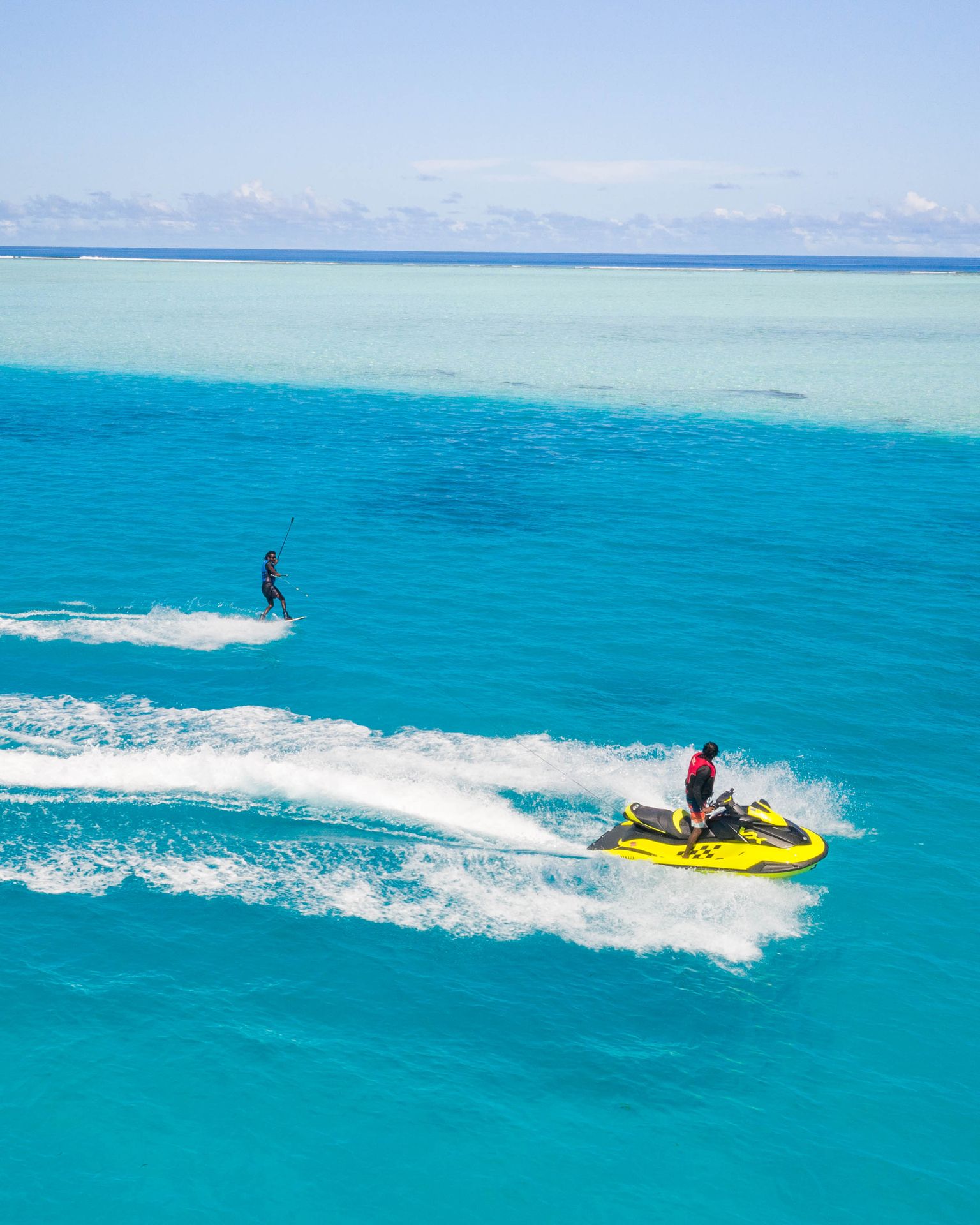
The Maldives is famous for its calm lagoons and beautiful beaches, but it also attracts surfers searching for powerful Indian Ocean swells. With warm tropical waters, impressive reef breaks and spectacular island scenery, the archipelago offers a distinctive alternative to conventional surfing destinations. Planning the right holiday requires understanding seasonal conditions, selecting suitable surf breaks and choosing accommodation that supports time in the water. Whether travelling with experienced surfers or companions who prefer relaxing ashore, thoughtful preparation can turn a surfing holiday into a memorable tropical adventure.
Understand the Maldives Surfing Seasons
Surf conditions in the Maldives vary throughout the year, making travel dates one of the most important planning decisions.
The main surfing season in the North and South Malé atolls generally extends from approximately March to October, although specific conditions change throughout this period.
Larger swells are more common during parts of the southwest monsoon season, while wind direction and local weather influence individual breaks.
Experienced surfers might prioritise periods with stronger waves, whereas less confident participants may prefer smaller conditions.
Research historical patterns, but remember that forecasts cannot guarantee perfect waves.
Allowing several days at the destination increases the chances of experiencing suitable conditions and provides flexibility when weather patterns change.
Select Accommodation Near Suitable Surf Breaks
Convenient access to quality waves can make a significant difference to the overall experience.
Travellers researching the best Maldives island resorts for surfing adventures should check whether breaks are accessible directly from the island or require organised boat transfers.
Adaaran Resorts offers access to the Maldivian surfing experience through its island properties, including accommodation near the renowned Lohis break at Hudhuran Fushi.
Staying close to a surf location can reduce travel time and make it easier to respond to changing conditions.
However, direct proximity is only one consideration. Some surf breaks require substantial experience because of shallow reefs, strong currents or powerful waves.
Choose a destination that matches the abilities of everyone planning to participate.
Assess Surfing Support and Safety Arrangements
Even confident surfers benefit from understanding the local environment before entering unfamiliar waters.
Ask whether qualified surf guides, boat transfers or local briefings are available.
Reef breaks require particular attention because water depth, tides and currents can create hazards that differ from sandy beach breaks.
Visitors should identify emergency procedures, available medical assistance and communication arrangements before heading out.
Travel insurance is another important consideration. Standard policies may exclude surfing or certain water sports, so review coverage carefully.
If travelling with beginners, investigate whether appropriate instruction is available rather than assuming every island has beginner-friendly waves.
Responsible planning helps surfers enjoy the adventure while respecting their abilities and changing ocean conditions.
Balance Surf Sessions With Island Experiences
A successful surfing holiday should provide opportunities to recover between sessions and enjoy the destination beyond the waves.
The Maldives offers snorkelling, diving, sunset cruises and relaxing beach experiences that can complement an active itinerary.
Comfortable accommodation and convenient dining are particularly valuable after spending several hours in the water.
If travelling with a partner or family members who do not surf, consider whether they have access to swimming areas, wellness facilities and alternative activities.
This flexibility helps everyone enjoy the holiday without following the same schedule.
Building rest days into the itinerary can also reduce fatigue, especially when surfing in warm conditions for several consecutive days.
Prepare Equipment and Travel Logistics
Surfboards and specialised equipment require additional planning when travelling internationally.
Check airline baggage policies, weight restrictions and board transportation fees before booking flights.
Protect boards with suitable travel bags and confirm whether onward speedboat transfers can accommodate oversized luggage.
Essential accessories may include reef-safe sun protection, a suitable leash, rash guards and a basic repair kit.
Travellers should also check whether equipment rentals are available at their destination.
Finally, confirm transfer schedules and allow sufficient time between flights and boat departures.
Booking accommodation, surf arrangements and transport together can reduce unnecessary complications and help protect valuable time on the water.
Conclusion
Planning a memorable Maldives surfing holiday involves much more than selecting a beautiful island. Seasonal swells, suitable breaks, reliable transport and responsible safety arrangements all influence the experience. By choosing accommodation that supports surfing while offering enjoyable alternatives, travellers can combine exciting ocean adventures with the relaxation and natural beauty that make the Maldives such a distinctive destination.
References
- Adaaran Resorts – Official Website
- Adaaran Select Hudhuran Fushi – Official Website
- Lohis Surf Break – Live Surf Information
- Lohis Villa – Surf-Focused Accommodation